What City To Combine With Amsterdam?
Discover the best cities to combine with Amsterdam, from historic Dutch neighbours to Belgian gems and European capitals, with train times, trip ideas, and practical planning advice.
What City To Combine With Amsterdam?
The best cities to combine with Amsterdam are Rotterdam, Utrecht, and Haarlem for a Dutch multi-city trip, Brussels or Bruges for a Belgian detour, and Paris or London for a European capital add-on, all reachable by direct train in under three and a half hours. Each pairing suits a different travel style, from day trips to overnight stays, and the country’s compact geography means you can see a lot without spending hours in transit.
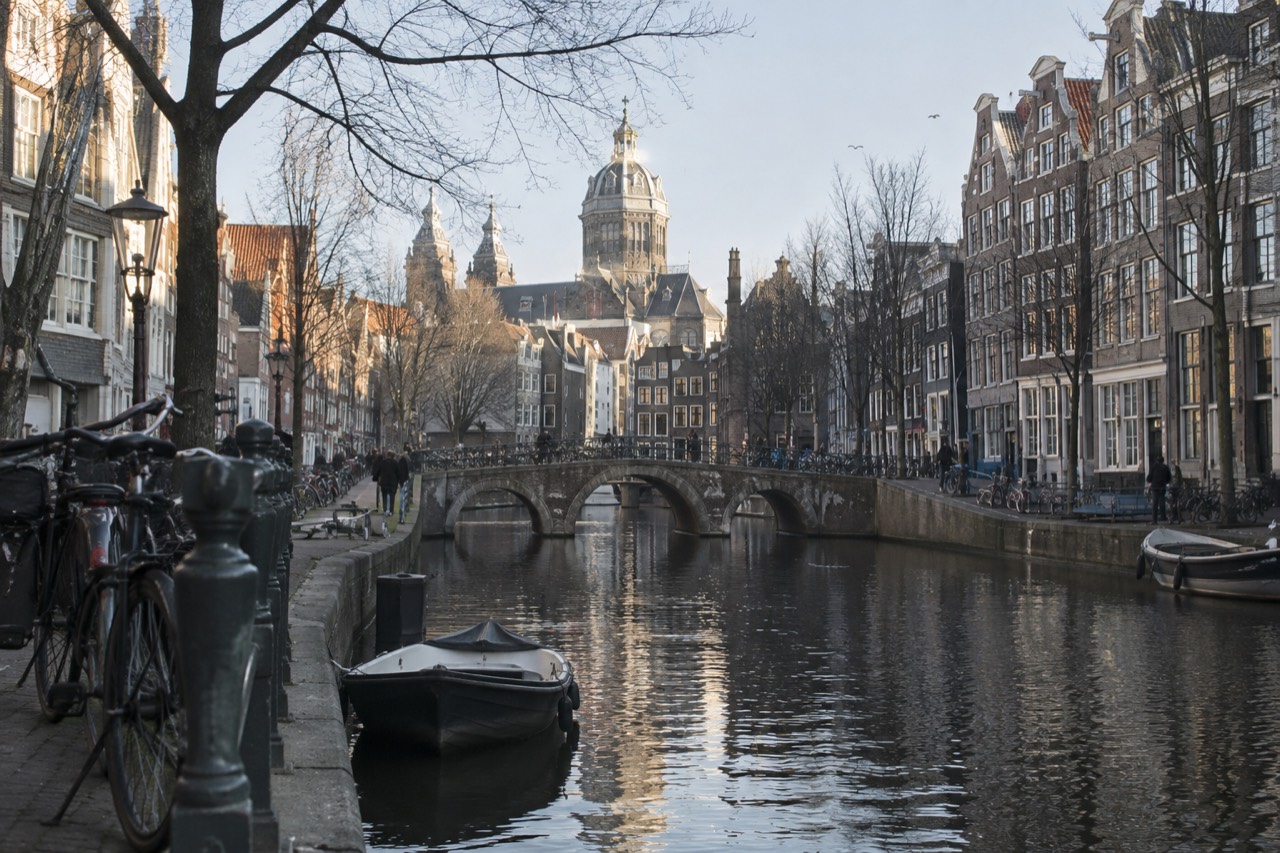
Amsterdam’s compact centre and outstanding rail links make it one of Europe’s most practical hubs for a two-centre or multi-city holiday. You can wake up in a canal-side hotel, spend the morning cycling the Jordaan, and be in a completely different city by lunchtime. The country’s short distances and frequent intercity services mean you rarely need to change accommodation, and many of the best combinations work as day trips, cutting out the hassle of repacking.
Before you venture to other cities, make sure you have ticked off Amsterdam’s own must-dos. The Van Gogh Museum, the Heineken Experience, and a classic canal cruise are three essentials that give you a real sense of the city. Here are three top-rated ways to experience them:
The rest of this guide breaks down the best cities to pair with Amsterdam, how long you need in each, and the practical train and ticket details that turn a good trip into a smooth one.
Make the Most of Amsterdam’s World-Class Museums
Amsterdam’s museums are a strong reason to keep the city as your base and add a second destination rather than the other way around. The Van Gogh Museum alone draws more than a million visitors a year, and its collection of over 200 paintings and 500 drawings is unmatched anywhere in the world, while the Rijksmuseum’s Gallery of Honour and the Stedelijk’s modern art collection turn Museumplein into a full-day cultural immersion.
Pairing Amsterdam with another city works best when you have already given its cultural heavyweights the time they deserve. The Van Gogh Museum, on Museumplein, holds the largest collection of the artist’s work, including Sunflowers, The Bedroom, and a rotating selection of letters and sketches. A timed entry ticket is essential, as walk-up availability is rare, especially in spring and summer. The museum is open daily from 9am to 6pm, with extended hours on Fridays until 9pm, except for a handful of dates that change each year. If you are planning a multi-city trip, book your Van Gogh Museum slot as soon as your Amsterdam dates are firm; tickets can sell out weeks ahead during peak season. For more details on visiting, see our full Van Gogh Museum guide.

The Rijksmuseum, a two-minute walk away, is another full morning on its own. Its Gallery of Honour, anchored by Rembrandt’s The Night Watch, is free for holders of the I amsterdam City Card, and the museum is open every day of the year from 9am to 5pm. If you are building a multi-city trip around art, you could easily spend two full days on Museumplein before catching a train to your next stop. The Heineken Experience, housed in the brewery’s original 19th-century building, is another Amsterdam essential that many visitors fit in before they leave for their next city. The self-guided tour takes about an hour and a half and finishes with two cold beers in the tasting room. Read our Heineken Experience guide for tips on booking and what to expect.
Best Dutch Cities to Pair with Amsterdam
Rotterdam, Utrecht, and Haarlem are the three Dutch cities that pair most naturally with an Amsterdam stay, each offering a completely different atmosphere without requiring a long journey. Rotterdam delivers bold modern architecture and a working port, Utrecht charms with its unique wharf-cellared canals and medieval Dom Tower, and Haarlem feels like a quieter, more intimate version of Amsterdam itself, all connected by frequent, fast intercity trains.
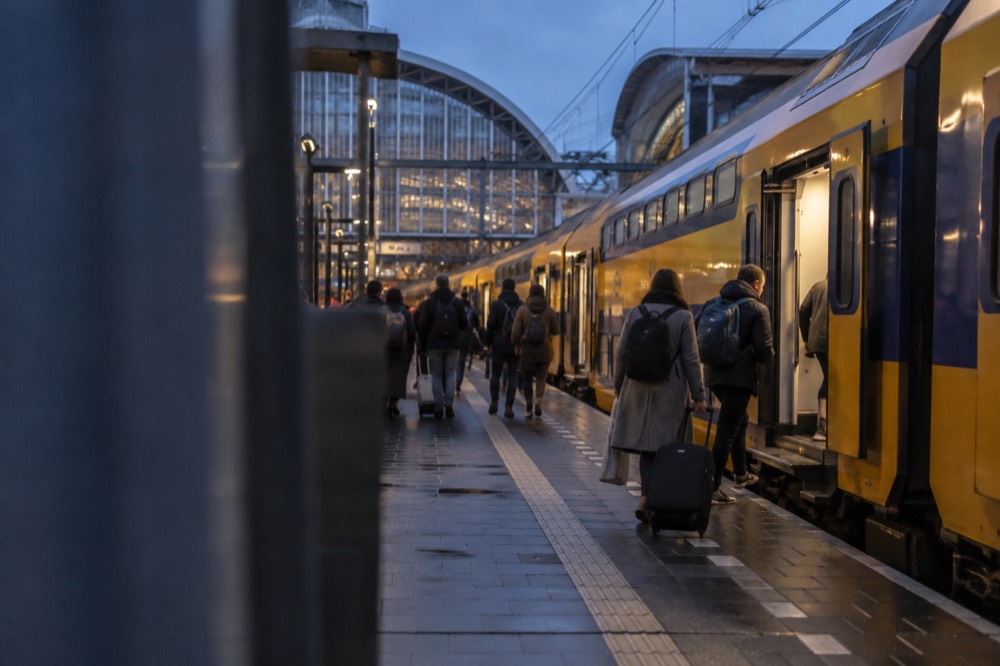
The table below compares the character of each city and the main reason to visit. All are served by direct trains from Amsterdam Centraal that run several times an hour, making day trips effortless.
| City | Train service | Best for |
|---|---|---|
| Rotterdam | Direct intercity, very frequent | Modern architecture, Markthal, Erasmus Bridge |
| Utrecht | Direct intercity, very frequent | Canals with wharf cellars, Dom Tower, relaxed vibe |
| Haarlem | Direct intercity, very frequent | Grote Markt, Frans Hals Museum, small-city charm |
| The Hague | Direct intercity, frequent | Mauritshuis, Binnenhof, Scheveningen beach |
| Leiden | Direct intercity, frequent | University town, botanical gardens, Rembrandt’s birthplace |
Utrecht is perhaps the most underrated pairing. Its Oudegracht, a canal lined with wharf-level restaurants and bars, gives you the waterside experience without the crush of Amsterdam’s centre. The climb up the Dom Tower rewards you with a view that stretches to Rotterdam on a clear day. Because the train takes less than half an hour, you can leave Amsterdam after breakfast, spend a full afternoon exploring, and be back in time for an evening canal cruise. The city’s compact medieval core is easy to walk, and the Centraal Museum, housed in a former monastery, holds a strong collection of Golden Age art and modern design.
Rotterdam feels like a different country after Amsterdam’s 17th-century brick. The city was largely rebuilt after the war, and the result is a skyline of glass, steel, and bold shapes, including the Cube Houses and the soaring Markthal. A water taxi from the Erasmus Bridge to the historic Delfshaven district is a quick way to see the contrast between old and new. If you are travelling with kids, the Maritime Museum and the nearby Kinderdijk windmills, a short waterbus ride away, add a full day. The city’s food scene is also a draw: the Markthal alone houses over a hundred food stalls and restaurants under its arched ceiling.
Haarlem is often described as a mini Amsterdam, but that undersells it. The Grote Markt, dominated by the St. Bavo Church, is one of the finest squares in the country, and the Frans Hals Museum holds a collection of Golden Age portraits that rival those in the Rijksmuseum. Because it is only a short train ride from Centraal, Haarlem works as a half-day escape or a relaxed overnight stop if you prefer a smaller base. The city’s hofjes, hidden almshouse courtyards, are a quiet delight, and the Teylers Museum, the oldest museum in the Netherlands, is a cabinet of curiosities that feels like stepping into the 18th century.
While you are in Amsterdam, a canal cruise is the classic way to see the city from the water before you head off to explore its neighbours. The Things to Do in Amsterdam roster includes a classic saloon boat cruise that glides past the Skinny Bridge and the Golden Bend in an hour.
Belgian and European Capitals Worth Adding
Brussels, Bruges, and Paris are the three cross-border cities that pair most smoothly with Amsterdam, all connected by direct high-speed trains that make a two-centre holiday feel effortless. Brussels gives you grand squares and moules-frites, Bruges is a medieval day trip with canals and chocolate shops, and Paris turns a Dutch city break into a two-capital holiday with the Louvre, the Seine, and world-famous landmarks.
The table below outlines the train service and the main draw of each city. All journeys start at Amsterdam Centraal, and booking early is the key to securing the best fares.
| City | Train service | Best for |
|---|---|---|
| Brussels | Direct Eurostar (formerly Thalys) | Grand Place, comic strip route, Belgian beer |
| Bruges | Eurostar + SNCB (change in Brussels) | Canals, Belfry, chocolate shops |
| Paris | Direct Eurostar | Louvre, Eiffel Tower, Seine walks |
| London | Direct Eurostar | British Museum, West End, Tower Bridge |
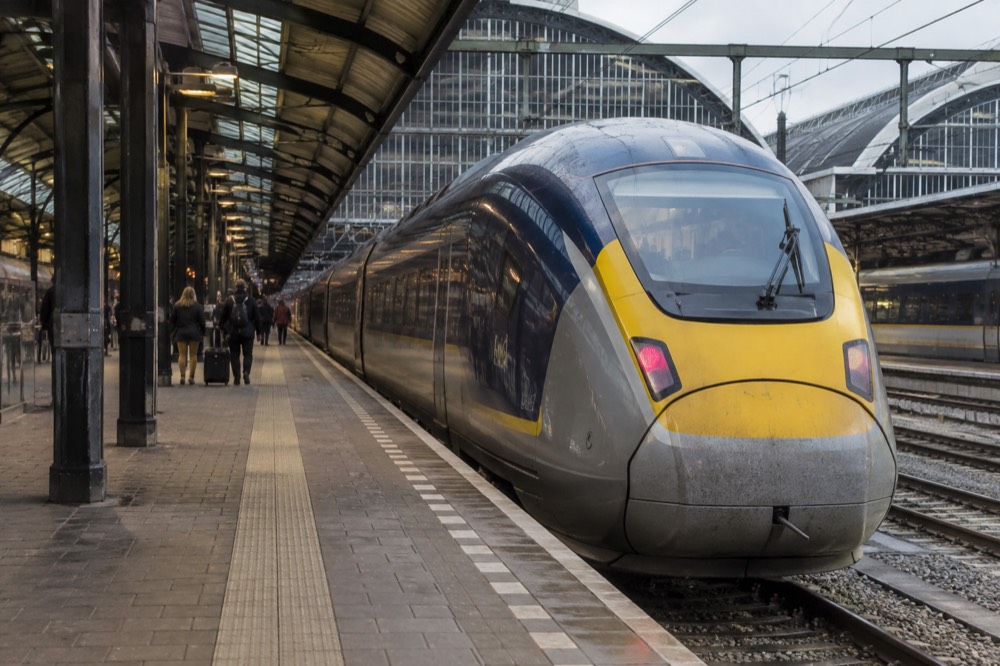
Brussels is the most straightforward add-on. The Eurostar slides out of Amsterdam Centraal and, in under two hours, you step onto the platform at Brussels-Midi. The city centre is a short walk or metro ride away, and the Grand Place, a UNESCO square ringed by gilded guildhalls, is one of those rare sights that genuinely stops you in your tracks. The Belgian Comic Strip Centre, the Magritte Museum, and a cone of frites from a friterie near Place Flagey fill a full day. If you stay overnight, the morning train to Bruges takes just over an hour, letting you see two Belgian cities in a single side trip. Antwerp, with its stunning central station and fashion district, is another Belgian option easily reached by direct train from Amsterdam.
Bruges itself is the fairy-tale option. Its entire historic centre is a UNESCO site, and the canals, cobbled lanes, and step-gabled houses look like a painting come to life. The Belfry climb, a boat tour on the Minnewater, and a hot waffle from a street stall are the classic trio. Because the journey from Amsterdam requires a change at Brussels-Midi, it is a longer day, but still doable if you catch an early train and return after dinner. The Groeningemuseum’s collection of Flemish Primitives is a quiet highlight that many day-trippers miss.
Paris, reached by direct Eurostar, turns a short Amsterdam trip into a proper two-capital holiday. The train deposits you at Gare du Nord, from where the Métro fans out to every arrondissement. Even with only one full day, you can walk the Seine from Notre-Dame to the Eiffel Tower, dip into the Louvre for the highlights, and finish with a crêpe in the Marais. Booking Eurostar tickets as far ahead as possible is the key to keeping costs down, as prices climb steeply in the final weeks before travel. For a longer stay, the Musée d’Orsay and a stroll through Montmartre add a second day of art and atmosphere.
London is the longest leg, but the Eurostar makes it a single, passport-controlled journey. The train runs from Amsterdam Centraal to London St Pancras, and from there the Tube connects you to the rest of the city in minutes. A two-night London add-on works well at the end of an Amsterdam trip, especially if you are flying home from a London airport. The British Museum, a walk along the South Bank, and a West End show are a classic 48-hour London sampler.
How to Plan a Multi-City Trip Without the Stress
The key to a smooth multi-city trip from Amsterdam is to book long-distance trains early, use contactless payment on Dutch local transport, and keep your Amsterdam hotel as a base for day trips rather than moving every night. A single GVB day ticket or multi-day pass covers all trams, buses, and metros within the city, so you can zip back from Centraal to your neighbourhood in minutes without worrying about separate tickets.
Dutch intercity trains do not require seat reservations, so you can buy a ticket and hop on the next service. For cross-border Eurostar trains, however, seats are limited and prices rise sharply, so book those as soon as your dates are firm. The official NS International site and the Eurostar site are the only booking channels you need; third-party resellers often add fees and do not offer better availability. If your plans are flexible, travelling midweek and avoiding Friday afternoons and Sunday evenings usually yields lower fares and quieter carriages.
OVpay, the contactless payment system, works on all Dutch trains, trams, buses, and metros. You simply tap your bank card or phone at the start and end of each journey, and the fare is calculated automatically. There is no need to buy a separate OV-chipkaart, and daily caps on GVB services keep costs predictable. A 24-hour GVB ticket costs €10.00 for adults, while a 72-hour version is €21.50, and both cover unlimited travel on the city network. If you plan to visit several museums and use public transport heavily, the I amsterdam City Card can be a money-saver; read our full analysis of whether the card is worth it for your itinerary.
Luggage storage at Amsterdam Centraal makes day trips easier. The station has staffed left-luggage desks and automated lockers, so you can check out of your hotel, store your bags, and spend the day in Utrecht or Haarlem before collecting them and catching an evening train to your next city. The lockers accept card payment and are available 24 hours a day. This is especially handy if you have a late flight or a late train to your next destination and want to squeeze in one last Dutch city.
If you are flying out of Schiphol after your multi-city trip, the train from Centraal to the airport takes about 17 minutes and runs every few minutes. A single costs from €5.50 when booked online, and OVpay works on this route as well. The Amsterdam Airport Express bus 397 is an alternative, with a single fare from €6.50 and a journey time of roughly 35 minutes to the city centre. Both options are straightforward, but the train is faster and more frequent, especially during peak hours.
Using the I Amsterdam City Card for Day Trips
The I amsterdam City Card can be a smart addition to a multi-city trip if you plan to visit several museums in Amsterdam and use public transport heavily, but it does not cover intercity trains or attractions outside the city. The card includes free entry to over 70 museums, a canal cruise, and unlimited GVB transport, making it ideal for packing Amsterdam’s highlights into a few days before you head to your next destination.
The card is available in 24-hour (€67) and 48-hour (€94) versions, with longer durations available. The Rijksmuseum, NEMO Science Museum, and A’DAM Lookout are all included, while the Van Gogh Museum and Anne Frank House are not, so you will need separate timed tickets for those. If you are spending two full days in Amsterdam before catching a train to Brussels or Paris, the 48-hour card can easily pay for itself with a couple of museum visits, a canal cruise, and unlimited tram rides. For a detailed breakdown of what the card covers and when it is worth buying, see our I amsterdam City Card guide.
Common Questions About Combining Amsterdam with Another City
What City To Combine With Amsterdam?
The best cities to combine with Amsterdam are Rotterdam, Utrecht, and Haarlem for a Dutch multi-city trip, Brussels or Bruges for a Belgian detour, and Paris or London for a European capital add-on, all reachable by direct train in under three and a half hours.
Can I do a day trip to Brussels from Amsterdam?
Yes, the Eurostar takes under two hours each way, so a day trip is feasible if you catch an early train and return in the evening. Book tickets well ahead for the best fares.
Is it better to stay in Amsterdam and day trip or move hotels?
For Dutch cities like Utrecht, Haarlem, and Rotterdam, staying in Amsterdam and day tripping is the most practical option because train journeys are short and frequent. For Brussels or Paris, an overnight stay is often more enjoyable and avoids a rushed day.
Do I need a visa to visit other countries from Amsterdam?
The Netherlands is part of the Schengen Area, so travel to Belgium, France, and other Schengen countries requires no additional border checks. For the United Kingdom, a valid passport is needed and you will pass through passport control before boarding the Eurostar.
What is the cheapest way to travel between Amsterdam and other Dutch cities?
Using OVpay with a contactless bank card is the simplest and often cheapest method for Dutch trains, as it automatically applies the correct fare. Off-peak discounts are available with an NS subscription, but for short stays, OVpay is sufficient.
How far in advance should I book Eurostar tickets?
Eurostar tickets go on sale about four to six months ahead, and the lowest fares sell out quickly. Book as soon as your dates are confirmed to secure the best prices.