Jordaan in Amsterdam: Canals, Courtyards and the City's Most Loved Neighbourhood
The Jordaan began as a working-class district for the labourers who dug Amsterdam's canals, and it is now the neighbourhood locals send visitors to first. Narrow streets, hidden courtyards, two markets and the Anne Frank House on the Prinsengracht edge make it the most walkable corner of the city centre.
Short answer
The Jordaan is the canal-side neighbourhood west of the centre, bounded roughly by the Prinsengracht, Brouwersgracht, Lindengracht and Leidsegracht. Plan on a half day: the Anne Frank House on its edge, the Noordermarkt, the Bloemgracht canal and a string of brown cafés. Adult Anne Frank House tickets cost €16.50 and sell online only.
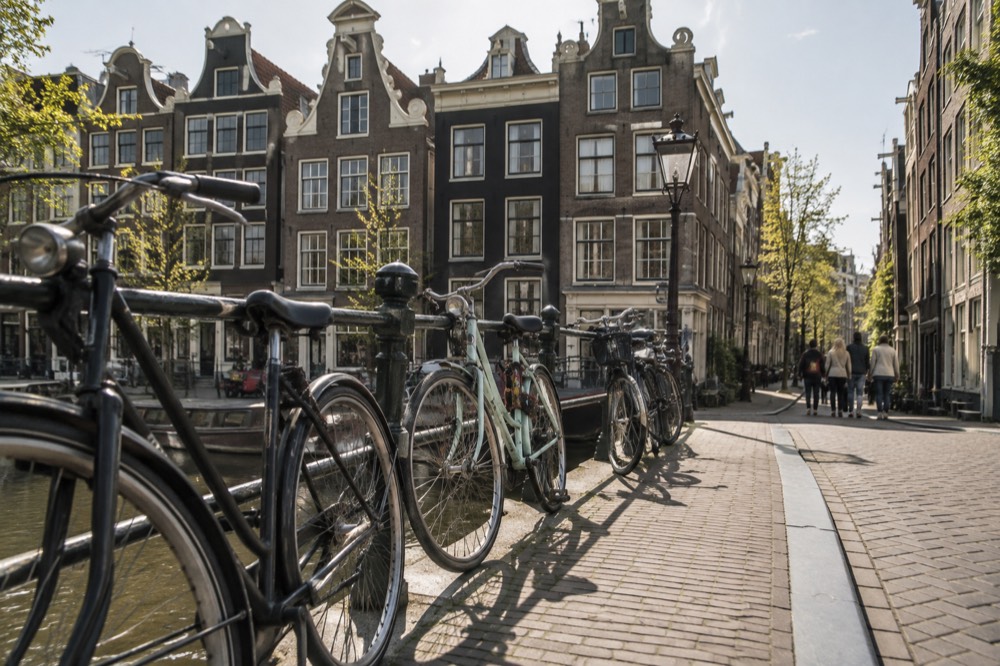
Amsterdam dug its canal ring in the 17th century, and the Jordaan is what grew on the cheap, wet ground beside it. Labourers, artisans and immigrants settled here because the grand houses of the Grachtengordel were never meant for them, and that origin shaped everything: the streets are narrower, the blocks are denser, and the buildings were built for work rather than display. Today the district is the part of the centre that locals speak about with something close to pride, the place where a visitor can walk for an hour without crossing a tour-group flag. This guide covers what the Jordaan actually offers, from the Anne Frank House on its eastern edge to the Saturday market that fills the Lindengracht, and how to plan a visit without the guesswork.
What Is the Jordaan in Amsterdam?
The Jordaan is Amsterdam's former working-class neighbourhood, sitting immediately west of the canal ring. Its rough boundaries are the Prinsengracht to the east, the Brouwersgracht to the north, the Lindengracht to the west, and the Leidsegracht to the south. Once home to workers and immigrants, it has become one of the city's most beloved and distinctive areas. It was absorbed into the city in the 17th century as housing for canal diggers and tradespeople, and its small scale survived because the district was too cramped for the redevelopment that reshaped elsewhere. Decades of decline followed, then artists and students moved in during the later decades of the twentieth century, and the area is now among the most desirable postcodes in the centre.
The name is the part everyone asks about. The most common account traces it to the French word jardin, garden, because the first streets were laid out along narrow garden strips, though Dutch etymologists have also argued for a corruption of a dike name. What is not argued is the character: the neighbourhood runs on small streets, small shops and a folk-music tradition that produced the genre now known as the Amsterdam school of levenslied, the sentimental street songs associated with singers like Johnny Jordaan, whose name still fronts a café on the Noordermarkt square.
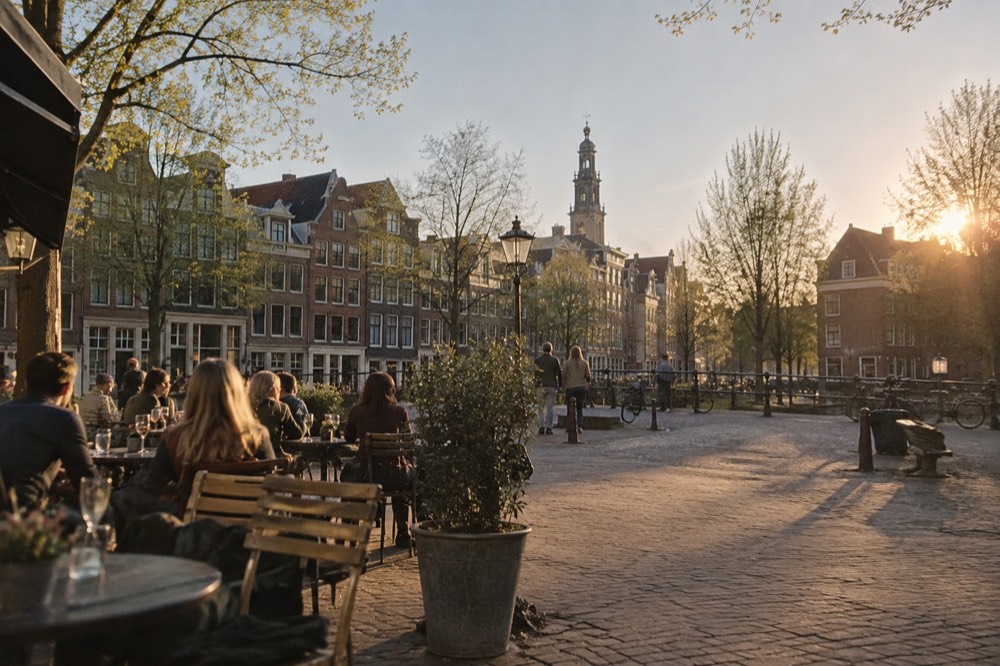
Geographically the district is small enough that walking beats every other option. End to end it takes about twenty minutes, and the reward for getting deliberately lost is the hofje, the enclosed almshouse courtyards built by charities for elderly workers, several of which still sit behind unmarked doors in the Jordaan. The Karthuizerhof and the Brienenhof are two of the best known, and both open to visitors during daytime hours. For a wider picture of the whole canal belt, see our guide to the Grachtengordel canal ring, and for the shopping lanes just across the Prinsengracht, read about the Nine Streets.
What Are the Best Things to Do in the Jordaan?
The five things that define a Jordaan visit are the Anne Frank House and Westerkerk on the Prinsengracht edge, the Noordermarkt and its Saturday farmers' market, the Bloemgracht canal with its hofje courtyards, the Haarlemmerstraat shopping street, and an evening in a brown café, the traditional Dutch pub that gives the neighbourhood its evening life. Each sits within a ten-minute walk of the others, so a single well-planned afternoon covers most of them. A guided walk is the efficient way to get the stories behind the streets if your time is short.
The Westerkerk deserves more attention than most itineraries give it. The tower is one of the tallest in the city, the church stands directly beside the Anne Frank House, and Rembrandt was buried in the church, though the exact grave is unmarked because pauper burials of that era were not permanently recorded. The carillon still plays, and the building's own visitor arrangements are listed on its site. Our Westerkerk guide covers opening details and the tower climb.
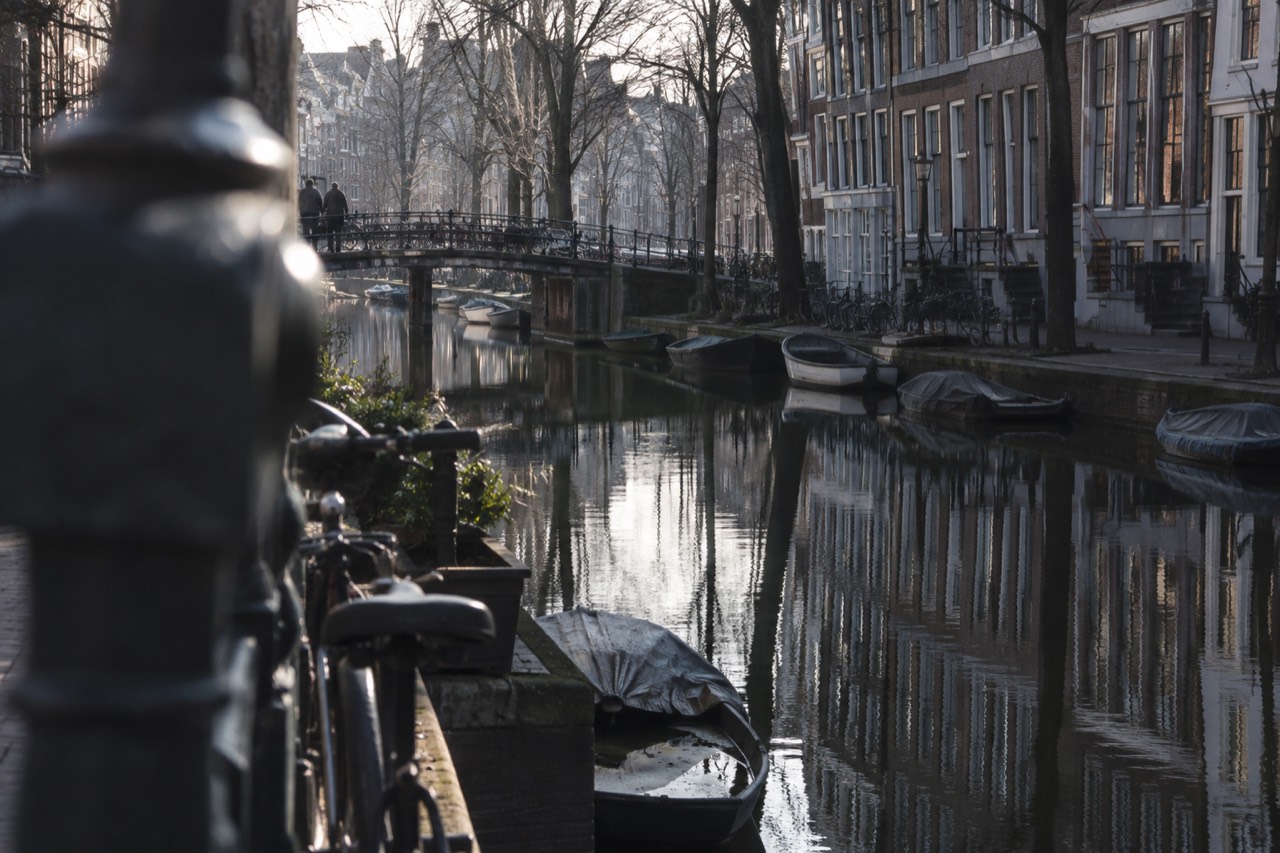
The Noordermarkt anchors the north of the neighbourhood. On Saturdays the square in front the Noorderkerk fills with an organic farmers' market that has run for decades, and on Mondays the long-standing flea market takes over, selling second-hand clothes, books and bric-a-brac. The square's cafés, including the Johnny Jordaan café named for the folk singer, make it the natural place to stop between the market and the canals. The Bloemgracht, one street south, was historically the dyers' canal, and its 17th-century houses are among the most photographed in the district.
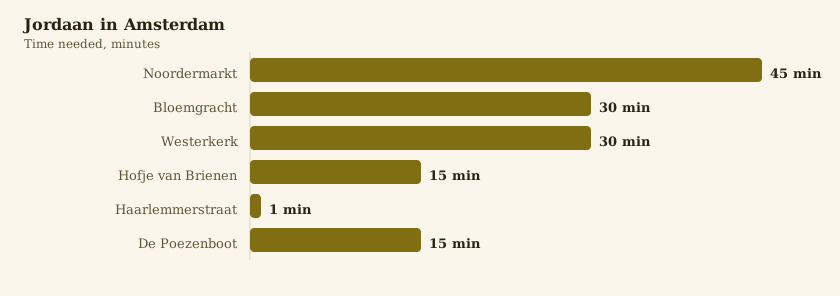
| Sight | What It Is | Time Needed |
|---|---|---|
| Noordermarkt | Square with Saturday farmers' market and Monday flea market | 45-60 minutes |
| Bloemgracht | Historic canal with dyers' houses and hofje entrances | 30 minutes |
| Westerkerk | 17th-century church beside the Anne Frank House, Rembrandt's burial church | 30-45 minutes |
| Hofje van Brienen | Enclosed almshouse courtyard behind an unmarked door | 15 minutes |
| Haarlemmerstraat | Independent shops and cafés running toward Centraal Station | 1 hour |
| De Poezenboot | Houseboat animal shelter on the Singel, a short walk east | 15 minutes |
The Haarlemmerbuurt side of the district is covered in more depth in our Haarlemmerstraat and Haarlemmerbuurt guide, which lists the street's shops and eating spots individually.
Is the Anne Frank House in the Jordaan?
Yes, the Anne Frank House sits on the Prinsengracht at the Westerkerk end, right on the eastern boundary of the Jordaan neighbourhood, making it one of Amsterdam's most famous landmarks. It is also the single most in-demand attraction in the area, so expect long queues and book tickets well in advance of your visit. Adult tickets cost €16.50, ages 10 to 17 pay €7.00 and ages 0 to 9 pay €1.00, all including a €1.00 booking fee, and every visitor must book a date and time online through the museum's own site, annefrank.org. There are no door sales, and slots routinely sell out weeks ahead.
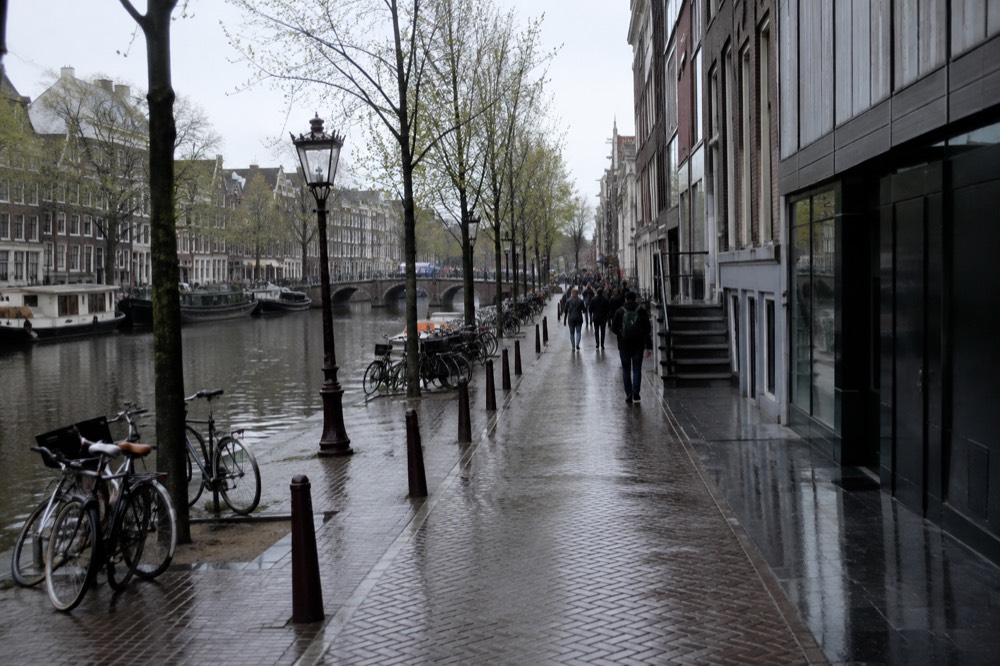
The house is the museum, and the museum is the house: the secret annex where Anne Frank and her family hid from the occupying authorities stands empty of furniture by design, with the diary quotations set into the walls. Because demand so far exceeds supply, plan around the release of tickets on the official site rather than hoping for a walk-up. A Museumkaart gets you in for the €1.00 booking fee only, and the I amsterdam City Card gives no discount at all, a fact the museum's own price page states plainly.
If the house itself is sold out, or if you want the wider story, the walking tours that cover the Jewish Quarter and the Anne Frank narrative run in the streets around the district. The one-hour small-group walk costs from $22.00, holds a 4.8 rating across 15,104 reviews, and makes a compact introduction to the wartime history of the streets east of the Prinsengracht. It is a streets walk, not entry to the house, and no reseller can sell house tickets, so book the museum separately and directly. Our Anne Frank House guide covers the ticket release and the visit in detail.
| Ticket | Price | Notes |
|---|---|---|
| Adult | €16.50 | Includes €1.00 booking fee, online only |
| Ages 10-17 | €7.00 | Includes booking fee |
| Ages 0-9 | €1.00 | Includes booking fee |
| Museumkaart holder | €1.00 | Booking fee only, timed slot still required |
| I amsterdam City Card | No discount | Stated on the museum's own price page |
Where Should You Eat and Drink in the Jordaan?
Eating in the Jordaan means brown cafés, small Dutch restaurants and a handful of long-standing eetcafés, the informal restaurants that serve one-pot Dutch cooking, with the strongest cluster around the Noordermarkt, the Elandsgracht and the Haarlemmerstraat. The brown café is the neighbourhood's living room: dark wood from decades of smoke and varnish, candles in the evening, and beer from the tap rather than a cocktail list. Café Chris on the Bloemgracht and Café Nol on the Westerstraat are two of the classic examples, both trading for generations.
The distinction that matters when reading menus is between a café and an eetcafé. A brown café serves drinks and maybe a sandwich, while an eetcafé serves full dinner portions of dishes like stamppot, the mashed potato and vegetable dish that anchors Dutch home cooking, or ossobuco-style braises. Portions are generous and prices sit below the hotel-restaurant level. For the citywide picture, including what to order and where, our Dutch food guide lists the dishes and the streets that serve them best, and our brown cafés guide covers the tradition in detail.
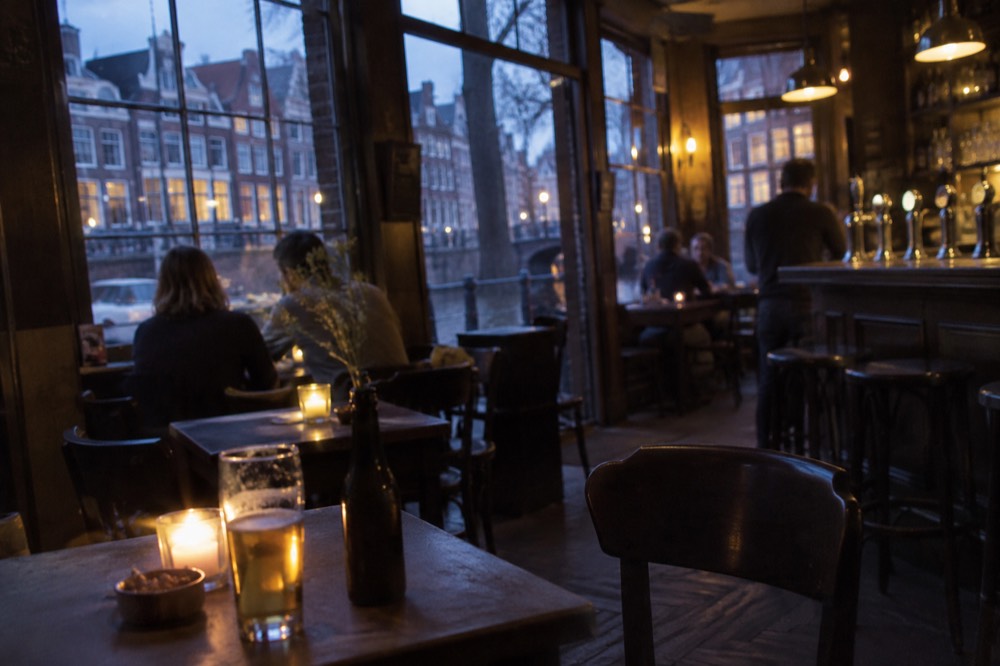
For a self-guided eating walk, start at the Noordermarkt on a Saturday morning, work through the market stalls, then take the Westerstraat east to the Prinsengracht and finish on the Haarlemmerstraat. The route passes some of the district's best bakeries and cheese shops without ever needing a tram. If you would rather have the tasting done for you, the city's food tours cover the centre and the Jordaan's edges, though the district's own establishments are best explored on foot at your own pace.
What Markets Should You Visit?
The Jordaan has two market days worth planning around: the Saturday farmers' market at the Noordermarkt, running from early morning to mid afternoon, and the Monday flea market on the same square, plus the weekly Lindenmarkt on the Lindengracht on Saturdays. The Saturday Noordermarkt is the food market, organic for decades, with cheese, bread, vegetables and hot food from the stalls. The Monday market is second-hand goods, and the atmosphere is completely different, quieter and more rummage than grocery.
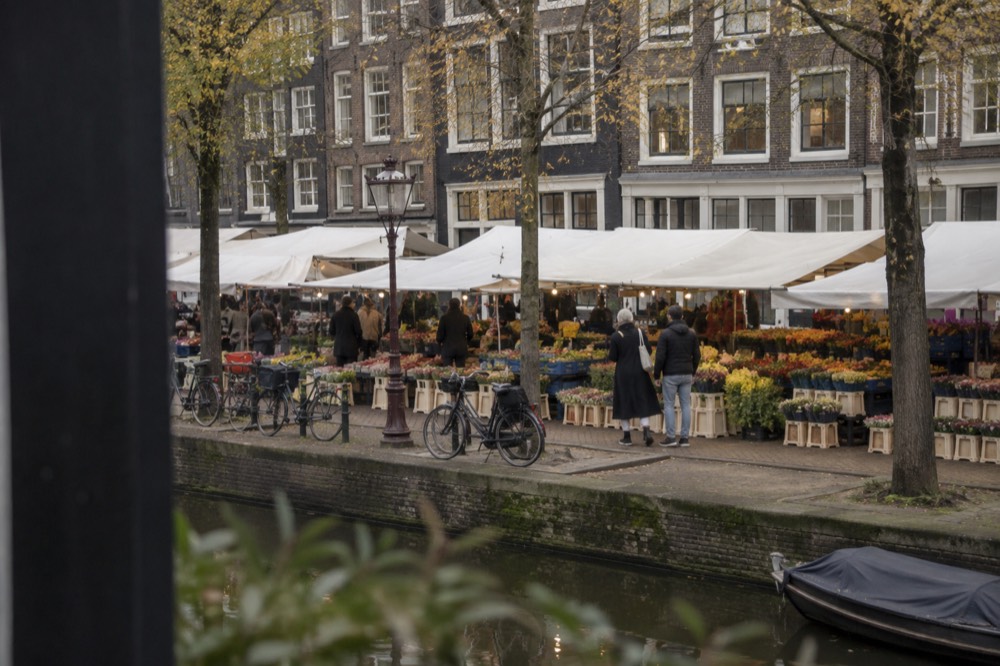
The Lindenmarkt on the Lindengracht, the canal that forms the district's western edge, is the locals' general market, running Saturdays with clothes, food and household stalls along the water. Between the two Saturday markets the whole northern half of the neighbourhood becomes a market district for the day, and the cafés on both squares fill by noon. Arrive before 11:00 if you want room to browse, and bring cash for the smaller stalls even though most now take cards.
The city has more markets beyond the Jordaan's two, and the full list, including the Albert Cuyp Market in De Pijp, is in our Amsterdam markets guide. The Bloemenmarkt, the floating flower market on the Singel, is a fifteen-minute walk east and makes a natural pairing with a Jordaan morning.
How Do You Get to the Jordaan?
The Jordaan has no metro station of its own, so you reach it on foot from Centraal Station in about 15 minutes, or by tram along the Nieuwezijds Voorburgwal and a short walk west, with a GVB one-hour ticket at €3.40 or a 24-hour day pass at €10.00. The district's street plan predates every form of transport heavier than a handcart, and that is precisely why it stays quiet: the trams run on its edges, not through it. Most visitors walk in and never use a vehicle inside the neighbourhood at all.
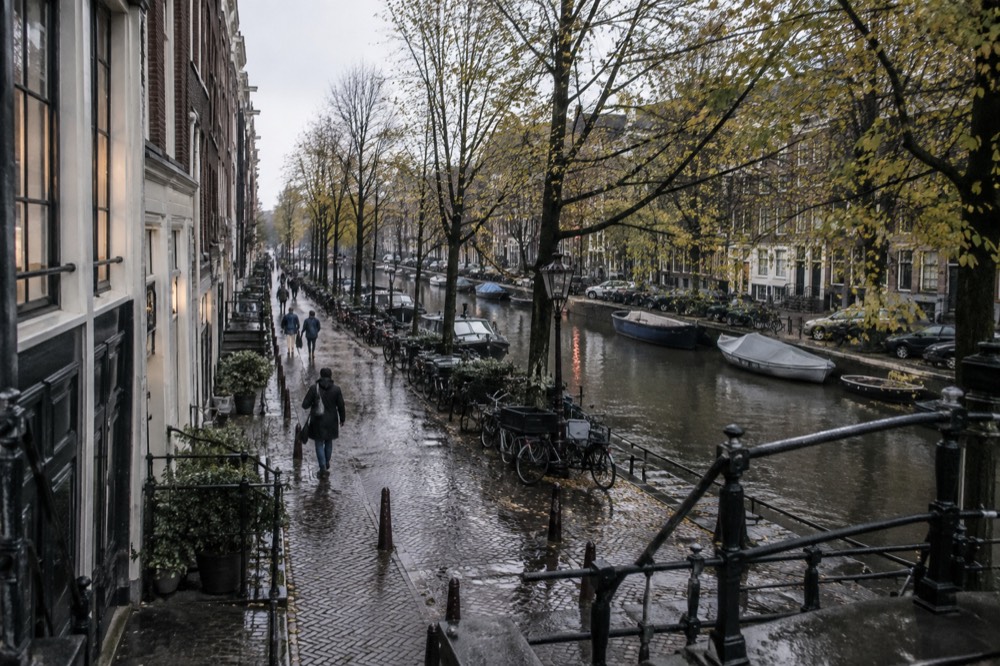
Contactless payment works on every GVB tram, bus and metro through the national OVpay system, charging a base fare of €1.16 plus €0.217 per kilometre with a daily cap on the GVB network, so a single short hop costs less than a paper ticket. The multi-day passes suit longer stays. The full fare table, including the airport train and the Amsterdam Travel Ticket, is in our getting around Amsterdam guide.
| Ticket | Price | Best For |
|---|---|---|
| GVB 1-hour ticket | €3.40 | A single journey or one transfer |
| GVB 24-hour day pass | €10.00 | A full day of tram and metro use |
| GVB 48-hour pass | €16.00 | Two days of unlimited GVB travel |
| GVB 72-hour pass | €21.50 | A long weekend |
| OVpay contactless | €1.16 base plus €0.217 per km | Occasional trips without buying a pass |
Cycling works well on the edges of the district and badly inside it: the streets are narrow, the bridges are steep and the bicycle traffic is dense. If you ride in, park at the racks near the Noorderkerk rather than locking to a bridge rail, which the city discourages. Our cycling in Amsterdam guide covers the rules of the bike lane for riders new to the city.
When Is the Best Time to Visit the Jordaan?
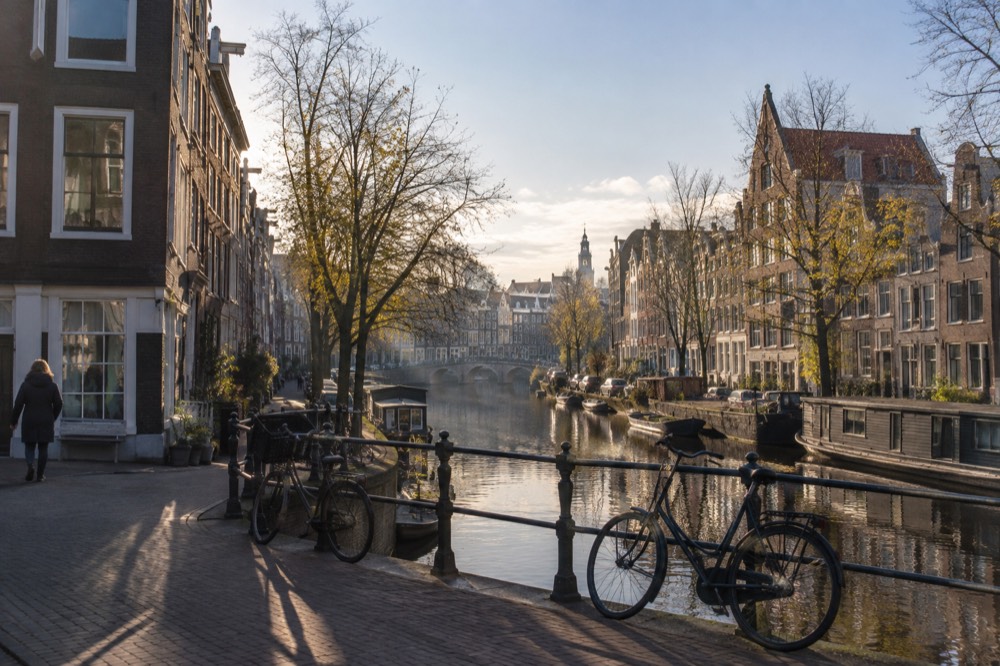
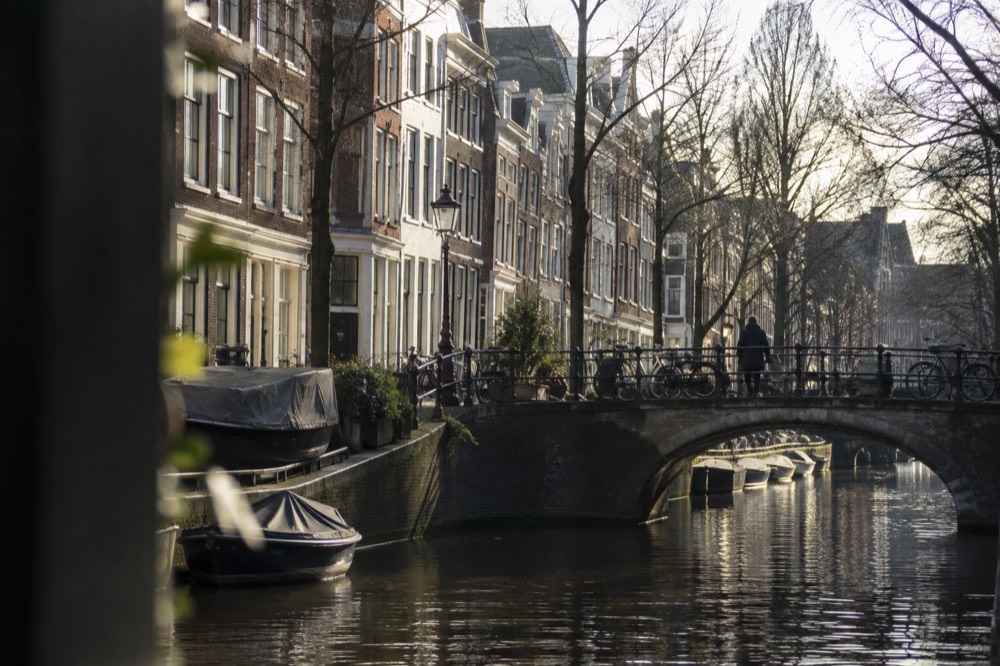
Saturday morning is the best single time to be in the Jordaan, because both the Noordermarkt and the Lindenmarkt run on the same day, the cafés are at their liveliest, and the district shows its full character between roughly 09:00 and 14:00. Monday suits flea-market hunters and visitors who prefer the streets quiet. Early weekday mornings are the calmest of all, and the light on the Bloemgracht and Prinsengracht is at its best in the late afternoon, when the sun drops low over the canal and the gabled houseboats catch it.
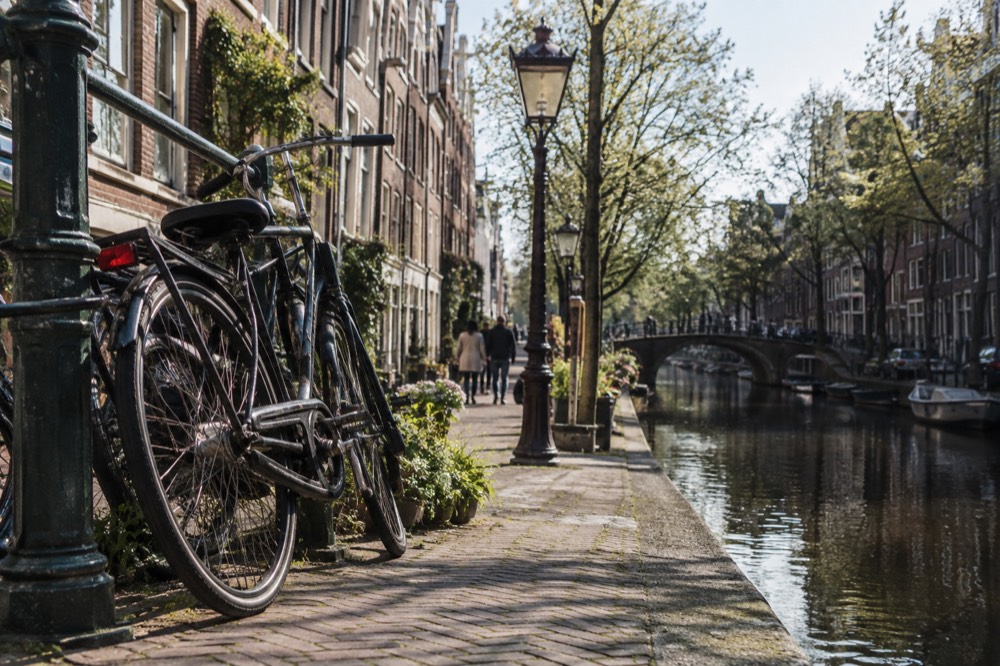
Seasonally, spring and early autumn give the most comfortable walking weather, and winter turns the brown cafés into the district's main attraction, which is no bad thing. The city's event calendar affects the neighbourhood directly: King's Day turns the entire Jordaan into a street market and party, and the Amsterdam Light Festival adds installations along the canals from late November to mid January. Our best time to visit Amsterdam guide breaks the year down month by month.
Where Should You Stay in the Jordaan?
Staying in the Jordaan means small hotels, a limited number of apartments and a handful of houseboats, with the trade-off being location over space: you are five minutes from the Noordermarkt and fifteen from Centraal Station, in buildings that are centuries old and often steep-staired. The district has no large hotels, a direct result of the city's hotel policy, and the short-stay rental rules tightened further in April 2026, when the Jordaan's holiday-rental cap dropped from 30 nights per year to 15.
That 15-night cap matters for anyone booking an apartment: listings in the Jordaan, the Grachtengordel and several other central neighbourhoods operate under the reduced limit, and every legal listing must display a registration number issued by the city. Rentals are capped at four guests at a time, and operators must hold a permit. If a listing shows no registration number, treat that as a signal to book elsewhere. The rules and the neighbourhood-by-neighbourhood trade-offs are laid out in our where to stay in Amsterdam guide.
Houseboats offer the other Jordaan-specific option, moored along the Prinsengracht and the Brouwersgracht, and renting one is covered in our houseboat rental guide. Whatever you book, remember the tourist tax of 12.5% of the nightly price, which applies to hotels and rentals alike and is usually added at checkout rather than shown in the headline rate.
What Is Within Walking Distance of the Jordaan?
Everything in the centre is walkable from the Jordaan: Dam Square is 12 minutes east, the Anne Frank House is on the edge of the district, the Nine Streets shopping lanes are across the Prinsengracht, and the red-light district is about 15 minutes away toward Centraal Station. The neighbourhood's position makes it the best base for a walking-first trip, because the two things most visitors want, the canal ring and the museum quarter, sit on either side of it.
The museum quarter takes longer, roughly 30 minutes on foot along the Prinsengracht and over to the Museumplein, or ten minutes by tram. The Rijksmuseum charges adults €25.00, is free for ages 18 and under, and requires a pre-booked start time, per its own practical info page. The Van Gogh Museum, which also charges €25.00 and requires pre-booked timed entry, is likewise excluded from the I amsterdam City Card, so museum tickets need separate planning regardless of any pass you hold.
Toward the station side, the eastern edge of the Jordaan runs into the Haarlemmerbuurt and then the centre's oldest streets. The red-light district, De Wallen, is close enough that many visitors combine the two in one evening, and the guided walks there operate under city rules: groups are capped at 15, tours run only between 08:00 and 22:00, and no tour may pass the sex workers' windows, per the municipal tour rules. The small-group guided walk through De Wallen costs from $26.00, runs 90 minutes and carries a 4.9 rating across 9,142 reviews.
For a deeper history walk that still starts near the Jordaan's edge, the two-hour small-group Anne Frank tour covers the Jewish Quarter with a guide, from $33.00, rated 4.9 across 4,680 reviews. Like the one-hour walk it is a streets tour, not house entry. And for the citywide picture, from the red-light rules to the coffeeshop situation, the practical summaries live on Things to Do in Amsterdam, where each attraction and neighbourhood has its own planning page.
Common Questions About the Jordaan in Amsterdam
What is the Jordaan in Amsterdam known for?
Narrow 17th-century streets, hofje courtyards, the Noordermarkt and Lindenmarkt markets, brown cafés, the Westerkerk and the Anne Frank House on its Prinsengracht edge. It began as housing for canal-digging labourers and is now one of the most walkable and sought-after neighbourhoods in the centre.
How do I spend a day in the Jordaan?
Start at the Saturday Noordermarkt, walk the Bloemgracht and look for an open hofje courtyard, visit or view the Westerkerk, lunch on the Haarlemmerstraat, and finish in a brown café in the evening. Book the Anne Frank House separately and well in advance, since entry is online-only and sells out.
Can you visit the Anne Frank House from the Jordaan?
The house stands on the Jordaan's eastern boundary, so it is a short walk from anywhere in the neighbourhood. Tickets cost €16.50 for adults and must be booked for a date and time through the museum's own website; there are no door sales and no reseller sells entry.
Is the Jordaan expensive?
Compared with the rest of the centre it is mid-priced: market food and eetcafés keep eating costs down, while hotels and apartments carry central-location premiums plus the city's 12.5% tourist tax. Holiday rental supply is limited by the 15-night annual cap that applies in the Jordaan.
Do you need a tram to get around the Jordaan?
No. The district is roughly twenty minutes end to end on foot and has no tram running through it. A GVB one-hour ticket at €3.40 or a 24-hour pass at €10.00 covers trips to and from the neighbourhood, but inside it you walk.
What are hofjes and can you enter them?
Hofjes are enclosed almshouse courtyards, built by charitable foundations as housing for elderly workers, and the Jordaan keeps several behind unmarked doors, including the Karthuizerhof and the Hofje van Brienen. Most open to quiet visitors during daytime hours; they are residential, so treat them as gardens rather than attractions.