Museumplein Amsterdam: A Complete Guide to the Museum Quarter
Museumplein is Amsterdam's cultural heart: three world-class museums, a concert hall, a sculpture garden and a lawn locals treat as their front garden, all within a five-minute walk of each other.
Short answer
Museumplein is the museum quarter in Amsterdam Zuid, home to the Rijksmuseum, the Van Gogh Museum, the Stedelijk and the Concertgebouw. Official adult entry is €25 at both the Rijksmuseum and the Van Gogh Museum, under-18s go free at both, and every major museum here requires a pre-booked timed ticket.
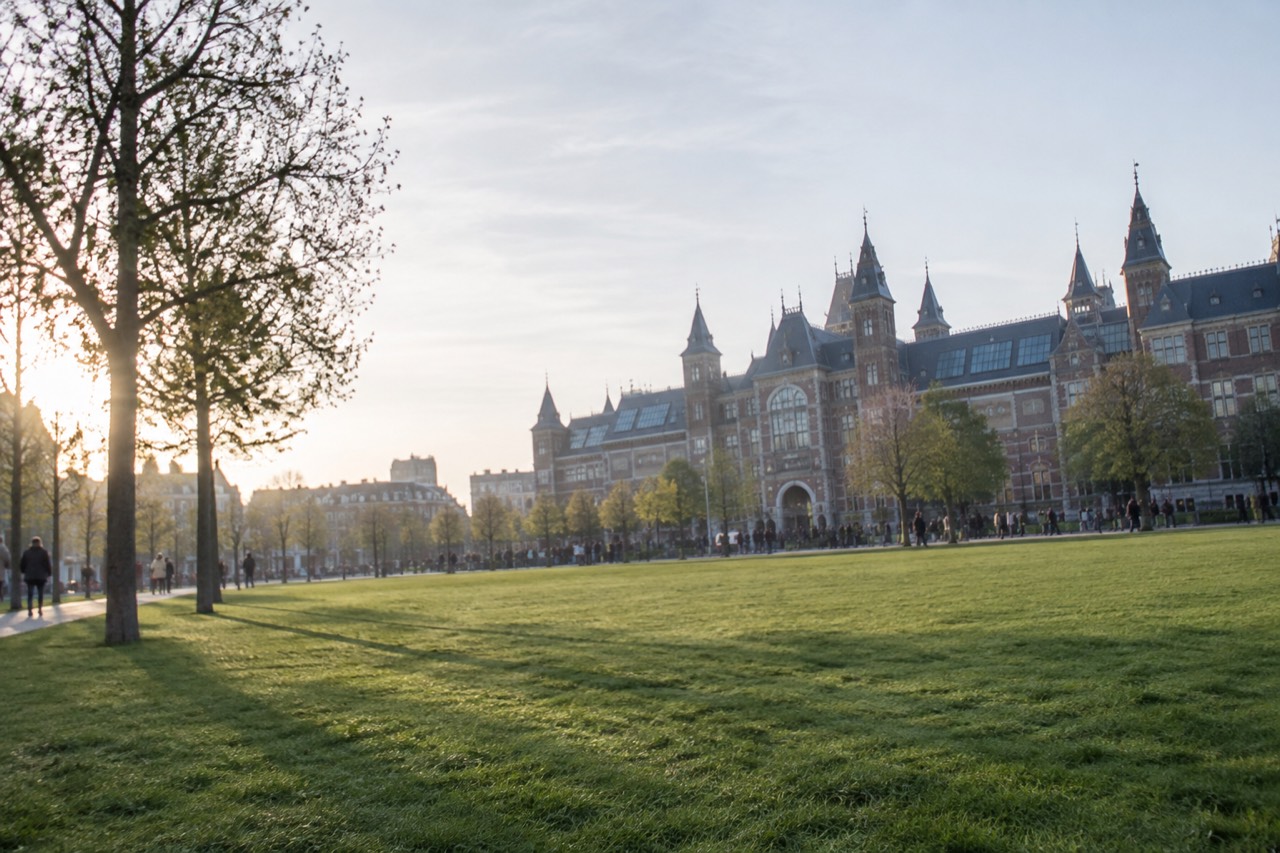
Museumplein does something few city squares manage: it puts three internationally famous museums, a concert hall and an open lawn in one compact block, then lets you walk between all of them in under five minutes. The square sits in Amsterdam Zuid, at the southern edge of the canal ring, and it works as both a cultural campus and a place where locals picnic, skate and play football the moment the sun appears. For a visitor, that combination is the whole appeal. You can spend a full day here without repeating a street, and the square's layout makes planning unusually easy: museums on three sides, grass in the middle, and trams arriving from every direction.
The name is literal. Museumplein means "museum square", and the city built it deliberately in the late nineteenth century as a cultural district, moving the Rijksmuseum into its grand new building as the anchor and filling in the neighbours over the following decades. Today the square anchors what locals call the Museum Quarter, or Museumkwartier, a calm, upscale neighbourhood of wide streets, embassies and the green expanse of Vondelpark a short walk west. If your Amsterdam list is heavy on art, this single square can absorb two full days without strain.
What Is Museumplein and Where Is It?
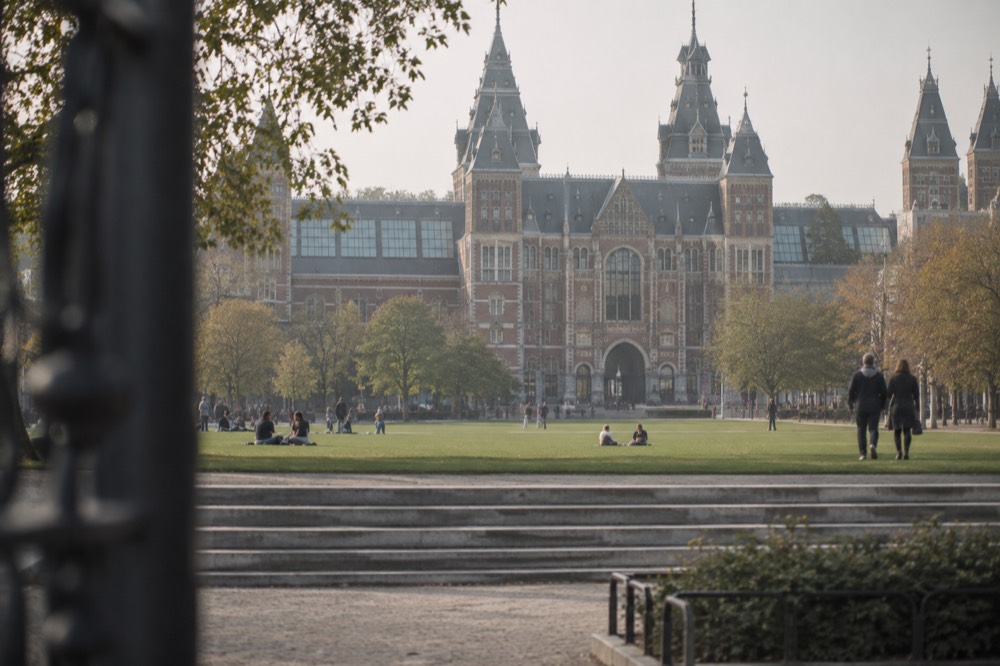
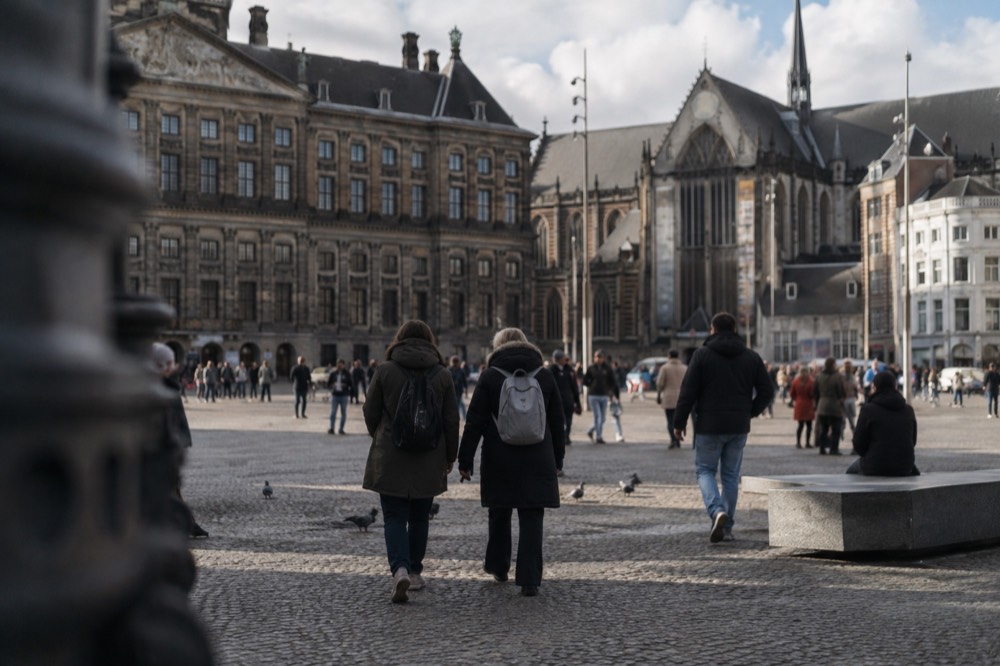
Museumplein is a large rectangular square in the Oud-Zuid district of Amsterdam, about a fifteen-minute walk south of the canal ring's southern edge, formed by the Rijksmuseum on one side and the Van Gogh Museum and Stedelijk on another. The Concertgebouw concert hall faces it from the west, and the whole square is pedestrian-friendly with a sunken lawn, paved terraces and a pool that doubles as an ice rink in winter. It is not a single attraction but a district-in-miniature, and that is exactly why it rewards a plan rather than a wander.
The square has been the city's designated cultural campus since the late nineteenth century, when the Rijksmuseum opened as its anchor. The Stedelijk and the Concertgebouw followed as neighbours, and the Van Gogh Museum completed the set in the second half of the twentieth century. So the cluster is not an accident of tourism; it is a piece of deliberate city planning that happens to suit modern visitors perfectly. A later redesign gave the square its current look: a car-free surface, a sloping green lawn and underground parking that keeps vehicles out of sight.
Geographically, everything is close. From the square's centre you can reach the Rijksmuseum entrance in two minutes, the Van Gogh Museum in three, the Stedelijk in three and the Concertgebouw in four. Vondelpark begins a five-minute walk west along Van Baerlestraat, and the upscale shopping street P.C. Hooftstraat runs directly north-east from the square towards the canal ring. Walk ten minutes north from the Rijksmuseum and you are in the canal belt itself, which makes Museumplein an easy half-day bolt-on to any canal-side itinerary rather than a separate expedition.
Which Museums Sit on Museumplein?
Museumplein hosts four major institutions: the Rijksmuseum, home to Dutch Golden Age masterpieces; the Van Gogh Museum, which holds the world's largest collection of his works; the Stedelijk Museum, dedicated to modern and contemporary art; and the Concertgebouw, the celebrated concert hall for classical music performances. Two smaller museums sit within a five-minute walk, the Moco Museum and the Diamond Museum, and the Foam photography museum is a short stroll north. No other square in the Netherlands packs this much per square metre, and each institution earns its place on the itinerary for a different reason.
The Rijksmuseum is the heavyweight. Its building alone, a Gothic-Renaissance palace crossed by a bicycle tunnel you can ride through, is worth the walk, and inside sits the national collection: Rembrandt's The Night Watch, Vermeer's The Milkmaid, Hals, Steen and a thousand years of Dutch history spread across four floors. The museum's own practical page states adult entry is €25, free for ages 18 and under, open daily from 9am to 5pm including public holidays, and every visitor, pass holder included, must book a start time online. Limited tickets are held at the entrance, but relying on those on a busy day is a gamble.
The Van Gogh Museum holds the largest collection of the artist's work anywhere: over 200 paintings, 500 drawings and more than 750 letters, per its own listing. The museum's ticket page states adult entry is €25 with visitors under 18 free, and its visiting page is blunt on the key point: all visitors are required to pre-book a timed entry ticket, and tickets can sell out. The Stedelijk, next door, is the Netherlands' premier modern and contemporary art museum, with Mondrian, Malevich, Warhol and a design collection that makes it the natural third stop for anyone whose taste runs past the nineteenth century.
The Concertgebouw is the wildcard. Its main hall is famous among musicians for its acoustics, and it runs lunchtime concerts and evening programmes alongside its orchestra schedule; check the venue's own calendar for what falls on your dates, because a concert here is a very different Museumplein evening from a museum one. For a full run-through of the biggest two, our Rijksmuseum guide and Van Gogh Museum guide cover room-by-room routes and ticket tactics.
How Much Do Museumplein Tickets Cost?
Official adult entry is €25 at the Rijksmuseum and €25 at the Van Gogh Museum, with under-18s free at both; the Stedelijk and Moco are cheaper, and the only operator-verified canal cruise fare nearby is about €15.50, so a two-museum day costs roughly €50 per adult before transport. Every major museum on the square uses timed entry, so the price is only half the story: the other half is booking a slot before someone else takes it. The table below pulls the numbers you can plan against.
| Museum / Attraction | Official Adult Price | Under-18s | Timed Entry? |
|---|---|---|---|
| Rijksmuseum | €25 | Free | Yes, book a start time |
| Van Gogh Museum | €25 | Free | Yes, pre-booked slot required |
| Stedelijk Museum | On the museum's own ticket page | Check the ticket page | Timed tickets in use |
| Moco Museum | From $20 on the live listing | Reduced rates on the listing | Timed slots in use |
| Concertgebouw | Varies by programme | Varies | Ticketed events only |
Two pass questions come up constantly. The I amsterdam City Card includes free entry to the Rijksmuseum, the museum's own page confirms this, but it explicitly excludes the Van Gogh Museum, and the Anne Frank House's own price table states the card gets no discount there either. The card also bundles unlimited GVB transport and one canal cruise. The Museumkaart, at €75 for adults with a €4.95 registration fee, covers 500+ museums nationwide including the Rijksmuseum, but a temporary card bought as a visitor is valid 31 days for a maximum of 5 visits, and you still need to book a timed slot at museums that require one. Our full breakdown, is the I amsterdam City Card worth it, runs the arithmetic for different trip lengths.
Booking strategy matters more than price here. The Van Gogh Museum is the one that sells out first, particularly on weekends and in spring, so reserve it first and build the rest of the day around the slot you get. The Rijksmuseum releases more capacity and holds some tickets at the door, though the museum itself warns those are limited. If both museums are on your list, book the Van Gogh slot for late morning, do the Rijksmuseum first thing at 9am when the gallery floors are quietest, and use the gap between slots for the lawn, lunch or the Moco.
Is the Van Gogh Museum or the Rijksmuseum Better?
Pick the Van Gogh Museum if you want one artist's story told in depth, the Rijksmuseum if you want the whole Dutch Golden Age plus a building you will remember; with €25 adult entry at both, under-18s free at both and roughly two hours needed at each, most travellers with a full day simply do both. The honest answer is that they are not really competitors, because they answer different questions. The Van Gogh is intimate and chronological: you walk one man's arc from dark peasant studies to the blazing final canvases. The Rijksmuseum is encyclopaedic: Rembrandt, Vermeer, Delftware, ship models, a library and a century-spanning gallery of honour.

Crowd behaviour differs too. The Van Gogh Museum's timed slots keep the flow steady, but its floor plan is tighter and the star paintings draw dense knots of visitors by midday. The Rijksmuseum's sheer size spreads people out, and its early opening at 9am rewards the first hour dramatically: The Night Watch gallery is a different room entirely at 9:15 versus 13:00. If you only have time for one and you care about Dutch painting above all, the Rijksmuseum is the safer bet; if you came to Amsterdam because of one specific sunflower, nothing else will do.
Families should note the free under-18 entry at both, which makes a two-museum day with teenagers a €50 adult spend rather than a €150 family one. The Rijksmuseum's variety also holds younger attention longer, while the Van Gogh's tighter narrative suits older children who already know the story. A timed ticket for the Van Gogh Museum booked through the operator's live listing is the piece of the puzzle that sells out first, so it is the one to reserve while the rest of the day is still flexible.
What Else Is There to Do Around Museumplein?
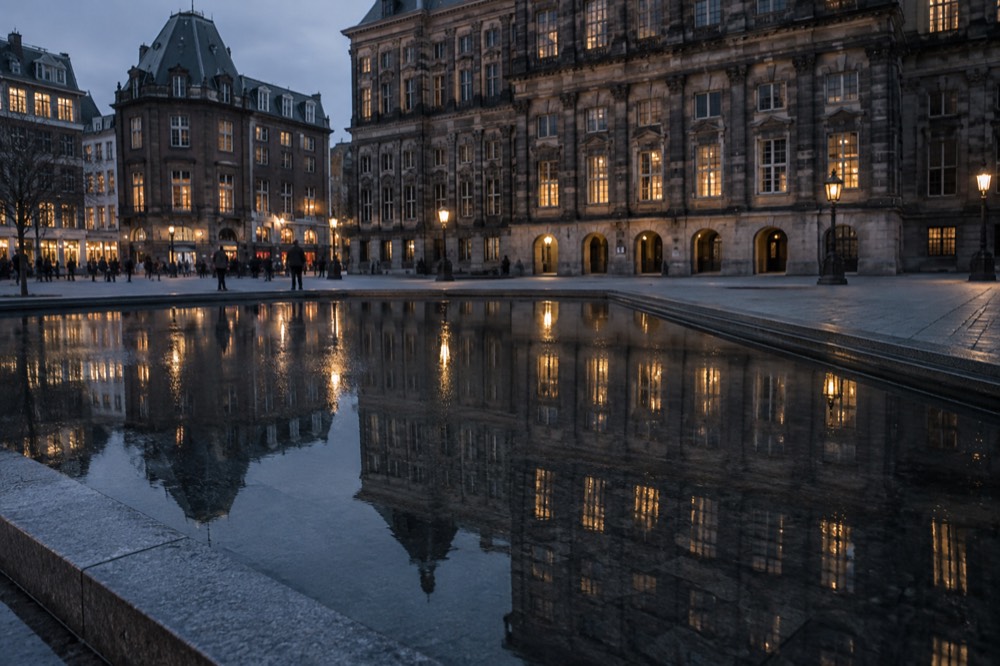
Within a ten-minute walk of the square you have the Moco Museum's Banksy-filled townhouse, the Diamond Museum, the Foam photography museum, Vondelpark's green expanse, the P.C. Hooftstraat shopping street and the Heineken Experience in the old brewery, so the square easily fills a full day beyond the two headline museums. The lawn itself is an attraction in its own right: on a warm afternoon it becomes a picnic ground, and in winter the pool in front of the Rijksmuseum's side turns into an ice rink, which is one of the more photogenic winter scenes in the city.
The Moco Museum, a short walk down the Museumplein edge, is the square's pop-art counterweight: Banksy, Warhol, Haring and immersive digital rooms in a classic townhouse, with the live listing showing entry from $20 and a 4.3 rating across 11,775 reviews. It is small, fast and a good palate cleanser between heavyweight museums. Coster Diamonds and its Diamond Museum sit nearby on the same block; our Coster Diamonds and the Diamond Museum guide covers whether the polishing demonstrations are worth the stop. Foam, the photography museum on Keizersgracht, is a fifteen-minute walk north and rotates exhibitions that often outclass bigger names.
South-east of the square, the Heineken Experience occupies the brewer's original historic brewery building, and the listing describes over 150 years of brewing heritage brought to life through interactive exhibits across a 90-minute visit, rated 4.6 across 39,581 reviews with entry from $23. It is touristy in the best sense: polished, fast-moving and genuinely popular. And Vondelpark, five minutes west, is the local decompression chamber; after two museums, an hour on a bench by one of its ponds is what an Amsterdam afternoon is supposed to feel like. Our Vondelpark guide maps the quiet corners.
How Do You Get to Museumplein?
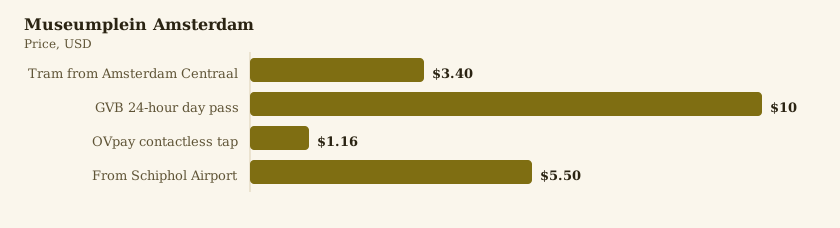
Museumplein is a ten-to-fifteen-minute tram ride from Amsterdam Centraal with four tram stops directly on its edges, a single GVB ticket costs €3.40 for one hour, a 24-hour day pass is €10.00, and from the Rijksmuseum side you can walk into the canal belt in under ten minutes. The square is one of the best-connected places in the city for visitors, precisely because it was designed as a cultural destination. Trams, buses and the metro all land within a block or two.
| Route | Typical Time | Cost | Notes |
|---|---|---|---|
| Tram from Amsterdam Centraal | 10 to 15 minutes | €3.40 single (1 hour) | Several lines stop at Rijksmuseum or Museumplein |
| GVB 24-hour day pass | Unlimited | €10.00 adult, €5.00 child | Covers tram, bus, metro and GVB ferries |
| OVpay contactless tap | Same vehicles | €1.16 base plus €0.217 per km | Tap in and out with a bank card |
| Walk from the canal ring | 10 minutes from the southern canal belt | Free | Enters via the Rijksmuseum's bicycle tunnel |
| From Schiphol Airport | Roughly 30 to 40 minutes via train and tram | Train from €5.50 plus GVB fare | Train to Centraal or Zuid, then tram |
The tram stop named after the square puts you at the Stedelijk's doorstep; the Rijksmuseum stop drops you by the museum's tunnel entrance. If you are staying in the canal belt or near Rembrandtplein, walking is often faster than waiting for a tram: the square is close enough that the walk is part of the visit. Cyclists should note the bike tunnel under the Rijksmuseum, one of the few places where a museum building doubles as a traffic route, and the square's perimeter has ample racks.
For anyone using the airport as a starting point, the combination is simple: the train runs from Schiphol to Amsterdam with a journey of just over 17 minutes, per the rail operator's own route page, and from Centraal the tram completes the trip. Our getting around Amsterdam guide covers the ticketing details, and the Schiphol to central Amsterdam guide handles the airport leg. The I amsterdam City Card's transport inclusion covers exactly these GVB services, which is why a museum-heavy itinerary is where the card performs best.
When Is the Best Time to Visit Museumplein?
Weekday mornings from 9am are the quietest time on the square and inside the Rijksmuseum, the Van Gogh Museum sells out first on spring weekends, and the square changes character entirely between the summer lawn season and the winter ice rink, so the best time depends on whether you came for art or atmosphere. The museums run year-round, but the square itself is seasonal, and the difference is visible from the first warm week of April.
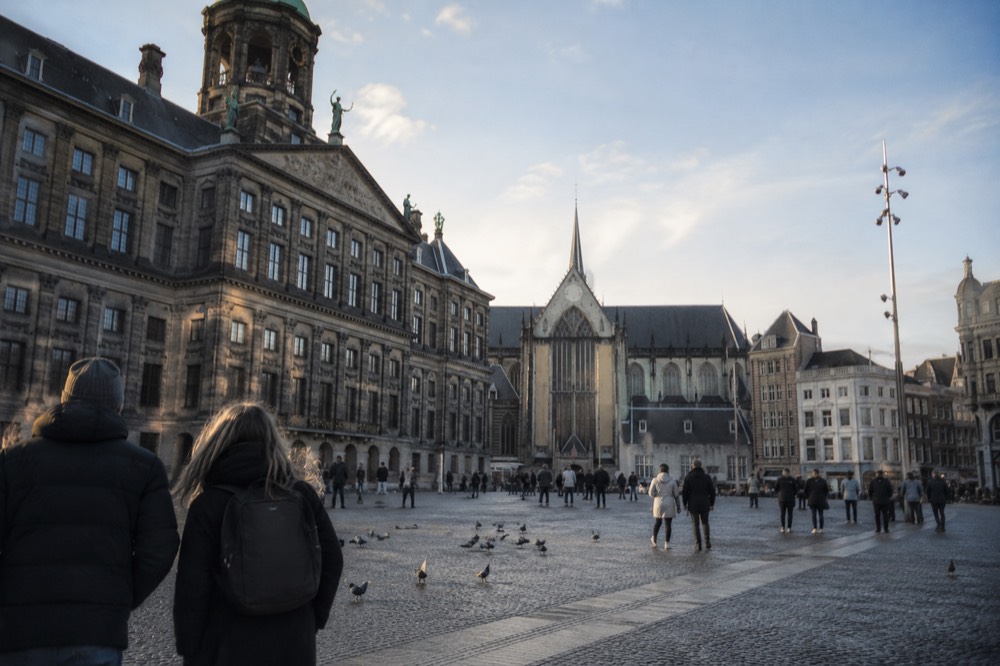
Summer brings the lawn crowds: picnics, football, students and the long Dutch evening light that keeps the square busy until the museums close. Spring adds tulip-season pressure, because day-trippers combine Keukenhof with a museum stop, and that is when Van Gogh slots vanish fastest. Autumn and winter thin the crowds outside while the museums stay busy inside on rainy days, and the ice rink in front of the Rijksmuseum gives the square a completely different winter identity, covered in more detail in our Amsterdam in winter guide.
Within any given day, the pattern is consistent. The 9am hour belongs to early risers and the galleries are at their calmest. Midday to 15:00 is peak, especially the Van Gogh's upper floors. Late afternoon is underrated: the Rijksmuseum stays open until 17:00 daily, and the last two hours see footfall drop as tour groups leave for canal cruises. If your slot options are 9:00 or 15:30, take 9:00 at the Rijksmuseum and 15:30 at the Van Gogh, then finish on the lawn or at the Concertgebouw as the light drops.
Can You Do Museumplein in Half a Day?
Yes, a focused half-day works: book a 9am Rijksmuseum entry, spend two hours there, walk the square and the Moco for an hour, then finish with a 13:00 Van Gogh slot, which covers the essentials by about 15:00 and leaves the evening free. The square's compactness is what makes this possible; nothing on the list above is more than five minutes apart. The half-day plan trades depth for coverage, and it works best on a weekday when slots are easier to get.
| Time | Plan | Why This Order |
|---|---|---|
| 09:00 | Rijksmuseum, Gallery of Honour first | Quietest hour of the day for The Night Watch |
| 11:00 | Lawn, coffee on the square | Reset between museums; no ticket needed |
| 11:30 | Moco Museum or Stedelijk, one hour | Small enough to fit the gap before lunch |
| 12:30 | Lunch on Van Baerlestraat or in the Vondelpark direction | Close to the afternoon slot |
| 13:30 | Van Gogh Museum, two hours | Post-lunch slots are easier to book than 10:00 ones |
| 15:30 | Lawn, Foam, or walk north into the canal belt | The evening is yours |
The full-day version simply stretches the same spine: add the Stedelijk properly, the Diamond Museum, an hour in Vondelpark, and an evening at the Concertgebouw if the calendar cooperates. Families with teenagers might swap the Stedelijk for the Heineken Experience and finish earlier. Whatever the shape, the booking order stays the same: reserve the Van Gogh slot first, because it is the scarce resource, then let everything else fall in behind it. A canal cruise makes a natural evening cap, and the classic saloon-boat cruise, rated 4.8 across 33,435 reviews with a live-guide commentary and an optional Dutch cheese and drinks upgrade, departs from docks a short walk north.
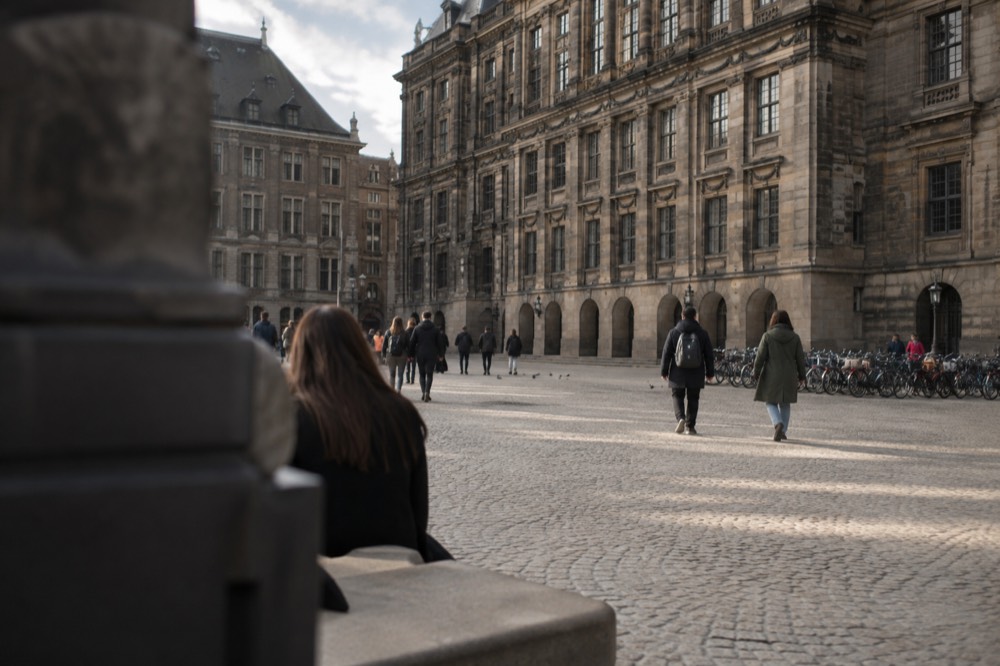
Museumplein rewards exactly the kind of trip this site is built around: a small area, a clear plan, and a couple of decisions made in advance instead of on the doorstep. Book the scarce ticket first, walk everything else, and let the lawn absorb whatever the schedule leaves over. For the wider picture of how this square fits into a full city itinerary, start with Things to Do in Amsterdam and work backwards to the days you have.
Common Questions About Museumplein Amsterdam
What is Museumplein?
Museumplein is Amsterdam's museum square in the Oud-Zuid district, deliberately developed in the late nineteenth century as a cultural campus. The Rijksmuseum, Van Gogh Museum, Stedelijk Museum and Concertgebouw all face it, with a large lawn in the middle that locals use for picnics, sport and, in winter, an ice rink.
How much does it cost to visit Museumplein itself?
Nothing. The square, the lawn and the outside of every building are free and open to everyone. Costs only start when you enter the museums: official adult entry is €25 at both the Rijksmuseum and the Van Gogh Museum, with under-18s free at both.
Do I need to book Museumplein museum tickets in advance?
Yes, for the two headline museums. The Van Gogh Museum requires every visitor to pre-book a timed ticket and its own page warns tickets can sell out. The Rijksmuseum requires a booked start time too, though it holds limited tickets at the entrance while stocks last.
Is the Van Gogh Museum included in the I amsterdam City Card?
No. The card's own FAQ states that Van Gogh and Anne Frank are not included, and the card's transport and canal cruise benefits apply separately. The Rijksmuseum, by contrast, is included, which the museum's own price page confirms.
How long should I spend at Museumplein?
Count roughly two hours each for the Rijksmuseum and the Van Gogh Museum, an hour for the Stedelijk or Moco, and slack time on the lawn. A focused half-day covers the essentials; a full day lets you add Vondelpark, the Concertgebouw or the Heineken Experience without rushing.
Which tram goes to Museumplein?
Several tram lines from Amsterdam Centraal stop either at the Museumplein stop, by the Stedelijk, or at the Rijksmuseum stop on the square's north side. The ride takes ten to fifteen minutes, and a single one-hour GVB ticket costs €3.40.