A Haarlem Day Trip From Amsterdam: What to See, Do and Eat
Haarlem is the easiest real-Dutch day trip from Amsterdam: a short train ride, a market square that locals actually use, world-class paintings and none of the centre's crush.
Short answer
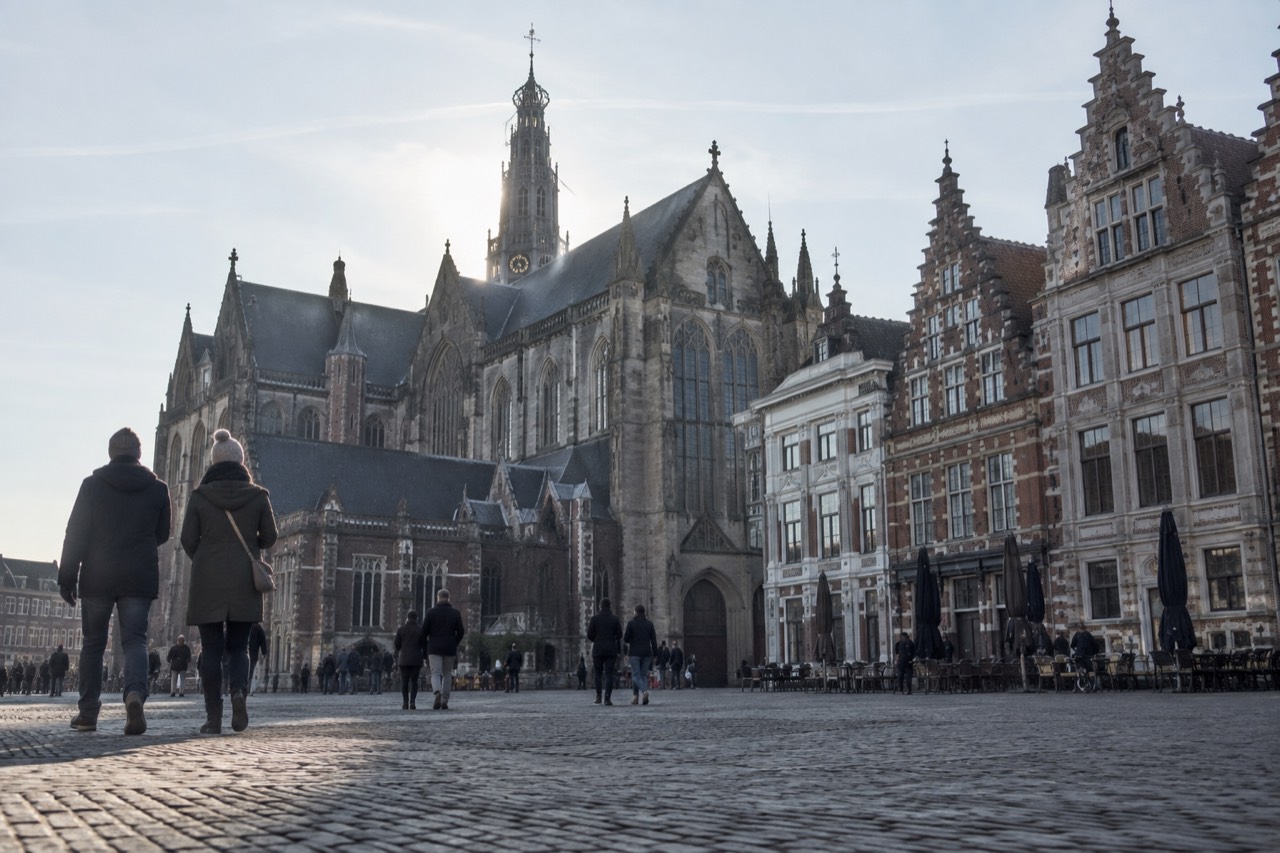
Haarlem sits about 20 minutes from Amsterdam by direct Intercity train, making it the shortest worthwhile day trip from the city. Highlights include the Grote Markt, the Grote Kerk, the Frans Hals Museum and the windmill on the river Spaarne. A half day covers the centre; a full day adds museums and the canal-side streets.
Haarlem is the day trip that Amsterdam residents actually take. The city sits directly west of the capital, close enough that the train journey feels like a commuter hop, yet it has its own market square, its own medieval church, its own canal-lined streets and a painting tradition that produced Frans Hals. Where most short trips from Amsterdam deliver either windmills or water, Haarlem delivers a working Dutch city that happens to be beautiful, which is a different and arguably better thing.
This guide covers how to get there, what to see in one day, where the food is worth stopping for, and how Haarlem compares with the other day trips competing for your time. It is written by an editorial desk that reads live listings and primary sources rather than by a local, so every figure here comes from a verified source, and where a price is not verified it says so plainly.
Is Haarlem Worth a Day Trip From Amsterdam?
Yes, for almost every traveller. Haarlem is the shortest genuinely rewarding day trip from Amsterdam, roughly 20 minutes by direct train, and it packs a grand market square, a towering medieval church, two serious art museums and quiet canal streets into a walkable centre. It suits first-time visitors who want a calmer version of Amsterdam and repeat visitors who have already done the capital's headline sights.
The honest case for Haarlem rests on contrast. Amsterdam recorded 23.7 million tourist overnight stays in 2025 according to the city's own research bureau, and the centre shows it. Haarlem absorbs day visitors, particularly on Saturdays when the market fills the square, but it remains a city where the crowd on the street is mostly Dutch. You will hear more Flemish and Dutch than English around the Grote Markt on a weekday morning.
The city's history also earns the trip. Haarlem was a major brewing and textile town in the Dutch Golden Age, wealthy enough to commission the portraits that made Frans Hals famous, and the scale of the old centre reflects that wealth. The layout is compact: the Grote Markt anchors everything, the river Spaarne loops past the windmill and the Teylers Museum, and the main shopping streets radiate outward from the square. Almost everything worth seeing sits within a ten-minute walk of the station.
For travellers building a wider Netherlands itinerary, Haarlem also works as a warm-up. It sits on the same rail corridor that carries you toward Zandvoort's beach and the tulip fields of the Bollenstreek, so a Haarlem morning pairs naturally with an afternoon elsewhere. Our guide to the best day trips from Amsterdam ranks the full field if you are still deciding.
How Do You Get From Amsterdam to Haarlem?
Direct Intercity trains run from Amsterdam Centraal to Haarlem roughly every 10 to 15 minutes and take about 20 minutes, making this the fastest of the classic day trips. You tap in and out with a contactless bank card or phone using OVpay, or you buy a ticket through the NS app before boarding. No other transport option makes sense for the centre.
The rail link is the whole reason Haarlem works as a half-day trip. Trains run from early morning until late at night, and the Haarlem station itself is a landmark, a 19th-century building with Art Nouveau touches that puts you a five-minute walk from the Grote Markt the moment you step outside. Because the frequency is high, you do not need to plan around a timetable: you show up, tap in, and go.
Payment is simpler than most guides admit. Contactless payment, branded OVpay, works on NS trains and on Amsterdam's GVB trams, buses and metro with a base fare plus a per-kilometre charge on the city network, so one bank card covers both ends of the journey. The official fare overview at GVB's prices page explains the Amsterdam side, including the day tickets if you prefer a fixed price over pay-as-you-go.
Driving is the one option to talk yourself out of. Haarlem's centre is dense, parking is scarce and priced accordingly, and the train beats the car door to door from almost any Amsterdam starting point. Buses exist but duplicate the train's route with none of its speed.
| Option | Typical journey | Best for | Watch out for |
|---|---|---|---|
| NS Intercity train | About 20 minutes, direct | Everyone; fastest and most frequent | Rush-hour crowding in peak commuting windows |
| OVpay contactless | Same trains, tap in and out | Travellers without a Dutch travel card | Remember to tap out or you are charged the full route |
| Car | Depends heavily on traffic and parking | Only if continuing to rural areas | Centre parking is limited and expensive |
| Organised day tour | Varies by itinerary | Visitors who want a guide and no logistics | Check exactly what time the tour spends in Haarlem itself |
A practical note on timing: Saturdays bring the market and the liveliest atmosphere, but also the busiest trains and fullest square. Sunday mornings are quiet, and some shops open late or not at all. Midweek gives you the city closest to how residents live in it.
If you are still assembling the Amsterdam half of your trip, the bookings most travellers pair with a Haarlem day are below. All three are timed or fixed-schedule products, so reserving before travel matters more than it does for walk-up sights.
What Should You See in Haarlem in One Day?
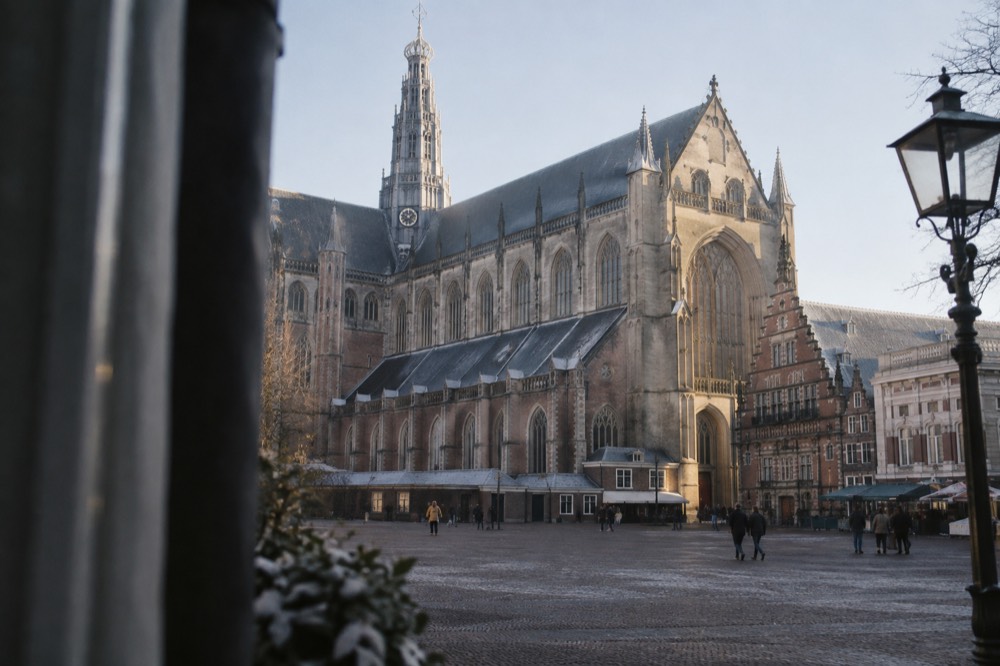
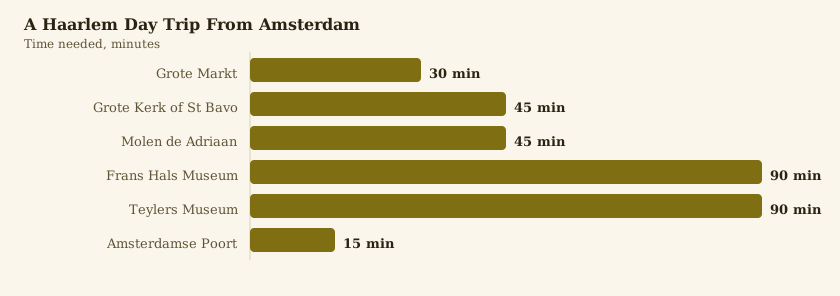
Start at the Grote Markt, the cobbled square at the city's heart, then visit the Grote Kerk with its towering wooden vault and famous Müller organ, walk the river Spaarne past the Molen de Adriaan windmill, and finish in the Frans Hals Museum or the Teylers Museum. That single loop covers Haarlem's signature sights in about four to six hours at a comfortable pace.
The Grote Markt is the natural first stop and the place to orient yourself. The square is ringed by guild houses, the city hall and café terraces, and on Saturdays it fills with market stalls selling cheese, flowers and household goods in a scene that has run for centuries. Even on a quiet Tuesday it is a square built for sitting: pick a terrace, order a coffee, and let the city introduce itself.
The Grote Kerk of St Bavo dominates the square's eastern side. The church is best known for its monumental pipe organ, an instrument so large that a young Mozart played it during his family's travels, and for a wooden vault ceiling that is one of the largest of its kind. The church is open to visitors for an admission charge; prices are not published in a verified source we can cite, so check the church's own website before you visit rather than trusting a third-party figure.
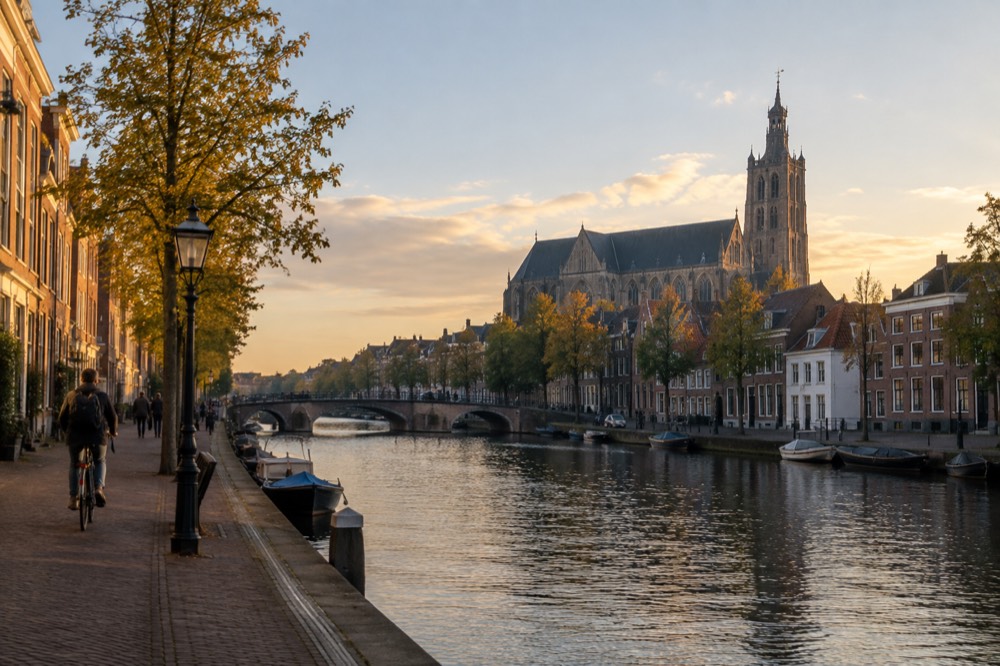
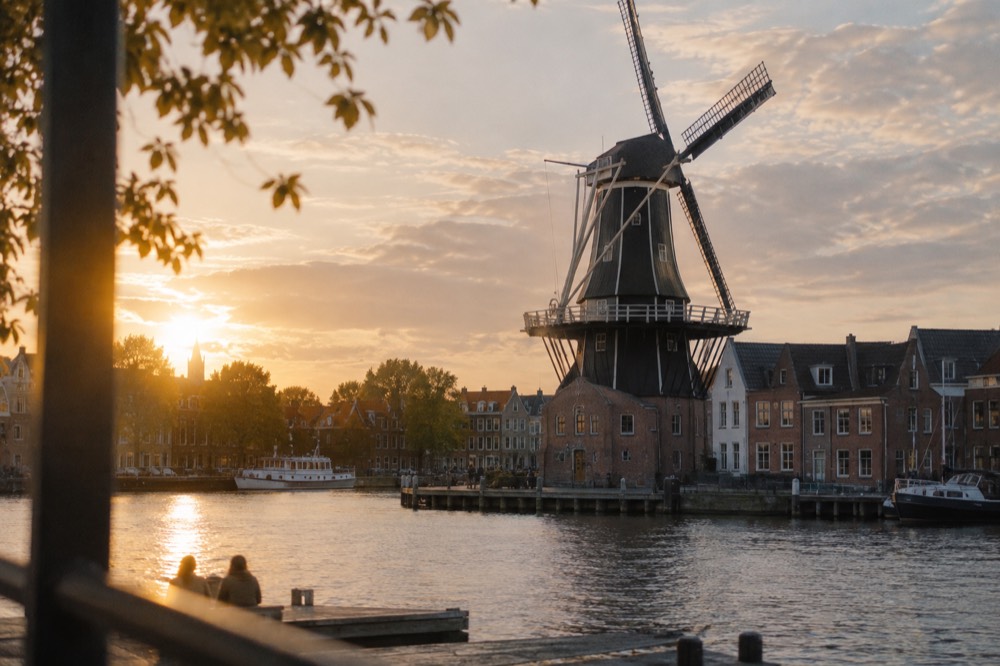
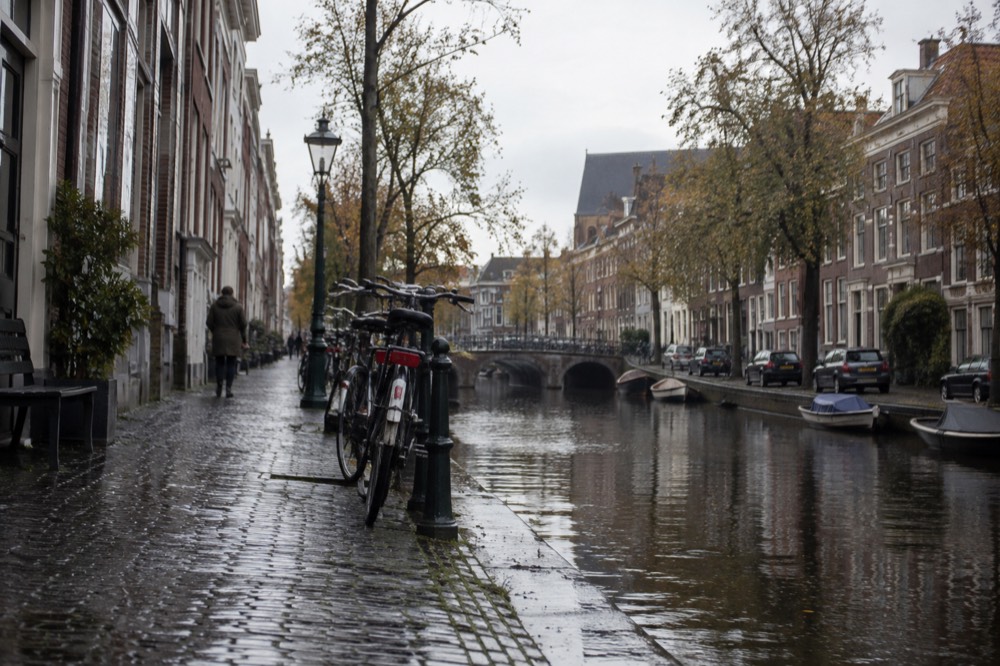
From the square, walk two blocks east to the river Spaarne. The river is Haarlem's quieter answer to Amsterdam's canals: houseboats, humped bridges and the Molen de Adriaan, a windmill rebuilt after a fire that now serves as a museum with views over the old city from its gallery. The riverside walk between the centre and the windmill is the most photogenic fifteen minutes in Haarlem.
The museums come next, and here Haarlem punches far above its size. The Frans Hals Museum holds the world's largest collection of the painter's civic guard portraits and genre works, displayed in buildings that themselves date from the Golden Age. The Teylers Museum, the oldest museum in the Netherlands, keeps its original 18th-century presentation: fossil cabinets, scientific instruments and Old Master drawings in rooms lit barely changed in two centuries. Neither museum publishes a ticket price we can verify from a primary source, so treat any number you see on a blog with suspicion and check each museum's own site.
| Sight | What it is | Time to allow | Notes |
|---|---|---|---|
| Grote Markt | Historic market square | 30 to 60 minutes | Market stalls on Saturdays |
| Grote Kerk of St Bavo | Medieval church with a famous organ | 45 to 60 minutes | Check the church's own site for the current entry price |
| Molen de Adriaan | Riverside windmill museum | 45 minutes | Gallery views over the old city |
| Frans Hals Museum | Golden Age portrait collection | 90 minutes to 2 hours | Check the museum site for tickets and times |
| Teylers Museum | Oldest museum in the Netherlands | 90 minutes | Original 18th-century interiors |
| Amsterdamse Poort | Remnant of the medieval city gate | 15 minutes | Free to view from the street |
A common pattern is a Haarlem morning followed by an Amsterdam museum afternoon, and it works because the train back is so short. If paintings are the reason you travel, the Van Gogh Museum is the natural pairing: it holds over 200 paintings, 500 drawings and more than 750 letters, and every visitor needs a pre-booked timed entry ticket, with under-18s admitted free. The Van Gogh Museum guide covers the collection in depth.
One detail worth planning around: the museum releases timed slots rather than open entry, so the afternoon slot you want after a Haarlem morning is often the first to go. Booking the slot before you commit to the day trip removes the risk entirely, and free cancellation on the live listing means a change of plans costs nothing.
Where Should You Eat and Drink in Haarlem?
Eat around the Grote Markt and the streets just off it: café terraces on the square for lunch, the smaller restaurants in the side streets for dinner, and the Saturday market for cheese and street snacks. Haarlem's food scene is real and local, cheaper than central Amsterdam on average, and at its best in the early evening when day trippers have thinned out.
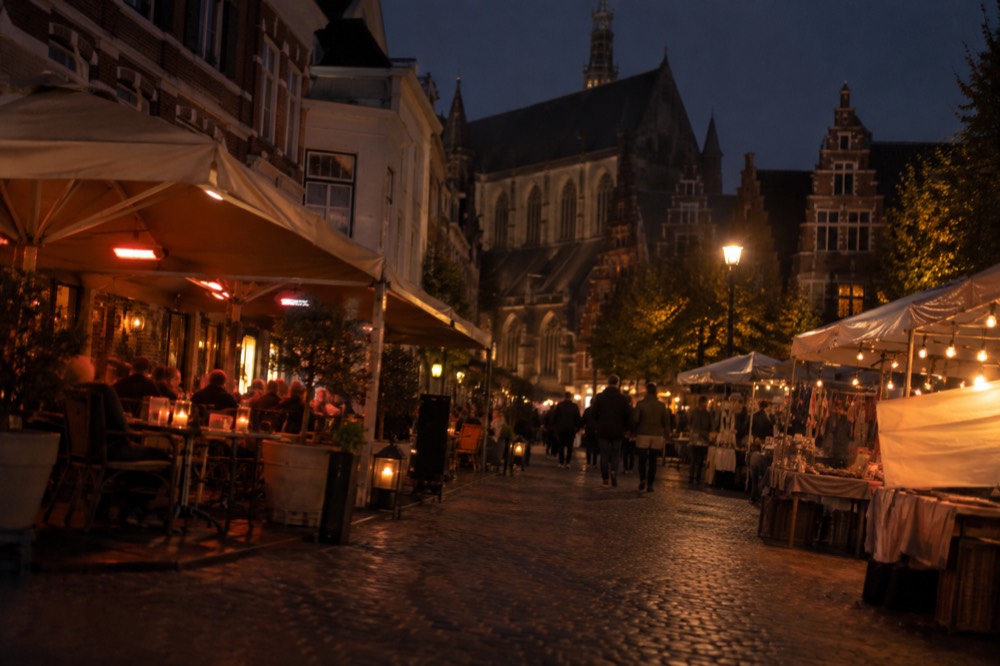
Lunch is easiest on the square itself. The terraces facing the Grote Kerk serve the Dutch staples, thick sandwiches, soup and bitterballen, at prices noticeably gentler than the Damrak. On Saturdays, the market supplies its own lunch: cheese stands hand out samples, fish stalls sell cured herring and hot kibbeling, and bakeries within a block of the square sell fresh stroopwafels that outclass anything vacuum-packed in an Amsterdam souvenir shop. Our overview of Dutch foods worth trying explains what each of these actually is.
For dinner, the streets south and west of the square carry most of the weight. Haarlem has a genuine restaurant scene rather than a tourist one, and tables on Friday and Saturday evenings fill with locals, which means walking in without a reservation is a gamble at weekends. The city also has a brewing story worth knowing: Haarlem was one of the great beer towns of the 16th-century Netherlands, a heritage carried on today by a brewery set in a former church a short walk north of the centre, where the beer is brewed in full view of the tables. The rest of the planning pages sit on Things to Do in Amsterdam.
Dessert deserves a sentence of its own. Haarlem takes its bakeries seriously, and the chocolate shops around the Grote Markt and the Grote Houtstraat sell the kind of handmade sweets that Amsterdam gift shops only imitate. If you are buying edible souvenirs, buy them here rather than in the capital: same products, shorter queue, lower price.
How Does Haarlem Compare with Other Day Trips From Amsterdam?
Choose Haarlem for city atmosphere, museums and food; choose Zaanse Schans for windmills; choose Keukenhof for tulips in spring; choose Edam, Volendam or Marken for picture-postcard villages. Haarlem is the only one of these that is a lived-in city, which makes it the best fit for travellers who have had their fill of open-air-museum day trips.
The comparison matters because day trips compete for the same slot in your itinerary, and they are not interchangeable. Zaanse Schans delivers windmills in an hour and is the most efficient photo stop, but it is a curated heritage site, not a town you wander. The tulip season around Keukenhof is magnificent and strictly seasonal: the gardens open only from 19 March to 10 May, with the 2027 season running 18 March to 9 May, and tulip fields peak roughly mid-April to early May. Outside that window, the Bollenstreek is farmland with a museum.
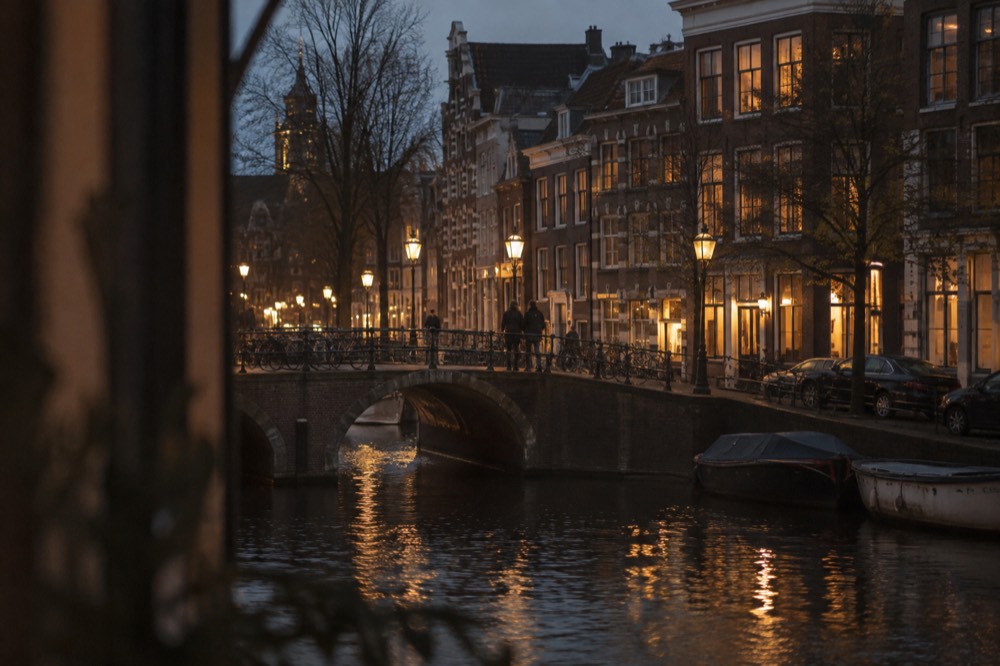
Haarlem's advantage is that it has no season and no closing date. The square, the church, the river walk and the restaurants run all year, and the museums change exhibitions rather than shutting. Its weakness is the inverse: it has no single postcard view that defines the trip, so travellers chasing a specific image, windmills, tulips, a fishing village on the water, may find it understated.
| Day trip | Best for | Travel time from Amsterdam | Season limits |
|---|---|---|---|
| Haarlem | City life, art museums, food | About 20 minutes by train | None; liveliest on Saturdays |
| Zaanse Schans | Windmills and heritage crafts | Short bus or train plus walk | None, but crowds peak in summer |
| Keukenhof and the tulip fields | Spring flowers at scale | Roughly 30 to 40 minutes | 19 March to 10 May only |
| Edam, Volendam and Marken | Historic villages and waterfront | Under an hour by bus or tour | None, but quietest in winter |
| Utrecht | Canals, a cathedral tower, a university city | Under 30 minutes by train | None |
If windmills are the priority, read our Zaanse Schans guide before deciding, and for the spring window our Keukenhof guide covers tickets and timing in detail. Travellers who want countryside rather than another city should also consider a rural bike ride: a countryside cycling tour from Amsterdam that includes a cheese tasting, a clog demonstration and a windmill carries a 4.8 rating across 1,674 reviews and runs four hours, long enough to feel like a real ride without eating the whole day.
How Much Time Do You Need in Haarlem, and When Should You Go?
Half a day covers the Grote Markt, the church and the river walk; a full day adds one or both major museums and a proper dinner. Go on a Saturday for the market at its fullest, or midweek for the quietest streets. Spring and early autumn give the best light and the most comfortable walking weather, and every season works because Haarlem's core sights are indoors or on covered streets.
The half-day version is real and many travellers prefer it: arrive mid-morning, do the square and the church, walk the Spaarne to the windmill, eat lunch, and be back in Amsterdam by mid-afternoon with time for a museum or a canal cruise. The full-day version slows everything down and adds the Frans Hals or the Teylers, plus an early dinner before the train home. What does not work is trying to add a second destination to Haarlem in one day; the pairing that does fit is Haarlem plus an Amsterdam evening activity, because the train makes the return leg trivial.
Weather planning deserves a caveat rather than a chart. We do not publish month-by-month averages because no official meteorological source for Amsterdam has been verified in our research, and the same caution applies to Haarlem. What can be said honestly is that the Dutch climate is mild, maritime and prone to showers in any month, so a packable rain layer belongs in your bag regardless of season. On a wet afternoon, the Teylers Museum and the Frans Hals Museum are exactly the kind of deep, time-consuming collections that make rain irrelevant.
If your Haarlem day ends back in Amsterdam with an evening on the water, book the cruise before you travel. A classic saloon boat cruise through the UNESCO-listed canal ring carries a 4.8 rating across 33,435 reviews and costs from $19.56, with a Dutch cheese and drinks upgrade available on the listing. Evening departures in summer fill first, and a Haarlem return train that lands you at Centraal puts you a short walk from the main departure docks.
What About Combining Haarlem with Amsterdam's Big Sights?
The combination that works best is Haarlem in the morning and one timed-entry Amsterdam attraction in the afternoon, because the train ride is short enough to guarantee your arrival window. The combination that fails is Haarlem plus two Amsterdam museums plus a cruise, which leaves no slack for the queues, the walks and the simple pleasure of sitting on a terrace. Be realistic: one anchor booking per half-day.
The Van Gogh Museum is the classic afternoon anchor. It is the most-visited museum in the country's most-visited city, every visitor needs a pre-booked time slot, and tickets sell out on peak days, so the booking, not the train, is the fixed point around which a combined day is built. An entry ticket through the live listing is priced from $31 and carries a 4.7 rating across 57,096 reviews. Under-18s enter free, which makes the museum unusually good value for families with teenagers.
The Heineken Experience is the other common pairing, especially for groups whose afternoon energy runs to interactive exhibits rather than quiet galleries. The former brewery's self-guided route takes about 90 minutes, the ticket is priced from $23 on the live listing, and the product carries a 4.6 rating across 39,581 reviews. It sits in the centre, a short walk from where the Haarlem train deposits you, which is precisely why it fills the late-afternoon slot so well.
One planning note that saves real money: the I amsterdam City Card includes the Rijksmuseum, a canal cruise, GVB transport and a 24-hour bike rental, but it excludes both the Van Gogh Museum and the Anne Frank House, and its transport coverage does not extend to regional trains, so it will not pay for your Haarlem round trip. The official card page at iamsterdam.com lists the inclusions and exclusions in full. Read it before buying, because the exclusions are the expensive ones.
For travellers weighing a longer stay in the region rather than a single day trip, the arithmetic changes. The city's research bureau recorded 23.7 million tourist overnight stays in 2025 against a policy ceiling of 20 million, and the municipal response has been to restrict hotel growth, a policy context described on the city's official tourist tax page alongside the 12.5 percent accommodation tax. Staying outside the centre in places like Haarlem and commuting in is both cheaper and increasingly the locally encouraged pattern, which is the strongest long-form argument for getting to know Haarlem properly.
Common Questions About a Haarlem Day Trip from Amsterdam
Is Haarlem worth a day trip from Amsterdam?
Yes. Haarlem is about 20 minutes from Amsterdam Centraal by direct train and offers a grand market square, the Grote Kerk, two major museums and riverside walks in a compact centre. It is the best day trip for travellers who want a real Dutch city rather than an open-air heritage site.
How do I get from Amsterdam to Haarlem?
Take a direct Intercity train from Amsterdam Centraal, roughly every 10 to 15 minutes, taking about 20 minutes. Pay with a contactless bank card using OVpay or buy a ticket in the NS app. Driving is slower once parking is accounted for.
How much time do I need in Haarlem?
Half a day covers the Grote Markt, the Grote Kerk and the river walk to the windmill. A full day adds the Frans Hals Museum or the Teylers Museum and a relaxed dinner. Do not plan a second destination on the same day.
What is Haarlem famous for?
Haarlem is famous for the painter Frans Hals, whose civic guard portraits anchor the Frans Hals Museum; the Grote Kerk and its monumental Müller organ; the Teylers Museum, the oldest museum in the Netherlands; and a historic market square that still hosts a weekly market. It was also a major brewing town in the Golden Age.
Is Haarlem cheaper than Amsterdam?
Generally yes, particularly for food and drink around the Grote Markt, which serves a local clientele rather than a visitor one. Museum admission prices are set by each institution, so check the museums' own websites for current figures rather than relying on third-party listings.
Can I visit Haarlem and the tulip fields on the same day?
Only during the Keukenhof season, which runs 19 March to 10 May, with the 2027 season from 18 March to 9 May. Haarlem sits near the same corridor as the flower region, so a morning in Haarlem and an afternoon at the gardens is feasible with pre-booked Keukenhof tickets. Outside the season the fields are not a sight.