Kinderdijk Day Trip from Amsterdam: A Complete Guide
A day trip from Amsterdam to Kinderdijk takes you into the heart of the Dutch water-management story, where a cluster of centuries-old windmills still stands proud against the polder horizon.
Short answer
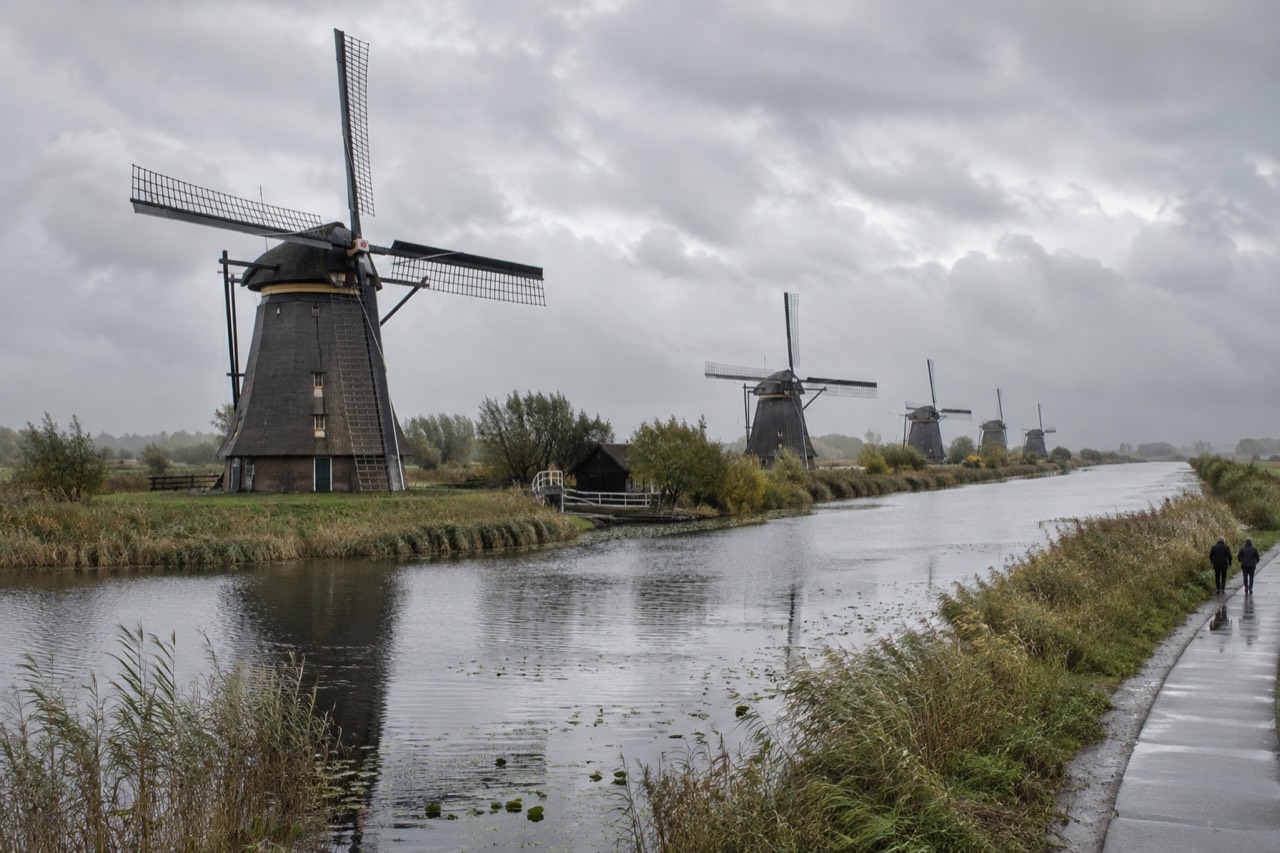
Kinderdijk is a UNESCO World Heritage site about an hour and a half from Amsterdam by public transport or car, known for its iconic windmills and serene walking and cycling paths. A day trip is feasible year-round, with the best light and greenery in spring and summer.
Why Visit Kinderdijk on a Day Trip from Amsterdam?
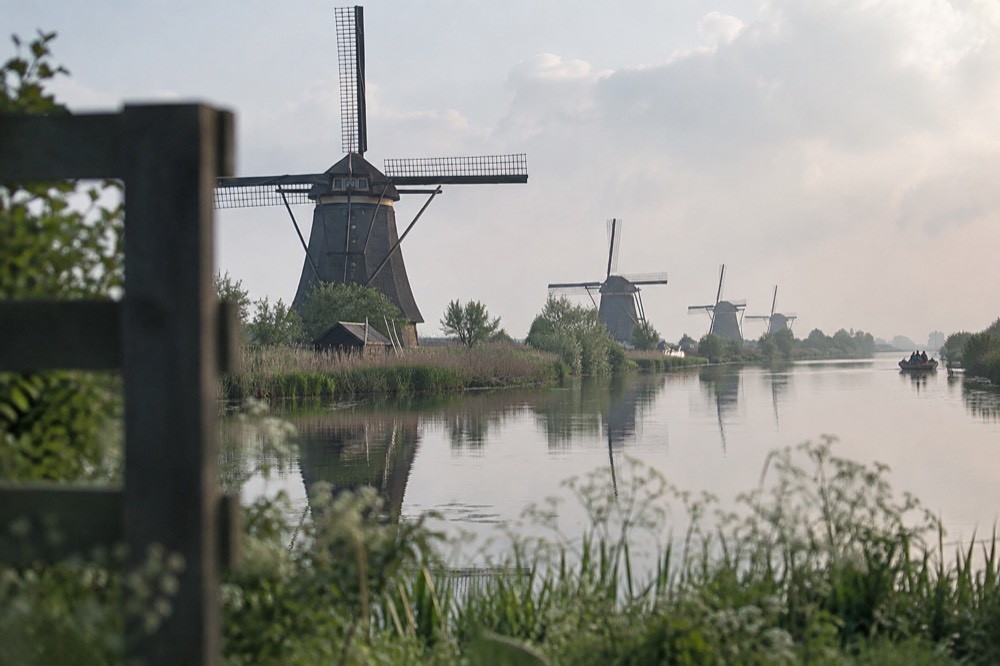
Kinderdijk offers the most concentrated and authentic windmill experience in the Netherlands, a landscape shaped by centuries of battling water, all within easy reach of Amsterdam for a full day out, and it rewards visitors with a peaceful, open-air museum that feels far removed from the city's busy streets. The site is not a theme park but a living monument where the brick mills, dykes, and pumping stations still tell the story of how the Dutch turned a swamp into farmland. You can walk or cycle along the canals, enter a working mill, and watch the sails turn on windy days.
The area has been a UNESCO World Heritage site for its ingenious water-management system, a status that reflects its global importance. Unlike the more tourist-focused Zaanse Schans, Kinderdijk feels quieter and more expansive, with long paths and few distractions. You will share the paths with cyclists and families, but the crowds thin out quickly once you step away from the visitor centre.
A day trip works well because the journey from Amsterdam is straightforward, and you can see the entire site in three to four hours at a relaxed pace. Many travellers combine Kinderdijk with a visit to Rotterdam or Dordrecht, but it stands perfectly well on its own. If you are staying in Amsterdam for several days and want a break from city museums and canal cruises, this is one of the most rewarding half-day escapes, as Things to Do in Amsterdam often recommends for those seeking a genuine slice of Dutch heritage.
The best time to go is between April and October, when the mills are most likely to be turning and the visitor centre and museum mill are open daily. In winter the site remains accessible, but some facilities close and the weather can be raw. Early morning or late afternoon light is ideal for photography, and weekdays are noticeably quieter than weekends.
How to Get to Kinderdijk from Amsterdam
Reaching Kinderdijk from Amsterdam is simple using public transport, with a combination of train and bus or waterbus that takes around an hour and a half each way, while driving gives you more flexibility and takes about an hour and a quarter, and all options are well signposted and reliable for a stress-free day trip. There is no direct train to Kinderdijk itself, so you will need to change at Rotterdam or another hub. The route is straightforward and the connections are reliable, making it a stress-free day trip even for first-time visitors.
The most scenic approach is by waterbus from Rotterdam Erasmusbrug. The waterbus runs regularly during the warmer months and drops you right at the Kinderdijk entrance. On the way you glide past the busy port of Rotterdam and into the quiet polder landscape, a journey that is an attraction in itself. In winter the direct waterbus service may be reduced, but a combination of bus and waterbus still works.
If you prefer to drive, the motorway network gets you to Kinderdijk in about an hour and a quarter from central Amsterdam. There is a large paid car park at the site. Driving also makes it easy to combine Kinderdijk with a stop in Rotterdam, which is covered in our guide to Rotterdam, or the historic town of Dordrecht on the same day.
For those who would rather not navigate public transport, several organised day tours from Amsterdam include Kinderdijk alongside other highlights such as The Hague or Rotterdam. These tours handle all the logistics and often add commentary that brings the engineering story to life. Check the live listings for current availability and group sizes.
| Transport Option | Route | Frequency | Best For |
|---|---|---|---|
| Train + bus | Amsterdam Centraal → Rotterdam Centraal, then bus 90 or 93 to Kinderdijk | Trains every 10–15 min, bus every 30 min | Budget travellers, solo visitors |
| Train + waterbus | Amsterdam Centraal → Rotterdam Centraal, then walk to Erasmusbrug for waterbus | Waterbus hourly in season | Scenery lovers, photographers |
| Car | A4 / A13 / A15 to Kinderdijk, about an hour and a quarter | On your schedule | Families, those combining stops |
| Organised tour | Pick-up in Amsterdam, coach or minibus direct to Kinderdijk | Daily, varies by operator | Hassle-free day, guided insight |
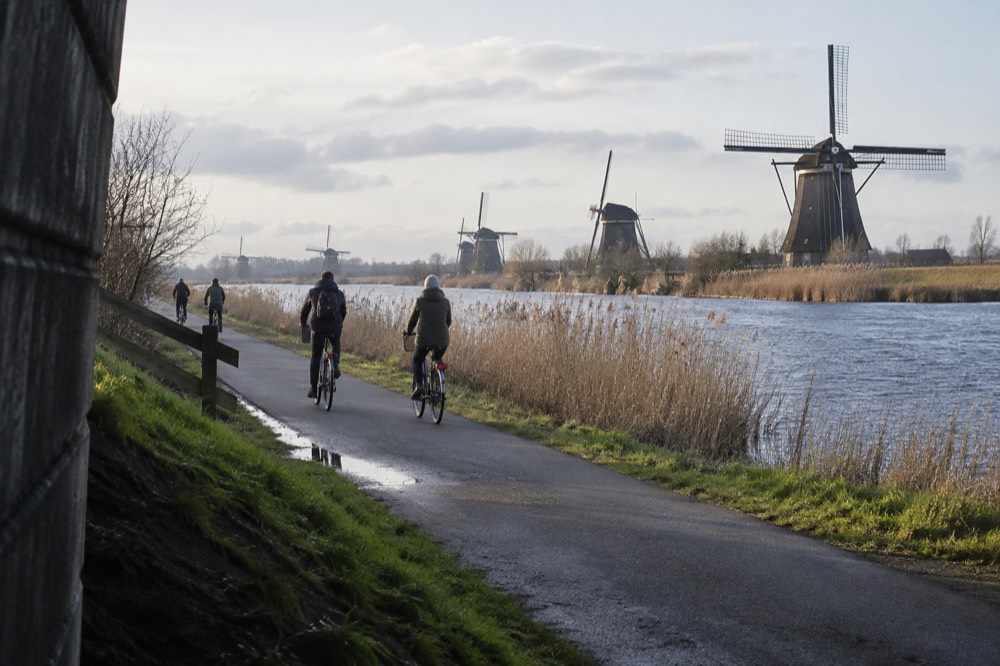
Once you arrive, the site is compact and entirely walkable. The main path runs along the canal for about two kilometres, with mills on both sides. You can also rent a bicycle at the visitor centre or bring your own on the train (off-peak) to cover more ground. The flat terrain makes cycling easy for all fitness levels.
Before setting off, check the live departure times on the NS (Dutch Railways) and waterbus websites, as schedules shift between seasons. A contactless bank card works on all trains and buses via OVpay, so you do not need a separate travel card. For the waterbus, you can pay on board with a card.
What to See and Do at Kinderdijk
A visit to Kinderdijk revolves around the windmills themselves, but you can also tour a working mill, watch a multi-screen film about the water-management system, and explore the surrounding polder on foot or by bike, making it a full and varied half-day experience. The site is not a museum behind glass: it is a living landscape where you can touch the brickwork, hear the creak of the sails, and feel the wind off the water.
Start at the visitor centre, where you can pick up a map and watch the introductory film. The film explains how the mills, pumping stations, and dykes worked together to keep the Alblasserwaard polder dry. It is a surprisingly dramatic story of engineering and survival that sets up everything you will see outside.
The highlight is the Museum Mill, one of the few you can enter. Inside you climb steep ladders to see the living quarters and the massive wooden gears. On windy days the miller may operate the sails, and you can stand on the platform outside and feel the whole structure vibrate. The museum mill gives a real sense of what life was like for the miller’s family, who lived and worked in the same cramped space.
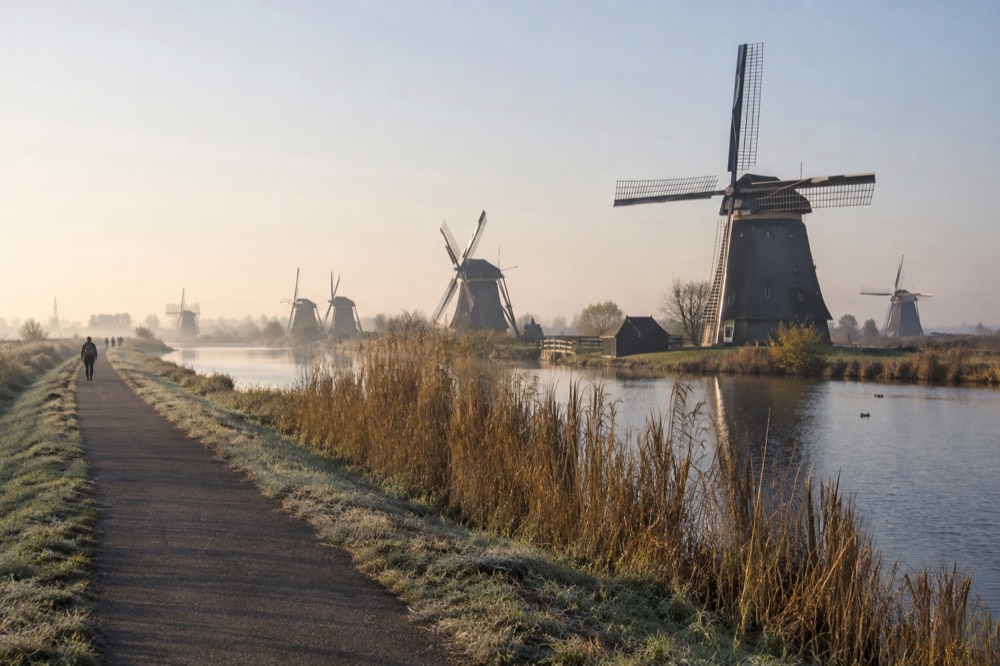
Outside, the walking and cycling paths run for several kilometres. The most photographed stretch is the row of mills along the main canal, best captured from the bridge near the entrance. If you have time, walk or cycle to the far end of the path where the crowds disappear and you can sit on the grass with only the sound of birds and turning sails.
| Activity | Duration | Included in Entry | Notes |
|---|---|---|---|
| Visitor centre film | 20 minutes | Yes | Subtitles in multiple languages |
| Museum Mill tour | 30–45 minutes | Yes | Steep stairs, not wheelchair accessible |
| Walking the main path | 1–1.5 hours | Free (path is public) | Flat, suitable for pushchairs |
| Cycling the polder | 1–2 hours | Bike rental extra | Rent at visitor centre |
| Waterbus ride from Rotterdam | Scenic arrival | Separate ticket | Runs April–October, check schedule |
| Guided tour (seasonal) | 1 hour | Extra charge | Check live listing for times |
A visit to Kinderdijk pairs naturally with an afternoon back in Amsterdam. After a morning of fresh air and Dutch heritage, you might want to dive into the art that shaped the country’s identity. The Van Gogh Museum, with its unmatched collection of the painter’s works, is an ideal contrast to the rural landscape you have just explored. Check availability for a timed entry ticket and step straight into the world of sunflowers and starry nights.
The Story Behind the Windmills
The windmills of Kinderdijk were erected in the 18th century to pump water from the low-lying polders into the river, preventing catastrophic floods in a landscape that sits well below sea level. This ingenious system of 19 mills, dikes, and reservoirs showcases the relentless Dutch struggle to reclaim and protect their land from the water. The name itself, according to local legend, comes from a cradle that washed ashore during a great flood, with a cat balancing it to keep it afloat. That story, whether true or not, captures the constant threat of water that shaped life here.
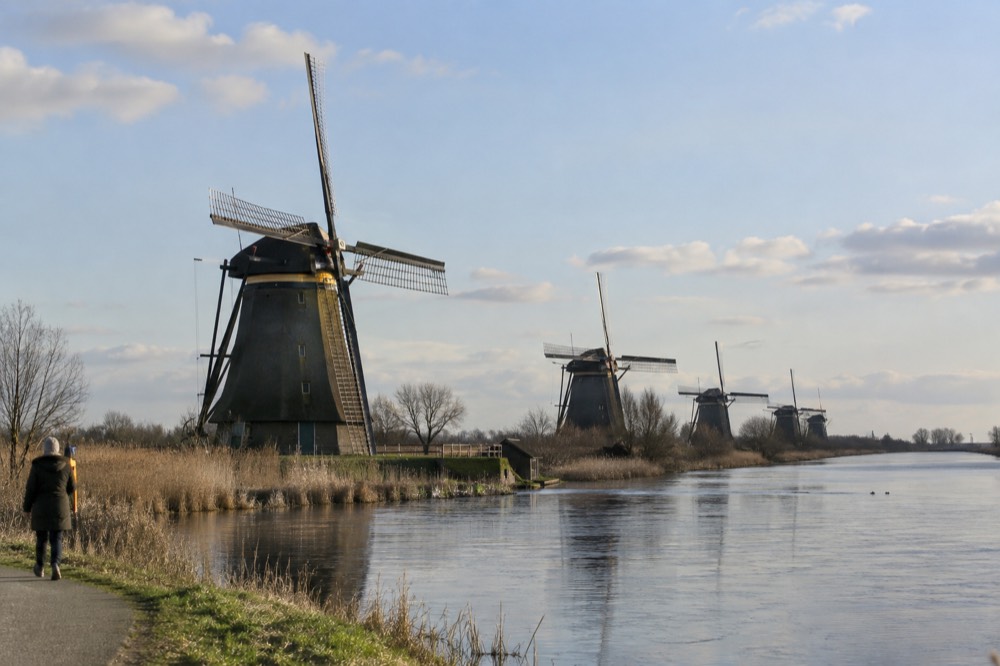
The 19 windmills at Kinderdijk were built in the 18th century to drain the Alblasserwaard polder, a low-lying area that would otherwise be underwater. They worked in a system: the mills lifted water from the polder into a series of basins, and then a second set of mills lifted it again into the river. This two-step process was an engineering marvel of its time, and it kept the land dry for farming and settlement.
By the 20th century, steam and electric pumping stations took over the work, but the mills remained as a backup and as monuments. Today, the Wisboom pumping station, a diesel-powered facility from the 1920s, stands near the entrance and still functions during emergencies. The contrast between the ancient windmills and the industrial pumping station tells the whole story of Dutch water management in one view.
Walking among the mills, you notice details that speak to the miller’s life: the small gardens, the painted shutters, the family names carved into beams. Some mills are still inhabited, and on certain days you might see laundry hanging outside or smoke rising from a chimney. This is not a sterile museum but a living community, and that authenticity is what makes Kinderdijk so compelling.
Practical Tips for Your Kinderdijk Day Trip
A little planning makes your day trip smooth: wear comfortable shoes, bring a rain jacket, and pack a picnic unless you plan to eat at the on-site café, because the weather can change quickly and the open polder offers little shelter from wind or rain. Even on a sunny day, the wind near the mills can be strong, so layers are your friend. The visitor centre has a café with sandwiches, soup, and Dutch apple pie. It is pleasant but not extensive, so many visitors bring their own food and eat on one of the benches along the canal. There are also picnic tables near the entrance. If you want a more substantial meal, the nearby village of Kinderdijk has a couple of restaurants, or you can eat in Rotterdam before or after your visit.
Toilets are available at the visitor centre and near the museum mill. The site is largely accessible for pushchairs and wheelchairs on the main paths, but the museum mill itself has steep stairs and is not accessible. The visitor centre film and the outdoor areas are fully accessible.
If you are travelling with children, the open space and the novelty of the windmills keep most kids engaged for a couple of hours. The visitor centre film is short and visual, and the museum mill is a hit with older children who enjoy climbing the ladders. There is also a small playground near the café.
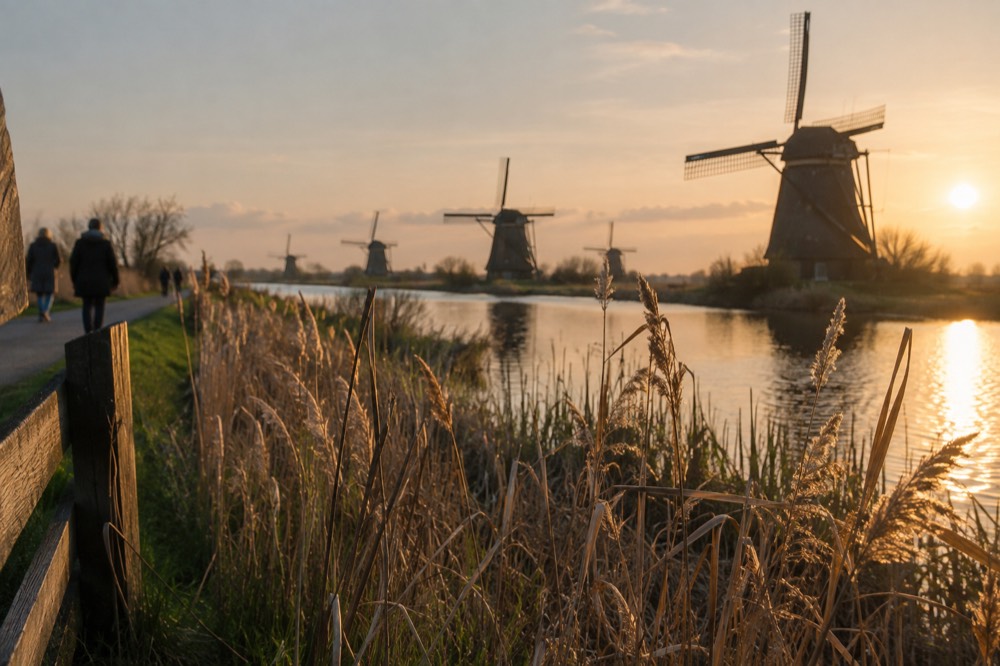
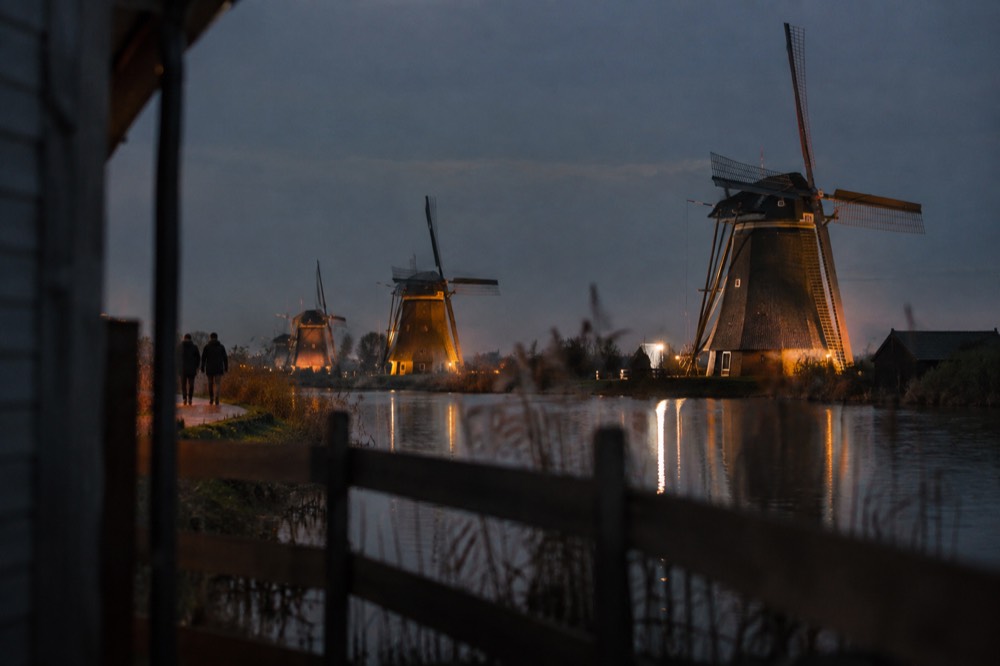
Photographers should aim for early morning or late afternoon, when the low sun lights up the brick mills and creates long reflections in the canals. The path runs east-west, so morning and evening both offer good angles. A tripod is allowed, but drones are not permitted over the site.
Is Kinderdijk Worth the Day Trip from Amsterdam?
Yes, Kinderdijk is absolutely worth the day trip from Amsterdam, offering a serene, crowd-free glimpse of 19 authentic windmills set against a quintessential Dutch landscape that feels worlds away from the city’s bustle. The UNESCO-listed site delivers an immersive experience in Dutch water management history and a tranquil escape you simply can’t find in the capital. The site does not have the gift-shop-lined streets of Zaanse Schans, which for many visitors is a plus. You come here for the mills and the landscape, not for souvenir shopping. If you want a more varied day, combine Kinderdijk with a few hours in Rotterdam, a city that offers a striking contrast with its modern architecture and vibrant food scene.
| Aspect | Kinderdijk | Zaanse Schans |
|---|---|---|
| Atmosphere | Quiet, expansive, working landscape | Busy, village-like, more commercial |
| Windmills | 19 mills along a canal, several accessible | 8 mills, some open as museums |
| Crowds | Moderate, spread out | Can be heavy, especially midday |
| Facilities | Visitor centre, café, bike rental | Multiple museums, shops, restaurants |
| Journey from Amsterdam | About an hour and a half by public transport | About 20 minutes by train + bus |
| Best for | Photographers, cyclists, peace seekers | Families, first-time visitors, quick trips |
After your day trip, back in Amsterdam, you might want to explore the city’s cultural side more deeply. The Heineken Experience offers a lively, interactive tour through the former brewery, while a classic saloon boat cruise gives you a calm, elegant view of the canal ring. Both are excellent ways to round off a day that started in the polder.
The Van Gogh Museum remains one of the most popular attractions in the city, and booking ahead is essential. Its collection of over 200 paintings and 500 drawings offers an intimate look at the artist’s life and work, and the museum’s location on Museumplein makes it easy to combine with other sights.
If you prefer a more hands-on experience, the Heineken Experience lets you learn about the brewing process and enjoy a tasting at the end. It is a fun, sociable activity that pairs well with a day of sightseeing. The live listing shows current opening hours and any special events.
For a quieter moment, step aboard a classic saloon boat and drift through the canals. The wooden boats, some dating back over a century, glide silently on electric power and offer an intimate perspective on the city’s architecture. The cruise includes drinks and Dutch cheese, making it a relaxing end to any day.
Kinderdijk stands as a reminder of the Netherlands’ deep relationship with water, and a day trip here adds a layer of understanding that no city museum can provide. For more day trip ideas, see our guide to the best day trips from Amsterdam. Whether you cycle along the dykes or simply sit and watch the sails turn, you will leave with a sense of the quiet determination that shaped this country.

Common Questions About Kinderdijk
How long does it take to get from Amsterdam to Kinderdijk?
The journey by train and bus or waterbus takes around an hour and a half each way. Driving takes about an hour and a quarter, depending on traffic.
Can I visit Kinderdijk for free?
Walking and cycling along the public paths is free. Entry to the visitor centre, museum mill, and film costs a fee, which you can check on the official Kinderdijk website.
Is Kinderdijk open in winter?
The outdoor site is accessible year-round, but the visitor centre and museum mill may have reduced hours or close on some days. The waterbus service is limited in winter, so check schedules in advance.
Which is better, Kinderdijk or Zaanse Schans?
Kinderdijk offers a quieter, more authentic windmill landscape with fewer tourists, while Zaanse Schans is closer to Amsterdam and has more museums and shops. Choose based on whether you prefer peace or convenience.
Can I take a bike on the train to Kinderdijk?
Yes, you can take a bicycle on NS trains outside peak hours (after 9am on weekdays, all day weekends) with a bicycle ticket. Alternatively, you can rent a bike at Kinderdijk.
Do I need to book tickets in advance for Kinderdijk?
It is not always required, but during peak season and on weekends, booking online can save time. Check the official Kinderdijk site for the latest ticketing information.