Amsterdam Airport Schiphol Guide: Getting to the City and Surviving a Layover
Schiphol is one of Europe's busiest hub airports and, unusually, it sits barely twenty minutes by train from the centre of one of the continent's most walkable cities. That combination makes it either a very easy arrival or a very tempting layover. This guide covers the transport maths, the security and transfer rules, the facilities worth knowing about, and what you can realistically do with a few spare hours in Amsterdam itself.

Short answer
Schiphol Airport sits about 15 km southwest of central Amsterdam. The NS train runs to Amsterdam Centraal in just over 17 minutes from €5.50, while bus 397 costs from €6.50. Taxis are metered with no fixed fare. Allow three hours before a long-haul departure and two hours for European flights.
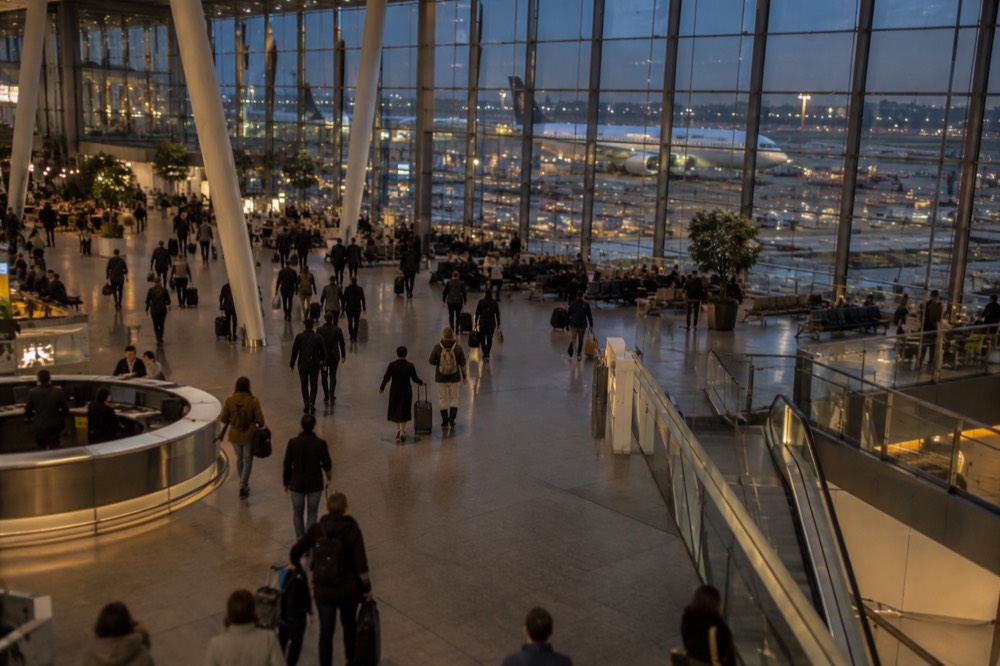
Schiphol processed more than 70 million passengers in recent pre-pandemic years and has held its place among Europe's five busiest airports ever since. What makes it different from most hubs of that size is geography: the airport sits below sea level on reclaimed polder land roughly 15 km southwest of the city, and the railway station sits directly underneath the terminal. You walk out of baggage reclaim, descend a few escalators, and you are on a platform with trains leaving for Amsterdam Centraal several times an hour.
That proximity shapes everything about how the airport works. Plenty of travellers plan whole Amsterdam sightseeing blocks around a Schiphol connection, and the city actively encourages it with luggage storage and a fast rail link. This guide walks through the practical questions in order: how to get into the city, which option suits which traveller, what a layover can hold, and the rules that catch people out.
How Far Is Schiphol from Central Amsterdam?
Schiphol Airport lies about 15 km southwest of central Amsterdam, on the polder south of the Amstel river. The NS train covers the distance to Amsterdam Centraal in just over 17 minutes, with services running through the day and night at reduced frequency. By road the trip takes roughly 25 to 40 minutes depending on traffic, which makes the train the reliable choice at almost any hour.
The airport's full name is Amsterdam Airport Schiphol, and locals shorten it to Schiphol in every context, so expect signage, apps and announcements to use that single word. The terminal is one large, connected complex rather than the scattered satellite buildings you find at some hubs, which matters when you are planning a connection: everything is walkable, though some gates are a solid fifteen-minute walk apart.
The station below the terminal is called Schiphol Airport and is served by NS intercity and sprinter trains as well as regional buses. The airport's own travel information pages publish current transfer times and disruption alerts, and they are worth a glance before you fly because engineering works do occasionally reroute the airport trains on weekends.
Train, Bus or Taxi: Which Is the Best Way Into the City?
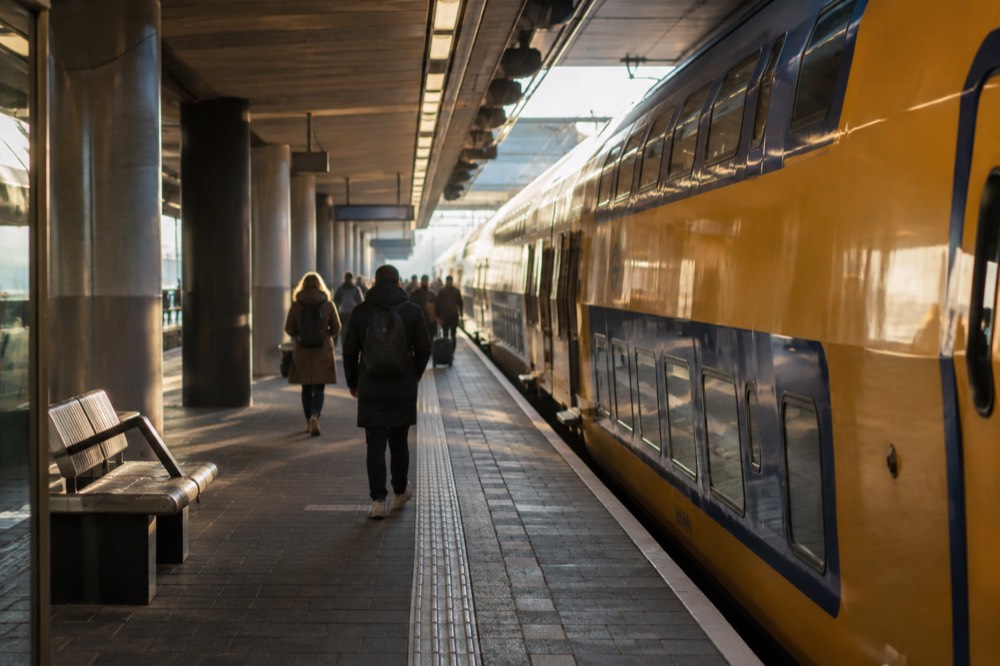
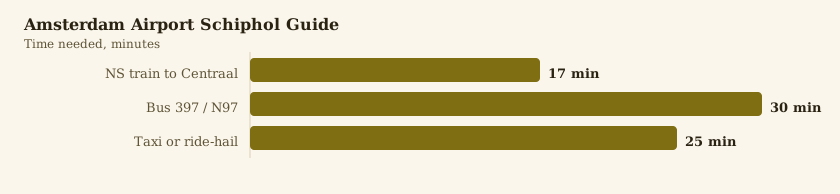
The train wins for almost everyone: NS runs from Schiphol to Amsterdam Centraal in just over 17 minutes, with an online e-ticket from €5.50, according to the operator's own booking page. Bus 397 costs from €6.50 single and takes 30 to 45 minutes. Taxis are metered with no published fixed fare, so the price depends entirely on traffic and the meter.
The train station is directly under the plaza, follow the signs marked "To the trains" from arrivals. NS, the national rail operator, sells e-tickets online and describes the Schiphol to Amsterdam run as taking just over 17 minutes; its booking page quotes e-tickets "from €5.50". You can also tap a contactless bank card directly at the platform gates using OVpay, which charges the standard fare with a base of €1.16 plus €0.217 per km on the GVB network, though rail fares work on their own tariff. Check the NS Schiphol to Amsterdam route page for live times.
The bus is the fallback. The Amsterdam Airport Express, line 397, runs to the city centre with singles from €6.50 and returns from €11.75, and the same ticket is valid on the Niteliner N97 night service, which matters if you land after the trains thin out. Buses stop directly outside the arrivals hall.
Taxis queue at the official rank outside Schiphol Plaza. Schiphol's own site is blunt about pricing: you pay whatever the meter says, and the airport publishes no fixed fare. Any website quoting a specific euro figure for a Schiphol taxi ride is guessing. Ride-hailing apps pick up from a designated area a short walk from the terminal.
| Option | Approximate time | Cost | Best for |
|---|---|---|---|
| NS train to Centraal | Just over 17 minutes | E-ticket from €5.50 | Almost every traveller, any time trains run |
| Bus 397 / N97 | 30 to 45 minutes | Single from €6.50 | South and west Amsterdam hotels, late arrivals |
| Taxi or ride-hail | 25 to 40 minutes in traffic | Metered, no fixed fare | Groups with luggage, door-to-door needs |
Once you are in the city, a GVB day ticket covers trams, buses, metro and ferries for €10.00 for 24 hours, with children at €5.00, per the operator's published fares. Multi-day tickets run €16.00 for 48 hours up to €43.00 for a week. The GVB trams, metro and ticket guide breaks down how the day caps and contactless payments work once you are inside Amsterdam.
If you are weighing whether the airport transfer is worth factoring into a city pass, the transport answer is that the I amsterdam City Card's unlimited GVB travel explicitly excludes airport transfers, so you still need the train fare on arrival day.
If you are still deciding how much of Amsterdam to fit around your flight, these three guided walks are the ones that pair best with a Schiphol schedule, short, central, and easy to reach from Centraal:
What Can You Actually Do on a Schiphol Layover?
With four or more free hours, most travellers can clear security, take the train into Amsterdam, store luggage, and see a slice of the centre before heading back. A 17-minute train each way and a station directly under the terminal make a four-hour window workable and a six-hour window comfortable. Anything under three hours is better spent inside the airport.

The arithmetic is simple but strict. Allow 30 to 45 minutes from landing to the train platform, 20 minutes on the train, and the same in reverse, then add airport security on the way back through, which at a hub of this size can take anything from ten minutes to an hour. That means a four-hour layover leaves roughly two hours in the city, and a six-hour layover leaves four.
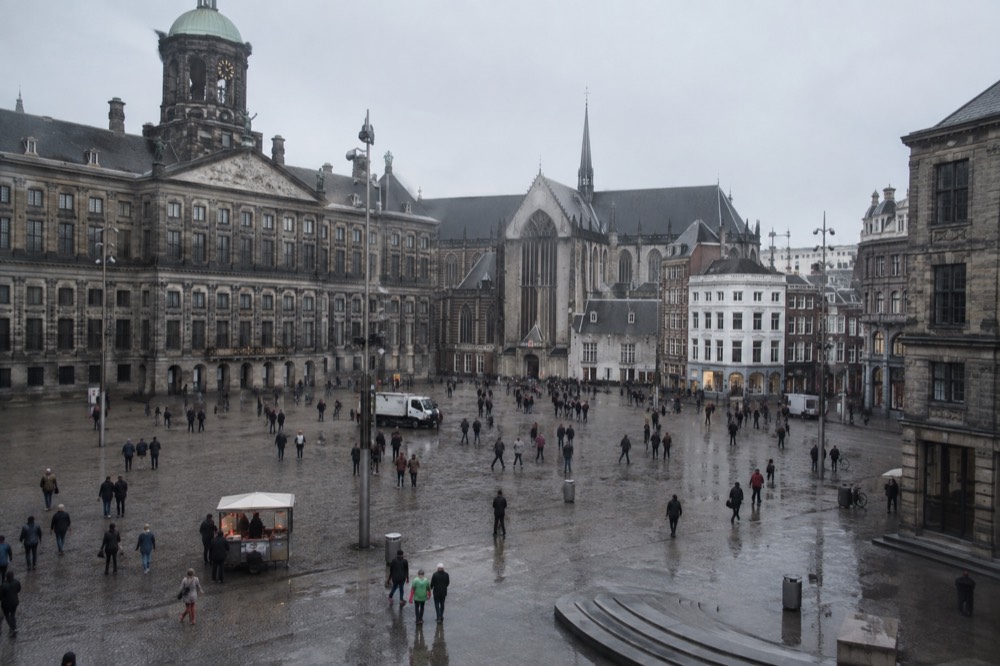
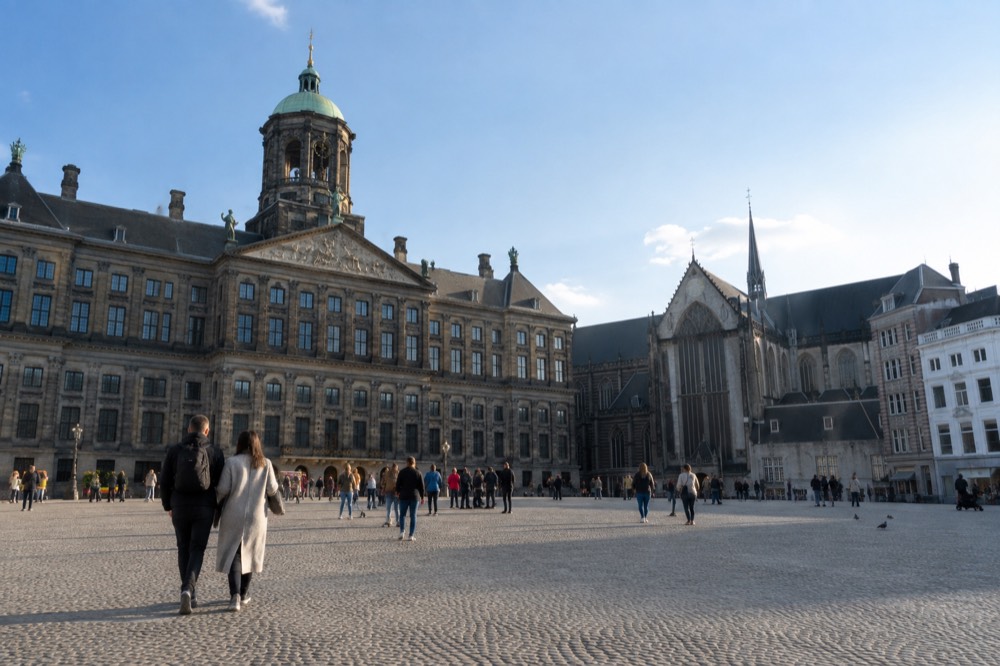
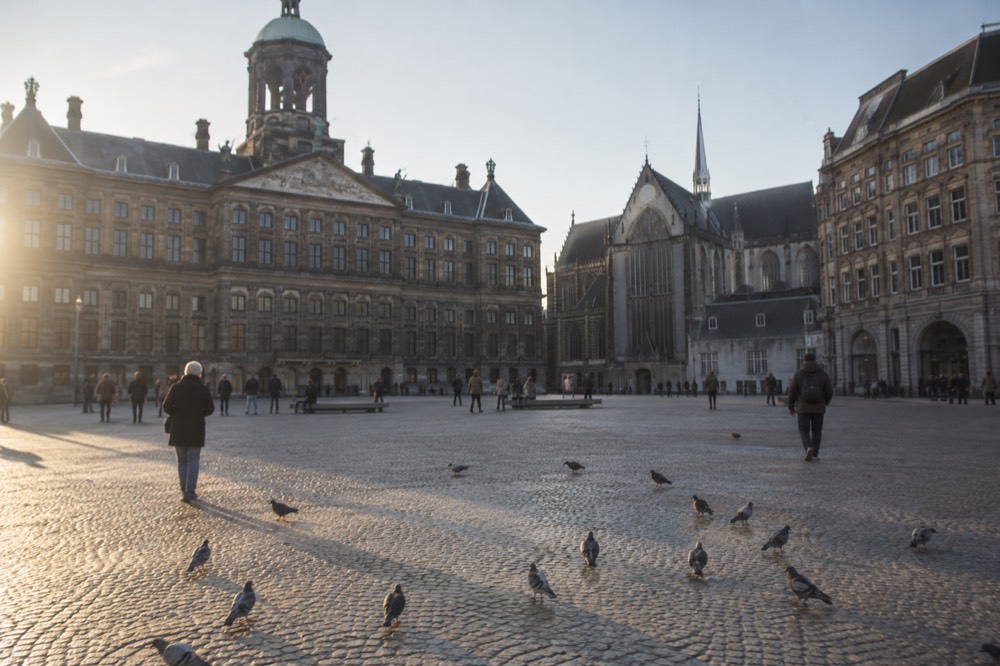
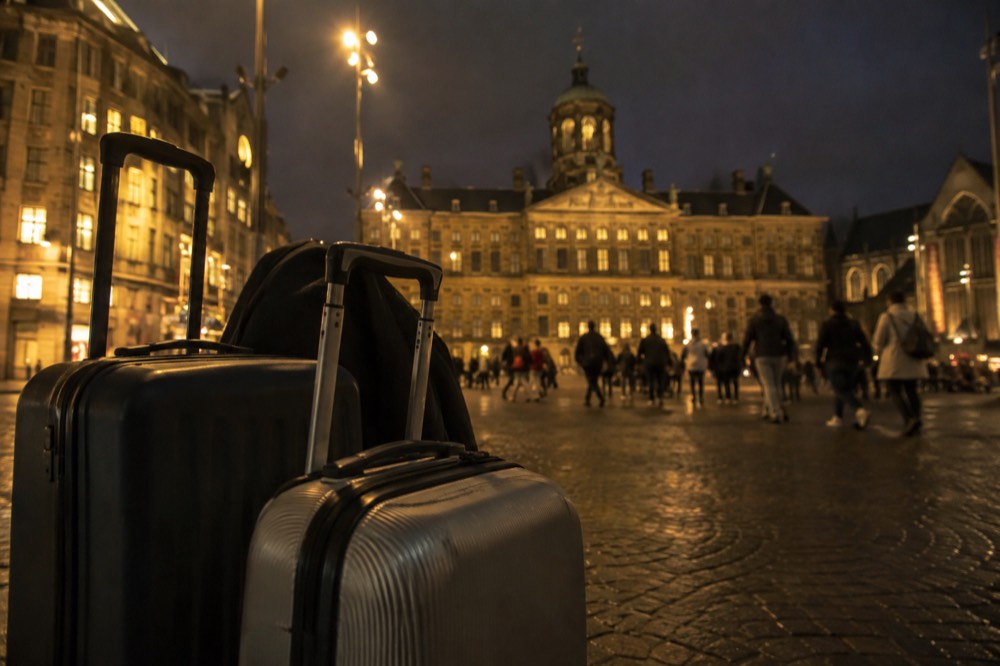
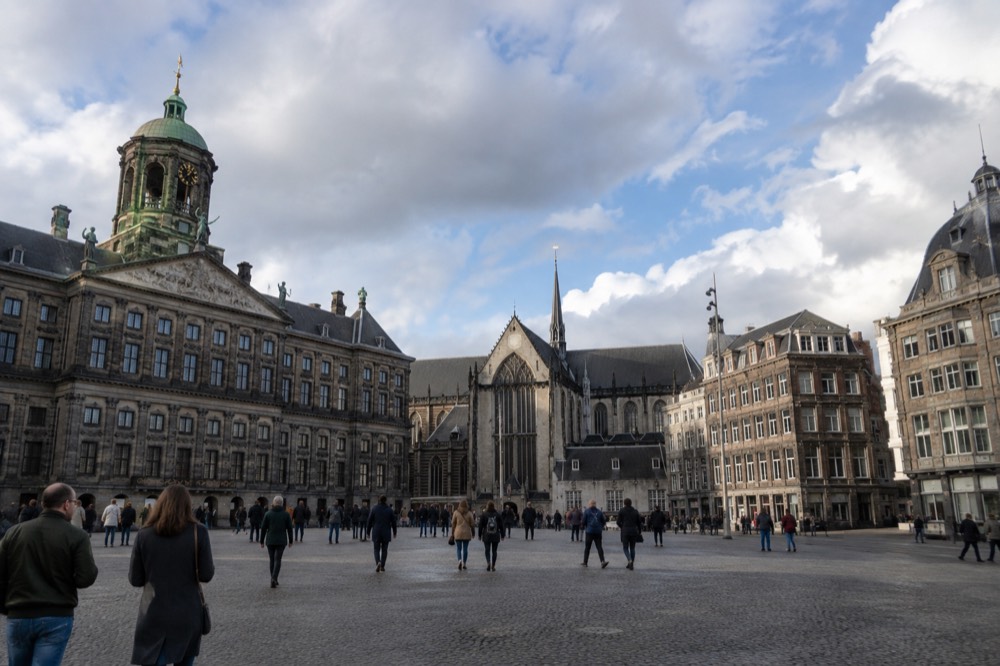
Luggage is the usual blocker. Schiphol has left-luggage facilities in the terminal between arrivals and departures, and Amsterdam Centraal also has storage options nearby, so check prices on the day. Once bags are handled, the walkable centre starts immediately outside Centraal: Dam Square is roughly ten minutes on foot along the Damrak, and the canal ring begins just beyond it. The Schiphol layover itinerary lays out a timed route for exactly this scenario.
| Free time | Realistic plan | Margin for error |
|---|---|---|
| Under 3 hours | Stay airside, use lounges and shops | None, do not risk the city |
| 4 hours | Train in, one neighbourhood, train back | Thin, keep it to the Dam area |
| 6 hours | Canal walk or short cruise plus a museum stop | Comfortable if flights are on time |
| 8 hours or more | Full half-day in the centre with lunch | Relaxed, but recheck gate on return |
A guided walk is the most efficient use of a short window because a local guide compresses the city's story into a fixed block you can plan a flight around. The Anne Frank Story, One Hour walk is built for this: a one-hour small-group tour of the Jewish Quarter and the wartime story, rated 4.8 across 15,104 reviews on the live listing, from $22 per person. Note that it is a walking tour in the streets, not entry to the Anne Frank House itself; those tickets are sold only through the museum's own site.
For a longer window, the two-hour Anne Frank Guided Walking Tour in small group covers the same quarter at more depth, rated 4.9 across 4,680 reviews, from $33 per person. Both walks start from central locations a short tram ride from Centraal.
What Are the Security, Transfer and Customs Rules at Schiphol?
Schiphol applies EU security rules: liquids in containers of 100 ml or less in one transparent one-litre bag, laptops out at screening, and the same 100 ml limit on arrival hand luggage for connecting passengers. Schiphol is also rolling out new CT scanners that eventually end the liquid limit, but until every lane is converted, pack to the old rule. Transfers between Schengen and non-Schengen flights involve passport control, so allow extra time.
The Netherlands is in the Schengen area, which changes the shape of a connection. If you arrive from outside Schengen and fly on to another Schengen destination, you clear passport control at Schiphol. If you arrive from a Schengen country and connect to a non-Schengen flight, you leave the zone here. Domestic-style transfers, Schengen to Schengen, involve no passport check at all.
Customs is straightforward but has one rule that catches visitors: the Netherlands has strict rules on what can be brought in, and items like certain foods, meat products from outside the EU and large amounts of cash all have thresholds. Travellers regularly ask what cannot be brought into Amsterdam, and the honest answer is that it is the standard EU import list, with cannabis a notable local case: tolerating coffeeshop sales inside the country does not mean you may export anything, and drug-detection checks at the airport are real.
Security wait times vary enormously by hour. Schiphol publishes live security and passport-control waiting times on its own site, and during peak morning and late-afternoon banks they can exceed an hour. The airport recommends arriving three hours before intercontinental flights and two hours before European departures, and during holiday peaks it has asked passengers to add margin on top.
Where Can You Sleep Near the Airport?
Schiphol has hotels connected to the terminal by walkway or a short shuttle, plus a large cluster at Hoofddorp one rail stop away. Several hotels sit within ten minutes of the arrivals hall, which makes an early departure or a broken connection far less painful than at airports that force a long transfer. Booking a room with a flexible rate is wise because flight schedules at a hub change constantly.
The closest options are the properties at Schiphol Plaza itself, reachable on foot from arrivals in a few minutes, followed by the belt of hotels along the A4 and around Hoofddorp, one station down the rail line. If your connection is overnight and you would rather sleep in the city, the train runs late into the evening and the N97 night bus covers the gap, so a central Amsterdam hotel is a realistic alternative to an airport room.
The Schiphol airport hotels guide compares the walkable options against the Hoofddorp cluster and the sleep-in-the-city trade-off, and the blog post on which hotels you can walk to from Schiphol answers the exact-distance question for each property.
What Facilities Does Schiphol Have Worth Knowing About?
Schiphol packs a surprising amount into one terminal: a real Rijksmuseum annex with free entry, a library, a casino, play areas for children, silent lounges, and shower facilities. Most of these sit airside, so plan around whether you can clear security early. The museum is the standout, a genuine branch of the national museum between the piers.
The Rijksmuseum operates a small free annex after security, showing original works on rotation, and it is a genuinely good use of a dead hour. Schiphol's library offers reading spots and music. Showers are available at several locations, typically attached to lounges or paid day-use facilities, and the airport's own pages list current locations and fees, which do change.
Food runs the full Dutch range from coffee and stroopwafels at kiosks to sit-down restaurants in each pier. Prices are airport prices, higher than the city, and many travellers heading into Amsterdam on a layover prefer to eat in town where a meal for two at a mid-range restaurant costs far less than the terminal's equivalents.
| Facility | Location | Notes |
|---|---|---|
| Rijksmuseum annex | Between E and F piers, airside | Free entry, small rotating display |
| Airport library | Airside, near the museum | Reading, music, quiet seating |
| Showers | Various, some via lounges | Paid, check current locations on the day |
| Left luggage | Terminal, between arrivals and departures | Priced per bag per period, book or walk in |
| Children's play areas | Multiple piers, airside | Free, unsupervised |
Wi-Fi is free across the terminal after a short registration. Currency exchange desks operate in the plaza, though card payment is near-universal in the Netherlands, and the country's card infrastructure is covered in the money, cards and Maestro guide if you are wondering whether you need any cash at all.
How Early Should You Arrive at Schiphol?
Arrive three hours before a long-haul departure and two hours before a European flight, which is the airport's own published advice. Add margin during school holidays and at peak morning banks, when security queues have run past an hour. If you are checking bags, the airline's own cut-off, often 40 to 60 minutes before departure, is the hard deadline that actually matters.
The reason Schiphol asks for more time than its size suggests is concentration: waves of departures cluster into banks, and every passenger from every bank funnels through shared security lanes. A quiet Tuesday mid-morning can see you from plaza to gate in twenty minutes, while the same route on a Saturday in July can take three times as long. The airport publishes live queue estimates, so if you are staying in the city, a quick check before you leave the hotel tells you whether to head in early.
For layover travellers heading back into the terminal, the return leg is the risky one. You need to clear security again, and possibly passport control, so a realistic re-entry buffer is 90 minutes before departure for a Schengen flight and two hours for anything else. The train makes it tempting to squeeze in one last canal, and the train will get you back in 17 minutes, but the security line is not on your schedule.
One more thing worth knowing if your layover falls on a big city day: Amsterdam's visitor pressure is real and measured. The city recorded 23.7 million tourist overnight stays in 2025, well above the 20 million ceiling set by its own Tourism in Balance ordinance, a figure the city now describes as an aspiration rather than an enforceable cap. What that means for you at the airport is simple: book anything you care about, museum slots, guided walks, dinner, in advance, because the crowds you are joining are already there.
If your layover falls in the evening, the city's night side opens up. The Red Light District, Small Group walk runs 90 minutes from $26 per person, rated 4.9 across 9,142 reviews on the live listing, and it is one of the few tours that operates within the city's strict De Wallen rules: groups of 15 at most, tours only between 08:00 and 22:00, and no route passing the windows.
Those rules are worth knowing even as an independent visitor. The city's guidance asks for no photography of the windows, no street drinking in the centre and no public urination, and the De Wallen rules and etiquette guide covers what is actually enforceable versus what is social expectation.
Any Traps or Common Mistakes at Schiphol?
The three mistakes that cost people flights are underestimating the walk to distant gates, ignoring the difference between Schengen and non-Schengen transfers, and trusting a fixed taxi price someone quoted online. Schiphol is one terminal but a long one, gates B and M can be 20 minutes from security, and the taxi is always metered. A fourth mistake is planning a city dash on a layover under three hours.
Walking distances are the sleeper issue. Schiphol's piers stretch a long way, and departure boards show walking times to some gates. If your gate is at the far end, a boarding time that looks comfortable becomes tight fast. Check the gate early and start walking when the board says to.
The Schengen question matters for connections in both directions. Miss that you need passport control and you can find yourself at the wrong end of a long queue with a closed gate. Your boarding pass usually marks whether your flight departs from the Schengen or non-Schengen side, and the signs through the terminal keep the zones separate.
Finally, do not build a plan around a specific taxi fare or a specific price for anything an operator does not publish. Schiphol states plainly that you pay the meter, and the city's transport prices are on official pages that do change. For everything you can book ahead, the live listing is the source of truth, and for everything else, this Things to Do in Amsterdam guide keeps the current figures.
For a fuller Amsterdam plan built around your flight times, the first-time visitor guide and the how many days you need breakdown both start from the same arrival logistics covered here.
If you are still shaping your layover or arrival plan, these three walks are the best short-format options for turning a Schiphol stop into something you remember:
Common Questions About Amsterdam Schiphol Airport
How far is Amsterdam Airport from the city centre?
Schiphol sits about 15 km southwest of central Amsterdam. The NS train covers the distance to Amsterdam Centraal in just over 17 minutes, and the e-ticket is quoted from €5.50 on the operator's route page.
How much is a train from Schiphol to Amsterdam Centraal?
NS quotes e-tickets online from €5.50 for the Schiphol to Amsterdam Centraal route. You can also tap a contactless bank card at the gates with OVpay. The journey takes just over 17 minutes.
How early should I arrive at Schiphol Airport?
The airport's own advice is three hours before intercontinental departures and two hours before European flights. Add margin during holiday peaks, when security queues have run past an hour, and remember that distant gates can add 20 minutes of walking.
Can I visit Amsterdam during a layover at Schiphol?
Yes, with four or more free hours. The train runs every few minutes and takes just over 17 minutes each way. Store luggage at the terminal, allow 90 minutes to two hours for re-entering security and passport control, and keep the city portion short on a four-hour window.
Is there a fixed taxi fare from Schiphol to Amsterdam?
No. Schiphol's own site states that you pay the price shown on the meter, and the airport publishes no fixed fare. Any specific euro figure quoted by a third-party site is not an official price.
Do I need a visa to transit through Schiphol?
It depends on your nationality and whether you leave the international transit area. Schengen-to-Schengen transfers involve no passport control, while entering or leaving the Schengen zone at Schiphol does. Check your own country's requirements before you fly rather than relying on airport-side advice.