Vegetarian and Vegan Amsterdam: Where to Eat Plant-Based in the City
Amsterdam is one of the easiest cities in Europe to eat plant-based, but the good vegan food is not evenly spread. This guide maps which neighbourhoods to eat in, which Dutch classics are secretly vegetarian, and how to plan museum and canal days without settling for a sad side salad.
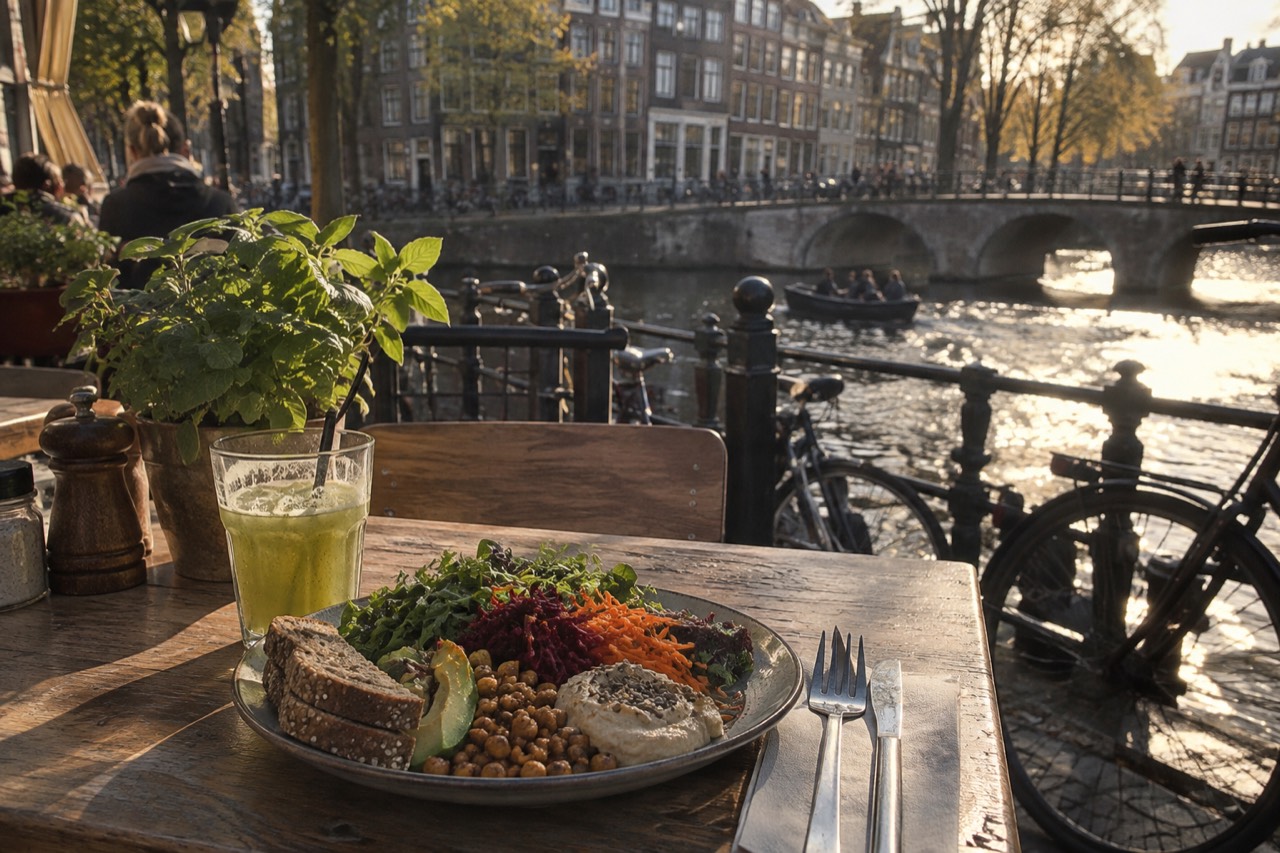
Short answer
Amsterdam has a dense, well-established vegan scene concentrated in De Pijp, the Jordaan, Oud-West and around the Nieuwmarkt. Traditional Dutch snacks split cleanly: stroopwafels and bitterballen have vegan versions, haring does not. A ten-tastings food tour runs $92 and rates 5.0 across 1,157 reviews, and the GVB 24-hour transport ticket costs €10.00.
Is Amsterdam Good for Vegetarian and Vegan Travellers?
Yes, and better than most visitors expect. Amsterdam has one of the densest plant-based dining scenes in northern Europe, driven by a long-standing local health-food culture rather than by tourism. Vegan restaurants cluster in De Pijp, the Jordaan, Oud-West and the Nieuwmarkt area, and Dutch snack culture includes several items that are vegetarian by default. The main challenge is not finding vegan food, it is finding it near Museumplein at lunchtime.
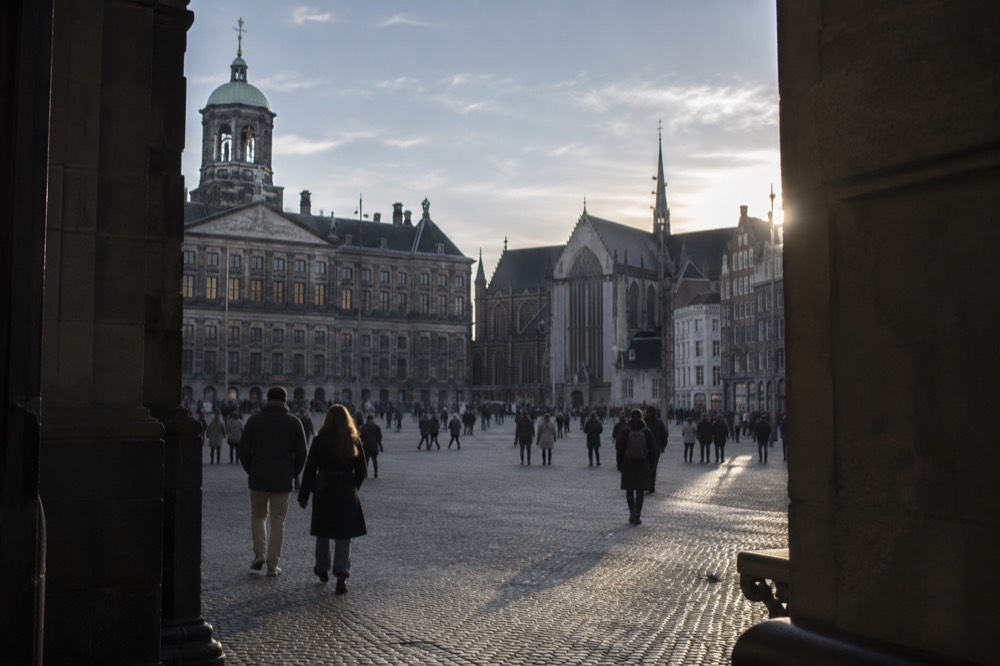
The city's plant-based tradition goes back decades. Health-food shops and vegetarian eateries were established in Amsterdam well before veganism became a global trend, which means the scene is not a thin layer of influencer-bait cafes. It has depth: bakeries that do vegan pastries daily, brown cafes with a vegetarian stampot on the winter menu, and fully plant-based restaurants that have been open for years rather than months.
That depth matters for how you plan. A visitor who eats only at restaurants directly on Damrak or in the Museumplein bubble will find the usual tourist-menu pizza and sandwiches, some of them vegan by accident. A visitor who walks ten minutes into De Pijp or the Jordaan eats dramatically better for less money. The geography of good vegan food in Amsterdam is the single most useful thing this guide can teach you, and the next section maps it.
One honest caveat: this desk does not review individual restaurants or invent price ranges for plates we have not verified. What we can do is tell you where the vegan density is, which Dutch foods are safe, which bookable experiences fit a plant-based trip, and how to sequence museum days so lunch is not a compromise. For the broader Dutch food picture, including the classics this page keeps referring back to, read the companion piece on what to eat in Amsterdam. The site's full coverage of the city, from Things to Do in Amsterdam through to its neighbourhood guides, sits alongside this page.
Which Neighbourhoods Have the Best Vegan Food in Amsterdam?
De Pijp has the highest concentration of vegan and vegetarian restaurants in the city, followed by the Jordaan, Oud-West around the Kinkerbuurt, and the Nieuwmarkt and Lastage quarter east of the centre. Oud-West is the strongest for vegan bakeries and natural-wine cafes; the Nieuwmarkt area is best for veganised Indonesian food; the centre itself is the weakest area for plant-based dining despite having the most restaurants in total. Each of these areas sits within a short tram or bike ride of the centre, so none of them requires a special trip.
De Pijp is the obvious first stop. The Albert Cuyp Market runs through it, and market eating is where vegetarian visitors do surprisingly well: fresh stroopwafels come off the hot plate, fruit and vegetable stalls are everywhere, and several vendors sell vegan snacks rather than just cheese and haring. The neighbourhood around it carries the bulk of the city's dedicated vegan kitchens, from burger joints to wholefood brunch spots. Our Albert Cuyp Market guide covers the market itself in detail.
The Jordaan and Oud-West reward a slower pace. This is where the vegan bakery-and-coffee combination lives, plus a cluster of places that cook plant-based versions of Dutch comfort food, the kind of thing that makes a cold-weather trip work. The Nieuwmarkt and Plantage side of the centre is the place to look for Indonesian rijsttafel with vegetarian and vegan tables, a genuinely Dutch dining tradition that most visitors never connect with plant-based eating.
| Neighbourhood | Plant-based strength | Best for | Getting there from Centraal |
|---|---|---|---|
| De Pijp | Highest density of vegan restaurants | Brunch, burgers, market snacks | Tram, or a 25-minute walk |
| Jordaan | Veganised Dutch cafe food | Lunch, brown cafes, bakeries | 15-minute walk |
| Oud-West and Kinkerbuurt | Vegan bakeries, natural-wine cafes | Coffee, pastry, dinner | Tram from Dam |
| Nieuwmarkt and Lastage | Vegan-friendly Indonesian rijsttafel | Dinner, shared plates | 10-minute walk |
| Museumplein and the centre | Thinnest pickings at lunch | Plan ahead or eat elsewhere | Walk or tram |
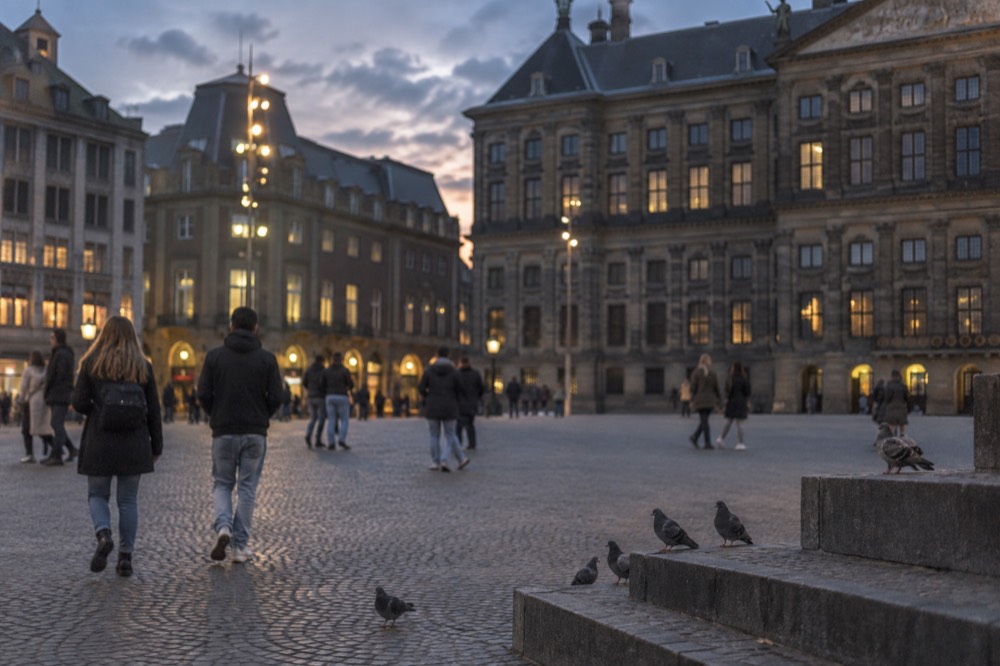
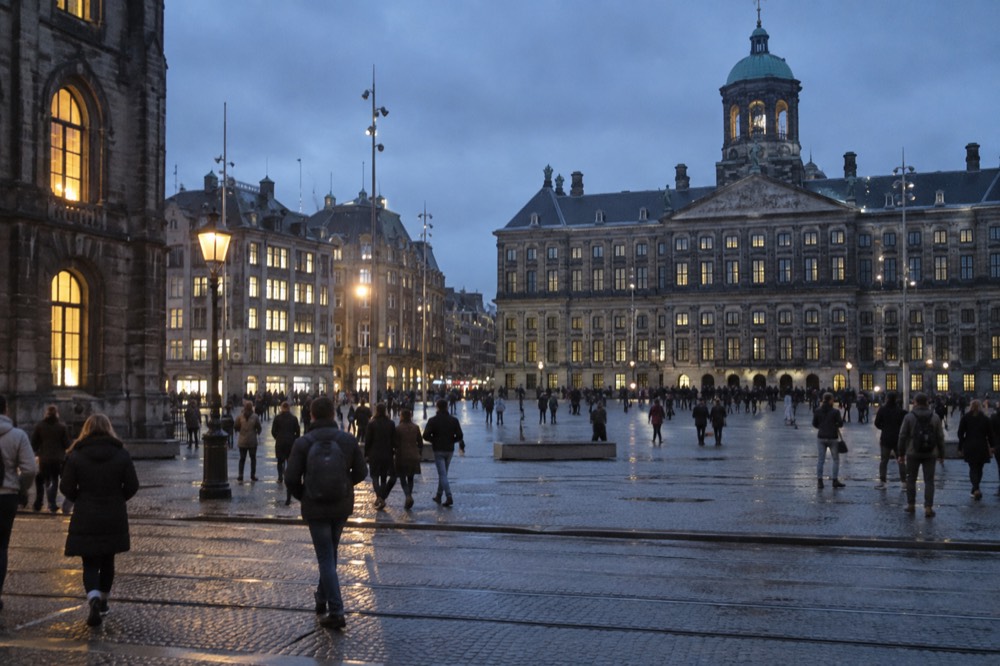
The pattern to notice is that the areas with the best plant-based food are the residential ones, not the sightseeing ones. That has a practical consequence for your itinerary: eat a proper vegan breakfast in the Jordaan, spend the morning in the centre, and do not expect the area around Dam Square to feed you well at noon. That square is mostly fast food and chains, and the vegan pickings there are the worst in the centre.
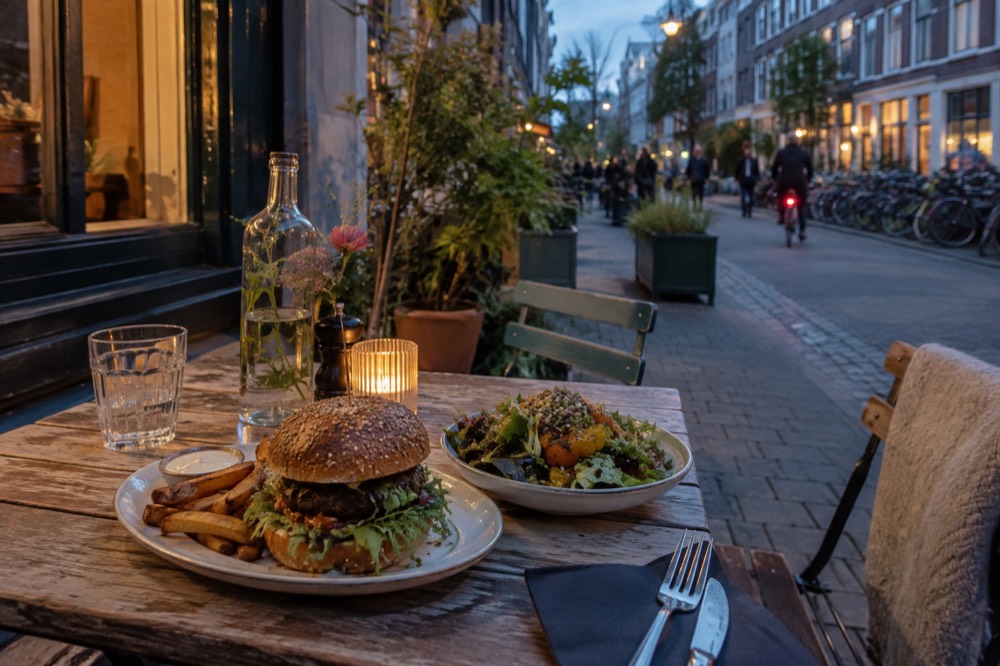
If you would rather have a local steer you straight to the good stuff on day one, a guided food walk solves the problem efficiently. The Amsterdam food and culture walking tour runs three and a half hours with ten tastings, is rated 5.0 across 1,157 reviews, and costs $92 per person. Dietary requirements can be flagged at booking, so vegan and vegetarian travellers get tastings that fit rather than watching the group eat cheese. Check availability
What Should Vegans Know About Dutch Snacks and Street Food?
The core Dutch snacks split cleanly into three groups: vegetarian by default (stroopwafels, fresh from the plate at the Albert Cuyp Market), available in dedicated vegan versions in most health-food shops and some cafes (bitterballen, kaassouffles), and permanently off the menu for vegans (haring, kroket from conventional fry shops, and anything from a traditional fish stall). The trap is assuming fried snacks are vegetarian; the standard bitterbal is a meat ragout.
Stroopwafels are the easy win. The classic version is two thin waffle halves with a caramel syrup between them, and the syrup is traditionally plant-based, though a handful of producers use honey, so strict vegans should ask at the bakery or check the label on packaged ones. The fresh ones made on a hot plate at the market are the ones worth eating, and the packaged airport versions are a different, sadder product.
Bitterballen are the surprise. The conventional bitterbal is a breaded, deep-fried ragout ball, served with mustard, and it is emphatically not vegetarian in its standard form. But Amsterdam's vegan scene has produced plant-based versions that appear on menus across De Pijp and Oud-West, usually made with mushroom or oat-based fillings, and they are genuinely good rather than a token gesture. The same goes for kaassouffles, the fried cheese sticks that now exist in vegan cheese form in health-food shops.
Haring, the raw salted herring served with onions and pickles, is the one Dutch classic no vegan or vegetarian will ever taste, and the herring stalls you see all over the centre are simply not for you. The same applies to kibbeling, the fried fish chunks sold from windows in the centre. Walk past both without regret; the vegan versions of everything else in the Dutch snack canon are easier to find here than in almost any other city in Europe.
| Dutch snack | Standard version | Vegan or vegetarian status | Where to find the safe version |
|---|---|---|---|
| Stroopwafel | Waffle with caramel syrup | Vegetarian; vegan unless honey is used, ask | Albert Cuyp Market, fresh off the plate |
| Bitterballen | Fried meat ragout balls | Not vegetarian as standard; vegan versions exist | Vegan cafes in De Pijp and Oud-West |
| Kaassouffle | Fried cheese stick | Vegetarian; vegan versions in shops | Health-food shops, some cafes |
| Haring | Raw salted herring | Not suitable, no version exists | Nowhere, for you |
| Kibbeling | Fried fish chunks | Not suitable, no version exists | Nowhere, for you |
| Poffertjes | Small fluffy pancakes | Vegetarian; vegan versions at some brunch spots | Brunch cafes, ask about batter |
The other thing worth knowing is that Indonesian food, a fixture of Dutch dining, is a plant-based traveller's secret weapon. A vegetarian rijsttafel gives you a dozen small dishes built around tempeh, vegetables, tofu and rice, and several Indonesian restaurants around the Nieuwmarkt will lay out a fully vegan table with a day's notice. It is the single best-value vegan dinner format in the city, and it is authentically Dutch in the way only colonial-era food traditions can be.
Can You Eat Vegan Near the Big Museums in Amsterdam?
Honestly, not easily at lunchtime. Museumplein and the Museum Quarter have the three headline museums within a five-minute walk of each other but a thin spread of vegan lunch options, so the workable strategies are eating a late breakfast in the centre before your timed slot, taking the short walk or tram toward De Pijp for lunch, or planning a picnic from a health-food shop in the morning. The museum area rewards planning and punishes improvisation.
The reason is simple: the Museum Quarter is a residential neighbourhood of embassies and upscale homes with a small number of restaurants, and the ones nearest the museums price and cook for tourists. The vegan density sits one neighbourhood over. De Pijp's northern edge is roughly a ten-minute walk from the Rijksmuseum, and that is where your best post-museum lunch lives.
Booking timed tickets in advance is what makes this planning work. The Van Gogh Museum requires every visitor to pre-book a timed entry slot, and the adult price is €25, with under-18s free, per the museum's own ticket pages. A pre-booked slot means you know exactly when you will be hungry and where you will be standing when you are. The Van Gogh Museum ticket on our roster is $31, rated 4.7 across 57,096 reviews, and the operator's live listing shows the current availability.
The Rijksmuseum next door costs €25 for adults, is free for ages 18 and under, and opens 9am to 5pm every day of the year including public holidays, again per the museum's own site. It also honours the I amsterdam City Card for free entry, though the card excludes both the Van Gogh Museum and the Anne Frank House, a pairing of exclusions confirmed from both the card's FAQ and the Anne Frank House's own price table. If museums are your main activity, the site's page on Amsterdam museum tickets and skipping the queue breaks down which tickets to buy where.
A practical museum-day sequence for a vegan traveller: a 9am entry at the Rijksmuseum, two hours inside, then the walk into De Pijp for a late vegan lunch, then the Van Gogh Museum for an afternoon slot, then drinks on Museumplein itself. You eat well, you see both headline collections, and you never stand hungry in front of a sandwich shop that has nothing for you.
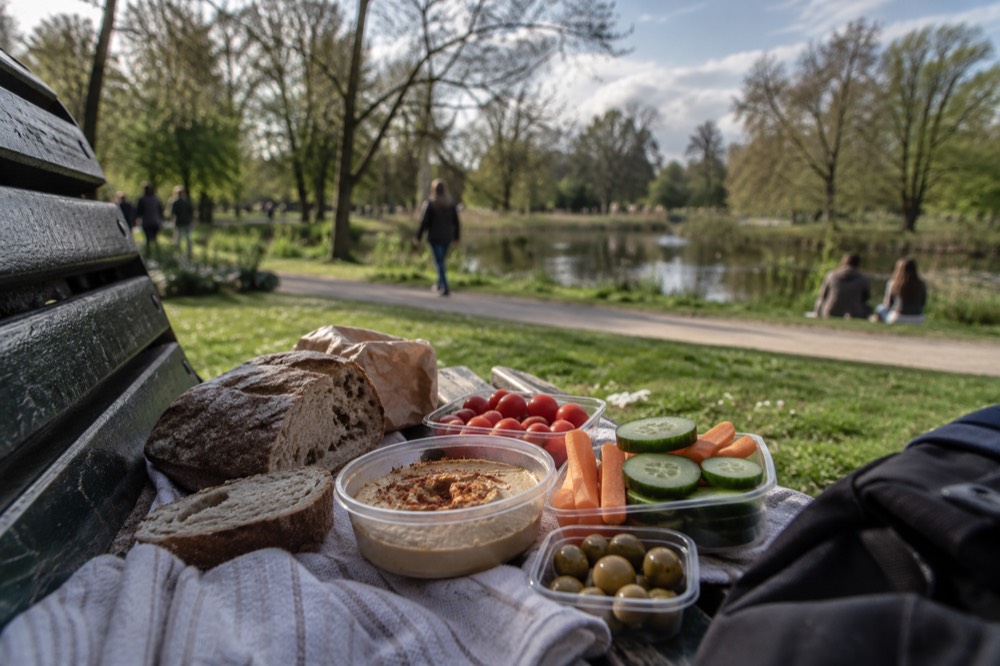
The Vondelpark, which runs directly behind the Rijksmuseum, is the picnic answer on a dry day. A morning shop at a health-food store in the centre, a backpack, and the park's benches solve the Museumplein lunch problem for the price of a loaf of bread. On grey days, which Amsterdam supplies generously, the De Pijp walk is the better plan.
Are There Vegan Food Tours and Plant-Based Experiences Worth Booking?
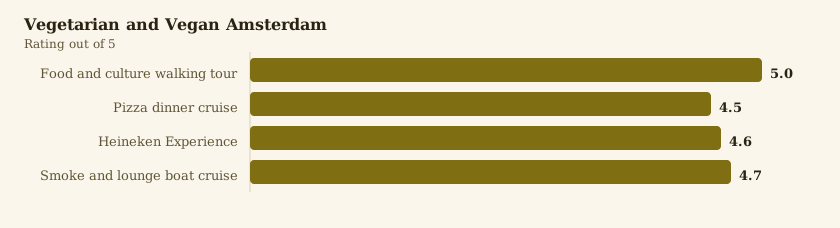
Yes. The ten-tastings food and culture walking tour costs $92, runs three and a half hours, and holds a 5.0 rating across 1,157 reviews, with dietary requirements accommodated when flagged at booking, making it the strongest single booking a plant-based visitor can make. Beyond it, the Heineken Experience at $23 and the canal cruise fleet offer vegan-friendly formats.
The food tour earns its price by doing in three and a half hours what would take you two days of solo wandering: a local walks you through the city's food geography, and you taste ten things along the way. The listing states that the tour is led by a local guide, and vegan and vegetarian travellers should state requirements when booking so the tastings are matched to them. With a 5.0 rating it is the highest-rated product on our entire Amsterdam roster, which is rare for a food tour anywhere.
For the evening, the plant-based options on the water are better than most visitors realise. The pizza dinner cruise runs 90 minutes with unlimited drinks from $40, rated 4.5 across 3,046 reviews, and pizza is the one hot-plate dinner that vegan travellers can usually get right with a simple request at booking. The smoke and lounge boat cruise at $25, rated 4.7 across 9,862 reviews, is a one-hour lounge-boat format that fits a plant-based evening out without any food dependency at all.
| Experience | Price from | Duration | Rating and reviews | Plant-based fit |
|---|---|---|---|---|
| Food and culture walking tour | $92 | 3 hours 30 minutes | 5.0 across 1,157 reviews | Ten tastings, dietary needs flagged at booking |
| Pizza dinner cruise | $40 | 1 hour 30 minutes | 4.5 across 3,046 reviews | Pizza format, request vegan at booking |
| Heineken Experience | $23 | 1 hour 30 minutes | 4.6 across 39,581 reviews | Beer is vegan-friendly; skip the standard tasting snacks |
| Smoke and lounge boat cruise | $25 | 1 hour | 4.7 across 9,862 reviews | Drinks and cruising, no food dependency |
The Heineken Experience deserves a note for the vegan-curious. Beer itself is broadly plant-based, and the experience, housed in the original brewery, is rated 4.6 across 39,581 reviews at $23 from our roster. The two drinks included in the standard ticket are the point; the snack pairings on offer around the venue are where a vegan reads labels rather than assuming. It sits in the centre, so it slots neatly into a day that starts with plant-based brunch in the Jordaan.
How Do Vegan Travellers Get Around Amsterdam Cheaply?
A GVB 24-hour transport ticket costs €10.00 for adults and €5.00 for children, covering trams, buses, metro and ferries for a full day, and a single one-hour ticket is €3.40 per the official GVB price list. For a food-focused trip that hops between De Pijp, Oud-West and the centre, the 24-hour ticket usually pays for itself by the third ride, and contactless OVpay tapping works too.
The food geography described earlier is the reason transport matters. The best vegan meals are spread across four or five neighbourhoods, and a day that covers a Jordaan breakfast, a Museumplein morning and a De Pijp lunch is a day of four or five tram rides. Multi-day tickets scale up: 48 hours costs €16.00, 72 hours €21.50, 96 hours €27.50 and 120 hours €34.00, all from the GVB's own published fares. The full fare table, including the airport-oriented tickets, is in our guide to getting around Amsterdam.
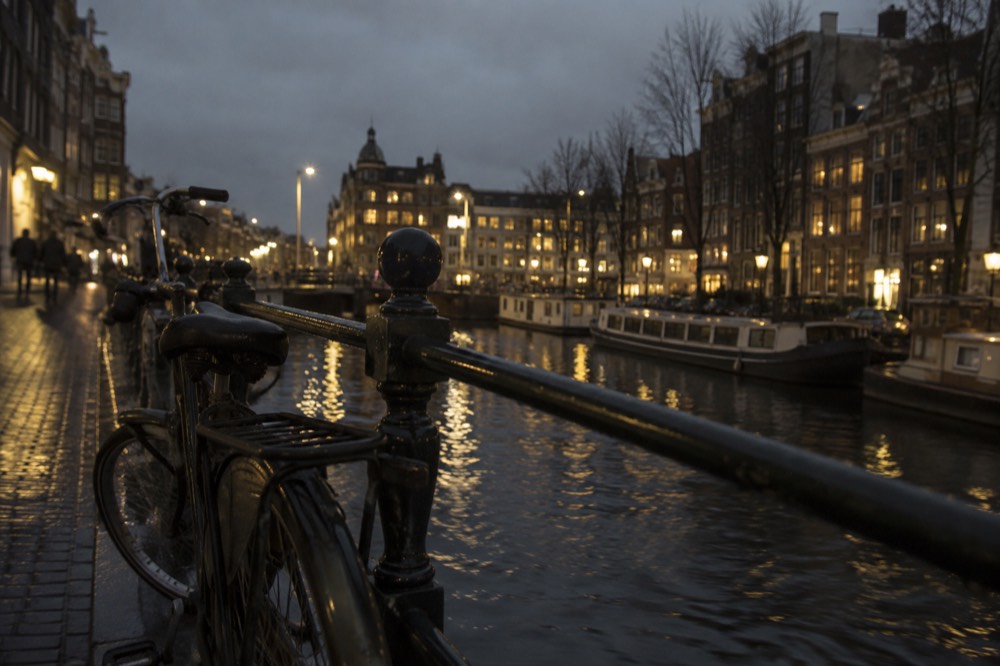
Cycling is the other answer, and it is the one Amsterdammers themselves use. A bike turns the neighbourhood-hopping problem into a non-problem: the ride from the Jordaan to De Pijp is a few minutes through the centre, and every restaurant and market in this guide has somewhere to park a bike within a block. The site's page on cycling in Amsterdam and renting a bike covers rental practicalities, and note that the I amsterdam City Card includes one 24-hour bike rental alongside its transport and museum benefits, with the 24-hour card at €67 and the 48-hour card at €94 as verified on NEMO's own visitor page.
The I amsterdam City Card deserves a vegan-specific mention because of what it bundles: unlimited GVB transport for the card's duration, one free canal cruise, one 24-hour bike rental, and free entry to over 70 museums and locations including the Rijksmuseum. For a traveller whose days alternate between museums and meals, the card and the food geography fit together well. The exclusions are the ones to remember: no Van Gogh Museum, no Anne Frank House. The card's own FAQ and the museums' own pages both confirm this.
What Are the Common Vegan Mistakes Visitors Make in Amsterdam?
The three recurring mistakes are eating only in the tourist centre, assuming Dutch fried snacks are vegetarian by default, and treating the museum quarter as a lunch destination. The centre's restaurant stock is aimed at one-time visitors, the standard bitterbal and kroket are meat ragout, and Museumplein has very little plant-based food at midday. Visitors who breakfast in the Jordaan and lunch in De Pijp eat better than almost anyone arriving without a plan.
The first mistake is the most expensive. Restaurants on Damrak, around Dam Square and along the main sightseeing arteries price for people who will never return, and the vegan options there are limited to what travels well on a tourist menu. Every neighbourhood listed earlier in this guide is a 15-minute walk or a short tram ride from those same sights, and the food improves immediately.
The second mistake is quiet but real: the visitor who sees bitterballen on a brown cafe menu, reasons that anything fried and served with mustard must be fine, and eats a veal ragout ball by accident. The snack table earlier in this guide exists precisely because this happens daily. The vegan versions are out there, but they are labelled versions in specific cafes, not the default anywhere.
The third mistake is scheduling. Timed museum entries are non-negotiable at the Van Gogh Museum and the Rijksmuseum, so the shape of your day is decided before you arrive. A 12:00 slot at either museum means a 12:00 lunch problem in the worst lunch neighbourhood in the city. Book 9:00 or 14:00 slots instead and lunch becomes a pleasure rather than a compromise. This is the kind of small sequencing decision that separates a good plant-based trip from a mediocre one, and it costs nothing to get right.
A final note on drinking: Amsterdam's brown cafes, the old wood-panelled bars the city is famous for, are broadly vegan-friendly on the beer side, and many carry a vegetarian dish or two on the day's board. The tradition itself needs no introduction, and neither the beer nor the bar requires a single animal product, which is more than can be said for most national drinking traditions.
For the evening, a canal cruise remains the most vegan-proof activity in the city, since it depends on views rather than plates. The classic saloon boat cruise runs one hour from $19.56, rated 4.8 across 33,435 reviews, with drinks and cheese as an optional upgrade rather than a requirement, so a vegan books the base cruise and eats beforehand. It is a format that works for every diet without anyone having to ask a question.
Common Questions About Vegetarian and Vegan Amsterdam
Is Amsterdam good for vegans?
Yes. The city has one of the densest plant-based dining scenes in northern Europe, concentrated in De Pijp, the Jordaan, Oud-West and the Nieuwmarkt area, with dedicated vegan restaurants, veganised Dutch snacks and vegan-friendly Indonesian rijsttafel. The weak spot is the Museum Quarter at lunchtime, which rewards planning.
Can vegans eat traditional Dutch food?
Partly. Stroopwafels are vegetarian and usually vegan, though strict vegans should ask about honey in the syrup. Bitterballen and kaassouffles exist in labelled vegan versions in vegan cafes and health-food shops. Haring, kibbeling and standard kroket are permanently off the vegan menu.
Which Amsterdam neighbourhood has the most vegan restaurants?
De Pijp, which also hosts the Albert Cuyp Market. The Jordaan and Oud-West follow, with Oud-West strongest for vegan bakeries and the Nieuwmarkt area best for vegan-friendly Indonesian food. The tourist centre has the most restaurants overall but the fewest good plant-based ones.
Is there a vegan food tour in Amsterdam?
The ten-tastings food and culture walking tour accommodates dietary requirements when flagged at booking, so vegan and vegetarian travellers receive matched tastings. It costs $92, runs three and a half hours, and is rated 5.0 across 1,157 reviews, the highest rating on the site's Amsterdam roster.
Where can vegans eat near the Van Gogh Museum?
The Museum Quarter itself is thin at lunchtime, but the northern edge of De Pijp is roughly a ten-minute walk from the Rijksmuseum and carries the city's densest vegan restaurant stock. Booking a 9:00 or 14:00 timed museum slot and lunching in De Pijp in between is the standard advice.
Is the I amsterdam City Card useful for vegan travellers?
It can be. The 24-hour card costs €67 and the 48-hour card €94, and both include unlimited GVB transport, one canal cruise, a 24-hour bike rental and free entry to over 70 museums including the Rijksmuseum. It excludes the Van Gogh Museum and the Anne Frank House, both of which need separate timed tickets.