Is Amsterdam Friendly To Americans?
A straight answer for American travellers: how Amsterdam treats US visitors, what the local rules actually are, and where Americans most often get things wrong.
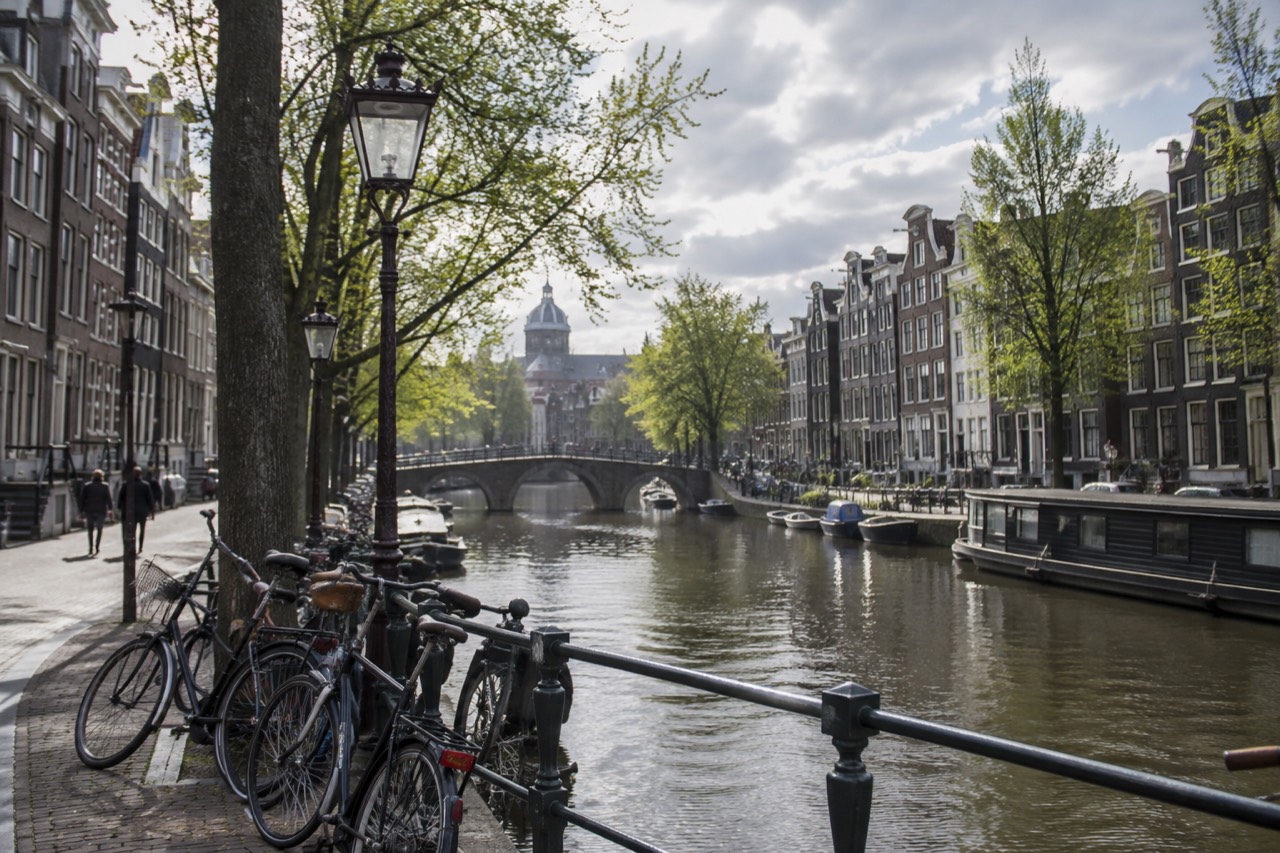
Amsterdam has been quietly becoming one of the most American-visited cities in Europe. The municipal statistics office recorded 23.7 million tourist overnight stays in 2025, and American travellers are a large and growing share of the guests behind that number, with CBS reporting 9.5 million accommodation guests in the city that year. So the short answer to the friendliness question is yes, with a Dutch asterisk: the welcome is real, but it comes wrapped in directness, a set of local rules that are actually enforced, and a city that has started asking visitors to behave themselves in writing.
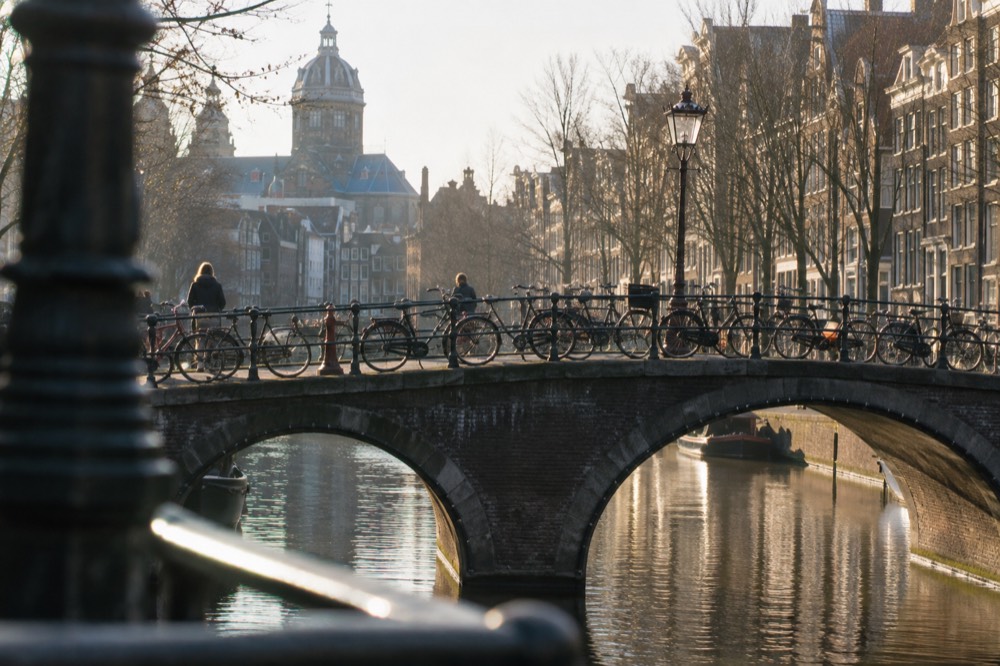
Is Amsterdam Friendly To Americans?
Yes, Amsterdam is friendly to Americans in every way that matters: English is spoken almost universally, the city is safe by US standards, payment is contactless everywhere, and Americans are a normal, welcome part of daily life rather than a novelty. The Dutch style of friendliness is direct and understated, so visitors who expect warm small talk sometimes misread plain speaking as coldness, when it is really just a different social register.
That cultural gap is worth naming early, because it explains most of the "unfriendly Amsterdam" posts you will find online. A Dutch server will take your order efficiently, bring your food, and not return to ask how everything is going. That is not rudeness here; service is included in the menu price, and leaving people alone to eat is considered polite. Americans used to constant service interaction can read the absence of performance as hostility. It is not. It is a country where the baseline social contract is "I will not bother you, and you will not bother me", and it applies to locals exactly as it applies to you.
The other thing Americans consistently report is that once you make the first move, the ice breaks fast. Ask a local a genuine question, in English, about anything from tram routes to the best bitterballen, and you will usually get a straight, helpful, sometimes funny answer. The Netherlands has among the highest English proficiency in the world, and Amsterdam is its most multilingual city. You will never struggle to be understood, and almost no one will resent you for speaking English, which is not true everywhere in Europe.
There is one genuine friction point, and it is not about nationality. Amsterdam has been managing overtourism for a decade, and some of that management now lands on all visitors regardless of where they come from: a 12.5% tourist tax on overnight stays, a ban on new hotels, restrictions on guided tours in the oldest neighbourhoods, and an official city campaign asking visitors to respect residents. Americans notice this because they arrive expecting a wide-open party town. The city that greets you is still open and easy, but it has house rules, and the house is serious about them.
The three experiences above are a good illustration of how easy Amsterdam is for Americans in practice. The Van Gogh Museum, the Heineken Experience and a classic canal cruise are all bookable in English in a couple of minutes, all take contactless payment, and none of them requires any local knowledge to enjoy. If you want the broader picture of how the city receives first-time visitors generally, our guide for first-time Amsterdam visitors covers the arrival basics in more depth than this page.
Do Americans Need a Visa for the Netherlands?
No. American passport holders can visit the Netherlands and the rest of the Schengen Area for up to 90 days in any 180-day period without a visa, for tourism. Your passport must be valid for at least three months beyond your planned departure from Schengen and issued within the last ten years, which is the requirement that actually catches people out. No visa, no advance application, nothing to arrange before flying beyond a valid passport.
The one change Americans should know about is ETIAS, the European Travel Information and Authorisation System, which will require a short online pre-authorisation before boarding, similar in spirit to the US ESTA. Its launch date has moved repeatedly, so rather than trusting any article that prints a date, check the official European Union information before you book, since the requirement will apply to visa-exempt visitors including Americans once it is live. Until then, a valid passport is genuinely all you need.
At the border, American tourists are rarely given a hard time. You may be asked the purpose and length of your trip; answer plainly and you are through. Keep in mind that the 90-day limit is Schengen-wide, not per country, so a long European itinerary that includes Amsterdam has to fit inside the same 90 days as your Paris and Rome legs. Overstaying is the one immigration mistake that causes real problems for Americans, because airlines share data with border authorities and the fine lands on the traveller.
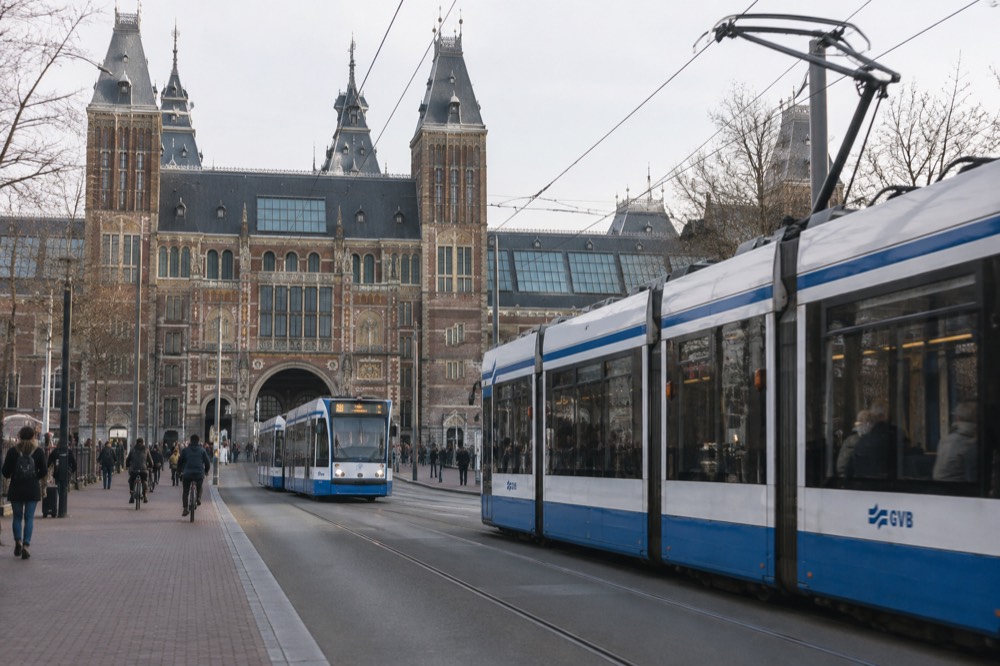
Getting from the airport into the city sets the tone for how straightforward the whole visit will be. The NS train runs from Schiphol to Amsterdam Centraal in just over 17 minutes, with e-tickets available online from €5.50, and the Amsterdam Airport Express bus 397 runs to the city centre from €6.50. There is no fixed taxi fare; Schiphol's own guidance is simply that you pay what the meter says, so the train is almost always the better first decision. Our Schiphol to central Amsterdam transfer guide compares every option door to door.
Is Amsterdam Safe for American Tourists?
Yes. Amsterdam's violent crime rate is low by the standards of any large American city, and the risks that actually affect tourists are petty: pickpocketing in crowded areas, bicycle collisions, and scams that exist in every major tourist city. Americans used to US urban caution tend to find Amsterdam remarkably relaxed, including at night in the centre. The main safety skill here is not street smarts, it is looking both ways for bikes before you step off a kerb.
The bicycle point deserves its own paragraph because it is the number one way tourists get hurt. Amsterdam's streets belong to bikes in a way that surprises visitors, and bike lanes look like narrow pavements to the untrained American eye. Stand in one while checking your phone and a cyclist will either hit you or scream at you, and both are considered your fault. The same applies to trams: look for the rails and the overhead wires, and check the city's own visitor conduct page, which sets out the local rules on everything from cycling to street behaviour.
The neighbourhoods Americans ask about most are the Red Light District and the areas around Leidseplein and Rembrandtplein late at night. All are safe in the sense that violent crime is rare, and all are crowded, loud, and thick with pickpockets after dark. Solo behaviour that feels normal in the US, walking with a phone in your hand at 1am, is exactly what marks you as a target. Our full straight answer on Amsterdam safety goes deeper, including by neighbourhood and by time of night.
One rule that genuinely matters in the oldest part of town: do not photograph the sex workers in the windows. The city's official respect campaign asks for this plainly, venue staff will confront you about it, and beyond the windows themselves, guided tours in De Wallen are limited to groups of 15, may not pass the windows, and may only run between 08:00 and 22:00. If you are curious about the district, a licensed small-group tour is the way the city wants you to see it, and our Red Light District rules and etiquette guide covers the full set of norms.
How Do Americans Pay for Things in Amsterdam?
Contactless is king. Tap the same Visa or Mastercard you use at home on every tram, bus, metro and train, and in nearly every shop, restaurant and museum, with no cash needed for days at a time. The one card that fails is the one without a magnetic-free chip: anything contactless works, while old swipe-only cards and some US debit cards without foreign transaction settings can be declined. Tell your bank you are travelling and you are set.
The public transport detail is the part Americans ask about most, because US cities mostly do not work this way. On GVB trams, buses and the metro you tap in and tap out with the same bank card, charged per kilometre from a base fare of €1.16, with a daily cap on the GVB network. A single one-hour ticket costs €3.40 and a 24-hour day pass €10.00 if you prefer a fixed price, per the official GVB fare page. There is no ticket barrier theatre and no standing in a machine queue at 11pm; you just tap and go.
Tipping is the payment question Americans always ask, and the honest answer is that the Netherlands does not have a tipping economy the way the US does. Service is included in menu prices by law, and rounding up the bill, or leaving a few euros on a table after a good meal, is the local norm rather than an expected percentage. Nobody will chase you for leaving 15%, and nobody will think less of you for rounding up. Our tipping and etiquette in Amsterdam guide covers the situations where it gets less obvious, like taxis and hotel staff.
| Everyday item | What it costs | What changes for Americans |
|---|---|---|
| Tram or bus ride (contactless) | €1.16 base plus €0.217 per km | Same card tap as at home; no ticket machine needed |
| 24-hour GVB day pass | €10.00 | Fixed price if you prefer not to think about taps |
| Train, Schiphol to Centraal | from €5.50, just over 17 minutes | Cheaper and faster than any taxi |
| Van Gogh Museum adult ticket | €25, timed entry required | Under-18s free; book a slot, sessions sell out |
| Classic one-hour canal cruise | from about €15.50 (Rederij Kooij) | Cheapest verified operator price; book ahead in summer |
What Are the Local Rules Americans Trip Over?
Four rules cause almost all the trouble: cannabis is tolerated but only inside coffeeshops, street drinking is banned in the centre, the Red Light District has conduct rules that are actually enforced, and quiet hours in residential neighbourhoods are taken seriously. None of these target Americans, but Americans are the visitors most likely to assume Amsterdam is a lawless party city. Learn four rules and your trip runs smoother than most.
Start with cannabis, because it is the one Americans ask about first and the one most guides get wrong. Dutch national policy tolerates coffeeshop sales, with a limit of 5 grams per person per day, and the national rules do contain a residents-only criterion. But that criterion is not applied in Amsterdam: the wietpas scheme was never enforced here and no tourist ban has been implemented, so foreign visitors, including Americans, can and do buy cannabis in Amsterdam coffeeshops today. What you cannot do is smoke it on the street in the centre; outdoor cannabis smoking is prohibited there, and the smoking happens inside the coffeeshops. Our coffeeshop rules for tourists guide gives the full, careful version. Other pages covering the same trip are gathered on Things to Do in Amsterdam.
Alcohol follows the same logic. Street drinking is prohibited in the city centre, which means the open beer walk between bars that is normal in parts of the US is not on here. Public urination is also prohibited, and the city has been increasing its enforcement presence in the busiest nightlife zones. None of this is aimed at Americans; it is aimed at the 21.9 million day visitors and millions of overnight guests who descend on a small centre every year, and the fines, where they exist, apply to everyone equally.
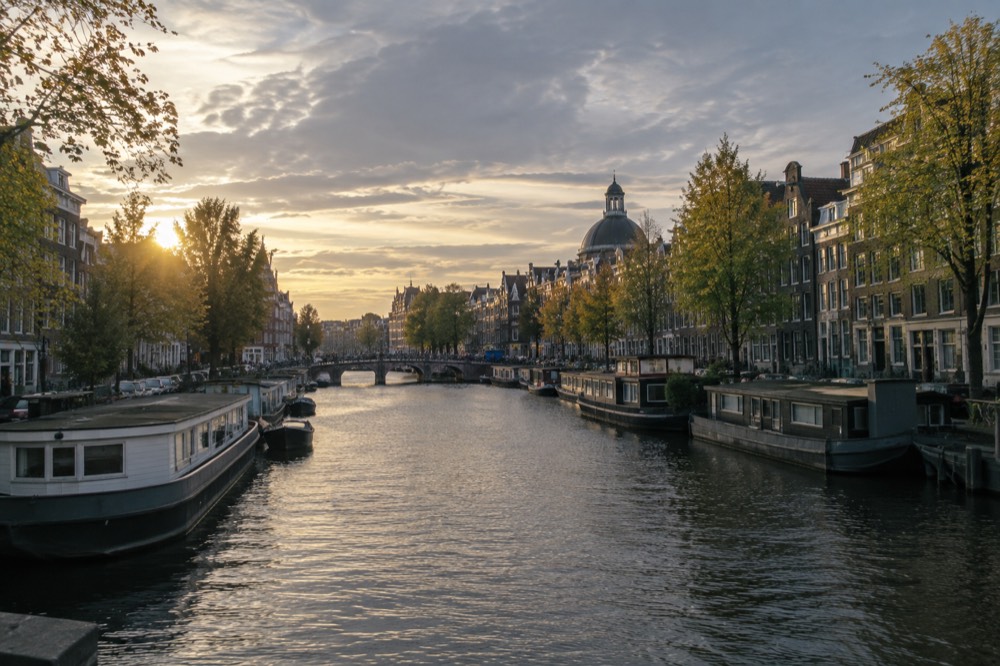
The Anne Frank House rule is the one that costs Americans the most disappointment. Tickets are sold only through the museum's own official site, for a specific date and time, with no door sales and no legitimate resellers of any kind. Adult tickets cost €16.50 including the booking fee, and released slots sell out quickly, so you plan this one weeks ahead or you do not do it. Every tour, pass and card on the market that appears to include the Anne Frank House is misleading you; even the city card explicitly excludes it. A walking tour of the Jewish Quarter, like the small-group Anne Frank walks, is a real and worthwhile alternative, but it is a walk in the streets, not entry to the house.
| Rule | What Americans assume | What is actually true |
|---|---|---|
| Cannabis for tourists | Either fully legal or banned | Tolerated and sold in coffeeshops; smoke inside, not on the street in the centre |
| Street drinking in the centre | Normal in most US cities | Prohibited; drink inside the venue |
| Photographing window workers | A photo for the group chat | Official no-photography norm; staff will confront you |
| Anne Frank House tickets | Buyable from any tour site | Official site only, timed slots, no resellers exist |
| Tipping 15 to 20% | Required, like at home | Service included by law; rounding up is the norm |
Where Do Americans Fit Into the City Right Now?
Americans are now one of the largest groups of foreign visitors in Amsterdam, and the city has adjusted to them in visible ways: English-first signage, US-friendly payment everywhere, and staff who deal with American travellers daily. The adjustment runs both ways, though, and the city's overtourism measures apply to Americans exactly as to everyone else. The friendliest thing an American can do is arrive knowing Amsterdam is a lived-in city first and a destination second.
The practical effect of all this is that Amsterdam is one of the lowest-friction European cities an American can choose. You can land at Schiphol, tap your own credit card on the train, check into your hotel, book a museum slot and a canal cruise from your phone, and never once need cash, a phrasebook or a local SIM. The Dutch directness that unsettles some first-time visitors in their first hours is the same trait that makes everything function: prices are honest, queues are orderly, and nobody is performing friendliness they do not feel.
For a classic Amsterdam evening that needs no planning skill at all, the saloon boat cruises are worth a look: the classic wooden-boat cruise runs from $19.56 and holds a 4.8 rating across 33,435 reviews on the live listing, with drinks and Dutch cheese on board. If beer history appeals more than art history, the Heineken Experience, from $23 with a 4.6 rating across 39,581 reviews, is a polished 90 minutes in the original brewery. Check availability if the timing suits your first evening.
And if art is the reason you are flying, plan the Van Gogh Museum before anything else. It is the city's most in-demand museum, every visitor needs a pre-booked timed entry ticket, and the roster ticket from the live listing starts at $31 with a 4.7 rating across 57,096 reviews. Booking it early is the difference between a relaxed morning in the Museum Quarter and standing outside reading the sold-out sign.
The last word on friendliness: Amsterdam will meet you more than halfway, but it will not meet you all the way. Learn the bike lanes, book the Anne Frank House yourself, keep the beer inside the bar, and the city is one of the warmest, easiest, most forgiving places in Europe for an American traveller. Assume it owes you a party and the same streets will feel cold. The difference is entirely in the preparation, and you now have it.
Common Questions About Visiting Amsterdam as an American
Is Amsterdam Friendly To Americans?
Yes. English is spoken almost everywhere, the city is safe by US standards, contactless payment works universally, and Americans are a normal, welcome part of the visitor mix. Dutch friendliness is direct rather than effusive, so plain-speaking service can read as cold until you adjust to it.
Do US citizens need a visa for the Netherlands?
No. Americans can visit the Netherlands visa-free for up to 90 days in any 180-day period within the Schengen Area, with a passport valid for at least three months beyond departure. An online travel authorisation (ETIAS) has been planned for visa-exempt visitors, so check official EU sources before flying, as its start date has shifted.
Can tourists still buy cannabis in Amsterdam coffeeshops?
Yes. The residents-only criterion exists in national policy but Amsterdam does not apply it, and no tourist ban has been implemented. Sales are limited to 5 grams per person per day, and outdoor cannabis smoking is prohibited in the city centre, so consumption happens inside the coffeeshop.
How much do you tip in Amsterdam as an American?
Service is included in menu prices by law, so there is no obligation. Rounding up the bill or leaving a few euros after a genuinely good meal is the local norm. Nobody expects the 15 to 20% that is standard in the United States.
Is Amsterdam safe at night for American tourists?
Yes, in the sense that violent crime is rare. The real night-time risks are pickpocketing in crowded areas and bicycle collisions. Keep your phone in a pocket rather than in your hand, look both ways before stepping into a bike lane, and the centre is comfortable to walk late.
Can Americans buy Anne Frank House tickets from a tour website?
No. The Anne Frank House sells tickets only through its own official site, for a specific date and time, with no door sales and no legitimate resellers. Adult tickets cost €16.50 including the booking fee, and slots sell out quickly, so book weeks ahead directly with the museum.