Is It Better To Stay In Or Outside Of Central Amsterdam?
A straight comparison of staying inside Amsterdam's canal ring versus outside it: costs, transport, noise, holiday rental rules and which neighbourhood fits which trip.
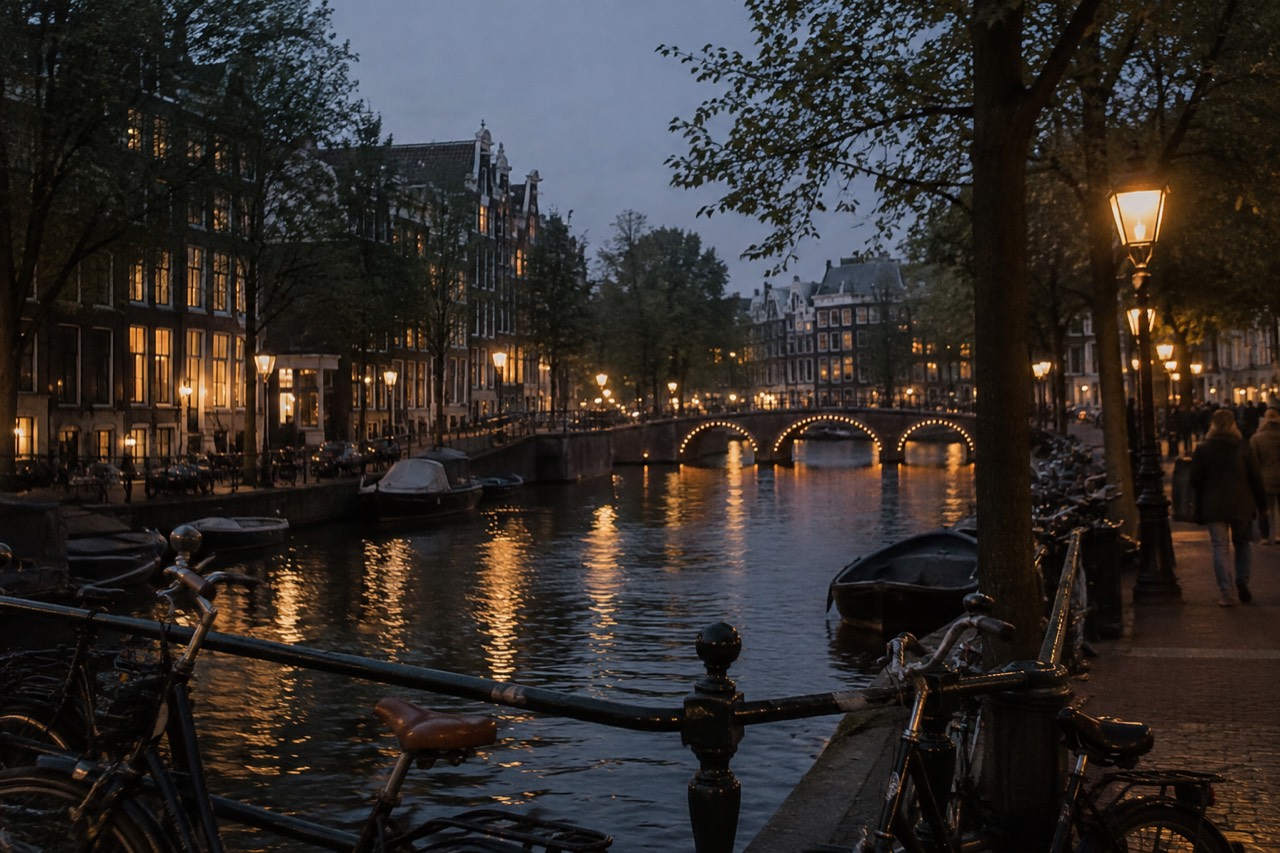
Amsterdam recorded 23.7 million tourist overnight stays in 2025, and most of those visitors wanted a bed as close to the canals as possible. That demand does two things to the centre: it pushes room rates up, and it fills the streets of the canal ring with people who are all on holiday at once. The question of where to sleep is therefore not just about price. It is about what kind of trip you want, how much walking you are happy to do, and whether a quiet street matters more than a postcard address.
Is It Better To Stay In Or Outside Of Central Amsterdam?
For most travellers, outside the canal ring is the better base: rates are lower, nights are quieter, and the city is small enough that a museum or a canal cruise is rarely more than twenty minutes away by tram. The centre wins only if you want to walk home from dinner along the canals every night, you are staying just one or two nights, or mobility makes stairs and tram transfers a genuine problem.
The honest answer is that "central Amsterdam" means different things to different people. Strictly, the centre is the medieval core around Dam Square and the canal belt: the Grachtengordel, the Jordaan's eastern edge, De Wallen. Everything inside that ring is walkable, photogenic and loud. Everything just outside it, De Pijp, Oud-West, Amsterdam Noord, the Plantage, is still city, still canal-side in places, and usually meaningfully cheaper.
The trade is a walk of ten to twenty minutes or a short tram ride. Amsterdam's public transport is dense and frequent, and a single GVB ticket costs €3.40 for an hour of travel, while a 24-hour day pass costs €10.00. That is the entire penalty for sleeping outside the postcard: a couple of euros a day and a few minutes of waiting. Against that, you get a neighbourhood that still has residents in it, cafés that are not priced for tourists, and a bed that costs less.
The centre is not a mistake, though. If your trip is short, one or two nights, the value of being able to drop your bag and walk everywhere is real. If you have mobility limits, note that trams involve a step up and hotels everywhere in this city involve steep stairs, and the flatter, calmer streets of the centre can genuinely be easier. And if walking home along the Prinsengracht at midnight is the trip, no outer neighbourhood replaces it.
Whichever side of the ring you sleep on, the big-ticket sights need booking ahead either way. The Van Gogh Museum requires a pre-booked timed slot from every visitor, the Heineken Experience sells out in peak weeks, and the classic canal cruise is the one nearly everybody does on their first evening. Those three decisions matter more to your trip than which side of the canal ring your hotel is on.
What Does Staying in the Centre Actually Cost?
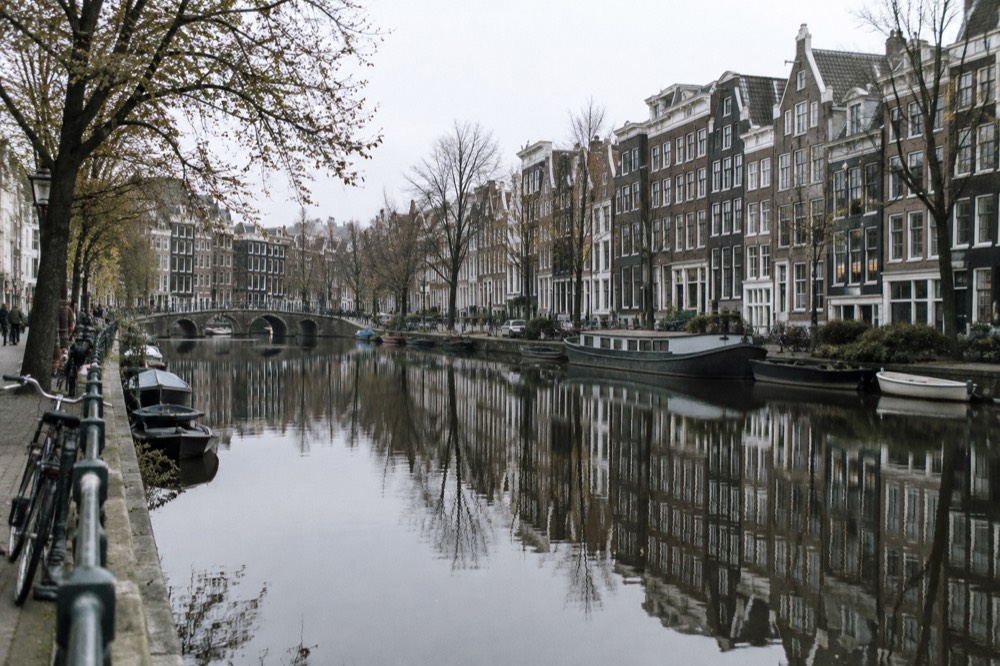
Expect a visible premium: central rooms carry the city's highest rates, plus a 12.5% tourist tax on every night, and prices spike hard around weekends and events. The tax applies city-wide, so it does not change the comparison, but the base rate gap between the canal ring and De Pijp or Noord is where the real money sits.
Amsterdam's hotel stock is tight by design. The city counts roughly 544 hotels with around 41,000 to 42,000 rooms, and a municipal hotel ban means almost no new hotels are being added. Scarcity plus demand is why central rates climb the way they do. The city also levies a tourist tax of 12.5% of the overnight price on hotels and holiday rentals alike, which adds a quiet chunk to every bill wherever you sleep.
The premium is easiest to see in what you give up. A central three-star room in high season can cost what a well-reviewed four-star in Oud-West or Amsterdam Noord charges, and the outer option is often newer, larger, or both. The centre's building stock is gorgeous and narrow: expect small rooms, steep Dutch staircases, and lifts to be rare. Outside the ring, purpose-built hotels are more common, with lifts, larger bathrooms and air conditioning that the 17th-century centre often simply cannot fit.
Noise is the other hidden cost. The core Wallen area has had weekend closing rules since April 2023, with outdoor terraces closing at 01:00 and indoor venues at 02:00, which means the party moves rather than ends. If your window faces a busy central street, you will hear it. A room in the Plantage or De Pijp buys you a night you can actually sleep through.
There is a seasonal dimension too. Rates across the whole city climb around event weekends, and Amsterdam's calendar has several of them each year. The Amsterdam Dance Event runs 21 to 25 October 2026, the Amsterdam Light Festival runs 26 November 2026 to 17 January 2027, and King's Day, on 27 April 2027, fills the centre's streets and beds days in advance. During those windows the central premium widens sharply, and the outer neighbourhoods are where the remaining value concentrates. Booking early matters more than location loyalty in those weeks.
One cost that does not change with your postcode is the sights. Wherever you sleep, the Van Gogh Museum is the booking that needs the most care: it is rated 4.7 across 57,096 reviews, entry is from $31, and every visitor, card holder or not, must pre-book a timed slot. You can Check availability on the operator's live listing, and the same applies to the Heineken Experience, rated 4.6 across 39,581 reviews from $23, which sells timed entries that vanish in summer. Booking those two before you book your bed is the right order of operations, because the hotel can be moved and the timed slot often cannot.
Which Neighbourhoods Outside the Centre Are Worth Booking?
De Pijp suits food lovers and first-timers who want central-adjacent without central prices; Oud-West suits shoppers and families; the Plantage suits museum-goers who like quiet; Amsterdam Noord suits budget and design-minded travellers who do not mind a free ferry across the water. All four sit within about twenty minutes of Dam Square by tram, bus or bike.
De Pijp, directly south of the centre, is the classic first move out. It holds the Albert Cuyp Market, the Heineken Experience, and a dense strip of cafés and restaurants along Ferdinand Bolstraat. It is lively but residential, and the walk to the Rijksmuseum is about fifteen minutes. Oud-West, west of the canal belt along the Kinkerbuurt, gives you the Nine Streets' shopping a short bike ride away plus the Foodhallen, a covered market in a former tram depot, and more green space nearby in the Vondelpark direction.
The Plantage, east of the centre, is the quiet pick. It sits next to the Jewish Cultural Quarter, ARTIS zoo and the Hortus Botanicus, and its 19th-century streets see a fraction of the centre's foot traffic. Amsterdam Noord, across the IJ from Centraal Station, is the value pick: the GVB ferries across are free and run around the clock, and the neighbourhood holds the A'DAM Lookout, the STRAAT street art museum and a growing hotel stock at rates the canal ring cannot touch. The ferry is the catch and the charm: it takes a few minutes, runs day and night, and no ticket is needed.
For choosing between them, a quick comparison of the practical differences:
| Neighbourhood | Feel | Time to Dam Square | Best for |
|---|---|---|---|
| Canal ring / Centrum | Postcard, busy, loudest at night | 0 minutes | Short trips, canal-side evenings |
| De Pijp | Residential, food-heavy, lively | About 15 minutes by tram | Restaurants, first-timers on a budget |
| Oud-West | Local, shops, family-friendly | About 15 minutes by tram | Families, shopping, space |
| Plantage | Leafy, quiet, museum-adjacent | About 20 minutes by tram | Museums, restful nights |
| Amsterdam Noord | Industrial-chic, creative, ferry across | About 20 minutes including ferry | Value, design hotels, free ferry |
A useful companion read is the site's full Amsterdam neighbourhood guide by area, which goes deeper on each district, and for anyone whose real worry is the rowdy streets rather than the price, the piece on where to avoid staying in Amsterdam names the specific blocks that keep visitors up at night.
How Do Transport Costs Change the Maths?
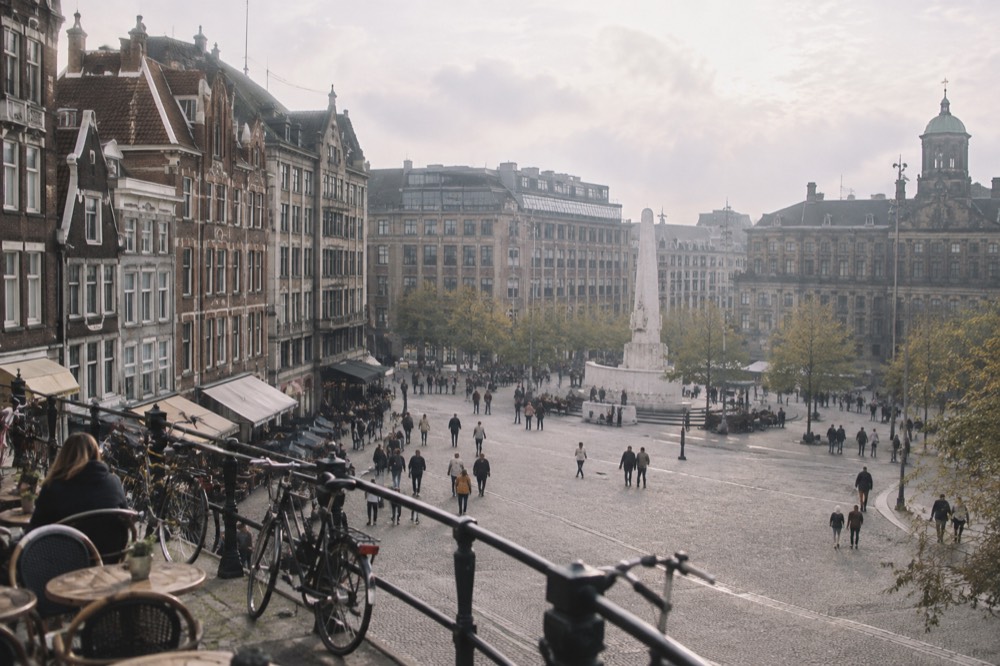
They barely do, and that is the whole point of sleeping outside the centre. A GVB single costs €3.40 for an hour, a 24-hour pass costs €10.00, and a 72-hour pass costs €21.50, so even a fully transport-dependent stay outside the ring adds only a few euros a day. Contactless OVpay works on every tram, bus and metro with a base fare of €1.16 plus €0.217 per kilometre.
The current GVB fare structure, from the operator's own price page, looks like this:
| Ticket | Price | What it covers |
|---|---|---|
| GVB 1-hour single | €3.40 | Any GVB tram, bus or metro for one hour |
| GVB 24-hour day pass | €10.00 (child €5.00) | Unlimited GVB travel for 24 hours |
| GVB 72-hour pass | €21.50 | Three days of unlimited GVB travel |
| Amsterdam Travel Ticket | 1 day €20, 3 days €34 | GVB plus airport train |
| OVpay contactless | €1.16 base + €0.217 per km | Tap a bank card, capped daily |
Run the numbers on a three-night stay. A couple sleeping in De Pijp and taking trams four times a day would spend €21.50 each on a 72-hour pass, about €43 for two people, or less with OVpay's daily cap. A single central room rate difference of even €20 a night more than erases that. The transport penalty for staying outside the centre is real but small; the accommodation premium for staying inside it is large and recurring.
Two practical notes. First, the ferries to Amsterdam Noord are free and run 24 hours, so that neighbourhood's "transport cost" is genuinely zero, only the crossing time. Second, if you sleep outside the ring and plan museum-heavy days, the Van Gogh Museum's timed-entry rule means your mornings start with a booked slot regardless of where you woke up; distance changes your alarm, not your access. The museum's own visit pages state that all visitors must pre-book a timed entry ticket, and the same logic applies at the Rijksmuseum, which requires a start time for everyone including card holders.
Is a Hotel or a Holiday Rental the Better Central Option?
Outside the centre, a hotel is usually the simpler and safer choice, because the rental rules bite hardest in the centre. Since 1 April 2026, holiday rentals in the Jordaan, the Grachtengordel, Haarlemmerbuurt, Burgwallen-Nieuwe Zijde, De Weteringschans, Nieuwmarkt/Lastage and Oude Pijp are capped at 15 nights per calendar year, with a maximum of 4 guests, a mandatory registration number in every listing and a €76 permit.
That 15-night cap is the fact most guides still get wrong, because the 30-night city-wide rule is what everyone repeats. The practical consequence for a visitor: a suspiciously cheap central apartment listing is more likely to be illegal, and illegal listings carry the risk of a cancelled booking at short notice. A legitimate listing shows its registration number in the advertisement; if you cannot see one, treat that as the answer.
Hotels dodge all of this. They are licensed, the 12.5% tourist tax is itemised on the bill, and there is a front desk when the stair-climbing machine in the 1650s building defeats you. The trade is space and price: central hotel rooms are small, and the staircases are a Dutch rite of passage, steep and narrow with a handrail you will grow fond of.
Outside the ring, the calculus shifts. The 15-night cap applies to the designated central neighbourhoods, not the whole city, and outer districts have more legal supply, more ground-floor and lift-equipped options, and more apartments that are genuinely residential rather than investment properties. If you want an apartment with a kitchen and a washing machine, booking it in Oud-West or De Pijp is both cheaper and less legally fragile than hunting for one in the canal belt.
One more angle worth weighing: the evening itself. A night in the centre often ends with a walk past the lit canal houses, and a classic saloon boat cruise, rated 4.8 across 33,435 reviews from $19.56, is the version of that view you can sit down for. It runs an hour, departs from central docks, and pairs naturally with a dinner reservation in the Jordaan, none of which requires your bed to be ten metres away.
Common Questions About Staying in or Outside Central Amsterdam
Is It Better To Stay In Or Outside Of Central Amsterdam?
Outside, for most trips: lower rates, quieter nights, and a tram system that closes the distance for €3.40 a ride or €10.00 a day. Inside, if your stay is one or two nights, you want to walk everywhere, or mobility makes stairs and transfers hard. The city is compact enough that "outside the centre" still means under half an hour to almost everything.
Is it safe to stay outside the centre of Amsterdam?
Yes. Amsterdam is a low-crime city by European standards, and the outer neighbourhoods recommended here, De Pijp, Oud-West, the Plantage and Noord, are residential areas where the main nuisance is bicycle theft rather than anything directed at people. Ordinary city caution applies, particularly around unattended bikes and late-night cash machines.
How far is De Pijp from the centre of Amsterdam?
De Pijp begins roughly a kilometre south of the canal belt. The walk from its heart to the Rijksmuseum takes about fifteen minutes, and trams along Ferdinand Bolstraat reach Dam Square in around the same time. It is central-adjacent in every way that matters, minus the canal-ring prices.
Do I need a car if I stay outside central Amsterdam?
No, and you should actively avoid one. GVB trams, buses and metros cover the whole city, contactless OVpay works on all of them, the ferries to Noord are free, and central parking is scarce and expensive. A bicycle is the only vehicle that improves an Amsterdam stay, and the I amsterdam City Card even bundles a 24-hour rental.
Are Amsterdam hotels cheaper outside the centre?
Generally yes, and often by enough to fund your entire transport spend several times over. The centre's frozen hotel supply, tourist tax and event-driven demand spikes keep canal-ring rates high, while newer build hotels in Noord, Oud-West and Zuid frequently offer larger rooms and lifts at lower prices.
The pattern across every one of these questions is the same: Amsterdam rewards visitors who sleep like a local and sightsee like a tourist. Things to Do in Amsterdam covers the sightseeing half in depth, and the sleeping half comes down to one honest sentence. Unless a canal-side address is itself the point of your trip, book the quieter, cheaper room ten minutes out, put the difference toward a classic saloon boat cruise and a booked museum slot, and spend your evenings the way the neighbourhood you picked actually lives.