What Are The Top Five Things To Do In Amsterdam?
The five Amsterdam experiences that consistently top every serious list, with verified ticket prices, booking rules and how to fit them into a short trip.
What Are The Top Five Things To Do In Amsterdam?
The top five things to do in Amsterdam are visiting the Van Gogh Museum, taking a canal cruise through the UNESCO-listed canal ring, spending half a day at the Rijksmuseum, walking the Anne Frank story in the Jewish Quarter, and touring the Heineken Experience. Adult entry to the two big museums costs €25 each, a one-hour cruise starts around €15.50 with an operator, and the Anne Frank House requires an online-only timed ticket at €16.50.
That list is not a personal ranking. It is what the booking data, the review counts and the city's own visitor patterns all point to, and it holds up whether you have two days or a full week. The Van Gogh Museum alone carries a 4.7 rating across 57,096 reviews on its ticket listing, which is a volume of feedback few attractions anywhere can match. The Rijksmuseum sits in the same bracket at 4.7 across 33,205 reviews. These are not obscure picks; they are the load-bearing experiences of an Amsterdam trip, and each one has a booking quirk that trips up visitors who leave it to chance.
The order matters less than the mechanics. Two of the five require timed entry booked in advance. One of them, the Anne Frank House, sells exclusively through its own website on a release schedule, and no reseller, pass or tour can get you through that door. A canal cruise is the opposite: boats leave every few minutes from half a dozen docks and you can decide on the day. Understanding which of the five need planning and which reward spontaneity is the difference between a smooth trip and a queue-standing one.
This page walks through each of the five in turn, with verified prices from the official sources, the booking rules that matter, and a short plan for fitting all five into two or three days. For the wider picture across the whole city, the Things to Do in Amsterdam homepage collects every category, from free walking tours to day trips into the Dutch countryside.
Why Does The Van Gogh Museum Top Almost Every List?
The Van Gogh Museum tops the list because it holds the largest collection of Van Gogh's work in the world, over 200 paintings, 500 drawings and 750 letters, and because it is the one Amsterdam attraction where failing to book ahead genuinely means missing out. Adult tickets cost €25, under-18s enter free, and every visitor, of any age, must pre-book a timed entry slot online.
The museum's own ticket page is blunt about the reason: all visitors are required to pre-book a timed entry ticket, and tickets can sell out. This is not a marketing push, it is a capacity rule. The galleries sit in a compact building on Museumplein, directly opposite the Rijksmuseum, and the museum manages flow by assigning every ticket a start time. Walk up without a booking and the most likely outcome is a long wait for a distant slot, or no slot at all in peak season.
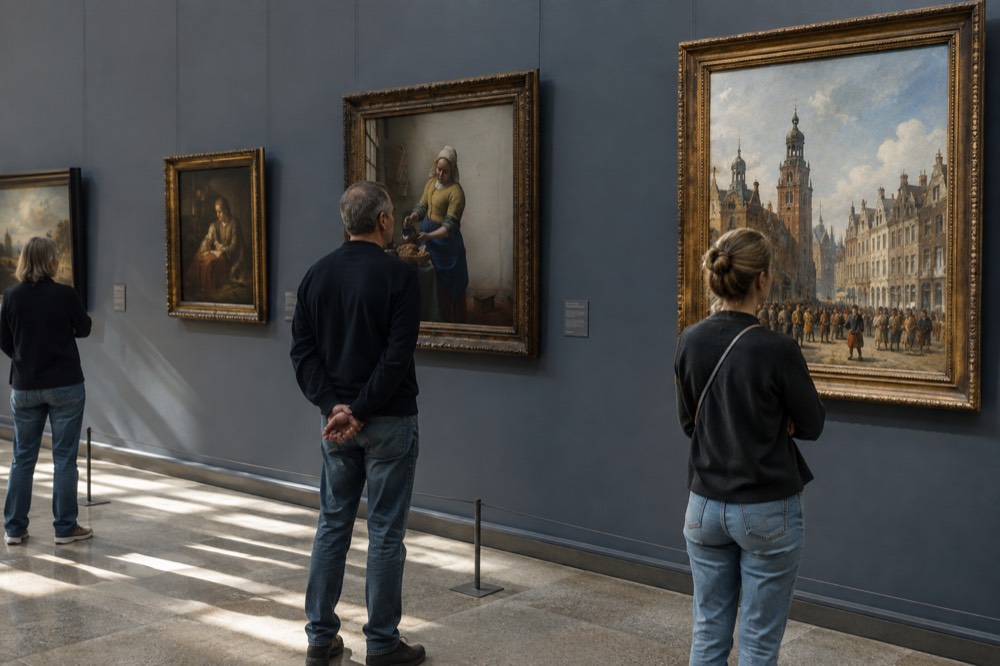
The collection justifies the discipline. Nowhere else can you trace Van Gogh's development from the dark early peasant studies through the sunflowers, the self-portraits and the wheat fields of his final months. The ticket listing describes over 200 paintings, 500 drawings and more than 750 letters, and the permanent display rotates, so repeat visitors see different canvases. Reviews reflect it: a 4.7 rating across 57,096 reviews makes it one of the most consistently praised attractions in the Netherlands.
The practical detail most guides skip: the museum is open daily from 9am to 6pm, with late opening on Fridays until 9pm, though the hours page notes monthly exceptions in the autumn and a few specific Friday exclusions, so check the official opening hours page before you commit to an evening visit. A timed ticket bought through a reseller covers the same entry; what you are paying for is the slot, not a different experience. The full visitor guide on this site, how to plan a Van Gogh Museum visit, covers the rest.
One planning note that saves real money: the Van Gogh Museum is not included in the I amsterdam City Card. The card covers the Rijksmuseum and dozens of other museums, but Van Gogh and the Anne Frank House are its two famous exclusions, confirmed both by the card's own FAQ and by the museums themselves. If you are building a trip around the City Card, budget for this ticket separately.
Is A Canal Cruise Really The Best Way To See The City?
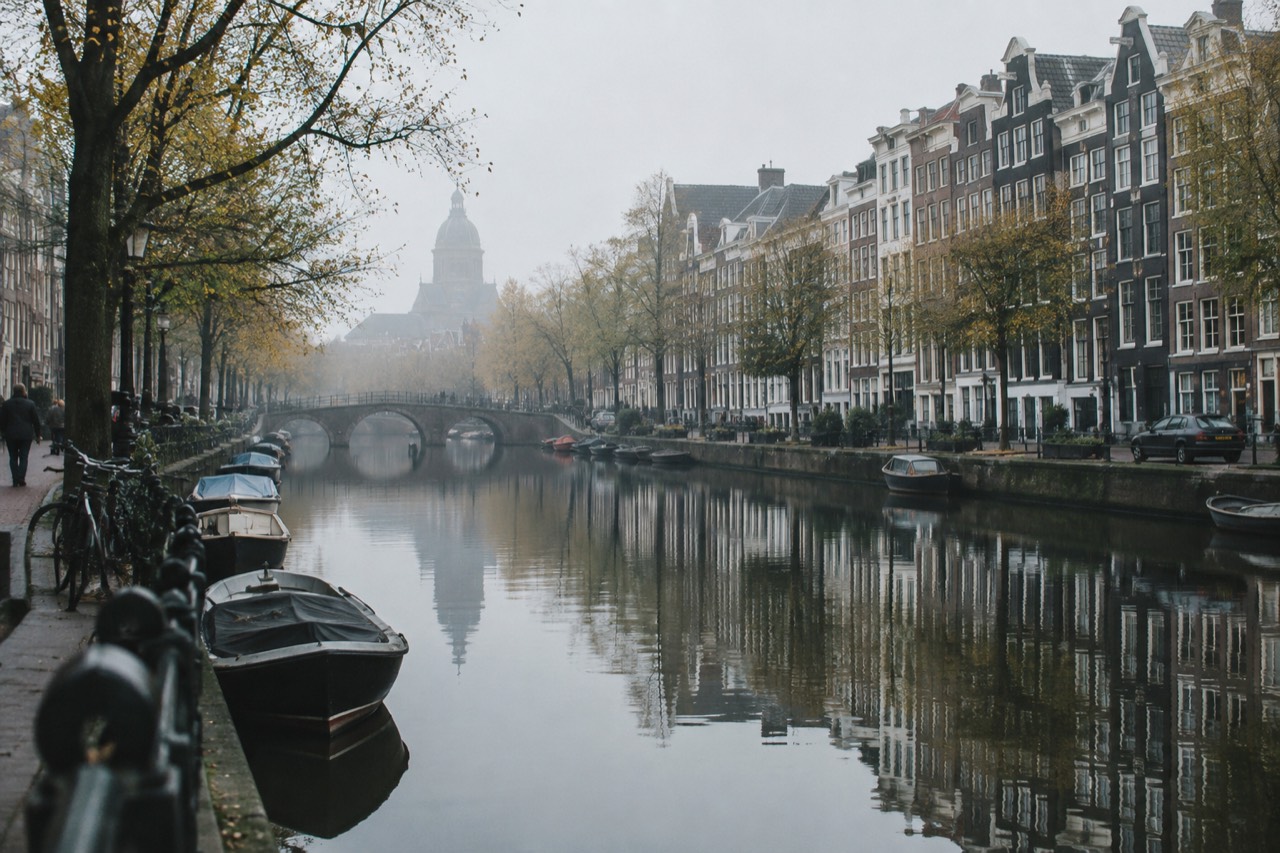
A canal cruise is the single most efficient way to see Amsterdam because the canal ring itself is the sight: the UNESCO World Heritage area of 17th-century merchant houses, gabled facades and more than a hundred bridges is only fully visible from the water. One-hour cruises start at about €15.50 with an operator, and the most-booked option on the roster runs $15 with a 4.3 rating across 21,335 reviews.
The argument for doing it early in your trip is orientation. A one-hour loop past the Magere Brug, the Dancing Houses and the Golden Bend gives you a mental map that no walking tour matches, and you will pass under bridges and through neighbourhoods that are genuinely hard to reach on foot in the same time. The classic one-hour cruise with audio commentary in 19 languages departs from three docks, including one next to the Rijksmuseum and one near the Anne Frank House, which makes it easy to bolt onto a museum day.
The roster is deep enough that the choice is really about format, not whether to go. Here is how the main options compare:
| Cruise | Duration | Rating | From | Best for |
|---|---|---|---|---|
| Canal cruise from three departure points | 1 hour | 4.3 (21,335 reviews) | $15 | Cheap, frequent, audio guide in 19 languages |
| Classic saloon boat with drinks and cheese | 1 hour | 4.8 (33,435 reviews) | $19.56 | Historic wooden boat, live guide, small boat feel |
| Evening city lights cruise | 1 hour 30 minutes | 4.4 (23,214 reviews) | $21 | Illuminated bridges after dark |
| Modern cruise with local guide, bar and bites | 1 hour | 4.7 (6,128 reviews) | $26 | Open boat, guide commentary, drinks on board |
| Pizza dinner cruise with unlimited drinks | 1 hour 30 minutes | 4.5 (3,046 reviews) | $40 | Combining dinner with the cruise |
The saloon boat deserves its own word. These are late-19th-century wooden vessels, carefully restored and now running on quiet electric engines, some sailing the Amsterdam canals since 1902 per the operator's own listing. At 4.8 across 33,435 reviews it is the highest-rated high-volume cruise on the roster, and the price gap against the basic cruise is a few dollars. The trade-off is capacity: saloon boats are smaller, so they sell out faster.
The canal ring's UNESCO status is the reason all of this exists. The full story of the grachtengordel, why it was built and what to look for in the architecture, is covered in the Amsterdam canal ring guide. For now the point is simpler: of the top five, the cruise is the cheapest and the most flexible, and it is the one you can decide on the morning of.
What Makes The Rijksmuseum Worth Half A Day?
The Rijksmuseum is worth half a day because it is the national museum of the Netherlands, holding Rembrandt's The Night Watch in a purpose-lit hall alongside Vermeer, Frans Hals and a thousand years of Dutch history. Adult entry is €25, ages 18 and under are free, it opens every day of the year from 9am to 5pm, and every visitor including passholders must book a start time.
The museum's own practical page states the hours plainly: open every day of the year, including all public holidays. That reliability matters in a city where several attractions close on Mondays or shift hours by season. The timed-entry rule applies even to holders of the I amsterdam City Card and the Museumkaart; the card gets you in free, but you still reserve a start time online, and only a limited number of tickets is held at the entrance itself.
The ticket listing for the Rijksmuseum entry product carries a 4.7 rating across 33,205 reviews, and the collection explains it. The Gallery of Honour alone concentrates more Dutch Golden Age masterpieces per square metre than almost any room in Europe. Give it three to four hours if it is your first visit: the Night Watch gallery, the Vermeers, and the ship model and dollhouse galleries on the upper floors reward slow looking rather than a sprint.
Two facts that rarely make the listicles. First, the Rijksmuseum is included in the I amsterdam City Card, confirmed by the museum's own pricing page, which lists free entry for City Card holders, so card users should book the time slot but not the ticket. Second, the shop and café run until 6pm, an hour later than the galleries, but they are only accessible with an entrance ticket, so a late entry slot does not guarantee a late coffee. The full breakdown, including how the museum fits with the rest of Museumplein, is in the Rijksmuseum visitor guide. Current prices and the timed-entry rule are on the museum's official practical info page.
Why Is The Anne Frank Story The One You Must Plan Furthest Ahead?
The Anne Frank House is the one Amsterdam experience with no flexibility at all: tickets cost €16.50 for adults, €7 for ages 10 to 17 and €1 for under-10s, and they are sold only through the museum's own website for a specific date and time slot, with no door sales and no reseller of any kind. If the house itself is sold out, the Anne Frank walking tours cover the story in the streets around it.
The museum's own ticket page is unambiguous: you always have to book a ticket online for a specified date and time. Tickets are released in batches, and the house's price table states plainly that the I amsterdam City Card gives no discount and a Museumkaart covers only the €1 booking fee. No tour, pass or platform on this site or any other can sell you entry, and any product that seems to imply otherwise should be treated with suspicion. The official Anne Frank House tickets page is the only place to buy.
That rigidity is why the walking tours exist and why they sell so well. The small-group guided walk through the Jewish Quarter, rated 4.9 across 4,680 reviews from $33, covers the wartime history, the deportation monuments and the story of Anne Frank in the neighbourhood where her family lived before the hiding period. The one-hour version, at 4.8 across 15,104 reviews from $22, compresses the same story for tighter schedules. Both state clearly that they are street walks, not house entry, and the listings are honest about it.
The distinction matters for planning. If the house is your priority, set a reminder for the ticket release and book the moment your dates are fixed. If the release has already passed you by, a walking tour plus the Jewish Cultural Quarter, whose Portuguese Synagogue and museum complex sit a short walk from the house, delivers a genuine and moving version of the same history. The Anne Frank House guide on this site covers the release mechanics in detail.
Should The Heineken Experience Be Your Fifth Pick?
The Heineken Experience earns the fifth slot because it is Amsterdam's most entertaining indoor attraction: a 4.6 rating across 39,581 reviews, a 90-minute self-guided route through the original 19th-century brewery, tastings included, from $23. It is the pick that fills an evening or a rainy afternoon when the museums are done, and unlike the top two museums it rarely needs booking weeks ahead.
The building is the real thing: the original Heineken brewery in the centre of the city, where the company brewed for over a century before production moved out. The route runs through the old copper kettles, the stables and a series of multimedia installations, ending with the tasting room. The listing describes over 150 years of brewing heritage brought to life through exhibits and displays, and the review volume, 39,581 at last count on the roster, makes it the second most-reviewed product in the city's food and drink category after nothing at all.
It is also the most flexible of the five. Sessions run through the day and into the evening, the ticket is for a timed slot but slots are plentiful, and the location on Stadhouderskade puts it a ten-minute walk from both the Rijksmuseum and the Heineken-branded canal cruise that some tickets can be combined with. For visitors who have done the two big museums and a cruise, it is the natural next move, and for groups with mixed interests it is the one attraction that reliably pleases everyone.
The honest caveat: beer fans rate it higher than indifferent drinkers do. If nobody in your group drinks, swap the fifth slot for the De Wallen walking tour, the small-group version rated 4.9 across 9,142 reviews from $26, and read the red light district guide first. City rules bind those tours tightly: groups are capped at 15, tours run only between 08:00 and 22:00, and no route may pass the windows. Those rules are the reason the tours are as calm and as history-focused as they now are.
How Do You Fit The Top Five Into Two Or Three Days?
You fit all five into two days by pairing each museum with a cruise or a walk on the same day, and using the evenings for the Heineken Experience. Day one: Van Gogh Museum in the morning, canal cruise after lunch, Heineken Experience in the evening. Day two: Rijksmuseum in the morning, Anne Frank walk or house visit in the afternoon. A third day turns the pressure off entirely and adds a day trip.
The pairing logic is geographic and temporal. Museumplein holds the Van Gogh Museum, the Rijksmuseum and the Stedelijk in one square, but doing both heavyweight museums on the same day defeats most visitors, so the sequence splits them. The cruise docks at the Rijksmuseum and near the Anne Frank House let you move between the water and the doors without backtracking. Here is the compact plan:
| Slot | Day One | Day Two |
|---|---|---|
| Morning | Van Gogh Museum, first timed slot of the day | Rijksmuseum, book the 9am start |
| Midday | Lunch on Museumplein or in De Pijp | Jewish Quarter walk, self-guided or tour |
| Afternoon | One-hour canal cruise from the Rijksmuseum dock | Anne Frank House timed entry, or the walking tour if sold out |
| Evening | Heineken Experience, then dinner in the centre | Evening city lights cruise or a brown café |
Booking order should follow scarcity, not enthusiasm. The Anne Frank House ticket comes first, whenever you plan to go, because it is the only one that can simply be unavailable. The Van Gogh Museum slot comes second, especially for spring and summer dates. The Rijksmuseum slot is easier but still worth locking in. The cruise and the Heineken Experience can both be decided a day or two ahead, or on the day, which is why they anchor the flexible slots in the table.
Families get a quiet bonus here: under-18s enter the Van Gogh Museum and the Rijksmuseum free, so the two most expensive tickets in the top five simply do not apply to children. The cruise and the Heineken Experience carry child rates on their listings. If you have three days rather than two, the third day is best spent out of the city entirely, and the best day trips from Amsterdam guide lays out the options, from Zaanse Schans windmills to the canal village of Giethoorn.
Common Questions About the Top Five Things to Do in Amsterdam
What Are The Top Five Things To Do In Amsterdam?
The top five are the Van Gogh Museum, a canal cruise, the Rijksmuseum, the Anne Frank story, and the Heineken Experience. Together they cover the city's art, its water, its history and its brewing heritage, and four of the five sit within walking or short tram distance of the centre.
Which of the five needs booking furthest in advance?
The Anne Frank House, without question. Tickets are sold only on the museum's own website for a specific time slot, with no door sales and no resellers. The Van Gogh Museum comes second: every visitor needs a pre-booked timed entry ticket and slots sell out in peak season.
Is the I amsterdam City Card valid for the top five?
Partly. It includes the Rijksmuseum and a free canal cruise, but the Van Gogh Museum and the Anne Frank House are excluded, and the Heineken Experience is not a free inclusion. Card holders still need to book a timed slot at the Rijksmuseum.
Can you do all five in one day?
It is technically possible but not enjoyable. The two big museums each deserve three hours, the cruise takes an hour, and the Anne Frank House visit takes about an hour plus the queue-free arrival a timed ticket gives you. Two days is the realistic minimum; three is comfortable.
What is the cheapest of the five?
The canal cruise. The basic one-hour cruise starts at $15 on the booking roster, and one operator's own counter price for a classic one-hour cruise is €15.50. It is also the only one of the five you can buy on the day without penalty.
Are the top five good with kids?
Mostly yes. Under-18s enter the Van Gogh Museum and the Rijksmuseum free, the cruise is an hour of sightseeing with no walking, and the Heineken Experience is adults-oriented but allows minors with a non-alcohol package on the listing's terms. The Anne Frank House recommends its content for ages 10 and up.