Amsterdam Canal Ring (Grachtengordel): The Complete Guide to Amsterdam's Canals
The Grachtengordel, Amsterdam's canal ring, is a masterpiece of 17th-century urban planning and a UNESCO World Heritage site. This guide walks you through its history, the four main waterways, and the best ways to experience them.
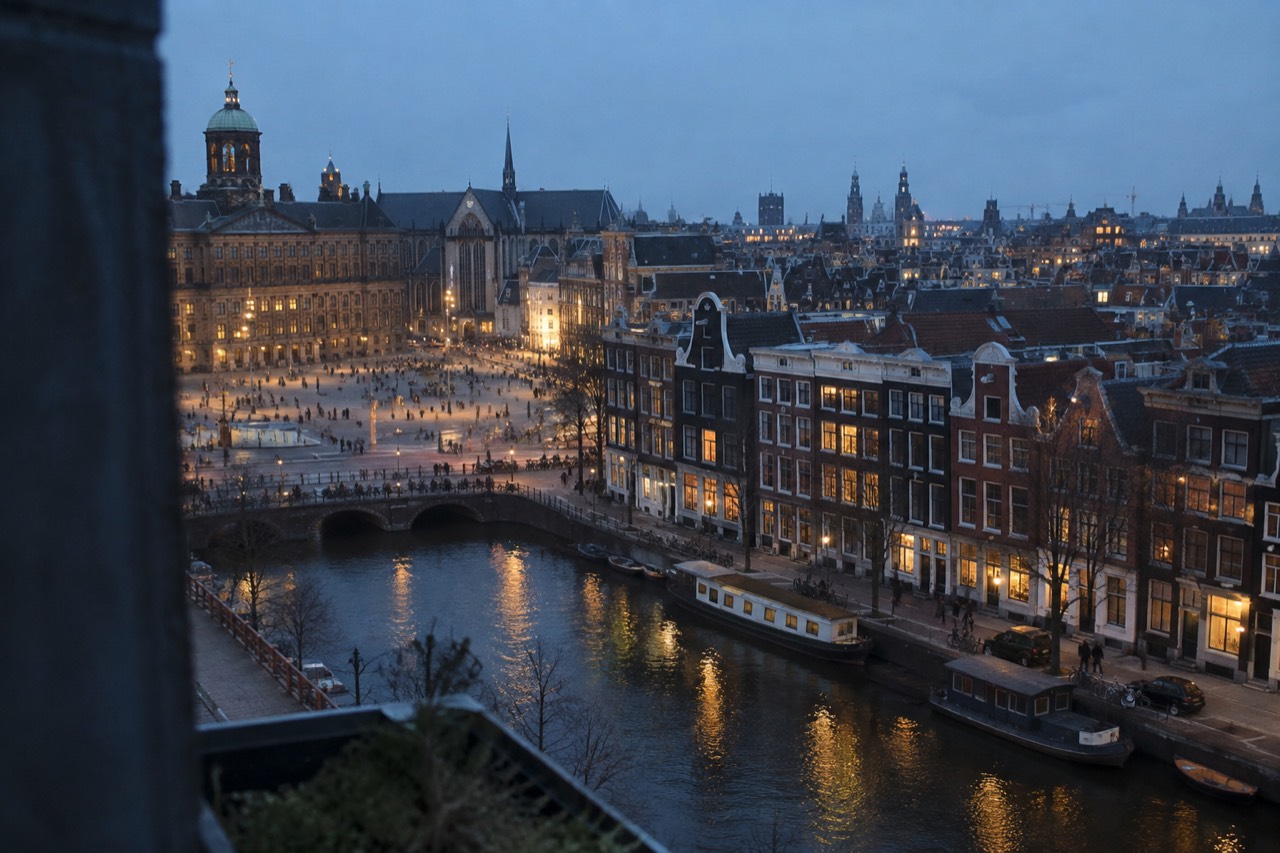
Short answer
The Amsterdam Canal Ring is a UNESCO World Heritage site of four half-circle canals, Singel, Herengracht, Keizersgracht, Prinsengracht, built in the Dutch Golden Age. It spans about 170 hectares, holds over 1,500 monumental buildings, and is best explored by boat tour, on foot, or from the water at dusk.
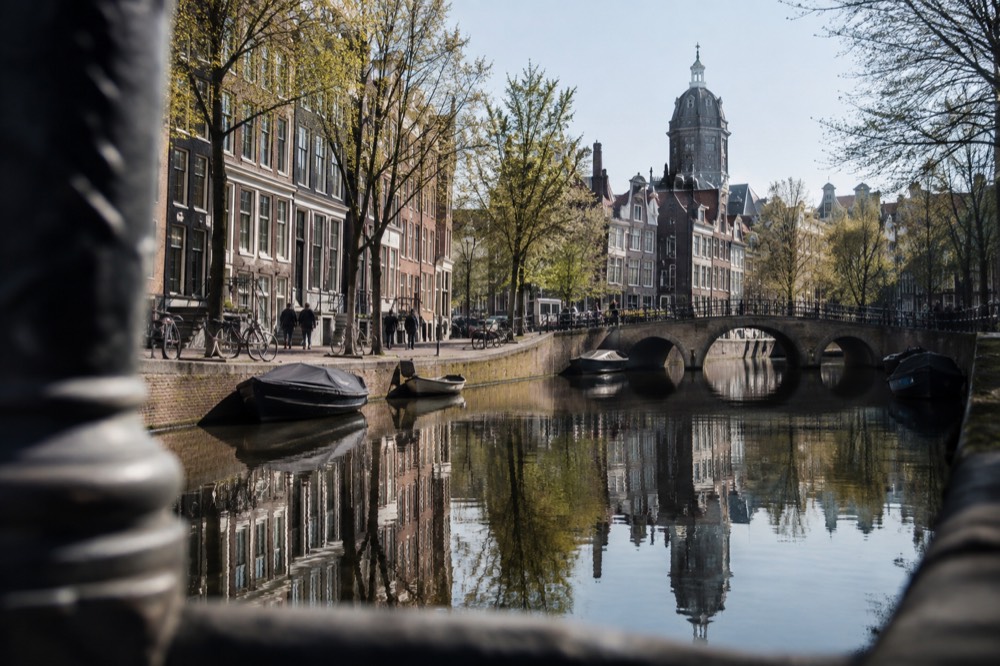
When people search for "canals in Amsterdam," they are really asking about the Grachtengordel, the half-moon of waterways that wraps around the old city centre. The canal ring is not one canal but four: Singel, Herengracht, Keizersgracht and Prinsengracht. They were dug in the 17th century to drain the marsh, move goods and display the wealth of the Dutch Golden Age. More than three centuries later it still defines how the city looks and how a visitor should explore it. On Things to Do in Amsterdam, every third page sends a reader toward this UNESCO-listed district, so this guide pulls together everything that matters: the story, the streets, the sights and the best ways to get onto the water.
What Makes the Canal Ring a UNESCO World Heritage Site?
The Grachtengordel earned World Heritage status because it is the only known example of a city plan built entirely around concentric canals. The four main waterways and the radiating cross-streets were laid out in a single, coordinated extension of the medieval core during the 17th century, and the architecture along their banks remains almost wholly original. The UNESCO committee described the canal ring as a masterpiece of hydraulic engineering, town planning, and a rational programme of bourgeois construction. In plain terms, Amsterdam decided to triple its size by digging half-circles of water, lining them with merchant houses on narrow plots, and then filling the spaces in between with warehouses, churches and a few green pockets. The result is a city whose street pattern is read as easily from a boat as from a map.
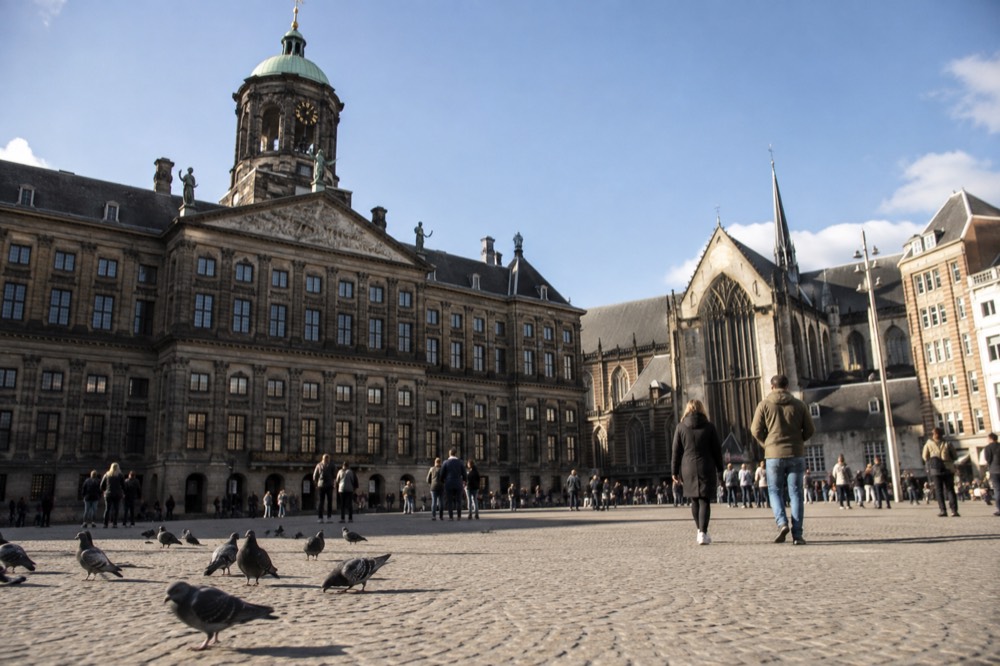
The scheme was designed by the city carpenter Hendrick Jacobsz Staets, though the real force was the city council's determination to create a "new town" that would house the craftsmen, merchants and immigrants pouring into the port. The canals were dug in parallel: Herengracht first for the wealthiest, Keizersgracht next, Prinsengracht last. By the late 1600s the ring was complete, and it has not been fundamentally altered since. That alone is remarkable in a city that has rebuilt itself several times over.
The ring was never a victim of Haussmann-style boulevard cutting, so the silhouette of stepped, neck, bell and spout gables is the same one a painter would have seen in the Dutch Golden Age. That visual continuity, combined with the completeness of the hydraulic system, is why it stands as the world's reference model for a canal city.
What Are the Four Main Canals in Amsterdam?
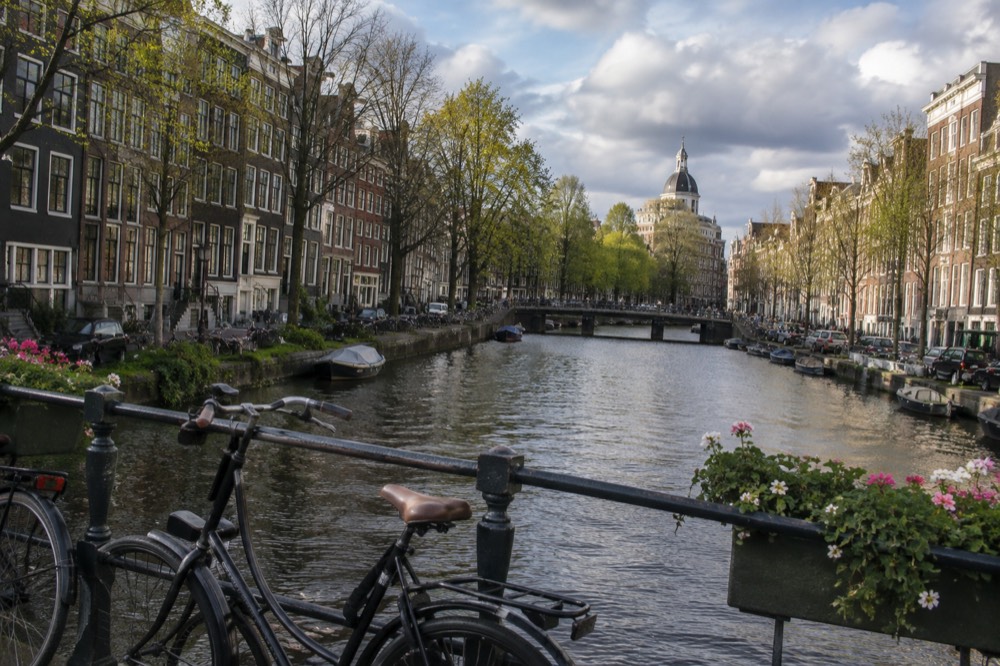
The four canals that form the historic ring are the Singel, the innermost and oldest, originally a defensive moat; Herengracht, the Gentlemen's Canal and historically the most fashionable; Keizersgracht, the Emperor's Canal and the widest of the four; and Prinsengracht, the Prince's Canal, once lined with warehouses, breweries and churches. They run in concentric half-circles from the IJ bay outward, connected by roughly 80 radiating bridges. Each canal has a distinct character. The Singel, the oldest of the four, was dug as a western city moat and widened during the 17th-century expansion. Today its banks hold the floating flower market and a string of merchants' houses with their original gable stones still in place. Herengracht was reserved for the city's regents and richest traders: the Golden Bend between Leidsestraat and Vijzelstraat still has the grandest double-wide residences in the centre, many of them now housing banks, consulates and private foundations.
| Canal | Character | Notable Feature | Landmark |
|---|---|---|---|
| Singel | Intimate, oldest of the ring | Narrowest, once a city boundary | Floating Flower Market |
| Herengracht | Grand, wealthiest addresses | Golden Bend with the largest canal houses | Museum of the Canals |
| Keizersgracht | Wide, quiet, residential | Broadest canal, least boat traffic | Groenlandse Pakhuizen warehouses |
| Prinsengracht | Lively, working character | Brewers' canal, lined with churches | Anne Frank House, Westerkerk |
Keizersgracht, the widest, was named after Emperor Maximilian I and carries the least boat traffic, making it a favourite for evening strolling. Prinsengracht, outermost, was the workers' and brewers' canal: the Anne Frank House sits on its western bank, and the Westerkerk tower is the landmark most boat captains point to first. Beyond these four, the outer Singelgracht, not to be confused with the inner Singel, marks the 17th-century city limit and is today a busy ring road with trams and cars. The Brouwersgracht, a radial canal, connects Prinsengracht to the IJ and has one of the loveliest warehouse-framed vistas in the city.
How Can I Best Explore Amsterdam's Canals?
The most complete way to experience the Grachtengordel is to combine a boat tour with a walking itinerary along the towpaths. A one-hour cruise gives you the sweep of all four canals, while a walk lets you stop at bridges, courtyards and canal-house museums that no boat can reach. The most atmospheric moments come at dusk, when the bridges are lit and the water goes still. Over 200 commercial vessels ply the canals every day, so you have more choice than many visitors realise. The simplest distinction is between a large glass-roofed tour boat with a taped commentary in multiple languages and a small open boat with a live guide. The first is inexpensive and runs every 30 minutes from several docks around the centre; the second costs more but turns a ride into a conversation. The operator's own listing will show you exactly which departure points and commentary style each boat offers.
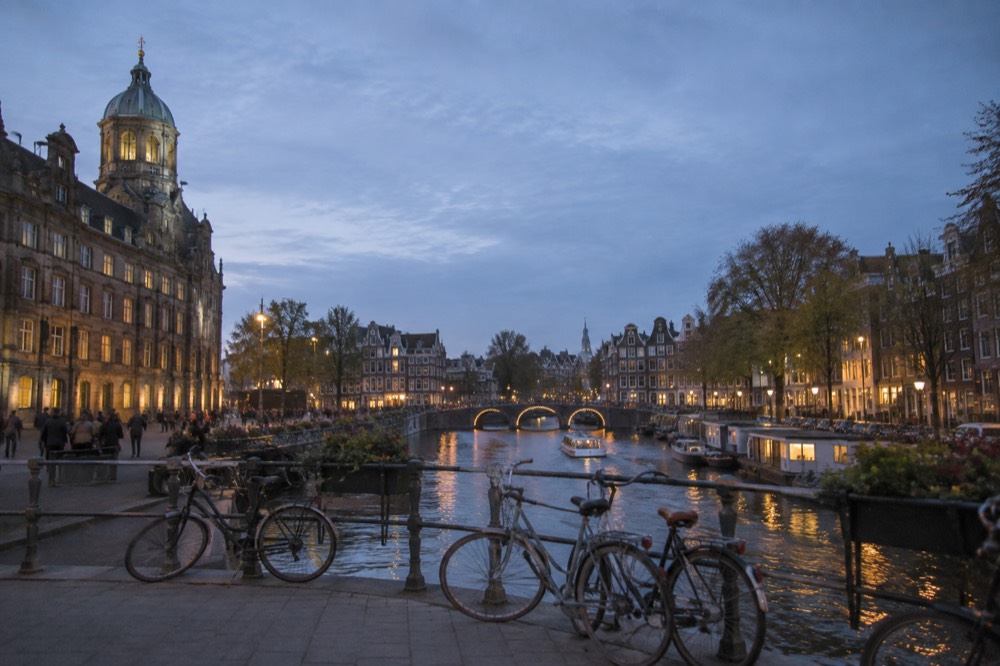
On foot, the best strategy is to trace one canal from end to end. A walk along Keizersgracht from Brouwersgracht to Leidsegracht takes about 40 minutes, passes the odd-numbered warehouses and the fox-themed gable stones, and throws you out near the Spiegelkwartier antique district. Early morning, before the boat engines start, the water acts as a mirror for the gables; that is the hour when the ring most deserves the word postcard-worthy. The city's official tour regulations also set the standards for commercial boats, so verified operators run within set hours and follow noise and route rules.
Which Canal Cruise Is Right for Me?
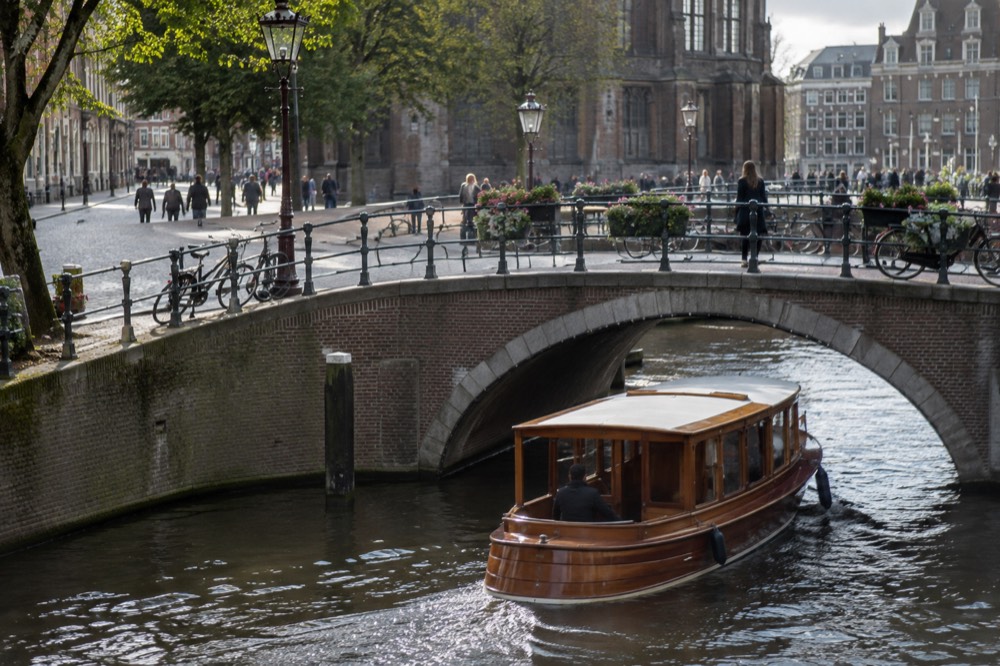
Small electric saloon boats offer the most authentic experience: a covered wooden craft from the early 1900s, a live skipper who narrates what you are seeing, and the option to add Dutch cheese and wine. If you prefer a roomier, open-deck boat with a bar, a luxury cruise fits better. For a straightforward, budget-friendly run-through, the one-hour classic saloon boat hits all four canals quickly. The choice matters because the same 60-minute stretch of water can feel completely different depending on the boat. A traditional saloon boat seats perhaps 25 people under a fixed roof, so you stay dry in rain and can hear the guide without a loudspeaker. An open boat on a warm evening gives you unobstructed views of the gables but leaves you exposed to a sudden shower. Most cruises run from late morning until the last departure around 22:00, and the evening runs, with the bridges illuminated, are consistently rated higher.
Larger glass-topped tour boats operate on a fixed loop and are the easiest to book on the day. They depart from the Rijksmuseum dock, Central Station and near the Anne Frank House, and most run an audio guide in a dozen or more languages. The trade-off is that the boats are less personal: you sit in rows of seats rather than around a table, and the recorded script cannot answer follow-up questions. For a family or a traveller who simply wants to see the ring in an hour, they do the job well. For anyone who wants to understand what they are looking at, a live guide on a small boat is worth the higher price.
What Landmarks Should I See Along the Canal Ring?
The canal ring is lined with landmarks that range from world-famous museums to tiny hidden courtyards. On Prinsengracht alone you pass the Anne Frank House, the Westerkerk with its 85-metre tower, and the Homomonument. Herengracht holds the Museum of the Canals and the grandest double-wide merchant houses on the Golden Bend, while Keizersgracht offers the leafy, quieter side of the ring with waterside cafés. Start on Prinsengracht. The Anne Frank House sits at number 263, and while its tickets sell out weeks in advance through the museum's own site, the exterior and the adjacent square are a stop on almost every walking route. Two blocks north, the Westerkerk tower is the highest church spire in the city and the one Anne Frank herself wrote about hearing from the annexe. The Homomonument, a pink granite triangle on the Keizersgracht side of the Westerkerk, is the world's first memorial to LGBTQ+ people persecuted throughout history.
Herengracht's Golden Bend, between Leidsestraat and Vijzelstraat, is where the city's wealthiest merchants built houses twice as wide as the standard Amsterdam plot. Many are now offices or private residences, but several open their doors during Open Monumentendag, the annual heritage weekend in September. The Museum of the Canals, housed in a magnificent Herengracht mansion, tells the story of the ring's construction with period rooms and an interactive model of the 17th-century expansion plan.
| Landmark | Canal | Type | Notes |
|---|---|---|---|
| Anne Frank House | Prinsengracht | Museum | Timed tickets only, book weeks ahead via the museum's own site |
| Westerkerk | Prinsengracht | Church | Tallest church tower in Amsterdam; tower climb available seasonally |
| Museum of the Canals | Herengracht | Museum | Period rooms and a scale model of the canal expansion |
| Golden Bend | Herengracht | Architecture | Double-wide merchant houses between Leidsestraat and Vijzelstraat |
| Houseboat Museum | Prinsengracht | Museum | A former cargo barge turned into a lived-in canal home |
| Groenlandse Pakhuizen | Keizersgracht | Architecture | 17th-century warehouses with distinctive stepped gables |
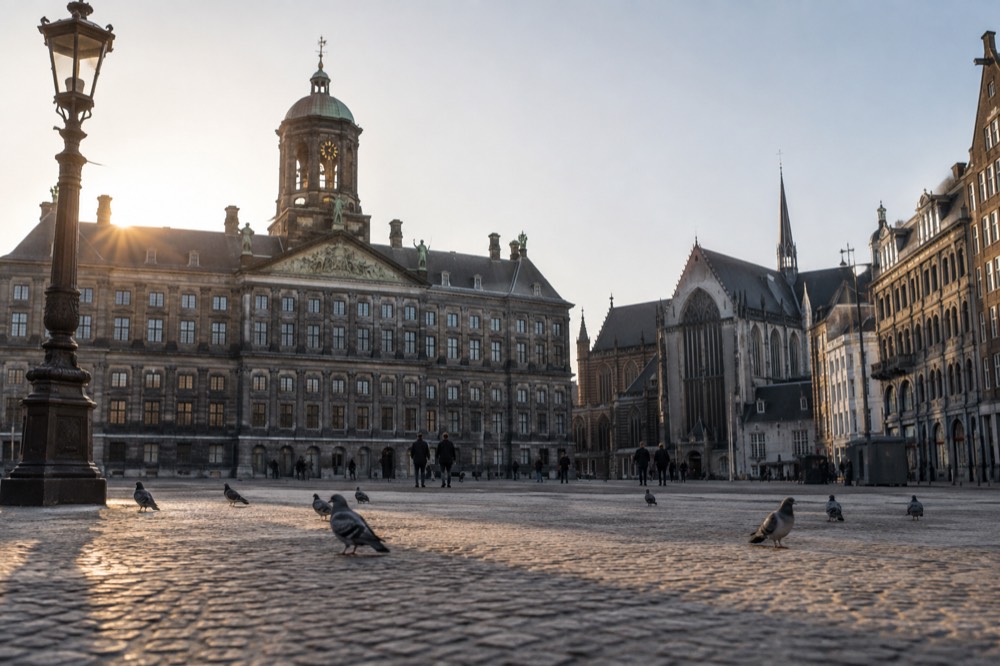
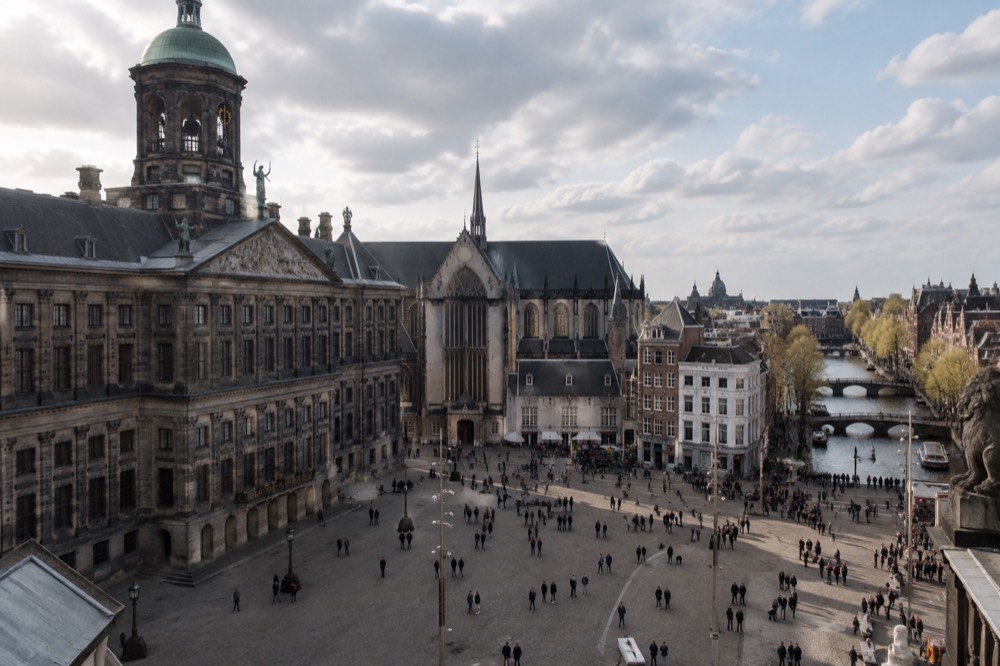
Keizersgracht rewards a slower pace. The Greenland Warehouses, a row of narrow brick buildings near the intersection with Raadhuisstraat, stored whale oil and Arctic goods in the 1600s. Today they house apartments and a gallery, and the view across the water toward the back of the Royal Palace on Dam Square is one of the best mid-canal photographs you can take without a boat.
Can I Explore the Canals on Foot, and Which Walk Is the Best?
Walking the towpaths is free, open-ended and gives you the detail that a boat cabin obscures. The best single walk follows Prinsengracht from the Brouwersgracht junction to the Amstel, a roughly three-kilometre route that takes in the Anne Frank House, the Westerkerk, the Houseboat Museum, and ends at the Skinny Bridge. Start where Brouwersgracht meets Prinsengracht. The view behind you, looking back along Brouwersgracht itself, is a corridor of hoist-beam warehouses and drawbridges that looks almost unchanged since a 19th-century engraving. Head south along Prinsengracht and you will pass the Noordermarkt on your left, a square that hosts a Saturday farmers' market and a Monday vintage and fabric market. A hundred metres further, the Anne Frank House queue is already forming by mid-morning; walk past and note the plaque, then continue.
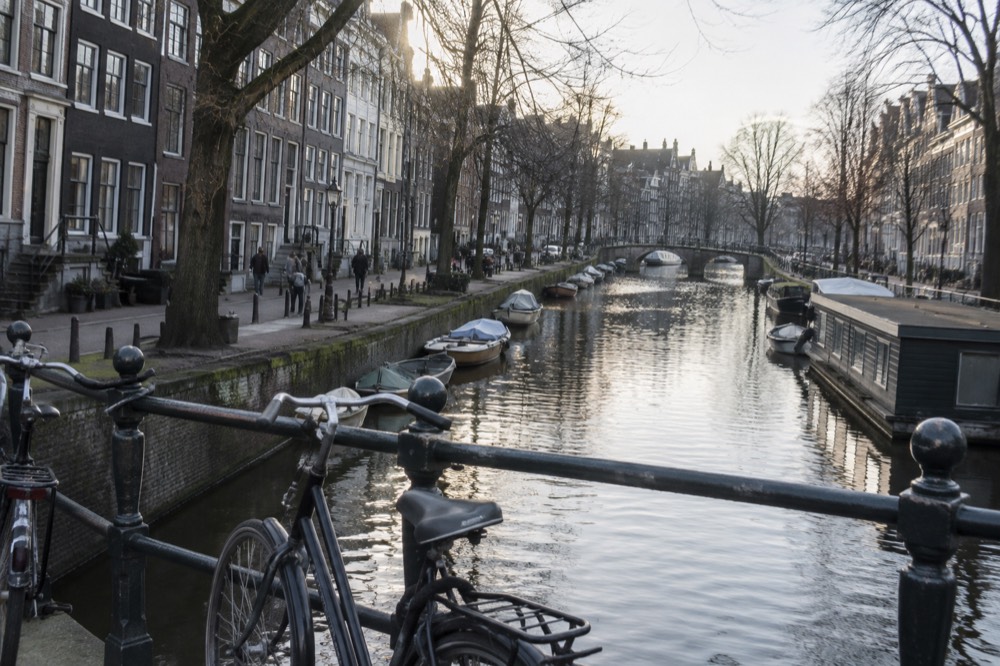
The section between the Westerkerk and Leidsegracht is the busiest on foot, with bikes, trams crossing at Rozengracht and a constant flow of pedestrians. Once you pass Leidsegracht and head toward the Rijksmuseum end, the canal widens slightly and the crowds thin out. The last stretch follows Prinsengracht to the Amstel river, where the Magere Brug, the Skinny Bridge, arches over the water. At night the bridge is lit by hundreds of bulbs, and the view back up the Amstel toward the Stopera is a classic Amsterdam night photograph.
Walking Herengracht instead gives you the grandest architecture but narrower towpaths and more parked bicycles to navigate. Keizersgracht is the most peaceful of the three middle canals for a stroll, with fewer tour boats and wider quays on some stretches. A good strategy is to walk the length of one canal and return along the next one inland, creating a loop of about an hour.
When Is the Best Time for Canal Photographs?
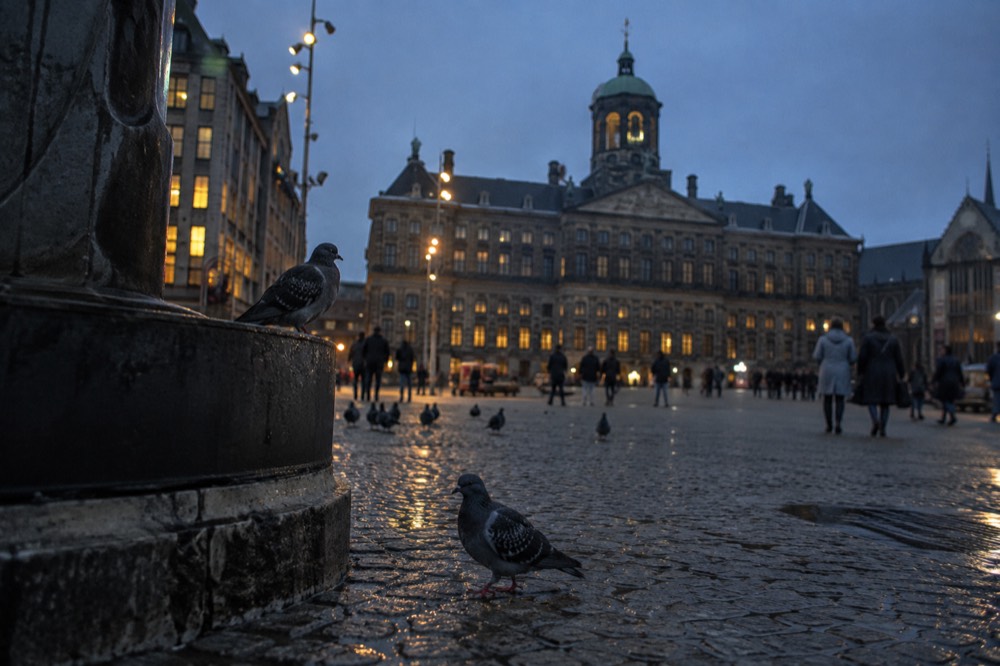
The best light falls at two times of day: early morning, roughly an hour after sunrise, when the canals are empty of boats and the water is glassy, and the blue hour just after sunset, when the bridge lights come on and the sky deepens from navy to indigo. The winter months, November through January, offer both at sociable hours. Amsterdam's northern latitude means the golden hour stretches longer in summer, but the canals are busiest between 10:00 and 16:00, especially in July and August. If you want clean reflections without boat wakes, you need to be on the quayside by 07:00 in summer or by 08:30 in spring and autumn. The bridges at the Seven Bridges intersection on Reguliersgracht, where you can see seven arched bridges in a single line-of-sight, are especially sensitive to ripples: one passing boat and the perfect reflection is gone for 10 minutes.
| Condition | Photography Result | Best Time | Best Location |
|---|---|---|---|
| Still water, no boats | Mirror reflections of gables | Sunrise + 1 hour | Keizersgracht, Reguliersgracht |
| Lit bridges, dark sky | Golden arches on black water | 30 min after sunset | Magere Brug, Seven Bridges |
| Soft grey overcast | Moody, evenly lit facades | Any daytime hour | Herengracht Golden Bend |
| Fog or mist | Atmospheric, vanishing-point shots | Early morning, autumn/winter | Brouwersgracht junction |
The Amsterdam Light Festival runs from late November to mid-January and turns the eastern canals into an open-air gallery of illuminated installations. Boats run special evening routes through the lit artworks, and the quayside views along the Herengracht and the Amstel are free. That six-week window is the single most photogenic period on the water, and it coincides with the shortest days of the year, so you can shoot from about 16:30 onward.
What Hidden Details Reward a Closer Look?
Beyond the postcard views, the canal ring holds hundreds of small, easily missed details: gable stones that identify a house's trade, hidden courtyards tucked behind unmarked doors, hoist beams still used to move furniture into upper floors, and water-level houseboat gardens that change with the seasons. Gable stones are the painted or carved tablets set into the facade above the door. Before street numbers, a baker's house showed a loaf of bread, a butcher's a pig, a ship's chandler an anchor. Dozens survive, especially on the older Singel and Prinsengracht buildings. Look for them at first-floor height, often partly obscured by a tree or a lamp bracket, and you will start to read the street as a 17th-century directory of trades.
The hoist beam, a wooden or iron spar protruding from the top gable of almost every canal house, is the answer to a question every visitor asks: how do you get a sofa into a house with a staircase barely wider than a ladder? Furniture, pianos and boxes go up via a pulley and through the upper windows, which are deliberately wider than the door. On moving day, which is still a common sight, you will see a rope, a hook and a team of two men dangling a wardrobe four storeys above the water.
Houseboats are another layer of the ring worth studying. More than 2,500 are permanently moored on the city's waterways, many on Prinsengracht and along the outer Singelgracht. Some are converted cargo barges with rooftop terraces and winter gardens; others are purpose-built floating homes that look like small apartments. The Houseboat Museum on Prinsengracht, a former sailing barge named Hendrika Maria, lets you walk through a real canal home and see how the galley, sleeping cabin and living room fit into a space barely four metres wide.
The courtyards, or hofjes, are the hardest to spot because they were built as secluded almshouses for elderly women, set back from the canal behind a narrow entrance door. The most accessible is the Begijnhof, just off the Singel near the Amsterdam Museum, which surrounds a green courtyard with houses dating to the 1500s. It is free to enter, with a strict silence rule, and it is one of the few places in the centre where the canal ring's density suddenly gives way to grass, trees and the sound of a single fountain.
How Do I Get to the Canal Ring and What Does It Cost?
The canal ring is the city centre: you walk out of Centraal Station and you are already on the northern edge of it. Accessing the towpaths, bridges and quays is free. The only cost is whatever you choose to spend on a cruise, a museum entry, or a drink at a waterside café. Trams 2, 12, 13 and 17 all cross the ring at various points, so you can hop on and off along the route. From Amsterdam Centraal Station, it is a five-minute walk to the Singel and under ten minutes to Herengracht. If you arrive at Schiphol, the train to Centraal takes roughly 17 minutes. From there, the entire ring is walkable: the distance from the northernmost tip at Brouwersgracht to the southern exit at the Amstel is under four kilometres.
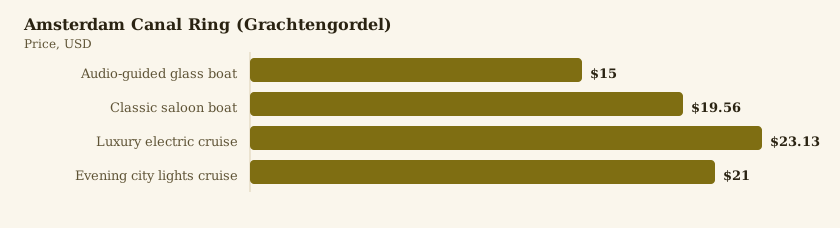
Canal cruise prices on the operator's listing start from about $15 for a basic one-hour audio-guided tour, with small saloon boat experiences, including drinks, ranging higher. The dinner cruises and private charters sit at the upper end depending on the menu and duration. Check the live listing for current availability because capacity is capped and the most popular evening departures sell out in peak months.
| Cruise Type | Duration | Style | Price Indicator |
|---|---|---|---|
| Audio-guided glass boat | 1 hour | Large boat, recorded commentary | From about $15 |
| Classic saloon boat | 1 hour | Wooden boat, live guide, drinks included | From about $19.56 |
| Luxury electric cruise | 1 hour | Open boat, bar, snacks option | From about $23.13 |
| Evening city lights cruise | 1 hour 30 minutes | Covered boat, wine optional | From about $21 |
No ticket or pass is required to walk the canals, photograph the bridges, or sit on a quayside bench. The canal ring is public space, and the city's official guidance confirms that guided tours are permitted within specific hours and group-size limits, so the free walking tours that pass through the area operate under the same rules as commercial boat operators.
Common Questions About Canals in Amsterdam
Can you swim in the Amsterdam canals?
Swimming is officially discouraged and is not common in the city centre canals. Water quality has improved substantially in recent decades, and sections of the outer waterways in Amsterdam Noord and near the Marineterrein allow supervised swimming in summer, but the inner ring sees heavy boat traffic and is not safe for swimmers. Check the city's official water quality map for designated spots.
How deep are the Amsterdam canals?
The average depth of the main canals is around 2.6 metres, though this varies by location. Below the water sits a layer of silt and mud that can be a metre thick, and beneath that the sandy bottom. The canals are shallow enough that large vessels cannot navigate the inner ring, which is why tour boats are mostly flat-bottomed and draw less than a metre of water.
Do the Amsterdam canals freeze in winter?
They occasionally freeze over during prolonged cold snaps when temperatures stay below minus 4°C for several days. When the ice reaches a safe thickness, usually around 5 to 8 centimetres, the city cordons off sections and opens them for skating. The last widespread freeze that covered the inner ring was several years ago, and a full ring skate is increasingly rare. When it does happen, the Prinsengracht and Keizersgracht are typically the first sections cleared.
Are there fish in the Amsterdam canals?
Yes, the canals hold perch, pike, roach, bream and zander, among other species. Water quality has improved enough that the ecosystem supports a substantial fish population, and you will often see anglers on the quaysides, especially along the outer Singelgracht and near the Amstel. The fish are not recommended for eating, but catch-and-release fishing is common.
What is the best canal cruise for a first-time visitor?
A one-hour cruise on a small, open or saloon-style boat with a live guide is the best introduction to the canal ring. You cover all four main canals, hear context you will not get from a recorded commentary, and finish in time to walk whichever stretch caught your eye. The classic saloon boat cruises that include drinks and cheese sit at the sweet spot of atmosphere and value.
Do I need to book a canal cruise in advance?
In peak months, April through September, the most popular evening and small-group cruises sell out a day or more ahead. Large glass-topped tour boats with frequent departures can usually be booked on the day, but a specific time slot is not guaranteed. Booking online in advance secures your preferred time and avoids a wasted trip to the dock.