What Is Considered The Best Restaurant In Amsterdam?
There is no single best restaurant in Amsterdam, and the honest answer depends on what kind of meal you want. This guide breaks the question into fine dining, Dutch classics, brown cafés and food tours, with booking advice that works.
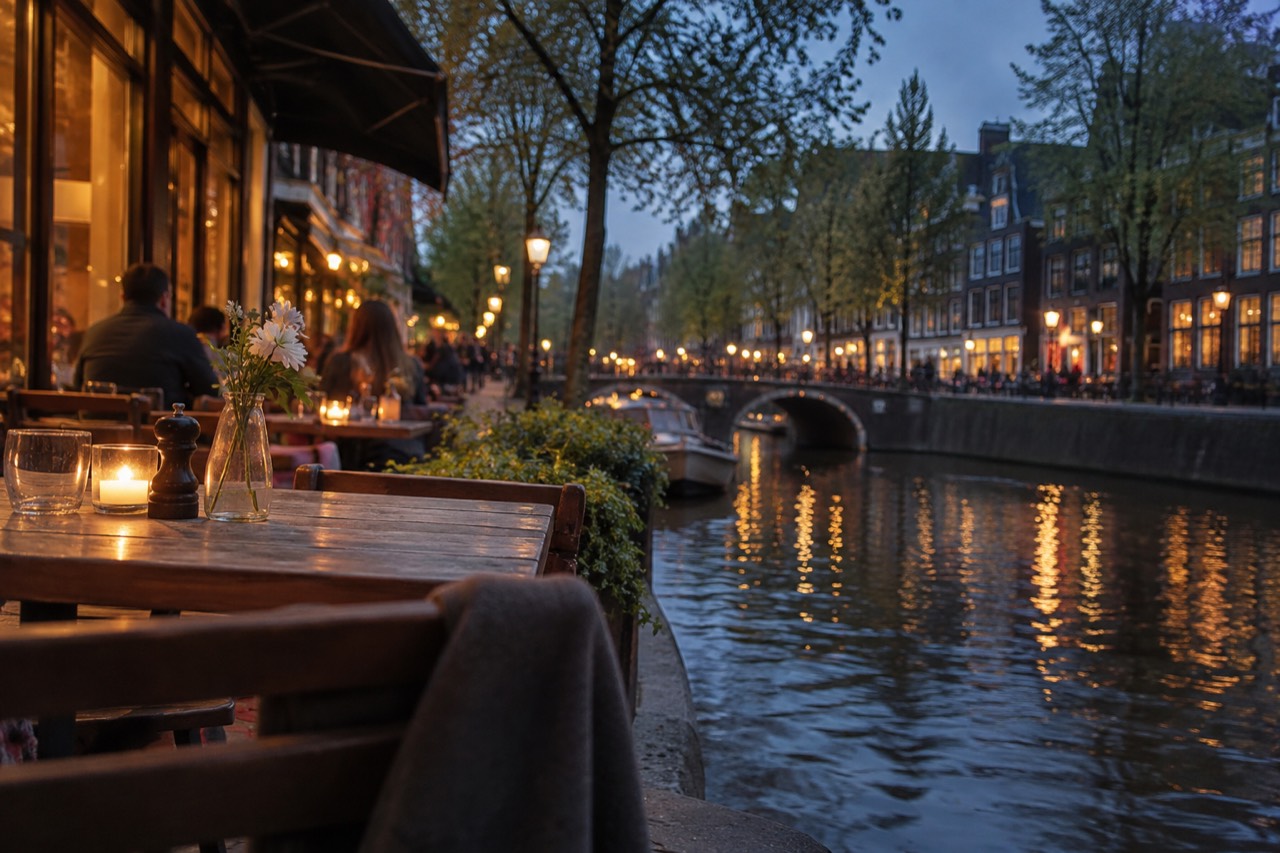
Amsterdam does not crown one restaurant, and any list that claims otherwise is selling you somebody's preference rather than a fact. The city's dining scene runs from formal kitchens whose names travel internationally to candlelit brown cafés where the menu has not changed in decades, and the "best" one depends entirely on whether you want a celebration, a lesson in Dutch food, or a plate of bitterballen beside a beer. The question deserves a real answer, so this page breaks it into the categories that actually compete for the title and helps you decide which one fits your evening.
The honest starting point: Amsterdam recorded 23.7 million tourist overnight stays in 2025, and a large share of those visitors ate out every night. Demand is the reason the good rooms fill fast and the reason a little planning changes everything.
What Is Considered The Best Restaurant In Amsterdam?
There is no single best restaurant in Amsterdam, and the city's own food culture works against the idea of one. The strongest general answer is that the top tier is made up of the fine-dining rooms in and around the canal ring and the big hotels, while the meal most travellers remember longest is often a simple Dutch plate in a brown café or a guided tasting walk through the neighbourhoods. If you want one name to research first, look at the kitchens that hold international awards along the canals, then decide whether that style of evening is what you actually want.
The reason the question has no clean answer is that Amsterdam rewards several completely different kinds of eating. A dinner that costs a week of groceries and lasts four hours can be genuinely superb, and so can a herring grabbed at a market stall. The Dutch themselves mostly do not eat formally very often; the restaurant culture here leans casual, early and unpretentious, with the fancy rooms reserved for special occasions. A visitor who plans only Michelin-level meals can end up missing the layer of the food scene that locals actually live in.
The most useful way to use this page is to decide what kind of evening you want first, then pick the category. The table below maps the main contenders for the title and what each one is really good at.
| Category | What It Delivers | Best For |
|---|---|---|
| Fine dining in the canal ring and grand hotels | Multi-course menus, wine pairings, service built around the evening | Anniversaries, one blow-out night, food-motivated trips |
| Classic Dutch restaurants | Stamppot, haring, Dutch cheeses, seasonal game in autumn | Travellers who want to taste the country, not just a good meal |
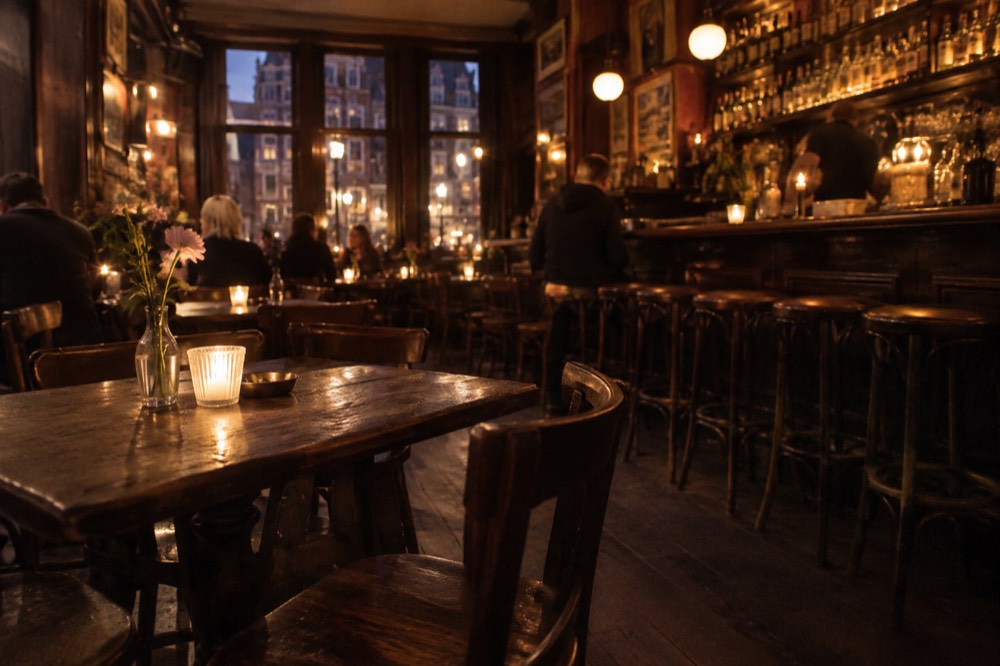
| Brown cafés | Simple plates, Dutch beer, interiors older than most countries | Low-key evenings, long conversations, bad weather |
| Modern neighbourhood kitchens | Short menus, local produce, casual rooms in De Pijp and Oud-West | Second and third nights, eating where locals eat |
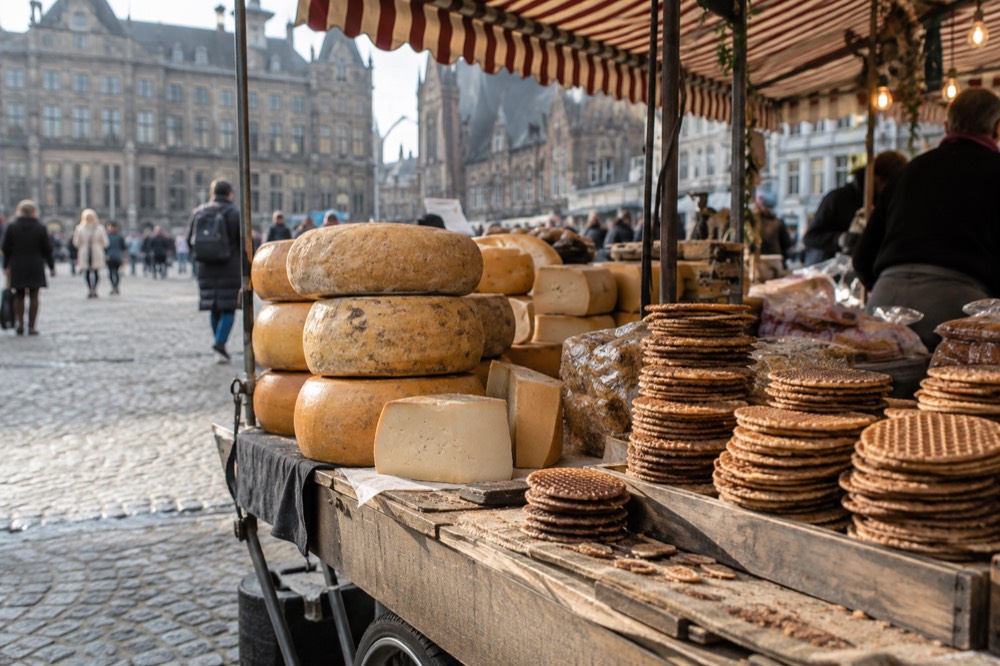
| Market and street food | Stroopwafels, haring, frites, cheeses by weight | Lunches, budget days, grazing between sights |
For a deeper city-by-category breakdown, the site's full Amsterdam restaurants guide sorts the scene by neighbourhood, price band and style, and it is the right next click if you already know what kind of meal you are after.
One thing worth saying early: the fine-dining tier in Amsterdam is genuinely strong, and it has the awards to show for it, but the rooms at that level book out weeks ahead. If a celebratory dinner is the centrepiece of your trip, reserve before you fly. If it is not, the rest of this page will save you money and possibly deliver a better memory.
What Kinds of Restaurants Compete for the Title?
The restaurants that get called Amsterdam's best fall into four groups: the internationally known fine-dining kitchens of the canal ring and hotel rooftops, the modern chef-driven rooms in De Pijp and Oud-West, the classic Dutch eateries serving traditional food, and the historic brown cafés that locals defend fiercely. Each group wins a different definition of the word best, and travel writers who name a single champion are usually picking from just one of these groups.
The formal tier is the one that shows up in global rankings. These are kitchens with tasting menus, sommeliers and reservation books that open a month or more ahead. The cooking is often French-influenced with Dutch produce at the centre, which is a real Amsterdam signature: North Sea fish, polder vegetables, and cheeses from just outside the city. A dinner here is an event, planned around rather than squeezed in. Several of these rooms sit inside or on top of the grand hotels around the canal ring, which puts the view and the kitchen in the same building.
The second group is younger and more casual. De Pijp and the streets around the Foodhallen are full of small kitchens where the chef is also the person handing you the plate. Menus are short and change with the market. You will eat well, pay noticeably less than in the hotel dining rooms, and be sitting among Amsterdammers rather than visitors, which for many people is the entire point of eating out in a foreign city. The site's guide to where locals eat in Amsterdam covers this layer street by street.
The third and fourth groups are the Dutch ones. Traditional restaurants serve the food the country actually eats at home: thick pea soup in winter, stamppot, haring when the season allows, and cheese in quantities that surprise first-time visitors. The brown cafés take it further back in time; these are the small, dark, wood-panelled pubs that have served the same neighbourhoods for generations, and many serve a short menu of simple Dutch plates alongside the beer. For the full story of that world, read the site's brown cafés of Amsterdam guide.
| Dutch Classic | What It Is | Where You Will Find It |
|---|---|---|
| Haring | Raw herring, served with onions and gherkins | Market stalls and fish shops, eaten standing |
| Bitterballen | Crisp fried balls of a meaty ragout, bar snack staple | Every brown café, usually with mustard |
| Stamppot | Potato mashed with vegetables, served with sausage or bacon | Traditional restaurants, autumn and winter menus |
| Stroopwafel | Two thin waffles glued with caramel syrup | Bakeries and market stalls, best eaten warm |
| Poffertjes | Small puffed pancakes with butter and powdered sugar | Cafés and seasonal stalls |
If tasting your way through those classics sounds more appealing than reading about them, the site's Dutch foods to try guide explains each dish, where it came from and how to order it without feeling like a tourist.
Where Do Locals Actually Eat in Amsterdam?
Locals in Amsterdam mostly eat in casual neighbourhood kitchens, brown cafés and at home, and they reserve the famous fine-dining rooms for birthdays and anniversaries rather than ordinary weeknights. The restaurants Amsterdammers return to weekly are in De Pijp, Oud-West, the Jordaan and along the eastern docklands, where the menus are short, the prices are sane and nobody is dressed up. That is the tier to aim for if you want the city's real eating culture rather than its showcase.
The geography matters more than most guides admit. The streets immediately around Dam Square and the main canal arteries hold the highest concentration of restaurants aimed squarely at visitors, and quality there is uneven. Walk fifteen minutes into the Jordaan or De Pijp and the ratio flips: the rooms are smaller, the menus are in Dutch first, and the tables around you belong to people who live in the neighbourhood. The difference is not about price, it is about who the kitchen is cooking for.
Timing is the other local habit worth copying. The Dutch eat early by southern European standards, with kitchens often starting dinner service around 18:00 and the last orders coming well before midnight. The city's rules reinforce this in the busiest areas: in the core of De Wallen, outdoor terraces close at 01:00 and indoor hospitality closes at 02:00 on weekends, under rules in force since 1 April 2023, and street drinking is prohibited in the city centre under the municipality's visitor guidance on How to Amsterdam. Plan the big dinner for the evening and give the night a soft landing.
Getting home afterwards is easy. Trams and the metro run late into the night, and a single GVB ticket costs €3,40 for an hour of travel, with a 24-hour pass at €10,00, per the operator's own fare page. A restaurant at the edge of De Pijp or in Oud-West is never more than a short ride from the centre.
How Do You Get a Table at the Top Rooms?
Getting into Amsterdam's most in-demand restaurants is a booking problem, not a money problem: the best rooms release tables weeks ahead, so reserve as early as your travel dates allow, go at opening time for walk-in chances, and keep the neighbourhood kitchens as a same-night fallback. The single biggest mistake visitors make is deciding where to eat at five in the afternoon, when the famous rooms have been full for a fortnight.
For the formal tier, book the moment your dates are fixed. Many of the top kitchens take reservations a month or more out, and weekend tables go first. If you are flexible, weekday dinners are dramatically easier, and a Tuesday at a great kitchen beats a Saturday somewhere mediocre. Note the local rhythm: kitchens start service early, so a 18:00 or 18:30 booking is normal and gets you the room at its freshest. The rest of the planning pages sit on Things to Do in Amsterdam.
If you could not book ahead, two honest strategies remain. The first is to go at opening time and ask for a seat at the bar or a walk-in table; smaller chef-driven rooms hold a few seats for exactly this. The second is to drop a tier on purpose: the modern neighbourhood kitchens in De Pijp and Oud-West often have same-evening space and cook at a level that does not need an apology. Treat the fallback as a discovery rather than a consolation.
One practical warning that belongs in any Amsterdam food article: check the closing times of wherever you end up. The Wallen rules above are the strictest, but the city centre generally winds down earlier than visitors expect, and a kitchen's last orders can come an hour before the bar stops pouring. Build the evening around the booking, not the other way round.
What Should You Eat Beyond Fine Dining?
The dishes most worth eating in Amsterdam are the Dutch classics: haring from a market stall, bitterballen in a brown café, stamppot in a traditional restaurant, warm stroopwafels from a bakery, and aged Gouda or Edam cheese with almost anything. None of these need a reservation, none cost fine-dining money, and together they tell you more about the country than a tasting menu ever will.
Start with the herring, because it is the test. Raw, cured herring served with chopped onion is the Netherlands on a paper plate, and the stalls that sell it are everywhere in the centre. Locals eat it standing, holding it by the tail. If raw fish is a step too far, the fried layer of the cuisine will catch you instead: bitterballen, the crisp ragout balls that arrive with mustard in every brown café, and frites from the famous sauce-heavy fry shops.
The sit-down classics centre on stamppot, mashed potato folded through greens or sauerkraut with a sausage on top, which is exactly what the climate calls for. Cheese deserves its own paragraph: the country's most famous exports, Gouda and Edam, are sold everywhere from airport shops to market stalls, and the aged versions are a different experience from the wax-wrapped rounds most travellers know. If your trip has room for a cheese-focused day trip, the towns of Edam and Gouda are both reachable from Amsterdam and both have dedicated guides on this site.
Then there is beer, which in Amsterdam is as much a food category as a drink. The country's most famous brewery name began here, and the original brewery building in the centre of the city is now a museum of the beer itself: the Heineken Experience, a 90-minute self-guided attraction that walks you through the brewing story and pours a tasting along the way. It rates 4.6 across 39,581 reviews and tickets start at $23, which makes it one of the better-value food-adjacent outings in the centre, and a natural pre-dinner stop on a day built around eating.
Pair the visit with a dinner in the same part of town and you have an evening that covers both halves of Dutch hospitality: the beer that made the city famous and the plate that finishes it.
Is a Food Tour Better Than One Big Dinner?
For many travellers, yes: a guided food tour delivers more variety, more context and more neighbourhood access in one afternoon than a single restaurant can, and in Amsterdam the best-rated option is a walking tour built around roughly ten Dutch tastings, rated 5.0 across 1,157 reviews at $92 for three and a half hours. A food tour is not a replacement for a special dinner, but it is the smarter buy on a short trip.
The logic is arithmetic. One restaurant gives you one kitchen's version of the city. A tasting walk gives you haring, cheese, bitterballen, stroopwafels and a dozen other stops in a single afternoon, with a local explaining what each one is and where to find it again. On a two- or three-day visit, that breadth is worth more than a second formal dinner, and the walk doubles as a neighbourhood tour of streets you would otherwise never reach.
The stand-out option on this site's roster is the food and culture walking tour, which leads a guided route through the city with a local and stops for tastings along the way. A perfect 5.0 rating across more than a thousand reviews is unusual anywhere in travel, and it reflects what these tours do well: small groups, real neighbourhoods and a guide who answers the questions you would otherwise type into a search bar that night. Check availability if the dates line up with your trip.
The honest comparison is this: a food tour teaches you the city's food in an afternoon, and a great restaurant deepens one evening. Travellers with time for both should do both, with the tour early in the trip so the dinner reservation benefits from everything the guide told you.
How Do You Build the Perfect Food Day in Amsterdam?
A strong food day in Amsterdam stacks three layers: a market breakfast, a long lunch somewhere Dutch, and either the big reserved dinner or a brown-café evening, with the Heineken Experience or a canal cruise filling the gap between them. The city is compact enough that none of this requires more than a tram ride, and the day flows better if the eating is spread rather than concentrated.
Morning belongs to the markets. The Albert Cuyp Market and the street food around it open early and sell stroopwafels, haring and cheese in the space of a few hundred metres. Lunch, taken late by Dutch standards, is the moment for a traditional restaurant or a brown café plate, and the afternoon gap is where the city's attractions slot in. The Heineken Experience sits close to the centre and takes about 90 minutes, which is exactly the size of the gap between lunch and an 18:00 dinner reservation. The Van Gogh Museum, the other anchor of the Museumplein, is another 90-minute-to-two-hour stop and pairs with dinner in the museum quarter.
Evening is the decision point. If you booked the formal room weeks ago, this is where the day has been heading. If you did not, the brown café route is not a downgrade: a beer, a plate of bitterballen and a room that has looked the same for a century is the evening many regular visitors to Amsterdam now prefer. Either way, eat early enough to enjoy it, because the kitchens wind down and the trams, cheap and frequent as they are, still stop eventually.
The last piece of advice is the one people skip: leave one meal unplanned. Amsterdam's best food memories often come from the room you found by accident in the Jordaan, the bakery you passed twice, the stall you would have walked by with a full itinerary. The city feeds 23.7 million overnight visitors a year and its residents every night; it can handle a little improvisation from you.
Common Questions About the Best Restaurant in Amsterdam
What Is Considered The Best Restaurant In Amsterdam?
There is no single winner. The fine-dining kitchens of the canal ring and grand hotels hold the international reputation, but the meals travellers rave about most are often simpler: a Dutch classic in a traditional restaurant, a plate in a brown café, or a guided tasting walk. Decide what kind of evening you want, then book within that category.
Do I Need to Book Amsterdam Restaurants in Advance?
For the famous fine-dining rooms, yes, and often weeks ahead, especially for weekends. Neighbourhood kitchens and brown cafés are more forgiving, and same-day or walk-in tables are realistic on weekdays. Booking the moment your travel dates are fixed is the only reliable strategy for the top tier.
What Food Is Amsterdam Actually Known For?
Haring, bitterballen, stamppot, stroopwafels, poffertjes and aged Gouda and Edam cheese, plus a strong beer culture that began with the city's own breweries. None of these require a reservation, and most can be tasted in a single afternoon on a market street or a guided food walk.
Is Fine Dining in Amsterdam Worth the Money?
For a food-motivated trip or a celebration, it can be: the top rooms cook with North Sea fish, polder vegetables and Dutch dairy at a level that earns the reputation. For a short casual visit, a food tour plus a brown-café evening often delivers more lasting memories per euro spent.
Where Should I Eat to Avoid Tourist Traps?
Walk fifteen minutes out of the core. The Jordaan, De Pijp and Oud-West hold the neighbourhood kitchens where locals actually eat, with short menus and fair prices. Streets with multilingual picture menus directly off the main canal arteries are the ones to treat with caution.
What Time Do Amsterdam Restaurants Close?
Kitchens start dinner service around 18:00 and take last orders well before midnight, and the busiest areas close earlier than visitors expect. In the core of De Wallen, terraces close at 01:00 and indoor venues at 02:00 on weekends. Book early seatings if you like a long evening.