What Is The Best Area To Stay In Amsterdam As A Tourist?
A straight answer to where tourists should stay in Amsterdam, comparing Centrum, the Jordaan, De Pijp, Oost and Noord on price, noise and walkability.
What Is The Best Area To Stay In Amsterdam As A Tourist?
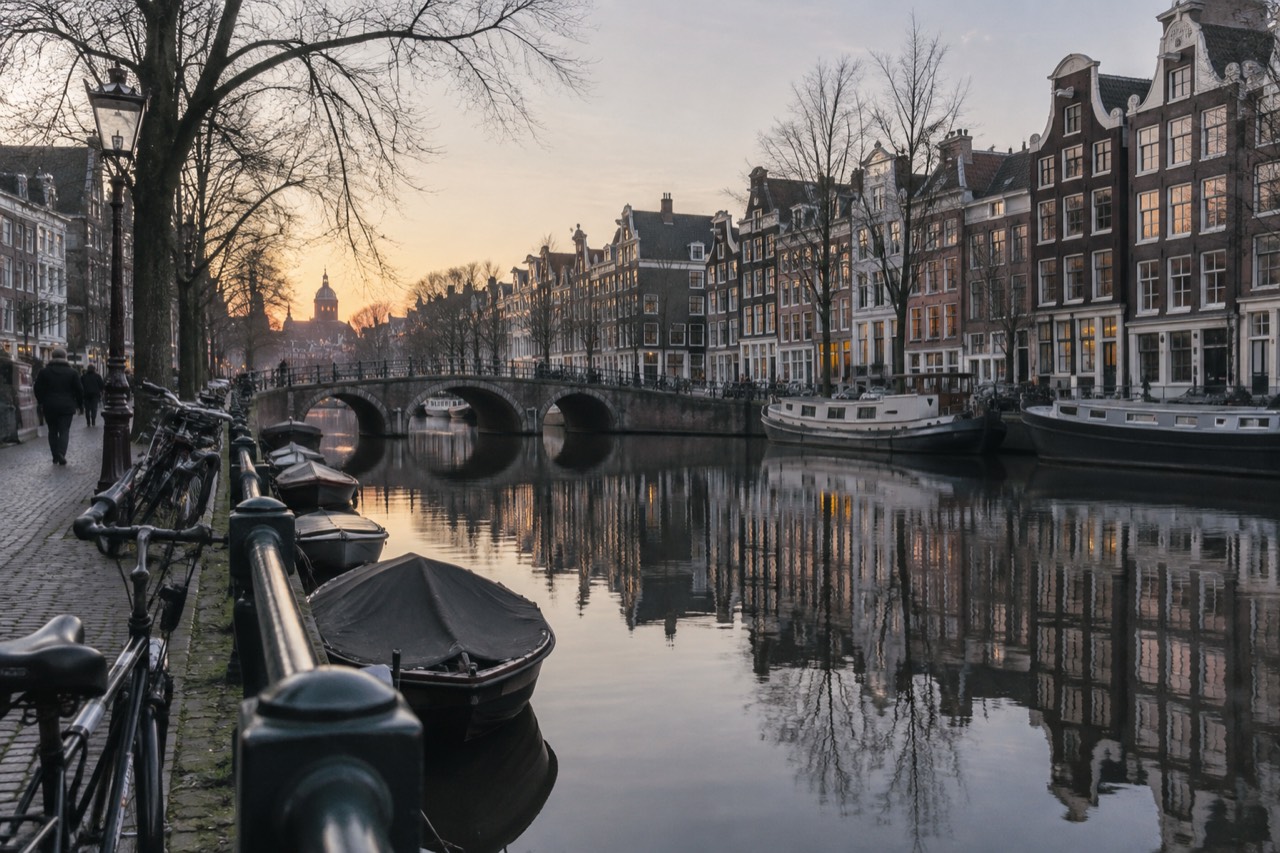
The best area for most tourists is the Canal Belt or the streets just south of it: the Jordaan, the Nine Streets and the western edge of Centrum. You can walk to Dam Square, the Anne Frank House and the major museums in under half an hour, tram lines cross it in every direction, and the nightly noise stays tolerable if you pick a side street rather than a square.
Everything else is a trade. Staying right on Damrak puts every landmark within a fifteen minute walk and puts you inside the loudest, most crowded strip in the city. Staying in De Pijp or Oost buys better restaurants and lower room rates for a ten or fifteen minute tram ride. Staying in Noord, across the IJ, cuts costs sharply and adds a ferry commute that runs all night. The right choice depends less on the neighbourhood's reputation and more on whether you value silence, price or step-out-the-door convenience, in that order, and only you know the ranking.
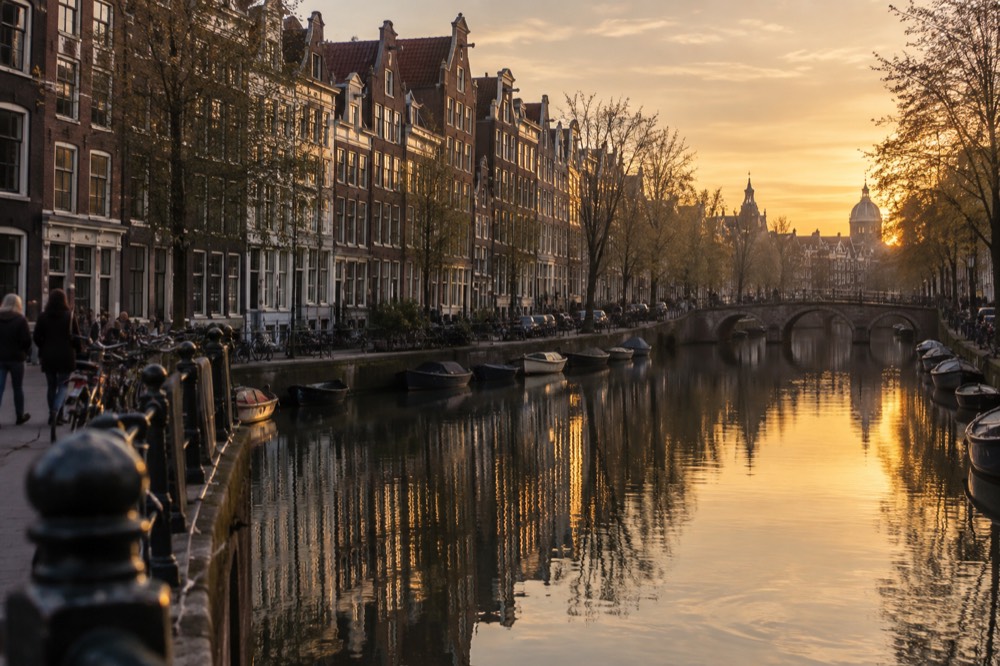
A useful frame before the neighbourhood-by-neighbourhood breakdown: Amsterdam is small. The whole inner city fits inside a ring of seventeenth-century canals roughly two kilometres across, and the tram and metro network stitches it together with short hops. A "bad" location in Amsterdam usually means one of three things: a room facing a party street, a cluster of stag-group bars, or a forty-minute commute you did not plan for. It rarely means danger, which is why the question of where to sleep in this city is really a question of noise and price rather than safety.
That said, the area you pick changes what your evenings look like. The Grachtengordel goes quiet after dinner. The centre around the red-light district does not, and has its own rules about what tours may do there and when. If your stay includes a guided walk, the small-group options below are the ones that fit the city's current regulations, with groups capped at fifteen and tours running between 08:00 and 22:00.
Where Should First-Time Visitors Stay in Amsterdam?
First-time visitors should stay in the Canal Belt or the Jordaan, between the Prinsengracht and the Westerkerk, or on the Nine Streets between the Herengracht and the Singel. Both put the Anne Frank House, Dam Square and Museumplein within a twenty to thirty minute walk, keep you on regular tram lines, and sit far enough from the red-light district that late-night noise is a side-street problem rather than a district-wide one.
The Jordaan is the strongest single pick for a first visit. It was built as working-class housing in the seventeenth century and never lost its small-scale street plan, so it is a mesh of narrow canals, independent shops and brown cafés rather than a strip of chain stores. Hotels here tend to be conversions of canal houses, which means character, steep stairs and small rooms. The trade is real: a four-flight climb with a suitcase is a genuine Amsterdam experience, and not always a pleasant one.
The Nine Streets, the shopping quarter where the Grachtengordel's cross-canals meet, put you one bridge from almost everything. From a hotel on the Herengracht you can walk to the Rijksmuseum in fifteen minutes, to the Anne Frank House in ten, and to Central Station in twenty. It is the most convenient address in the city, and the room rates reflect it.
What first-timers should genuinely avoid is the eastern half of Centrum around the red-light district, not because it is unsafe but because it is the one part of the centre that stays loud past midnight. If you do want to understand that district rather than just sleep next to it, the city's rules matter: guided groups are capped at fifteen people, tours run only between 08:00 and 22:00, and no tour may pass the windows. The small-group tour below is built around those rules and carries a 4.9 rating across 9,142 reviews at $26.
If your stay leans toward the history of the Jewish Quarter rather than the nightlife, the Anne Frank Story walk is the better fit: one hour, $22, a 4.8 rating from 15,104 reviews, and a route through the streets where that history actually happened. It is a walking tour in the open city, not entry to the Anne Frank House itself, whose tickets are sold only through the museum's own site.
Which Amsterdam Neighbourhood Is Best on a Budget?
Budget travellers should look at Amsterdam Noord, Amsterdam Oost around the Oosterpark, and the outer stretch of De Pijp furthest from the Albert Cuyp Market. Noord sits across the IJ river, connected by free commuter ferries that run day and night from behind Central Station, and room rates there run well below the centre for comparable quality. Oost and outer De Pijp trade a ten to fifteen minute tram ride for noticeably cheaper beds.
Noord deserves a longer explanation because it confuses people. It is technically a different side of the river, but the ferry crossing takes minutes and the ferries are part of the ordinary GVB network, running around the clock. You sleep in a quiet, post-industrial neighbourhood of converted warehouses, the NDSM wharf and the A'DAM Lookout, and you reach the centre faster than many people staying in the outer suburbs. The A'DAM Lookout itself charges €16.50 online against €18.50 at the counter, with the swing add-on at €7.50 online.
De Pijp is the middle option. The streets around the Albert Cuyp Market and the Sarphatipark put you in the city's best eating neighbourhood, and the walk to the Rijksmuseum is twenty minutes along the river Amstel. Rates sit between the centre and Noord. The catch is the market's own popularity: the blocks immediately around it are busy from early morning, so ask for a room facing the courtyard, which most Dutch buildings have.
One cost that is the same everywhere: the city's tourist tax, which is 12.5 percent of the overnight price excluding VAT, per the municipality's own tax page. It applies to hotels and holiday rentals alike, so it should be in your arithmetic regardless of which neighbourhood you choose. If you are weighing an apartment against a hotel, also know that holiday rentals in the central neighbourhoods, including the Jordaan, Grachtengordel-West and Oude Pijp, are capped at 15 nights per calendar year from April 2026 rather than the 30 nights that apply elsewhere in the city.
| Area | Vibe | Walk to centre | Price level | Best for |
|---|---|---|---|---|
| Canal Belt / Nine Streets | Golden-age canal houses, boutiques | 0 min | Highest | First visits, short stays |
| Jordaan | Quiet side canals, brown cafés | 5-10 min | High | Couples, character seekers |
| Centrum east | Loud, tourist-heavy, nightlife | 0 min | High | Groups, one-night stays |
| De Pijp | Market, restaurants, young crowd | 15-20 min walk | Mid | Food-focused trips |
| Oost / Oosterpark | Leafy, local, museums at the Plantage | 15 min by tram | Mid | Longer, slower stays |
| Noord | Converted warehouses, ferries | 10 min by ferry | Lowest | Budget and design hotels |
Is It Better To Stay Near the Red Light District or Away From It?
Stay away from it unless nightlife is the point of your trip. The streets around De Wallen and the Zeedijk stay loud into the small hours, they carry the city's densest concentration of stag groups and late bars, and the quiet canal-house atmosphere people picture when they book Amsterdam largely disappears east of the Dam. For most tourists, the district is better visited for two evening hours than slept beside for four nights.
The counter-argument is walkability. A hotel near the Oude Kerk is within ten minutes of Dam Square, Central Station, Chinatown and the Nieuwmarkt, and the room rates on the district's fringes can undercut the Jordaan. If you book there, pick the northern edge toward the Nieuwmarkt or the eastern edge toward the Plantage rather than the core alleys, and ask for a courtyard-facing room. Other pages covering the same trip are gathered on Things to Do in Amsterdam.
Visiting the district and sleeping next to it are different decisions, and the visiting part now comes with firm rules. The municipality permits guided tours only between 08:00 and 22:00, caps groups at fifteen, and prohibits any route past the sex workers' windows, with fines of €190 for an individual guide and €950 for a company. Photography of the windows is the subject of the city's official respect campaign: it is treated as a hard social norm enforced by staff, not a statutorily fined offence, and the practical advice is simply not to raise a camera there.
The small-group red-light tour below is the format the rules favour: ninety minutes, $26, a 4.9 rating from 9,142 reviews, and a guide rather than a megaphone. Our fuller treatment of the district's geography and etiquette is in the red light district rules and etiquette guide.
How Much Does the Area You Pick Change Your Daily Costs?
Less than you might expect, and mostly through transport and food rather than the room rate itself. A 24-hour GVB day ticket costs €10.00 and covers every tram, bus and metro line in the city, so even a stay in Noord or Oost adds only a euro or two per person per day in getting around, while restaurant prices in De Pijp and Oost run noticeably below the centre. The room rate is the variable that actually moves.
The transport arithmetic is worth spelling out. A single one-hour GVB ticket is €3.40, and the day card pays for itself on a third ride, which most visitors exceed by lunchtime. Contactless bank-card tapping, OVpay, also works on every GVB vehicle with a base fare of €1.16 plus €0.217 per kilometre and a daily cap. If your hotel is anywhere inside the ring, the honest conclusion is that you should choose the neighbourhood for its character and price, not for its distance from the sights.
Where the area does change costs is dinner. The centre's restaurant strip prices for tourists; De Pijp, Oost and the Dapperbuurt price for locals, and the difference across a week is real money. The trade is a fifteen minute tram ride, which in Amsterdam is barely a commute.
| Daily cost item | Typical figure | Notes |
|---|---|---|
| GVB 24-hour ticket | €10.00 adult, €5.00 child | Valid on all trams, buses, metro and ferries |
| GVB single (1 hour) | €3.40 | OVpay contactless is an alternative |
| Canal cruise (operator-verified) | from about €15.50 | Rederij Kooij one-hour cruise with audio guide |
| Rijksmuseum entry | €25 adult, free 18 and under | Timed slot must be booked online |
| Van Gogh Museum entry | €25 adult, free under 18 | Not in the I amsterdam City Card |
| I amsterdam City Card | €67 for 24 hours, €94 for 48 hours | Includes GVB transport and one canal cruise |
The I amsterdam City Card is worth a mention here because it bundles the transport question with the museum question: it includes unlimited GVB travel, entry to more than seventy museums and locations, one canal cruise and a 24-hour bike rental. It excludes the two biggest draws, the Van Gogh Museum and the Anne Frank House, and the Anne Frank House's own price table states plainly that the card earns no discount there. The full breakdown of when the card pays off is in our I amsterdam City Card worth-it analysis.
How Do You Decide Between Two or Three Candidate Areas?
Rank your stay on three questions, in this order: how late do you actually stay out, how much the room rate matters, and whether you will cook or eat out. If you are out past midnight, the centre's noise stops mattering and Centrum east becomes reasonable. If the room rate is the constraint, Noord wins. If you eat out every night, De Pijp and Oost beat the centre on food quality per euro.
Then check the building before the neighbourhood. Amsterdam hotel rooms in canal houses are small, and Dutch staircases are famously steep; a third-floor walk-up with a "charming" listing photo is a daily workout with luggage. Ask the hotel directly about floor, lift and room size in square metres, and treat a courtyard-facing room as worth a premium of a few euros a night anywhere in the centre. The tram ride from De Pijp or Oost is short enough that you lose nothing by staying outside the core.
Finally, anchor the stay with one booked walk early in the trip. A guided hour on day one teaches you the geography faster than any map, and the Anne Frank Story walk is the strongest candidate for a first day: $22, 4.8 across 15,104 reviews, and a route that ends within walking distance of most central hotels. Our wider comparison of paid and free options is in the Amsterdam walking tours guide.
A closing note on the longer formats, because the trio above includes two Anne Frank walks and they serve different trips. The one-hour version suits a packed first day. The two-hour small-group version at $33, rated 4.9 across 4,680 reviews, digs deeper into the Jewish Quarter and suits a stay with more time for history. Both are street walks; neither includes entry to the Anne Frank House, and no reseller can sell you that entry, because the museum releases tickets only through its own site on a set weekly schedule.
Common Questions About the Best Area to Stay in Amsterdam
What Is The Best Area To Stay In Amsterdam As A Tourist?
The Canal Belt and the Jordaan, with the Nine Streets as the single most convenient address. They put the main museums, Dam Square and the Anne Frank House within a half-hour walk, sit on every major tram line, and stay quiet at night on side streets. Noord is the best budget alternative, a short free ferry ride from Central Station.
Is Amsterdam Noord too far from the centre for tourists?
No. The GVB ferries behind Central Station run day and night, are part of the ordinary transport network, and cross the IJ in minutes. Many Noord hotels are closer to Dam Square in travel time than hotels in the outer suburbs of Zuid or West.
Which area should you avoid staying in Amsterdam?
The core alleys of the red-light district and the stretch of the Damrak, if you want sleep. They are not dangerous, but they host the city's loudest nightlife and its densest bar cluster, and the noise continues well past midnight. Visit for the evening; sleep a few canals west.
Is De Pijp a good area for a first visit?
It is a strong second-night choice. You trade a fifteen to twenty minute walk to the centre for the city's best everyday restaurant scene, the Albert Cuyp Market and the Sarphatipark, at room rates below the Grachtengordel. The tram connections along the Ferdinand Bolstraat are frequent.
Does it matter which side of the canal you stay on?
It matters more than most guides admit. Rooms facing a canal get the postcard view and the boat-engine hum until late; rooms facing the inner courtyard get silence and no view. In a canal house, courtyard-facing is usually the better sleep, and it is often the same price.
How many days should you stay to make the area choice matter?
For one or two nights, stay central and pay the premium, because every tram minute counts. From three nights onward, the calculus flips: the lower rates and better food of De Pijp, Oost or Noord repay the commute, and the transport cost difference is trivial on a €10.00 day ticket.