What Is The Number One Attraction In Amsterdam?
The Van Gogh Museum is the number one attraction in Amsterdam by visitor numbers, review volume and ticket demand. Here is the evidence, the runners-up and how to book.
What Is The Number One Attraction In Amsterdam?
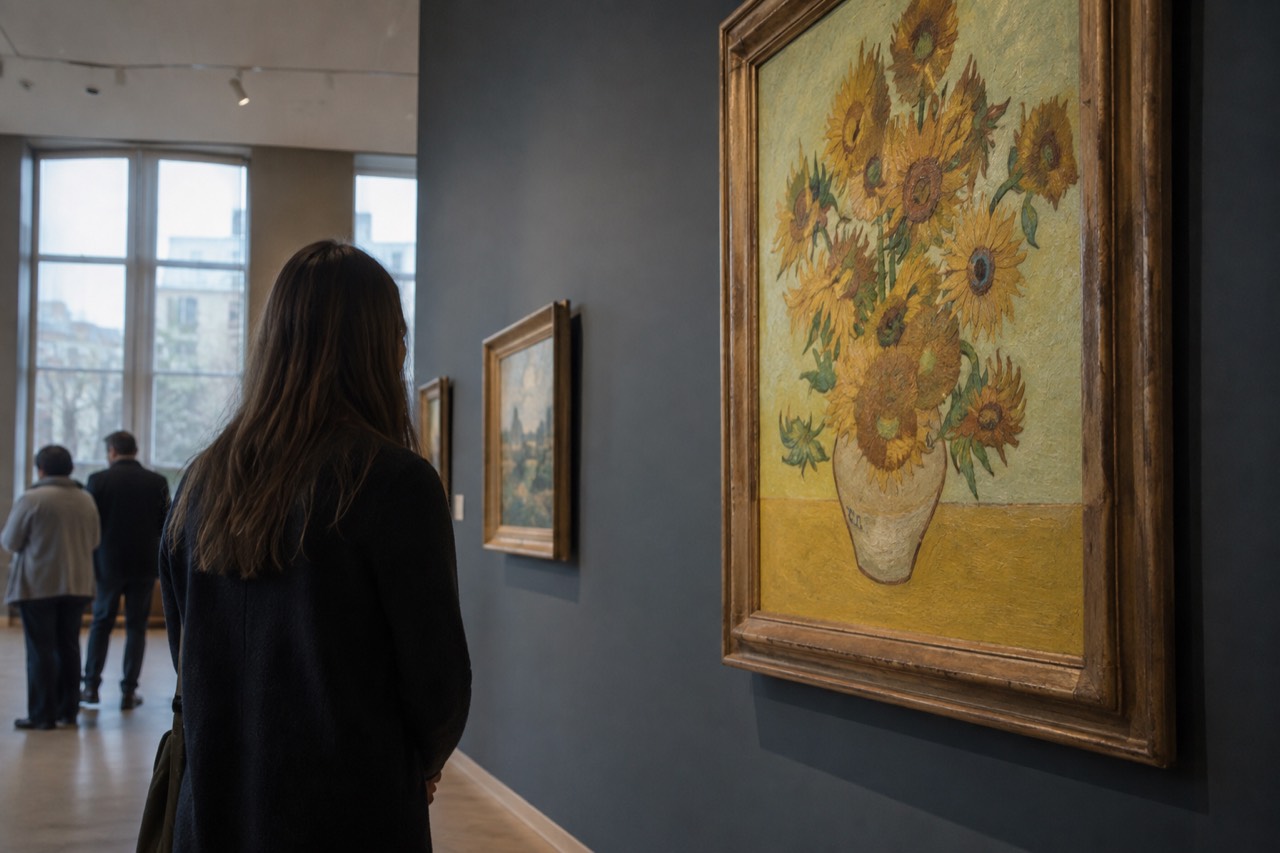
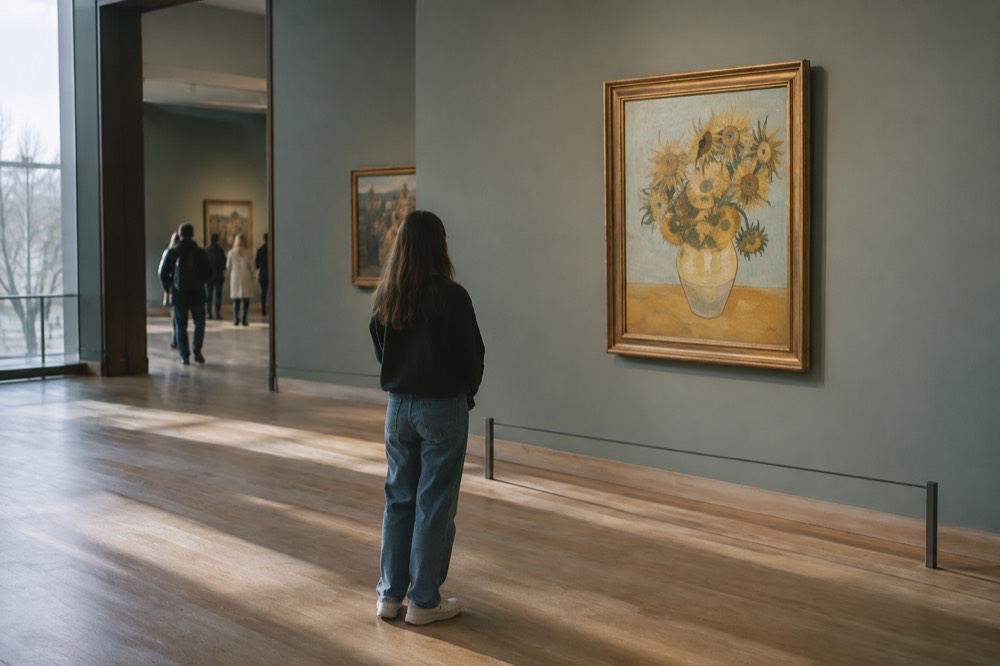
The number one attraction in Amsterdam is the Van Gogh Museum. It holds the largest collection of Van Gogh's work in the world, over 200 paintings, 500 drawings and 750 letters, and it draws well over a million visitors a year. Ticket demand is so high that every visitor must pre-book a timed entry slot, and slots for peak days regularly sell out weeks ahead.
The claim is not a matter of taste. It is a matter of what the evidence says, and the evidence is unusually clear here. The museum's own ticket page states that all visitors are required to pre-book a timed entry ticket, and that tickets can sell out, which is not language a museum uses about an attraction people wander into on impulse. When a city has more museums per square kilometre than almost any other in Europe and one of them still needs a booking system to manage the crowd, that museum is the headline act.
The collection itself explains the pull. Vincent van Gogh spent his shortest, most productive period near Paris and in the south of France, but the bulk of his estate stayed with his brother Theo's family in the Netherlands, and it ended up in Amsterdam. The Sunflowers, The Bedroom, the Almond Blossom: these are paintings people cross continents to stand in front of, and there is nowhere else on earth where you can see them hung together in the quantity the Museumplein building holds.
There is a second reason the answer holds up, and it is the one people rarely think about. Amsterdam's own tourism office groups the Van Gogh Museum with the Rijksmuseum and the Anne Frank House as the city's big three, but the two Dutch giants split their audience differently. The Rijksmuseum is the national museum, and Dutch families, school groups and repeat local visitors fill a large share of its galleries. The Van Gogh Museum's audience skews heavily international, which is why its booking pressure from travellers is proportionally even heavier than its raw visitor count suggests.
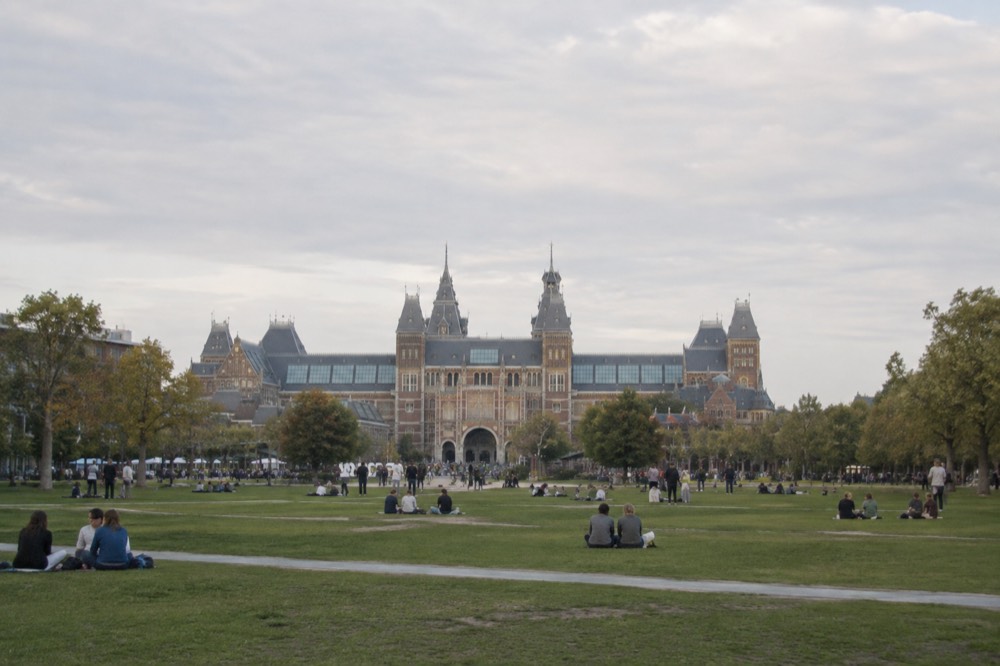
If you are planning around the number one attraction rather than debating it, the practical question becomes how to fit it into a first visit. The museum sits on Museumplein, the same square as the Rijksmuseum and the Stedelijk, so a single morning or afternoon can absorb two or even three of the city's top five sights without a single tram ride between them. Our Museumplein guide covers the square itself, including the lawn, the reflecting pool and the I amsterdam sign location, and our three days in Amsterdam itinerary slots the museum into a workable first-timer route.
Why The Van Gogh Museum Beats The Rijksmuseum For Travellers
By raw review volume on live booking listings, the Van Gogh Museum leads every other Amsterdam attraction: it carries a 4.7 rating across 57,096 reviews, ahead of the Rijksmuseum's 4.7 across 33,205. Both museums charge adults €25 at the door, but the Van Gogh Museum's timed-entry system is stricter, and its sell-outs are more frequent, because international demand concentrates on one building.
The comparison matters because these are the two museums every visitor asks about, and the honest answer depends on who is asking. The Rijksmuseum is the deeper collection: Rembrandt's The Night Watch, Vermeer, Frans Hals, a thousand years of Dutch history across four floors. If you have one museum day and you care about the Golden Age as an era, the Rijksmuseum is the stronger choice. The Rijksmuseum guide walks the highlights floor by floor.
But the number one attraction question is about pull, not depth. The Van Gogh Museum is a single-artist museum that out-reviews the national museum by a wide margin on booking platforms, and its ticket page states plainly that everyone, including cardholders, needs a pre-booked time slot. The museum's own site lists the adult price at €25, with visitors under 18 admitted free, and opening hours that run daily from 9am to 6pm with late Fridays until 9pm, subject to monthly variation. You can check the current schedule and prices on the museum's own visit page.
The under-18 policy is worth pausing on, because it is unusual for a museum of this stature. A family of four with two teenagers pays for two adults and nothing for the children, which changes the arithmetic of a Museumplein day considerably. The Rijksmuseum runs the same policy, free entry for ages 18 and under, per its own prices page, so families can genuinely do both big museums in one day for the price of two adult tickets each.
Booking is where travellers most often stumble. The live listings for the Van Gogh Museum ticket start from $31 and carry that 4.7 rating, and the advantage of booking through a reseller listing is simply the interface: you see the available time slots in your own language with a clear cancellation window, rather than working through the museum's own allocation system. The museum's own channel is the cheapest route at €25 flat, but both routes end at the same timed door. What matters is that you book a slot before you leave home, because the walk-up supply is thin to nonexistent in high season.
How Do Amsterdam's Top Attractions Actually Rank?
Ranking Amsterdam's attractions by verified review volume on live booking listings puts the Van Gogh Museum first, the Rijksmuseum second and the canal cruise fleet third as a category, with the Heineken Experience close behind at 4.6 across 39,581 reviews. The Anne Frank House sits apart: it sells no tickets through resellers at all, so it has no comparable review count, yet its own ticket page shows the strictest booking regime of any attraction in the city.
The table below ranks the bookable headline attractions by the numbers a traveller can actually check before buying. Review counts move slowly, ratings move slower, and neither is a substitute for deciding what you personally want from a city, but they are the closest thing to an objective ranking that exists.
| Attraction | Rating | Reviews | From (USD) | Booking reality |
|---|---|---|---|---|
| Van Gogh Museum | 4.7 | 57,096 | $31 | Timed entry required for all visitors |
| Rijksmuseum | 4.7 | 33,205 | $31 | Start time must be booked in advance |
| Classic saloon boat cruise | 4.8 | 33,435 | $19.56 | Departure slots, often same-day availability |
| Heineken Experience | 4.6 | 39,581 | $23 | Timed entry, flexible in practice |
| Evening city lights cruise | 4.4 | 23,214 | $21 | Time slots, wide availability |
| Anne Frank House | not comparable | not comparable | €16.50 | Official site only, released six weeks ahead |
Two things jump out of that table. The first is that the canal cruise, taken as a single product family, is the closest rival the museums have, and the classic saloon boat version of it actually out-rates both museums at 4.8. The second is the Anne Frank House row, which deserves its own explanation because it breaks the ranking logic entirely.
The Anne Frank House sells tickets only through its own official website, on a fixed release schedule, with no door sales and no legitimate reseller. Its own ticket page states that you always have to book online for a specified date and time, at €16.50 for adults including the booking fee. Any platform claiming to sell you entry is not being straight with you. The house is arguably the most emotionally significant attraction in the city, and it is the one you cannot buy on this site or any affiliate site, which is exactly why we say so plainly. Our Anne Frank House guide covers the release schedule and the strategies that actually work.
What Comes After The Van Gogh Museum?
After the Van Gogh Museum, the strongest second and third picks for most travellers are the Rijksmuseum for art and history, and a canal cruise for the city itself. The saloon boat cruise costs from $19.56 and runs a full hour through the UNESCO canal ring, and the Heineken Experience, from $23, is the pick when your group wants something lighter than a second museum.
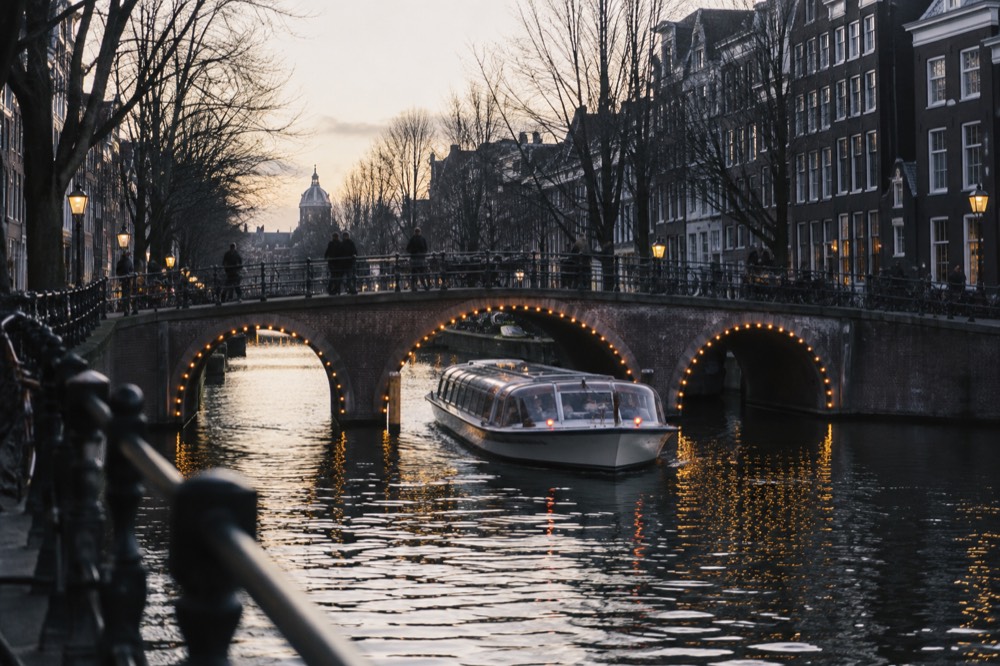
The canal cruise deserves its place in any top-three conversation, and not only because the review numbers are strong. Amsterdam's canal ring is a UNESCO World Heritage site, and the city makes more sense from the water than from any pavement: the gabled merchant houses, the houseboats, the leaning warehouses that survived four centuries of subsidence. The classic saloon boat version, on a restored late-19th-century wooden vessel with a quiet electric engine, is the format that scores highest, 4.8 across 33,435 reviews on its live listing, with an optional cheese and drinks upgrade. Everything else covered here is indexed on Things to Do in Amsterdam.
The Heineken Experience is the wildcard. It is not a museum in the conventional sense, and purists will tell you the Rijksmuseum is worth three of it, but for a group with mixed enthusiasm levels it is the attraction that reliably satisfies everyone. The experience runs about 90 minutes in the original 19th-century brewery, it is rated 4.6 across 39,581 reviews, and it starts from $23. It sits on Stadhouderskade, a ten-minute walk from the Van Gogh Museum, which makes it the natural afternoon counterweight to a morning of paintings.
For travellers who want the full picture rather than the shortlist, the honest framing is this: Amsterdam has a top tier of three, the Van Gogh Museum, the Rijksmuseum and the Anne Frank House, and a second tier that depends entirely on your temperament. The canal cruise belongs in the top tier for first-time visitors even though it is not a museum, because the canals are the thing the museums are built around. Our free things to do in Amsterdam guide shows how much of that second tier, the Begijnhof, the canal-side walks, the NDSM ferry, costs nothing at all.
How Much Should You Budget For The Top Attractions?
Budget roughly €25 per adult for each of the two big museums, €16.50 for the Anne Frank House if you secure a slot, and $19 to $24 for a canal cruise or the Heineken Experience. A two-attraction day for two adults lands around €100, and the under-18 free entry policy at both museums cuts family costs nearly in half.
The pricing structure is simpler than most visitors expect, because Amsterdam's headline attractions cluster tightly. The two big museums both charge adults €25 at their own doors, the Anne Frank House charges €16.50 including its booking fee, and the bookable experiences, cruises and the Heineken Experience, sit between roughly $19 and $24 through reseller listings. The table below shows what a realistic day looks like at current door prices.
| Day plan (2 adults) | What it includes | Rough cost |
|---|---|---|
| Museum day | Van Gogh Museum and Rijksmuseum, adult tickets | €100 |
| Family museum day | Two adults plus two under-18s, both museums | €100 |
| Classic first-timer day | Van Gogh Museum plus saloon boat cruise, two adults | about €90 |
| Light day | Heineken Experience plus evening cruise, per person | about $44 |
One cost trap deserves a warning. The I amsterdam City Card, which the city's tourism site confirms includes entry to more than 70 museums and locations, does not include the Van Gogh Museum or the Anne Frank House. Both museums state this from their own side: the Van Gogh Museum requires a separately booked timed ticket regardless of any pass, and the Anne Frank House's own price table lists the card as giving no discount. If the number one attraction is the reason you are buying a pass, check the maths first, because the pass will not get you through its door. Our city card breakdown runs the numbers for and against.
When Should You Visit The Number One Attraction?
Visit the Van Gogh Museum first thing in the morning or late on a Friday, when the museum stays open until 9pm. Book your slot at least a few weeks ahead for any visit between April and September, and avoid the middle of the day entirely in summer, when the galleries are at their most crowded and the queue for the popular paintings runs deepest.
Timing the museum well is mostly about timing Amsterdam well. The city recorded 23.7 million tourist overnight stays in 2025, per the municipal research bureau's own forecast publication, and the forecast for 2026 runs between 23.7 and 25.1 million, which means the pressure on the big three is not easing. Morning slots, from the 9am opening, give you the calmest galleries and the best light on the Sunflowers wall, and Friday evenings, when the doors stay open until 9pm except for a handful of excluded dates, spread the crowd across extra hours.
The seasonal picture matters too. Spring brings the tulip crowds, who combine Keukenhof, which runs 19 March to 10 May only, with the museums, and summer brings the cruise-ship day traffic. Autumn and winter are the quiet seasons for the museum, and the trade-off is Amsterdam's weather rather than Amsterdam's crowds. Our best time to visit Amsterdam guide weighs the seasons month by month.
A final practical note on the day itself: the museum's own visit page asks that you arrive within your booked time window, not hours before it, and the Museumplein side entrance is where timed ticket holders enter. The queue you may have seen in photos is largely the unbooked hopefuls and the groups waiting for their slot. Booked visitors walk past most of it. For everything else on the square, the Van Gogh Museum guide covers the layout, the unmissable canvases and how long the collection realistically takes, which is about two hours at a comfortable pace.
That is the full picture of the number one attraction, and it leads naturally to the shortlist every visitor ends up choosing from. The three below are the picks that pair best with a Van Gogh Museum morning, and together they cover the art, the water and the beer that most first visits are built on.
Common Questions About Amsterdam's Number One Attraction
What Is The Number One Attraction In Amsterdam?
The Van Gogh Museum. It holds the world's largest Van Gogh collection, over 200 paintings plus hundreds of drawings and letters, and it carries a 4.7 rating across 57,096 reviews on its live booking listing, the highest review volume of any bookable attraction in the city. Every visitor needs a pre-booked timed entry ticket.
Is the Van Gogh Museum better than the Rijksmuseum?
They serve different purposes. The Van Gogh Museum is the single-artist experience with the bigger international pull and the stricter booking regime, while the Rijksmuseum is the deeper national collection centred on Rembrandt's The Night Watch. Both charge adults €25 and both admit under-18s free, so many visitors simply do both on the same Museumplein day.
Can you buy Van Gogh Museum tickets at the door?
Effectively no. The museum requires every visitor, including pass and card holders, to pre-book a timed entry slot online, and the supply of same-day slots is thin to nonexistent in peak season. Book through the museum's own site at €25 or through a reseller listing from $31, but book before you travel either way.
Is the Anne Frank House the number one attraction instead?
It is the most emotionally significant, and for many visitors the most memorable, but it cannot be ranked by the same measures because it sells no tickets through any reseller. Entry is only via the official site at €16.50 for adults, released on a fixed schedule six weeks ahead, and the house states plainly that no city card or pass gives a discount.
How long do you need at the Van Gogh Museum?
About two hours at a comfortable pace, longer if you want the temporary exhibition floor as well. The permanent collection is arranged across three levels chronologically, and the museum's Friday late openings until 9pm give you a less crowded way to take it in slowly.
Do kids pay to enter the top Amsterdam attractions?
Not at the two big museums. Both the Van Gogh Museum and the Rijksmuseum admit visitors aged 18 and under free, per their own ticket pages. The Anne Frank House charges €7 for ages 10 to 17 and €1 for ages 0 to 9, and canal cruises and the Heineken Experience have their own child rates listed on each live listing.