Amsterdam Oost and the Plantage: A Local's Guide to the East
Amsterdam Oost is the side of the city most visitors never walk far enough to see. The Plantage, its most elegant corner, holds the zoo, two heavyweight museums and enough green space to fill a full day without a single queue in the historic centre.
Short answer
Amsterdam Oost begins a ten-minute tram ride east of Centraal Station and covers the Plantage, Oosterpark and the Dapperbuurt. Highlights include ARTIS zoo, the Jewish Cultural Quarter, the Dappermarkt and the Brouwerij 't IJ brewery. A day here costs far less than a day in the centre.
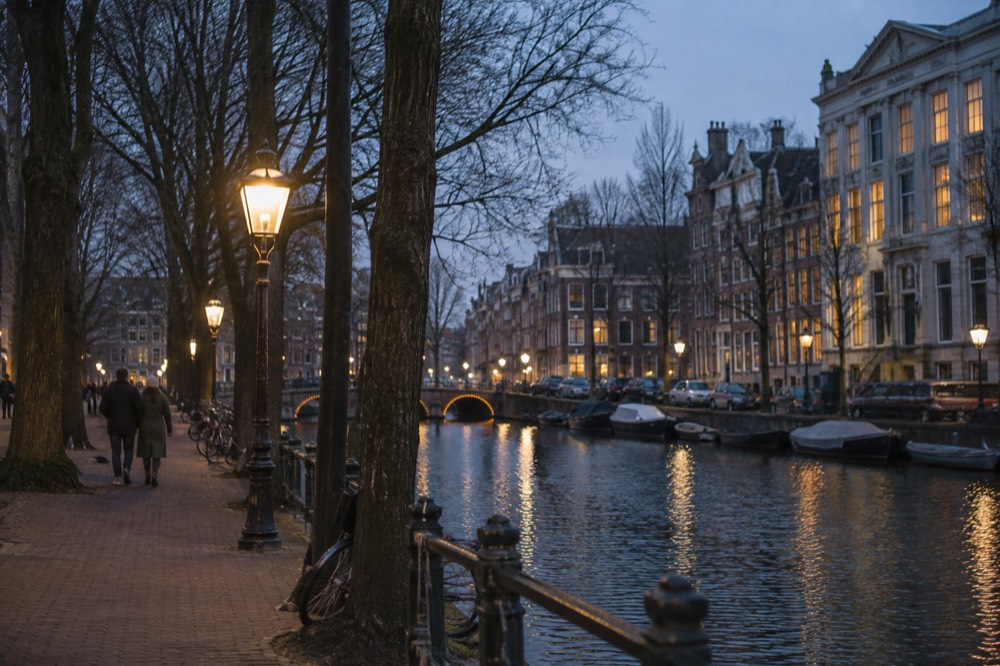
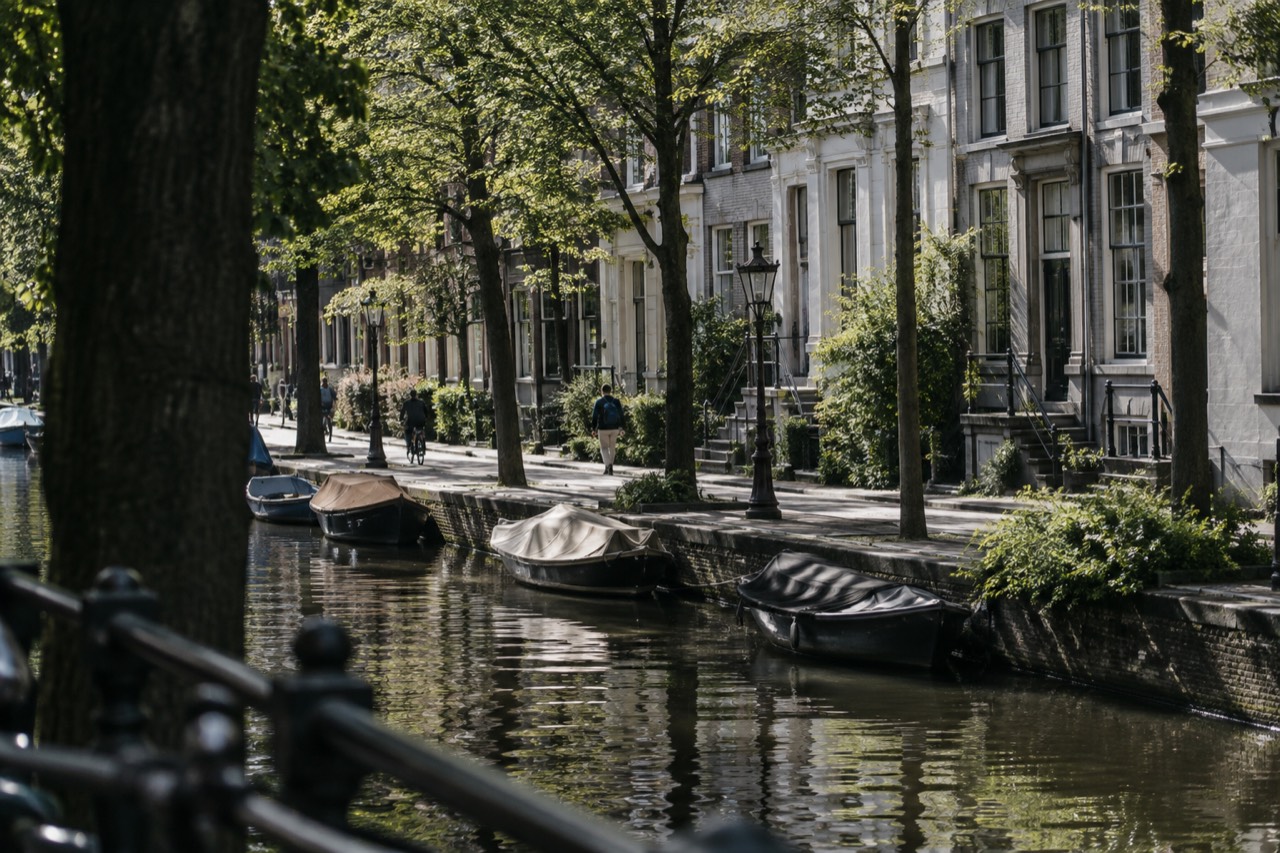
Amsterdam Oost begins the moment you cross the Muidergracht and keep walking. Most visitors stop at the canal ring, take their photographs and turn back toward Dam Square, which is precisely why the east of the city feels different: the tourists thin out, the prices drop and the streets start belonging to the people who actually live on them.
The name covers more ground than most neighbourhood labels. Amsterdam Oost formally includes the Plantage, the Oosterpark area, the Dapperbuurt, the Indische Buurt and the Eastern Docklands, a sweep of the city that took shape between the 17th and 20th centuries. The Plantage is the oldest and most elegant slice, laid out in the 1600s as a pleasure ground of tree-lined lanes and gardens, and it still reads that way today.
This guide covers what is actually worth your time, how the pieces connect on foot and by tram, and where the east fits into a wider Amsterdam plan. For the full spread of options across the city, start with Things to Do in Amsterdam and work outward from there.
What Is Amsterdam Oost and Where Does It Start?
Amsterdam Oost is the borough directly east of the historic centre, beginning roughly ten minutes by tram from Centraal Station, and it contains the Plantage, Oosterpark, the Dapperbuurt and the Eastern Docklands. It is not a single district but a cluster of neighbourhoods joined by water, trams and a shared, slightly slower pace than the centre.
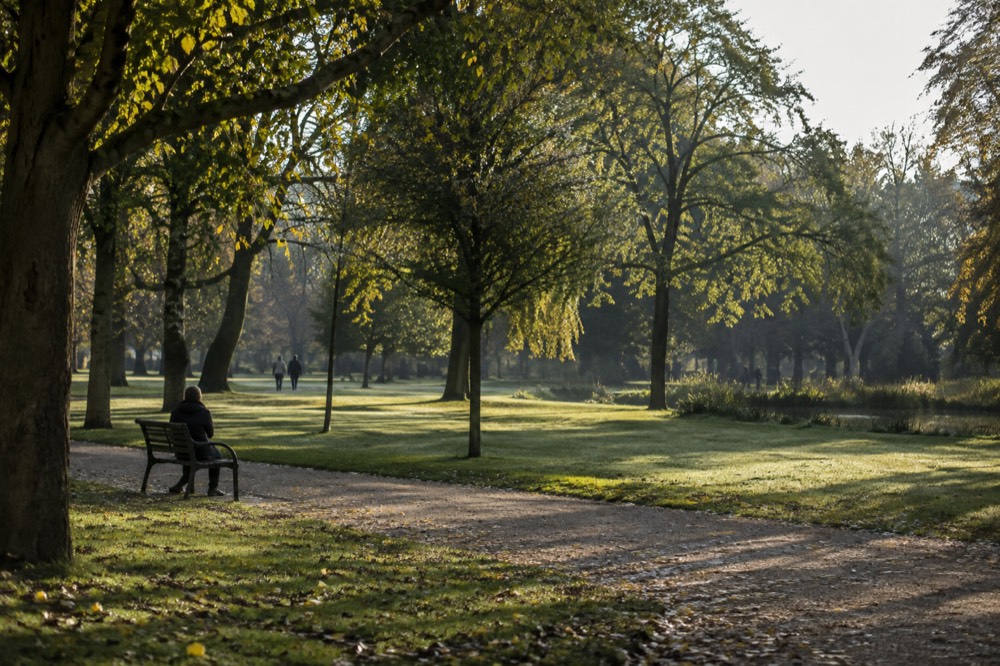
The Plantage is the part first-time visitors should care about most. The name means "plantation" and dates from the 17th century, when the city designated the area for gardens and leisure rather than housing. That plan half-survived: the wide, leafy Plantage Middenlaan still runs through it, and the buildings that eventually filled the plots were designed with space around them, which is why the district feels airy compared with the Jordaan.
The Oosterpark area, further south-east, grew up in the late 19th century around its namesake park, the first large public park built by the city itself. The Dapperbuurt, north of the park, centres on the Dappermarkt, one of the busiest day markets in the city. The Eastern Docklands, on the IJ waterfront, are the newest layer: converted harbour basins now holding modern housing and a couple of striking bridges.
Boundaries matter less than logic. If you are staying in the centre, the practical entry points are the Muidergracht to the south and the Plantage Middenlaan to the north-east, both reachable on tram lines 7, 9 and 14 and a short walk from Waterlooplein.
| Area within Oost | Character | Main Draws |
|---|---|---|
| The Plantage | Leafy, museum-heavy, 19th-century | ARTIS zoo, Jewish Cultural Quarter, Hortus Botanicus |
| Oosterpark area | Residential, green, multicultural | Oosterpark, cafés, Sunday markets |
| Dapperbuurt | Market-led, lively, good value | Dappermarkt, cheap eats |
| Eastern Docklands | Modern, waterside, architectural | Piet Heinkade, island housing, IJ views |
Is the Plantage Worth Visiting on a Short Trip?
Yes, the Plantage is worth half a day even on a short trip, because it packs ARTIS zoo, the Jewish Cultural Quarter, the Hortus Botanicus and the Micropia museum into a walkable rectangle of leafy streets. It is quieter than the centre, cheaper to eat in and holds some of the city's most substantial history. If you have two days or fewer, it competes well with a second day of canal-belt wandering.
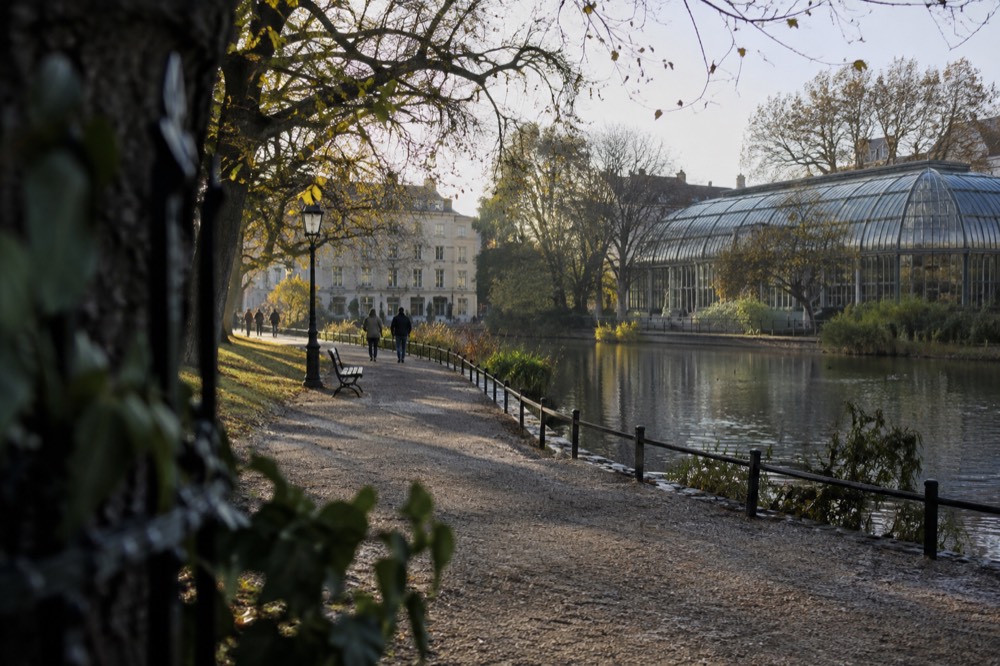
Start at Waterlooplein and walk east along Plantage Middenlaan. The lane is wide, planted and calm, and within a few hundred metres you reach the entrances to ARTIS, the Royal Zoo, one of the five oldest zoos in the world. The zoo shares its site with the Groote Museum and Micropia, the world's only museum dedicated to microbes, and ticketing runs separately for each, so decide in advance whether you want the zoo alone or a combination. Zoo pricing is dynamic and always cheaper online than at the counter, so check the zoo's own ticket page for the day you plan to visit.
The Jewish Cultural Quarter sits immediately south and west. The Portuguese Synagogue, the Jewish Museum and the Hollandsche Schouwburg together tell a story that the centre's museums only touch on, and the district around them was the centre of Amsterdam's Jewish life for centuries. Our Portuguese Synagogue and Jewish Cultural Quarter guide covers the sites and ticketing in detail.
The Hortus Botanicus, one of the oldest botanical gardens in the world, fills a quiet block near the zoo. It is small enough for an hour and green enough to reset a tired afternoon. If the Plantage hooks you on museums, the big-hitting trio on Museumplein is only a short tram ride west, and pairing the two makes a strong two-museum day.
What Are the Best Things to Do in Amsterdam Oost?
The best things to do in Amsterdam Oost are ARTIS Royal Zoo, the Jewish Cultural Quarter, the Dappermarkt, Oosterpark and the Brouwerij 't IJ windmill brewery, which together fill one to two days without repeating yourself. The district rewards walkers: nearly everything sits within a 30-minute stroll of Waterlooplein. Add the Eastern Docklands if you have extra time or an interest in modern Dutch architecture.
ARTIS anchors the Plantage. The zoo's own site states plainly that ticket prices are always cheaper online and vary by day, so treat any figure you see elsewhere with caution and read the live price for your date. The Aquarium and Planetarium are included with a zoo ticket, which makes a rainy day easy to rescue.
The Brouwerij 't IJ, under the De Gooyer windmill on the eastern edge of the centre, is the district's most famous stop for a drink. Our De Gooyer Windmill and Brouwerij 't IJ guide explains the brewery's history and how the tasting room works. It sits at the point where Oost meets the centre, which makes it a natural end-of-walk destination.
The Dappermarkt, running along Dapperstraat six days a week, is where the neighbourhood actually shops. Stalls sell cheese, textiles, flowers and hot food at prices well below the centre, and the surrounding streets hold some of the best-value Surinamese, Turkish and Indonesian food in the city.
Oosterpark itself deserves the walk. Opened in the 19th century as the first large park the city built, it holds monuments, mature trees and, in summer, open-air events. It is the green heart of the district's residential side, and the streets around it, particularly the Oosterparkstraat, give an honest picture of how Amsterdammers live.
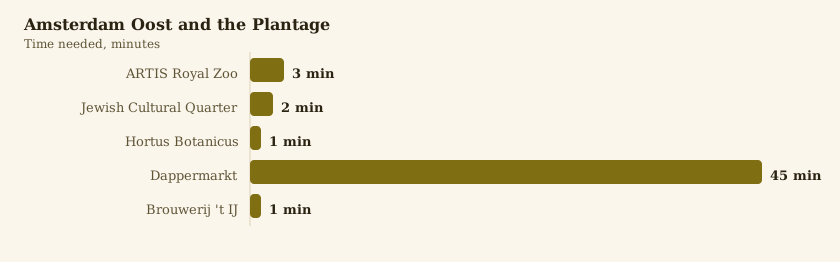
| Attraction | Type | Ballpark Time | Notes |
|---|---|---|---|
| ARTIS Royal Zoo | Zoo and aquarium | 3 to 4 hours | Dynamic online pricing; book ahead |
| Jewish Cultural Quarter | Museums and synagogue | 2 to 3 hours | Combined ticket available |
| Hortus Botanicus | Botanical garden | 1 hour | One of the world's oldest |
| Dappermarkt | Street market | 45 minutes | Closed Sundays |
| Brouwerij 't IJ | Brewery taproom | 1 hour | Limited hours; check before visiting |
| Oosterpark | Public park | Flexible | Free; events in summer |
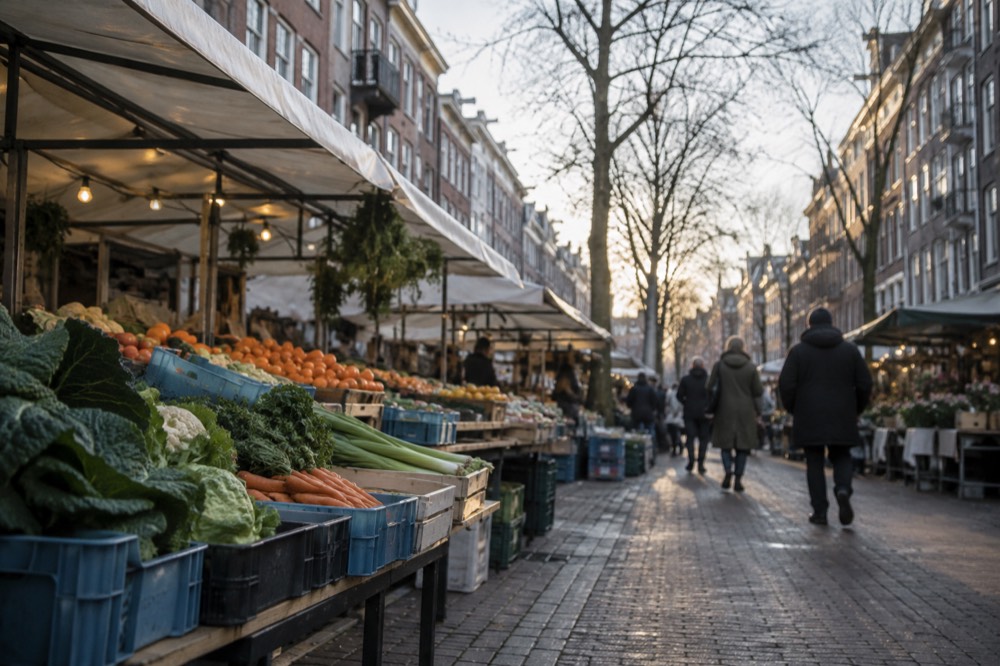
Where Should You Eat and Drink in Amsterdam Oost?
Amsterdam Oost is one of the best-value food districts in the city, with the Dapperbuurt and the Oosterpark streets offering Surinamese, Turkish, Moroccan and Indonesian food at prices the centre cannot match. Expect to pay noticeably less than in the canal ring, and expect the best rooms to be small, busy and unbookable. The area around Oosterpark and the Dappermarkt is the densest eating zone.
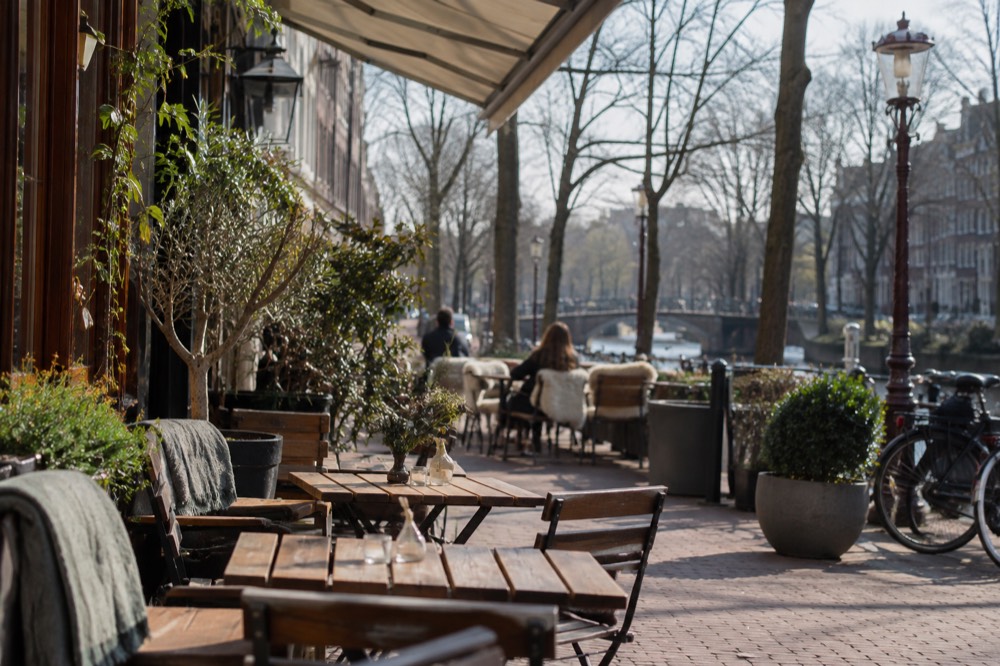
The Dapperbuurt is the strongest single choice for a cheap, excellent meal. The market itself supplies bread, cheese and hot snacks, and the side streets hold roti shops, kebab houses and bakeries that serve the neighbourhood rather than a visitor economy. A lunch here costs a fraction of what the same meal costs a 15-minute walk west.
Around Oosterpark, the offering shifts toward cafés and brunch rooms, with a handful of long-standing brown cafés in the side streets. These are the rooms where the east actually drinks, and they close late rather than early.
For a drink with a view, the Eastern Docklands hold a few waterside terraces facing the IJ. The architecture here is modern and the mood is residential, but the sunsets over the water are genuine. Brouwerij 't IJ remains the classic east-side pint, and the brewery's own taproom is the place to drink its beer freshest.
How Do You Get to Amsterdam Oost from the Centre?
Trams 7, 9 and 14 connect the centre to the Plantage and Oosterpark in ten to fifteen minutes, and the metro serves the district via Weesperplein and Wibautstraat. Walking from Dam Square to the Plantage takes about 25 minutes. A single GVB ticket costs €3.40 for one hour, and a 24-hour pass costs €10.00.
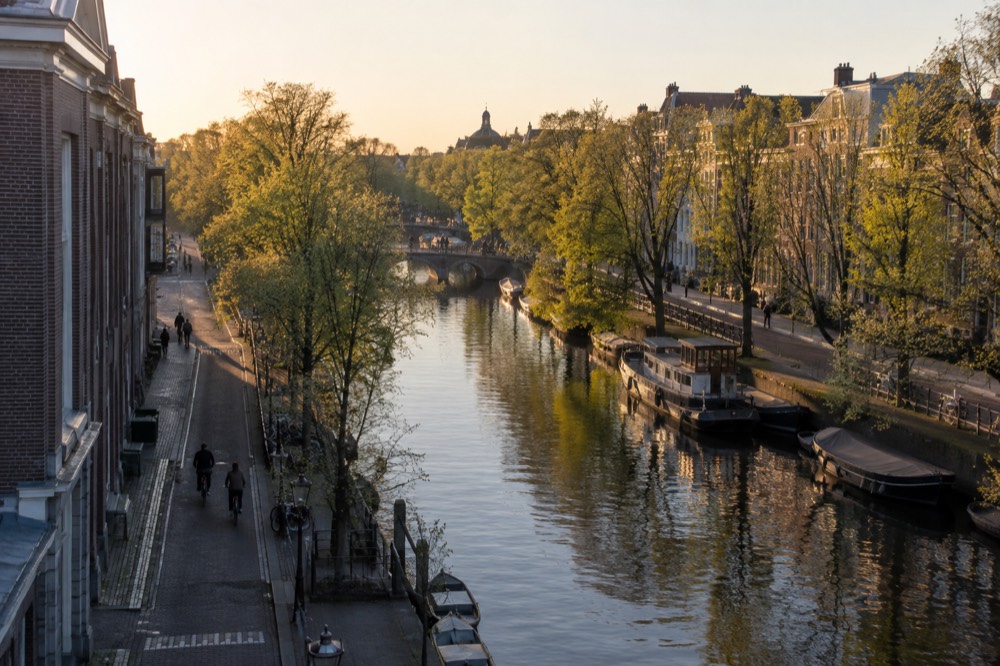
Tram 9 runs from the centre past Waterlooplein into the heart of the Plantage. Tram 7 cuts across the district toward the east, and tram 14 serves the Oosterpark side. From Centraal Station, the ride is short enough that many locals simply cycle it, and the district's bike lanes are wide and well-used.
The metro is faster for the southern edge: Weesperplein sits on the boundary of the Plantage, and Wibautstraat serves the Oosterpark area. From the airport, take the train to Centraal and change to a tram.
Walking is underrated here. The route from Waterlooplein along Plantage Middenlaan is one of the pleasantest ten-minute walks in the city, and once you are in the Plantage, everything except the Dappermarkt and Oosterpark is within easy strolling distance. Tapping a contactless bank card works on every GVB tram, bus and metro, so buying a paper ticket is optional.
| Route | Method | Time | Cost |
|---|---|---|---|
| Centraal to Plantage | Tram 9 | 10 min | €3.40 single |
| Dam to Plantage | On foot | 25 min | Free |
| Weesperplein to Oosterpark | Tram 7 or 14 | 8 min | €3.40 single |
| Full day in Oost | GVB 24-hour pass | Unlimited | €10.00 |
| Museumplein to Plantage | Tram 7, transfer | 25 min | €3.40 single |
Is Amsterdam Oost Good for Families and Kids?
Amsterdam Oost is one of the most family-friendly parts of the city, with ARTIS zoo, the NEMO Science Museum on its western edge and open green space at Oosterpark all within a short radius. NEMO charges a flat €21.50 for everyone aged four and over, under-fours go free, and its roof terrace is free to reach without a ticket. The district's pavements are calmer than the centre's, which matters with a buggy or a small child.
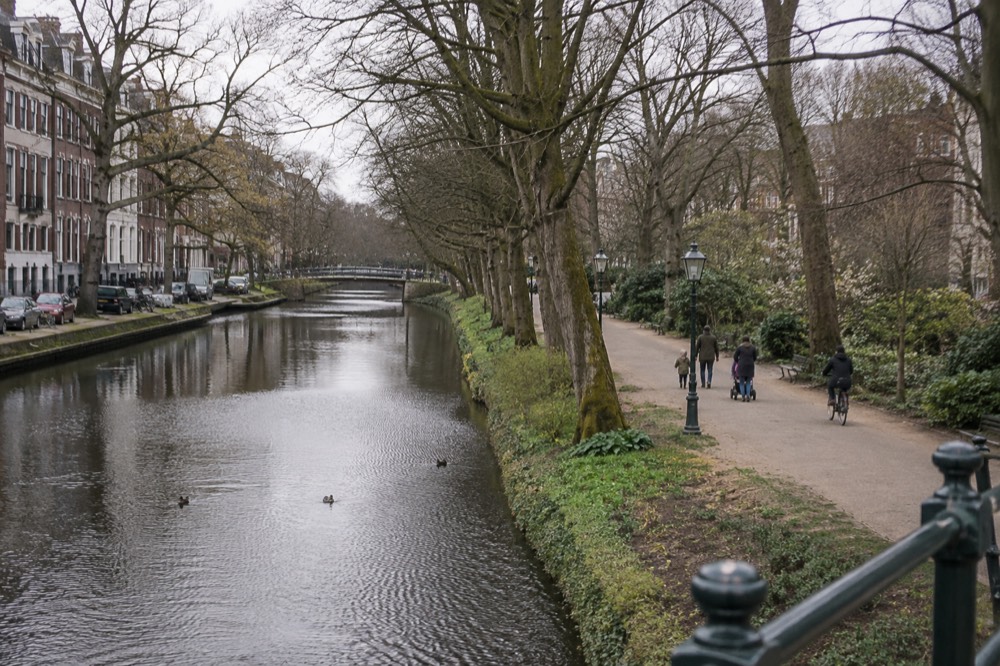
ARTIS is the obvious anchor. Plan three to four hours for the zoo alone, more if you add the Groote Museum or Micropia, and buy online where the price is lower. The Aquarium and Planetarium are included with a zoo ticket, so there is plenty of shelter if the weather turns.
NEMO sits just across the water at the Oosterdok, technically on the boundary between the centre and Oost, and its hands-on exhibits suit children far better than the fine-art museums do. The roof terrace is the free bonus: reachable by stairs from the street, with a view over the eastern city. Our Amsterdam with Kids guide places the east in a full family itinerary and suggests how to split the days.
Oosterpark gives children somewhere to run without traffic, and the Dappermarkt adds an easy snack stop. If the children tire of animals and science, the Heineken Experience sits on the western edge of the district's tram routes and makes a workable rainy-afternoon swap for older kids, with the brewery's own story told through interactive exhibits rather than glass cases.
Where Should You Stay in Amsterdam Oost?
Amsterdam Oost offers better value accommodation than the centre, with the Plantage the most pleasant and convenient base, the Oosterpark area a solid residential alternative and the Dapperbuurt the cheapest of the three. Expect lower nightly rates than the canal ring for comparable rooms. The district's short tram connections make it a practical base for the whole city.
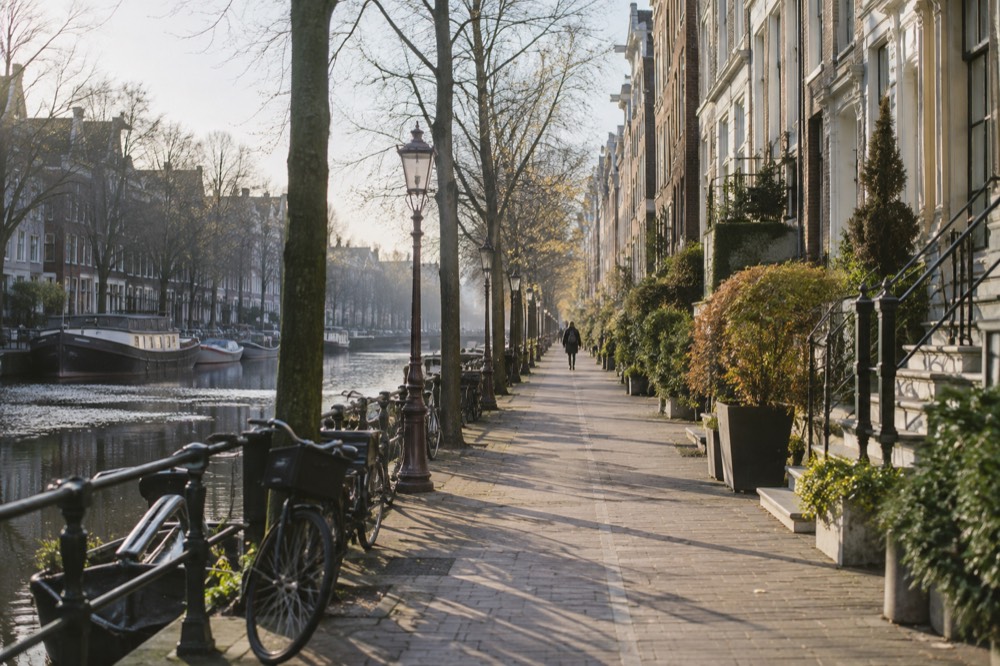
The Plantage is the pick of the three for most visitors. It is quiet, green, walkable to the centre and surrounded by the very attractions you came to see. Rooms here are limited but genuinely pleasant, and the streets at night are among the calmest in the city.
The Oosterpark area is more residential and slightly further out, with a stronger local food scene and a more lived-in feel. The Dapperbuurt is the budget option, with the market supplying breakfast and the transport links compensating for the lack of hotel polish.
For comparing the east against every other district, our Where to Stay in Amsterdam guide ranks the options by traveller type and explains what each area does best. If your priority is maximum sightseeing per hour, the centre still wins, and the trade-off between staying central and staying east is worth weighing honestly before you book anything.
What Does a Perfect Day in Amsterdam Oost Look Like?
A perfect day in Amsterdam Oost starts at the Dappermarkt in the morning, moves to the Plantage for ARTIS or the Jewish Cultural Quarter through the early afternoon, pauses at the Hortus Botanicus, then ends with a beer at Brouwerij 't IJ under the windmill. It is a full day, mostly on foot, and it barely touches the tourist centre at all.
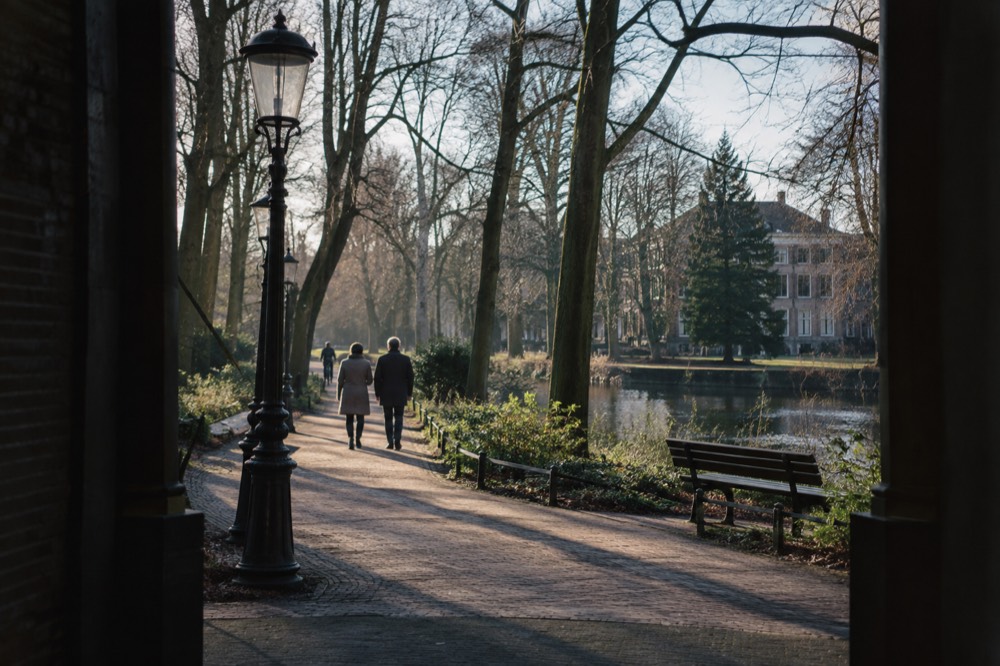
Begin at Dapperstraat while the market is at its busiest, mid-morning. Buy coffee and something hot from a stall, walk it off along the wide streets toward Oosterpark, and circle the park once. This is the residential east at its most ordinary and most likeable.
Take tram 7 or 14 back west to the Plantage. Spend the middle of the day at ARTIS, or at the Jewish Cultural Quarter if history matters more to you than animals, and break for an hour at the Hortus Botanicus when the museum legs set in. Both routes end you within a short walk of the centre, so nothing about the return journey is complicated.
Finish at Brouwerij 't IJ. The brewery sits beside the De Gooyer windmill at the district's western gate, its taproom is small and its beer is brewed on site. Time it for late afternoon, then walk the last stretch back into the centre along the Zeeburgerdijk or hop a tram from close by.
If the day leaves you with energy to spare, the classic centre is a ten-minute tram ride back the way you came, and a timed Van Gogh Museum ticket slots neatly into a late slot if you book it in the morning before you leave.
One day in the east rarely stays one day. Most travellers who start here end up revising their plan to fit in a second visit, because the district does the one thing the centre cannot: it lets you sit down.
Common Questions About Amsterdam Oost
What is Amsterdam Oost?
Amsterdam Oost is the borough east of the historic centre, containing the Plantage, Oosterpark, the Dapperbuurt, the Indische Buurt and the Eastern Docklands. It is a residential, green and good-value district about ten minutes from Centraal Station by tram.
Is Amsterdam Oost worth visiting?
Yes. The Plantage holds ARTIS zoo, the Jewish Cultural Quarter and the Hortus Botanicus, the Dappermarkt is one of the city's best markets, and the food is cheaper and more authentic than in the centre. It is worth at least half a day on any trip of two days or more.
How far is Amsterdam Oost from the centre?
The Plantage begins about a 25-minute walk from Dam Square, or ten minutes by tram from Centraal Station. Oosterpark is a few minutes further. A single GVB ticket costs €3.40 and a 24-hour pass €10.00.
Is Amsterdam Oost safe?
The Plantage and Oosterpark areas are quiet and safe by big-city standards, with calm, residential streets. As anywhere in Amsterdam, keep an eye on phones and bags on trams and at the market, but the district does not have a reputation for trouble aimed at visitors.
What is the Plantage in Amsterdam?
The Plantage is the oldest, leafiest part of Amsterdam Oost, laid out in the 17th century as a garden district. Today it holds ARTIS zoo, the Jewish Cultural Quarter, the Hortus Botanicus and some of the widest, calmest streets in the city.
Where should I eat in Amsterdam Oost?
Head to the Dapperbuurt for the cheapest and most varied food, including Surinamese, Turkish and Indonesian kitchens, or the streets around Oosterpark for cafés and brunch rooms. Expect to pay noticeably less than in the canal ring.