De Pijp in Amsterdam: A Complete Neighbourhood Guide
De Pijp is the neighbourhood directly south of the centre, built in the 19th century for the workers the canal ring had no room for. Today it is where Amsterdammers go for the longest market in the Netherlands, a park designed by the same man who landscaped the Vondelpark, and a restaurant row that outperforms most of the centre.
Short answer
De Pijp is Amsterdam's most central 19th-century neighbourhood, a ten minute tram ride from Dam square, known for the Albert Cuyp Market, Sarphatipark and the Heineken Experience. Museumplein sits on its western edge, so the Van Gogh Museum is a short walk away. A GVB 24-hour ticket costs €10,00 and covers the trams that serve it.
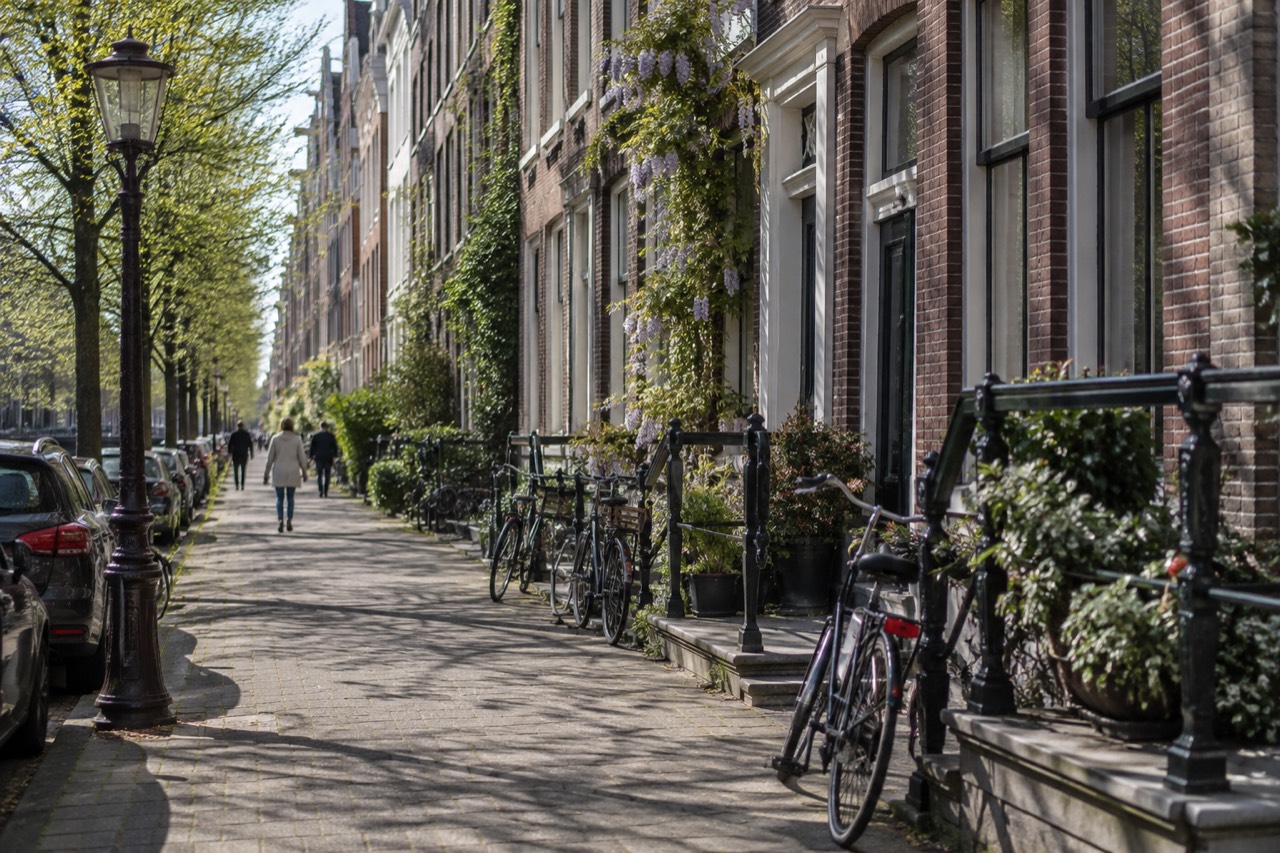
De Pijp was thrown up in the second half of the 19th century, when Amsterdam finally burst out of its 17th-century canal belt and needed somewhere cheap to house the people pouring in. The result is a grid of narrow streets and even narrower terraced houses that was considered the wrong side of town for decades. That reputation is long gone. The neighbourhood now holds the busiest street market in the country, one of the city's best-loved parks, and a position on the map that puts Museumplein, the Rijksmuseum and the canal ring all within a short walk or a few tram stops.
The name itself is a small piece of Amsterdam trivia that locals enjoy correcting. One story traces it to the drainage pipes that once carried water out of the area, another to a beer pipe run by a 19th-century brewery. Nobody has settled the argument, and the neighbourhood has kept the plural form, De Pijp, while the old singular, De Pijpstraat, survives as a single street name. What is settled is the geography: the area runs south from the Singelgracht canal, framed roughly by the Ferdinand Bolstraat and the Van Woustraat, with the Ceintuurbaan cutting across its middle.
What Is De Pijp in Amsterdam Known For?
De Pijp is known for three things above all: the Albert Cuyp Market, the longest-running daily street market in the Netherlands; Sarphatipark, a green lung laid out by the landscape architect who also designed the Vondelpark; and the Heineken Experience, housed in the brewery's original 19th-century building. Around those anchors sits a dense, mixed neighbourhood of small restaurants, brown cafés and independent shops that draws day visitors and residents in equal measure.
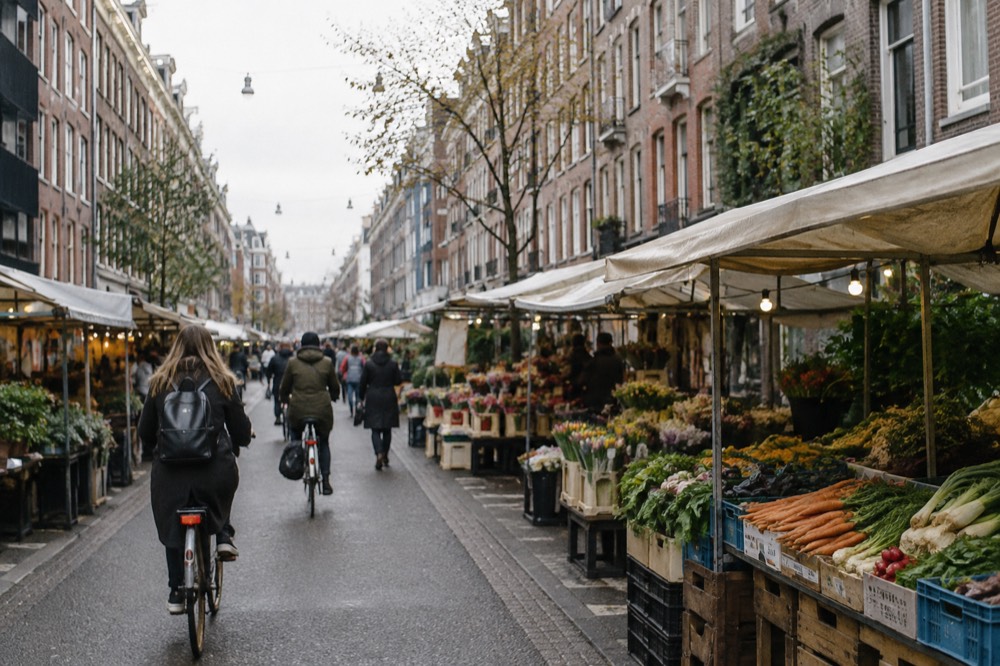
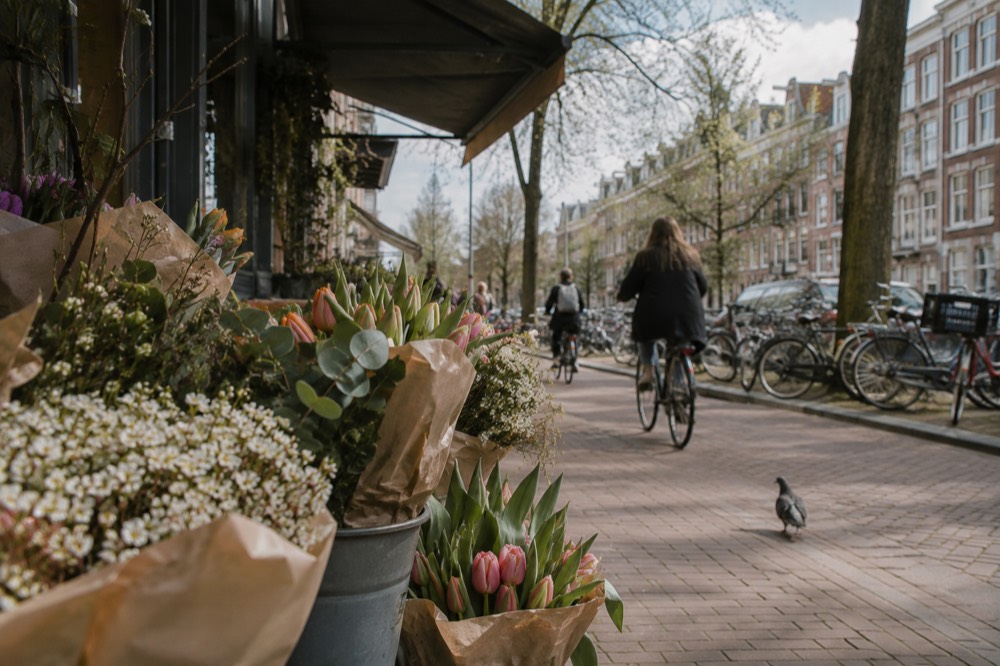
The Albert Cuyp Market is the engine of the neighbourhood's identity. Stalls line the street that gives the market its name, and the range runs from fresh herring and warm stroopwafels to fabric, flowers and cheap practical goods that have nothing to do with tourism. It is the kind of market where a large share of the customers are carrying shopping bags rather than cameras, which is exactly why it has kept its character while the streets around it have gentrified.
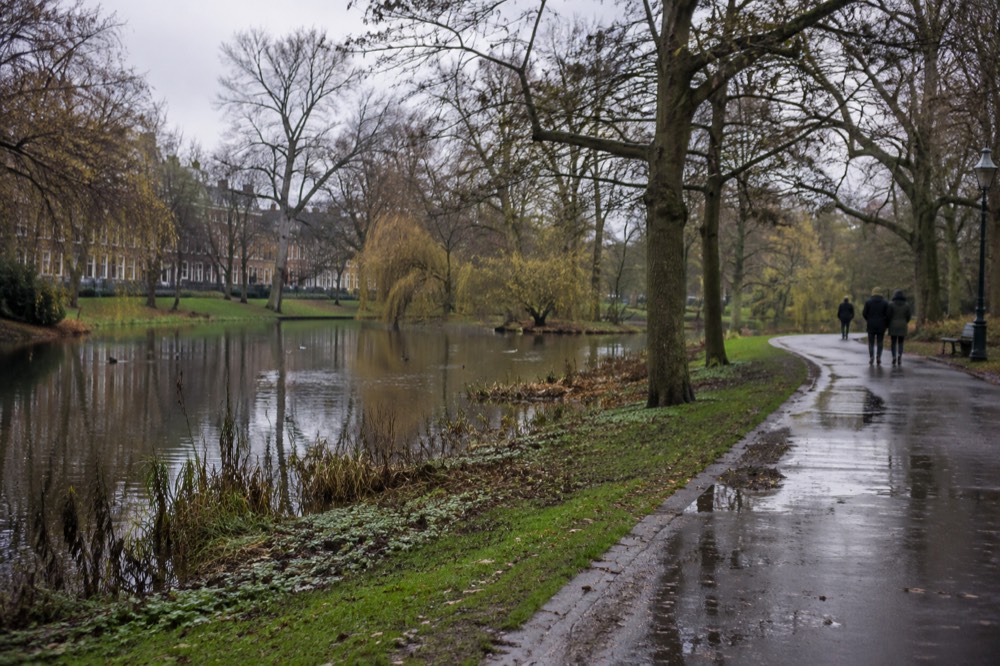
Sarphatipark, a few blocks south, is the counterweight. It was built on land the city bought cheaply after a plan to sell it for housing fell through, and it now wraps a pond, winding paths and open lawns around a monument to the doctor and city planner Samuel Sarphati. On a warm afternoon the lawns fill with picnickers in a way that feels far more local than the tourist-heavy lawns near the Rijksmuseum.
The third anchor is the Heineken Experience, in the former Heineken brewery on the Stadhouderskade. The brewery operated on this site through the late 19th and 20th centuries until production moved out of the city, and the building now runs as an interactive attraction telling the story of the beer brand. It is one of the most visited paid attractions in Amsterdam, and its listing shows a rating of 4.6 across 39,581 reviews, from $23.
What Are the Best Things to Do in De Pijp?
The best things to do in De Pijp are browsing and grazing the Albert Cuyp Market, relaxing in Sarphatipark, touring the Heineken Experience, and walking to Museumplein, which sits on the neighbourhood's western edge and holds the Van Gogh Museum, the Rijksmuseum and the Stedelijk. A canal cruise departure point and the Pijp's restaurant row round out a full day without ever needing a tram.
Start at the market, early, before the crowds build. Eat on the street rather than sitting down: the market's food stalls are where the neighbourhood shows off, from raw herring with onions to the warm stroopwafels pressed flat in front of you. The market is closed on Sundays, so plan around that if it is the main reason for your visit.
From the market, walk south to Sarphatipark. It is small enough to cross in fifteen minutes and pleasant enough that most people stay longer. The park sits in a neighbourhood pocket that feels residential in a way the streets near the centre never do, and it is the best place in the area to simply sit.
The Heineken Experience makes a good half-way stop on the neighbourhood's northern edge, and Museumplein is only ten minutes away on foot from the western side of De Pijp. That walk is the quiet advantage of staying or spending a day here: the three biggest museums in the city are effectively in the neighbourhood's back garden. Our Museumplein guide covers the square itself, and the Amsterdam museum tickets and skipping the queue guide explains why timed entry decides whether your museum day works.
If the day runs into evening, the neighbourhood's position on the canal ring means a cruise is easy to add. The classic saloon boat cruise runs a one-hour loop on a restored wooden saloon boat, with a rating of 4.8 across 33,435 reviews and tickets from $19.56, and there is a departure point a short walk north of the neighbourhood.
How Close Is De Pijp to the Big Museums?
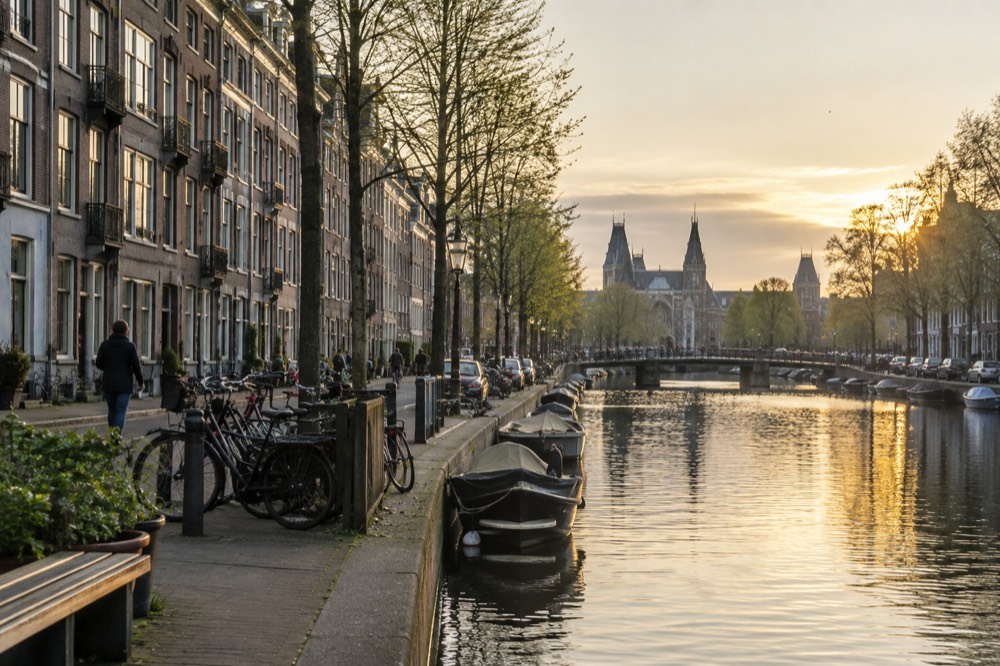
Museumplein is on De Pijp's western edge, roughly a ten minute walk from the Ferdinand Bolstraat, and it holds the Van Gogh Museum, the Rijksmuseum and the Stedelijk Museum. The Rijksmuseum charges €25 for adults and is free for ages 18 and under, the Van Gogh Museum also charges €25, and both require a pre-booked timed entry slot, so tickets decide the day more than distance does.
The Van Gogh Museum is the one that catches visitors out. Every visitor, without exception, needs a timed entry ticket booked in advance, and slots sell out, particularly in spring and summer. The museum's own site confirms the adult price of €25 and free entry for under-18s. The Van Gogh Museum ticket listing, rated 4.7 across 57,096 reviews and priced from $31, is the straightforward way to lock in a slot before you travel, with free cancellation if your plans shift.
The Rijksmuseum is the easier of the two for spontaneous visitors, but only slightly. The museum states plainly that a start time must be booked, though limited tickets are held at the entrance while stocks last. Its own prices page lists adults at €25, free for ages 18 and under, and free entry for holders of the I amsterdam City Card, which matters if you are running the numbers on a pass. The Stedelijk, the modern art museum on the same square, completes the set and is covered in its own Stedelijk Museum guide.
One planning note worth knowing: the Anne Frank House is not within walking range of De Pijp, and no pass or reseller sells its tickets. The museum sells them only through its own website, its official tickets page, for a specific date and time, with adult tickets at €16.50.
Because the Van Gogh Museum is the one headline sight within easy reach of De Pijp that cannot be bought at the door, it deserves the first booking of your trip. Everything else in and around the neighbourhood, the market, the park, the Heineken Experience and the canal cruise docks, can be arranged on the day or a day ahead without much risk of missing out.
Where Should You Eat in De Pijp?
De Pijp has one of the densest concentrations of small, independent restaurants in Amsterdam, spread along the Ceintuurbaan, the Van Woustraat and the streets between, covering everything from brown café snacks to some of the city's most-booked dinner tables. The neighbourhood is also where the city's food hall concept landed early, and the daily market doubles as a cheap, fast lunch option on any day but Sunday.
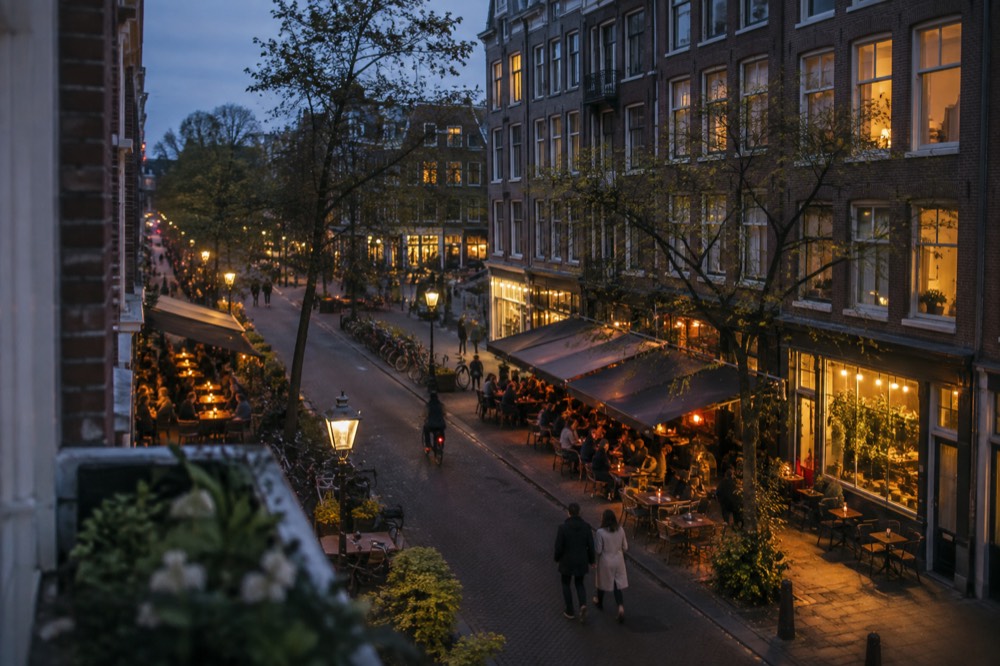
The restaurant row reputation is earned rather than marketed. Because the neighbourhood was built as worker housing, its commercial spaces are small, which pushed out chain formats and left room for kitchens run by one or two people. That structure still shapes the area: menus are short, tables are few, and the better places fill up on reputation rather than foot traffic from the centre.
For a structured introduction, the food and culture walking tour is based on exactly this kind of neighbourhood eating. It runs three and a half hours, carries a 5.0 rating from 1,157 reviews, and costs from $92, with ten tastings along the route. It is a significant step up in price from eating your way down the market independently, but it buys context and access that a first-time visitor will not find alone. You can Check availability on the live listing.
For cheaper, self-guided eating, the market is the answer. A herring stall, a warm stroopwafel and a bag of poffertjes cost a fraction of a restaurant lunch, and the Dutch foods to try guide explains what each of them is and what to expect. In the evening, the neighbourhood's brown cafés pour beer the way they have for a century, and the Amsterdam brown cafés guide picks out the ones worth seeking out.
Is De Pijp a Good Place to Stay in Amsterdam?
De Pijp is one of the strongest central bases in Amsterdam precisely because it is residential but close: trams reach the centre in around ten minutes, Museumplein is walkable, and the neighbourhood keeps its own restaurants, market and park so you are not forced into the tourist core every evening. The trade-off is noise and narrow staircases, the standard Amsterdam compromise in any 19th-century area.
The accommodation stock is mostly small hotels and apartments in converted terraced houses. That means character, and it also means steep Dutch staircases and rooms that are compact by international standards. If stairs are a concern, read the Amsterdam accessibility guide before booking anything in this part of the city.
Location-wise, the neighbourhood splits into two halves. The north, near the Stadhouderskade and the Heineken Experience, is closest to the centre and the museums, and it is the loudest quarter after dark. The south, around Sarphatipark, is calmer, greener and a few minutes further from everything, which many visitors decide is the better trade. The Amsterdam neighbourhood guide compares De Pijp against the Jordaan, the canal belt and the centre for exactly this decision.
How Do You Get to De Pijp?
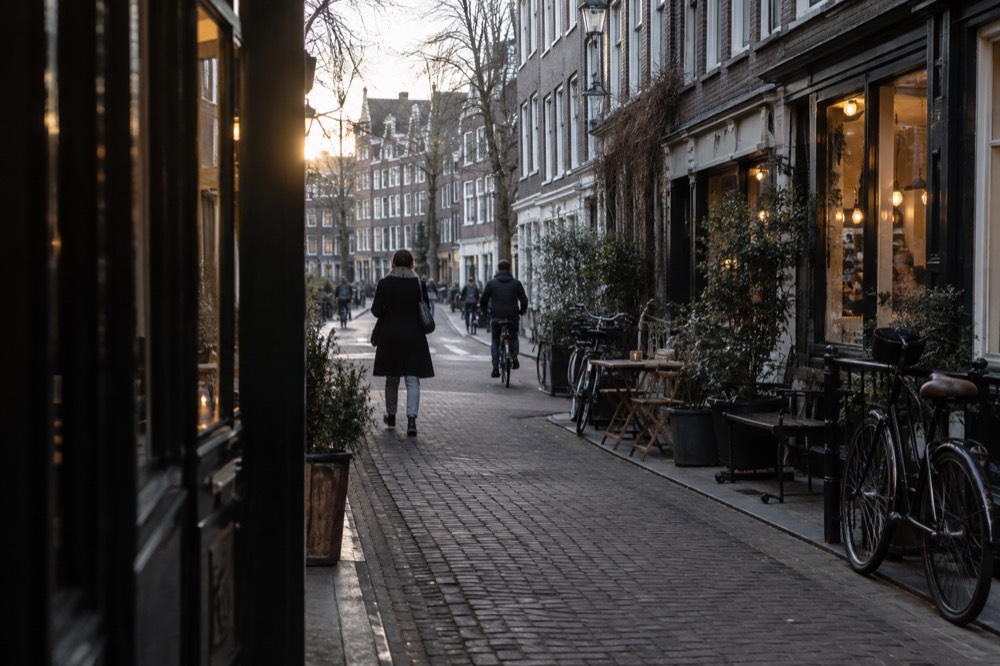
De Pijp is served by tram routes along the Ferdinand Bolstraat and the Ceintuurbaan, by the metro stations at De Pijp and Albert Cuyp, and it is roughly a 25 minute walk from Amsterdam Centraal. A single GVB one-hour ticket costs €3,40, a 24-hour ticket €10,00, and contactless bank cards work on every tram, bus and metro in the city under the OVpay system.
The fare structure rewards planning. One-off riders pay €3,40 for a one-hour ticket, or tap a contactless card and pay per kilometre with a daily cap, while anyone making three or more journeys in a day is better off with the €10,00 day ticket. Multi-day tickets step up from there: €16,00 for 48 hours, €21,50 for 72 hours and €27,50 for 96 hours. The full fare table is published on the GVB's own prices page.
From Schiphol, the airport train reaches Amsterdam Centraal in just over 17 minutes from €5.50, and a tram or metro connection from there reaches De Pijp in about ten minutes more. The getting around Amsterdam guide covers the whole system, including how OVpay works for visitors who would rather not buy a paper ticket at all.
On foot, the neighbourhood is compact and flat, and the walk from the centre along the Singelgracht into the market streets takes under half an hour. Cycling is equally practical; the neighbourhood's bike lanes are wide by Amsterdam standards, though the market street itself is best avoided on a bike during trading hours.
| Ticket | Price | Best For |
|---|---|---|
| GVB one-hour single | €3,40 | One or two short hops |
| GVB 24-hour ticket | €10,00 | A full day of trams and metro |
| GVB 48-hour ticket | €16,00 | A two-day visit |
| GVB 72-hour ticket | €21,50 | Three days of unlimited GVB travel |
| OVpay contactless | €1,16 base plus €0,217 per km | Occasional rides without buying a ticket |
What Does a Day in De Pijp Look Like?
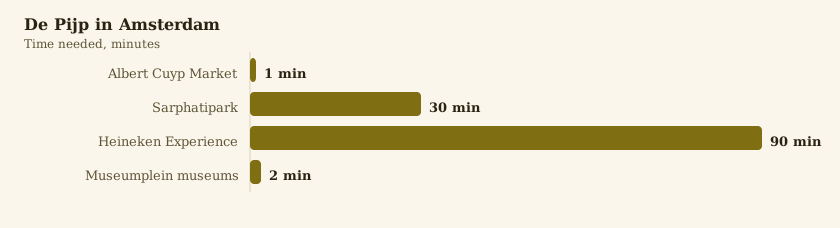
A realistic day in De Pijp runs: the Albert Cuyp Market in the morning while the stalls are at their best, Sarphatipark or the Heineken Experience through the middle of the day, Museumplein's museums in the afternoon on a pre-booked slot, and the neighbourhood's restaurants and brown cafés in the evening. It fits in one of the big museums comfortably, two only if you keep the market visit short.
The sequencing matters more than the list. Museum slots are timed, so book the Van Gogh Museum or the Rijksmuseum first and build the rest of the day around the slot you get. Morning slots pair well with an afternoon in the neighbourhood; afternoon slots mean starting at the market and the park.
| Stop | Time Needed | Notes |
|---|---|---|
| Albert Cuyp Market | 1 to 2 hours | Arrive before noon; closed Sundays |
| Sarphatipark | 30 to 60 minutes | Free; picnic-friendly lawns |
| Heineken Experience | About 90 minutes | Timed entry; from $23 on the live listing |
| Museumplein museums | 2 hours per museum | Timed entry required; book ahead |
| Dinner in De Pijp | Evening | Reserve at popular spots |
Families should note that the neighbourhood works well with children without being built for them. Sarphatipark has space to run, the market has food that children will eat, and the Amsterdam with kids guide covers the city-wide options, including the ARTIS zoo, whose own site lists online zoo tickets from €29,50 for ages 13 and over.
For a longer stay, the neighbourhood is a sensible base for day trips as well as city days, since the metro and the main tram corridors run straight through it. The best day trips from Amsterdam guide lays out the options, from Zaanse Schans to Haarlem, all reachable without a car.
What Is Near De Pijp Worth Walking To?
Within a 20 minute walk of De Pijp you can reach the Rijksmuseum, the Van Gogh Museum, the Stedelijk, the canal ring at the Amstel river end, and the eastern edge of the centre at the Singelgracht. The Negen Straatjes shopping quarter and the Flower Market sit just beyond that, which makes the neighbourhood one of the few central areas where a car-free, tram-free day is genuinely realistic.
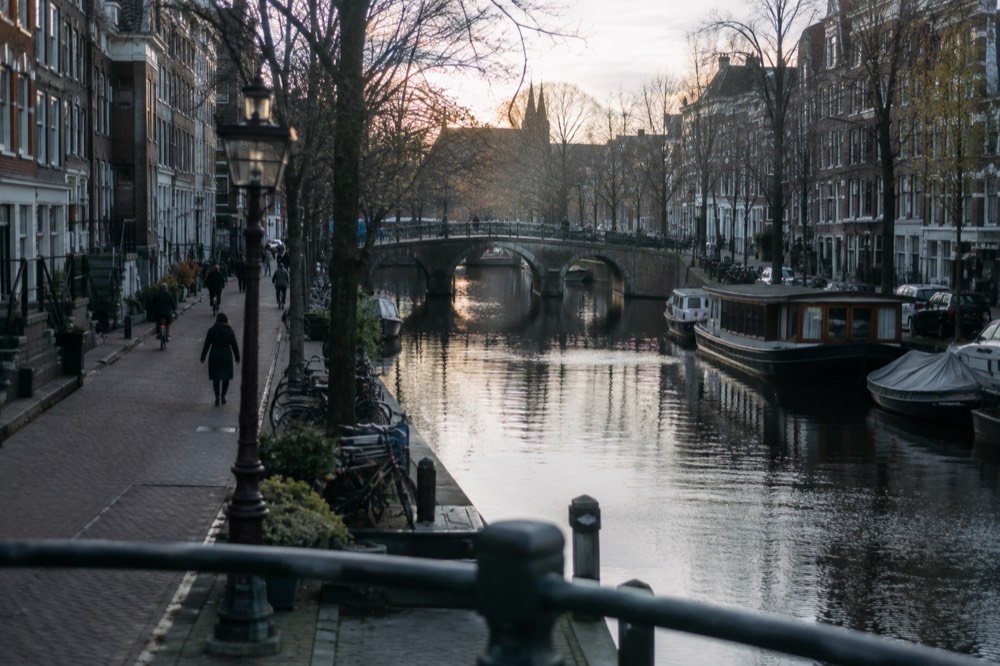
Walking north from the market takes you over the canal ring's southern edge and into the centre within half an hour. West takes you to Museumplein in ten minutes and on to the Vondelpark, the city's largest park, in twenty-five. The Vondelpark guide covers what you will find there, and the Nine Streets guide covers the shopping quarter that sits between De Pijp and the Dam.
East of the neighbourhood, the Amstel river and the Magere Brug, the Skinny Bridge, are close enough to be part of the same walk. The Skinny Bridge guide explains the bridge's story and why it is one of the most photographed spots in the city at dusk.
| Destination | Walk From De Pijp | Tram or Metro |
|---|---|---|
| Museumplein | 10 minutes | One stop or a short ride |
| Albert Cuyp Market | In the neighbourhood | Metro stations at De Pijp and Albert Cuyp |
| Canal ring, south edge | 15 minutes | Trams along Ferdinand Bolstraat |
| Dam square | 25 minutes | About 10 minutes by tram |
| Vondelpark | 25 minutes | Tram with one change |
That walkability is the quiet argument for choosing De Pijp over cheaper bases further out. A hotel in the outer districts saves money but adds two tram rides to everything on this list; a base here puts most of the city's headline sights on foot. The trade-offs of each area are laid out in the where to stay in Amsterdam guide, which is worth reading before committing.
For evening plans, the neighbourhood's own bars and restaurants carry the night well, and the city's wider nightlife is a short tram ride north. The Amsterdam nightlife guide maps the options from brown cafés to clubs, and the Things to Do in Amsterdam homepage pulls the full site together by interest if you are still shaping the rest of your trip.
Common Questions About De Pijp in Amsterdam
What is De Pijp in Amsterdam known for?
De Pijp is best known for the Albert Cuyp Market, the longest-running daily street market in the Netherlands, plus Sarphatipark and the Heineken Experience. Its position on the edge of Museumplein puts the Van Gogh Museum and the Rijksmuseum within a short walk.
Is De Pijp worth visiting?
Yes, for most visitors. It combines a real working market, a leafy park, a major attraction in the Heineken Experience and some of the densest independent restaurant streets in the city, all within a ten minute tram ride of the centre.
How far is De Pijp from the city centre?
The centre around Dam square is roughly a 25 minute walk or a ten minute tram ride from the heart of De Pijp. Museumplein is closer still, about ten minutes on foot from the Ferdinand Bolstraat.
What is the best way to get to De Pijp?
Trams along the Ferdinand Bolstraat and the metro stations at De Pijp and Albert Cuyp. A single one-hour GVB ticket costs €3,40, a 24-hour ticket €10,00, and contactless bank cards work on every tram, bus and metro under OVpay.
Is De Pijp a good place to stay?
For many visitors it is the best central compromise: residential atmosphere, walkable to the museums and the canal ring, and well served by trams and metro. Expect narrow 19th-century buildings with steep stairs and some late-night noise in the northern streets.
When is the Albert Cuyp Market open?
The market trades during the day and is closed on Sundays, so plan a visit from Monday through Saturday. Mornings are the best time: stalls are fully stocked and the street is easier to walk before the afternoon crowds build.