Our Lord in the Attic: Amsterdam's Hidden Church Museum Explained
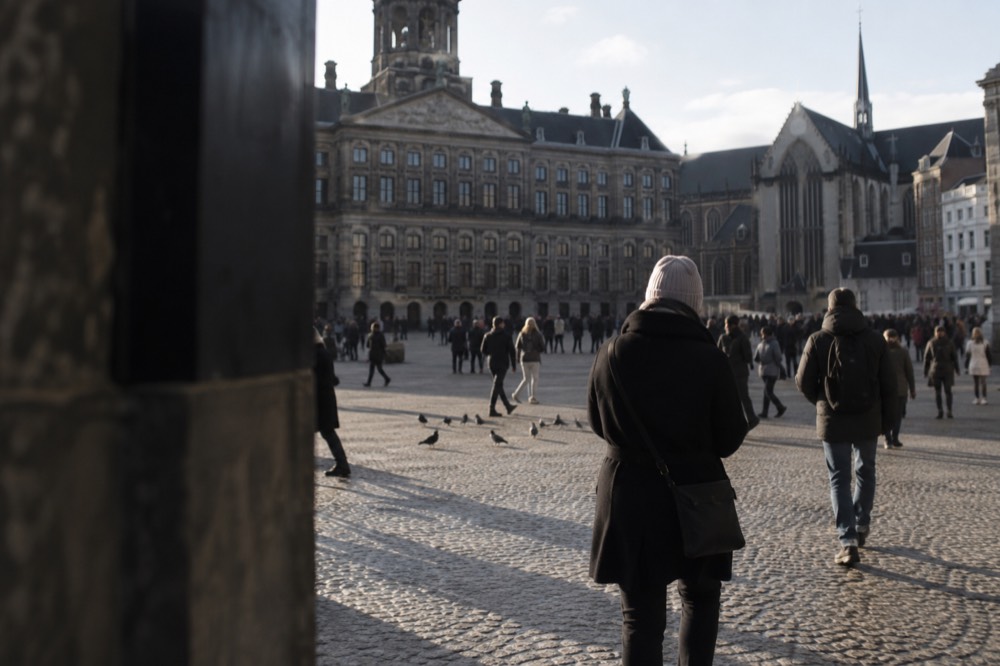
Behind the ordinary frontage of a canal house in the centre of Amsterdam sits one of the strangest surviving buildings in the city: a complete Catholic church, built into the attic, at a time when celebrating mass in public was forbidden.
Short answer
Our Lord in the Attic is a museum built around a hidden Catholic church constructed inside the attic of a canal house in Amsterdam's centre during the seventeenth century, when public Catholic worship was banned. You walk through period rooms and climb to a full church space above. Tickets and current hours are on the museum's own site.
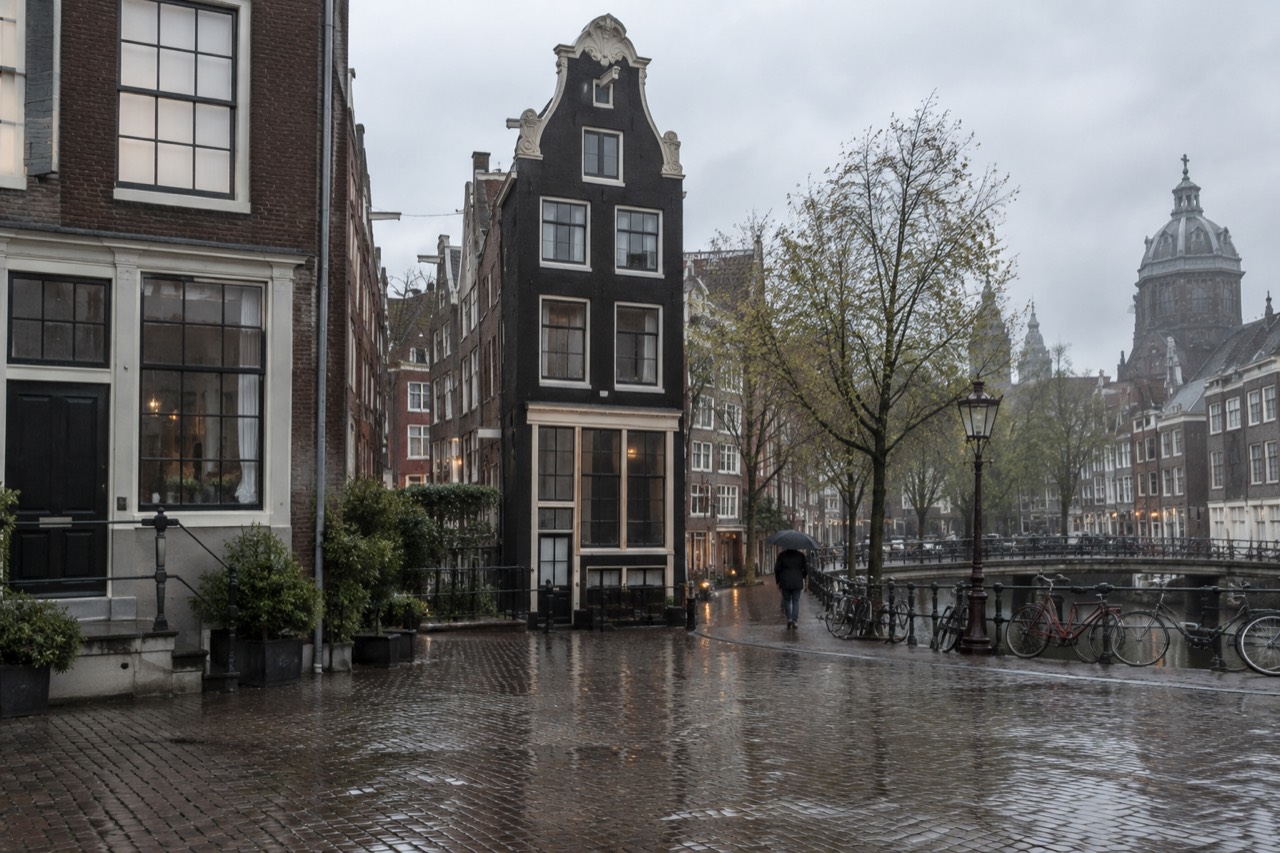
Behind a plain canal-house frontage on the Oudezijds Voorburgwal stands one of the most remarkable interiors in the Netherlands. Our Lord in the Attic, known locally as Ons' Lieve Heer op Solder, is a museum wrapped around a complete Catholic church that was built, in secret, into the upper floors of a merchant's house during the seventeenth century. At the time, openly celebrating the Catholic faith was forbidden in the Dutch Republic, and the city's Catholic community responded by worshipping in concealed spaces like this one, hidden behind the ordinary life of a family home.
What makes the building extraordinary is that the deception is still legible. You enter through what looks like a standard canal house, pass through furnished period rooms, climb narrow stairs, and arrive in a two-storey church complete with a nave, galleries, an organ and an altar. The museum tells the story of how this space came to exist, who worshipped here, and what life in the canal belt was like for people whose faith had to stay indoors. For visitors planning their time using a site like Things to Do in Amsterdam, it is one of the few central attractions that rewards you with something genuinely surprising rather than simply famous.
What Is Our Lord in the Attic?
Our Lord in the Attic is a house museum in Amsterdam's centre built around a hidden Catholic church, constructed in the attic of a seventeenth-century canal house when public Catholic worship was banned in the Dutch Republic. The church occupies two upper floors of the building, and the museum below preserves the parlour, kitchen and bedrooms of the family who lived underneath it.
The Dutch name, Ons' Lieve Heer op Solder, translates literally as "Our Dear Lord in the Attic", and that is an accurate description of the place. The building began as a private residence on one of the city's main canals, and during the seventeenth century its owner converted the loft into a schuilkerk, a shelter church: a place of worship that was officially a private home but functioned as a parish church for the surrounding Catholic community.
This was not a unique arrangement. Amsterdam in the seventeenth century contained several hidden churches serving Catholics, Lutherans, Mennonites and Remonstrants, groups that did not enjoy full public freedom of worship under the Reformation-era settlement. What makes this one exceptional is survival. Most schuilkerken were demolished, rebuilt or converted generations ago. This house, its church and much of its fabric remain intact, which is why the museum can show you the actual staircase the congregation climbed rather than a reconstruction of it.
The museum frames the building as a document of religious tolerance and its limits. The Dutch Republic was famously open compared with much of Europe, and Amsterdam in particular welcomed merchants of many faiths. Yet openness had boundaries, and the attic church is the clearest physical evidence of where those boundaries sat. Walking from a domestic kitchen to a gilded altar in the space of two flights of stairs communicates the arrangement more powerfully than any timeline on a wall.
The collection around the church adds context. Period rooms show how a well-off canal-house family lived, and the museum's displays explain the mechanics of hidden worship: how the community knew where to come, how the space was furnished, and how the house functioned on a Sunday morning when the attic filled with worshippers while the street below stayed quiet.
Why the Attic Church Is Worth Your Time
The attic church rewards a visit because it is the only place in Amsterdam where a complete hidden church survives inside its original house, and because the experience is compact, central and completely unlike the city's large museums. You can see it thoroughly in about an hour, and it sits within walking distance of Dam Square, the Oude Kerk and the Red Light District.
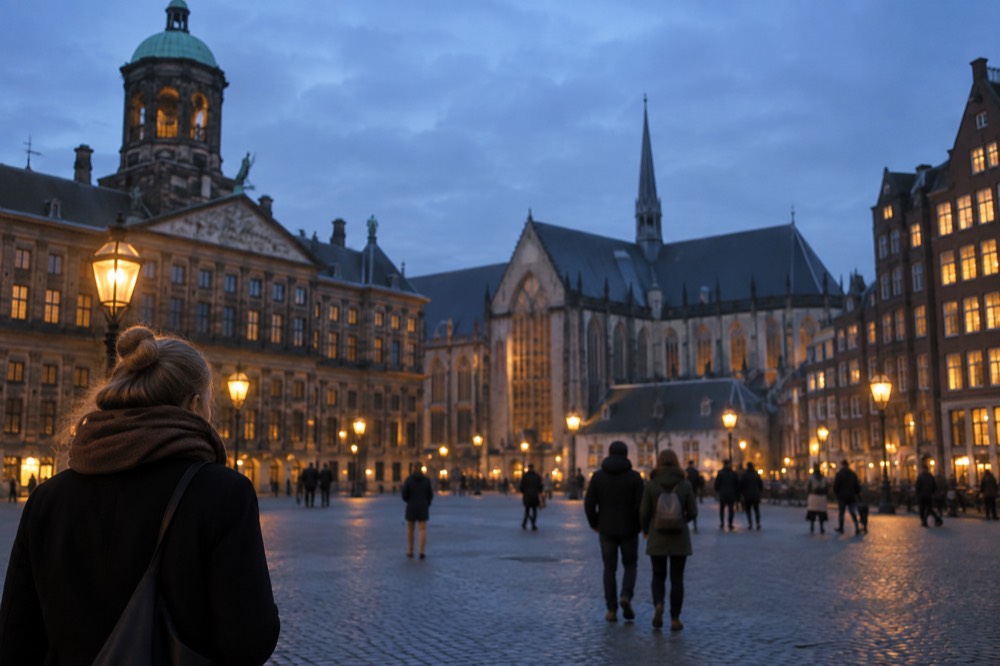
Most first-time visitors to Amsterdam build their itinerary around the big names: the Rijksmuseum, the Van Gogh Museum, a canal cruise. Those choices are sound, and this guide pairs them with the attic church below. But the big museums share a common texture: grand buildings, timed entry, crowds moving through world-famous collections. Our Lord in the Attic inverts every one of those expectations. The building is small, the street entrance is easy to walk past, and the payoff is architectural rather than artistic.
The emotional effect of the reveal is what visitors consistently describe. You move through the house in a prescribed route, and the rooms get progressively more surprising: a front parlour, a back kitchen, a drawing room, then suddenly a full church with a barrel-vaulted ceiling that should not fit inside the roof you were looking at from the canal two minutes earlier. The engineering alone is worth the trip. Supporting a church interior across the top floors of a narrow merchant house required serious structural cunning, and the museum explains how the builders managed it.
The museum also gives you a lens on the neighbourhood. The Oudezijds Voorburgwal sits at the edge of De Wallen, and the contrast between the house's respectable frontage and the district around it has shaped this part of the centre for centuries. If you are working through a deeper read on the area, our Red Light District history and etiquette guide covers the rules and rhythms of the neighbourhood the church sits in.
For anyone curious about how Amsterdam tells its own story, the attic church pairs naturally with the city's broader historical narrative, from the Golden Age merchant economy that built the canal belt to the religious settlements that made hidden churches necessary in the first place. Between the house museum and the wider city story you get both the official narrative and its best-kept secret.
What You Actually See Inside
Inside, you follow a route through the canal house's furnished period rooms, the family's private quarters, and then the hidden church itself: a two-storey space with a nave, side galleries, confessionals, an organ loft and a gilded altar. The museum also displays religious silver, paintings and objects used by the hidden congregation, plus exhibits on the house's later life as a parish and a museum.
The house route begins at street level and works upward. The front room, or voorhuis, faces the canal and is furnished as the reception space of a merchant family, the room whose windows advertised prosperity to everyone passing on the water. Behind it, the back rooms were the working core of the house: the kitchen, the beds, the storage. The museum has restored these spaces to show the full vertical economy of a canal house, where the public face and the private reality occupied the same footprint.
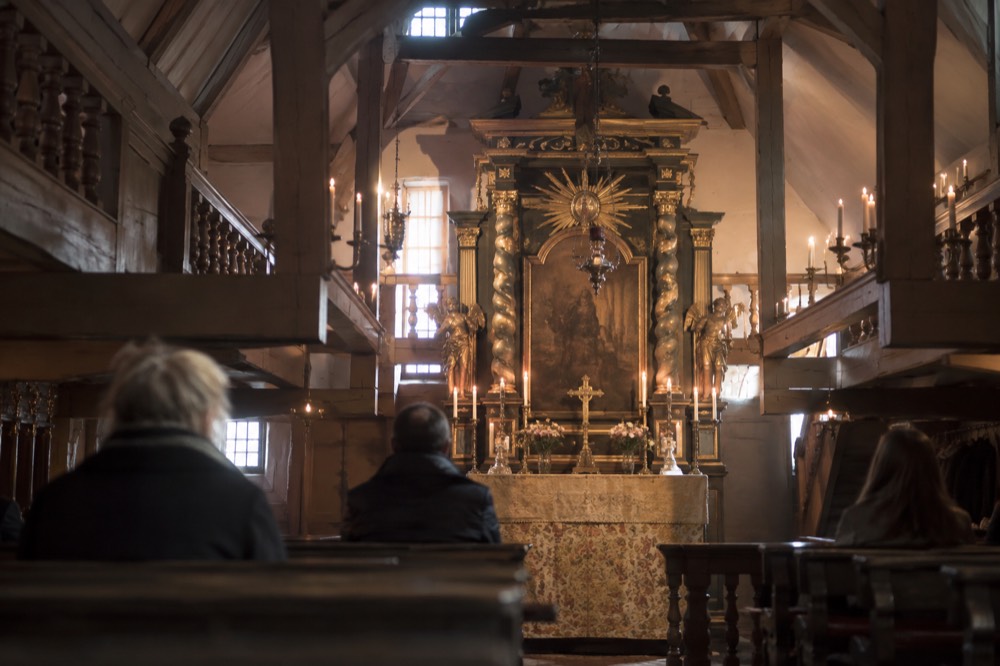
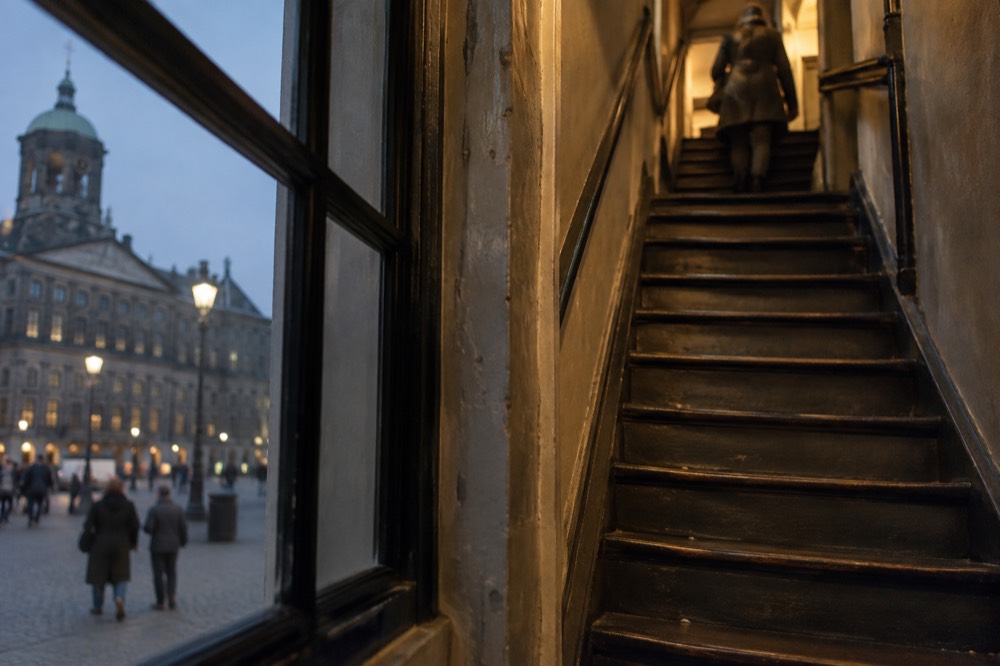
Then the stairs. The house's original staircase survives, and climbing it is part of the point: the congregation walked this same route, in ordinary clothes, past a family's private rooms, to reach mass. At the top, the church opens out across the full width of the building. The nave is lined with galleries on two levels so the maximum number of worshippers could see the altar, and the whole interior is finished with the care you would expect of a purpose-built church rather than a loft conversion.
Look for the details that carry the story. The altar and its reredos dominate the east end. The organ sits in its own loft. The confessionals are real, functioning pieces of church furniture, not stage dressing. Around the church, the museum's display cases hold the material culture of the hidden parish: religious objects, vestments and the sort of devotional items a congregation needed when its worship existed in a legal grey zone.
The attic level above the church, reached by another flight, holds additional exhibition space where the museum rotates displays on the building's history and on religious life in Amsterdam more broadly. Give yourself time here; the temptation is to see the church, feel satisfied and leave, but the upper exhibits explain what you have just seen, and they change periodically.
Planning Your Visit: Tickets, Hours and Timing
Plan your visit by booking through the museum's own website, where current ticket prices and opening hours are listed, since this guide deliberately avoids printing figures that change. Allow about an hour inside, more if you want the exhibits at full depth. The museum is in the old centre, a short walk from Dam Square, and its stairs are original, which matters for visitors with mobility limits.
The museum's official site at opsolder.nl is the source for everything time-sensitive: admission prices, concession rates, opening days and any temporary closures. Prices at small Amsterdam museums adjust periodically, and a guide that printed a figure would risk being wrong by the time you travel. The museum also sells combination arrangements with partner institutions from time to time, and those offers live on the same page, so it is worth a look even if you already hold tickets elsewhere.
Timing matters more here than at large museums, and less than at the headline attractions. The attic church does not need a timed slot booked weeks ahead in the way the Van Gogh Museum does, but its small circulation spaces mean a mid-afternoon visit in high season can feel busy, and the narrow staircase bottlenecks at peak moments. A weekday morning is the calmest window, and the museum's smaller scale means a rainy afternoon here is far more comfortable than a rainy afternoon at an open-air attraction.
The building itself sets one hard constraint: it is a genuine seventeenth-century canal house with genuine seventeenth-century stairs. There is a lift for part of the route, but the full experience involves climbing the original staircase to the church, and visitors who cannot manage steep, narrow stairs will see only part of the interior. Check the accessibility notes on the official site before you commit, and if you are travelling with someone for whom stairs are a problem, plan a companion activity nearby rather than a partial visit.
Photography is permitted inside, but the interior is dim by design, since candlelit atmosphere is part of the restoration. Flash is discouraged, and the low light rewards a steady hand or a phone with good night processing. If you want photographs of the church from the galleries, arrive early, before the room fills.
How the Attic Church Compares to Amsterdam's Big Museums
The attic church is a small, atmospheric hour; the big museums are half-day commitments. The Rijksmuseum and Van Gogh Museum each charge €25 for adults and require timed entry, while bookable ticket products for the major museums start lower. Treat the attic church as a centre-based anchor and the Museumplein institutions as a separate, planned block of your trip rather than squeezing both into one morning.
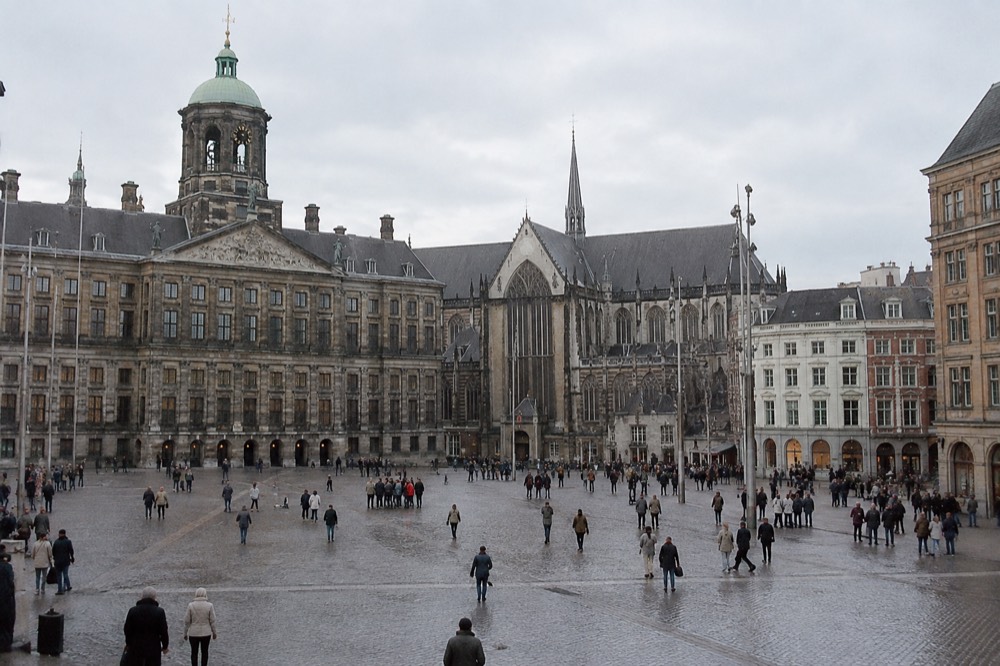
The practical difference is geography. Our Lord in the Attic sits in the old centre, within a ten-minute walk of Dam Square, the Begijnhof and the Oude Kerk. The Museumplein cluster sits well south of the centre, and visiting it properly means committing a block of hours, pre-booked slots and, in high season, queue discipline. Trying to do both in a single half-day usually means doing both badly.
The table below sets the attic church against the major bookable museum experiences, using the current figures from the tour roster. Prices shown are the starting adult prices on the live listings, and ratings are the averages across the review counts stated.
| Experience | Starting Price | Rating | Reviews | Character |
|---|---|---|---|---|
| Our Lord in the Attic (book via the museum's own site) | See official site | Not rostered | Not rostered | Hidden church, house museum, one hour |
| Van Gogh Museum ticket | $31 | 4.7 | 57,096 | World-class collection, timed entry |
| Rijksmuseum ticket | $31 | 4.7 | 33,205 | Dutch Golden Age masters, large museum |
| Rembrandt House Museum ticket | $23 | 4.7 | 3,753 | The painter's home and studio, central |
| Moco Museum ticket | $20 | 4.3 | 11,775 | Modern and street art, Museum District |
The Rembrandt House is the attic church's closest cousin in spirit: a historic house in the centre that delivers its subject through rooms rather than galleries, and at $23 from the listing it is priced accordingly. If the hidden church sells out your interest in historic interiors, the Rembrandt House is the natural second stop, and the two together make a strong single day of old Amsterdam without touching Museumplein.
The Van Gogh Museum is the contrast case, and the one most visitors will not skip. It carries a 4.7 rating across 57,096 reviews on its ticket listing, which is about as strong a consensus as Amsterdam attractions get, and it demands the most planning: timed entry, pre-booking, and a realistic expectation of crowds even with a slot. Our Van Gogh Museum guide covers how to book it and what to see once you are inside.
Combining the Attic Church With the Rest of the Centre
The attic church sits inside the most walkable cluster in Amsterdam: Dam Square is minutes away, the Oude Kerk and the Begijnhof are closer still, and the Red Light District surrounds the museum to the east. A realistic plan is the attic church plus two or three nearby stops in a morning, with a canal cruise as the afternoon's rest for your feet. Everything in this cluster is reachable on foot.
Build the walk in a loop. Start at Dam Square, the city's civic centre point, then drop south to the Oudezijds Voorburgwal for the attic church. From there, the Oude Kerk, the city's oldest building, is a few minutes east, and the Begijnhof, the quiet enclosed courtyard that most visitors walk past without finding, sits just west of the Kalverstraat. The courtyard is free to enter but easy to miss, which is the part people get wrong.
The Red Light District deserves a deliberate decision rather than an accidental drift. The attic church sits at its edge, and the contrast is genuinely interesting: the same few streets that hid a Catholic church in the seventeenth century became the district Amsterdam is now trying to rebalance with earlier closing times and strict tour rules. Guided tours in De Wallen are capped at 15 people, may only run between 08:00 and 22:00, and are not permitted to pass the sex workers' windows, rules the city enforces with fines of €190 for an individual guide and €950 for a company. If you take a walking tour of the district, those rules shape what any legitimate tour can offer.
The cluster below is genuinely compact. These are the stops that pair naturally with the attic church, all reached on foot from its door.
| Nearby Stop | Direction From the Museum | Approximate Walk | Why It Pairs Well |
|---|---|---|---|
| Dam Square | North | About 5 minutes | The city's civic centre point, with the Royal Palace on it |
| Oude Kerk | East | About 5 minutes | The city's oldest building, set in the heart of De Wallen |
| Begijnhof courtyard | West | About 8 minutes | A quiet hidden courtyard most visitors never find |
| Amsterdam Centraal | North | About 10 minutes | Arrival and departure point for most visitors |
| Museumplein | South | About 20 minutes | The Rijksmuseum and Van Gogh Museum, for the afternoon block |

By afternoon, feet matter. A one-hour canal cruise is the classic way to rest while still sightseeing, and the canal belt the attic church sits in is UNESCO-listed precisely because of the waterborne geometry you will see from the deck. The classic saloon boat cruise runs $19.56 from its listing, carries a 4.8 rating across 33,435 reviews, and puts you on a historic wooden boat with a live guide, an upgrade path to cheese and unlimited drinks, and a departure point within walking distance of the centre. Check availability.
For an evening, the Heineken Experience is the energetic counterweight to a morning of seventeenth-century piety. The former brewery's self-guided route runs about an hour and a half, carries a 4.6 rating across 39,581 reviews on its listing, and starts at $23, with a rooftop option when you want the view as well as the beer. It sits south of the centre, so it slots after a canal cruise without backtracking.
Getting There and the Surrounding Neighbourhood
The museum is on the Oudezijds Voorburgwal, a five-minute walk from Dam Square and about ten from Amsterdam Centraal, reachable on foot from almost anywhere in the old centre. Trams stop nearby along the Damrak and Rokin corridors, and a GVB single costs €3.40 for one hour of travel, while a 24-hour day pass costs €10.00. Most visitors, though, will simply walk.
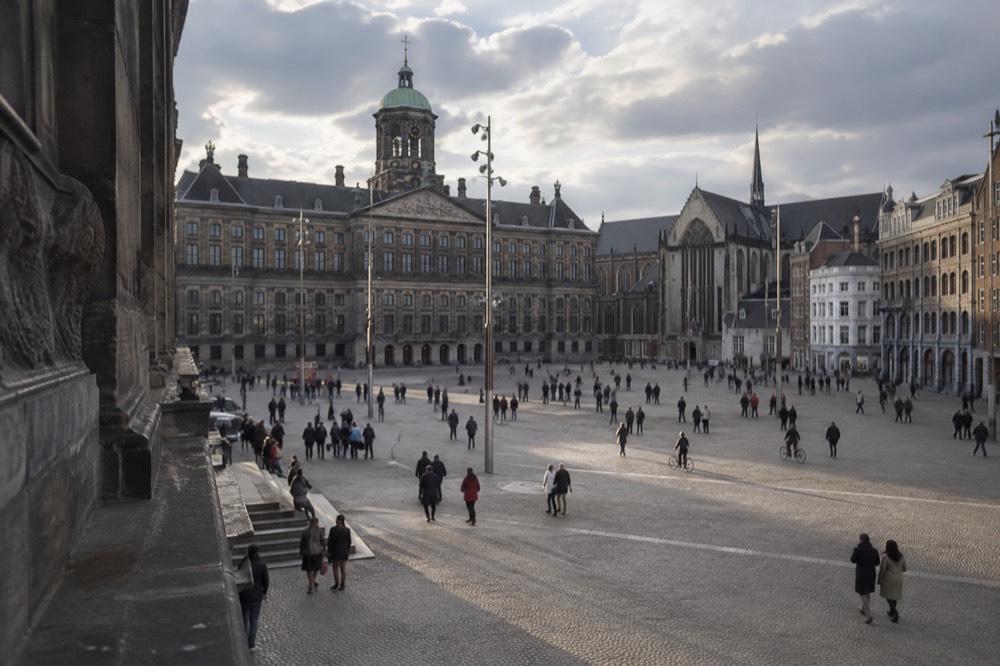
The Oudezijds Voorburgwal is one of the oldest canals in the city, running parallel to the Damrak from the centre out toward the Nieuwmarkt end of the old town. The museum's frontage is deliberately unremarkable, which is the historical point, so navigate to the address rather than scanning for a landmark. From Centraal Station, walk down the Damrak, turn right at Dam Square and continue into the canal belt; the whole route is flat, pavemented and busy with other pedestrians.
Public transport is simple if the weather turns. GVB trams and the metro serve the Rokin and Nieuwzijds Kolk stops within a few hundred metres, and contactless payment with a bank card or phone works directly on trams and buses through the OVpay system, with a base fare of €1.16 plus €0.217 per kilometre. A single paper ticket for one hour of GVB travel costs €3.40, and the 24-hour day pass at €10.00 usually wins for anyone making three or more journeys. The current GVB ticket ladder looks like this.
| GVB Ticket | Price | Best For |
|---|---|---|
| Single, 1 hour | €3.40 | One journey, no planning |
| Day pass, 24 hours | €10.00 | Three or more journeys in a day |
| Day pass, 48 hours | €16.00 | A two-day centre-and-museums stay |
| Day pass, 72 hours | €21.50 | Three days with day trips in the mix |
| OVpay contactless | €1.16 base plus €0.217 per km | Occasional trips without buying a pass |
The neighbourhood rewards lingering. West of the museum, the Damrak and the Kalverstraat corridor take you toward the Spui and the Begijnhof. East takes you into De Wallen and to the Oude Kerk. South, the canal belt climbs through the Grachtengordel toward the Munttoren, and if you keep going you reach the museum quarter in about twenty minutes on foot, which is the natural bridge to an afternoon at the Rijksmuseum or the Van Gogh. The whole district is mapped in detail in the site's centre and neighbourhood guides if you want the fuller picture before you set out.
Common Questions About Our Lord in the Attic
What is Our Lord in the Attic in Amsterdam?
It is a museum built around a hidden Catholic church constructed in the attic of a seventeenth-century canal house on the Oudezijds Voorburgwal, at a time when public Catholic worship was forbidden in the Dutch Republic. The church fills two upper floors of the house, and the museum preserves the period rooms beneath it.
How long does a visit to Our Lord in the Attic take?
Most visitors spend about an hour inside, which covers the house route and the church comfortably. Add another thirty minutes if you want to read the exhibits on the upper level in full depth. It is a compact museum by design, not a half-day commitment.
Where do you buy tickets for Our Lord in the Attic?
Through the museum's own website, which lists current prices, opening hours and any combination offers with partner institutions. This guide does not print the admission price because small-museum pricing changes; the official site is the reliable source on the day you book.
Is Our Lord in the Attic accessible for visitors with limited mobility?
Partly. The building is a genuine seventeenth-century canal house, and the route to the church involves the original steep, narrow staircase. There is lift access to part of the building, but the full experience requires climbing. Check the accessibility notes on the museum's official site before visiting.
What else is near Our Lord in the Attic?
Dam Square, the Oude Kerk, the Begijnhof courtyard and the Red Light District are all within a ten-minute walk, and Amsterdam Centraal is about ten minutes on foot. The museum sits in the most walkable cluster in the city, so it pairs easily with two or three other central stops in a single morning.
Is the attic church suitable for children?
Yes, with framing. The building is a house museum with stairs, candlelit rooms and religious displays rather than interactive exhibits, so it suits children old enough to be fascinated by the idea of a secret church. The narrow staircase requires supervision, and the route is not buggy-friendly throughout.
The attic church is the rare Amsterdam attraction that earns its reputation on surprise rather than scale. Book it on the museum's own site, give it an unhurried hour, and let the staircase do the storytelling.