Amsterdam Accessibility: Cobbles, Canals and Steep Stairs
Amsterdam is a 17th-century city built on water, and its accessibility reflects that: flat in some places, brutal in others. This guide separates what genuinely works for wheelchair users and stair-averse travellers from what only looks workable on a map.
Short answer
Amsterdam is partly accessible. The centre is flat and most modern museums, including the Rijksmuseum at €25 and NEMO at €21.50, are fully wheelchair friendly, while canal cruises and all GVB metros are workable. The hard parts are cobbled quays, steep unrailed staircases in older buildings and the Anne Frank House, which has no lift.
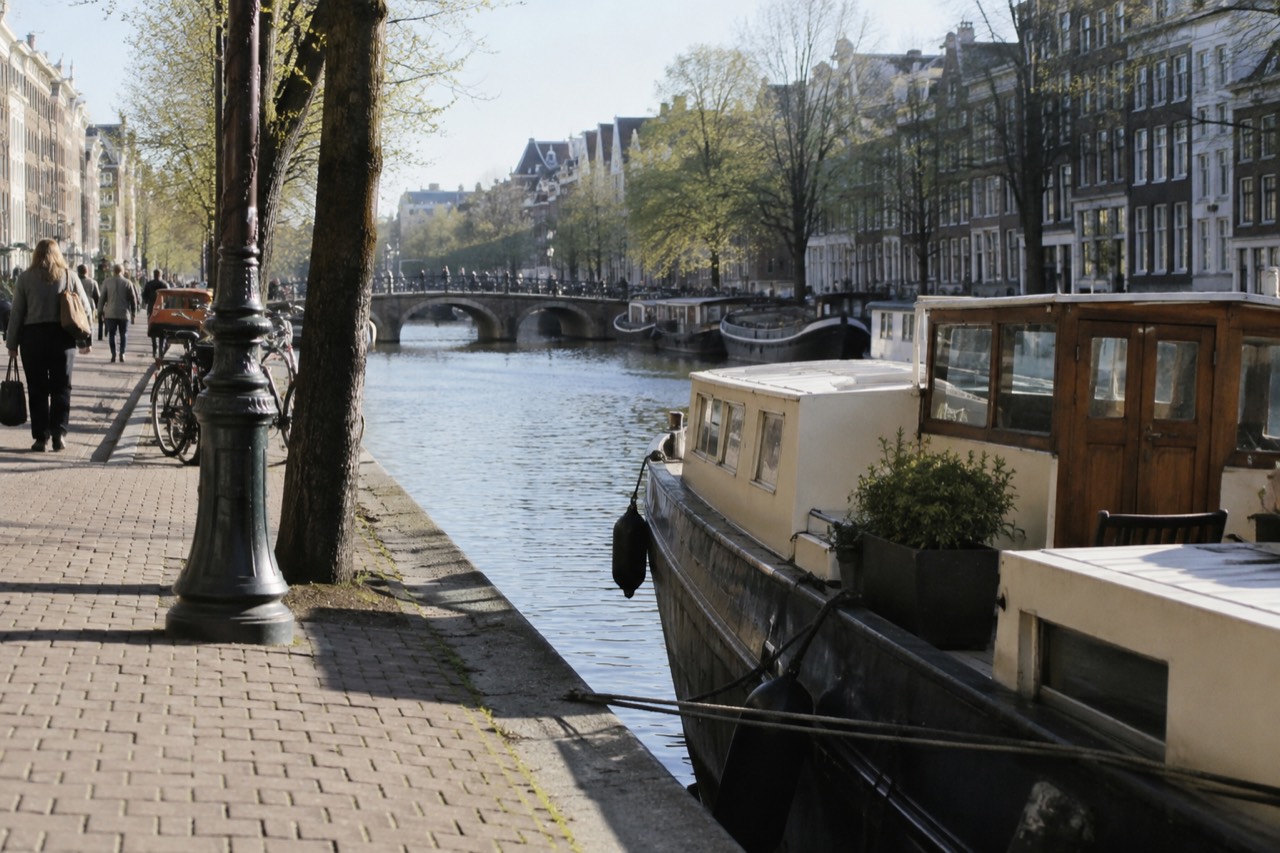
Amsterdam was built by merchants who moved goods by water and thought in verticals: narrow plots, tall houses, staircases like ladders. That inheritance cuts both ways for accessibility. The whole city sits at or below sea level, so there are almost no hills to fight, the metro is fully step-free, and the major museums were rebuilt in the last two decades with lifts as standard. Against that stand the cobblestones of the canal ring, the stepped gables that hide some of Europe's least forgiving staircases, and a core of medieval buildings that will never take a lift.
This guide walks through what actually works. It draws on the museums' own ticket pages, the transport operator's fare table and the city's published rules, and it flags the places where the honest answer is "partly" rather than a cheerful yes. If you are planning the broader trip, our one day in Amsterdam itinerary can be adapted using the notes below, and the transport detail in getting around Amsterdam by tram and metro fills in the practicalities this page only sketches.
Is Amsterdam Wheelchair Accessible?
The honest answer is that Amsterdam is a mixed-accessibility city. The flat terrain, the step-free metro and the modernised major museums make the headline attractions achievable, while cobbled streets in the canal ring, steep stairs in older canal houses and a handful of unmodernised buildings make parts of the historic centre genuinely hard. Plan around the hard parts and the city opens up.
Start with the good news, because there is more of it than most accessibility forums suggest. Amsterdam has essentially no gradients: the entire city lies at or below sea level, and the longest sustained slope most visitors will meet is a canal bridge arch. Bridge ramps exist on the major crossings, though side bridges in the Jordaan and along the small canals are often stepped at both ends.
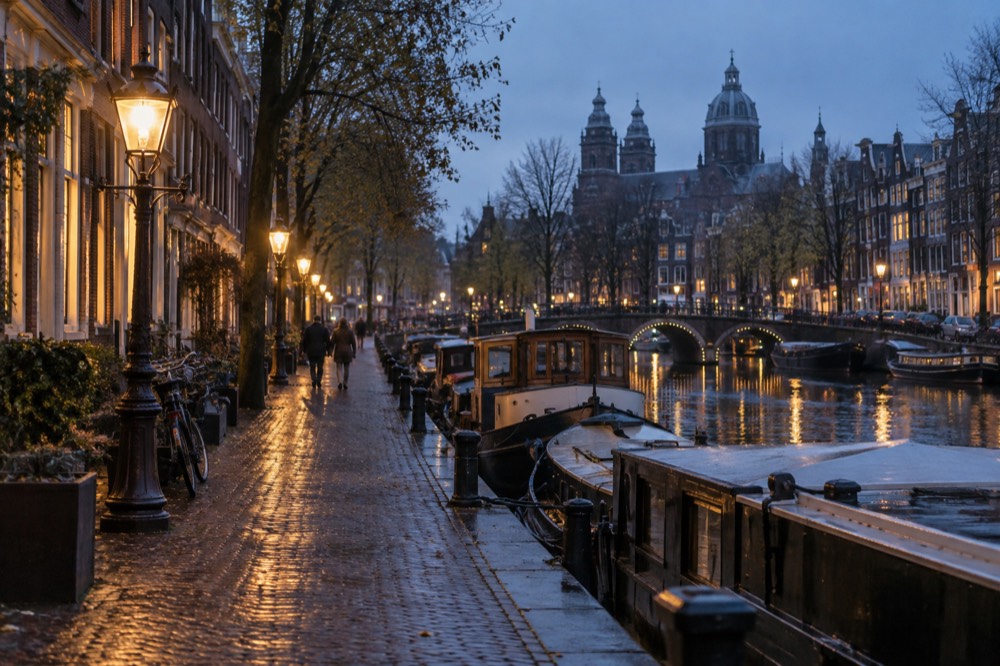
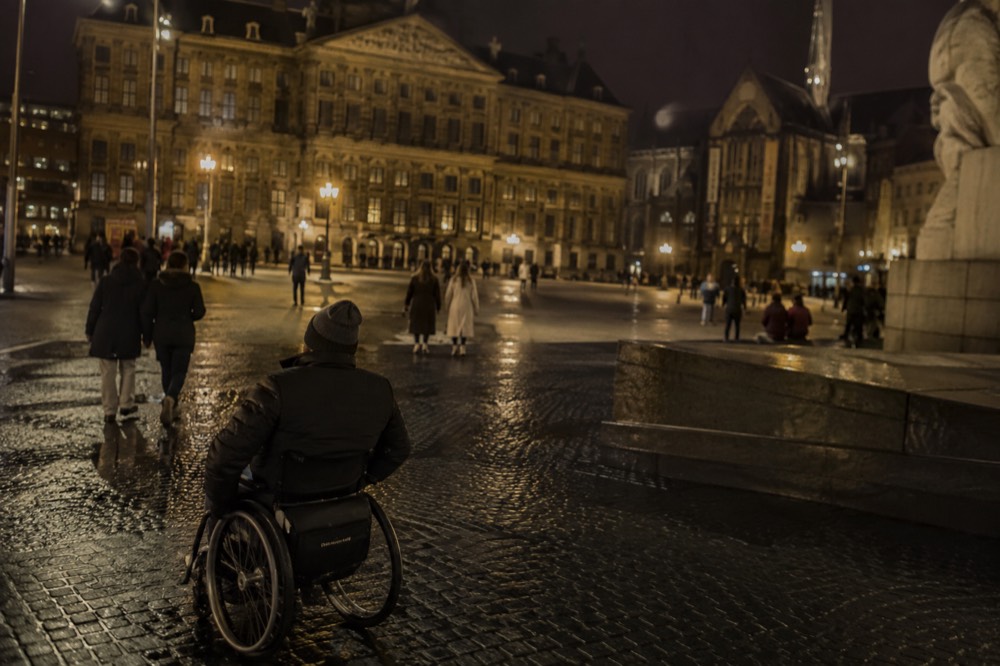
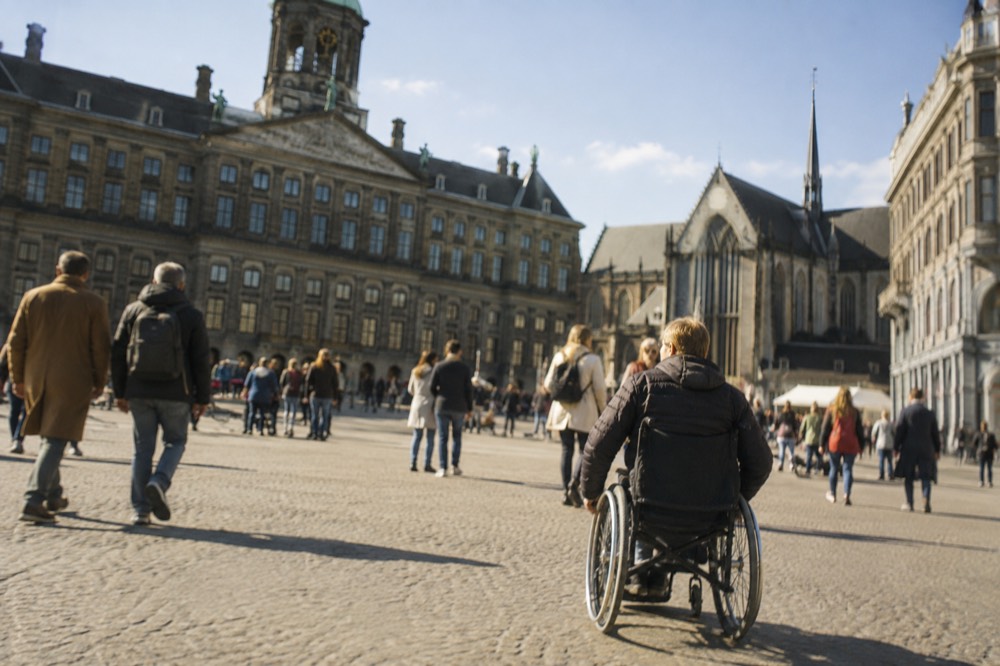
The public realm is the weak layer. The quays along the Prinsengracht and in the Amsterdam Centrum city centre are largely brick and sett paving, which is rideable on a powered chair or a manual chair with good castors but punishing on small wheels. The city has been replacing setts with smooth paving on main routes for years, and the difference is noticeable on streets like the Damrak and Rokin, but the side streets of the canal ring remain authentic to their 17th-century surfaces, which is to say bumpy.
Toilets are the other chronic gap. Accessible public toilets exist at Centraal Station, at the major museums and in the larger cafés and restaurants, but a random brown café in the Jordaan will typically have a steep staircase down to a cramped basement toilet. Museums are the reliable fallback: the Rijksmuseum, NEMO and the Van Gogh Museum all have accessible facilities on their ground floors.
One planning rule saves more grief than any other: book timed entries. Every major museum in Amsterdam now uses timed tickets, and that includes the Rijksmuseum, which requires a start time for all visitors, including card holders. Booking online lets you pick quieter hours, when staff have time to help with lifts and there is space to move.
Which Museums and Attractions Are Genuinely Accessible?
The big modern museums are reliably accessible: the Rijksmuseum, Van Gogh Museum and NEMO all have lifts, accessible toilets and step-free entrances, with adult entry at €25, €25 and €21.50 respectively. The Anne Frank House is the major exception, with stairs throughout and no lift, so it cannot be visited in a wheelchair.
The Rijksmuseum is the standard-setter. Its full rebuild gave it step-free entrances, lifts to every floor and accessible toilets, and the museum states it is open daily from 9am to 5pm including all public holidays. Adult admission is €25, free for ages 18 and under, and free for holders of the I amsterdam City Card. The Van Gogh Museum matches it: fully wheelchair accessible, €25 for adults, free for under-18s, and the museum states that all visitors must pre-book a timed entry ticket. Note that the Van Gogh Museum is one of the two headline sights the City Card does not cover.
NEMO Science Museum is arguably the best accessibility story in the city. Admission is a flat €21.50 for everyone aged 4 and over, the building is a modern ramped structure with lifts, and its roof terrace, with its wide city view, is free to reach from the street by stairs or by the lift in the museum's entrance hall, so you get the panorama without a ticket.
The Anne Frank House needs plain language, because it is the one sight no accessibility guide should blur. The museum's own ticket page is explicit that every visitor must book online for a specified date and time, at €16.50 for adults, and that tickets come only from the official site with no legitimate reseller. What the page cannot fix is the building: the hiding place is reached by narrow, steep 17th-century staircases, and there is no lift. A wheelchair user cannot visit the rooms themselves, and even visitors with limited mobility should know the climb is demanding. The museum's own site details the access situation, and its official ticket page is the only place to buy.
The table below summarises the headline sights:
| Attraction | Wheelchair access | Adult entry | Notes |
|---|---|---|---|
| Rijksmuseum | Full, lifts to all floors | €25 | Free under 18; timed slot required; free with City Card |
| Van Gogh Museum | Full, lifts and accessible toilets | €25 | Free under 18; timed ticket mandatory; not in City Card |
| NEMO Science Museum | Full, ramped building | €21.50 flat | Roof terrace free from the street via lift |
| Anne Frank House | No lift, stairs throughout | €16.50 | Online-only tickets from the official site; not wheelchair usable |
| A'DAM Lookout | Lift to the deck | €16.50 online, €18.50 at the counter | Swing add-on €7.50 online |
Beyond the museums, A'DAM Lookout across the IJ is a strong pick: the tower has a lift to the observation deck, adult tickets cost €16.50 booked online against €18.50 at the counter, and the deck is level once you are up there. ARTIS Zoo is mostly flat and largely step-free, though its ticket pricing is dynamic, always cheaper online, and varies by day, so check the zoo's own ticket page for the day you plan to visit. For a calmer alternative to the centre, Vondelpark is flat, paved on its main paths and has accessible toilets at the pavilions.
For many visitors, the question is less "which museum" and more "which experience can we actually share", and that is where the water comes in.
Can You Do a Canal Cruise in a Wheelchair?
Mostly yes, with one honest caveat: boarding is the barrier, not the boat. The large cruise operators run vessels with level decks and onboard toilets, and crews routinely help wheelchair users aboard at the main docks, but many small saloon boats have stepped gunwales and narrow doors, so you must check the boarding arrangement for the specific boat before booking.
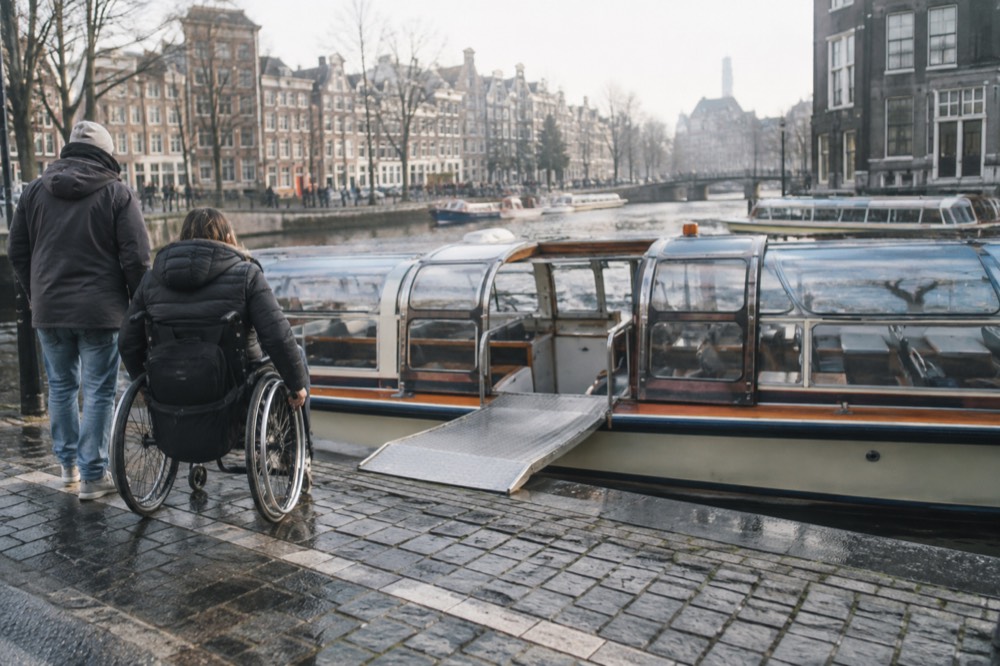
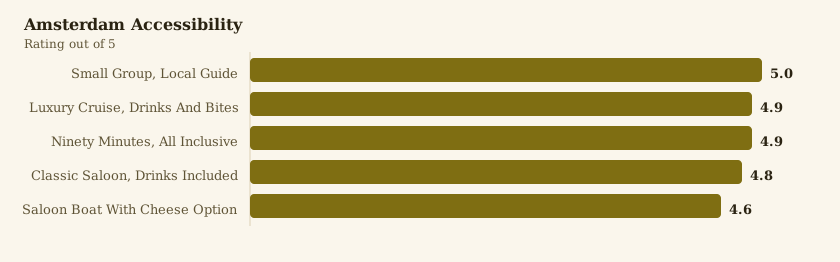
The canal cruise is the one Amsterdam experience built around sitting down, which makes it the natural centrepiece of an accessible day. The classic saloon boat cruise runs one hour through the canal ring on a restored wooden boat with a live guide, rated 4.8 across 33,435 reviews on its listing, from $19.56. Saloon boats are the traditional Amsterdam craft, low-slung and covered, which helps in rain and keeps the ride smooth. The boarding point matters more than the boat type: central docks with floating pontoons are far easier than a stepped canal-side embarkation, so confirm the departure pier when you book.
If you want a more modern vessel, the luxury canal cruise runs on an electric boat that is open in summer and covered in poor weather, with a live guide and an optional unlimited drinks and snacks package, rated 4.9 across 31,736 reviews from $23.13. The third option in the trio, the saloon boat cruise with optional cheese and wine, runs from $16 and uses the same historic boat style with a cheese-and-wine upgrade for those who want the classic format with refreshments.
A practical pattern that works well: pair a morning museum with a midday cruise and an afternoon somewhere flat like the Museumplein. The cruise docks near the Rijksmuseum, so the transfer involves almost no distance on cobbles. One thing to skip is the hop-on-hop-up temptation of small open sloops unless you have confirmed step-free boarding: many are charming and completely impractical for a chair.
For a small-group format with a skipper who can assist, the canal cruise with a local guide and small group runs one hour from Central Station with English commentary, rated 5.0 across 6,546 reviews from $23.06, and the operator can confirm boarding help when you contact them through the listing.
How Do You Get Around: Trams, Metro and Buses?
The metro is fully step-free with lifts at every station, making it the backbone of accessible travel in Amsterdam. Modern trams have low floors and boarding ramps, though older stops in the centre still have high platforms, and a GVB day ticket costs €10.00 for 24 hours with children at €5.00.
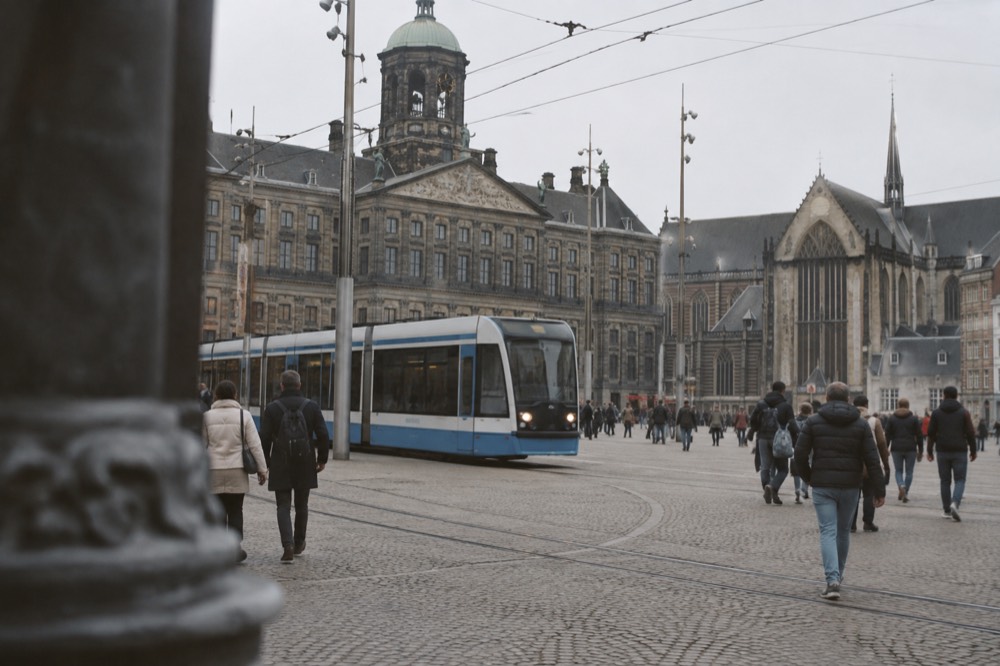
GVB, the city transport operator, runs trams, buses, metros and the free ferries across the IJ. The metro network is the reliable layer: every station has lifts or ramps, the platforms are level with the trains, and the lines serving the centre put you within a short flat walk of the Nieuwmarkt and Waterlooplein areas. For an accessible route into the canal ring, the metro to Nieuwmarkt or Waterlooplein beats fighting the tram stops around the Dam.
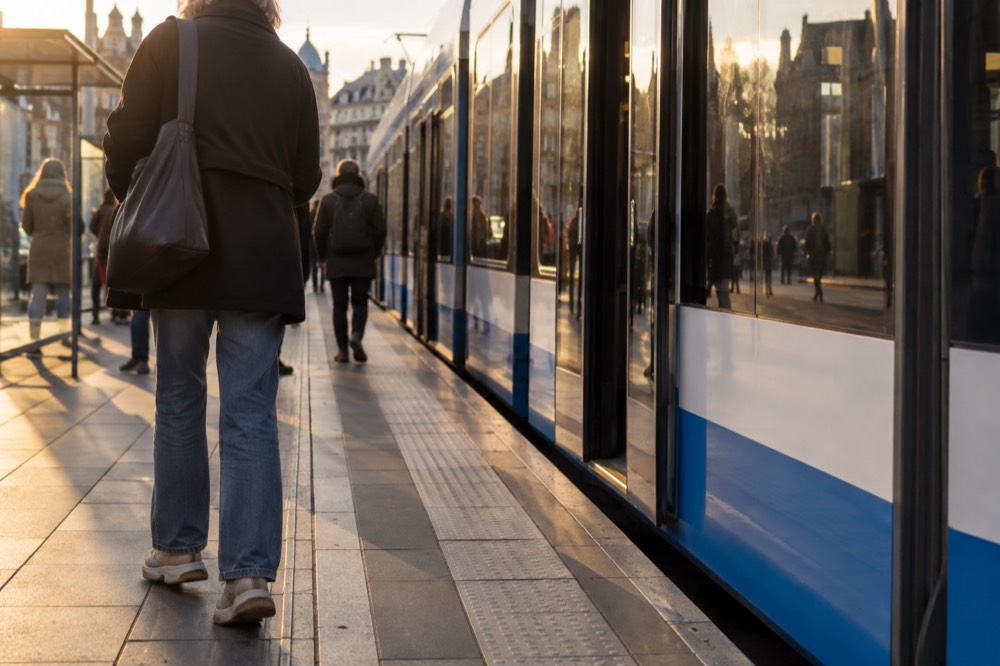
Trams are more mixed. The newest trams are low-floor with folding ramps the driver operates, and the main stops at Centraal Station, Rokin and the Museumplein are raised to platform level. Older stops on the ring lines still require a step up, and the stops in the middle of the Dam and along the Damrak sit on cobbles with traffic on either side, so judge each stop on its platform rather than trusting the network as a whole. GVB publishes its full fare table, and the headline numbers for visitors are these:
| Ticket | Price | Accessibility note |
|---|---|---|
| Single (1 hour) | €3.40 | Valid on all GVB transport |
| Day ticket, 24 hours | €10.00 | Covers metro, tram, bus and ferries |
| Day ticket, child | €5.00 | Ages 4 to 11 |
| Multi-day, 48 to 168 hours | €16.00 to €43.00 | Same network coverage |
| I amsterdam City Card, 24 hours | €67 | Includes GVB transport and one canal cruise |
| I amsterdam City Card, 48 hours | €94 | Same inclusions, longer validity |
The City Card deserves a specific accessibility mention because its inclusions line up unusually well: unlimited GVB transport, entry to over 70 museums and locations including the Rijksmuseum, one canal cruise and a 24-hour bike rental. Its exclusions matter just as much. The Van Gogh Museum and the Anne Frank House are not included, and the transport element covers GVB services within Amsterdam only, with no airport transfers.
The ferries behind Centraal Station are free and, for wheelchair users, they are a gift: level boarding from the quay, space in the middle of the deck, and a flat arrival at Amsterdam Noord, where the NDSM wharf and the flat polder roads make for some of the easiest rolling in the region. The A'DAM Lookout sits on that side of the water, reachable by ferry plus a short transfer.
Where to Stay Without Fighting Steep Stairs?
Book a modern hotel or a ground-floor holiday rental and you avoid Amsterdam's worst accessibility trap: the canal-house staircase. Many historic buildings have stairs at 45 degrees or steeper with no rail, and lifts are rare in properties built before the 20th century, so the building's age matters more than its star rating.
The single most useful accessibility fact about Amsterdam accommodation is that the stairs come with the architecture. Canal houses were taxed on width, so they are narrow and tall, and their staircases were built steep to save floor space. A photograph of a charming 17th-century B&B on the Prinsengracht almost certainly hides a staircase that many visitors with knee, hip or balance problems cannot safely use. Lifts exist in these buildings only where they have been retrofitted, which is a minority.
Modern hotels, by contrast, are straightforward. Anything built or fully rebuilt in the last thirty years will have a lift, an accessible room option and a level entrance, and the chains around the Zuidas, the Station Quarter and the Eastern Docklands are the safest bets. When you book, filter for an accessible room specifically rather than an accessible building: the difference is usually a roll-in shower, a lowered sink and enough turning space, and accessible rooms sell out first in high season.
Holiday rentals carry a second layer of risk beyond the stairs. Amsterdam caps holiday rentals at 30 nights per calendar year city-wide, and from 1 April 2026 the limit drops to 15 nights in designated central neighbourhoods including the Jordaan, the Grachtengordel and the Burgwallen-Nieuwe Zijde, with a maximum of four guests at a time and a mandatory registration number on every listing. A legitimate listing shows that number; an absence of one is a reason to book elsewhere regardless of access.
A few questions to send before you pay a deposit: is there a step at the entrance, is there a lift, does the bathroom have a walk-in shower, and is the toilet on the same floor as the bedroom? In a city where the answer to the third question is often no, asking beats assuming.
What About Cobbles, Steep Stairs and Day-to-Day Reality?
Cobbles in the canal ring are rideable on large wheels and punishing on small ones, so route along the modernised main streets where possible. Steep stairs are the fixed obstacle in older buildings, and the practical fixes are simple: pick the metro over trams, pick modern venues over charming ones, and pick the flat quays over the cobbled side streets.
Some specifics help. The sett paving on the canal quays is at its worst where the stones are worn and individual setts have shifted, typically on the side streets off the Prinsengracht in the Jordaan. The main arteries, the Damrak, Rokin, the Kalverstraat and the Museumplein approaches, have been re-paved smooth. A route that follows the big streets adds a few minutes and removes most of the vibration; a powered chair or a chair fitted with good castors will not notice the difference either way.
Bridge crossings deserve a sentence. The canal ring's bridges are hump-backed, and the ramps on the major crossings are gentle enough to self-propel up with a rest at the crest. Side bridges are often stepped, and stepping a chair down a flight of stone steps with an able-bodied companion is a two-person job at minimum. Plan crossings at the main bridges, of which the Magere Brug and the crossings at the Amstel are the pleasant ones, and treat the side bridges as scenery rather than infrastructure.
Rain changes the surfaces. Wet brick and wet setts are noticeably slicker for wheels and shoes alike, and Amsterdam gets rain year-round, so shoes with real grip matter more here than in most cities. The city's tourist tax, 12.5% of the overnight price excluding VAT, applies to hotels and holiday rentals alike, so budget for it on top of the room rate.
The honest summary table:
| Obstacle | How bad is it? | Practical fix |
|---|---|---|
| Canal-ring cobbles | Rough on small wheels, fine on large | Route via re-paved main streets; use a powered chair or good castors |
| Bridge humps | Gentle ramps on main bridges, steps on side bridges | Cross at the major bridges only |
| Canal-house stairs | Steep, often unrailed, no lift | Book modern hotels or ground-floor rooms |
| Brown café toilets | Usually down a basement staircase | Use museum and station facilities instead |
| Tram stops | Raised and level at main stops, stepped at older ones | Prefer the metro, which is step-free throughout |
One more reality worth knowing: the red-light district, De Wallen, is the least accessible quarter of the centre, a dense web of cobbled alleys and crowded bridges. Guided tours there are capped at 15 participants and may only run between 08:00 and 22:00, with no route passing the windows, so an evening tour is a poor fit for a chair; a daytime one is more workable. Our red-light district rules and etiquette guide covers the rest.
How Do You Build an Accessible Amsterdam Itinerary?
Take the accessible layer and stack it: a metro-friendly hotel, one major museum per day, a canal cruise from a central dock and the flat ferries to Amsterdam Noord for the views. Two well-chosen days beat four ambitious ones, because every hard-won metre of cobbles costs energy you will want for the sights themselves.
A sample first day: metro to Waterlooplein, the Jewish Cultural Quarter's modern spaces, then the flat walk or a short tram hop to the Rijksmuseum with its step-free entrance and lifts, lunch in the museum quarter where paving is smooth, then a canal cruise from the dock beside the Rijksmuseum, ending before the evening crowds thicken the quays. A second day: NEMO by metro, with its free roof terrace reached by the lift in the entrance hall, the ferry to Amsterdam Noord for the A'DAM Lookout's lift-served deck, and dinner back in the modern Station Quarter rather than the Jordaan.
For a longer, all-inclusive version of the cruise, the 90-minute all-inclusive canal cruise runs with unlimited beer, wine and Dutch snacks on an electric boat that is open or closed depending on the season, rated 4.9 across 18,656 reviews from $29.65, and the longer runtime suits a day where the boat doubles as a rest stop.
The planning details that make the difference are small ones. Book museum time slots for opening hour, when the lifts are quiet and the galleries have room to move. Ask the cruise operator about boarding when you book, not at the dock. Keep taxi numbers handy for the one or two transfers where cobbles would cost more energy than the fare. And build in the flat pleasures deliberately: the ferry ride itself, the Noord waterfront, the smooth paths of Vondelpark, and the long window of the museums, which stay open into the evening in high season.
Amsterdam will never be a fully step-free city, and any guide claiming otherwise has not tried the Jordaan on a wet afternoon. But the parts that work, the metro, the modern museums, the cruise docks and the flat water on all sides, are the parts most visitors actually come for. Choose those, and the cobbles become scenery you float past rather than ground you have to cross. That is the version of Amsterdam we cover across Things to Do in Amsterdam, and it holds together on wheels.
Common Questions About Wheelchair Accessible Amsterdam
Is Amsterdam wheelchair accessible?
Partly. The city is flat, the metro is step-free and the major museums have lifts, but the canal ring's cobbles, steep canal-house stairs and the Anne Frank House's stair-only interior are genuine barriers. Plan around them and most of the headline itinerary works.
Can you do a canal cruise in a wheelchair?
Usually yes. Large cruise vessels have level decks and onboard toilets, and crews help with boarding at the main docks. Small saloon boats vary, so confirm the boarding arrangement for the specific boat before you book.
Is the Anne Frank House accessible?
No. The historic building has steep staircases throughout and no lift, so it cannot be visited in a wheelchair. Tickets are sold only through the museum's official website for a timed slot, at €16.50 for adults.
Are Amsterdam trams wheelchair friendly?
The newest trams are low-floor with driver-operated ramps, and the major stops have raised platforms. Older stops still require a step up, so the metro, which is step-free at every station, is the more reliable choice.
Does the I amsterdam City Card help with accessibility?
Indirectly, yes: it bundles unlimited GVB transport, entry to over 70 museums including the Rijksmuseum, and one canal cruise, from €67 for 24 hours. It excludes the Van Gogh Museum and the Anne Frank House.
Where should you stay to avoid steep stairs?
In a modern hotel with a lift and a designated accessible room, in the Station Quarter, Zuidas or Eastern Docklands. Historic canal-house B&Bs rarely have lifts, and their staircases are often the steepest in the city.