One Day in Amsterdam: A Realistic 24-Hour Plan
One day in Amsterdam is enough to see the canal ring, one great museum and the evening lights, but only if you book the timed-entry tickets before you leave home. This plan sequences the city so you spend your hours looking at Amsterdam instead of standing in queues.
Short answer
With one day, pick a single major museum (Van Gogh or Rijksmuseum, from $31 on the live listings, €25 at the door), take a one-hour canal cruise from about €15.50, walk the Jordaan and the Nine Streets, and finish with an evening cruise or the De Wallen perimeter. A GVB day transport ticket costs €10.00.
Can You Actually See Amsterdam in One Day?
Yes, if you define "see" honestly: one great museum, the canal ring from the water, two neighbourhoods on foot and the city lit up after dark. Amsterdam recorded 23.7 million tourist overnight stays in 2025, and the pressure shows in queues and timed-entry rules, so the single day only works when the two or three things that need booking are booked before the flight. The mistake most first-timers make is treating the day as a museum checklist. The Rijksmuseum and the Van Gogh Museum sit 300 metres apart on Museumplein, and both now require a booked start time, so doing both eats the entire morning and leaves nothing for the canals that make the city what it is.
Pick one museum. Then give the rest of the day to the water, the streets and the evening. Amsterdam's centre is compact, the historic canal ring is a UNESCO World Heritage site, and almost everything in this plan is within a 30-minute walk or a short tram ride of everything else. The canal ring guide covers the geography in depth if you want the background before you commit.
One practical note before the hour-by-hour plan: transport. A GVB 24-hour day ticket costs €10.00 and covers trams, buses, metro and the GVB ferries, per the operator's own fare page. If you would rather not buy a ticket at all, OVpay lets you tap a contactless bank card directly, at a base fare of €1.16 plus €0.217 per kilometre with a daily cap. Either way, do not buy single tickets one at a time all day.
Morning: Museumplein and One Museum Done Properly
Start at 9:00 at Museumplein and commit to one museum before it opens: the Van Gogh Museum (from $31 through the live listing, €25 at the museum itself) or the Rijksmuseum (€25, free under 18). Both require a pre-booked start time, so the choice is really about what you want the rest of the day to feel like. The Van Gogh Museum holds the world's largest collection of his work, over 200 paintings, 500 drawings and more than 750 letters, and it takes most visitors about two hours. The Rijksmuseum is open every day of the year from 9am to 5pm, including public holidays, and its own practical-info page states the price and the free-under-18 rule plainly.
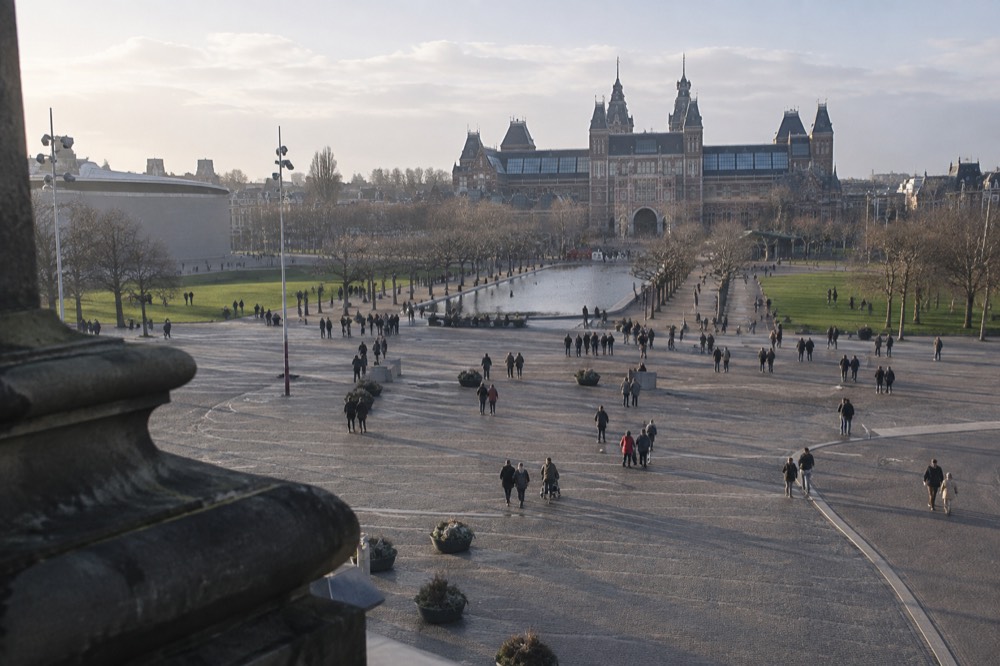
The reason to choose rather than double up is arithmetic, not preference. Two timed-entry museums plus the walk between them plus lunch is five hours. That leaves a single afternoon for everything else in a city whose whole point is its streets and water. If you genuinely cannot choose, the comparison piece Rijksmuseum or Van Gogh is not the right resource, but the dedicated Van Gogh Museum guide and the Rijksmuseum guide each lay out what you actually get for the money.
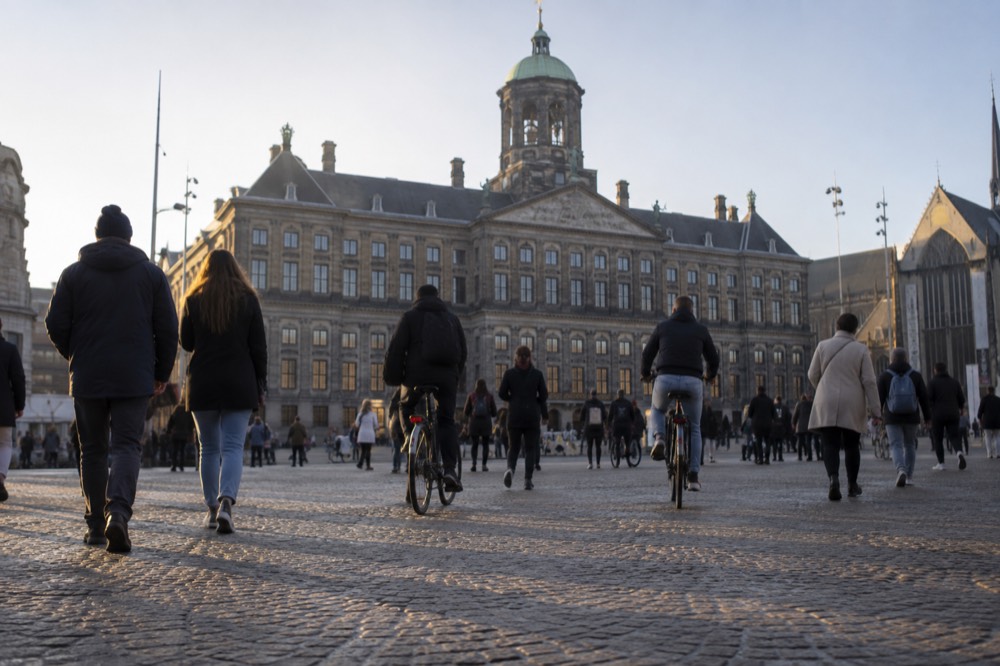
Book the earliest slot you can get. The 9:00 entries are the quietest of the day, and by 11:00 both museums run at full flow. After the museum, walk off the art through the Museum Quarter towards the canal belt: the route drops you into the southern end of the Grachtengordel within fifteen minutes, which is exactly where the midday plan picks up. The rest of the planning pages sit on Things to Do in Amsterdam.
If museums are simply not your thing, swap this block for the Heineken Experience in the same morning window: the former brewery's ticketed experience runs about 90 minutes and sits south of the canal ring, so the geography still works. The full Museumplein guide lists what else stands on the square if you have a spare half hour.
Midday: The Canal Ring from the Water and on Foot
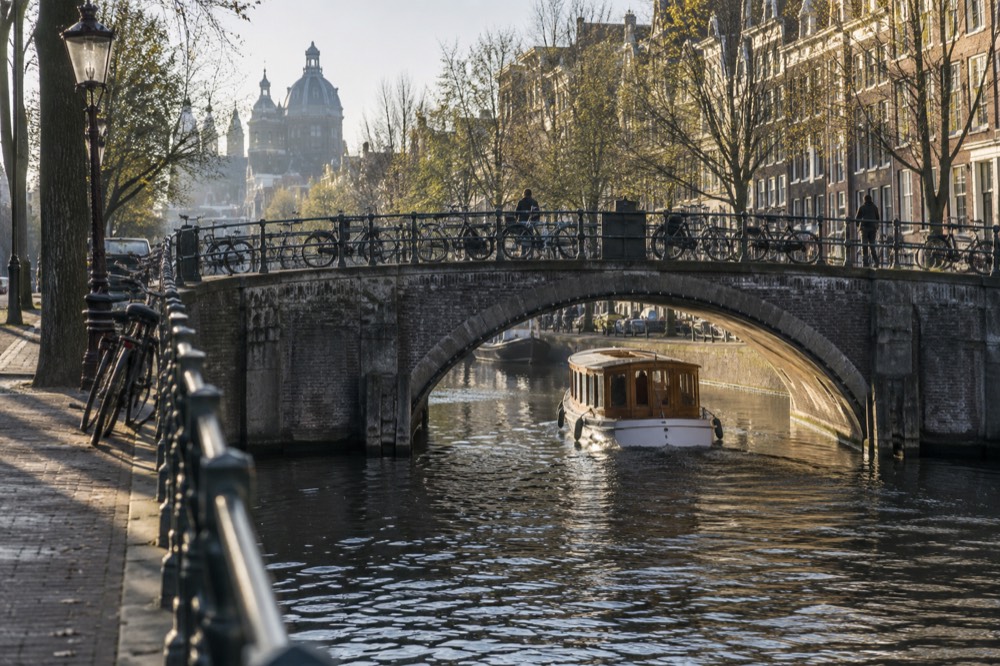
Take a one-hour canal cruise at midday, when the boats are busiest but the light on the water is best, then walk the Nine Streets and the western canal belt. A basic one-hour cruise costs from about €15.50 at the operator's own dock, and the cruise is the one activity that shows you the city's architecture the way it was designed to be seen. Amsterdam's canal ring was laid out in the 17th century and is a UNESCO World Heritage site; from the water you understand why, because the gabled merchant houses read as a single composition rather than as individual façades.
There are dozens of cruise operators and the differences are smaller than the marketing suggests. The honest baseline: Rederij Kooij's original one-hour cruise with audio guide departs every 30 minutes with no time slots at €15.50 per adult, the only operator price verified on its own site. The classic saloon boats are smaller, wooden and quieter, and the small-group sloops are smaller still. The walking tours versus paid tours comparison covers the same trade-off on land.
| Cruise type | Typical duration | What you get | Best for |
|---|---|---|---|
| Large sightseeing boat | 1 hour | Audio guide in many languages, roof, fixed route | Cheapest overview, from about €15.50 |
| Classic saloon boat | 1 hour | Wooden historic boat, smaller group, drinks option | Atmosphere and comfort |
| Small-group sloop | 1-2 hours | Open electric boat, live guide, snacks and drinks | Small groups who want commentary |
| Evening cruise | 1-1.5 hours | Illuminated bridges and canal houses after dark | Ending the day on the water |
After the cruise, walk. The Nine Streets, the small cross-streets between the main canals, hold the densest cluster of independent shops and cafés in the centre, and the Nine Streets guide maps the ones worth the detour. From there drift north towards the Jordaan: the distance from the middle of the Nine Streets to the heart of the Jordaan is under a kilometre, and every block of it is postcard.
Lunch should be a street thing, not a restaurant sit-down that costs you an hour. The Dutch foods guide lists the classics; a herring stall, a frites counter or a stroopwafel from a market brazier each take minutes. If you would rather turn lunch itself into the activity, a food tour compresses ten tastings and the city's food history into a single guided walk, at the cost of most of your afternoon.
Afternoon: The Jordaan, the Anne Frank Story and the Western Canals
Spend the mid-afternoon in the Jordaan, the former working-class quarter west of the centre, and take in the Anne Frank story there. The Anne Frank House itself is sold only through the museum's own site, with no door sales and no reseller, so a single-day visitor who has not already secured that ticket should take a guided walking tour of the Jewish Quarter instead. This is the most misunderstood booking in Amsterdam, so it deserves precision. The museum's own ticket page states the rule directly: every visitor must book a ticket online for a specified date and time, at €16.50 for adults, €7.00 for ages 10 to 17, and there is no discount for any city pass. Tickets are released in batches on a schedule and sell out.
If you have that ticket, the house is a sobering, worthwhile 90 minutes, and the Anne Frank House guide explains how the release schedule works. If you do not, and with one day you probably do not, the honest alternative is a guided walk through the Jewish Quarter that tells the story in the streets: the two-hour small-group version covers the quarter and the wider occupation history without ever implying it includes entry to the house.
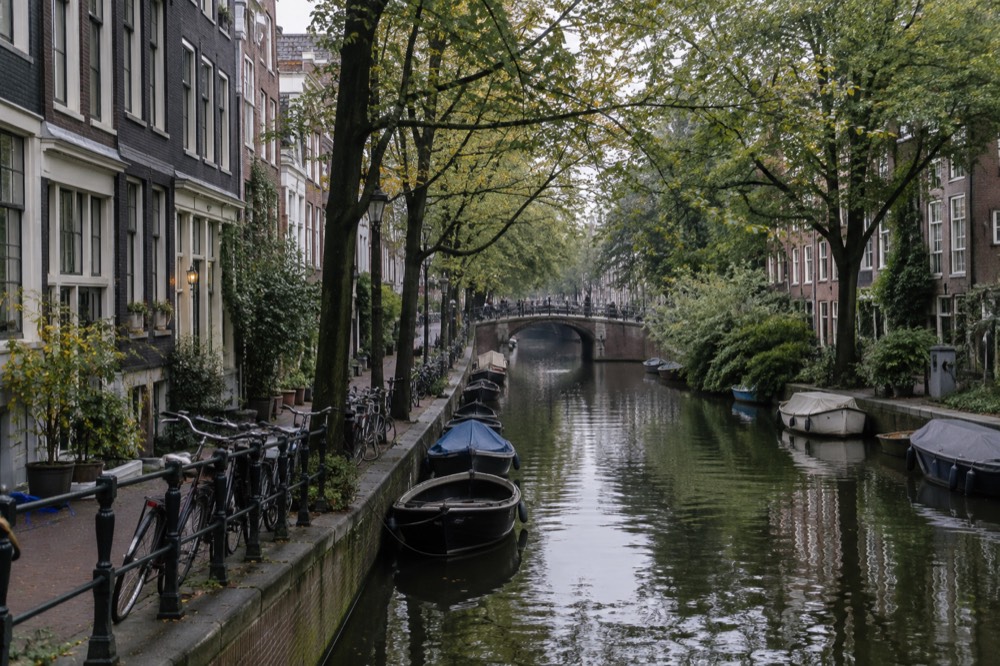
The Jordaan itself needs no ticket and no guide. It is canals without the crowds of the centre, the Westerkerk tower, hofjes hidden behind unmarked doors, and the Jordaan guide lists the courtyards and the café streets. From the Westerkerk it is a short walk east to the Begijnhof, the enclosed medieval courtyard that most day visitors never find, and from there you are back at Dam Square in ten minutes.
One afternoon decision worth making early: whether to cross the river to Amsterdam Noord. The free GVB ferry behind Centraal Station takes minutes, and the A'DAM Lookout observation deck on the far bank charges €16.50 online against €18.50 at the counter, per its own ticket page, with the swing over the edge as a paid add-on. It is a good call in clear weather and a waste of a slot in rain, so decide on the day.
Evening: De Wallen's Edge, a Brown Café and the Lit-Up Canals
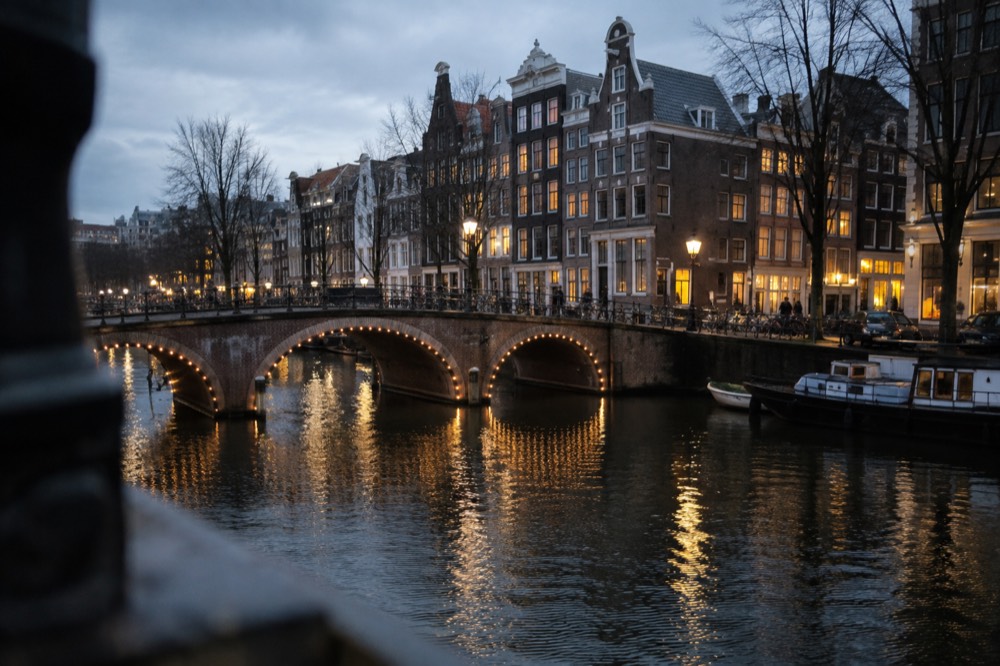
End the day with the evening canal cruise, because the illuminated bridges are the one view of Amsterdam that photographs better than the daytime version, then finish with a beer in a brown café. If the red-light district is on your list, know the rules before you walk in: guided groups are capped at 15 people, tours run only between 08:00 and 22:00, and no tour may pass the windows. The evening cruise is the reliable choice: the sunset version runs one hour with drinks optional, and the city lights version runs 90 minutes. Both sell the same bridges, so pick by time and price rather than by brochure.
The brown café is Amsterdam's native bar format: candle-worn wood, no music to speak of, and beer served without ceremony. The brown cafés guide explains what separates a genuine one from a tourist copy, and the beer and breweries guide does the same for the city's modern craft side. For a night that runs later, the nightlife guide maps the clubs, but with one day in the city, a midnight bed is usually the smarter booking.
On De Wallen: the etiquette matters more than most visitors expect. Photography of the windows is the subject of the city's official "How to Amsterdam" respect campaign, and while the city frames it as a norm rather than a fined offence, staff and residents enforce it socially and immediately. The red-light district guide and the rules and etiquette guide cover the full picture, including the residents-only cannabis nuance: the criterion exists in national policy, but Amsterdam does not apply it, so tourists are neither banned nor promised anything, and outdoor cannabis smoking is prohibited in the city centre.
What One Day in Amsterdam Actually Costs
A single day in Amsterdam costs roughly €90 to €160 per person before accommodation and flights: one museum at €25, a canal cruise from about €15.50, a GVB day ticket at €10.00, and €40 to €80 for food depending on how many sit-down meals you take. The tourist tax of 12.5% is charged on your hotel night, not on the street, so it only shows up in your room rate. The budget breakdown below uses the verified figures from the museums' and operators' own pages, not affiliate round-ups, and the mid-range column is what a comfortable but not lavish day looks like.
| Item | Budget day | Mid-range day | Notes |
|---|---|---|---|
| Museum entry | €25.00 | €25.00 | Van Gogh or Rijksmuseum, under-18s free at both |
| Canal cruise | €15.50 | €19.56-$40 | Basic boat vs saloon boat with drinks and cheese |
| Transport | €3.40 | €10.00 | One single vs 24-hour GVB day ticket |
| Food and drink | €30.00 | €70.00 | Street food vs one café sit-down meal |
| Walking tour or extra entry | €0.00 | €22.00-$33.00 | Free pay-what-you-want walk vs small-group tour |
| Total per person | ~€74 | ~€130 | Excludes accommodation and the 12.5% tourist tax on it |
Two things change the maths. The I amsterdam City Card costs €67 for 24 hours and €94 for 48 hours, includes entry to more than 70 museums, unlimited GVB transport for the card's duration, one canal cruise and a 24-hour bike rental, but it excludes both the Van Gogh Museum and the Anne Frank House, confirmed from the card's own FAQ and from Anne Frank House's price table. With one day, the card only pays if you would visit three or four paid attractions; the city card analysis runs the numbers. Second, a free pay-what-you-want walking tour costs nothing upfront and covers the centre's highlights in about two and a half hours, which for a one-day visitor is the cheapest possible structure for the walking half of the day.
The Five Mistakes That Ruin a One-Day Visit
The five recurring mistakes are trying to see two major museums, not booking timed entry, walking De Wallen with a camera out, buying single tram tickets all day, and scheduling nothing for the evening, which is when Amsterdam is at its most photogenic. Each one is avoidable with a decision made the night before rather than on the day, and the first-timer mistakes guide collects the full list with the fixes.
The two-museum mistake deserves its own warning because it feels reasonable in the planning stage and falls apart on the ground. Both museums are excellent, both require booked start times, and both are worth two hours, which is exactly why doing both consumes the whole morning and pushes the canal cruise into the crowded early afternoon. Choose one, and if the choice is genuinely agonising, the Rijksmuseum versus Van Gogh comparison is the piece that settles it.
| Mistake | What it costs you | The fix |
|---|---|---|
| Two major museums in one morning | Five hours and the entire canal-ring walk | Pick one, book the 9:00 slot |
| Arriving without a timed-entry ticket | A queue or a closed door, both museums book start times | Book before the flight |
| Photographing the red-light windows | Confrontation and a genuinely hostile reception | Camera stays pocketed in De Wallen |
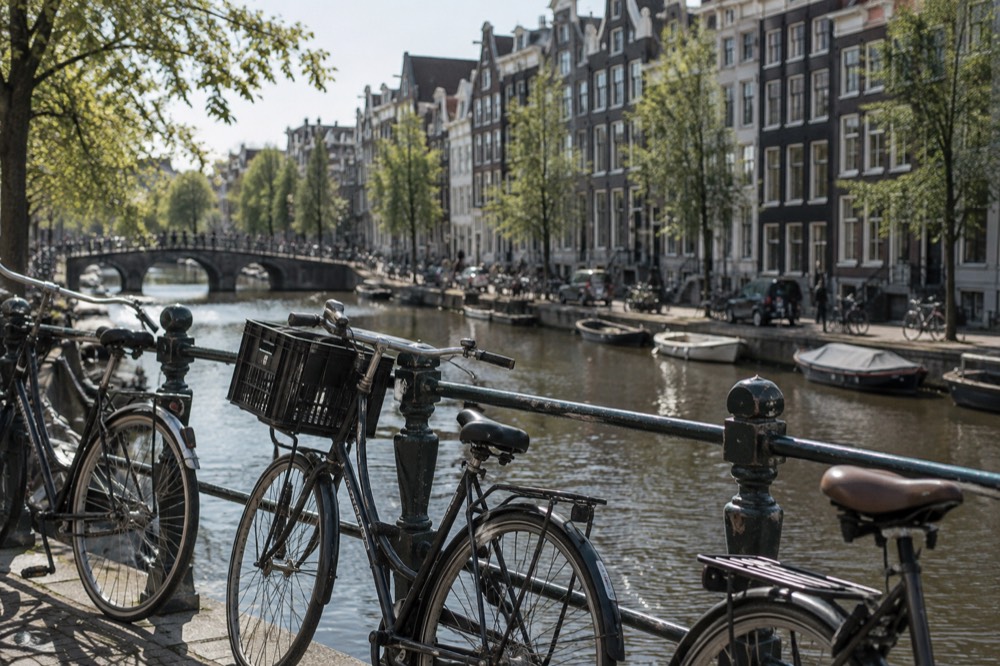
| Buying tram singles all day | €3.40 a ride against a €10.00 day cap | 24-hour GVB ticket or OVpay tap |
| Ending the day after dinner | Missing the lit bridges, the city's best view | Book the evening cruise in advance |
A final word on pacing. The plan above is deliberately front-loaded: museums and cruises in the first two-thirds of the day, free walking in the last third, and the evening left soft. The reason is failure tolerance. If the morning runs late, the afternoon walk shrinks gracefully; if the afternoon runs late, you lose nothing booked. Build a one-day itinerary the other way round, with the booked items stacked late, and a single delayed flight or long lunch collapses the whole thing.
Common Questions About One Day in Amsterdam
Is one day enough to see Amsterdam?
One day is enough to see the canal ring, one major museum and the evening city, but not enough to do the Rijksmuseum and the Van Gogh Museum plus a cruise plus the Jordaan. The realistic single-day version is one timed-entry museum in the morning, a canal cruise at midday, the western canal belt on foot in the afternoon and an evening cruise or brown café after dark. Two days, covered in the two-day itinerary, roughly doubles what you can book.
What is the number one thing to do in Amsterdam with limited time?
A canal cruise, because it is the one experience that delivers the city's defining view in an hour at a low price, from about €15.50 at the operator's own dock. Museums can be argued about, but the canal ring from the water is what Amsterdam is, and every other item on a one-day list is within walking distance of a cruise dock.
Should I book the Van Gogh Museum or the Rijksmuseum for a one-day visit?
Choose the Van Gogh Museum if you want a single artist's story told in depth in about two hours; choose the Rijksmuseum if you want the Dutch Golden Age across painting, sculpture and decorative arts in a building you could spend a full day in. Both cost €25 for adults with free entry for under-18s, and both require a pre-booked start time, so the deciding factor is taste, not logistics.
Can I visit the Anne Frank House on a one-day trip?
Only if you already hold a ticket from the museum's own website, because the Anne Frank House sells no tickets at the door and no reseller or city pass can sell you one, and the museum's price table states plainly that the I amsterdam City Card gives no discount. Tickets are released online in batches and sell out. Without a ticket, take a guided walking tour of the Jewish Quarter instead, which covers the story in the streets without entry to the house.
How do I get around Amsterdam in one day?
Buy a GVB 24-hour day ticket for €10.00, or tap a contactless bank card with OVpay, which charges a €1.16 base fare plus €0.217 per kilometre with a daily cap. The historic centre is walkable end to end in about 40 minutes, so the ticket mostly covers the Museumplein legs and the ferry to Noord, which is free either way.
What should I skip if I only have one day in Amsterdam?
Skip the second museum, the day trip to Zaanse Schans or Keukenhof, and any attraction that is really a queue with a photo at the end. Zaanse Schans alone is a five-and-a-half-hour round trip with a guide, which is most of your single day spent outside the city. Save the countryside for a second visit and keep the day inside the canal ring, where the density of things worth looking at is the whole point of Amsterdam.