Amsterdam Neighbourhood Guide: Which Area Suits You
Amsterdam is small enough that no neighbourhood is truly far from anything, but the area you pick still shapes your trip: the centre gives you atmosphere and noise, Jordaan gives you postcard streets, De Pijp gives you markets and museums, and Noord gives you space. Here is how the areas actually differ.
Short answer
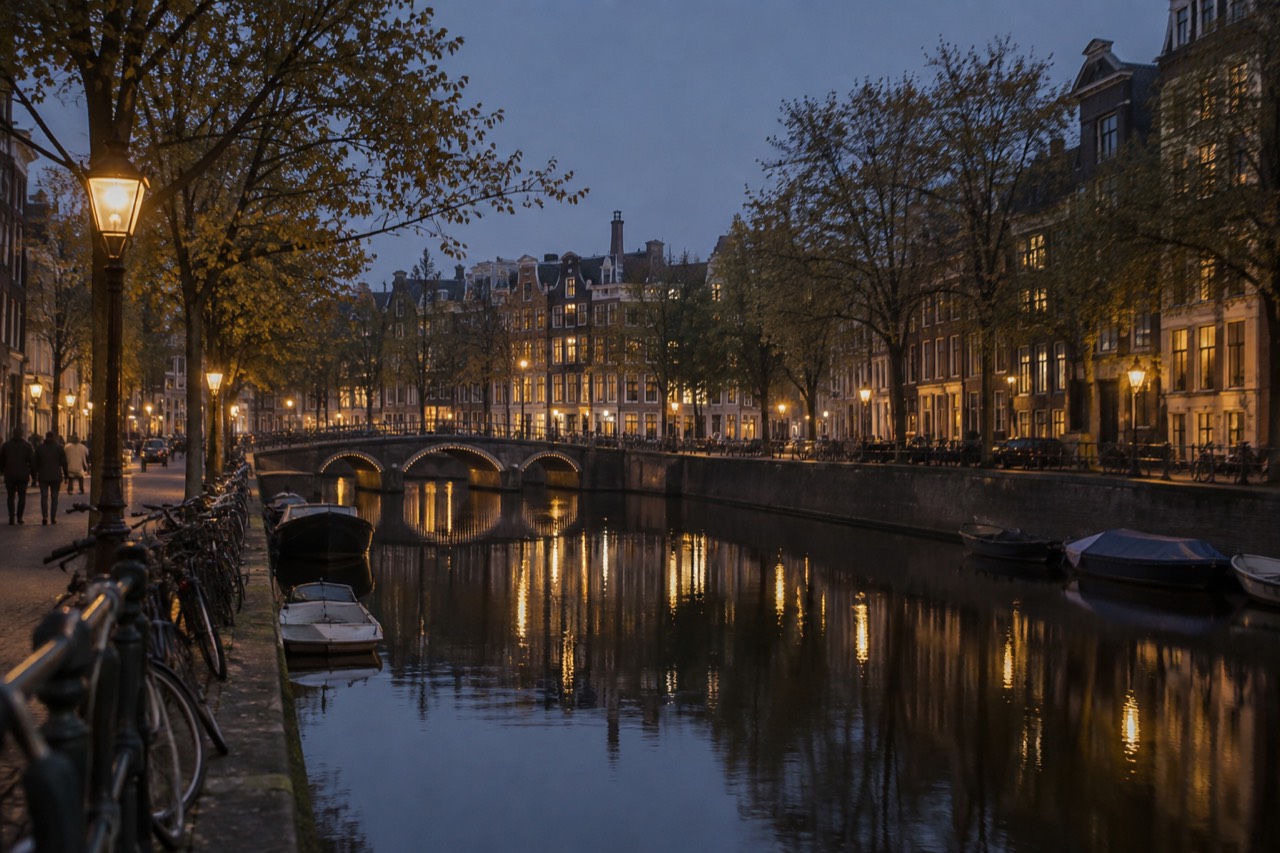
For a first visit, the Jordaan or the Canal Belt is the best neighbourhood to stay in Amsterdam: central, beautiful, and quieter than Centrum after dark. De Pijp suits museum and market lovers, Noord suits budget and design travellers, and Centrum suits anyone who wants nightlife on the doorstep and accepts the noise that comes with it.
Amsterdam covers less ground than almost any other capital visitors fly across an ocean for. You can walk from the Rijksmuseum to the central station in under forty minutes, and the tram network stitches the rest together. That compactness is exactly why the neighbourhood question matters more here than in London or Paris: the difference between areas is not distance, it is noise, price and character, and a bad match can colour every night of the stay.
This guide compares the areas visitors actually book, from the loud core of Centrum to the ferry-served lofts of Noord. Every figure quoted, from the tourist tax to the canal cruise fare, comes from official sources, and the honest trade-offs are stated plainly rather than buried under enthusiasm.
Best Neighbourhood to Stay in Amsterdam: the Short Answer
For most first-time visitors the best neighbourhood to stay in Amsterdam is the Jordaan or the western Canal Belt, because it puts the postcard city outside your door while keeping the worst of the nightlife noise a ten minute walk away. De Pijp is the strong alternative for a second visit, and Centrum only makes sense if late nights and early check-ins outweigh sleep.
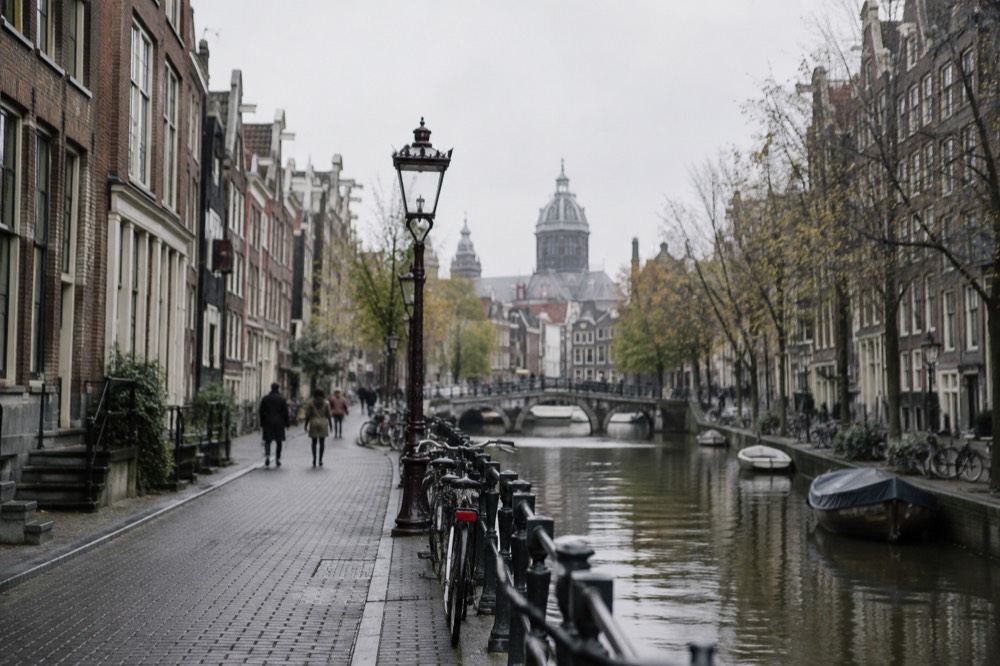
The reasoning behind that ranking is simple. Amsterdam's visitor economy is concentrated in a very small core, and the city recorded 23.7 million tourist overnight stays in 2025, most of them funnelled through the same few square kilometres around Dam Square and the Red Light District. Staying inside that funnel means sharing it at midnight. Staying one canal ring out means you walk into it in five minutes and leave it behind when you close the door.
The second factor is transport. The city's GVB network is flat fare by time, not distance: a 24-hour ticket is €10.00 and a single one-hour ticket is €3.40, so a tram ride from De Pijp to the centre costs the same as one from Centrum itself. Distance from the sights is therefore almost irrelevant to your wallet, which frees you to choose on atmosphere alone. The full fare table is on the official GVB prices page.
Here is the comparison in one view, with the honest caveat for each area.
| Area | Vibe | Best for | Watch out for |
|---|---|---|---|
| Centrum and De Wallen | Loud, historic, nonstop | Nightlife, short trips, cruise passengers | Street noise, tourist pricing |
| Jordaan and Canal Belt | Postcard pretty, village feel | First visits, couples, photography | Premium rates, steep stairs |
| De Pijp and Oud-Zuid | Local, market-driven, museum-adjacent | Food, museums, longer stays | Twenty minutes' walk to the core |
| Noord and Eastern Docklands | Space, design, water views | Budgets, families, design lovers | Ferry or metro dependency |
| Oost and the Plantage | Green, quiet, underrated | Sleep, gardens, Jewish Quarter history | Fewer restaurants late |
If you only read this section, book the Jordaan. If you want the reasoning area by area, the rest of the guide takes each one in turn.
Centrum, De Wallen and the Jewish Quarter: Maximum Atmosphere, Minimum Sleep
Centrum is the best neighbourhood to stay in Amsterdam if you want everything within a five minute walk and you genuinely do not mind noise, because the bars close late, the streets stay busy and the historic core is genuinely spectacular. Anyone who values sleep should book one canal ring further out and walk in instead.
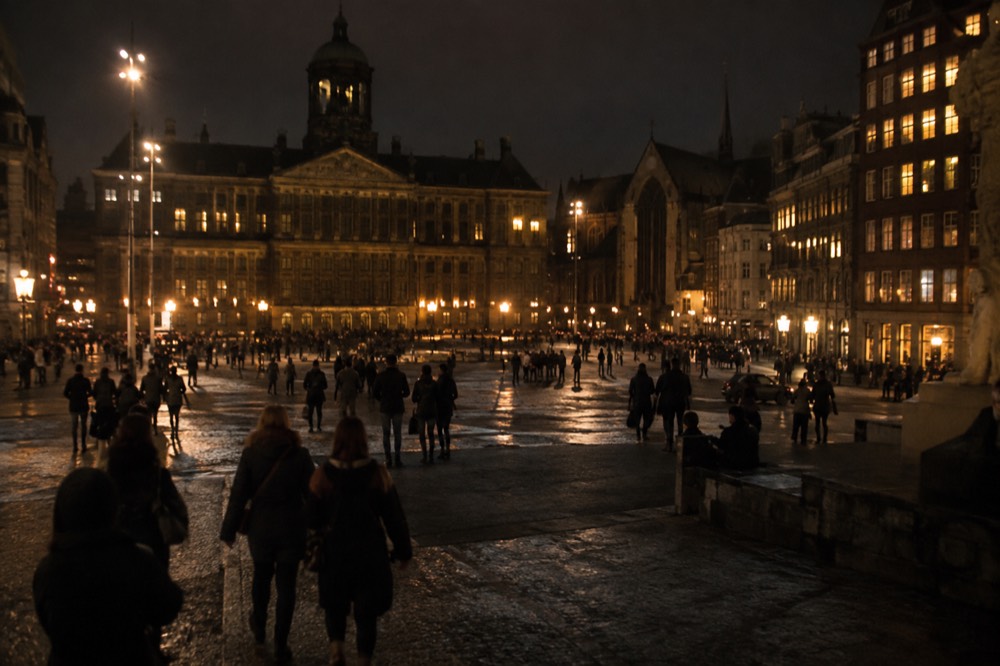
The case for the centre is convenience in its purest form. Dam Square, the Royal Palace, the Bloemenmarkt, the Begijnhof and the central station are all inside a fifteen minute walk of each other, and the Red Light District sits in the middle of it. For a one-night stopover or a cruise-port visit, nothing else competes. Our centrum city centre guide covers the individual sights in detail.
The case against is equally plain. De Wallen has formal rules that shape the night: guided tours are limited to groups of fifteen and are only permitted between 08:00 and 22:00, and the district's terraces and bars run late into the weekend. Street noise is not an occasional annoyance here, it is the area's basic condition. Photography of the windows is firmly off limits, part of the city's official respect campaign, and street drinking is prohibited in the centre.
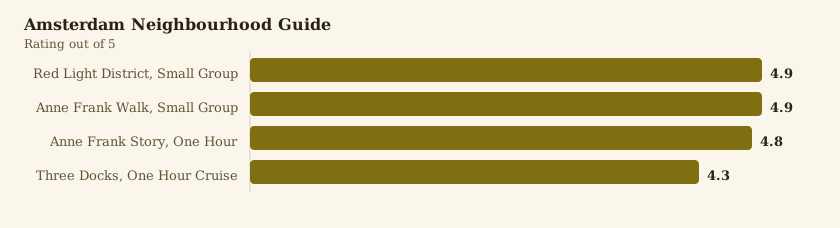
The Jewish Quarter, on the eastern edge of Centrum, is the quieter and more moving side of the same area. The Portuguese Synagogue, the Jewish Cultural Quarter and the story of Anne Frank are all here, and a guided walk is the most efficient way to understand them. The Anne Frank small-group walking tour, 2 hours and rated 4.9 across 4,680 reviews, from $33, covers the quarter and the wartime story; the shorter Anne Frank story walk, 1 hour and rated 4.8 across 15,104 reviews, from $22, does the same in half the time. Both are street walks, not entry to the house: Anne Frank House tickets are sold only through the museum's own website, annefrank.org, with adult tickets at €16.50 and no legitimate reseller.
Whichever walk you choose, book the house itself separately and early. Tickets are released online for slots six weeks ahead and sell out fast, and nothing sold by any tour operator includes the door.
For a first evening in the centre, these three walks and tours give the strongest introduction to the stories the streets are carrying.
Jordaan and the Canal Belt: Postcard Amsterdam With a Village Feel
The Jordaan and the Canal Belt are the best neighbourhood to stay in Amsterdam for a classic first visit, because you get the gabled houses, the bridges and the hofjes without sleeping inside the nightlife district. Prices run higher than De Pijp, and the canal houses come with famously steep stairs.
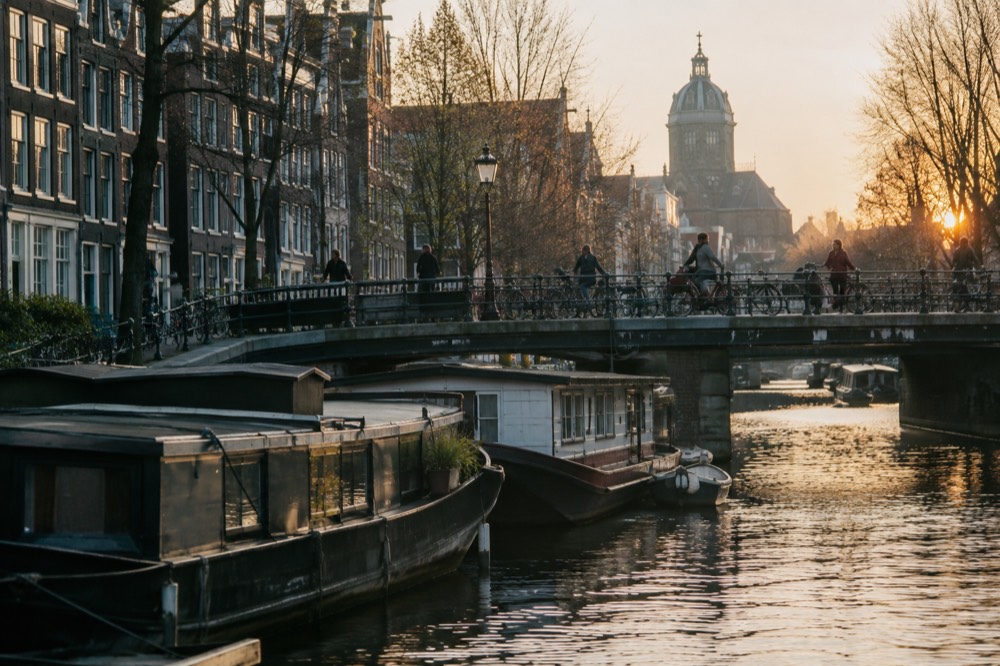
The Jordaan was a working-class district before it became the most photographed corner of the city, and the mix survived: brown cafés, independent shops and the Anne Frank House on its western edge sit alongside boutiques and galleries. The Jordaan guide maps the highlights, and the Nine Streets shopping quarter sits directly south of it.
The Canal Belt around it, the Grachtengordel, is the UNESCO-listed ring of seventeenth-century waterways. Staying here means the view from your window is the reason you came. The trade-offs are price and architecture: canal-house hotel rooms are often small, the staircases are steep and narrow, and lift access is rare in buildings that predate the concept. If mobility matters, read our accessibility guide before booking anything in a canal house.
One practical note for this area: the Anne Frank House is here, on the Prinsengracht, and its queue shapes the western Jordaan's morning rhythm. Booking a timed slot in advance, which the museum requires of every visitor, also spares you the walk-past. The Anne Frank House guide explains the release schedule.
Evenings in the Jordaan are quiet by centre standards, but the brown cafés and restaurants around the Westerkerk stay busy, and the walk home along the water is the kind of moment people book Amsterdam for.
De Pijp and Oud-Zuid: Markets, Museums and a Local Pace
De Pijp is the best neighbourhood to stay in Amsterdam for food and everyday city life, because the Albert Cuyp Market, the Sarphatipark and a dense strip of restaurants sit together in a district that still feels like it belongs to residents. Oud-Zuid beside it adds the Museumplein and quieter, leafier streets at a higher price.
De Pijp is where Amsterdammers eat. The Albert Cuyp Market runs down the district's spine, the Heineken Experience occupies its old brewery, and the restaurant density per block is among the highest in the city. The De Pijp guide covers the specifics, and our best restaurants guide draws heavily on this area.
Oud-Zuid, directly south, is the museum district's residential flank: the Rijksmuseum, the Van Gogh Museum and the Concertgebouw sit on or near its edges, and the streets beyond them are wide, green and calm. It is the most polished area in this guide and priced accordingly. Museum-goers should note two verified figures before budgeting: the Rijksmuseum charges €25 for adults, free for ages 18 and under, and the Van Gogh Museum charges €25 with free entry for under-18s, both requiring a pre-booked time slot.
The honest cost of De Pijp's location is distance. The Dam is a twenty-five minute walk or a short tram ride, and after a late dinner the tram is the sensible option. With a 24-hour GVB ticket at €10.00, that is not a financial problem, just a planning one.
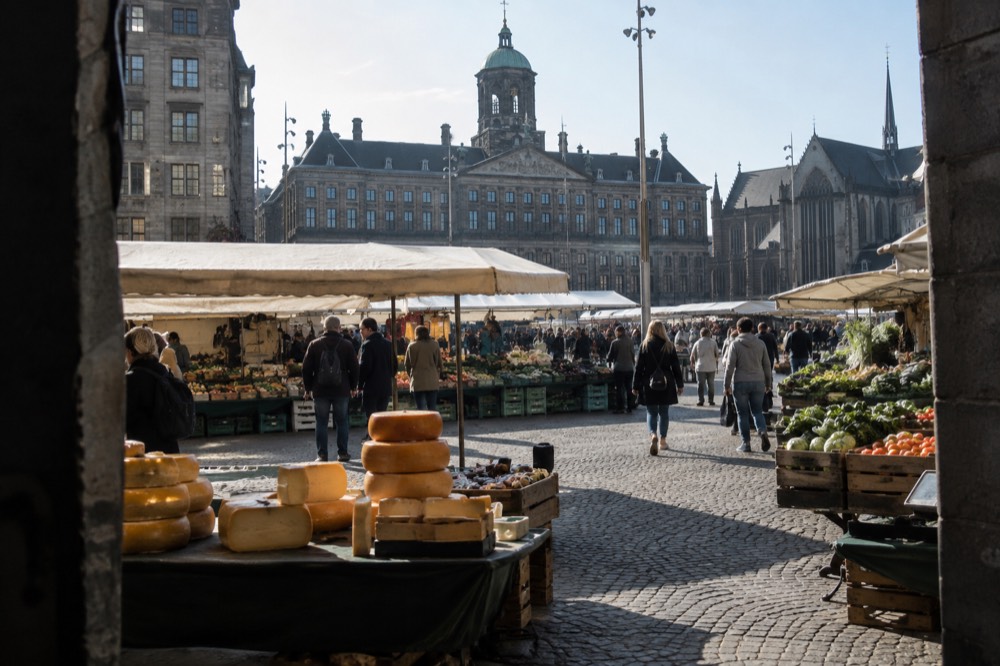
Families and longer-stay travellers tend to do best here. The pace is local, the park gives children somewhere to run, and the museum cluster is walkable without crossing the party district every time.
Amsterdam Noord, Oost and the Eastern Docklands: More Space for Less Money
Noord and the eastern side of the city are the best neighbourhood to stay in Amsterdam for budget and space, because rents drop, rooms grow and the water views are genuine, but you accept a ferry or metro ride between your bed and the historic core. For a three-night stay the trade is often worth it, for one night it rarely is.
Amsterdam Noord sits directly across the IJ from the central station, connected by free GVB ferries that run day and night, and by metro since the north-south line opened. It is where the city's design studios, the A'DAM Lookout and the NDSM Wharf's creative economy live, and hotel rates and apartment prices run visibly below the centre. The Noord and NDSM Wharf guide covers what to do once you are there.
The ferry is the detail that decides the booking. It is frequent, it is free, and it deposits you at the station's back door, but it is still a boat ride between you and your bed at one in the morning. Visitors who stay out late should check the night ferry times before committing, or budget for the metro's closing hours.
Oost and the Plantage, on the same eastern side but within the city proper, are the quiet alternative. The Hortus Botanicus, ARTIS and the Jewish Quarter's eastern edge sit here, and the Oost and Plantage guide makes the case for it as the most underrated base in the city. The Eastern Docklands, with their modern architecture and calm water, extend the same logic northeast.
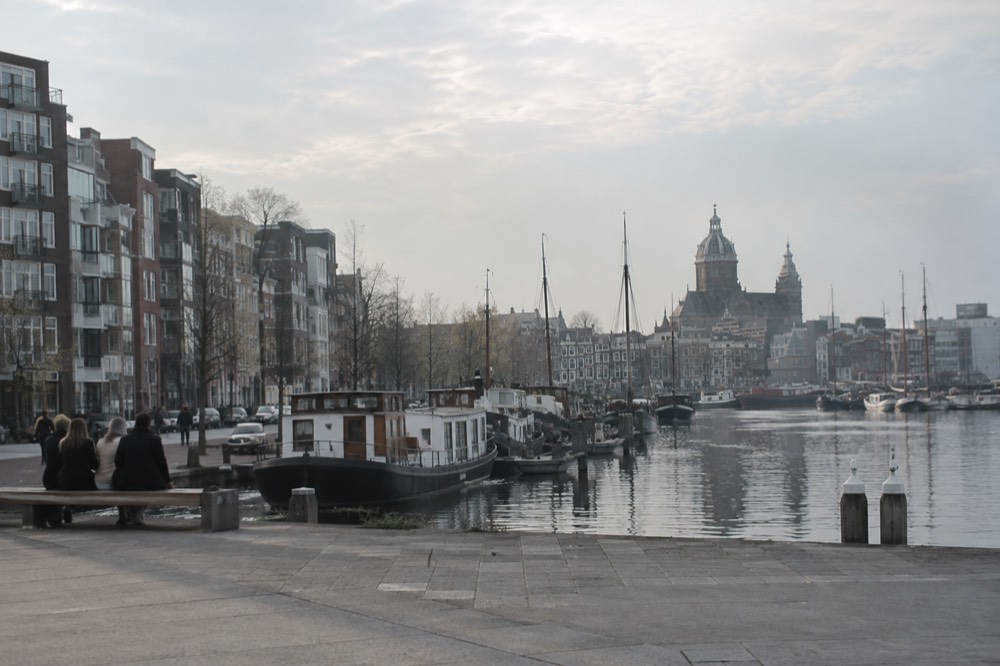
The budget logic is real but should not be exaggerated. Amsterdam's tourist tax applies city-wide at 12.5 percent of the overnight price, and the savings come from the room rate, not from escaping any district levy, because there is no district levy to escape.
How to Match a Neighbourhood to Your Trip
Match the area to the trip, not to the sights: nightlife travellers should stay in Centrum, first-timers and photographers in the Jordaan, food and museum travellers in De Pijp, and budget or family travellers across the water in Noord, because transport costs the same flat fare from every one of them.
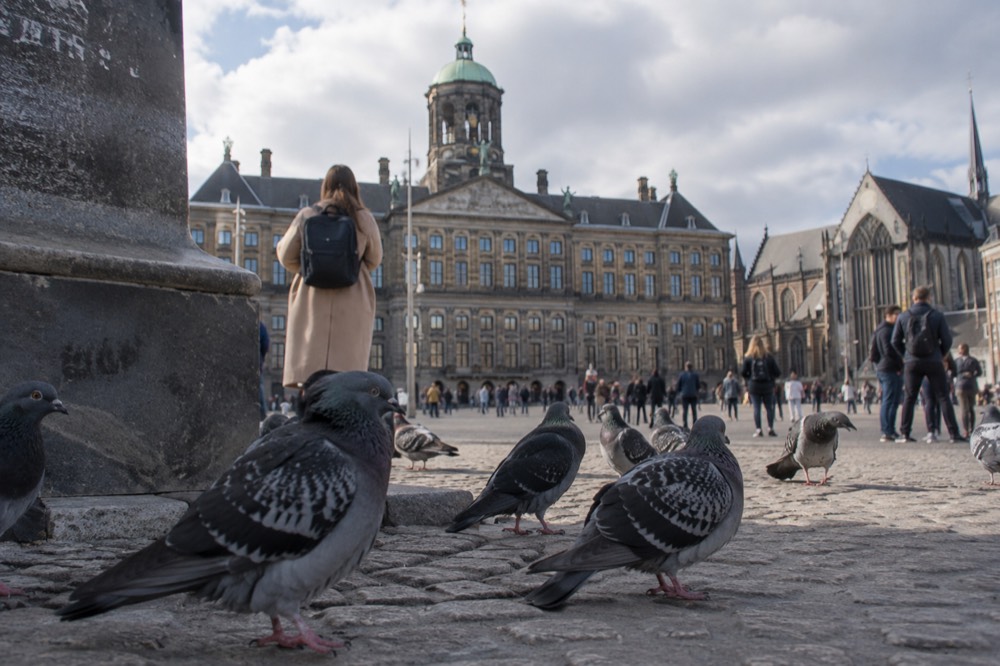
The flat-fare point deserves one more sentence because it unlocks the whole decision. A 24-hour GVB ticket costs €10.00 whether you board in De Pijp or on Dam Square, and the 72-hour version is €21.50, so no neighbourhood carries a transport penalty. Choose on sleep, price and character, and let the trams handle the rest.
| Your trip type | Best area | Why |
|---|---|---|
| First visit, two or three nights | Jordaan or Canal Belt | Postcard streets, walkable core, quieter nights |
| Nightlife and short stay | Centrum or De Wallen edge | Everything open late, no night transport to plan |
| Food and markets | De Pijp | Albert Cuyp Market and restaurant density |
| Museum-heavy itinerary | Oud-Zuid or Museumplein edge | Rijksmuseum and Van Gogh Museum on foot |
| Family trip | Oost, Plantage or Noord | Space, parks, ARTIS, calmer evenings |
| Smallest budget | Noord or Amsterdam Oost | Lower room rates, free ferry, flat tram fare |
History-focused travellers have one extra consideration. The two Anne Frank walks and the small-group Red Light District tour, the latter rated 4.9 across 9,142 reviews and from $26 for 1 hour 30 minutes, all depart from the centre, so wherever you sleep, the storytelling happens where the history happened. Book the walk for your first full day; it reframes everything you see afterwards, and the free things to do guide lists what to fill the rest of the day with.
A note on the Red Light District tour itself, since the rules matter: groups are capped at fifteen, tours run only between 08:00 and 22:00, and no tour may pass the sex workers' windows. A compliant tour is a history walk through the oldest part of the city, not a spectacle, and the good ones treat it that way.
What a Night in Each Area Does to Your Budget
Budget per area by room rate rather than by daily costs, because the city-level figures are identical everywhere: tourist tax is 12.5 percent of the nightly price, a 24-hour transport ticket is €10.00, and museum and cruise prices do not change by postcode. The only variable is what the bed itself costs.
The tax point is worth understanding before you compare listings. Amsterdam charges tourist tax at 12.5 percent of the overnight price excluding VAT, a rate set in the 2026 regulation that took effect on 1 January, and it applies to hotels and holiday rentals alike. The official detail is on the gemeente Amsterdam tourist tax page. A listing that looks €20 cheaper can cost the same once the percentage is added.
The card deserves a sentence here because it interacts with the neighbourhood choice. Since transport is included and the card's canal cruise is too, a cardholder staying in De Pijp or Noord gets more value from the transport component than a centre-based visitor who walks everywhere. The full maths is in our city card guide.
Here is what the fixed, verified figures look like regardless of where you sleep.
| Cost item | Figure | Does it vary by area? |
|---|---|---|
| Tourist tax | 12.5% of nightly price | No, city-wide |
| GVB 24-hour transport | €10.00 | No, flat fare |
| GVB single (1 hour) | €3.40 | No, flat fare |
| Rijksmuseum adult entry | €25, under-18s free | No |
| Van Gogh Museum adult entry | €25, under-18s free | No |
| Anne Frank House adult | €16.50, official site only | No |
| 1-hour canal cruise | from about €15.50 | No |
The practical conclusion: spend your comparison energy on the room rate and the noise, because everything else in the table is a constant. A canal cruise from the three-dock operator, rated 4.3 across 21,335 reviews and from $15, costs the same whether you board near the Rijksmuseum or beside the Anne Frank House, and the canal ring guide explains which stretch suits which mood.
Whichever area you settle on, the pattern in this guide is the one worth remembering: the closer you sleep to Dam Square, the more you pay for proximity to noise, and every ring further out buys you quiet and space at the price of a €3.40 tram ride. For planning beyond the neighbourhood question, the where to stay guide ranks actual areas and hotels, and the wider Things to Do in Amsterdam coverage handles everything you will do once the bed is booked.
Before you lock anything in, these are the three walks and tours that pair best with a first night in whichever area you have chosen.
Common Questions About Amsterdam Neighbourhoods
What is the best neighbourhood to stay in Amsterdam for first-time visitors?
The Jordaan or the western Canal Belt. You get the postcard canals, a walkable route to every major sight, and nights that are noticeably quieter than Centrum. De Pijp is the runner-up if you prefer food and markets over views.
Is it better to stay in central Amsterdam or outside the centre?
Outside, for most trips. Transport is a flat fare, a 24-hour ticket costs €10.00, so staying one ring out costs you a few minutes and saves you the centre's noise and premium rates. One-night stays and nightlife trips are the exceptions.
Which Amsterdam neighbourhood is the quietest?
Oost and the Plantage, followed by Oud-Zuid and the residential edges of Noord. All three trade proximity to the nightlife core for calm streets, and none of them carries a transport penalty because fares are flat city-wide.
Is Amsterdam Noord too far out for a short visit?
Not for a stay of three nights or more. The free GVB ferries run around the clock between Noord and the central station, and the crossing takes minutes. For a single night the transfer stops being worth the savings.
Does the neighbourhood change what things cost?
Only the room rate. Tourist tax is 12.5 percent of the nightly price everywhere, transport is a flat fare, and museum and cruise prices are identical across the city. Compare listings on the room rate and the noise level alone.
Where should families stay in Amsterdam?
Oost and the Plantage for ARTIS and the gardens, or Noord for space and water views. Both keep evenings calm, both connect to the centre by a single tram or ferry ride, and the flat fare means nothing extra in daily costs.