Amsterdam or Rotterdam: Which Dutch City Deserves Your Days
Amsterdam has the canals, the crowds and the Golden Age paintings; Rotterdam has the architecture, the port and far fewer queues. Here is how the two cities actually compare when you are planning a trip.
Short answer
Amsterdam suits first-time visitors who want canals, world-famous museums and dense history in a walkable centre. Rotterdam suits a second visit, architecture lovers and anyone who finds Amsterdam too busy: entry to the Rijksmuseum costs €25 and the Van Gogh Museum €25, while a 24-hour GVB transport ticket in Amsterdam is €10. Many travellers do Amsterdam first, then Rotterdam as a day trip of roughly an hour by train.
Amsterdam recorded 23.7 million tourist overnight stays in 2025, the city's own research bureau reports, and 21.9 million more people came just for the day. Rotterdam, an hour south by train, carries a fraction of that pressure and looks nothing like it: the centre was rebuilt after wartime destruction, so where Amsterdam curves around 17th-century waterways, Rotterdam runs on concrete, glass and Europe's largest port. Choosing between them is not a ranking exercise. It is a question of what your trip is for, and this guide works through the differences that actually change a plan: atmosphere, museums, costs, transport and how the two cities fit together in one itinerary.
Which City Should You Visit, Amsterdam or Rotterdam?
Choose Amsterdam for a first visit, for canals, for the country's two most famous art collections and for a compact centre you can walk end to end. Choose Rotterdam for modern architecture, a lower-key pace and a working-port energy Amsterdam traded away centuries ago. With three days or fewer, base in Amsterdam and treat Rotterdam as a day trip.
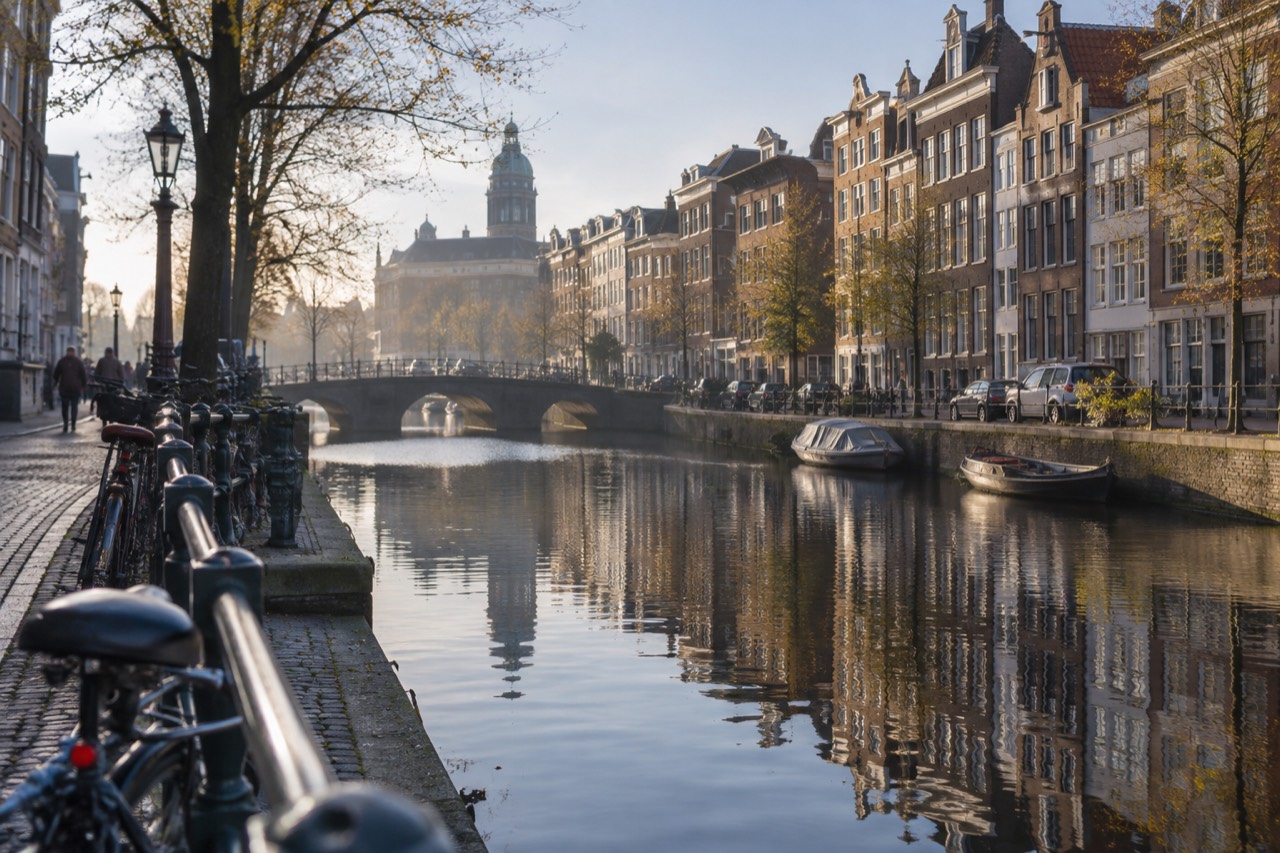
The honest starting point is density. Amsterdam's centre is small and extraordinarily popular, which produces the two things visitors complain about most: queues and crowds in the streets. Rotterdam spreads its attractions across a wider area, so nothing there feels compressed. What you give up in exchange is the postcard. There is no equivalent of the Grachtengordel, the canal ring, in Rotterdam, and no equivalent of the Rijksmuseum's Golden Age galleries either.
There is also a tempo difference that is hard to convey in a bullet point. Amsterdam's centre, especially around Dam Square and the red-light district, runs at full tourist speed from mid-morning to late evening. Rotterdam's centre feels like a Dutch city that happens to have visitors in it, rather than a visitor economy that happens to have residents. If you have already seen Amsterdam, that contrast is the entire appeal of the second city.
The pairing also works in sequence rather than as a choice. The intercity train between the two takes roughly an hour each way, so the practical question for many travellers is not "amsterdam or rotterdam" but "how many of my Amsterdam days should I give to Rotterdam". Our Rotterdam day trip guide covers the full itinerary for that version of the question.
How Do the Two Cities Feel Different on the Ground?
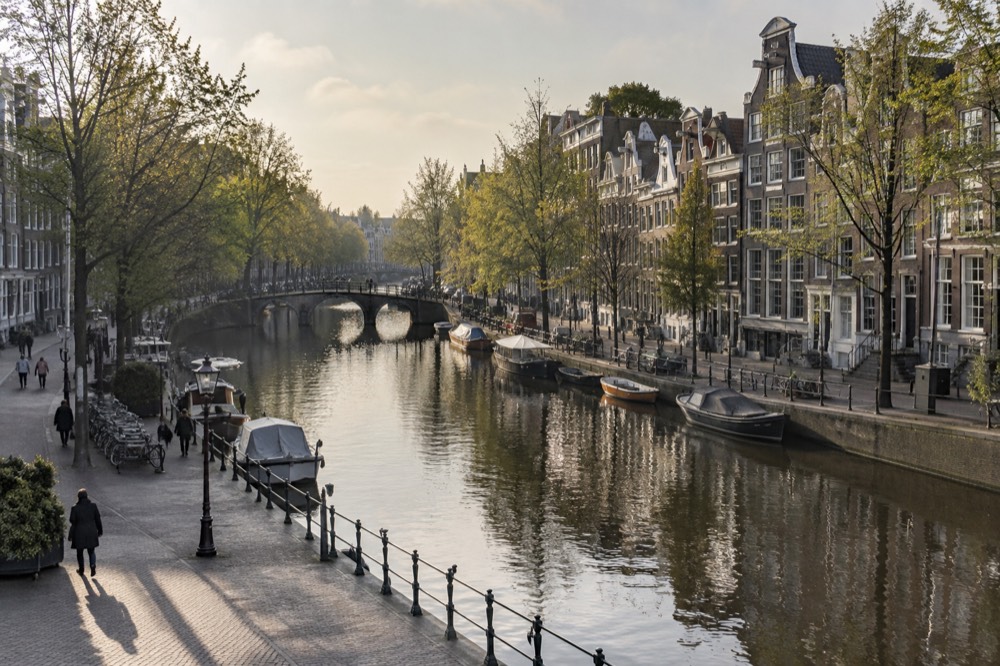
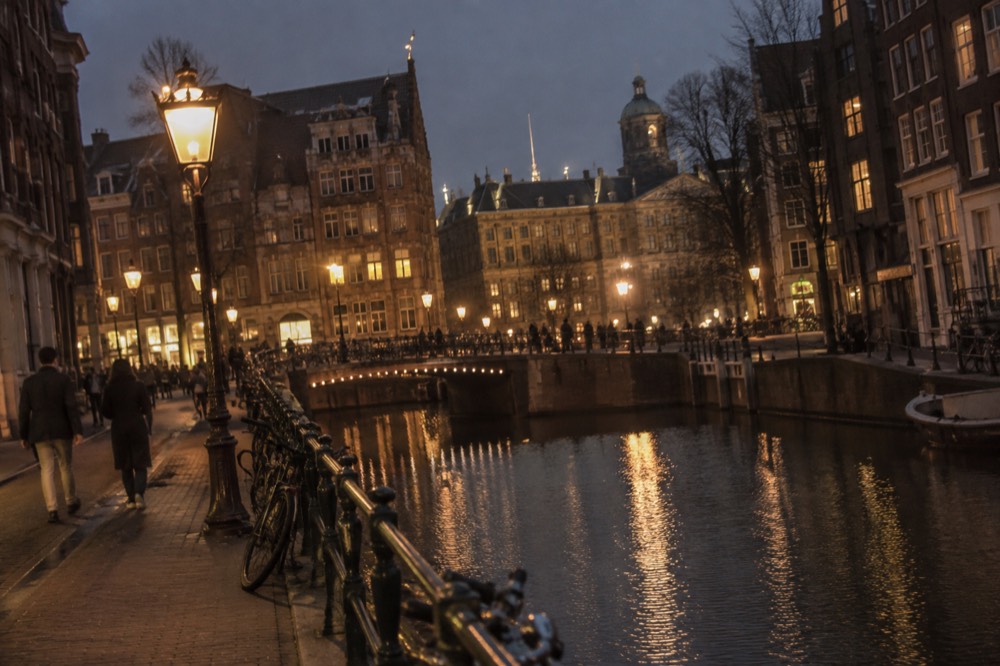
Amsterdam is a 17th-century merchant city preserved almost whole: brick gables, water, bicycles and low winter light, with the famous canal ring protected as a UNESCO World Heritage site. Rotterdam is a 20th-century city built on a cleared site: towers, bold bridges, a vast harbour skyline and wide modern streets, because nearly all of its historic core was destroyed in the Second World War and rebuilt with ambition rather than nostalgia.
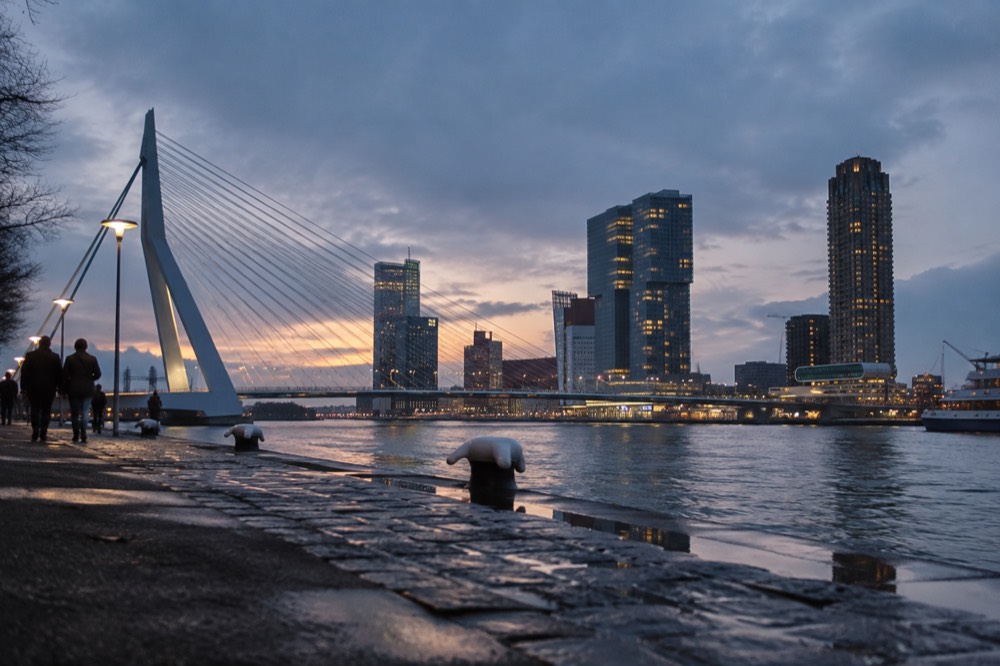
That origin story explains nearly everything a visitor notices. Amsterdam's buildings lean over the water because they stand on wooden piles driven into soft ground, and the city preserved them because its economy never demanded their replacement. Rotterdam lost that option when its historic core was bombed, and its rebuilding produced the Markthal, the cube houses, the Erasmus Bridge and a skyline unlike anything else in the Netherlands. If architecture is your reason to travel, Rotterdam is not the consolation prize; it is the main event.
Street life differs too. Amsterdam's centre belongs partly to tourism, and the city government has been actively pushing back: it has a hotel-building ban in force, a ban on new tourist shops in the centre, and a policy ceiling of 20 million tourist overnight stays that the city exceeded in 2025. Rotterdam markets itself to residents and to domestic travellers first. The result is fewer guided groups on the pavement and more locals in the cafés you will sit in.
Even the water reads differently. In Amsterdam the canals are the city's living room: cruise boats, houseboats, swans and terraces facing the water. In Rotterdam the river Maas is a working artery with shipyards and container terminals downstream, and the waterfront is built at a bigger, brasher scale. Cyclists dominate both cities, but Amsterdam's bike traffic is a famous hazard in the centre, which is worth reading up on before you ride; our page on cycling in Amsterdam and renting a bike goes through it in detail.
For a feel of what Amsterdam's classic experience is, the trio below is the standard first-visit package: the country's most visited art museum, its most famous brewery attraction, and the classic small-boat canal cruise that defines the city.
How Do the Museums and Sights Compare?
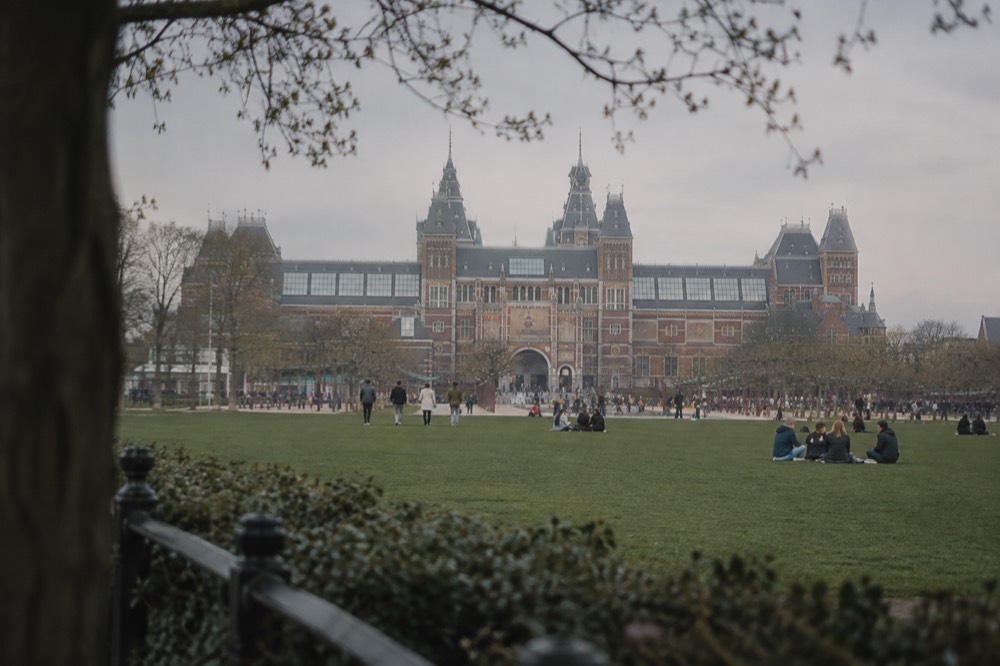
Amsterdam wins on quantity and fame: the Rijksmuseum and the Van Gogh Museum sit side by side on Museumplein, the Anne Frank House anchors the historic centre, and dozens of smaller museums fill the gaps. Rotterdam wins on distinctiveness: its Kunsthal stages rotating exhibitions rather than a permanent collection, the Markthal and cube houses are sights in themselves, and the port can be toured by boat through a working harbour. Neither city copies the other's strengths.
Amsterdam's museum district is the densest in the country. The Rijksmuseum charges adults €25, is free for ages 18 and under, opens daily from 9am to 5pm, and requires every visitor to book a start time, as its own practical-info page explains. The Van Gogh Museum also charges €25, is free for under-18s, and states that all visitors must pre-book a timed entry ticket. The Anne Frank House, at €16.50 for adults including the booking fee, sells tickets only through its own website with no door sales and no reseller of any kind. That trio is why Amsterdam is the default art-and-history destination in the Netherlands, and why museum days there need booking discipline: slots at the two big galleries sell out days ahead in high season.
Rotterdam's cultural offer is real but different in kind. The Kunsthal's changing exhibition programme means there is no permanent headline collection to plan around, the city's maritime museum covers the port that defines it, and the Fotomuseum holds a serious photography collection on the Maas waterfront. None of it carries the international pull of a Night Watch or a Sunflowers, which is precisely why you will never queue the way you do on Museumplein.
The comparison in table form:
| Factor | Amsterdam | Rotterdam |
|---|---|---|
| Headline museums | Rijksmuseum, Van Gogh Museum, Anne Frank House, Stedelijk, Rembrandt House | Kunsthal (rotating shows), Fotomuseum, Maritime Museum |
| Signature cityscape | 17th-century canal ring, UNESCO listed | Markthal, cube houses, Erasmus Bridge, port skyline |
| Booking pressure | High: timed entry at both major museums, sell-outs common | Low to moderate: usually bookable on the day |
| Best for | Golden Age painting, WWII and Jewish history, canal architecture | Contemporary architecture, photography, working port |
If the Amsterdam side of that table is what your trip is for, the Van Gogh Museum is the one to book first, because the timed-entry rule and the sell-outs make it the least forgiving item on the list.
The Anne Frank House deserves one specific warning: no tour, pass or reseller can legitimately sell you entry. Tickets appear on the museum's own site for a set date and time, and a guided walking tour of the Jewish Quarter, however good, is a street tour and never includes the house itself. Treat any product that implies otherwise as a red flag.
How Do Prices and Getting Around Compare?
Amsterdam is the pricier city to sleep in: hotel demand is enormous, tourist tax is 12.5 percent of the overnight price, and the centre's short-stay rental rules are among Europe's strictest. Day-to-day costs are similar in both cities, and transport is cheap in each: an Amsterdam 24-hour GVB ticket is €10.00 and the intercity train between the two cities takes roughly an hour. Rotterdam's hotel rates sit below Amsterdam's for comparable quality.
Start with the fixed, verifiable numbers. Amsterdam's municipal tourist tax is 12.5 percent of the overnight price excluding VAT, and the city's own tax page notes a €15 per-passenger day tax for cruise visitors; the 2026 regulation took effect on 1 January. GVB fares are published on the operator's price page: €3.40 for a one-hour ticket, €10.00 for 24 hours, €16.00 for 48 hours and €21.50 for 72 hours, with contactless OVpay charged per kilometre instead. Schiphol to Amsterdam Centraal by NS train costs from €5.50 and takes just over 17 minutes. Rotterdam sits on the same NS network, so once you know one city's train system, you know both. Everything else covered here is indexed on Things to Do in Amsterdam.
Where the money really diverges is accommodation. Amsterdam has roughly 41,000 to 42,000 hotel rooms across about 544 hotels, held down deliberately by the hotel-building ban, while demand keeps climbing; CBS counted 9.5 million hotel guests in the city in 2025, the strongest growth of any major Dutch city. Short-stay rentals are capped at 30 nights per calendar year city-wide, and from 1 April 2026 several central neighbourhoods, including the Jordaan, the Grachtengordel and part of De Pijp, are capped at 15 nights. Rotterdam has no comparable squeeze, and its rates reflect that.
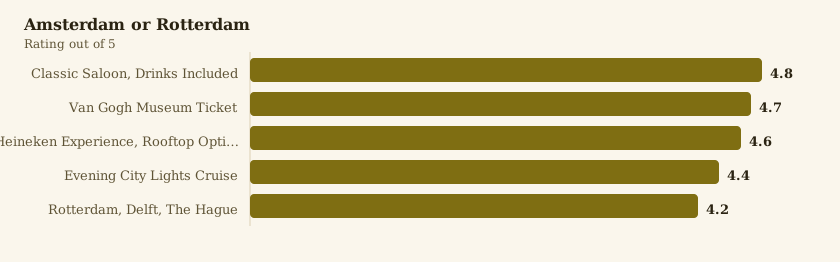
Food and drink cost broadly the same in both cities. A canal cruise, the classic Amsterdam extra, runs from about €15.50 for a basic one-hour loop with an audio guide, and the roster's classic saloon-boat version, a restored wooden boat with drinks and cheese, is listed from $19.56. Rotterdam's equivalents are its Spido harbour tours, which show a working port rather than a heritage canal ring, so the comparison there is about what you want to look at, not what you pay.
| Daily cost | Amsterdam | Rotterdam |
|---|---|---|
| 24-hour city transport ticket | €10.00 (GVB) | Comparable RET day ticket; same OVpay contactless system |
| Headline museum entry | €25 (Rijksmuseum or Van Gogh Museum, adult) | Lower on average; rotating exhibitions vary |
| Typical 1-hour city cruise | From about €15.50 | Harbour cruise, priced separately |
| Accommodation pressure | Very high: hotel ban, 12.5% tourist tax, rental caps | Noticeably lower for similar quality |
Budget planning is covered in depth elsewhere on the site: our how much does a trip to Amsterdam cost guide breaks the Amsterdam numbers down line by line, and the Amsterdam on a budget page shows where the savings actually are.
Which City Is Better for a Day Trip?
Rotterdam is one of the easiest day trips Amsterdam offers: trains run several times an hour, the journey takes roughly an hour each way, and the city's sights cluster around the centre and the Maas waterfront, so a single day covers a lot. Amsterdam as a day trip from Rotterdam is harder to do well, because the timed-entry museums punish late planners and day-trippers arrive into the busiest streets at their busiest.
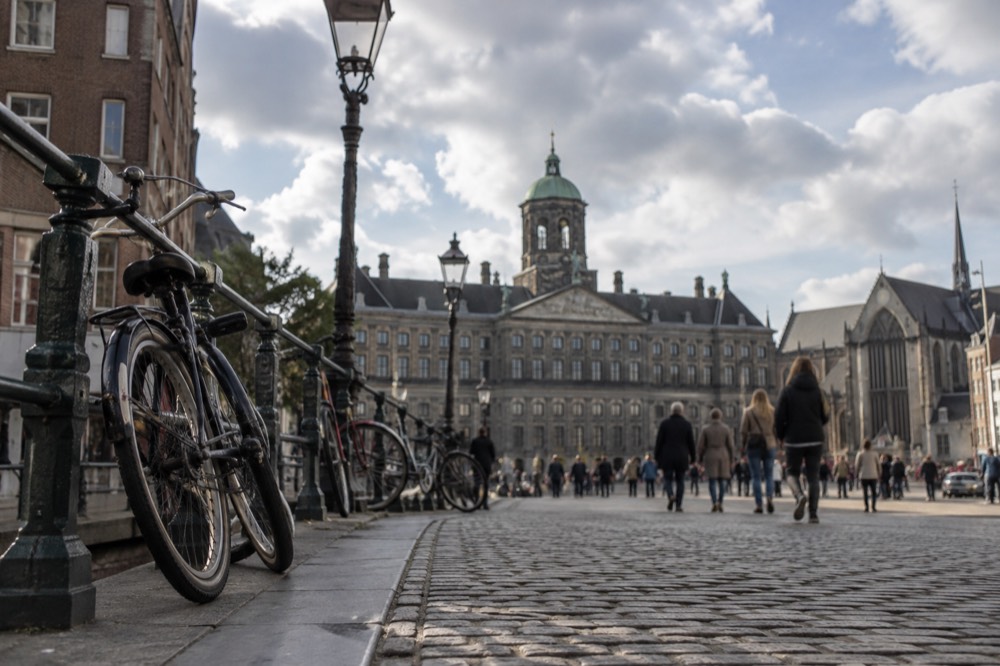
The direction of travel matters more than most guides admit. Going Amsterdam to Rotterdam, you land in a city with no sell-out bottleneck: you can decide the night before, walk into most exhibitions, and spend your day between the Markthal, the cube houses, the waterfront and a harbour cruise without a single pre-booked slot. Going the other way, you arrive in Amsterdam at mid-morning, the exact hour when Museumplein queues are longest, and the two headline museums may have no slots left at all. If Amsterdam's big museums are the point of your day, book them before you book the train.
For travellers who want the day trip handled end to end, a guided option exists that pairs Rotterdam with two other classic Dutch cities in a single loop: the Rotterdam, Delft and The Hague day tour from Amsterdam runs 9 hours, is rated 4.2 across 2,642 reviews, and costs from $63. It trades independence for efficiency, and it is the sensible pick if you want Delft's old town and The Hague's political sights folded into the same day as Rotterdam's skyline.
A self-planned day is cheaper and easy to organise: the best day trips from Amsterdam guide ranks all the options, and Rotterdam sits in the top tier for ease because the train frequency makes it almost impossible to get stranded. Combine it with Delft, ten minutes further on the same line, and you get two very different Dutch cities in one day.
If instead you are basing in Amsterdam for several days, the classic evening move is a sunset or city-lights cruise, and the evening canal cruise with a wine option, from $21 and rated 4.4 across 23,214 reviews, is the standard version of it.
So, Amsterdam or Rotterdam: Which One Fits Your Trip?
Pick Amsterdam if this is your first Netherlands trip, if the Rijksmuseum, the Van Gogh Museum or the Anne Frank House are on your list, or if you want the canal-ring atmosphere in a walkable historic centre. Pick Rotterdam if you have done Amsterdam, if modern architecture excites you more than Golden Age painting, or if you want a Dutch city that keeps its own rhythm. With five days or more, do both.
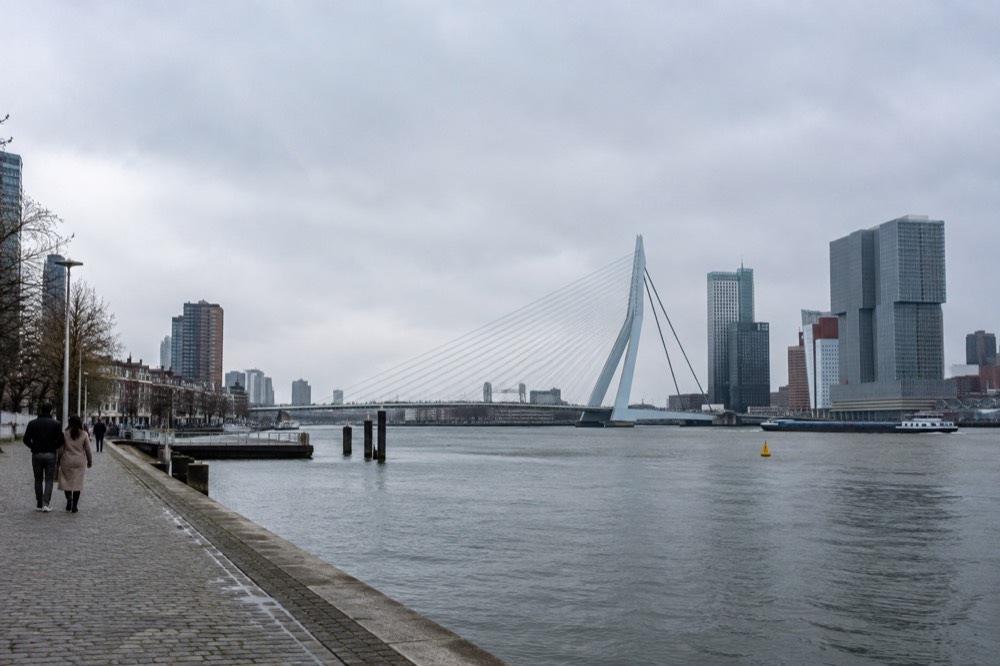
The cleanest way to decide is by what you would regret missing. Almost nobody regrets the Markthal; plenty of people regret skipping the Rijksmuseum. That asymmetry is why Amsterdam remains the default for a first visit, and it is not marketing: the city's two flagship galleries hold works that have no equivalent in Rotterdam, and the canal ring is a World Heritage site of a kind Rotterdam cannot and does not try to offer. Rotterdam's defence is the reverse: it offers something Amsterdam cannot either, a bold modern city and a functioning port, and it offers it without a queue.
| Traveller type | Best base | Why |
|---|---|---|
| First visit to the Netherlands | Amsterdam | Canal ring, headline museums, walkable centre, easiest logistics |
| Architecture enthusiast | Rotterdam | Markthal, cube houses, Erasmus Bridge, port tours |
| Second or third trip | Split, or Rotterdam | Amsterdam's highlights likely done; Rotterdam feels new |
| Five days or more | Amsterdam, with a Rotterdam day | One-hour train link makes the pairing effortless |
| Tight budget | Rotterdam | Lower hotel rates for comparable quality |
However you split the time, the Amsterdam bookings are the ones that need doing early. The Van Gogh Museum's timed-entry rule applies to every visitor without exception, the Rijksmuseum requires a booked start time even for card holders, and the Anne Frank House releases its tickets online only. Rotterdam, by contrast, forgives spontaneity, and that difference alone decides many itineraries.
Whatever you choose, the three products below are the ones most visitors to the Amsterdam side of the pair end up wanting: the museum that needs booking first, the brewery attraction that anchors a rainy afternoon, and the classic canal cruise that shows the city the way it was built to be seen.
Common Questions About Amsterdam or Rotterdam
Amsterdam or Rotterdam: which is better for first-time visitors?
Amsterdam, for most people. The canal ring, the Rijksmuseum, the Van Gogh Museum and the Anne Frank House are the sights first-time visitors to the Netherlands usually mean, and the centre is compact enough to cover on foot. Rotterdam is a superb city, but its appeal is stronger on a second visit once the classics are done.
Is Rotterdam cheaper than Amsterdam?
Usually, and mostly on accommodation. Amsterdam's hotel stock is capped by a building ban while demand keeps rising, and tourist tax is 12.5 percent of the overnight price. Rotterdam's hotel rates sit noticeably below Amsterdam's for comparable quality. Day-to-day costs such as food, drink and local transport are similar in both cities.
Can you do Rotterdam as a day trip from Amsterdam?
Yes, and it is one of the easiest day trips in the country. Trains between Amsterdam Centraal and Rotterdam run several times an hour and take roughly an hour each way. Rotterdam's main sights cluster around the centre and the Maas waterfront, so a single day comfortably covers the Markthal, the cube houses and a harbour cruise.
Is one day enough for Amsterdam's main museums?
Not for all of them. The Rijksmuseum and the Van Gogh Museum each deserve at least half a day, and both require a pre-booked timed entry ticket, which makes squeezing both into one morning difficult in high season. Plan one major museum per day, book the start times in advance, and treat the Anne Frank House as a separate booking made on the museum's own website.
Which city has better nightlife?
They differ in character rather than quality. Amsterdam offers the brown cafés, the canal-side bars and large-scale club events such as the Amsterdam Dance Event each October. Rotterdam's scene is more domestic and, in the view of many locals, more inventive, spread across fewer tourist streets. Amsterdam is easier for a short visit; Rotterdam feels less staged.
Do I need to book Amsterdam museums before I book my hotel?
For the Van Gogh Museum and the Anne Frank House, effectively yes. The Van Gogh Museum requires a timed entry ticket for every visitor and slots sell out, and Anne Frank House tickets are sold only through the museum's own site for a specific date and time. Booking those two around your hotel dates, rather than after, is the safer order.