How Much Does a Trip to Amsterdam Cost?
Amsterdam has a reputation for being expensive, and partly it deserves it. But the real cost of a trip depends almost entirely on three decisions: where you sleep, how many museums you stack into a day, and whether you drink your coffee sitting down or standing at the bar. Here is what things actually cost.
Short answer
The biggest costs are the bed, the museums and the meals. Regional hotel rates averaged around €155 in 2025, the Rijksmuseum and Van Gogh Museum charge €25 each, a 24-hour GVB pass costs €10, and meals run from a few euros at a counter to €30 plus seated. Add the 12.5% tourist tax to any hotel quote.
Amsterdam recorded 23.7 million tourist overnight stays in 2025, according to the city's own statistics office, and the pressure of those numbers shows up in prices. Hotel rates in the Amsterdam and Schiphol region softened to around €155 on average in 2025, but the municipal tourist tax of 12.5% and a rise in Dutch VAT on accommodation to 21% both push the final bill back up. None of that makes the city unaffordable. It makes it a city where knowing the real numbers before you book saves real money.
This Things to Do in Amsterdam guide breaks the trip into its parts: flights, beds, museums, food, transport, tours and day trips. Every figure below comes from an operator's own page, a government source or this site's verified research file. Where a price varies or could not be confirmed, it says so plainly rather than guessing.
How Much Does a Trip to Amsterdam Cost in Total?
Three line items decide the total: the bed, the museums and the meals. Regional hotel rates averaged around €155 a night in 2025, the headline museums charge €25 a ticket, a 24-hour GVB transport pass costs €10, and food runs from a few euros at a counter to €30 plus per head seated. The tourist tax adds 12.5% to every night. Everything else is comparatively small.
The single biggest variable is the bed. The second is how many of the big museums you visit, because the headline institutions cluster in the €20 to €25 band and a family of four can spend €100 on tickets before lunch. Transport is the small line item: Amsterdam is compact, the trams are cheap by capital-city standards, and most visitors walk far more than they expect.
One cost that surprises people on their hotel invoice is the tourist tax. The gemeente charges 12.5% of the overnight price, excluding VAT, on hotels and holiday rentals alike, and day-tripper cruise passengers pay €15 per head. If a nightly rate looks too good compared with everything else on the booking page, the tax is often the reason the total does not match. The city's own tourist tax page sets out the current rules.
What Do Flights to Amsterdam Cost?
Flights are the least predictable line in any Amsterdam budget because they swing by season and origin. From within Europe, return fares to Schiphol commonly run $60 to $200 booked six to ten weeks ahead. From the US east coast, returns typically land between $500 and $900; from the west coast, $700 to $1,200. Peak summer and the weeks around King's Day push every band upward.
Two practical notes soften that. Schiphol is one of Europe's best-connected hubs, which keeps competition high on most routes, and the airport sits roughly 17 minutes from Amsterdam Centraal by NS train, with e-tickets from €5.50 each way. That means a cheap flight into Schiphol does not need a €60 taxi ride at the other end: the train station sits directly under the terminal. The Amsterdam Airport Express bus 397 runs from about €6.50 single as an alternative for the south and west of the centre.
Schiphol publishes no fixed taxi fare; you pay whatever the meter says, so no honest guide can quote one. For the planning stage, budget the train, not the cab.
If you are still choosing dates, the best time to visit Amsterdam guide covers how prices move across the year, including the tulip season spike in April.
What Does Accommodation Cost per Night?
Central Amsterdam hotels averaged around €155 a night regionally in 2025, with central properties sitting well above that figure and four-star canal-side properties higher again. Hostel dorm beds are the cheapest central option. A whole apartment averages more than a hotel room but sleeps more people, and remember the 12.5% tourist tax applies to holiday rentals too.
The city's hotel stock is capped by policy: the hotelstop, a municipal ban on new hotels, keeps roughly 41,000 to 42,000 rooms across about 544 hotels, and demand exceeded 23 million overnight stays in 2025. Scarcity plus the tax explains why Amsterdam hotel pricing feels stiffer than Rotterdam's or Brussels'. Location matters as much as season: a room in the Grachtengordel or around Dam Square can cost double the equivalent in Amsterdam Noord, one free ferry ride across the IJ.
For apartment renters, the rules shifted recently. Holiday lets are limited to 30 nights per calendar year city-wide, and from 1 April 2026 that drops to 15 nights in eight central neighbourhoods including the Jordaan, Burgwallen-Nieuwe Zijde and Oude Pijp, with a maximum of four guests at a time. Fewer legal rental nights means the good apartments book out further ahead. If you want a kitchen and space, browse apartments and hotels across Amsterdam early rather than in the fortnight before travel.
If you are weighing a stay outside the centre against paying central prices, the where to stay in Amsterdam guide compares the neighbourhoods, and the blog post on staying in or outside central Amsterdam works through the same trade-off with numbers.
Three of the biggest fixed costs after the bed are tickets, and booking them ahead is where a lot of the savings on an Amsterdam trip hide. The selection above covers the museum most visitors refuse to miss, the city's most popular paid experience and the classic canal cruise, which together set the tone for what a day in Amsterdam costs.
What Do Museums and Attractions Cost?
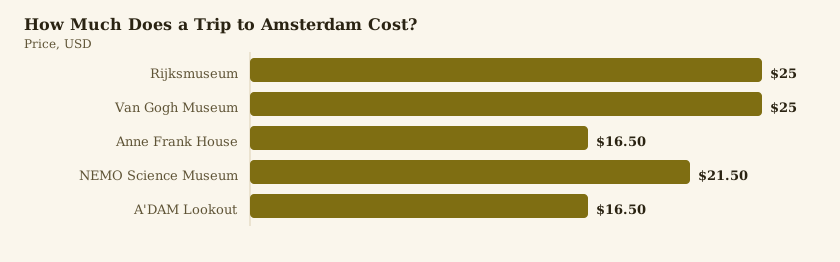
The headline museums cost €25 each: the Rijksmuseum and the Van Gogh Museum both charge adults €25, with free entry for ages 18 and under at both. The Anne Frank House charges €16.50, NEMO Science Museum €21.50 flat for ages 4 and up, and A'DAM Lookout €16.50 online. A two-museum day for a couple therefore costs around €50 to €100 before any pass maths.
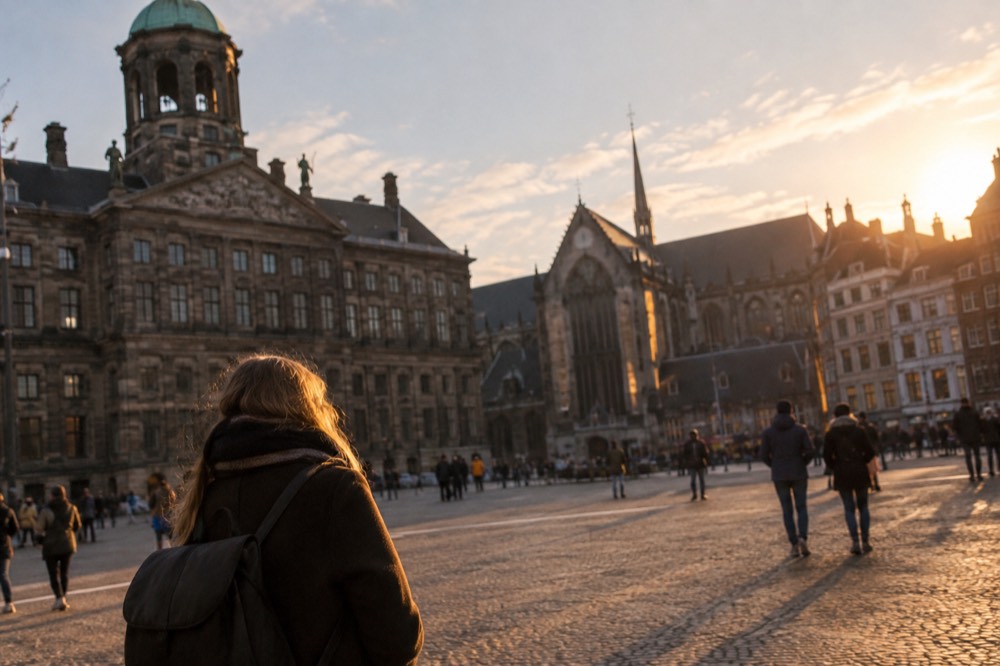
The Rijksmuseum's own prices page confirms the €25 adult ticket, free entry for 18 and under, and daily opening from 9am to 5pm, with a timed start slot required for everyone, including pass holders. The Van Gogh Museum charges the same €25, is free for under-18s, and requires every visitor to pre-book a timed entry ticket; slots on popular days sell out. The Anne Frank House is the strictest of all: online-only sales through the museum's own site at annefrank.org, no door sales and no reseller, with tickets released six weeks ahead on Tuesdays at 10:00 CEST. Nothing sold anywhere else is a legitimate Anne Frank House ticket, and no pass or card includes it.
| Attraction | Adult price | Children | Booking rule |
|---|---|---|---|
| Rijksmuseum | €25 | Free 18 and under | Timed slot required |
| Van Gogh Museum | €25 | Free under 18 | Timed ticket, pre-booked |
| Anne Frank House | €16.50 | €7 ages 10 to 17 | Official site only, no resellers |
| NEMO Science Museum | €21.50 | €21.50 ages 4 to 17, free under 4 | Timed ticket |
| A'DAM Lookout | €16.50 online | Family tickets available | €2 cheaper online |
| ARTIS Zoo | Dynamic, cheaper online | Free 0 to 2 | Price varies by day |
A few second-tier museums soften the blow. The Royal Palace, Moco and the Stedelijk all sit lower than the big two, and this site's roster has a Van Gogh Museum ticket at $31 and a Heineken Experience ticket at $23, both bookable with free cancellation up to 24 hours before. The Heineken Experience, at 4.6 across more than 39,000 reviews, is the classic rainy-day filler that costs less than a museum and takes 90 minutes.
The pass question deserves its own arithmetic, and the honest answer is that it depends on your pace. The I amsterdam City Card costs €67 for 24 hours and €94 for 48 hours, includes free entry to more than 70 museums, unlimited GVB transport, one canal cruise and a 24-hour bike rental. It does not include the Van Gogh Museum or the Anne Frank House, and the Rijksmuseum does accept it. If you plan three or four card-covered museums a day and use the transport, it pays; at two museums a day it usually does not. The full comparison, including the Museumkaart alternative for longer stays, is in is the I amsterdam City Card worth it?.
The Van Gogh Museum is the one ticket worth locking in the moment your dates are fixed, because timed slots for weekends and tulip season go first.
What Does Food and Drink Cost in Amsterdam?
Eating in Amsterdam spans a huge range for the same food: a herring or a broodje from a counter costs €4 to €8, a main at an unremarkable restaurant runs €18 to €28, and a three-course dinner with drinks at a good canal-side restaurant reaches €50 to €70 per head. Coffee is €2.50 to €3.50 standing at the bar and double that seated on a terrace.
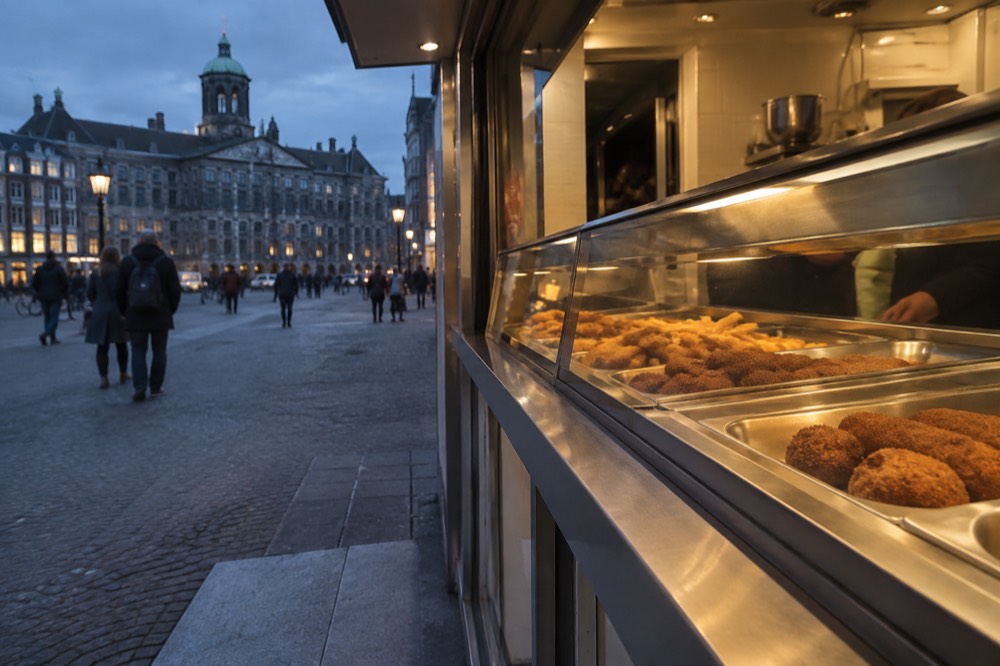
The budget end of Dutch eating is genuinely good, which is not true everywhere. FEBO-style vending walls, frituur snack bars and the brown cafés serve bitterballen and fries for a few euros, and the Albert Cuyp Market sells fresh stroopwafels for less than the price of a magazine. Supermarkets are the other lever: a breakfast of yoghurt, fruit and bakery bread costs a fraction of the €15 to €25 hotel breakfast, and most neighbourhoods have an Albert Heijn within a short walk.
| Meal or item | Typical price | Notes |
|---|---|---|
| Herring or kibbeling from a stall | €4 to €7 | Classic cheap lunch |
| Broodje (sandwich) at a bakery | €4 to €8 | Best value breakfast |
| Fries with sauce | €3.50 to €6 | Snack bars city-wide |
| Main course, mid-range restaurant | €18 to €28 | Pasta, fish, stews |
| Three-course dinner for two with drinks | €90 to €130 | Good restaurant, centre |
| Coffee standing at the bar | €2.50 to €3.50 | Double seated on a terrace |
Service is included in Dutch menu prices, and tipping is a matter of rounding up rather than a percentage, so the price you read is close to the price you pay. The what to eat in Amsterdam guide goes dish by dish, and the blog post on traditional food in Amsterdam covers the same ground for people who plan trips around dinner.
What Does Getting Around Amsterdam Cost?
A single GVB tram or bus ride costs €3.40 for one hour, a 24-hour day pass costs €10, and contactless OVpay taps work everywhere with a base fare of €1.16 plus €0.217 per kilometre. Most visitors spend €10 to €21.50 total on transport for a weekend, because the centre is walkable and the IJ ferries are free.
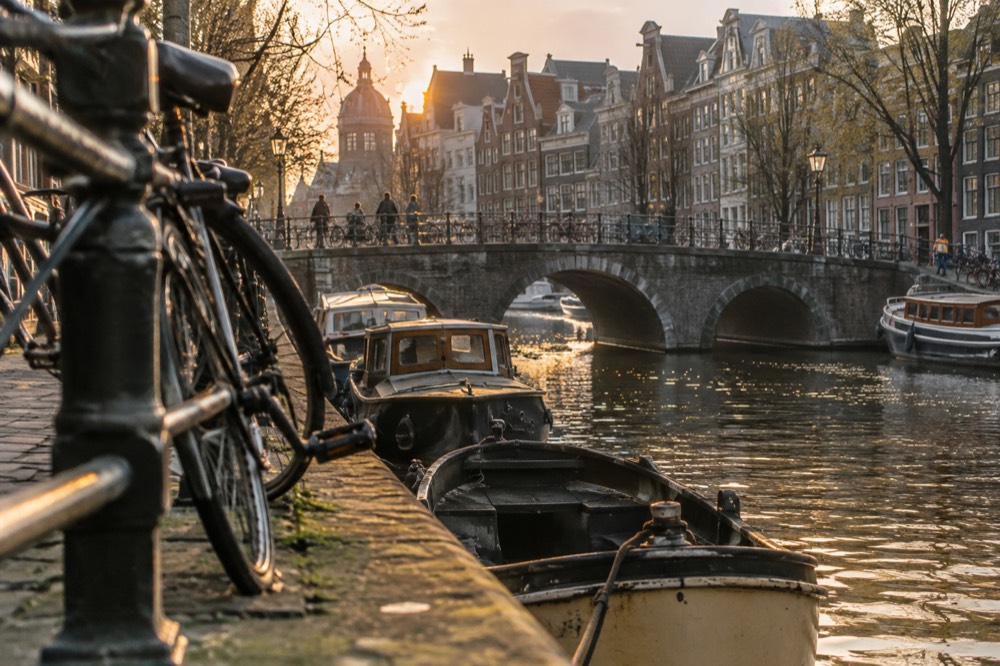
The GVB fare table is published on the operator's own prices page: €10 for 24 hours, €16 for 48, €21.50 for 72, rising to €43 for a full week. Children pay €5 for a day pass. If your hotel is central, a single day pass on your museum day plus walking covers most trips; if you are staying in Noord or Zuid, the multi-day passes quickly beat €3.40 a ride.
| Ticket | Price | Best for |
|---|---|---|
| GVB single, 1 hour | €3.40 | One-off trips |
| GVB 24-hour pass | €10.00 | A heavy museum day |
| GVB 48-hour pass | €16.00 | A weekend in the centre |
| GVB 72-hour pass | €21.50 | Three days without a base pattern |
| OVpay contactless | €1.16 base plus €0.217 per km | Occasional riders, no ticket machine |
| NS train, Schiphol to Centraal | from €5.50 | Arrival and departure |
Two things cost nothing. The IJ ferries behind Centraal run day and night with no fare at all, which is why staying in Amsterdam Noord is cheaper than it looks. And the NEMO roof terrace, with one of the best free views over the city, is reachable by the steps from the street without buying a museum ticket. The full transport picture, including the tram-payment question visitors ask most, is in getting around Amsterdam.
What Do Tours and Canal Cruises Cost?
A standard one-hour canal cruise costs from about €15.50, which is the price Rederij Kooij publishes for its original cruise with audio guide, and most competitors sit between €16 and €25 depending on boat and inclusions. Guided walking tours run €22 to $33, the food tour with ten tastings costs $92, and the big day trips to Zaanse Schans and the villages start at $34.
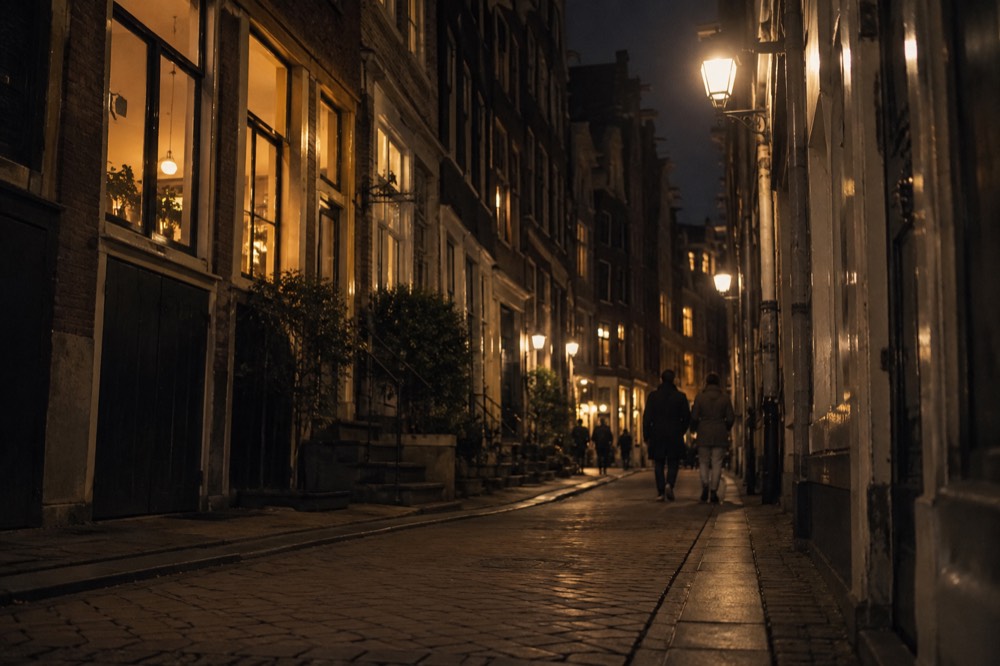
The canal cruise is the one product where paying more genuinely buys a different experience. The standard glass-topped boat with an audio guide is the €15 to €20 tier. The classic wooden saloon boats, some sailing since 1902 with quiet electric engines, cost a little more and carry far fewer people; the classic saloon boat cruise on this site's roster is $19.56, rated 4.8 across more than 33,000 reviews, with drinks and cheese as an optional upgrade. Above that sit the small-group sloops and all-inclusive cruises, from $23 to $71, where the open bar and the 14-passenger cap are what you are buying.
Walking tours follow the same ladder. The free, tip-based city walks cover the centre well and cost whatever you think the two and a half hours were worth; the paid small-group tours add depth, with the Anne Frank walking tours at $22 to $33 depending on length, and the ten-tastings food and culture tour at $92 as the premium end. None of the Anne Frank walking tours include entry to the house, because no tour can: those tickets exist only on the museum's own site.
For the pass-minded, the city card deserves one more look here, since the canal cruise and the bike rental are both inside it.
What Does a Day Trip from Amsterdam Add to the Budget?
Organised day trips from Amsterdam start at $34 for the Zaanse Schans, Volendam and Marken windmill-and-villages tour and rise to $161 for the Giethoorn combination, with most sitting between $40 and $110. Doing the same trips independently by train and bus usually costs €20 to €50 in fares plus entry fees, in exchange for planning your own connections.
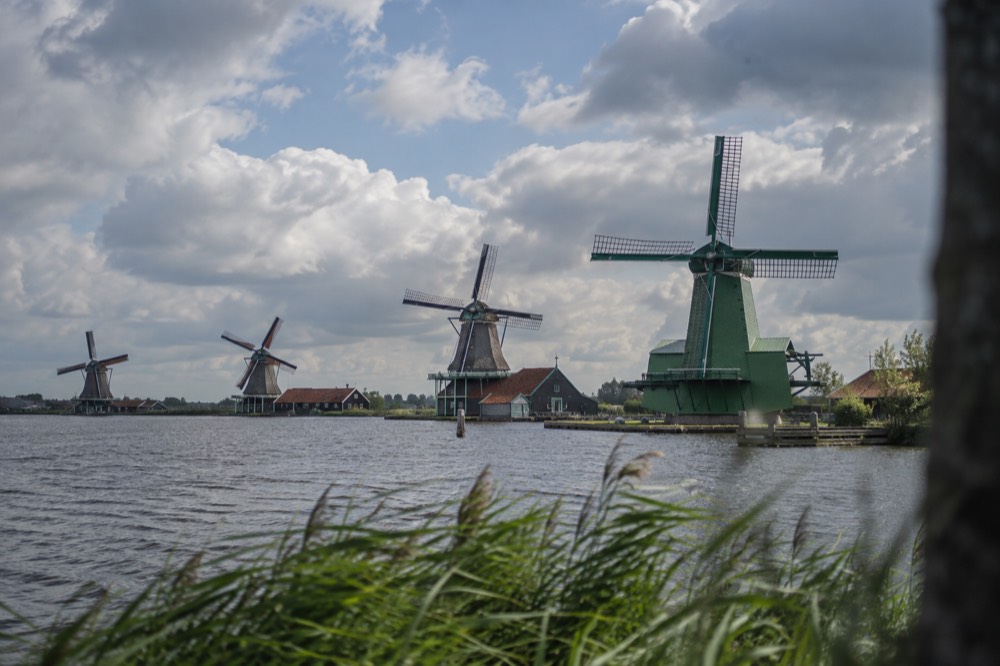
The arithmetic is not always in the organised tour's favour, but the time cost usually is. Zaanse Schans, the windmill village, is reachable by train and a short walk for a few euros, and entry to the open-air area itself is free, with only the individual windmill and workshop visits charged. Volendam and Marken by public transport takes longer and runs to a bus fare each way. The guided option at $34, rated 4.5 across more than 20,000 reviews, bundles all three villages plus transport in five and a half hours, which is hard to beat if your Amsterdam time is short.
| Day trip | From | Duration | What it covers |
|---|---|---|---|
| Zaanse Schans, Volendam and Marken | $34 | 5.5 hours | Windmills and two villages |
| Zaanse Schans, Edam, Volendam and Marken | $45 | 6.5 hours | Adds Edam cheese town |
| Rotterdam, Delft and The Hague | $63 | 9 hours | Three cities by coach |
| Keukenhof and Zaanse Schans | $107 | 9 hours | Spring tulips plus windmills |
| Giethoorn, Volendam and Zaanse Schans | $161 | 10 hours | The longest village loop |
One seasonal warning that saves money and disappointment: Keukenhof runs only from 19 March to 10 May. The 2027 season is confirmed for 18 March to 9 May, and 2027 ticket prices are not yet on sale, so no honest page can quote one. Any "Keukenhof day trip" sold outside that window is not a Keukenhof day trip. The full comparison of destinations is in the best day trips from Amsterdam.
Three Sample Amsterdam Budgets
A budget three-day trip keeps costs down with a hostel or budget hotel, supermarket breakfasts, snack-bar lunches, one paid museum a day and the 72-hour GVB pass at €21.50. A mid-range trip adds a central hotel, the big museums at €25 each, a saloon-boat cruise and restaurant dinners. A comfortable version adds a four-star bed and a day trip on top.
The figures below assume one person, three nights, no flights, and prices already verified on this page. Adjust the museum line to taste: a family with two under-18s saves the full ticket price at the Rijksmuseum and Van Gogh Museum, which is one of the quietest family discounts in Europe.
| Line item | Budget, 3 days | Mid-range, 3 days | Comfort, 3 days |
|---|---|---|---|
| Accommodation | Hostel or budget hotel | Central 3-star | 4-star canal-side |
| Museums and attractions | One big museum, free sights | Two big museums at €25, cruise | Card plus extras |
| Food and drink | Counters and supermarkets | Mixed casual and sit-down | Restaurant meals throughout |
| Transport | €21.50 (72-hour GVB) | €21.50 (72-hour GVB) | €34 (4-day pass) |
| Day trip | None | None | $45 to $107 |
Two habits move any of these columns more than they should. Booking the big timed-entry museums early avoids the expensive mistake of arriving on a sold-out day and improvising with whatever is left. And checking whether your hotel breakfast costs €18 before accepting it, since the bakery two streets away charges €4, quietly saves a family more than a museum ticket over three mornings. For a longer comparison of every recurring cost, this page pairs well with the blog answer to whether $100 a day is enough in Amsterdam.
Common Questions About the Cost of a Trip to Amsterdam
How much does a trip to Amsterdam cost in total?
Plan around the three big lines: the bed, the museums and the meals. A 24-hour GVB pass costs €10, the big museums charge €25 each, and a canal cruise starts at about €15.50. Whether your total lands high or low depends mostly on where you sleep and how many headline museums you stack in.
Is Amsterdam expensive compared with other European capitals?
Hotels are the expensive part, held high by a city-wide cap on new hotels and a 12.5% tourist tax. Everything else is moderate: tram fares, museum prices and casual food sit at or below Paris or London levels, and the budget end of Dutch food is better than most capitals manage.
How much does a canal cruise cost?
The standard one-hour cruise costs from about €15.50, the price Rederij Kooij publishes for its original cruise with audio guide. Classic saloon boats and small-group cruises run $19.56 to $71 depending on boat, group size and whether drinks are included.
Is the I amsterdam City Card worth the money?
At €67 for 24 hours and €94 for 48, it pays if you visit three or more included museums a day and use the included transport, cruise and bike. It does not include the Van Gogh Museum or the Anne Frank House, which are the two tickets most visitors actually want, so do the arithmetic for your own itinerary first.
What is the cheapest way to get from Schiphol to the city centre?
The NS train from Schiphol to Amsterdam Centraal takes just over 17 minutes, with e-tickets from €5.50 each way. The Amsterdam Airport Express bus 397 runs from about €6.50 single. Taxis are metered with no fixed fare, so budget for the train instead.
How much should I budget for food per day?
Roughly €25 a day on a budget using bakeries, snack bars and supermarkets; €45 to €60 at mid-range with one restaurant dinner; and €80 plus if you eat every meal seated. Coffee standing at the bar costs €2.50 to €3.50, about half the seated terrace price.