Gay Amsterdam: Bars, Pride, Neighbourhoods and What to Know Before You Go
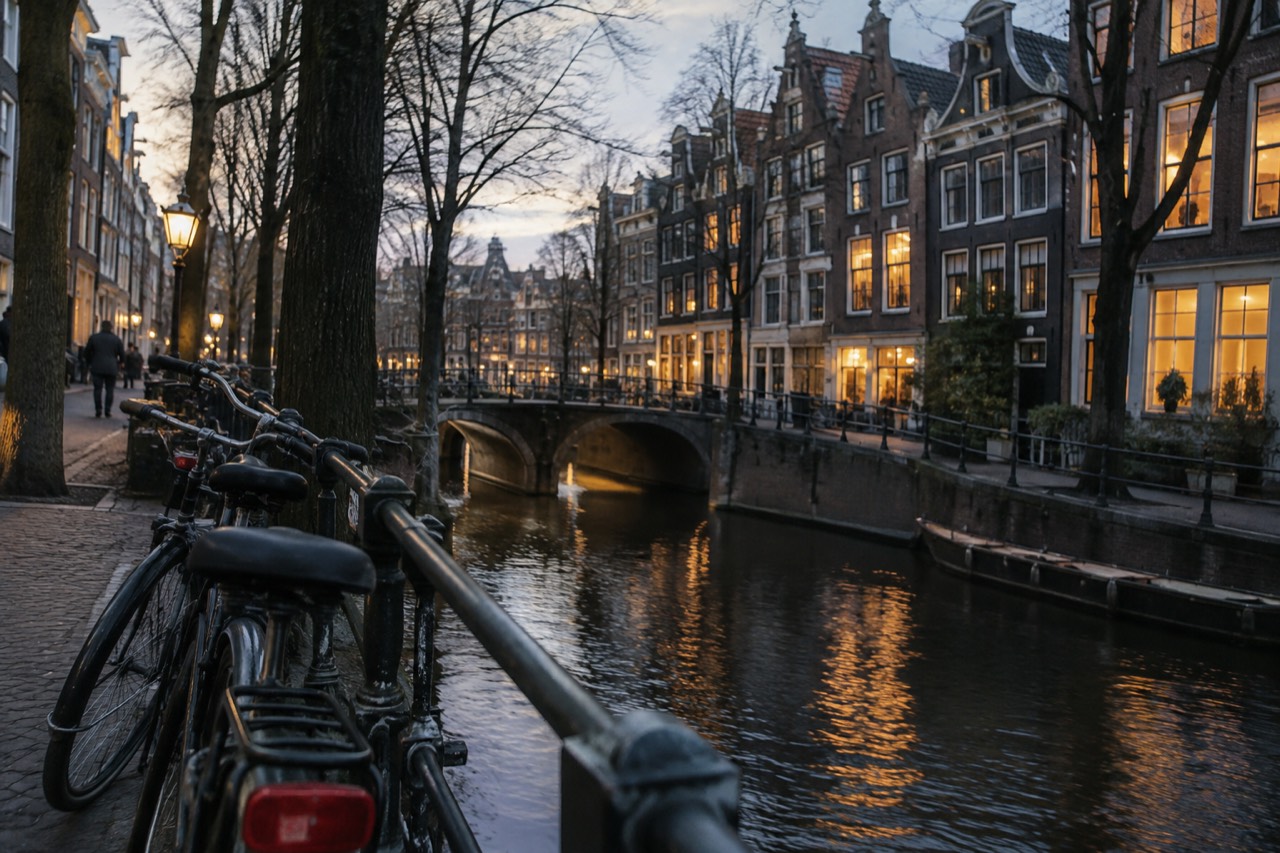
Amsterdam has one of Europe's oldest and most visible LGBTQ+ scenes, built around a handful of streets in the centre, a summer Canal Parade through the UNESCO canal ring and a queer history that runs from the Homomonument to the city's coffeeshop-era counterculture.
Short answer
Gay Amsterdam centres on the Reguliersdwarsstraat and the streets around Rembrandtplein, with the Homomonument beside the Westerkerk as its memorial heart. The Canal Parade each summer is the headline event, and 2027 dates are not yet announced. A Van Gogh Museum ticket costs $31 from the roster, the Heineken Experience $23 and a classic saloon boat cruise $19.56.
Amsterdam was one of the first cities in the world to legalise same-sex marriage, and the practical effect of that is visible everywhere in the centre: mixed crowds, hand-holding that draws no glance, and a nightlife scene that long ago stopped needing a separate district to survive. That does not mean the scene has no geography. It does, and it is compact enough to walk in an evening.
This guide covers the streets and venues that anchor gay Amsterdam, the Pride calendar, the queer-history sights worth an hour of your day, and the practical layer: transport, costs and the local rules that visitors keep asking about. Where a price is verified it is printed; where it lives on a live listing, the guide says so plainly.
Where Is the Heart of Gay Amsterdam?
The centre of gay Amsterdam is a short walk, not a district you travel to: the Reguliersdwarsstraat and its side streets between Rembrandtplein and the Muntplein hold most of the dedicated bars, while the Homomonument beside the Westerkerk on the Western Canal Belt is the scene's memorial and symbolic heart. Everything sits within roughly fifteen minutes on foot of Dam Square.
The Reguliersdwarsstraat has been the city's best-known gay street for decades, and its cafes and clubs gave the early Dutch emancipation movement a fixed address. The street still carries that identity, with a cluster of bars that stay open late into the weekend and spill onto the pavement in summer. Around the corner, the Amstel river bank between the Blauwbrug and the Muntplein holds another pocket of long-running venues, several of them in canal-side buildings with terraces directly over the water.
The Homomonument, three large pink granite triangles set into the pavement beside the Westerkerk, was the first monument in the world commemorating lesbians and gay men killed by the Nazis. It remains the place where commemorations happen and where the scene's political history is written in stone. The nearby Pink Point kiosk, run by volunteers, has long served as an information point for the community and for visitors asking exactly the questions this guide answers.
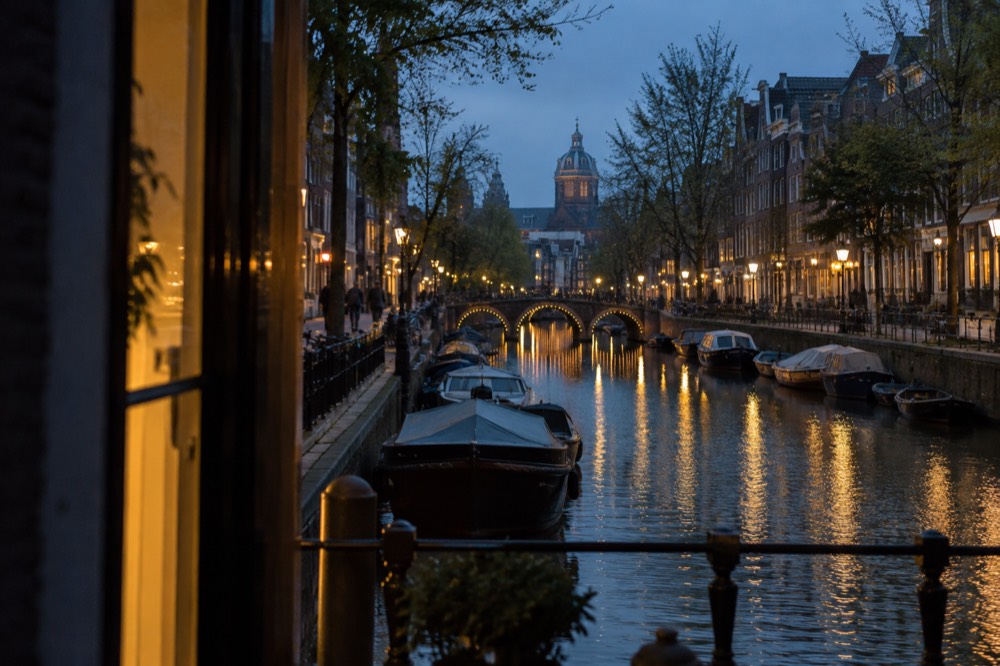
For context on how the neighbourhood fits the wider city, our guide to the Westerkerk and its surroundings covers the monument's immediate setting, and the Amsterdam Centrum city centre guide maps the walk between all three pockets of the scene.
Which Bars and Clubs Should You Actually Plan Around?
Plan around three clusters: the Reguliersdwarsstraat for mainstream mixed-and-gay bars with late weekend hours, the Amstel river bank for older, more conversational cafe-bars with canal terraces, and the Warmoesstraat in the red-light quarter for the leather and fetish end of the scene, where Club Church is the best-known late venue. Most venues charge no or low cover before midnight and the weekend runs Thursday to Sunday.
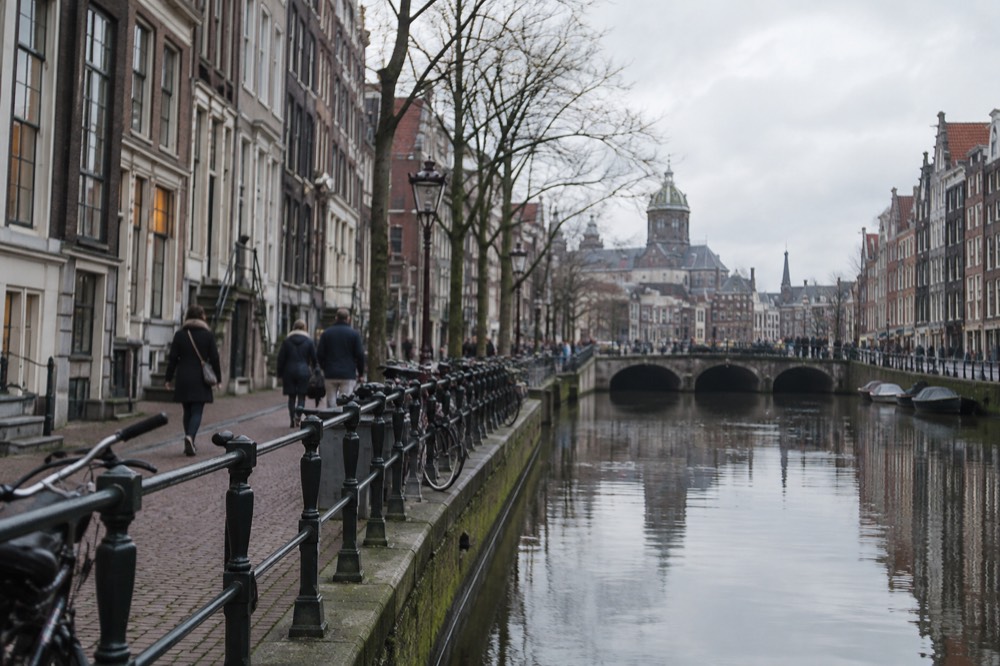
The Reguliersdwarsstraat works as a warm-up street: bars there open early enough for a first drink and stay busy from around ten at night. The Amstel venues skew older and quieter, good for an actual conversation rather than a dance floor. The Warmoesstraat cluster, a few minutes from Centraal Station, is the most distinct subculture in the city and has been for decades, and it sits inside De Wallen, so the district rules on photography and respect apply with full force: the city's own How to Amsterdam guidance asks visitors not to photograph sex workers and to keep noise and street drinking in check in the centre.
A useful pattern for a first night is to start on the Reguliersdwarsstraat, move to an Amstel terrace, and finish wherever the night points you. Dedicated club nights concentrate on Friday and Saturday, and several venues run themed nights midweek, so the calendar matters more than the address.
Before the night out, most visitors have booked at least one classic Amsterdam experience for earlier in the day, and the three below are the ones this site's roster shows travellers combining most often: the museum heavyweight, the brewery experience and the canal cruise.
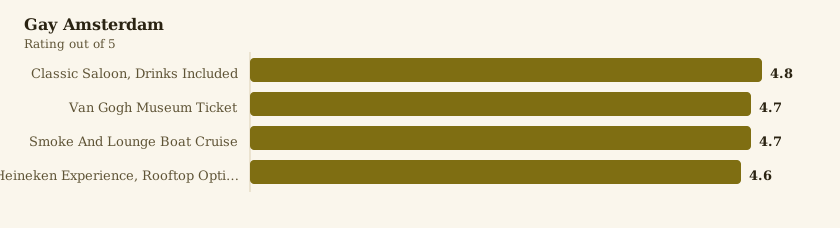
The Heineken Experience deserves a specific mention for this itinerary because it sits on the Stadhouderskade, a short walk from both the Reguliersdwarsstraat and the Museumplein, which makes it the easiest pre-bar stop in the city. The listing shows 4.6 across 39,581 reviews and a duration of about an hour and a half, at $23 from the roster. Booking a late-afternoon slot leaves the evening free.
When Is Amsterdam Pride, and What Is the Canal Parade?
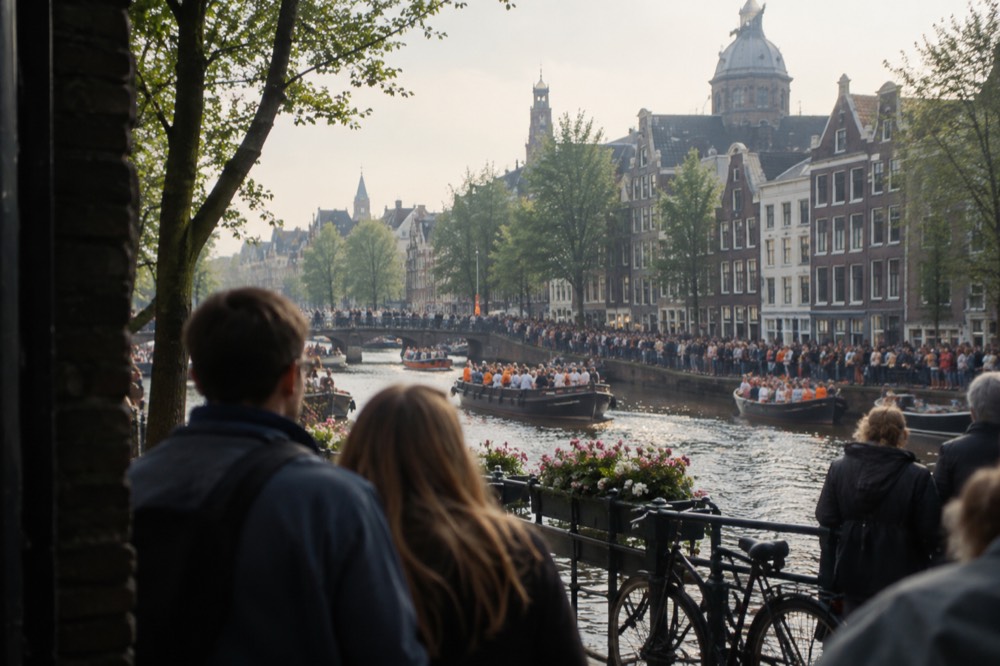
Amsterdam Pride runs for a week each summer and its climax is the Canal Parade, a floating procession of decorated boats through the Grachtengordel that draws hundreds of thousands of spectators to the quays. The 2027 dates have not yet been announced, so check the organisers' channels before locking flights; the parade is traditionally the first Saturday of August, but the confirmed schedule is the only schedule worth booking against.
The Canal Parade is the only major Pride parade in the world that happens on water, and that is not a gimmick: the UNESCO-listed canal ring is narrow, the boats pass close enough to touch the quay walls, and the whole route turns into a day-long street party along the Prinsengracht and Amstel. Hotels fill months ahead for that weekend, and prices in the centre rise accordingly. If the parade is your reason for travelling, book accommodation the day dates drop and expect to walk: trams in the centre run altered routes that Saturday.
The rest of Pride week spreads across the city, with street parties, film screenings and club nights, many of them free to attend. The event's roots are protest as much as party: Amsterdam Pride grew out of the liberation day demonstrations of the late 1970s-era emancipation movement, and the political strand is still visible in the opening events each year.
Our dedicated Amsterdam Pride guide carries the fuller rundown of the parade route and the week's structure, and it is worth reading alongside the red-light district rules and etiquette guide, since several Pride after-parties sit on the edge of De Wallen and the district's conduct rules apply to partygoers too.
If you want one bookable anchor for the Pride weekend beyond the parties themselves, the classic saloon boat cruise is the natural pick: it puts you on the same water the parade uses, on a restored late-19th-century boat, at $19.56 from the roster with a 4.8 rating across 33,435 reviews.
Which Museums and Sights Tell Amsterdam's Queer Story?
The Van Gogh Museum is the unexpected headline: it holds one of the world's great collections by a painter whose letters document a complex emotional life, and it anchors a Museumplein day that also covers the Rijksmuseum and the Moco. Add the Homomonument and the Westerkerk for history, and the Our Lord in the Attic museum for the city's long tradition of hidden communities. Together they make a full day of queer-relevant Amsterdam without a dedicated LGBTQ+ museum.
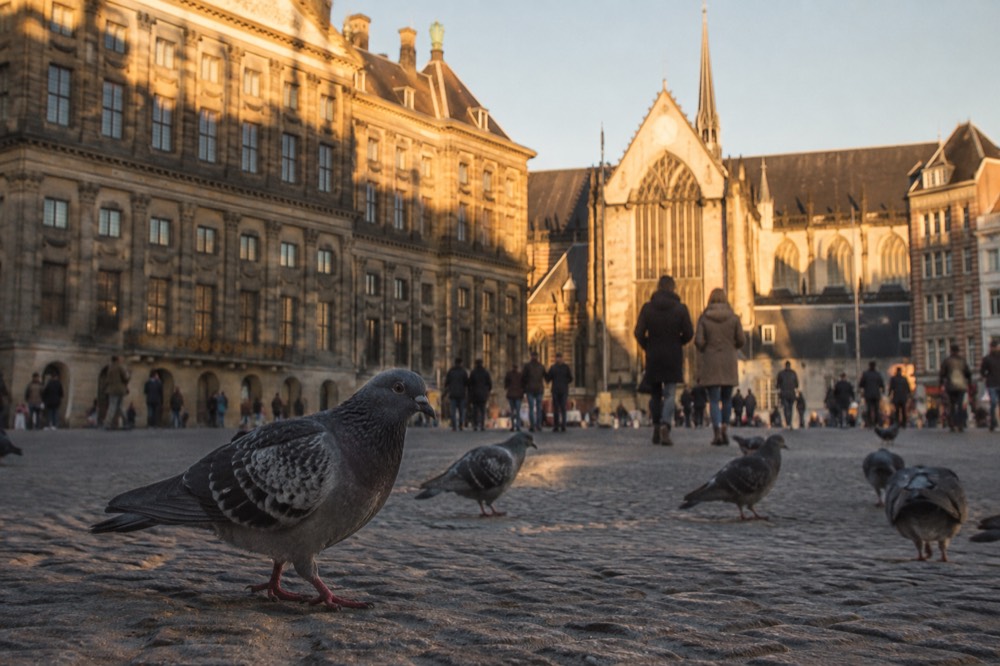
The Van Gogh Museum's own ticket page states an adult price of €25 with free entry for under-18s, and every visitor needs a pre-booked timed slot. On this site's roster the ticket is listed at $31 with a 4.7 rating across 57,096 reviews. The museum is not a gay site in the programming sense, but it belongs on this itinerary for two reasons: the collection itself is extraordinary, and the Museumplein around it is where the city's cultural day genuinely happens, Pride week included.
For the history layer, the Homomonument is the essential stop, and it costs nothing. The Westerkerk beside it is the church Anne Frank wrote about hearing from her hiding place, which ties the queer-history walk into the city's broader story of persecution and tolerance. The Rembrandt House and the Jewish Cultural Quarter extend that walk east.
| Sight | What It Adds to a Queer Amsterdam Day | Entry |
|---|---|---|
| Homomonument, beside the Westerkerk | The world's first monument to LGBTQ+ victims of the Nazis | Free, public square |
| Van Gogh Museum ticket | 200 paintings, 500 drawings and 750 letters; timed entry required | €25 adult on the official page, $31 on the roster |
| Rijksmuseum | The Dutch Golden Age canon; free for under-18s and City Card holders | €25 adult |
| Our Lord in the Attic museum | A hidden church in a canal house, the city's signature story of tolerated hidden communities | Price on the museum's own listing |
| STRAAT street art museum, NDSM | Contemporary work in a former shipyard warehouse, a short free ferry from Centraal | $24 on the roster |
The Van Gogh Museum ticket is the one worth locking in early: the museum's own site warns that timed tickets sell out, and weekend slots in summer go first.
How Do You Get Around, and What Does Transport Cost?
GVB trams and buses cover the whole city and the gay venues cluster so tightly in the centre that most nights out need no ticket beyond walking; a 24-hour GVB day pass costs €10.00, a 72-hour pass €21.50, and contactless OVpay taps work on every tram and bus with a base fare of €1.16 plus €0.217 per kilometre. The free GVB ferries to Amsterdam Noord run all night and never need a ticket.
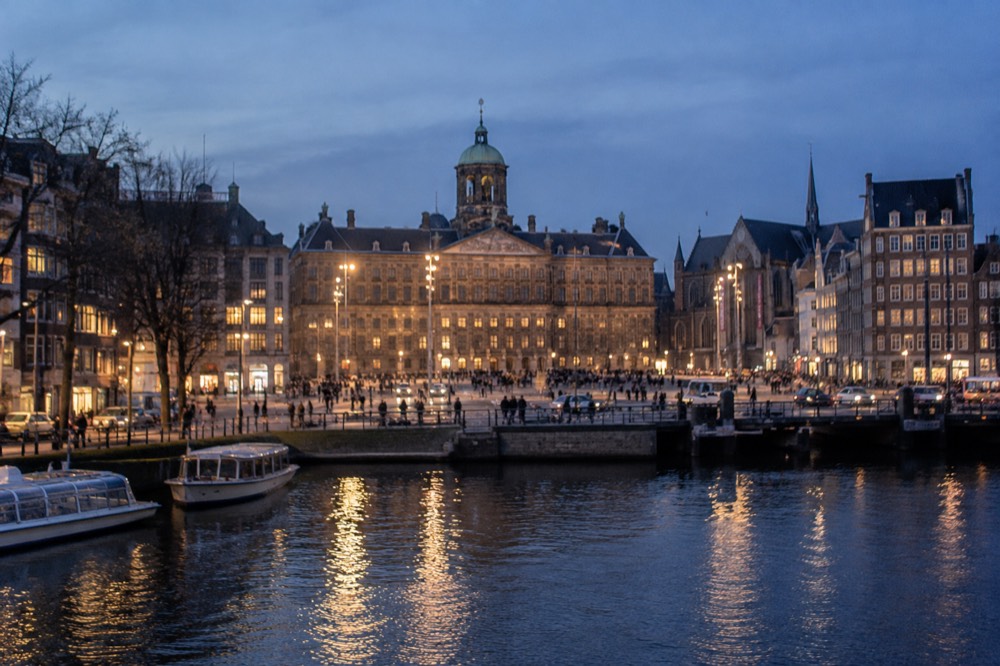
That fare table comes from GVB's own published prices, and it is the single most useful planning fact for a nightlife trip: if your hotel is central, you may walk everywhere and buy nothing; if it is in Noord or Zuid, one day pass covers the round trip plus everything in between. The GVB price page lists the full ladder from 24 hours to 168 hours, plus the Amsterdam Travel Ticket versions that include the airport train.
The ferries deserve a special note for this guide specifically. Amsterdam Noord, a free ferry behind Centraal Station, has become one of the city's main going-out areas, with large club and party venues at the NDSM wharf and around the A'DAM tower. The ferries run through the night on the main routes, which turns the river into a free taxi for exactly the hours a nightlife itinerary needs. The rest of the planning pages sit on Things to Do in Amsterdam.
| Ticket | Price | Best For |
|---|---|---|
| Single GVB ticket, 1 hour | €3.40 | One-off trips |
| GVB day pass, 24 hours | €10.00 | A full day plus one night out |
| GVB pass, 72 hours | €21.50 | A long weekend based in Noord or Zuid |
| OVpay contactless tap | €1.16 base + €0.217/km | Visitors who tap a bank card and skip ticket machines |
| GVB ferries to Noord | Free | Nights out at the NDSM wharf venues |
Is Amsterdam Expensive for a Gay City Break?
Count on museum prices of €25 at the Van Gogh and Rijksmuseum, a 24-hour I amsterdam City Card at €67 that includes transport, a canal cruise and a bike rental, and tourist tax of 12.5% built into your hotel bill; the city recorded 23.7 million overnight stays in 2025, so weekend hotel rates in the centre stay high and booking early matters more than any other single money decision.
The City Card math is worth doing honestly. The card's 24-hour tier costs €67 and includes unlimited GVB transport, one canal cruise and a 24-hour bike rental, plus free entry to more than 70 museums and locations, per the official card page on iamsterdam.com. But the two museums many visitors most want, the Van Gogh Museum and the Anne Frank House, are explicitly excluded, and the Anne Frank House's own price table states plainly that the card gives no discount there. If your itinerary is Van Gogh plus Anne Frank plus one cruise, the card saves you less than its headline suggests.
Nightlife itself is the cheap layer. Cover charges in Amsterdam's gay venues are low by big-city standards, and the street-party culture around Pride and King's Day is free to attend. The expensive mistakes are the standard Amsterdam ones: unbooked museum slots, airport taxis instead of the train from €5.50, and hotels booked late for a parade weekend.
| Cost Item | Verified Figure | Notes |
|---|---|---|
| Van Gogh Museum, adult | €25 | Under-18s free, timed entry mandatory |
| Rijksmuseum, adult | €25 | Free for 18 and under; City Card accepted |
| I amsterdam City Card, 24 hours | €67 | Transport, cruise, bike and 70+ venues; excludes Van Gogh and Anne Frank |
| GVB day pass | €10.00 | Covers all trams, buses, metro in the city |
| Tourist tax | 12.5% of the room price | Charged on hotel and holiday-rental stays |
| NS train, Schiphol to Centraal | from €5.50 | About 17 minutes |
What Rules Should Visitors Know Before a Night Out?
Three rules matter most: cannabis may only be smoked inside coffeeshops, not on the street in the centre; street drinking is prohibited in the city centre; and in De Wallen, where several fetish venues sit, do not photograph the sex workers and expect guided tours to obey strict limits of 15 people, hours between 08:00 and 22:00, and no route past the windows. None of this dampens the night, but all of it is enforced.
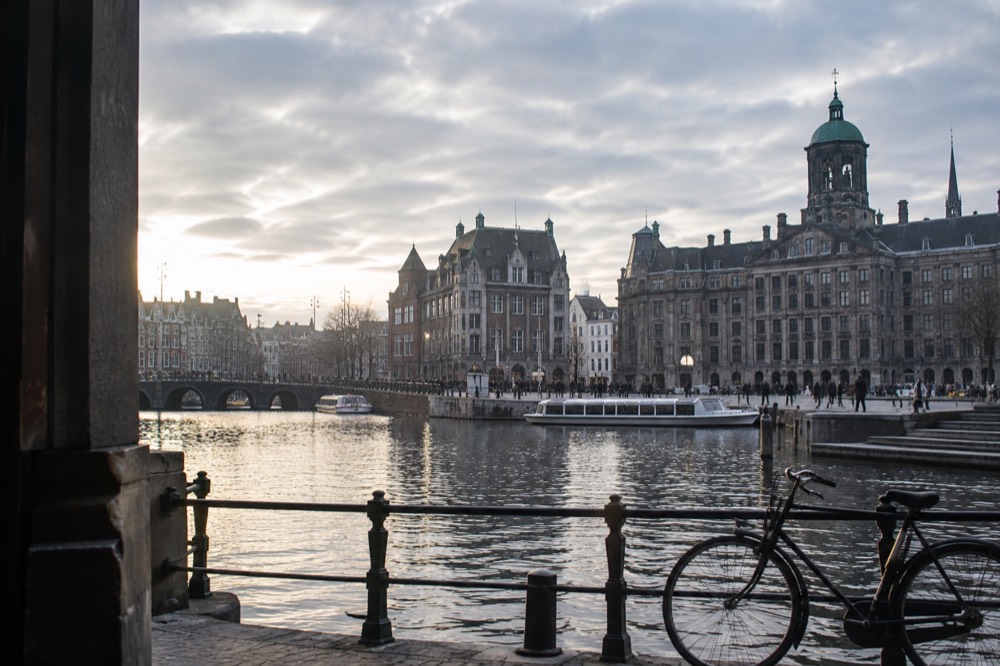
The coffeeshop point is the one international visitors most often get wrong, and the honest version is nuanced. National tolerance policy limits coffeeshop sales to 5 grams per person per day, and a residents-only criterion exists in national policy, but Amsterdam has never applied the tourist version of that rule: tourists can and do buy legally in Amsterdam's coffeeshops under the tolerance policy. What the city does enforce is where you consume: outdoor cannabis smoking is prohibited in the city centre, including the Wallen area, so it stays inside the coffeeshop.
For a night that ends on a boat rather than in a bar, the smoke-and-lounge cruise is the roster's most on-theme option: a one-hour, smoke-friendly lounge boat at $25 with a 4.7 rating across 9,862 reviews, which fits the city's rules because consumption happens on the licensed vessel rather than on the street.
The De Wallen rules deserve emphasis because the leather and fetish venues sit inside that district. The city's rules for guided tours cap groups at 15, restrict tour hours to 08:00 until 22:00, and prohibit any route passing the sex workers' windows, with fines of €190 for an individual guide and €950 for a company. As an independent visitor you are bound by the respect norms instead: no photography of the windows, no street drinking, and the closing-time rules that clear the core area's terraces at 01:00 and indoor venues at 02:00 on weekends.
How Do You Build the Perfect Gay Amsterdam Weekend?
Build it as one neighbourhood day, one museum day and one water day: Friday for the Reguliersdwarsstraat and the Amstel terraces, Saturday for the Van Gogh Museum and the Museumplein with the evening at a Noord club venue via the free ferry, and Sunday for a saloon boat cruise through the canal ring before a final drink at the Homomonument's side of the Western Canal Belt. That shape uses the city's geography instead of fighting it.
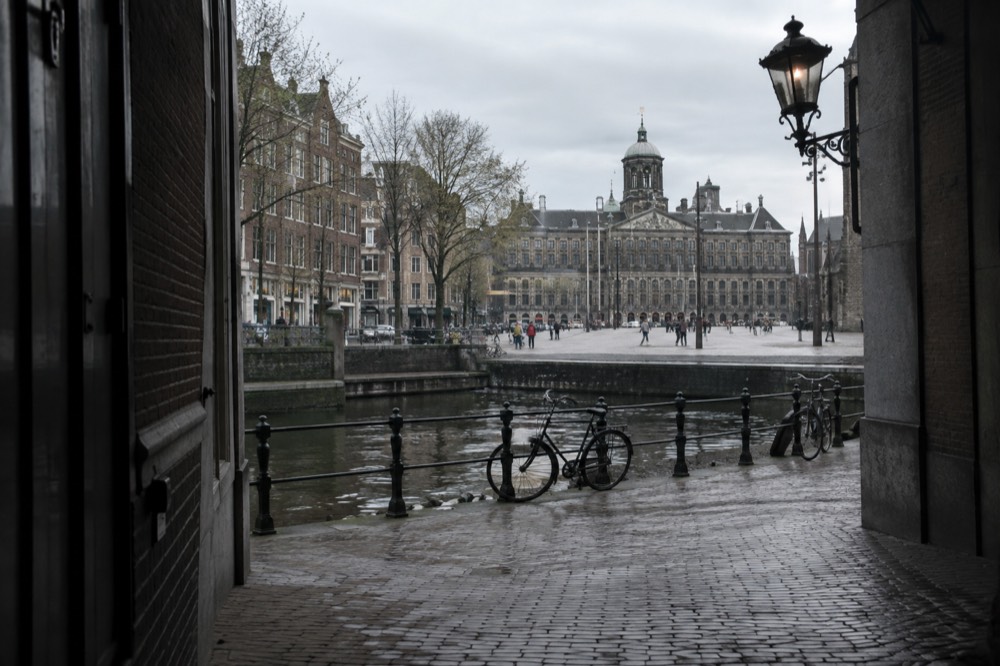
The order matters less than the spacing. Amsterdam's centre is small and the temptation is to cram, but the venues that make gay Amsterdam distinctive reward late starts and unhurried evenings, and the museums reward early timed slots. Booking the museum ticket and one cruise in advance, then leaving the nights unplanned, is the balance most first-timers get right on the second attempt and wish they had got right on the first.
For a longer stay, the day trips in the roster extend the same logic outward: the Zaanse Schans, Volendam and Marken tour at $34 with a 4.5 rating across 20,839 reviews is the classic windmill-and-fishing-villages half day, and it returns you to the city by mid-afternoon with the whole evening intact.
Common Questions About Gay Amsterdam
Where is the main gay area in Amsterdam?
The Reguliersdwarsstraat between Rembrandtplein and the Muntplein is the best-known gay street, with a second cluster of cafe-bars along the Amstel river bank and the leather and fetish venues on the Warmoesstraat in De Wallen. The Homomonument beside the Westerkerk is the scene's symbolic heart. All of it sits within a short walk of Dam Square.
When is Amsterdam Pride 2027?
The 2027 dates have not yet been announced. The Canal Parade traditionally falls on the first Saturday of August, but book nothing against a tradition: wait for the organisers' confirmed schedule, then book accommodation immediately, because centre hotels fill fast for that weekend.
Is Amsterdam safe for LGBTQ+ travellers?
Amsterdam was the first city to legalise same-sex marriage, and public affection between same-sex couples draws little attention in the centre. Normal big-city caution applies late at night, and the standard advice on busy tourist areas, pickpockets and unlicensed taxis is the same as for any visitor.
Can tourists visit coffeeshops in Amsterdam?
Yes. A residents-only criterion exists in national tolerance policy, but Amsterdam has never applied it, and tourists can buy up to 5 grams per person per day in licensed coffeeshops. Outdoor cannabis smoking is prohibited in the city centre, so consumption stays inside the coffeeshop or on a licensed venue such as a smoke-friendly boat.
How much does a gay Amsterdam weekend cost?
Count the museum layer at €25 per adult at the Van Gogh or Rijksmuseum, transport at €10.00 for a 24-hour GVB pass, and tourist tax of 12.5% inside the hotel price. Nightlife cover charges are low and the street events are free, so the budget is dominated by accommodation, which is why booking early for parade weekends matters most.
Do I need tickets for the Canal Parade?
No, the parade is free to watch from the public quays along the Prinsengracht and Amstel. Arrive early for a spot with a view of the water, expect altered tram routes in the centre that day, and treat the quays as busy street-party terrain rather than a seated event.