How Many Days Do You Need in Amsterdam?
Three days is the honest answer for most travellers: enough for the canal ring, the two headline museums and an evening cruise, without rushing. Fewer works only with hard choices, and more opens up day trips.
Short answer
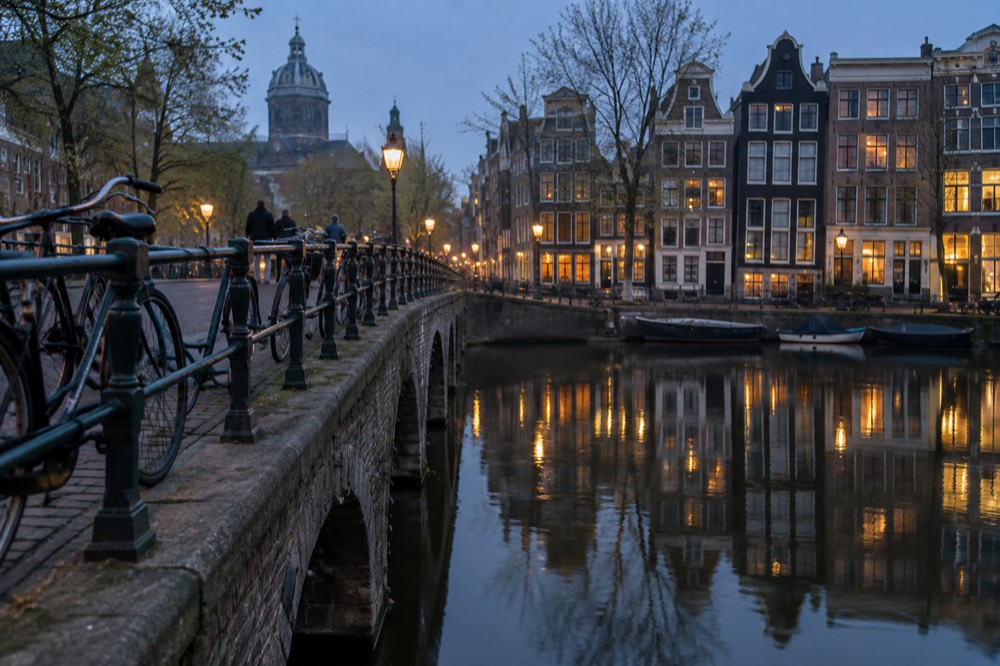
Three days is the sweet spot for Amsterdam. Day one covers the canal ring and a cruise, day two the Rijksmuseum or Van Gogh Museum with Museumplein, day three the Jordaan, a market and an evening on the water. Two days works if you skip a major museum; four or five adds day trips like Zaanse Schans.
Amsterdam recorded 23.7 million tourist overnight stays in 2025, the city's own statistics office reports, and every one of those visitors asked the same question before booking: how long is long enough? The honest answer is that Amsterdam punishes both extremes. One day turns the city into a checklist of exteriors. Seven days without day trips runs dry, because the centre itself is compact, roughly the size you can cross on foot in under an hour.
Three days is the number this desk recommends to most travellers, and the whole guide below explains why, what each extra day genuinely adds, and how ticket realities like timed entry at the museums shape the plan more than distance ever will.
How Many Days Do You Need in Amsterdam?
Three days is the right length for most first visits. That is enough for a canal cruise, the Rijksmuseum or the Van Gogh Museum, the Jordaan, a food market and at least one evening on the water, at a pace that does not feel like commuting. Two days works with hard choices, four or five lets you add Zaanse Schans or Haarlem, and one day means picking a single neighbourhood and staying in it.
The reason three days wins is structural, not sentimental. Amsterdam's two most visited museums, the Rijksmuseum and the Van Gogh Museum, both sit on Museumplein and both require a pre-booked time slot. The Rijksmuseum states plainly on its own visit page that every visitor, pass holders included, must book a start time online. The Van Gogh Museum says the same: all visitors need a pre-booked timed entry ticket. You cannot do both well in one morning, and you should not try.
The second reason is geometry. The canal ring, the historic centre, is small enough that a first-time visitor can walk most of it. That compresses sightseeing in a way Paris or Berlin never do, but it also means a long trip spends its extra days repeating the same bridges. The fix is day trips, which Amsterdam does exceptionally well, and which is exactly what days four and five are for.
A quick frame for choosing, before the detail:
| Trip length | What it comfortably covers | Best for |
|---|---|---|
| 1 day | Canal ring walk, one museum or a cruise, evening in a brown café | Layovers, business travellers |
| 2 days | Everything above plus a second museum and the Jordaan | City-hoppers, tight weekends |
| 3 days | Full centre, two major museums, a market, an evening cruise | Most first-time visitors |
| 4 to 5 days | All of the above plus one or two day trips | Slow travellers, spring visits |
| 7 days | Everything plus multiple day trips and neighbourhoods | Only with day trips planned in |
What Can You Realistically See in Two Days?
Two days covers the canal ring, one headline museum, a canal cruise and the Jordaan, provided you book the museum slot before you fly and accept that the second big museum waits for a return trip. Roughly: day one for the centre and the water, day two for Museumplein and the western canals. It is a real trip, not a compromise, but it leaves nothing spare for queues or rain.
Day one should be the centre. Start at Dam Square, walk the Damrak toward Centraal Station, then loop south through the canal ring. The classic one-hour canal cruise belongs on this day, because it teaches you the map from the water before you walk it. A basic cruise starts from about €15.50 with Rederij Kooij, whose own site lists the adult fare at €15.50, and the roster's comparable product, the canal cruise from three departure points, is listed from $15 with an audio guide in 19 languages. Book the late-afternoon slot and you get the golden light on the Herengracht for the same price.
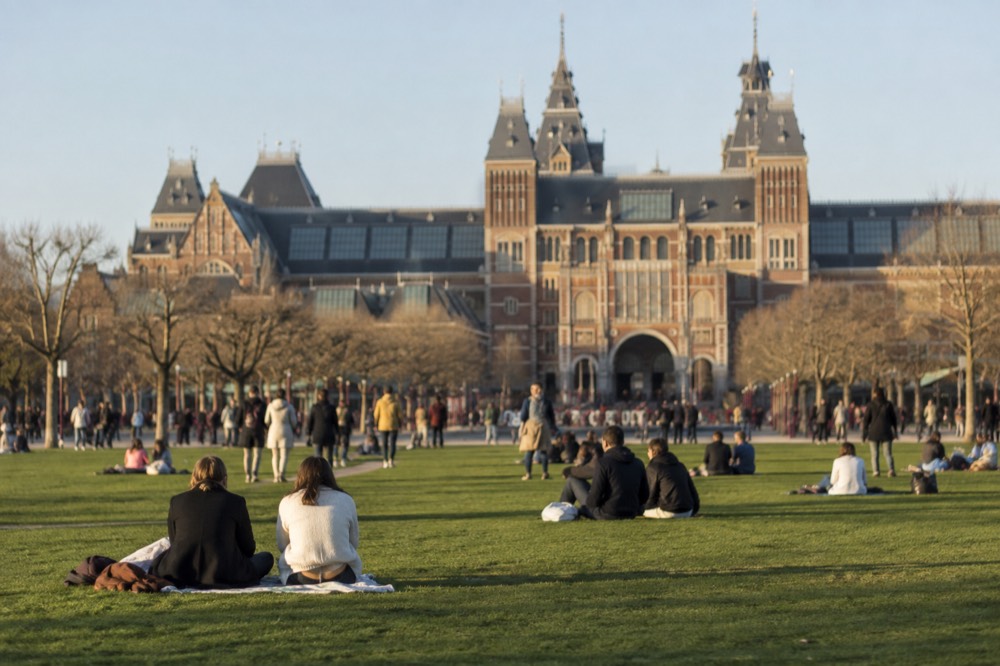
Day two goes to Museumplein and the Jordaan. Pick one museum, the Rijksmuseum if you want Rembrandt and the Dutch Golden Age, the Van Gogh Museum if you want the sunflowers, and book the earliest slot available. Both cost €25 for adults at the door of their own ticket systems, and both are free for visitors aged 18 and under. After the museum, walk west into the Jordaan for the afternoon and finish at a brown café, which the site's guide to Amsterdam's brown cafés covers in detail.
The two-day plan lives or dies on advance booking. The Van Gogh Museum's tickets sell out for peak dates, and the Anne Frank House is stricter still: tickets are sold only through the museum's own website for a specific date and time, with no door sales and no reseller of any kind. If two days is your limit, decide on day one of planning, not day one of the trip, whether the Anne Frank House is worth its own booking battle. The museum's own ticket page sets adult entry at €16.50 including the booking fee.
Is Three Days the Sweet Spot for Amsterdam?
Yes, and for a specific reason: three days is the shortest plan in which the two mandatory-booking attractions, a museum and the Anne Frank House, plus a cruise and a market, all fit without any of them being rushed. Days one and two look like the two-day plan above, and day three adds the Jewish Quarter, a food market and a proper evening on the water.
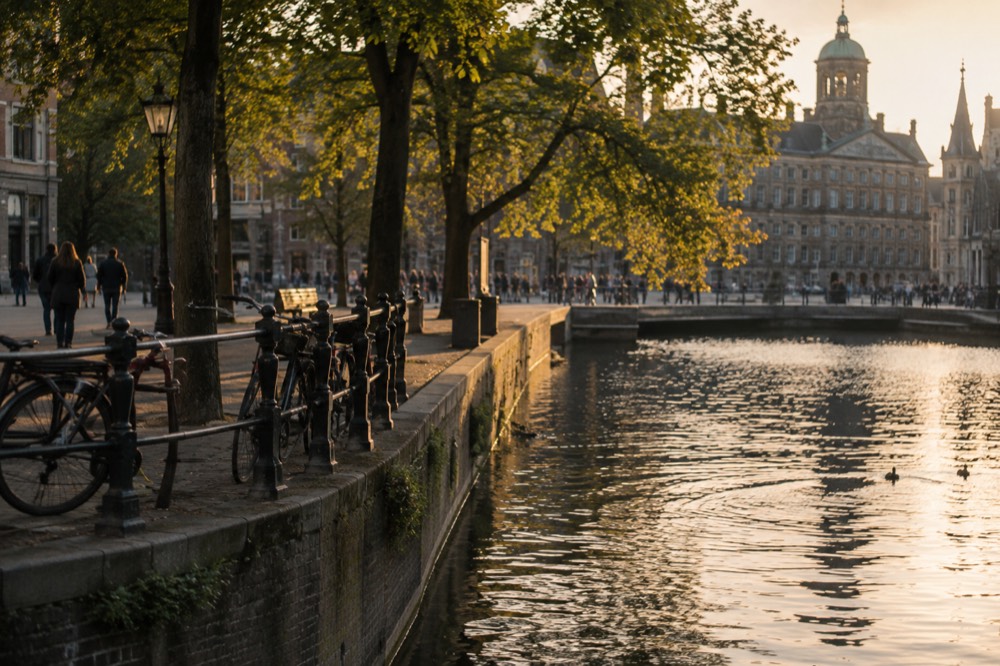
Day three is where Amsterdam stops being a sightseeing sprint. Spend the morning in the Jewish Quarter, where the Portuguese Synagogue and the Rembrandt House sit a short walk apart. The Rembrandt House Museum, the artist's actual home and studio, is on the roster from $23 and holds a 4.7 rating across 3,753 reviews. If the Anne Frank House is on your list, an Anne Frank walking tour is the practical alternative when house tickets are gone: the one-hour small-group walk is listed from $22, rated 4.8 across 15,104 reviews, and it covers the Jewish Quarter and the wartime story in the streets, with no entry to the house implied or included.
The afternoon belongs to a market. The Albert Cuyp Market in De Pijp and the Bloemenmarkt on the Singel are the two classics, and both cost nothing to wander. De Pijp itself rewards the walk south, and the site's De Pijp neighbourhood guide maps the cafés between the market stalls.
The evening is the part two-day visitors miss. An evening canal cruise with the city lights on costs from $21 on the roster, rated 4.4 across 23,214 reviews, and the canals after dark are a different city: quieter, warmer, the bridge lamps doubled in black water. Alternatively the Heineken Experience, the former brewery turned interactive attraction, runs 90 minutes and is listed from $23 with a 4.6 rating across 39,581 reviews, and it sits close enough to the centre to walk home from.
Three days also happens to be the break-even point for the transport maths. A GVB 24-hour day ticket is €10.00, so three days of transport is €30.00 if bought daily, against €21.50 for the 72-hour ticket. The 72-hour option is cheaper and removes the daily purchase chore, though contactless OVpay, which charges a base fare of €1.16 plus €0.217 per kilometre with a daily cap, suits anyone making only a few short hops.
What Does a Four- or Five-Day Trip Add?
Four or five days stops adding neighbourhoods and starts adding the country. The Dutch sights most visitors picture, windmills, tulip fields in spring, cheese-market towns, are all one to two hours away, and a fourth or fifth day is exactly the right shape for one or two of them. In the city itself, days four and five buy depth: STRAAT, NEMO, the Hortus, the eastern islands.
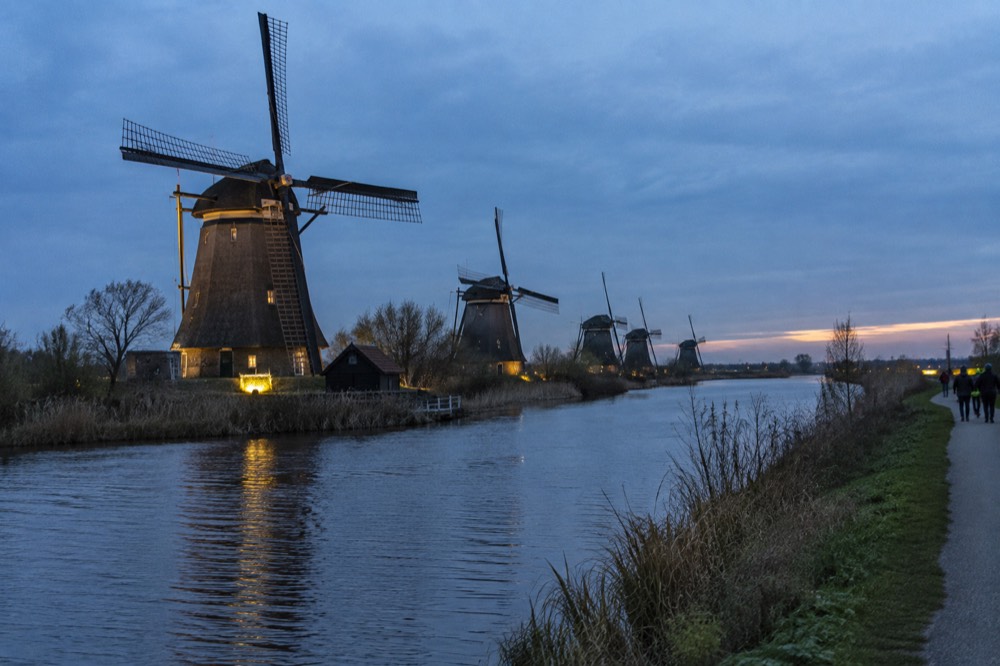
The single most popular day trip is Zaanse Schans, the windmill village north of the city. The standard guided day tour from Amsterdam, which continues to Volendam and Marken, runs 5 hours 30 minutes, is listed from $34, and carries a 4.5 rating across 20,839 reviews. A longer variant adds Edam and stretches to 6 hours 30 minutes, listed from $45 with a 4.8 rating across 5,559 reviews. Both are morning-to-afternoon commitments, which is why they need a dedicated day rather than a spare afternoon. The rest of the planning pages sit on Things to Do in Amsterdam.
Spring trips change the arithmetic. Keukenhof, the tulip garden at Lisse, opens only from 19 March to 10 May, roughly 30 to 40 minutes from Amsterdam, and the combined Keukenhof-and-Zaanse-Schans day tour runs about 9 hours from $107. If your visit falls inside that eight-week window, five days is genuinely the better plan: two for the garden and the windmills would eat a three-day trip alive.
Inside the city, the fourth day's museum picks are the less obvious ones. NEMO Science Museum charges a flat €21.50 for everyone aged four and over, and its roof terrace is free to reach without a ticket, a detail from the museum's own press page that most guides miss. STRAAT, the street-art museum in a former warehouse at the NDSM wharf, is on the roster from $24 with a 4.8 rating. The free GVB ferry across the IJ to reach it is one of Amsterdam's better free experiences.
A five-day budget sketch, using verified figures only:
| Item | Verified price | Notes |
|---|---|---|
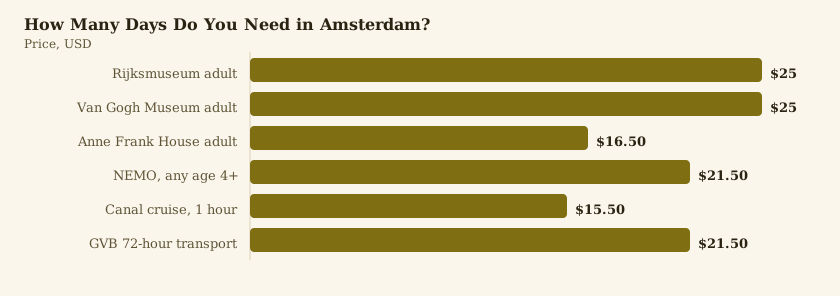
| Rijksmuseum adult | €25 | Free for 18 and under; timed entry required |
| Van Gogh Museum adult | €25 | Under-18s free; timed entry required |
| Anne Frank House adult | €16.50 | Official site only, includes booking fee |
| NEMO, any age 4+ | €21.50 | Roof terrace free without a ticket |
| Canal cruise, 1 hour | from about €15.50 | Rederij Kooij's own listed fare |
| GVB 72-hour transport | €21.50 | Cheaper than three day tickets |
Is One Day in Amsterdam Ever Enough?
One day is enough to see the canal ring, take a cruise and visit one museum, and it is a legitimate plan for layovers and rail-stopovers, but only if you accept two rules: book the single museum slot in advance, and pick one neighbourhood rather than racing across the whole centre. Schiphol is only about 17 minutes from Centraal by train, so even a six-hour window is workable.

The airport proximity is what makes one-day Amsterdam realistic at all. The NS train from Schiphol to Centraal takes just over 17 minutes, with e-tickets from €5.50 booked online, and the Amsterdam Airport Express bus 397 runs from about €6.50. The site's Schiphol to central Amsterdam guide breaks down every option.
For a single day, the shape is fixed: arrive at Centraal, walk the Damrak to Dam Square, cut west into the Nine Streets for the canal-ring views, then take a one-hour cruise from one of the three main departure points, Centraal, the Rijksmuseum or opposite the Anne Frank House. The three-docks cruise product is listed from $15, rated 4.3 across 21,335 reviews. Finish in the Jordaan or, if the evening stretches, at a brown café near the Prinsengracht.
What one day cannot absorb is the Anne Frank House. Its tickets are released in limited waves on the official site and sell out for popular weeks; a one-day visitor who has not secured a slot before landing will not find one at the door, because there are no door sales. The walking-tour alternative, covered above, is the honest substitute.
How Do Museum Tickets and Timed Entry Shape Your Itinerary?
Timed entry decides your daily schedule more than geography does. The Rijksmuseum requires a booked start time for every visitor, the Van Gogh Museum requires pre-booked timed tickets for all, and both release morning slots first, which means your day is built backwards from two or three fixed clock times. Book the museums before you book anything else, including the hotel.
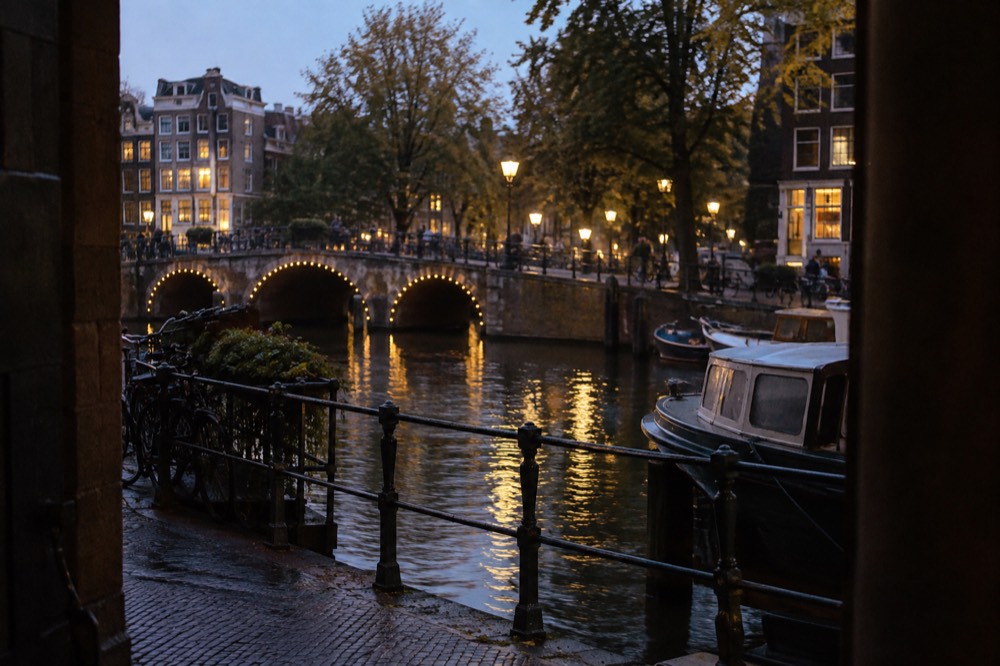
This is the planning detail most first-time visitors get wrong. They build a day-by-day outline, arrive, then discover the Van Gogh Museum's slots for the next morning are gone. The Rijksmuseum's own practical-info page is explicit: a start time must be booked online in advance, with only limited tickets at the entrance while stocks last. The museum is open daily from 9am to 5pm, including public holidays, so the constraint is the slot, not the hours.
The pass landscape matters here too. The I amsterdam City Card, verified at €67 for 24 hours and €94 for 48 hours, includes free entry to more than 70 museums including the Rijksmuseum, plus GVB transport and one canal cruise, but it excludes both the Van Gogh Museum and the Anne Frank House, confirmed from the card's own FAQ and from the Anne Frank House's price table, which lists no discount for the card. The site's full City Card analysis runs the maths by trip length.
The practical sequencing for a three-day trip: book the Anne Frank House slot the moment your dates are fixed, book one museum slot per remaining morning, then let the afternoons fill in around them. The Van Gogh Museum ticket on this site's roster is listed from $31, rated 4.7 across 57,096 reviews, and Check availability before you finalise which day is Museumplein day.
What If You Want Day Trips From Amsterdam?
Day trips need their own full day each, and they are the only good reason to stretch past three days in the city. Zaanse Schans, Haarlem, Utrecht, Giethoorn and Keukenhof in season are all comfortably reachable, and a five-day trip typically splits as three city days plus two day trips, or four city days plus one.
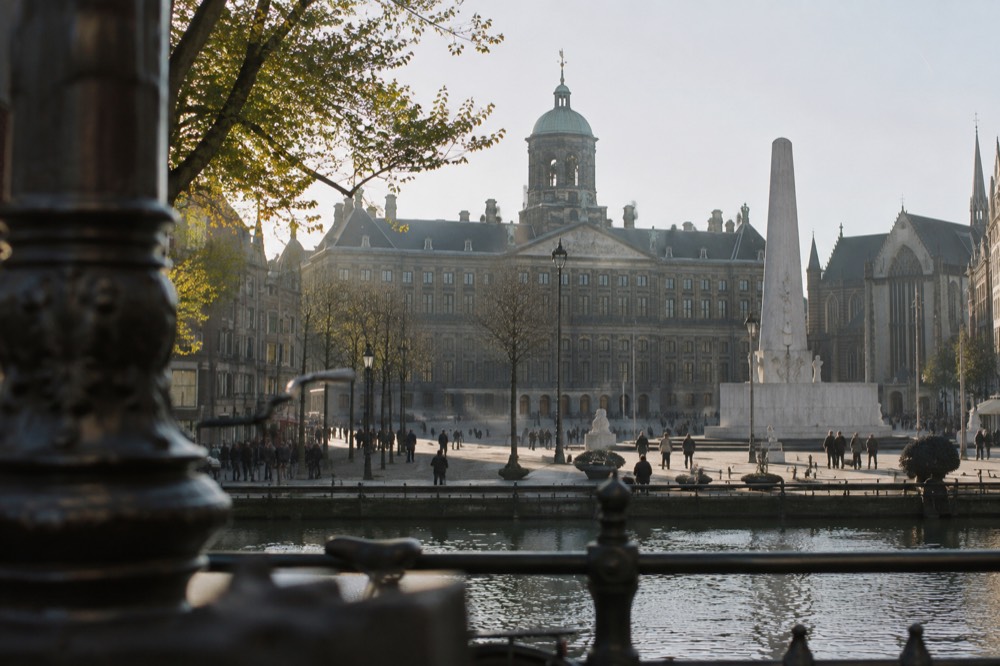
The roster's day-trip range tells the story of what a spare day buys. The Rotterdam, Delft and The Hague tour covers three cities in 9 hours from $63, rated 4.2 across 2,642 reviews, and is the widest single-day sweep available. Giethoorn, the car-free village on its own canals, is a 10-hour round trip from $161 on the combined tour, or 7 to 8 hours from $100.80 on the guided version rated 4.8 across 575 reviews. Bruges, across the border in Belgium, is a 12-hour commitment from $47.
For a first visit, the recommendation is simple: if you have four days, add Zaanse Schans. If you have five, add Haarlem or Utrecht, both under 30 minutes by train, rather than a second long coach tour. The site's best day trips from Amsterdam guide compares all of them, and the Zaanse Schans guide covers the windmill village in depth.
A sample five-day structure:
| Day | Focus | Fixed booking |
|---|---|---|
| 1 | Centre, canal ring walk, evening cruise | Canal cruise slot |
| 2 | Museumplein: Rijksmuseum or Van Gogh | Museum time slot |
| 3 | Jewish Quarter, Anne Frank House, De Pijp | Anne Frank slot, official site only |
| 4 | Zaanse Schans, Volendam and Marken | Day-tour seat |
| 5 | Jordaan, markets, NEMO or STRAAT | Nothing fixed, keep it loose |
Common Questions About How Many Days to Spend in Amsterdam
How many days do you need in Amsterdam?
Three days for most first visits. That covers the canal ring, one or both headline museums, the Anne Frank House if you win a slot, a market and an evening cruise. Two days works with hard choices, and four or five is better if you want day trips.
Is two days in Amsterdam enough?
Yes, for the centre. Two days covers the canal ring, a cruise, one major museum and the Jordaan. You will skip either the Rijksmuseum or the Van Gogh Museum, and the Anne Frank House only works if you booked well ahead.
Is one day in Amsterdam worth it?
Yes, if you pick one neighbourhood and book one museum slot in advance. Schiphol is about 17 minutes from Centraal by train, so even a layover of six hours allows a canal walk and a one-hour cruise.
What does a fourth day in Amsterdam add?
A day trip. Zaanse Schans with Volendam and Marken is the classic choice, a 5 hour 30 minute guided tour from $34. A fourth day spent inside the city instead buys NEMO, STRAAT and the slower neighbourhoods.
Do I need to book Amsterdam museums before I travel?
Yes. The Rijksmuseum requires a booked start time for every visitor, the Van Gogh Museum requires pre-booked timed tickets, and the Anne Frank House sells online-only slots through its own website with no door sales and no resellers.
Is Amsterdam too crowded to enjoy in three days?
The centre is busy, but three days lets you time-shift: museums at opening, neighbourhoods in the afternoons, the canals after dark. The crowds thin noticeably outside the core, in De Pijp, Amsterdam Oost and the NDSM wharf.