Amsterdam on a Budget: A Two-Day Plan
Amsterdam has a reputation for emptying wallets, but a disciplined two-day visit built around free walking tours, one well-chosen museum and the city's cheapest canal cruise can cost less than a single night in a mid-range hotel. This plan spends money only where it buys something the free options cannot.
Short answer
Two budget days in Amsterdam work best around three anchors: a free, tip-based walking tour on GuruWalk (from nothing, you pay what it was worth), one big museum at €25, and a canal cruise from about €15.50. A GVB 24-hour transport ticket costs €10.00, and the Anne Frank House, at €16.50, is the one ticket worth fighting the Tuesday release for.
Amsterdam recorded 23.7 million tourist overnight stays in 2025, and the city's own forecast expects between 23.7 and 25.1 million in 2026. Crowds push prices up at exactly the moments a budget traveller gets funelled into them: Damrak, the Museumplein ticket queues, the dinner strips around the Rembrandtplein. The whole trick of an affordable Amsterdam visit is stepping one street off those funnels, and this two-day plan is built to do that without skipping anything that actually makes the city worth the trip.
The plan assumes you sleep somewhere central, walk a lot, and spend deliberately rather than thinly. It uses only prices verified against official sources or the live listings this desk compares, and it flags the one or two places where a few euros genuinely buy something the free alternative cannot.
What Does a Two-Day Amsterdam Budget Actually Look Like?
A realistic two-day budget for one adult runs roughly €90 to €130 excluding accommodation: about €25 for one major museum, €15.50 to €16 for a canal cruise, €10 for a 24-hour GVB transport ticket, €16.50 for the Anne Frank House if you win a ticket, and €30 to €45 for food if you eat where the free walk's guide points you. The free walking tours, the Begijnhof, the canal-side wandering and the NEMO roof terrace cost nothing at all. Most two-day visitors overspend not on the big tickets but on unplanned food and drink in the tourist core, so the plan below front-loads the decisions.
Two structural facts shape every budget here. First, Amsterdam's headline museums cluster on timed tickets: the Rijksmuseum requires a booked start time even for card holders, and the Van Gogh Museum requires every visitor to pre-book. Second, the genuinely free layer of the city is unusually deep, from the free walking tours to the Bloemenmarkt's window displays to the NEMO roof, which the museum's own press page confirms is reachable without a ticket, via the steps from the street.
| Item | Verified price | Notes |
|---|---|---|
| GVB 24-hour transport ticket | €10.00 | Child 24-hour ticket €5.00 |
| Single GVB ticket (1 hour) | €3.40 | OVpay contactless also works, base €1.16 plus €0.217 per km |
| Rijksmuseum adult entry | €25.00 | Free for ages 18 and under, timed entry required |
| Anne Frank House adult | €16.50 | Includes €1 booking fee, online only, no door sales |
| Classic 1-hour canal cruise (Rederij Kooij) | €15.50 | Audio guide, departures every 30 minutes |
| Free walking tours on GuruWalk | €0 to book | You tip the guide what the walk was worth |
| NEMO roof terrace | Free | Reachable without a museum ticket |
Accommodation is deliberately excluded from the running total because it swings the budget more than everything else combined. The city's tourist tax is 12.5% of the overnight price excluding VAT, which is worth knowing when a booking site's "taxes and fees" line looks strange.
Day One: The Free Walk, One Museum and the Cheap Cruise
Day one spends about €50: nothing in the morning beyond a tip for the free introductory walk, €25 at the Rijksmuseum in the early afternoon, and €15.50 to €16 on an evening canal cruise, with food from a broodjeszaak or market stall rather than a restaurant. The sequence matters: the walk gives you the street map in your legs, the museum gives you the depth, and the cruise gives you the view that ties them together, each at the cheapest verified version of itself.
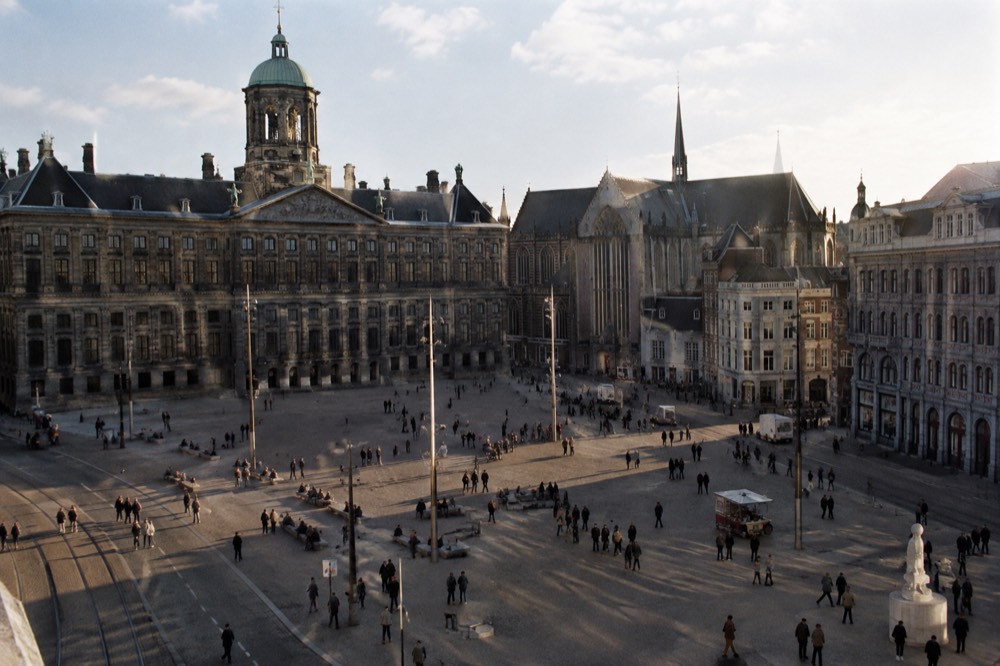
Start at the Dam square, or wherever your walk's meeting point is. The best-value orientation in the city is the free, pay-what-you-want walking tour scene on GuruWalk: the walks cost nothing to book and you tip the guide at the end what the walk turned out to be worth. The most-reviewed free city walk, "Absolutely Amsterdam, the Essential Introductory Walking Tour" on its live listing, runs 2 hours 30 minutes, holds a 4.88 rating across 9,527 reviews, and covers the Damrak, the Royal Palace, the Red Light District edge and Chinatown. That is the entire historic centre, explained, for whatever you decide it was worth.
A paragraph of honesty about the free-walk model: the guides work for tips, so the walks skew toward entertaining storytelling over scholarly depth, and groups can be large in peak season. If you want a smaller, adult-only version, the Essential Amsterdam walking tour on GuruWalk is an 18-plus, 1 hour 30 minutes walk rated 4.93 across 2,496 reviews, also free to book with a tip at the end. Either one leaves your morning budget intact in a way no paid tour does.
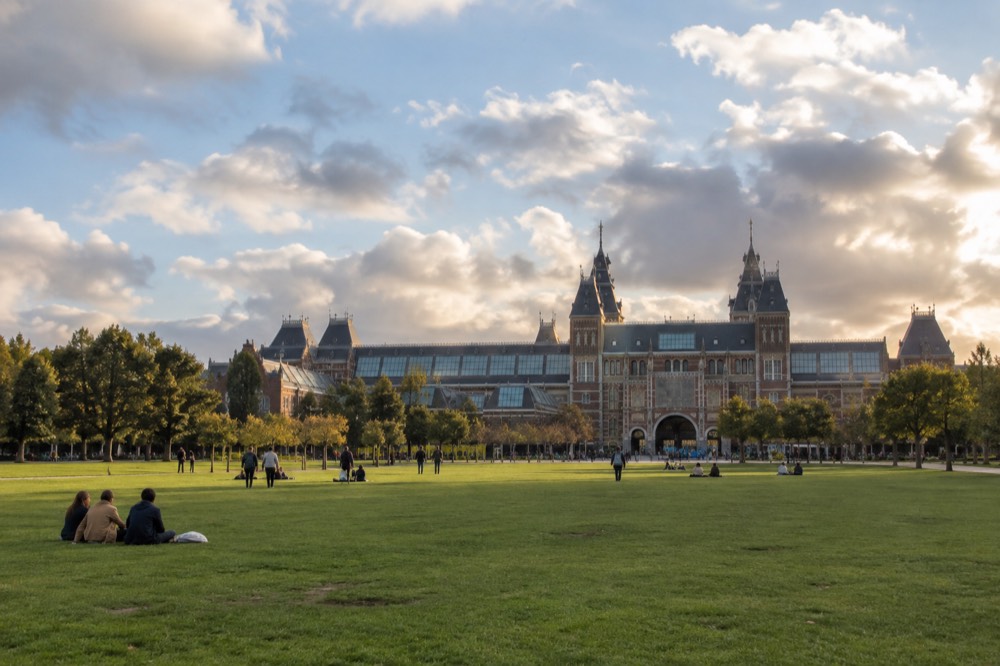
Afternoon belongs to one museum, and on a budget the Rijksmuseum is the pick. The official price is €25 for adults, free for ages 18 and under, and the museum is open every day of the year from 9am to 5pm, including public holidays. Book a start time online, because timed entry applies to everyone. The Rijksmuseum's own prices page is the source for all of that, and the under-18 free entry makes it the obvious choice for anyone travelling with teenagers. If Dutch Golden Age painting is not your thing, the same €25 at the Van Gogh Museum buys the world's largest Van Gogh collection, also with free entry under 18, also with mandatory pre-booked time slots. Choose one, not both, on a two-day budget.
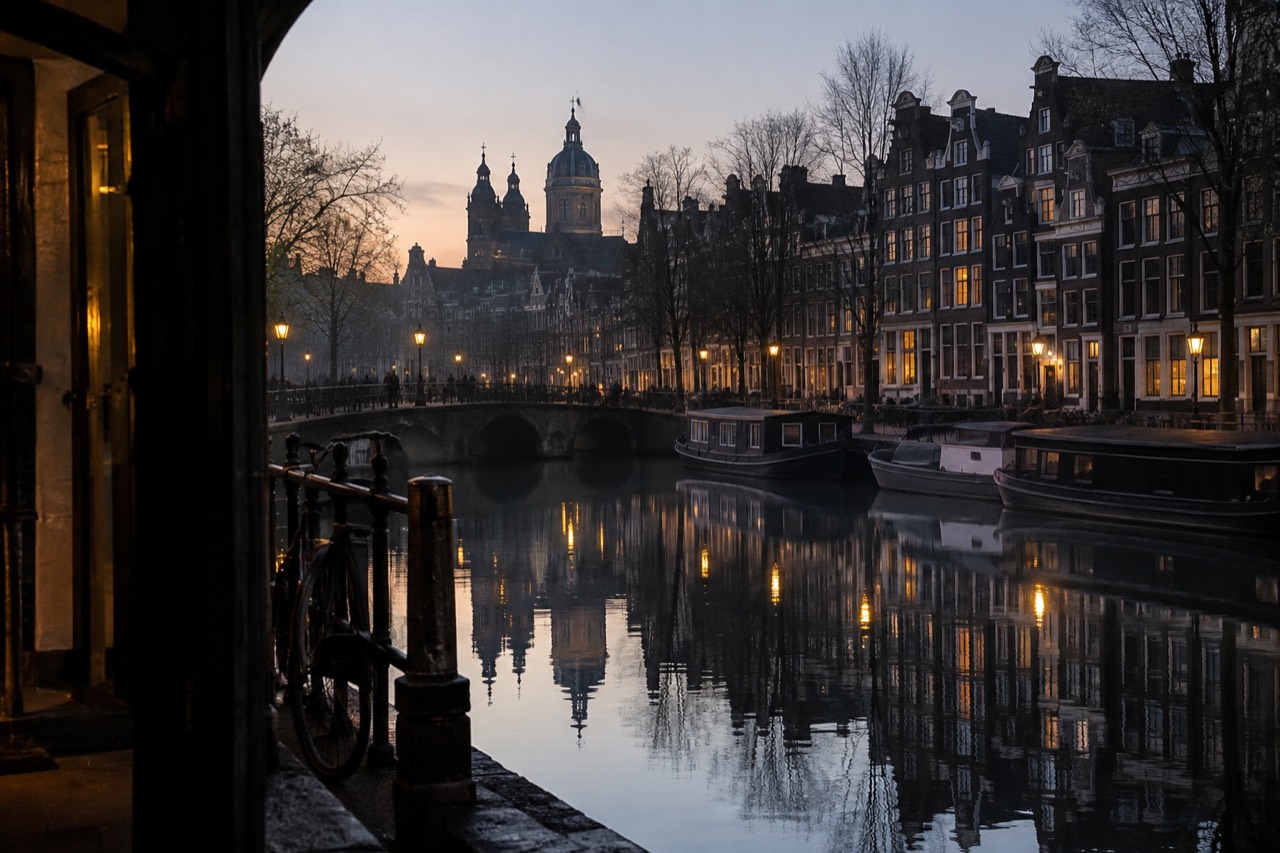
Evening is the canal cruise, and this is where discipline pays. The classic 1-hour cruise with audio guide from Rederij Kooij, departing every 30 minutes with no time slots, is €15.50 per adult, verified on the operator's own site, and it is the honest floor price for a real canal cruise. Booking platforms sell comparable one-hour cruises from $15 to $26, so the gap between the cheapest and most expensive version of the same hour on the water is real money. The saloon-boat cruise with a cheese and wine option, 4.6 across 31,369 reviews on its live listing from $16, is the small upgrade worth making if the weather is kind, because a covered 19th-century saloon boat with a glass of wine beats an open barge in the rain.
For dinner, walk away from the water. The budget rule that never fails in Amsterdam is that anything within sight of a canal in the centre costs double what the same food costs two streets in. Our Amsterdam on a budget guide breaks the cheap-eats neighbourhoods down street by street if you want more depth than one evening allows.
Where the Money Goes: Transport, the Anne Frank House and Timing
Transport for two days costs €10.00 if you buy one GVB 24-hour ticket and walk the rest, or about €20 if you cover both days with single tickets and OVpay contactless; the Anne Frank House costs €16.50 but only exists through the official site, which releases tickets on Tuesdays at 10am CEST for visits six weeks out, and no reseller or pass can sell it. Those two facts, one cheap and one scarce, decide most of day one's remaining budget.
The GVB 24-hour ticket at €10.00 covers every tram, bus and metro line, plus the ferries, which are the only free rides in the system and which you will use on day two anyway. A single 1-hour ticket is €3.40, so four uncoordinated tram rides cost more than the day pass. OVpay, tapping a contactless bank card, works too, with a base fare of €1.16 plus €0.217 per kilometre, and suits travellers who only ride once or twice a day. The GVB fares page carries all of these figures.
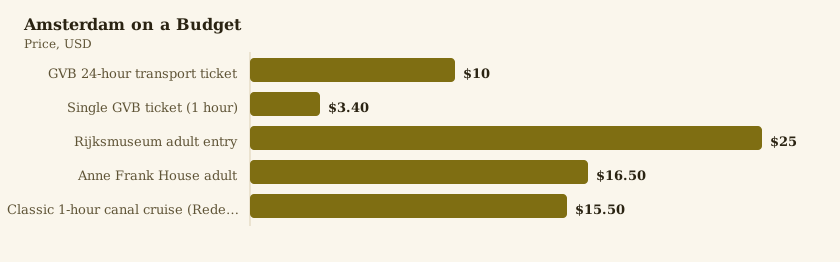
The Anne Frank House deserves its own paragraph because it is the one Amsterdam attraction where money is not the constraint, timing is. Adult tickets are €16.50, ages 10 to 17 pay €7, ages 0 to 9 pay €1, all including the €1 booking fee, and the museum is open daily from 9:00 to 22:00. But tickets exist only through the museum's own site, for a specific date and time, with no door sales, and the release pattern is Tuesdays at 10am CEST for visits six weeks later. The museum's own ticket page states plainly that the I amsterdam City Card gets no discount here, and a Museumkaart gets you only the €1 booking fee. If your dates align with a release, book it; if they do not, the Anne Frank House guide explains the alternatives, including the paid walking tours through the Jewish Quarter that tell the story without entering the house.
One more spend-versus-save call: the Red Light District. Seeing De Wallen costs nothing, and the free "Red Light District Uncovered" walk on GuruWalk, 4.89 across 635 reviews, covers the history for a tip. The paid small-group version, 4.9 across 9,142 reviews from $26, buys a group capped by the city's own rules, since Amsterdam permits De Wallen tours only between 08:00 and 22:00, in groups of at most 15, on routes that do not pass the windows. Our Red Light District rules and etiquette guide has the full rule set, including the no-photography norm that staff enforce.
Day Two: Markets, Noord and the Countryside for Under €40
Day two splits into a cheap morning in De Pijp or at a market, a free ferry to Amsterdam Noord, and an afternoon choice: a €34 guided windmill-and-villages day trip, or a nearly free in-city day of the Begijnhof, the NEMO roof and the eastern islands. The day trip is the single biggest line item in the whole plan, and it is worth deciding the night before whether the Dutch countryside matters enough to spend it.
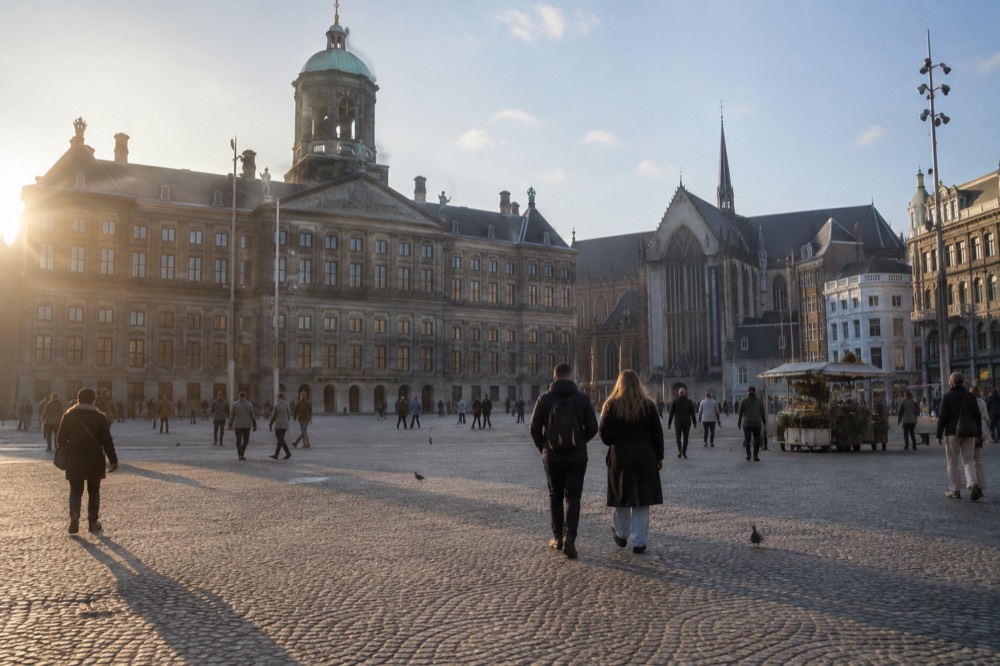
Morning: the Albert Cuyp Market costs nothing to wander and a few euros to eat from, and it is the cheapest breakfast in the city if you follow the stroopwafel stand rather than the café terraces. The Bloemenmarkt is free to browse, and the free things to do in Amsterdam guide lists a dozen more no-cost anchors including the Begijnhof courtyard, one of the oldest enclosed courtyards in the country, hidden behind an unmarked door on the Spui.
Midday: take the free ferry behind Centraal Station to Amsterdam Noord. The crossing itself is one of the best views in the city and costs nothing, and the NDSM wharf on the far side is a free-to-roam landscape of street art and converted shipyards. The A'DAM Lookout is across the water if you want a panorama, and the official prices are €16.50 online versus €18.50 at the counter, a rare attraction where booking ahead saves a flat €2 per ticket. The full index of guides sits on Things to Do in Amsterdam.
Afternoon, option one, the countryside: the Zaanse Schans, Volendam and Marken guided tour is the budget day trip benchmark, 4.5 across 20,839 reviews from $34 for 5 hours 30 minutes, and it packs windmills, a fishing village and a boat between them into one afternoon. Self-organising the same route by public transport is possible but eats most of the saving in time and ticket fiddling. Our Zaanse Schans guide covers the do-it-yourself version with the bus numbers, if you would rather keep the €34.
Afternoon, option two, stay in the city: the NEMO roof terrace is free without a museum ticket, the Maritime Museum square is free to walk, and the eastern Plantage neighbourhood is the quietest green corner of the centre. The three days in Amsterdam itinerary extends this plan if a third day appears on your ticket.
| Day two afternoon | Cash cost | Time needed | Best for |
|---|---|---|---|
| Zaanse Schans, Volendam and Marken guided tour | From $34 | 5 hours 30 minutes | Windmills and villages without logistics |
| Zaanse Schans by bus, self-guided | Bus fare only | Half day | Confident independent travellers |
| NEMO roof, ferries and Noord on foot | €0 | 3 to 4 hours | Free views and street art |
| A'DAM Lookout | €16.50 online | 1 to 2 hours | A guaranteed panorama |
Is the I Amsterdam City Card Worth It on a Two-Day Budget?
For this specific two-day plan, no: the card starts at €67 for 24 hours and €94 for 48 hours, both verified on NEMO's own visitor page, and the plan's paid entries total roughly €40 to €55, while the card excludes the Van Gogh Museum and the Anne Frank House, the two tickets most visitors most want. The card's real value case is a museum-heavy visit of three or more days, not this itinerary.
The card does include a lot: entrance to more than 70 museums and locations, unlimited GVB transport for the card's duration, one canal cruise and a 24-hour bike rental. The Rijksmuseum's own page confirms free entry for card holders. But the exclusions are the ones that bite on a short trip, and the card's own FAQ states plainly that Van Gogh and Anne Frank are not included, while the Anne Frank House's price table gives the card no discount. On a two-day budget, buying the pieces separately and skipping the expensive pieces entirely beats paying for a bundle whose headline items you cannot use.
| Option | Cost | What it covers | Verdict for this plan |
|---|---|---|---|
| I amsterdam City Card, 24 hours | €67 | 70+ museums, GVB transport, one cruise, bike rental | Too much for one day |
| I amsterdam City Card, 48 hours | €94 | Same, across two days | Excludes the two top draws |
| This plan, paid separately | ≈ €50 to €66 | Museum, cruise, transport, tips | Cheaper and flexible |
| Museumkaart (temporary, 31 days) | €75 adults | 500+ museums, max 5 visits before registration | Only for a longer Netherlands trip |
The Museumkaart deserves one line of fairness: at €75 for adults it is poor value for two days, but a temporary version bought at a participating museum is valid 31 days for up to five visits, which suits a week-long Netherlands tour, not a city break. The city card worth-it guide runs the full comparison.
Cheap Eats and the Small Leaks That Sink a Budget
Food is the line where two-day budgets die: eating every meal at canal-side terraces costs €60 to €80 a day, while the same city eaten from markets, broodjes shops and brown cafés costs €25 to €35, and the difference is entirely a matter of walking two streets inland from the water. None of the cheap version is a compromise; the herring stand, the stroopwafel and the bruin café are the foods Amsterdam is actually known for.
The verified anchors: a fresh herring from a market stall is a few euros and the most Dutch thing you can eat standing up, and the what to eat in Amsterdam guide maps the dishes worth their calories. The Albert Cuyp Market guide covers the cheapest breakfast strip in the city. For an evening, a brown café, the traditional wood-panelled Dutch pub, sells beer at neighbourhood prices and doubles as the local-history experience a paid tour would sell you. Our Amsterdam brown cafés guide names the good ones.
The small leaks to plug: airport bottles of water bought in panic (tap water is drinkable across the Netherlands), tram rides under 15 minutes that walking would cover, and terrace coffees in the Damrak corridor, which cost roughly double the same cup one block east. Tipping in the Netherlands is rounding-up territory, service included, so budget nothing for it beyond rounding a good meal up by a euro or two, and our tipping and etiquette guide explains the norms without inventing percentages.
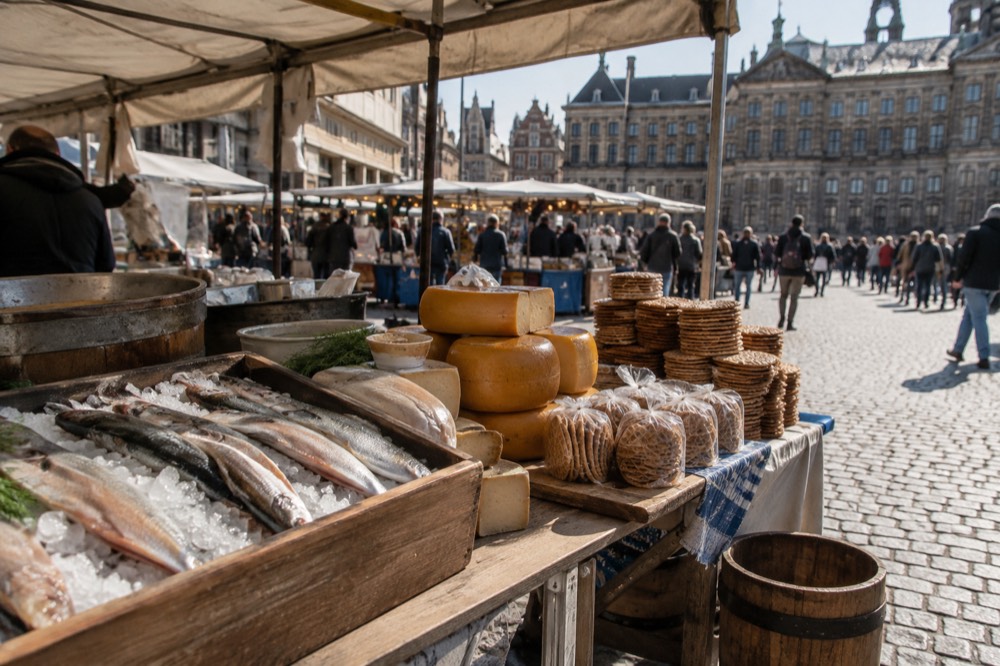
One paid experience earns its place on a food budget: the food and culture walking tour with ten tastings, rated 5.0 across 1,157 reviews from $92, is expensive per euro but replaces a full day's meals with a guided walk through the food culture. On a strict two-day budget it is a stretch; on a food-first trip it is the one splurge that replaces other spending rather than adding to it. Our where locals eat in Amsterdam guide does the same job for free.
Common Questions About a Budget Amsterdam Trip
Can you do Amsterdam in two days on a budget?
Yes. Two days built around a free GuruWalk walking tour, one €25 museum, a €15.50 canal cruise and a €10 GVB day ticket cost roughly €50 to €66 in paid activities plus food, which runs €25 to €35 a day if you eat from markets and cafés rather than canal-side restaurants.
What is the cheapest way to get around Amsterdam for two days?
A GVB 24-hour ticket at €10.00 covers all trams, buses, metros and ferries for a full day. For a second day of light use, OVpay contactless at €1.16 base plus €0.217 per kilometre, or single 1-hour tickets at €3.40, usually beats buying a second day pass.
Are the free walking tours in Amsterdam actually free?
The walks on GuruWalk cost nothing to book. The model is pay-what-you-want: you tip the guide at the end what the walk turned out to be worth, and the operators say so plainly. Budget roughly €10 to €15 per person as a fair tip for a good 2 hour 30 minute walk.
Is the Anne Frank House worth it on a tight budget?
At €16.50 for adults it is one of the cheaper major tickets in the city, but it can only be bought on the museum's official site, released Tuesdays at 10am CEST for visits six weeks out, with no door sales and no reseller. If the release calendar defeats you, the Jewish Quarter free walk on GuruWalk tells the wartime story for a tip.
Which museum should I pick if I only visit one?
The Rijksmuseum at €25, free for ages 18 and under, open daily 9am to 5pm, is the strongest single pick for a first visit, because Rembrandt's Night Watch and the Golden Age galleries cover the history the rest of the city keeps referencing. The Van Gogh Museum costs the same and suits visitors who already know which painter they came for.
How much should I budget per day for food in Amsterdam?
Plan €25 to €35 per person per day eating from markets, herring stands, broodjes shops and brown cafés, and roughly double that if you sit down at canal-side restaurants for every meal. Breakfast is the easiest meal to make nearly free.
The short version of this whole plan: pay for the museum, the cruise and possibly the Anne Frank House, tip well on the free walks, and let the ferries, markets and courtyards carry everything else. Two days is enough to see Amsterdam properly, and the city's free layer is deep enough that the budget version is not a lesser version, just a better-planned one.