Two Days in Amsterdam: A Compact 48-Hour Itinerary
Two days is enough for the canal ring, two major museums and one evening on the water, if you book timed tickets before you fly. This itinerary puts the city's core in 48 hours without sprinting.
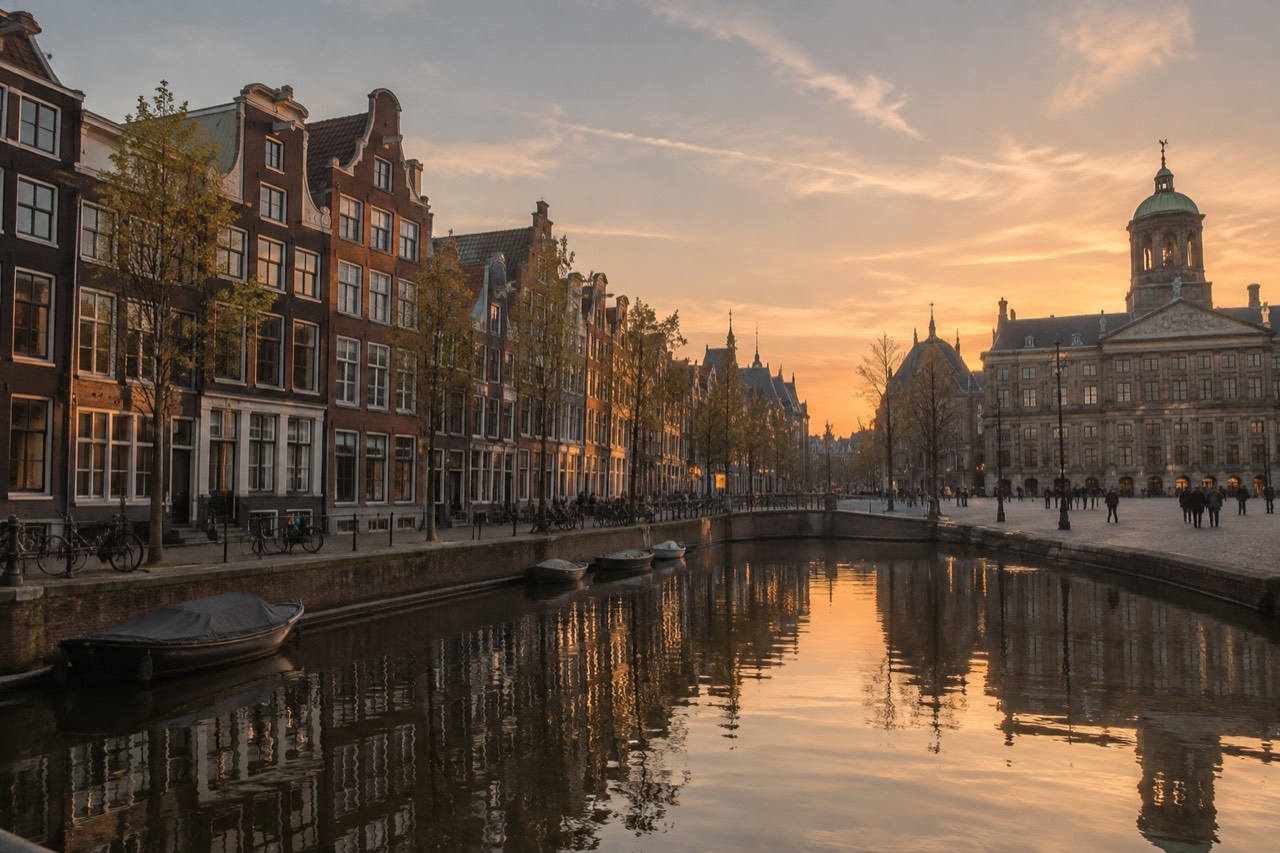
Short answer
Two days covers Amsterdam's centre well: the canal ring, the Rijksmuseum or Van Gogh Museum, the Jewish Quarter and an evening cruise. Budget roughly €25 per major museum, €10 for a 24-hour tram ticket and €15.50 for a canal cruise. Book Anne Frank House and Van Gogh tickets weeks ahead; both sell out.
Amsterdam recorded 23.7 million tourist overnight stays in 2025, and most of those visitors gave the city two nights or fewer. That is the honest framing for this itinerary: you will not see everything, but two well-planned days cover the canal ring, the Museumplein heavyweights, the Jewish Quarter and an evening on the water, which is the Amsterdam most people actually picture.
The plan below is built around three constraints that catch first-timers out. The Van Gogh Museum and the Anne Frank House both require pre-booked timed entry, and the Anne Frank House sells tickets only through its own website. The centre is compact enough that walking beats trams for most of the day. And the single best hour you will spend costs about the price of lunch: a canal cruise from around €15.50 with an operator like Rederij Kooij, whose own site lists the 1-hour cruise at €15.50 per adult.
Is Two Days in Amsterdam Enough?
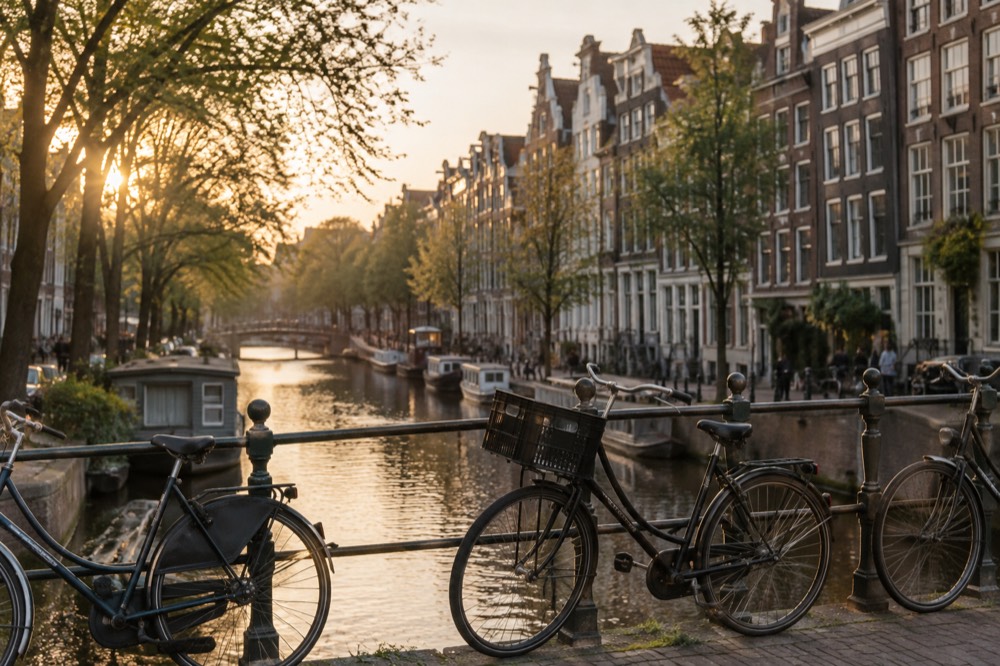
Two days is enough for Amsterdam's historic core and one museum district, and it is not enough for the city's full depth. The centre between Centraal Station and Museumplein is roughly a 40-minute walk end to end, so the geography works in your favour, and the two-day visitor who books timed tickets early sees more than the four-day visitor who improvises. What two days cannot absorb is Keukenhof in spring, a Zaanse Schans day trip and three major museums squeezed together. Choose a canal-and-museums visit or a city-plus-countryside visit, not both.
The mistake is treating Amsterdam as a checklist. The canal ring is a UNESCO World Heritage site, and its pleasure is aimless: a coffee in the Jordaan, the Begijnhof courtyard, the Nine Streets shopfronts. This itinerary front-loads the bookable things and leaves the drifting hours where they belong, in the late afternoon and evening.
If you can add a third day, the countryside changes the trip entirely. Windmills at Zaanse Schans, cheese in Edam and the harbour at Volendam sit within an hour of the centre, and a guided day tour such as Zaanse Schans, Volendam and Marken costs from $34 per person on the live listings. With 48 hours, stay in town.
Day One: The Canal Ring, Museumplein and the Golden Bend
Start Day One at the Rijksmuseum with a 9am entry slot, the quietest time at a museum that opens daily from 9am to 5pm, costs €25 for adults, admits under-18s free, and requires every visitor, including City Card holders, to book a timed ticket online. Give the Gallery of Honour and The Night Watch at least two hours, spend the middle of the day drifting through the canal ring, and end on the water after dark.
Book the 9am slot. By 11am the gallery halls thicken and the museum's shop and café, open until 6pm, are the only quiet corners left. After the museum, walk north through the canal ring rather than taking a tram: the route from Museumplein up the Leidsegracht and through the Nine Streets passes the prettiest stretch of the Grachtengordel, and it takes about 45 unhurried minutes.
The afternoon belongs to the Jordaan and the Prinsengracht. The Anne Frank House stands on the Westerkerk side of that canal, and this is where planning matters most: adult tickets cost €16.50, ages 10 to 17 pay €7, and they are sold only at the museum's own website for a specific date and time. No reseller, no pass, no door sales. If slots for your dates are gone, the walking-tour alternative below tells Anne's story in the streets around the house.
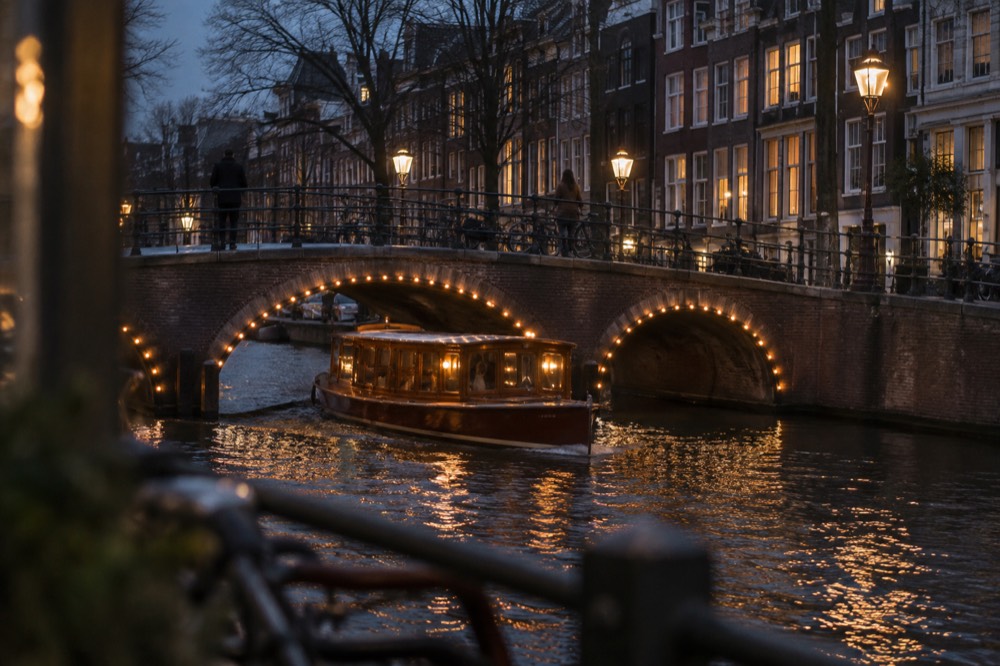
For the evening, the city changes character after dark and the canals are the best seat for it. An evening cruise such as the City Lights option runs 90 minutes, costs from $21 per person on the live listing, and carries a 4.4 rating across 23,214 reviews. If your Day One falls on a Friday, the Van Gogh Museum stays open until 9pm, which lets you flip the plan and do museums by night and canals by day.
The one booking to make before dinner on Day One, if you have not already, is tomorrow's Van Gogh slot. The museum states plainly that all visitors require a pre-booked timed entry ticket, and slots for weekend dates disappear in advance. A pre-booked entry ticket from $31 on the live listing covers a timed visit; the museum's own adult price is €25 and under-18s are free.
Day Two: The Jewish Quarter, De Wallen and the Old Centre
Day Two moves east to west: start with the quiet morning streets of the Jewish Cultural Quarter in the Plantage, where the Portuguese Synagogue, the Jewish Museum and the Hortus Botanicus sit within a ten-minute walk of each other, then hit the old centre and Dam Square at midday, and finish with a guided walk through De Wallen before dinner, with Jewish Quarter tours from $22 covering streets where the Frank family lived.
Be clear about what that tour includes: it is a walk in the streets, not entry to the house. The two-hour small-group version is rated 4.9 across 4,680 reviews, and the shorter one-hour version carries a 4.8 rating across 15,104 reviews. Both are honest products that tell the story the queue-less way; neither sells you a door into the house on the Prinsengracht.
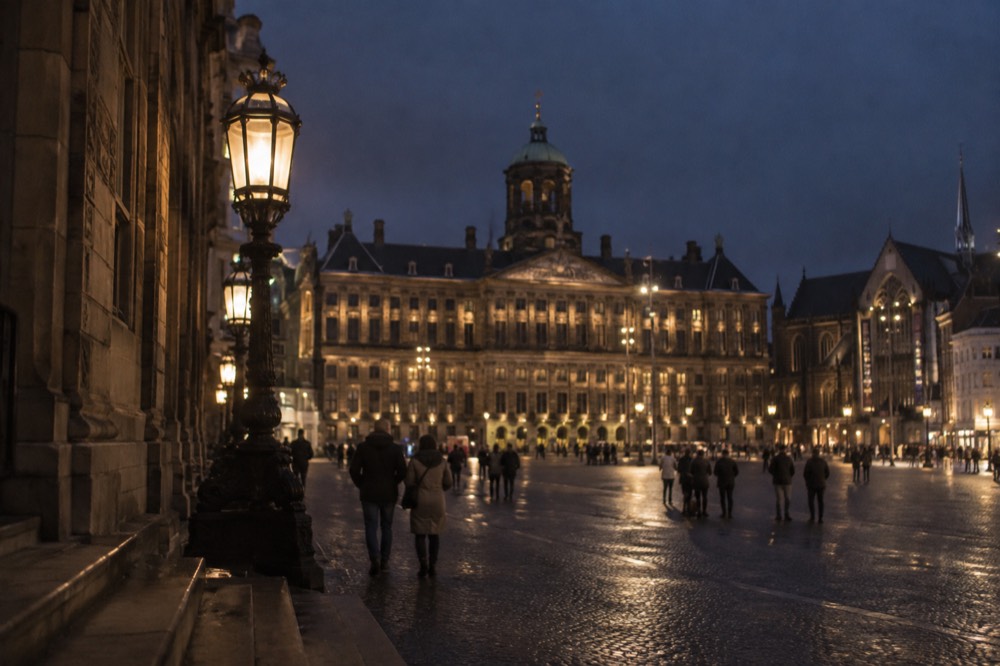
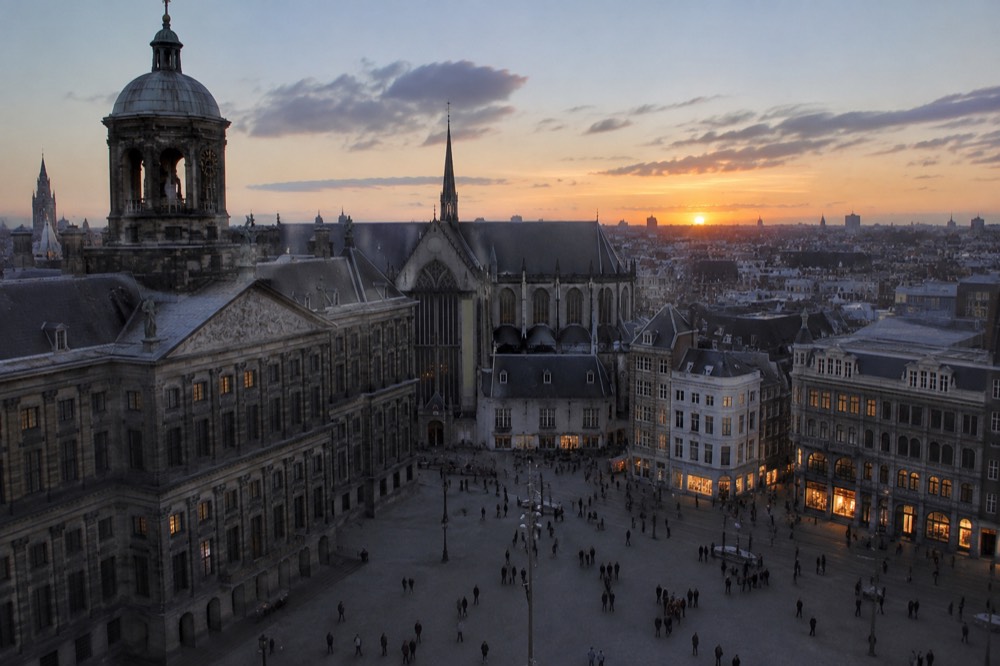
Midday, walk west into the old centre. Dam Square, the Royal Palace (entry with an audio guide from $15 on the live listing, rated 4.7 across 9,124 reviews) and the Begijnhof courtyard sit within five minutes of one another. The Bloemenmarkt, the floating flower market, is a ten-minute detour south on the Singel. Lunch in this grid is better a street off Damrak than on it; the side streets of the Haarlemmerbuurt are a short walk north and hold some of the city's best sandwich shops.
De Wallen deserves a guide, and the rules here are strict: guided groups are capped at 15 people, tours run only between 08:00 and 22:00, and no tour may pass the windows of the sex workers. A small-group Red Light District tour from $26, rated 4.9 across 9,142 reviews, fits those rules and explains the neighbourhood's history without turning workers into a spectacle. Photography of the windows is a hard no; the city's own visitor guidance says so plainly.
End the trip the way Amsterdammers end an evening: on the water or beside it. The classic saloon boat cruise, a 1-hour trip on a restored wooden boat with a live guide, costs from $19.56 and carries a 4.8 rating across 33,435 reviews, with a Dutch cheese and drinks upgrade available. If you would rather stay ashore, the bridge at the Magere Brug and the Amstel riverbank give the city its best night views for free.
How Much Does Two Days in Amsterdam Cost?
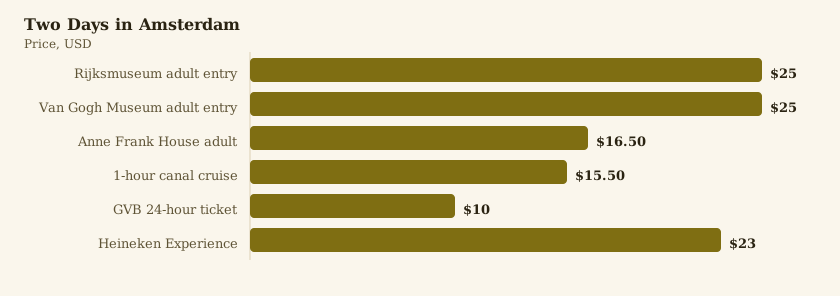
A comfortable two-day Amsterdam visit costs most of its spending money on museums, transport and one cruise, with food setting the final figure. The fixed core is knowable in advance: about €50 of museum entries at €25 each, €10 for a 24-hour tram ticket, and a canal cruise from about €15.50. The variable part is dinner and drinks, which in the centre can double the total, so decide your food budget before you decide anything else.
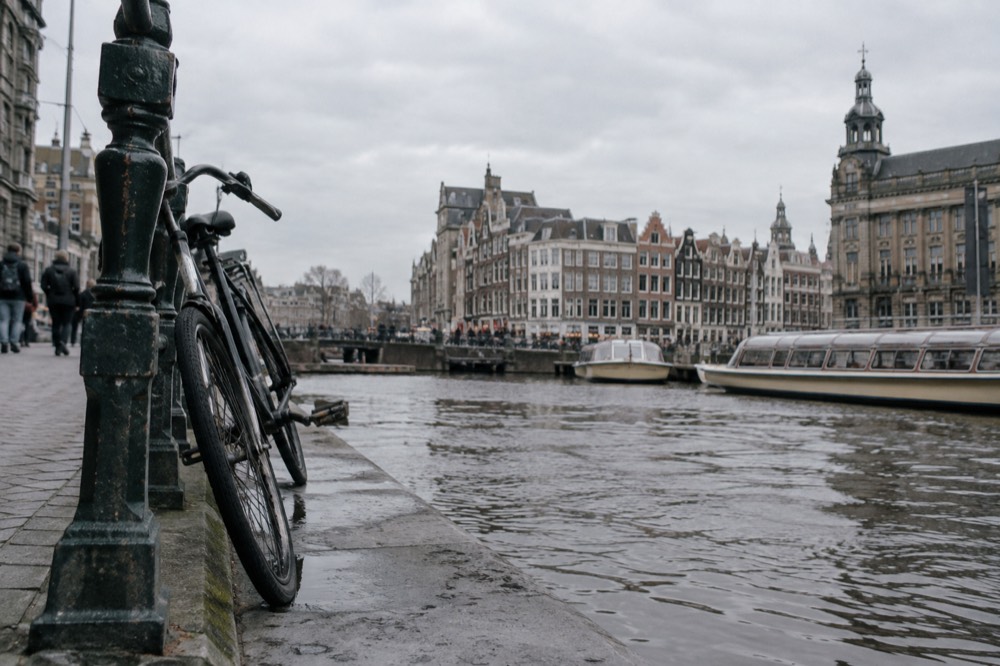
The transport maths favours walking. A single GVB journey costs €3.40, so three tram rides already outstrip the €10 day ticket. If you are only moving between the centre and Museumplein, your feet are free and the distance is under half an hour. Contactless OVpay works on trams, buses and metro with a base fare of €1.16 plus €0.217 per kilometre, capped daily, so occasional riders never need a paper ticket at all. More of these guides are collected on Things to Do in Amsterdam.
| Item | Typical cost | Notes |
|---|---|---|
| Rijksmuseum adult entry | €25 | Timed slot required; free for 18 and under; free with City Card |
| Van Gogh Museum adult entry | €25 | Timed slot required for all visitors; not on the City Card |
| Anne Frank House adult | €16.50 | Official site only, includes €1 booking fee |
| 1-hour canal cruise | from €15.50 | Rederij Kooij rate, audio guide included |
| GVB 24-hour ticket | €10 | Child 24-hour ticket €5 |
| Heineken Experience | from $23 | 90 minutes, 4.6 rating across 39,581 reviews |
The I amsterdam City Card changes the arithmetic only at the top of the range. The 24-hour card costs €67 and the 48-hour €94, and it includes free entry to more than 70 museums, unlimited GVB transport, one canal cruise and a 24-hour bike rental. It excludes the Van Gogh Museum and the Anne Frank House entirely, which are the two things most two-day visitors book first. Our fuller breakdown in is the I amsterdam City Card worth it runs the numbers by itinerary type.
Accommodation carries the city's 12.5% tourist tax on the overnight price, added to your bill by law. Budget hotels in the ring fill first, and the question of where to base two nights matters more than in most cities because the centre's cobbles and stairs punish wrong choices. Our where to stay in Amsterdam guide sorts the neighbourhoods by trip type.
Where Should You Stay for a Two-Day Visit?
Stay inside or just outside the canal ring: the Jordaan, De Weteringschans, or the eastern edge of the centre keep every stop in this itinerary within a 25-minute walk. The blocks just south of Dam Square shrink walking distances even further, while Centraal Station makes the northern edge practical. With only two nights, you cannot afford 40 minutes a day on trams, and every neighbourhood one ring further out adds exactly that to each morning.
The Jordaan is the strongest pick for this specific plan. It sits between the Anne Frank House and the Nine Streets, its evening brown cafés are the city's best, and its side streets stay quiet after the day crowds drain west. The trade-off is price and stairs: canal-belt hotel rooms run high, and Dutch staircases are famously steep.
If the ring is beyond budget, look south to De Pijp, which trades canal views for lower rates, a market, and a 20-minute walk to Museumplein, or east to the Plantage, which puts Day Two's Jewish Quarter stops on your doorstep. Both sit on direct tram lines from Centraal. Our Amsterdam neighbourhood guide compares all of them properly.
What If It Rains, or You Have Less Than Two Full Days?
Yes, rain or a shortened stay still works: Amsterdam's top museums, including the Rijksmuseum, the Van Gogh Museum, NEMO, the Rembrandt House and the Dungeon, are all indoors, and the canal boats run covered and heated. Bring a waterproof layer, keep bookings flexible, and swap walking hours for indoor stops so the two days still hold together. Our rainy day in Amsterdam guide lists a full wet-weather day.
NEMO Science Museum deserves the bad-weather slot especially: a flat €21.50 for everyone aged 4 and over, timed entry, and a roof terrace you can reach free from the street steps without a ticket, with the city's best covered viewpoint at the top. The Rembrandt House, from $23 on the live listing and rated 4.7 across 3,753 reviews, is a small, atmospheric alternative when the big two feel heavy.
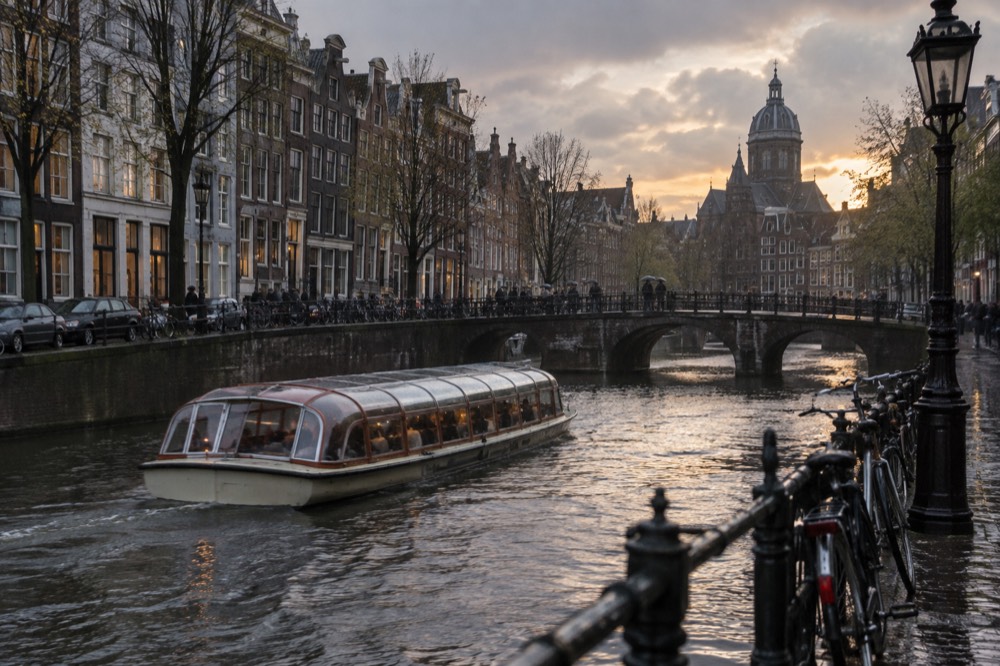
If your two days are really a long weekend minus travel, cut Day Two's morning rather than Day One's museums. The Jewish Quarter rewards time, but a two-day first visit survives without it; the canal ring does not. Conversely, a cruise is the single activity that never deserves the cut, because it is the only one that shows you the city's architecture the way it was designed to be seen, from the water.
The schedule below is the whole itinerary compressed to one glance, with the booking deadline attached to each block. Copy it, shift the times to fit your own pace, and the two days hold together.
| Block | Time | What you do | Book by |
|---|---|---|---|
| Day 1 morning | 09:00 | Rijksmuseum, Gallery of Honour and The Night Watch | Days ahead, timed slot |
| Day 1 afternoon | 12:00 | Canal ring walk, Nine Streets, Jordaan | No booking needed |
| Day 1 evening | 20:00 | Evening canal cruise, 90 minutes | Same day is fine |
| Day 2 morning | 09:30 | Jewish Cultural Quarter walk or guided tour | Day before |
| Day 2 midday | 12:30 | Dam Square, Royal Palace, Begijnhof, lunch | No booking needed |
| Day 2 late afternoon | 17:00 | De Wallen small-group tour, inside the 08:00 to 22:00 window | Day before |
| If you only have... | Keep | Cut |
|---|---|---|
| One full day | Rijksmuseum, canal ring walk, evening cruise | Van Gogh, Jewish Quarter, De Wallen tour |
| 1.5 days | Add Van Gogh or the Anne Frank walk | Second museum, De Pijp |
| Two days, bad weather | Swap the walking hours for NEMO and the Rembrandt House | Jordaan wandering |
| Two days, with kids | NEMO, ARTIS Zoo, the cruise | De Wallen tour, long museum blocks |
For a shorter or family-weighted version of this same plan, our one day in Amsterdam and three days in Amsterdam with kids guides re-cut the same material by length. The booking rules stay identical in every version: Anne Frank House through its own site only, Van Gogh timed slots in advance, and everything else flexible.
Common Questions About Two Days in Amsterdam
Is two days in Amsterdam enough?
Two days covers the canal ring, one or two major museums, the Jewish Quarter and an evening cruise comfortably. It is not enough for Keukenhof, a Zaanse Schans day trip and three museums in one visit. Pick a city-focused plan or a countryside plan, not both.
How much does a two-day trip to Amsterdam cost?
The fixed sightseeing core is predictable: museum entries run about €25 each, a 24-hour tram ticket is €10, and a canal cruise starts around €15.50. Food and drinks set the rest of the budget, and accommodation carries a 12.5% tourist tax on the nightly price.
What should I book before arriving in Amsterdam?
Anne Frank House tickets, sold only on the museum's own site for a timed slot; Van Gogh Museum timed entry, required for every visitor; and ideally a first-morning Rijksmuseum start time. Everything else, including cruises and walking tours, can be booked a day or two ahead.
Can you walk everywhere in Amsterdam in two days?
Almost. The core between Centraal Station and Museumplein is about a 40-minute walk end to end, and this itinerary is walkable with tram backup. A single tram ride costs €3.40, so a €10 day ticket only pays off if you ride three times or more.
Is the Red Light District worth visiting on a short trip?
Yes, with a guide and inside the rules: groups of 15 at most, tours only between 08:00 and 22:00, and no route past the windows. A small-group tour from $26 explains the history without the gawping. Never photograph the windows.
What is the single best thing to do in two days in Amsterdam?
A canal cruise, ideally in the evening. It is the one activity that shows the canal ring as it was built to be seen, costs from about €15.50 or $19.56 on a classic saloon boat, and takes only an hour of a tight schedule.