Is It Safe To Drink Tap Water In The Netherlands?
A straight answer on drinking tap water in the Netherlands and Amsterdam, plus how to order it in cafés, what the canals have to do with it and where to refill a bottle.
Is It Safe To Drink Tap Water In The Netherlands?
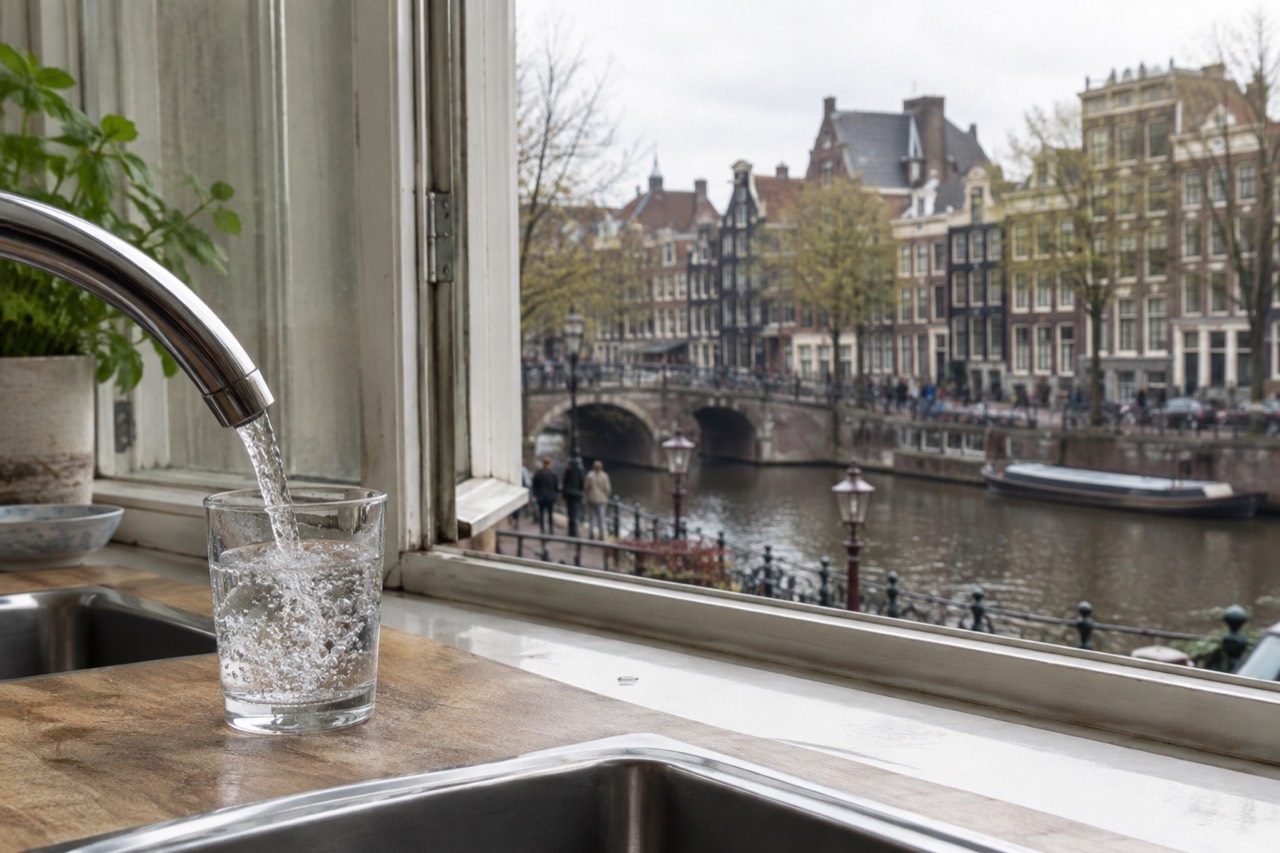
Yes, tap water in the Netherlands is safe to drink, everywhere, straight from the tap, in hotels, holiday rentals, restaurants and public buildings. Dutch drinking water is produced under some of the strictest standards in Europe, and no visitor needs to boil, filter or buy bottled water for safety reasons. The confusion usually comes from the canals, which are a completely separate system from the drinking supply.
That is the short version, and it is the version every Dutch person will give you with a slightly puzzled look, because the question barely registers as a question here. The Netherlands does not have the kind of traveller warnings that some destinations carry. There is no advice against drinking the water, no recommended boiling step, no widespread filter culture in homes. What comes out of the kitchen tap in an Amsterdam apartment is the same treated drinking water that fills the kettle in a Delft household or the glass on a restaurant table in Maastricht.
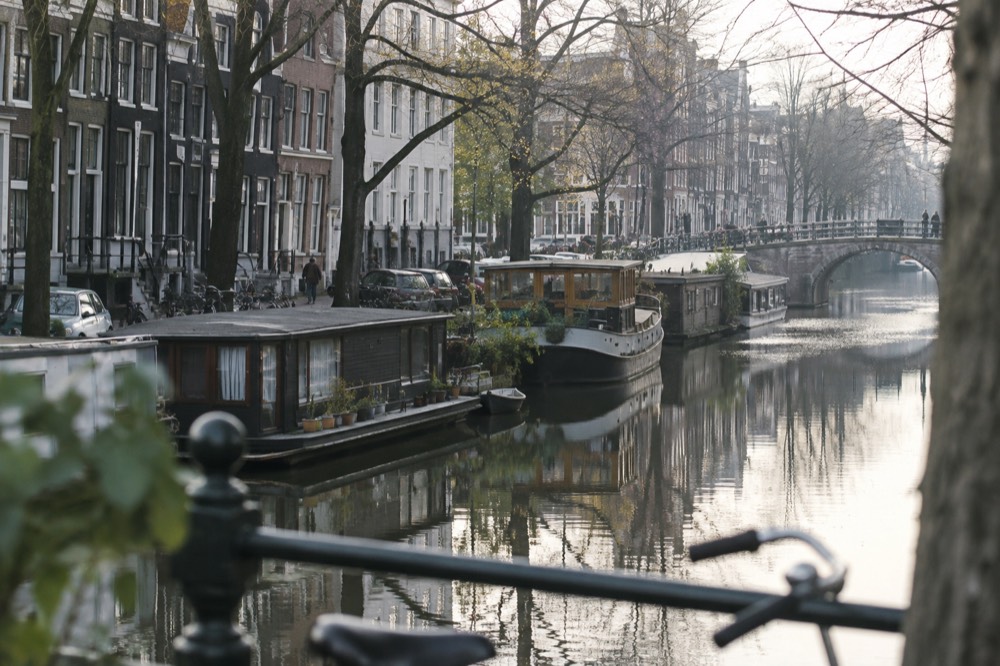
The reason travellers ask is usually visual. Amsterdam is a city built on water, and the water you see is dark, still and canal-shaped. It is natural to wonder whether the stuff in the glass has anything to do with the stuff in the gracht. It does not. The drinking water supply and the canal system are entirely separate networks, treated and regulated in completely different ways. The canals are surface water, historically dug for trade, transport and defence. The drinking supply is treated groundwater and surface water that passes through a multi-stage purification process before it ever reaches a tap.
There is also a money angle, and it is a real one. Bottled water in Amsterdam costs real money, often more than a beer in a supermarket, and the city's tourism pressure is genuine. Amsterdam recorded 23.7 million tourist overnight stays in 2025, and the municipal forecast expects between 23.7 and 25.1 million in 2026, according to the city's own research service (Onderzoek en Statistiek). Every one of those visitors buying two bottles a day is a lot of plastic. The tap is free, safe and the normal local choice.
Since you are already thinking about water, it is worth knowing the best way to see the other kind, the canal kind, is from a boat. These are the three cruises we would compare first.
Can You Order Tap Water in Amsterdam Restaurants and Cafés?
Yes, you can ask for tap water in Amsterdam, and staff will serve it, but unlike some countries there is no legal obligation to provide it free with a meal. Many cafés and restaurants will bring a glass of tap water on request, some charge a small amount, and some will politely suggest a bottled option instead. The most reliable phrasing is to ask for a glass of tap water when you order.
This is where the Netherlands differs from places like the United States or the United Kingdom, where free tap water at the table is close to automatic. Dutch hospitality law does not require a restaurant to serve free drinking water, so the practice varies by venue. In practice, plenty of places will happily pour you a glass from the tap, especially if you are also ordering food or drinks. A smaller number treat water as a menu item and will offer you a still or sparkling bottle instead. Nobody is trying to scam you; it is simply a different convention.
The wording matters a little. Asking in English for "tap water, please" is understood everywhere in Amsterdam, and in Dutch it is "kraanwater, alstublieft". If a café says no, the normal move is to order a cheap bottled water or a coffee and not make it a thing. In a traditional brown café, the kind of cosy, wood-panelled drinking den the city is famous for, asking for a glass of water alongside your beer is completely normal behaviour. Our guide to Amsterdam's brown cafés and Dutch café culture covers what to expect when you order.
For budget travellers this is a genuinely useful habit. If you are following a plan like our two-day Amsterdam budget itinerary, drinking tap water instead of buying three bottles a day is one of the simplest savings available, and it requires zero effort. A refillable bottle filled at the hotel tap each morning covers an entire day of sightseeing.
Here is how the practical situations usually play out:
| Situation | What normally happens | Best approach |
|---|---|---|
| Restaurant with a meal | Tap water usually brought free on request; some venues charge a small fee | Ask when ordering food, accept a modest charge if one applies |
| Café or bar, drinks only | Varies; some serve free tap water, others point to the bottle menu | Order something and ask; take no for an answer graciously |
| Hotel room | Tap water is fully drinkable | Refill your bottle from the bathroom or desk tap |
| Holiday rental or apartment | Same supply as everywhere else in the city | Use the kitchen tap, chill in the fridge if you prefer |
| Museum or attraction | Cafés sell bottled water; some fountains exist | Carry a filled bottle from your accommodation |
One more note on the wider picture: the city publishes practical guidance for visitors on everything from coffeeshop rules to street behaviour on its official How to Amsterdam page, and the general spirit of it applies here too. Drink the tap water, skip the plastic, and spend the difference on something with a view.
Is Amsterdam Canal Water the Same as Drinking Water?
No, canal water and drinking water are two entirely separate systems. The canals hold untreated surface water that is not drinkable, while the tap supply is purified drinking water from different sources. Boats, houseboats and the canal network have nothing to do with what comes out of your kitchen tap, and you should never drink from a canal, a pump or any open water in the city.
The distinction is worth spelling out because the two systems cross paths visually all day long. Houseboats line the canals, boats pump water in and out, fountains sit in squares, and on a warm day the whole city looks like one continuous water feature. None of that water is the drinking supply. Amsterdam's drinking water is produced by regional water companies that treat groundwater and surface water through filtration, purification and quality control processes, then pipe it into homes, hotels and restaurants as a sealed, monitored supply.
The canals, by contrast, are open urban water. They are cleaned and managed, and the city invests real effort in water quality, but they are not treated to drinking standard and never need to be. Swallowing a mouthful of canal water is not a medical emergency, but it is not a plan either. The same goes for the small cast-iron street pumps you occasionally spot; treat any public open-water source as decorative unless it is explicitly signed as drinking water.
The best way to enjoy the canals is from the deck of a boat with a drink that came from a properly licensed bar on board. The Classic Saloon Boat Cruise is exactly that: a one-hour trip through the UNESCO-listed canal ring on a classic wooden saloon boat, with live guide commentary and an optional upgrade for Dutch cheese and unlimited drinks. It holds a 4.8 rating across 33,435 reviews and starts from $19.56 per person, which makes it one of the better-value ways to see the water safely and comfortably.
If you are weighing up whether a canal cruise is worth the ticket at all, our piece on whether a canal cruise in Amsterdam is worth it breaks down the options by price and style. The short version: the saloon boats are the classic choice, and the open electric sloops are the modern one, but both keep you firmly on the drinking-water side of the city's water divide.
Does Dutch Tap Water Taste Different or Contain Chlorine?
Dutch tap water generally tastes clean and soft, and it is notable for having little to no chlorine flavour compared with tap water in many other countries. Dutch treatment relies on careful purification rather than heavy chlorination, so most visitors notice the water tastes neutral or even better than at home. Taste is personal, but a chlorine shock is not something to expect here.
This is one of the genuinely pleasant surprises for travellers arriving from countries where the tap water smells like a swimming pool. The Dutch approach to drinking water treatment emphasises getting the water right at the source and through the treatment process, rather than masking it with disinfectant at the end of the pipe. The result is water that most people describe as soft and neutral. Amsterdam's supply, drawn and treated by the regional water company, is often held up locally as good-tasting tap water, and asking a Dutch person about it will usually get you a small lecture of national pride. The wider set of guides lives on Things to Do in Amsterdam.
Hardness varies by region, which is a real thing but a minor one. Water in some parts of the country is harder, meaning it carries more dissolved minerals, which can slightly change the taste of tea or the crust on your kettle. None of this affects safety. If you are a tea drinker and notice a film on your cup, that is mineral content, not contamination. Coffee machines in holiday rentals may descale more often in hard-water areas, which is a landlord problem, not a health one.
| Common worry | Reality in the Netherlands |
|---|---|
| "The water tastes different from home" | Normal; mineral content and treatment differ by region, not a safety issue |
| "It smells of chlorine" | Unlikely; Dutch water is not heavily chlorinated |
| "There is limescale in the kettle" | Hardness minerals, harmless; affects appliances, not health |
| "It looks cloudy when first poured" | Usually trapped air; it clears in seconds and is fine to drink |
| "Bottled must be safer" | No safety reason to buy bottled water in the Netherlands |
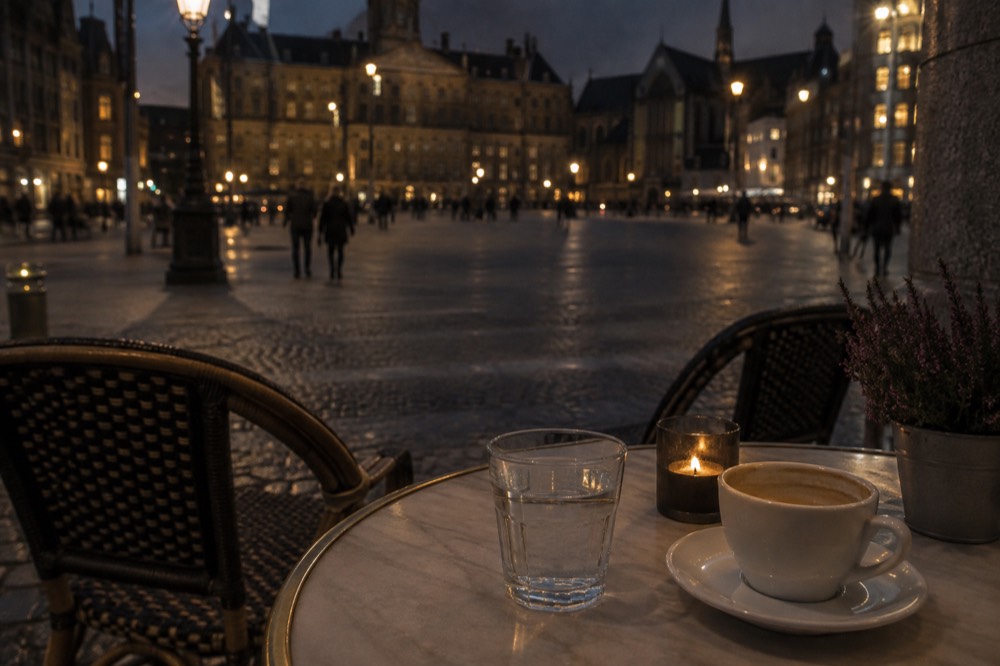
Bottled water still sells well in the Netherlands, but that is habit and convenience, not caution. Supermarkets stock it, restaurants offer it, and plenty of locals grab a bottle for the train. The point of this article is not that bottled water is forbidden, only that the safety justification does not exist. If you prefer sparkling water, buy sparkling water, because the tap only comes in the still variety. That is a preference question, not a health one.
Where Can You Refill a Water Bottle in Amsterdam?
You can refill a bottle from any hotel or apartment tap, which is the simplest and most reliable option, and many public buildings, museums and stations have water points or café taps that will fill it on request. Dedicated public drinking fountains are fewer than in some cities, so the dependable strategy is to fill up at your accommodation each morning and top up at cafés during the day.
Amsterdam is compact and walkable, which cuts both ways. You are never far from a tap, but you are also never far from a shop selling chilled bottles at tourist prices. The refillable-bottle routine saves money and works everywhere: fill at breakfast, carry through the day, refill at lunch if a café is happy to help. Museum cafés will usually fill a bottle, and station water points exist, though signage is not always obvious. In summer, when the queues at kiosks stretch long, a pre-filled bottle is the difference between a pleasant walk and a detour.
If you are travelling with children, this matters double. Kids drink more in warm weather and complain louder, and our Amsterdam with kids guide is built around exactly these small logistics. The same applies to a layover or a tight schedule; the Schiphol to central Amsterdam guide covers the airport side, where refill points exist but a filled bottle from home beats hunting for them with a boarding pass in your hand.
For evening plans, the bottle can stay in the room. If your night runs toward the late hours, our piece on what to do in Amsterdam after 10pm has the rundown, and bars will serve you water with your order without fuss. The city's tap water reputation even extends to its beer, which is brewed with the same soft water, a point the brewers are quick to make.
One cruise option pairs particularly well with an evening out. The Saloon Boat Cruise with optional cheese and wine runs the same classic saloon boat format with a cheese and wine upgrade, rated 4.6 across 31,369 reviews and from $16 per person, so you can sample Dutch cheese with your canal views and still be back on dry land with the whole night ahead.
Do You Need a Filter, Tablets or Bottled Water as a Backup?
No, you do not need a filter, purification tablets or a bottled-water backup anywhere in the Netherlands. The tap water is safe for everyone, including children, pregnant travellers and people with sensitive stomachs, and it is held to the same standard in every city and village. Bring a bottle for convenience, not for treatment.
Travellers who have done research for other destinations sometimes arrive with habits that do not apply here. Filters are unnecessary. Boiling is unnecessary. Iodine tablets, UV pens and survival straws can stay at home. The Dutch drinking water system is centrally treated and continuously monitored, and it is the same standard whether you are in Amsterdam, Groningen or a farmhouse in Friesland. If a specific tap looks dirty or a pipe is visibly damaged, which is rare, use another tap; that is common sense anywhere, not a Netherlands-specific precaution.
The only genuinely useful "backup" is a refillable bottle and the knowledge that any café will sell you something cold if you want it. Ice is also fine; ice in Dutch drinks is made from the same treated supply. Fruit washed in tap water, salads, and restaurant drinks with ice are all part of the same safe system. Travellers whose stomachs are sensitive to changes in water generally report no issues in the Netherlands, because the water profile is clean and consistent rather than exotic.
To close the loop on the practical side, here is the whole article in one habit: drink the tap water, ask politely in restaurants, never drink from the canals, and bring a bottle you can refill. The money you save over a week is real, the plastic you avoid is real, and the safety question has a clean, unambiguous answer. The Netherlands is one of the easiest places in Europe to be a tap water drinker, and Amsterdam is the easiest city in it.
If a canal cruise is now on your list, and it should be, these are the three boats we would put head to head before you book anything.
Common Questions About Tap Water in the Netherlands
Is It Safe To Drink Tap Water In The Netherlands?
Yes. Tap water throughout the Netherlands, including Amsterdam, is safe to drink straight from the tap in hotels, rentals, restaurants and public buildings. It is treated under strict Dutch and European drinking water standards, and no boiling, filtering or bottled backup is needed for safety.
Can you drink tap water in Amsterdam hotels and holiday rentals?
Yes. Hotel rooms and holiday rentals use the same municipal drinking supply as every kitchen in the city. Fill your bottle from the bathroom or kitchen tap without a second thought.
Do restaurants in Amsterdam have to give you free tap water?
No. Unlike some countries, there is no rule obliging Dutch restaurants to serve free tap water. Most will bring a glass on request, some charge a small amount, and some offer bottled water instead. Ask politely when you order.
Is Amsterdam canal water safe to drink?
No. The canals are untreated surface water and are completely separate from the drinking supply. Never drink from a canal, a street pump or any open water in the city unless it is explicitly signed as drinking water.
Does Dutch tap water contain chlorine?
Dutch tap water is not heavily chlorinated, and most visitors find it tastes clean and soft. Treatment focuses on purification rather than disinfectant flavour, so a chlorine taste is not something to expect.
Is bottled water safer than tap water in the Netherlands?
No. Bottled water offers no safety advantage over Dutch tap water. Choose it for sparkle or convenience if you like, but the tap is equally safe and considerably cheaper.