What Is Amsterdam Best Known For?
Amsterdam is best known for its UNESCO canal ring, world-class museums, cycling culture, coffeeshops and the red light district. Here is what actually defines the city.
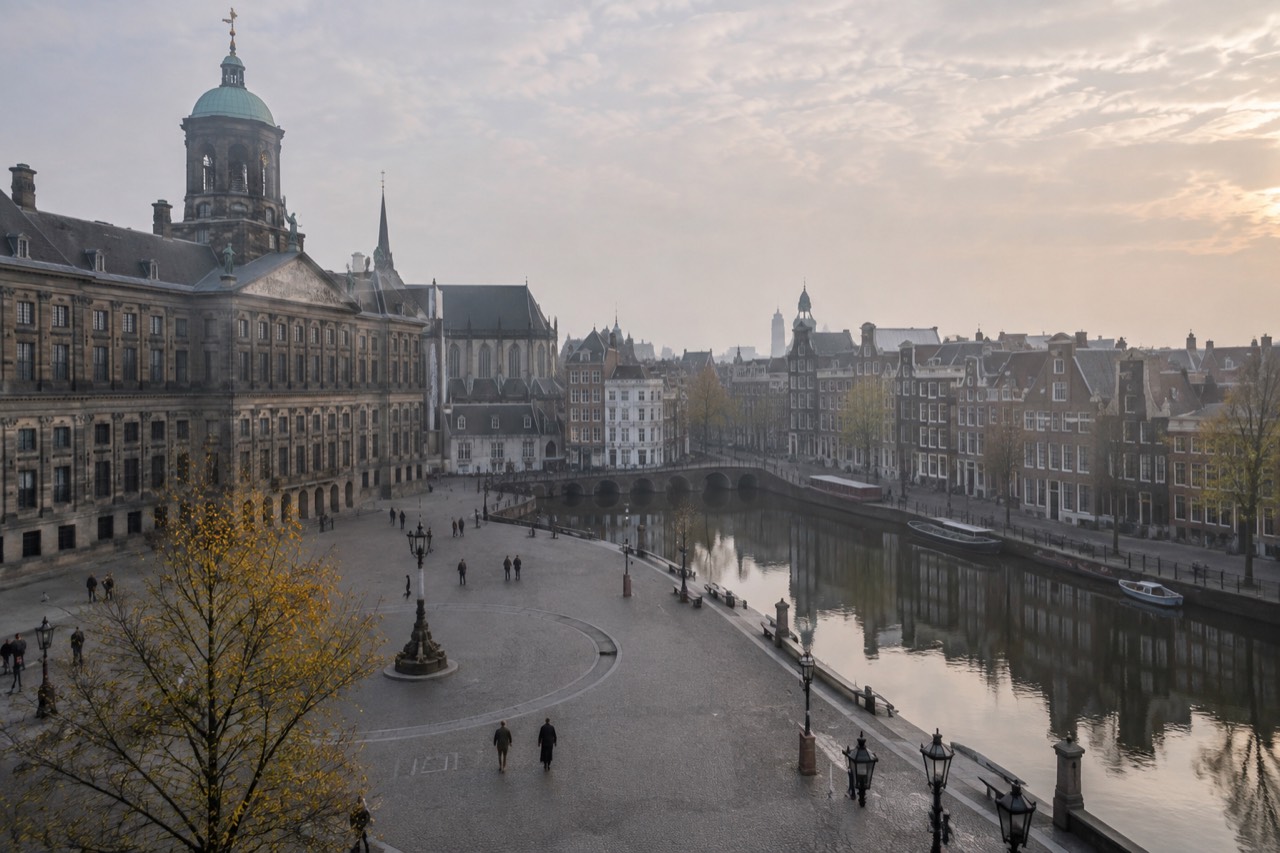
Amsterdam recorded 23.7 million tourist overnight stays in 2025, according to the city's own research bureau, which puts it among the most visited cities in Europe relative to its size. People come for a short break and leave with opinions. Almost everyone arrives with a mental picture assembled from postcards, paintings and half-remembered headlines, and the city then spends a weekend correcting it.
That picture is usually half right. The canals are real, the bikes are everywhere, the museums hold some of the most famous paintings on earth. But the city that produced those images is more layered than the images suggest, and the things it is genuinely known for, the canal ring, the Golden Age painters, the tolerance policy, the cycling culture, all have histories that most visitors never hear. This page sets out what Amsterdam is actually famous for, one signature at a time, with the facts behind each.
What Is Amsterdam Best Known For?
Amsterdam is best known for four things together: its 17th-century UNESCO-listed canal ring, three world-class museums led by the Rijksmuseum and the Van Gogh Museum, a cycling culture in which bikes outnumber cars in the centre, and its internationally famous tolerance policy covering coffeeshops and the red light district. Few cities are known for a whole bundle of identities at once, and that is precisely Amsterdam's signature.
That bundle is unusual. Most cities are famous for one thing: Paris for the Eiffel Tower, Venice for gondolas. Amsterdam is famous for a built landscape, an art collection, a transport habit and a legal arrangement, all at the same time, and the four reinforce each other. The canal ring is what you look at, the museums are why you came, the bike is how you move, and the tolerance policy is what you tell people about when you get home.
The canal ring, the Grachtengordel, is the anchor. Dug in the 17th century during the Dutch Golden Age, the concentric semi-circles of the Herengracht, Keizersgracht and Prinsengracht were placed on the UNESCO World Heritage list in 2010, and the tall narrow merchant houses that line them, with their distinctive gables and hoisting beams, are the single most photographed streetscape in the Netherlands. Our canal ring and Grachtengordel guide covers the streets themselves in detail.
The art is the second pillar. The Rijksmuseum holds Rembrandt's The Night Watch in a purpose-lit hall, and the Van Gogh Museum holds the largest collection of Van Gogh's work anywhere, more than 200 paintings plus hundreds of drawings and letters. The Anne Frank House, which is not a museum of paintings at all, may be the most emotionally famous address in the city, and its tickets are sold only through the museum's own site, released six weeks ahead, with no legitimate reseller of any kind.
The cycling is the third. Amsterdam is one of a handful of cities where the bicycle is the default vehicle, not a lifestyle choice, and visitors notice it within minutes of leaving Centraal Station. The fourth pillar, the tolerance policy, is the one that generates headlines, and it deserves a careful explanation rather than a wink, which it gets further down this page.
Why Are the Canals the First Thing Everyone Mentions?
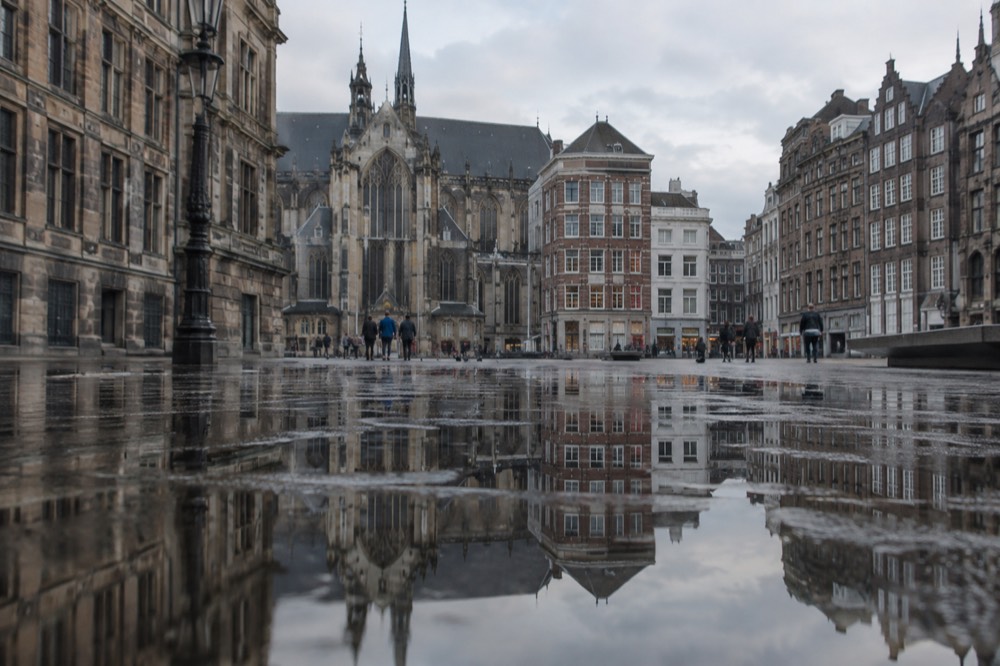
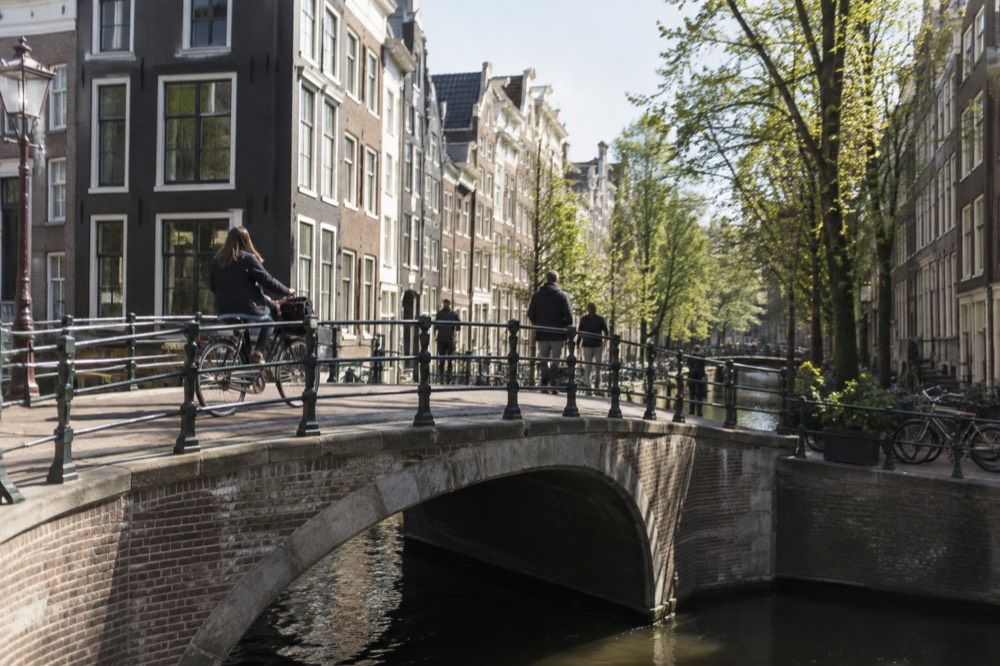
The canals come first because the canal ring is the city's defining physical fact: three concentric 17th-century waterways dug as a single planned expansion, lined by merchant houses, crossed by hundreds of bridges and listed by UNESCO since 2010. Amsterdam without its canals would be a different city in every sense, and no other Dutch destination has anything like it.
The Grachtengordel was not an accident of geography. It was a municipal construction project, the Canal Plan of the early 1600s, designed to expand the city, defend it and monetise it at the same time. The result was a ring of waterways that doubled as harbour, moat and prime real estate, and the merchants who bought plots along the new canals competed in architecture, which is why the gables along the Herengracht still range across a catalogue of styles. The narrowness of the houses, with their steep staircases and exterior hoisting beams, comes from a tax system that charged by frontage.
What that history means for a visitor today is simple: the canals are not a backdrop, they are the main event, and the best way to see them is from the water. A one-hour cruise is the standard introduction, and the only operator price verified directly on an operator's own site is Rederij Kooij's classic cruise at €15.50 per adult, so treat anything from about €15.50 upward as the honest range. The classic saloon boat cruise listed on this site runs $19.56 from, holds a 4.8 rating across 33,435 reviews, and includes a live guide; Check availability if a covered, all-weather boat matters to you, since open boats dominate the cheap end of the market.
| Canal | Built | What it is known for |
|---|---|---|
| Herengracht | 1612 onwards | The grandest addresses, the Golden Bend of wide merchant houses |
| Keizersgracht | 1615 onwards | The widest of the three, a mix of houses, houseboats and hidden courtyards |
| Prinsengracht | 1614 onwards | The lived-in canal, markets, cafes and the Anne Frank House at number 263 |
| Singel | 15th century | The oldest of the four, once the city's outer moat |
The houses themselves are a signature in their own right. The leaning facades, some tilted forward on purpose so furniture could be hoisted without smashing the frontage, the gable stones naming each house, the houseboats moored along the Prinsengord side, all of it reads as one coherent 17th-century plan that has been continuously inhabited ever since. Very few World Heritage sites are also ordinary places where people hang their washing.
What Role Do the Big Museums Play?
Amsterdam's museums are the second thing the city is known for, and they punch far above the city's size: the Rijksmuseum and the Van Gogh Museum each hold globally famous collections and both charge €25 for adults, the Anne Frank House is one of the most sought-after tickets in Europe, and the Museumplein alone concentrates enough art to fill two full days. For many visitors the museums are the trip.
The Rijksmuseum is the national museum and the anchor of the Museumplein. Its adult ticket is €25, free for ages 18 and under, and every visitor, including pass holders, must book a timed entry slot in advance; the museum is open every day of the year from 9am to 5pm according to its own practical information page. The Night Watch is the painting most people come for, but the building itself, a 19th-century landmark sliced through by a public bicycle passage, is part of the attraction.
The Van Gogh Museum is the single most booked product on this site's Amsterdam roster, and it is not hard to see why. It holds the world's largest Van Gogh collection, more than 200 paintings, 500 drawings and over 750 letters, and it requires a pre-booked timed ticket from everyone, with slots selling out regularly. Adult admission is €25 and under-18s are free, per the museum's own ticket page. A pre-booked entry ticket, from $31 through the live listing, is the practical way to guarantee a slot on a specific day.
The Anne Frank House deserves its own paragraph because it is famous in a different register. It is not an art museum; it is the actual hiding place, and its tickets are sold only via the museum's own website for a specific date and time, at €16.50 for adults, with no door sales and no reseller of any kind. Slots are released six weeks ahead and sell out fast. If a slot is gone, the walking tours through the Jewish Quarter, which cover Anne Frank's story in the streets, are the honest alternative, and they never claim to include entry.
| Museum | Adult price | Booking rule |
|---|---|---|
| Rijksmuseum | €25 | Timed slot required, book online in advance |
| Van Gogh Museum | €25 | Timed ticket required for every visitor |
| Anne Frank House | €16.50 | Online only, from the museum's own site, released six weeks ahead |
| NEMO Science Museum | €21.50 | Flat price for ages 4 and up, tickets carry a start time |
One honest note on passes: the I amsterdam City Card includes the Rijksmuseum and NEMO but explicitly excludes the Van Gogh Museum and the Anne Frank House, confirmed by both the card's own FAQ and the Anne Frank House's price table, which states plainly that the card gives no discount. Anyone planning a museum-heavy trip around those two headline names needs separate timed tickets regardless of what pass they buy.
What Is the Story With Coffeeshops and the Red Light District?
Amsterdam is known worldwide for its tolerance policy, and the accurate version is this: cannabis sales are tolerated in licensed coffeeshops under a national policy that also includes a residents-only criterion, but Amsterdam has never applied that criterion, so tourists can and do buy cannabis legally in practice. The red light district, De Wallen, is legal and regulated sex work, and it is now one of the most rule-bound neighbourhoods in the city.
The coffeeshop story is the single most misreported fact about Amsterdam. National Dutch policy tolerates the sale of small amounts of cannabis in licensed premises, with a maximum of 5 grams per person per day, and the national policy text includes the ingezetenencriterium, a residents-only rule. That rule exists on paper, but Amsterdam has never enforced it: the wietpas scheme of the 2010s was never applied in the city, and no tourist ban has been implemented since. So the truthful sentence is neither "cannabis is legal for tourists" nor "tourists are banned"; it is that sales are tolerated, the residents-only criterion is not applied in Amsterdam, and enforcement remains a municipal decision that has been debated repeatedly. The city's own How to Amsterdam guidance adds the practical rule that matters most in the centre: smoking cannabis outdoors is prohibited in the city centre, including the Wallen area, and it belongs inside the coffeeshop.
De Wallen is the other half of the reputation. Sex work in window brothels is legal and licensed in the Netherlands, and the Netherlands was the first country to regulate it as a profession. What most visitors do not know is how tightly the neighbourhood itself is now governed. Guided tours in De Wallen may not pass the sex workers' windows, groups are capped at 15 participants, tours are only permitted between 08:00 and 22:00, and guides who break the rules face fines of €190, with company fines of €950. Photography of the windows is the subject of the city's "no pictures please" campaign, a norm enforced by staff and locals with more enthusiasm than any bylaw. Our red light district rules and etiquette guide covers the full picture.
The point is that Amsterdam's famous vices are, in reality, its most heavily regulated sectors. The tolerance policy was never a free-for-all; it was a deliberate choice to manage things that other countries push underground, and the current direction of travel is restriction, not expansion, with the city halving cruise calls, capping hotel growth and shrinking the areas where holiday rentals are allowed. Visitors expecting a lawless theme park find a mid-sized European city with a very firm rulebook. Everything else covered here is indexed on Things to Do in Amsterdam.
What About Bikes, Beer and the Things Locals Actually Do?
Amsterdam is known for cycling the way other cities are known for cars: bikes are the default way to move, the centre is built around them, and riding one is the fastest way to feel like a temporary local. Beyond the bike, the city is famous for its brown cafes, its Heineken heritage and a food scene built around herring, stroopwafels and bitterballen rather than fine dining.
The cycling numbers speak plainly. Amsterdam's centre is engineered for bicycles first, with separate lanes, their own traffic lights and parking racks by the tens of thousands, and the first thing any visitor notices at Centraal Station is the bicycle garage, not the trains. Tourists can join in, and the honest advice is to take a guided tour before riding solo, because Dutch cycling has unwritten rules, hand signals and a right-of-way culture that takes an hour to absorb. A three-hour city bike tour on the roster, from $42, is the structured version of that lesson.
Beer is the other household name. Heineken is Amsterdam's most exported brand and the Heineken Experience, housed in the firm's original 19th-century brewery, is one of the most visited paid attractions in the city, with a 4.6 rating across 39,581 reviews on its live listing and tickets from $23. It is an interactive brand attraction rather than a working brewery, which is worth knowing before you go, but the rooftop option has become one of the better-known views over the city.
The brown cafe is the institution that ties the whole local culture together: a traditional Dutch pub, often centuries old, with dark wood, candles and a cat, where Amsterdammers drink beer and eat bitterballen without ceremony. They are the counterpart to the famous canals, the lived-in Amsterdam rather than the postcard one, and they cost a fraction of a museum ticket. The food the city is known for follows the same logic: raw herring with onions, stroopwafels fresh off the iron, thick pea soup in winter. None of it is haute cuisine, and all of it is the answer to "what do people actually eat here".
Is Amsterdam More Than a Party City?
Amsterdam is much more than a party city, and the proof is in what surrounds it: the world's largest flower garden at Keukenhof, open only 19 March to 10 May each year, a ring of historic day-trip towns from Haarlem to Utrecht, and a calendar anchored by King's Day, one of the largest street celebrations in Europe. The party reputation is real but it is one room in a much larger house.
Keukenhof is the clearest case. It is the world's largest flower garden, it sits in Lisse roughly 30 to 40 minutes from Amsterdam, and it opens only from 19 March to 10 May, never year-round. The 2027 season runs 18 March to 9 May, daily 08:00 to 19:00, per the garden's own site. Seven million bulbs go in for eight weeks of tulips, and the combination of Keukenhof with the surrounding Bollenstreek fields, at peak bloom roughly mid-April to early May, is why spring is the most competitive season for Amsterdam hotels.
King's Day is the other date the city is known for. On 27 April the entire centre becomes a street market and open-air party, with the royal family's official visit moving to a different town each year, Lelystad in 2027, while Amsterdam hosts what is effectively the national street celebration. Add the Amsterdam Dance Event in October, one of the world's largest electronic music gatherings, and the Amsterdam Light Festival across the winter, and the calendar itself is a signature.
The day trips extend the city's reach. Haarlem, Utrecht, Zaanse Schans with its working windmills, the fishing villages of Volendam and Marken, and Giethoorn, the village with canals instead of roads, all sit within a couple of hours, and the windmill-and-cheese circuit is practically a second Amsterdam brand. Anyone wondering how to split a longer stay between the city and the countryside can start with our best day trips from Amsterdam guide.
So yes, Amsterdam has a party reputation, earned in part by a small quarter of the centre and amplified by decades of stag-do folklore. But the city that 9.5 million hotel guests visited in 2025 is a museum city, a canal city, a cycling city and a spring-flower city first, and a nightlife city somewhere further down the list. If you are planning the headline experiences yourself, our piece on the top things to do in Amsterdam ranks the essentials.
Common Questions About What Amsterdam Is Best Known For
What Is Amsterdam Best Known For?
Amsterdam is best known for its UNESCO-listed 17th-century canal ring, its world-class museums led by the Rijksmuseum and the Van Gogh Museum, a cycling culture in which bikes are the default transport, and its tolerance policy covering coffeeshops and the red light district. Together those four signatures define the city's global image.
Is Amsterdam only canals and museums?
No. Beyond the Grachtengordel and the Museumplein, the city is known for its brown cafes, its markets, the NDSM wharf across the river, and a calendar that includes King's Day, the Amsterdam Dance Event and the Amsterdam Light Festival. The canals and museums are the headline, not the whole story.
Can tourists legally buy cannabis in Amsterdam?
In practice, yes. Cannabis sales are tolerated in licensed coffeeshops under national policy, and while that policy includes a residents-only criterion, Amsterdam has never applied it, so tourists can buy in coffeeshops. The limit is 5 grams per person per day, and outdoor smoking is prohibited in the city centre.
Why is Amsterdam so popular with tourists?
Compactness is a large part of it: the canals, the main museums, the red light district and most hotels sit within a 30-minute walk of each other. Add direct flights from across Europe, two globally famous art collections and a permissive reputation, and the city recorded 23.7 million overnight stays in 2025.
What food is Amsterdam known for?
Stroopwafels, raw herring with onions, bitterballen, thick pea soup and a deep fried-food culture served in brown cafes. It is hearty street food rather than fine dining, and the cheese tradition, Edam, Gouda and the weekly Alkmaar cheese market nearby, extends the reputation into the countryside.
Is the Van Gogh Museum worth it?
For most visitors, yes. It holds the world's largest Van Gogh collection, more than 200 paintings plus hundreds of drawings and letters, in a purpose-built museum on the Museumplein. Adult tickets are €25, under-18s are free, and every visitor needs a pre-booked timed slot because it regularly sells out.