What Is Snoop Dogg's Coffee Shop Called?
The short answer to the question of Snoop Dogg's coffee shop in Amsterdam, plus the coffeeshop rules that actually matter to tourists, from purchase limits to where you can smoke.
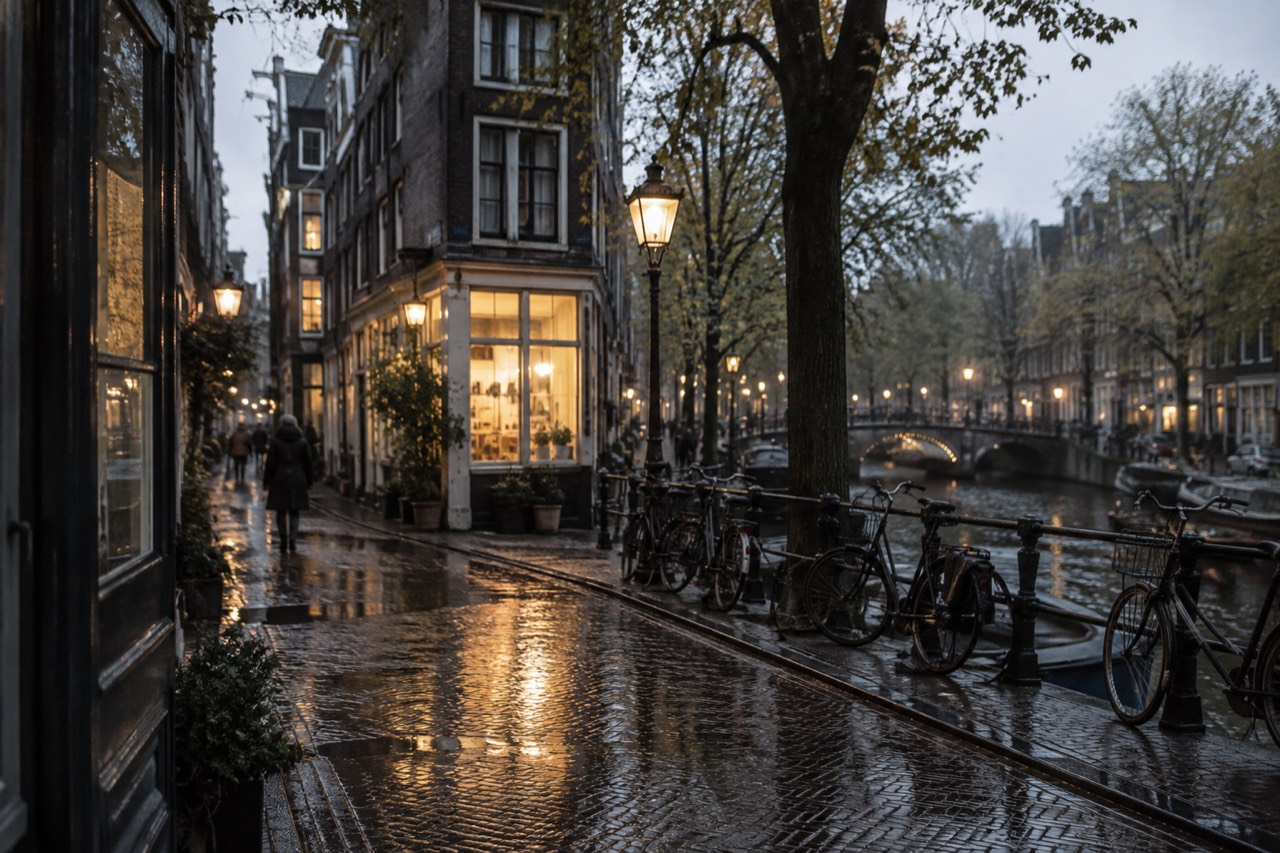
Amsterdam's coffeeshops generate a strange kind of folklore, and few rumours travel further than the one about Snoop Dogg owning one of them. The question shows up in search bars constantly, usually phrased exactly as a name hunt: people want a single word, a door to walk through, a photo to take. The real answer involves a rumour, a Dutch word that does not mean coffee, and a set of municipal rules that most visitors have never read. This page gives the straight answer first, then covers the rules that matter once the rumour is settled, because those rules decide what any tourist can actually do inside a coffeeshop, whoever owns it.
What Is Snoop Dogg's Coffee Shop Called?
There is no verified coffeeshop in Amsterdam that belongs to Snoop Dogg, and no official record, licensing filing or credible report names one. The rumour appears to be pure internet folklore: Amsterdam has licensed coffeeshops, Snoop Dogg is famously associated with cannabis culture, and the two facts got welded together somewhere along the way. No shop in the city is registered under his name, and the city's coffeeshop licensing records contain nothing of the sort.
That answer disappoints some readers, but it is the honest one, and this site does not invent a name to fill the gap. What can be said with confidence is narrower and more useful. Amsterdam's coffeeshops are small, licensed, strictly regulated businesses operating under the national tolerance policy known as gedoogbeleid, and their names are public. A celebrity does not need to own one for the association to feel real: the city's cannabis culture has been famous for half a century, and famous visitors pass through it constantly, which is exactly the kind of environment that grows a rumour like this one.
The confusion also has a linguistic root worth knowing. In Dutch, a koffiehuis or café serves coffee. A coffeeshop, one word, is the licensed establishment where cannabis is sold, and the name is a deliberate historical euphemism. So the question "what is Snoop Dogg's coffee shop called" carries a hidden ambiguity: a visitor searching for a celebrity-branded café and a visitor searching for a celebrity-branded cannabis shop are looking for two entirely different things, and only one of those categories exists in any regulated form in Amsterdam.
If the rumour has led you here while planning a trip, the practical takeaway is simple: pick your coffeeshop the way you would pick any business, by reading its listing, its reviews and its location, not by chasing a name that does not exist. The rest of this page covers what the law actually says, because those rules shape every visit regardless of which door you choose. For a fuller treatment of the neighbourhood where most coffeeshops cluster, our red-light district rules and etiquette guide covers the same ground in more depth.
Can Tourists Still Visit Coffeeshops in Amsterdam?
Yes. Tourists can still walk into Amsterdam coffeeshops and buy cannabis, and the residents-only rule you may have read about exists in national policy but is not applied in Amsterdam. The national tolerance criteria technically include a residents-only condition, but Amsterdam has never enforced it, no tourist ban has been implemented, and the city continues to serve visitors from abroad. Neither "cannabis is legal" nor "tourists are banned" is an accurate summary: the accurate word is tolerated.
The distinction matters more than it sounds. Under the national gedoogbeleid, cannabis remains technically illegal, but the sale of small quantities through licensed coffeeshops is not prosecuted, provided the shop meets strict conditions. The national policy, published by the Dutch government at rijksoverheid.nl, sets those conditions, including a hard sales limit: a coffeeshop may sell no more than 5 grams of soft drugs per person per day, and personal possession of up to 5 grams of cannabis is tolerated. Those are the numbers that govern your visit, not any celebrity's name on the door.
The residents-only criterion is the part that generates most of the confused articles online. It exists on paper in the national tolerance rules, and several southern Dutch municipalities did attempt to enforce a version of it years ago, the so-called wietpas experiment. Amsterdam declined to apply it then and has not applied it since, though the debate resurfaces periodically in the city council. So a headline saying "Amsterdam to ban tourists from coffeeshops" is describing a proposal that has been discussed, not a rule in force. The current reality is that a visitor with ID proving they are 18 or over can be served.
Age is enforced seriously. Staff will refuse service to anyone who cannot prove they are 18, and the refusal is not negotiable. Alcohol is not sold in coffeeshops, and hard drugs are not sold anywhere legal, a boundary the tolerance policy draws firmly. The system is designed to separate the cannabis market from everything else, and the shops that survive licensing are the ones that respect the separation.
One more planning note: coffeeshops are concentrated in the centre, and their density is a deliberate municipal outcome, not an accident. The city has been reducing the total number of licences for years through distance rules around schools and non-renewal, so the landscape you walk through today is smaller and more tightly controlled than the one the guidebooks of twenty years ago described.
Where Does the Snoop Dogg Rumour Come From?
The rumour almost certainly grows from association rather than ownership: Snoop Dogg has been public about his cannabis use for decades, has visited Amsterdam many times, and the city's coffeeshop culture is globally famous, so the three facts merged into a story with a name attached. No licensing record, shopfront or credible report supports an actual Snoop Dogg coffeeshop in the city, and repeated retellings have never produced a location.
It is a textbook example of how travel folklore works. A famous name attaches itself to a famous place, someone asks the question in a forum, someone else answers it half-remembered, and within a few search cycles the answer has hardened into an address. Amsterdam attracts this kind of story more than most cities precisely because its cannabis policy is genuinely unusual, and unusual policies create an information vacuum that rumours fill faster than official pages can.
The celebrity angle does have real substance elsewhere in the city's culture, just not in coffeeshop licensing. Amsterdam's music scene, its festival calendar and its brown cafés have hosted plenty of famous names over the decades, and the city's tattoo world even has its own celebrated figures, covered in our Henk Schiffmacher profile. The difference is that those stories are documented, with names, dates and photographs, while the coffeeshop rumour has none of those things. That gap between a good story and a documented one is exactly where this site tries to stand.
A guided walk is one way to separate folklore from fact on the ground. The red-light district and coffeeshop tour covers the history of the tolerance policy and the neighbourhood it shaped, with a guide who can point at real buildings rather than internet rumours. It runs two hours and, like all De Wallen tours, operates under the city's guided-tour rules: groups of no more than 15, tours only between 08:00 and 22:00, and no route that passes the windows.
What Can You Legally Do Inside a Coffeeshop?
Inside a licensed coffeeshop you can buy up to 5 grams of cannabis per day, consume it on the premises if the shop allows indoor smoking, and stay as long as the house rules permit. You cannot buy alcohol there, you cannot buy hard drugs anywhere, and you cannot smoke cannabis outside in the city centre, where an outdoor ban applies. Bringing cannabis out of the Netherlands remains illegal in every direction.
The outdoor ban is the rule that surprises the most visitors, and it is the one most worth repeating. The city's own visitor guidance at amsterdam.nl states that smoking cannabis on the street is prohibited in the city centre, including the red-light district area. The practical consequence is that the classic tourist image of a joint on a canal bridge is now an offence, and locals will point you back indoors if you try it. Smoke inside the coffeeshop where you bought it, or find a designated smoking area, and keep the street for walking.
| What you want to do | Legal status in Amsterdam | What to remember |
|---|---|---|
| Buy up to 5 grams in a coffeeshop | Tolerated under national policy | Per person per day, 18+ with ID |
| Smoke inside the coffeeshop | Allowed where the shop permits | House rules vary, ask before lighting |
| Smoke on the street in the centre | Prohibited | Outdoor cannabis ban applies city-centre-wide |
| Buy alcohol in a coffeeshop | Not permitted | Coffeeshops do not sell alcohol at all |
| Take cannabis home abroad | Illegal | Crossing any border with it is an offence |
The border point deserves its own sentence because it ruins more trips than any other mistake. The tolerance policy stops at the Dutch border in every direction, including on trains to Belgium, Germany and France, and including through the airport. A purchase that was lawful in Amsterdam becomes contraband the moment you cross, and border checks on the international trains are not rare. Buy what you will consume in the city, and consume it there. Everything else covered here is indexed on Things to Do in Amsterdam.
How Do You Pick a Good Coffeeshop Without a Celebrity Name?
Pick by licensing, location and house rules rather than by fame: a legitimate coffeeshop displays its licence, refuses sale to under-18s, caps purchases at the legal limit, and states its smoking policy clearly. Central shops are busier and more expensive, neighbourhood shops in areas like De Pijp or the Jordaan are quieter, and reviews on the live listings tell you more about a shop than any rumour ever will.
Start with the basics that are actually verifiable. Every licensed coffeeshop is a registered business with a green-and-white licence displayed, and the staff will check ID without being asked twice. A shop that waves you through age checks or offers quantities above the 5 gram limit is breaking the terms that keep its licence, and a shop breaking those terms is a shop to walk past. The legal market's whole architecture depends on shops staying inside the lines, and the good ones are visibly proud of it.
| Signal | A shop worth your time | A shop to walk past |
|---|---|---|
| ID check | Asked every visit, no exceptions | Waved through |
| Purchase limit | Enforced at 5 grams per day | Offers to exceed it |
| Smoking policy | Stated clearly at the counter | Vague or evasive |
| Menu | Soft drugs only, prices listed | Anything else on offer |
| Atmosphere | Calm, staffed, regulated | Aggressive touting outside |
Location shapes the experience as much as the shop itself. The centre, especially around the red-light district, holds the busiest and most tourist-facing shops, and the outdoor smoking ban bites hardest there because the streets are the most policed. Further out, the shops around De Pijp and the Jordaan serve a more local crowd and move at a slower pace. Our De Pijp neighbourhood guide and our coffeeshop rules for tourists guide both cover the geography in detail if you want to plan a route rather than stumble into one.
And a gentle counter-programming suggestion: Amsterdam has more than one famous institution, and the city's most visited museum is a short tram ride from every coffeeshop district. The Van Gogh Museum holds over 200 paintings and requires a pre-booked timed entry ticket for every visitor, so it rewards planning in a way a coffeeshop does not. Plenty of visitors pair a slow museum morning with a slower afternoon, and the pairing works.
What Else Should You Know Before Visiting Amsterdam?
Three rules shape most visits: street drinking is prohibited in the city centre, public urination is prohibited, and the city's respect campaign asks visitors not to photograph sex workers or behave loudly in the old centre. Tourist tax runs at 12.5% of your overnight price, contactless payment works on all trams and metros, and the busiest museum tickets sell out days ahead. None of this is secret, but all of it is routinely ignored by first-time visitors.
The respect campaign is worth a paragraph because it is the city's own framing of the visitor problem, published on the same amsterdam.nl page as the outdoor smoking ban. Amsterdam recorded 23.7 million tourist overnight stays in 2025, and the city has responded with measures that range from discouragement campaigns to a formal cap on overnight stays in its tourism ordinance. The cap of 20 million has been exceeded every year since the recovery, and the city has been tightening hotel policy, holiday rental rules and tour group regulation in response. A visitor who understands that context understands why the rules are enforced with less patience than they used to be.
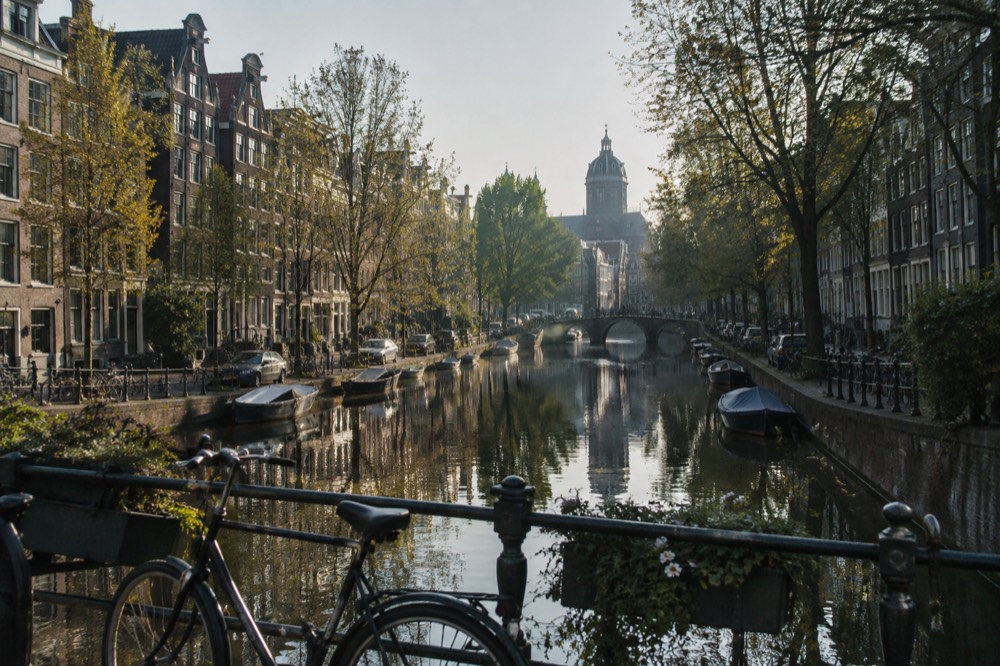
Practical planning closes the loop. A GVB day ticket costs €10.00 for 24 hours of tram, bus and metro travel, and tapping a contactless bank card works too. The Rijksmuseum charges €25 for adults and requires a booked start time, the Van Gogh Museum charges €25 and requires pre-booked timed entry for everyone, and the Anne Frank House sells tickets only through its own website with no legitimate reseller at all. Those three facts decide more itineraries than any coffeeshop choice will, and our Amsterdam museum tickets guide handles them in full.
The trio above covers three of the city's most reliable big-ticket experiences: the museum that needs booking furthest ahead, the brewery experience that anchors the nightlife districts, and the classic canal cruise that gives you the city from the water. All three sit comfortably alongside an afternoon spent exploring the coffeeshop culture this page has been describing, and none of them depends on a rumour to be worth your time.
Common Questions About Snoop Dogg's Coffee Shop
What Is Snoop Dogg's Coffee Shop Called?
No verified coffeeshop in Amsterdam belongs to Snoop Dogg, and no official record names one. The story is internet folklore built from his long public association with cannabis culture and Amsterdam's fame as the world's best-known tolerance-policy city. Pick a coffeeshop by its licence, reviews and house rules, not by chasing the name.
Can tourists still buy cannabis in Amsterdam coffeeshops?
Yes. The residents-only criterion exists in national policy but has never been applied in Amsterdam, and no tourist ban is in force. Visitors aged 18 and over with valid ID can be served, subject to the 5 gram per person per day sales limit.
Can you smoke cannabis outside in Amsterdam?
No, not in the city centre. The city's official guidance prohibits smoking cannabis on the street in the centre, including the red-light district area. Smoke inside the coffeeshop where you bought it instead.
How much cannabis can you legally buy?
A coffeeshop may sell a maximum of 5 grams of soft drugs per person per day under the national tolerance policy, and personal possession of up to 5 grams is tolerated. Taking any cannabis across the Dutch border remains illegal.
Is cannabis actually legal in the Netherlands?
No, and that is the key nuance. Cannabis is technically illegal, but small-scale sale through licensed coffeeshops and possession of up to 5 grams are not prosecuted under the gedoogbeleid tolerance policy. "Tolerated" is the accurate word, not "legal".
Are coffeeshops and cafés the same thing in Amsterdam?
No. A coffeeshop, one word, is the licensed cannabis shop. A café or koffiehuis serves coffee and food. The names are historical, and the distinction is worth knowing before you walk through a door expecting a cappuccino.