What Should I Not Miss In Amsterdam?
The unmissable core of Amsterdam in one honest guide: the canal ring, the Rijksmuseum and Van Gogh Museum, Anne Frank House, De Wallen, the Jordaan and the day trips worth the train fare.
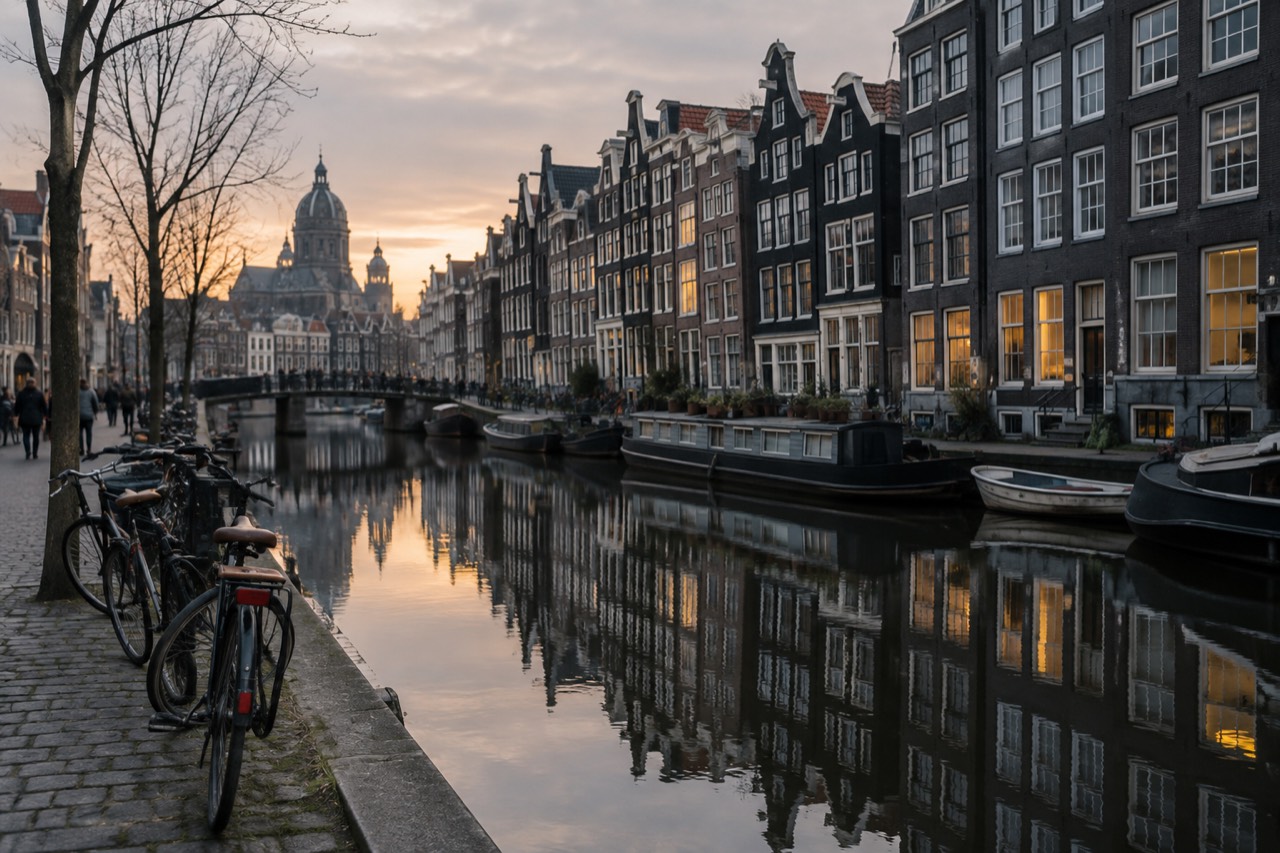
Amsterdam recorded 23.7 million tourist overnight stays in 2025, and the overwhelming majority of those visitors squeezed into the same handful of streets. That concentration is the reason this question matters: with two or three days, you cannot see everything, and the wrong half-day spent in a queue or a tourist trap crowds out something genuinely unmissable. The city's own forecasters expect between 23.7 and 25.1 million overnight stays in 2026, so the pressure is not easing.
This guide is the honest short list. It is built around what Amsterdam actually is, a seventeenth-century canal city with a small number of world-significant museums, rather than around what ranks well on a listicle. Every price and figure here comes from an official source or a verified listing, and where a number lives only on the operator's live listing, that is stated plainly.
What Should I Not Miss In Amsterdam?
Do not miss the canal ring itself, the Rijksmuseum, the Van Gogh Museum, the Anne Frank House story, and one evening on the water. Those five experiences carry the city's entire character: its Golden Age streetscape, its two greatest collections, its most important twentieth-century history, and the view from the canals that ties the other four together. Everything else on a short trip is a bonus around that core.
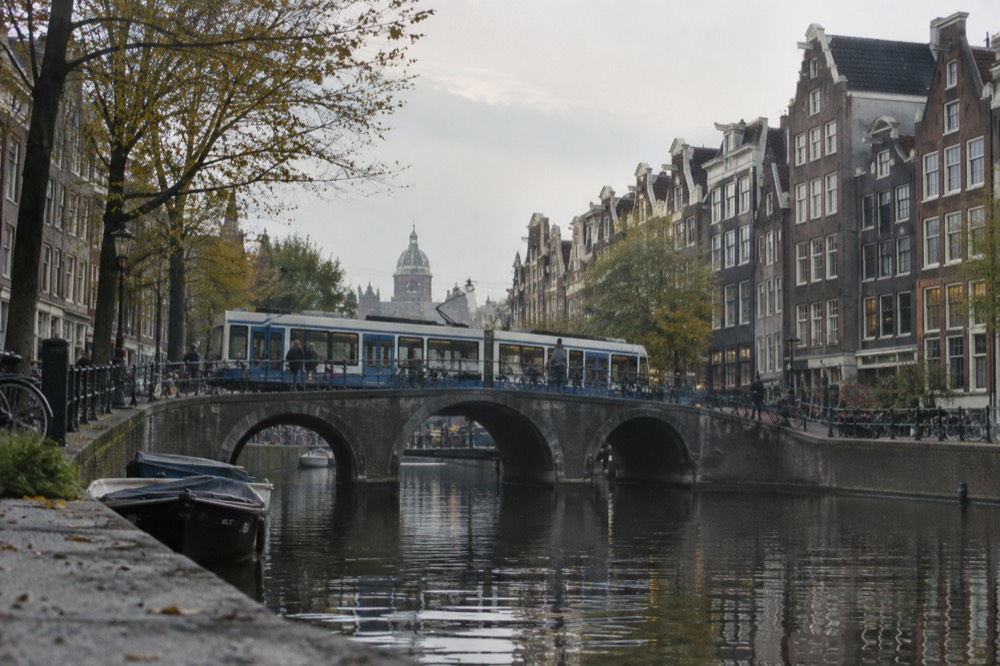
Start with the geometry. Amsterdam's centre is a horseshoe of three seventeenth-century canals, the Herengracht, Keizersgracht and Prinsengracht, dug in the 1600s and now a UNESCO World Heritage site. Walking them costs nothing. The houses lean, sometimes visibly, because they stand on wooden piles driven into soft soil, and the gables above the windows announce the trade and ambition of the families who built them. A first afternoon spent simply walking the ring from the Amstel to the Brouwersgracht teaches you more about Amsterdam than any attraction.
The museums come next, and they deserve real hours rather than a rushed hour each. The Rijksmuseum holds Rembrandt's The Night Watch in a purpose-lit hall, plus Vermeer, Frans Hals and a collection that tracks the entire Dutch Golden Age. The Van Gogh Museum holds the world's largest Van Gogh collection, over 200 paintings, 500 drawings and more than 750 letters. Both sit on the Museumplein, fifteen minutes' walk or a short tram ride from the centre, so they pair naturally on one day.
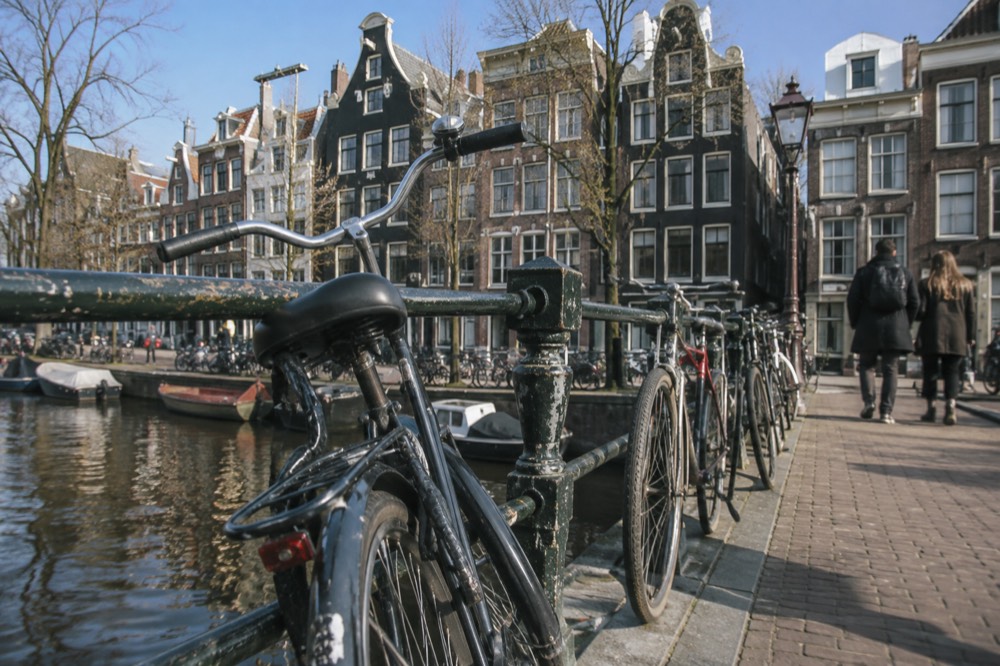
If you are booking as you read, these three are the ones travellers most often regret leaving late:
The Van Gogh Museum sells out first, and its timed-entry rule means a late booking leaves you with whatever slots remain. The Heineken Experience and a classic saloon boat cruise are more forgiving, but both are evening-friendly options that round out a museum day well. Book the museum, then fill around it.
Which Canals and Bridges Should You Actually Walk?
Walk the Herengracht between the Brouwersgracht and the Amstel, cross the Magere Brug, and finish in the Nine Streets. This single loop covers the grandest stretch of the canal ring, the city's most photographed bridge and its best small shopping quarter, all inside ninety unhurried minutes. Nothing on it needs a ticket.
The Herengracht is the grandest of the three main canals because the wealthiest merchants built directly along it. Look up at the neck gables and the decorative cornices, then look down at the houseboats, a permanent neighbourhood on the water rather than a novelty. The canal bends matter too: Amsterdam's curves were planned, and each bend opens a new framed view, which is why photographers work this stretch at golden hour.
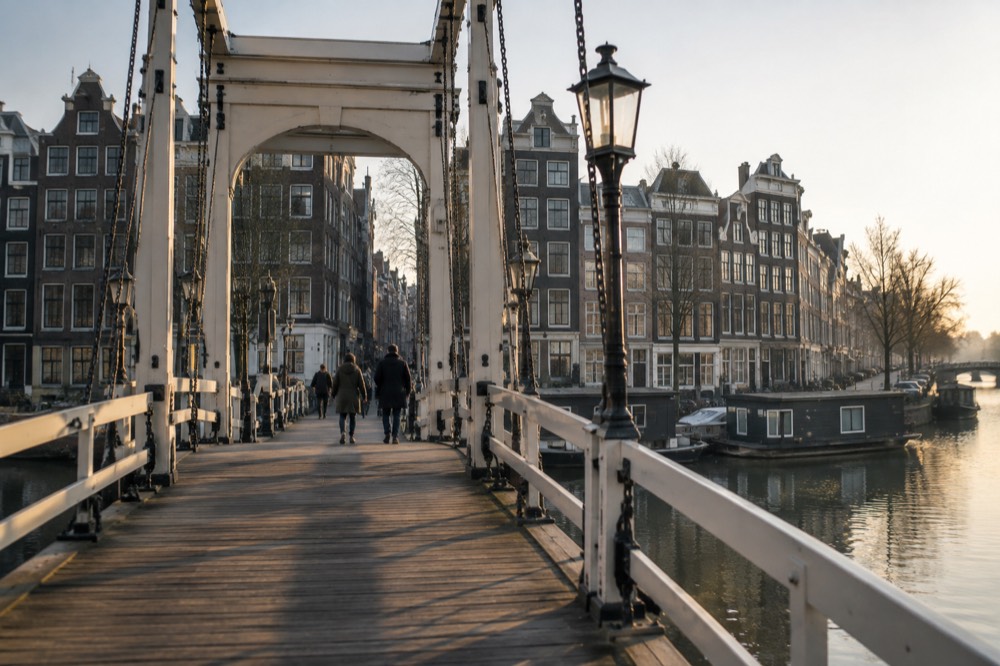
The Magere Brug, the Skinny Bridge, is a traditional double-leaf wooden bridge over the Amstel, rebuilt many times but still the classic Amsterdam silhouette. From it you can see the river that gave the city its name. The Nine Streets, the cross-streets between the Herengracht and the Prinsengracht, hold the canal ring's best independent shops and cafes, and they connect naturally to the Jordaan on the western side. Our guide to the Nine Streets maps the quarter street by street if you want a route rather than a wander.
For the view from the water, a one-hour cruise is the cheapest way to see the ring properly. The classic saloon boat cruise, rated 4.8 across 33,435 reviews and priced from $19.56, runs a one-hour loop through the UNESCO canals with live commentary, and an optional upgrade adds Dutch cheese and drinks. It is the format the city was practically designed for.
Is the Museum Quarter Worth a Full Day?
Yes, a full day is the honest budget, split between the Rijksmuseum and the Van Gogh Museum with a lunch break between them. Both museums require pre-booked timed entry, both charge €25 for adults, and both are free for visitors aged 18 and under. Rushing either into an hour wastes the two best art collections in the Netherlands.
The Rijksmuseum is open every day of the year from 9am to 5pm, including public holidays, and its own ticket page states the adult price plainly: €25 online, free for ages 18 and under, and free for holders of the I amsterdam City Card. A start time must be booked even with a card, because the museum manages crowd flow through time slots. The Night Watch alone justifies the visit, but the Golden Age galleries around it are the real event, room after room of the paintings that made a small trading city the centre of the art world.
The Van Gogh Museum sits a few hundred metres away. Its own ticket page lists the same adult price, €25, with under-18s free, and the rule that matters most: all visitors, without exception, must pre-book a timed entry ticket. Slots sell out, and the museum says so itself. The collection is arranged chronologically, so you walk through the entire arc of a ten-year career, from the dark early peasant paintings to the wheat fields of the final months.
| Museum | Adult price | Under-18s | Booking rule | Hours |
|---|---|---|---|---|
| Rijksmuseum | €25 | Free | Timed start time required | Daily 9am to 5pm |
| Van Gogh Museum | €25 | Free | Timed entry, all visitors | Daily from 9am, check monthly hours |
A pre-purchased ticket from the operator's live listing removes the queue and locks your slot before the museum fills. The Van Gogh ticket, rated 4.7 across 57,096 reviews and listed from $31, is the single booking most worth making before you fly.
If both museums plus the Moco or the Stedelijk feel like too much art, cut the third one. Two great museums walked slowly beat three walked resentfully. The Museumplein lawn, with its sculpture and its pond, is a legitimate place to spend the gap hour doing nothing at all.
What About the Anne Frank House?
The Anne Frank House is unmissable, but it is also the hardest ticket in the city: sold only through the museum's own website, for a specific date and time, with no door sales and no legitimate reseller. Adult tickets cost €16.50, and the release schedule means you should be booking weeks, not days, ahead. No pass, card or platform can sell you one.
This is the one Amsterdam attraction where the booking mechanics matter as much as the visit. The museum's own tickets page states it flatly: you always have to book online for a specified date and time. Tickets are released in batches, with the main release on a Tuesday at 10am CEST for visits six weeks later, and they sell out quickly. They are non-refundable and non-transferable, so book only days you are certain about. The house is open daily from 9am to 10pm, which leaves evening slots for people whose days are already full.
If the house itself is sold out, the story is still accessible. The museum's own site is the only legitimate seller, so treat every other offer as a red flag. What almost every other listing actually sells is a walking tour of the Jewish Quarter, which is a genuinely worthwhile alternative: the Anne Frank walking tours through the quarter cover the wartime history in the streets where it happened. Just read the listing carefully, because none of these walks include entry to the house.
Is De Wallen, the Red Light District, Worth Seeing?
Yes, but on its own terms: De Wallen is the oldest part of Amsterdam and a working neighbourhood, not a nightlife spectacle. Visit in the evening with a guide who explains its history, keep your phone in your pocket anywhere near the windows, and skip it entirely if your interest is only gawking. The district's rules are strict and the residents are tired of tourism that ignores them.
The city has tightened the rules deliberately. Guided tours in De Wallen are capped at 15 participants, run only between 08:00 and 22:00, and may not pass the sex workers' windows, a rule that applies to every group including small ones. Guides face fines of €190, companies €950. Photography of the windows is the other hard line: the city's own respect campaign says no pictures, and while the page frames it as a norm rather than a fineable offence, staff and door security enforce it without much patience. The wider set of guides lives on Things to Do in Amsterdam.
A guided small-group walk is the format that works here. The guided Red Light District tour in a small group, rated 4.9 across 9,142 reviews and listed from $26, runs 90 minutes inside the permitted hours, and the history it covers, from the medieval street plan to the present-day policy debate, is the part most visitors never get on their own. Our De Wallen guide covers the etiquette and the rules in full.
What Should You Not Miss in the Jordaan and the Centre?
The Jordaan's small streets and hidden courtyards, the Begijnhof, and the Bloemenmarkt floating flower market together fill the gaps between the big sights, and all three are free. The Jordaan is the neighbourhood Amsterdam's own residents send people to, and it takes half a day to do properly. The centre's landmarks, Dam Square and the Royal Palace, sit conveniently in the middle of the loop.
The Jordaan began as a working-class quarter and became the city's most-loved neighbourhood, a grid of tiny streets, brown cafes and courtyards hidden behind unmarked doors. The brown cafes matter: these are the small, wood-panelled bars where Amsterdammers actually drink, and they are the cheapest authentic evening in the city. The Bloemenmarkt on the Singel is the world's only floating flower market, stalls perched on houseboats, and it sells tulip bulbs certified for export if you want to take the spring home.
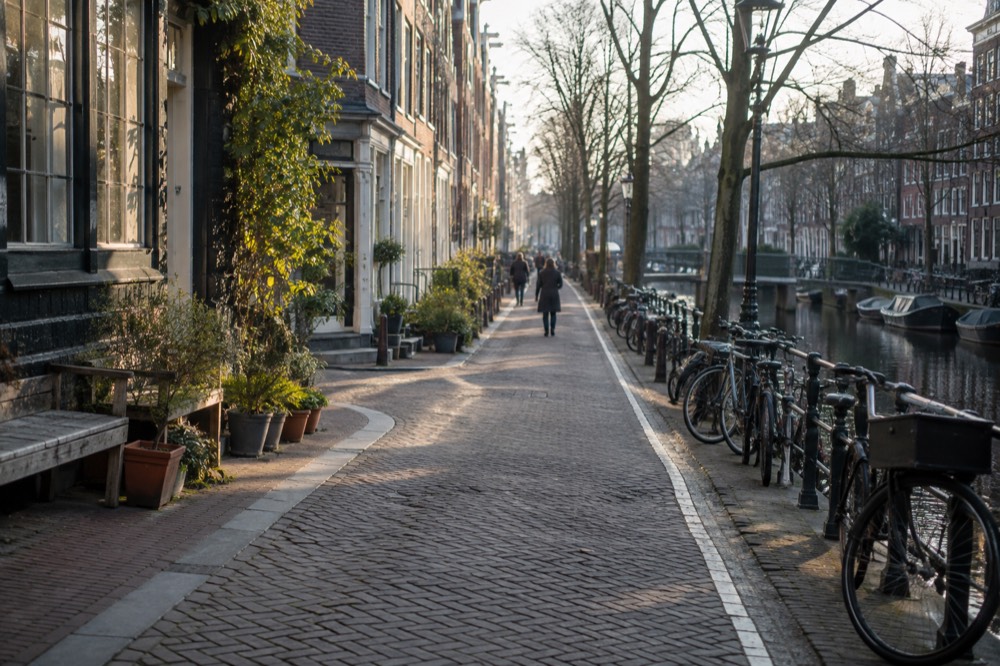
The Begijnhof is a quiet courtyard dating from the medieval period, one of the oldest inner courts in the city, and most walkers pass its unmarked door without noticing it. Dam Square is the ceremonial centre, with the Royal Palace on its west side. Palace entry costs $15 through the operator's listing and includes an audio guide, and the building still hosts state visits and royal receptions, which is why it occasionally closes without warning. Check before you commit an hour.
What Should You Not Miss After Dark?
An evening canal cruise is the single best after-dark purchase in Amsterdam, because the canal ring's bridges and gables are illuminated and the water doubles the effect. The Heineken Experience in the evening and a brown cafe afterwards are the two other reliable answers. Amsterdam's nightlife peaks late, so an early cruise leaves the whole night free.
The evening city lights cruise, rated 4.4 across 23,214 reviews and listed from $21, runs 90 minutes through the lit canals with an optional wine package. The sunset cruise variant, rated 4.8 across 4,737 reviews from $23, times the departure to catch the light. Either one answers the question of what to do between dinner and the late-night city, and the view from the water at night is genuinely different from the daytime cruise, not a repetition of it.
The Heineken Experience is the other strong evening option before the bars fill. Housed in the original 1867 brewery, it walks you through over 150 years of brewing history across 90 minutes, and the ticket, rated 4.6 across 39,581 reviews and listed from $23, includes tastings and an optional rooftop add-on with a view over the centre. It is an attraction rather than a museum, and it works best when the museums are already done.
Which Day Trips Should You Not Miss If You Have the Time?
Zaanse Schans for the windmills and Keukenhof for the tulips are the two day trips that earn their place, with Giethoorn as the quieter alternative. Keukenhof runs 19 March to 10 May only, so it exists for eight weeks a year or not at all. Zaanse Schans is reachable year-round and delivers working windmills, clog-making and cheese in under six hours.
Keukenhof is the most seasonal attraction in the country: the 2026 season closed on 10 May, and the 2027 season runs 18 March to 9 May, daily 08:00 to 19:00. The gardens sit in Lisse, roughly 30 to 40 minutes from Amsterdam, and the combined Keukenhof and Zaanse Schans guided day tour, rated 4.6 across 1,337 reviews and listed from $107, pairs both in one nine-hour day. If your dates fall outside the window, the tulip fields are simply not on the table, and no tour can change that.
Zaanse Schans alone works in any season. The Zaanse Schans, Volendam and Marken guided tour, rated 4.5 across 20,839 reviews and listed from $34, covers the windmills plus two historic fishing villages in five and a half hours, which is short enough to leave the evening free back in the city. The longer variant that adds Edam, rated 4.8 across 5,559 reviews from $45, suits a full free day. Our Zaanse Schans guide covers the independent train-and-bus alternative if you would rather go without a tour.
| Day trip | Duration | Listed from | Best for |
|---|---|---|---|
| Zaanse Schans, Volendam and Marken | 5 hours 30 minutes | $34 | Windmills and fishing villages in half a day |
| Zaanse Schans, Edam, Volendam and Marken | 6 hours 30 minutes | $45 | Adding the cheese town, with a full day free |
| Keukenhof and Zaanse Schans combined | 9 hours | $107 | Tulip season only, 19 March to 10 May |
Giethoorn, the village with no roads through its centre, is the third option: a ten-hour round trip, rated 4.8 across 812 reviews and listed from $161 for the combined tour. It is beautiful and it is far, so it only earns its day if Amsterdam itself is already exhausted. Most three-day visitors should give that day to the city.
How Do You Fit All of This Into Two or Three Days?
Day one: the canal ring on foot and a classic cruise. Day two: the Museum Quarter, with the Van Gogh slot booked first and the Rijksmuseum around it. Day three: the Anne Frank House or Jewish Quarter in the morning, the Jordaan and De Wallen in the evening. Buy a 24-hour GVB ticket at €10.00 and let the trams absorb the distances.
The transport maths is simple. A 24-hour GVB ticket costs €10.00 and covers every tram, bus, metro and ferry in the city, and the official fare page lists the multi-day versions at €16.00 for 48 hours and €21.50 for 72 hours if your stay runs longer. Tapping a contactless bank card works too, with a base fare of €1.16 plus €0.217 per kilometre. Amsterdam's centre is walkable, but the Museumplein, the Jordaan and the eastern Plantage sit far enough apart that the tram saves real time.
The one booking rule that overrides everything else: book the Van Gogh Museum and the Anne Frank House before you book anything else, including your hotel. The Van Gogh Museum requires a timed slot for every visitor and the Anne Frank House releases its tickets six weeks ahead. Everything else in this guide, the cruises, the Heineken Experience, the day trips, can be booked a day or two out without drama. If a slot you want is gone, the walking tours and the canal ring itself are the parts of Amsterdam that never sell out.
Before you lock the itinerary, these are the three bookings worth comparing side by side:
Whichever you choose, the order of operations stays the same: museums and the Anne Frank House first, the water second, everything else around them.
Common Questions About Amsterdam's Unmissables
What Should I Not Miss In Amsterdam?
The canal ring on foot, the Rijksmuseum, the Van Gogh Museum, the Anne Frank House story and an evening canal cruise. Those five carry the city's character, and everything else, the Jordaan, De Wallen, the day trips, fills the remaining time around that core.
Is the Van Gogh Museum or the Rijksmuseum better?
Both cost €25 and both require a pre-booked timed entry, so the choice is about art rather than logistics. The Rijksmuseum covers the whole Dutch Golden Age and holds The Night Watch; the Van Gogh Museum is a deep single-artist collection. With one day, do both with a long lunch between them rather than picking.
Can you buy Anne Frank House tickets at the door?
No. The museum sells tickets only through its own website, for a specific date and time, with no door sales and no legitimate reseller. Adult tickets cost €16.50, and the main release falls on a Tuesday at 10am CEST for visits six weeks later. Treat any other seller as a red flag.
Is a canal cruise actually worth it?
Yes, because the canal ring is a UNESCO World Heritage site and the water is the one vantage point you cannot get on foot. A one-hour cruise from a classic saloon boat is listed from $19.56, and an evening version catches the illuminated bridges. Do one cruise, in the evening if you can only manage one.
How many days do you need for the unmissable Amsterdam?
Three days covers the core without rushing: museums on one, the canal ring and a cruise on another, and the Anne Frank story plus the Jordaan and De Wallen on the third. Two days works if you cut the day trips, which is the right thing to cut first.
Is Keukenhof worth the trip?
Only during its season. Keukenhof runs 19 March to 10 May and is closed the rest of the year, so the answer depends entirely on your dates. Inside the window, the combined tour with Zaanse Schans, listed from $107, is the efficient way to see both in one nine-hour day.