Where Do Celebs Eat In Amsterdam?
Where famous faces actually eat in Amsterdam: the neighbourhoods, the institutions, the food tours worth booking, and how to dine like a celebrity without a celebrity budget.
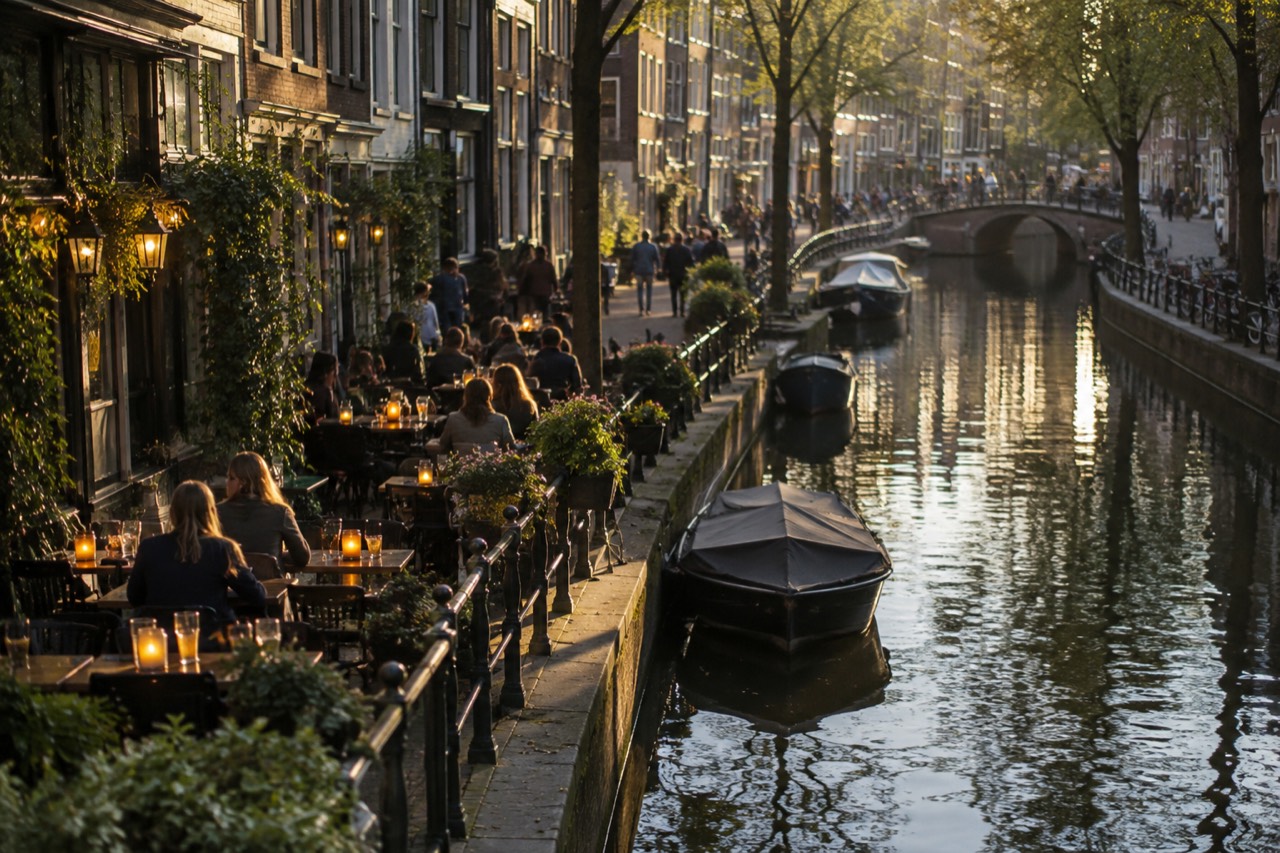
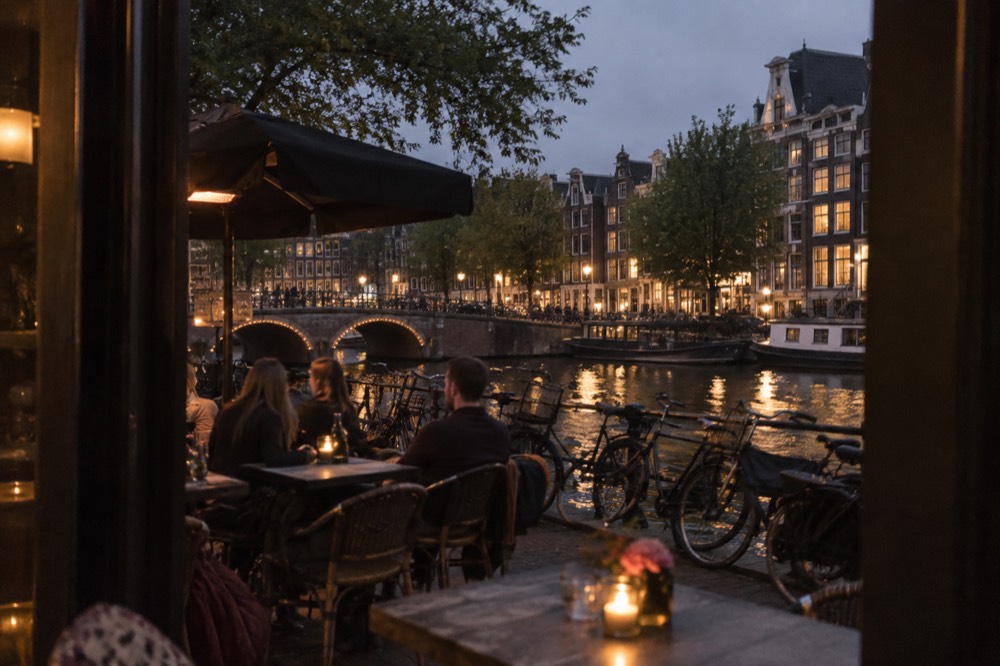
Amsterdam is not a city where celebrities hide. With 23.7 million tourist overnight stays recorded in 2025, the centre is permanently busy, yet the dining scene stays compact enough that a film actor at the next table is a realistic Tuesday night in the Jordaan. The city's food culture runs on brown cafes, market stalls and a small number of genuinely famous institutions, and that scale is exactly why well-known visitors end up in the same rooms as everyone else.
This page works through the question the way a local would answer it: which neighbourhoods, which kinds of venues, and which bookable food experiences put you on the same ground. Where a figure matters, it comes from the city's own records or a live listing, and where something is reputation rather than record, it says so plainly.
One thing worth understanding before the specifics: Amsterdam's hospitality sector is deliberately constrained. The city operates a hotel-building ban and restricts new tourist-facing businesses, which keeps the restaurant landscape unusually stable year to year. The dining rooms that carry weight today are largely the same ones that carried weight a decade ago, because the city does not allow the churn that other capitals see. For a visitor chasing the celebrity experience, that stability is good news. You do not need insider gossip about this month's opening; you need the neighbourhoods and the institution types that have held their reputation for decades.
Where Do Celebs Eat In Amsterdam?
Celebrities in Amsterdam mostly eat in the Jordaan, De Pijp and the Nine Streets, favouring long-standing brown cafes, high-end canal-side restaurants and market food over flashy new openings. The city's compact centre means famous visitors and locals share the same small pool of tables, and the places with real cachet are usually the ones with decades of history rather than the loudest signage.
The pattern is consistent across the city's dining geography. The Jordaan, once a working-class quarter and now one of Amsterdam's most characterful neighbourhoods, holds a dense cluster of traditional brown cafes and small restaurants where the appeal is discretion and atmosphere. De Pijp, home of the Albert Cuyp Market, skews younger and more international, with a foodhall and a street market that reward walking. The Nine Streets, the boutique shopping lanes between the canals, mix smart canal-side dining with coffee spots that double as meeting points for the creative industries.
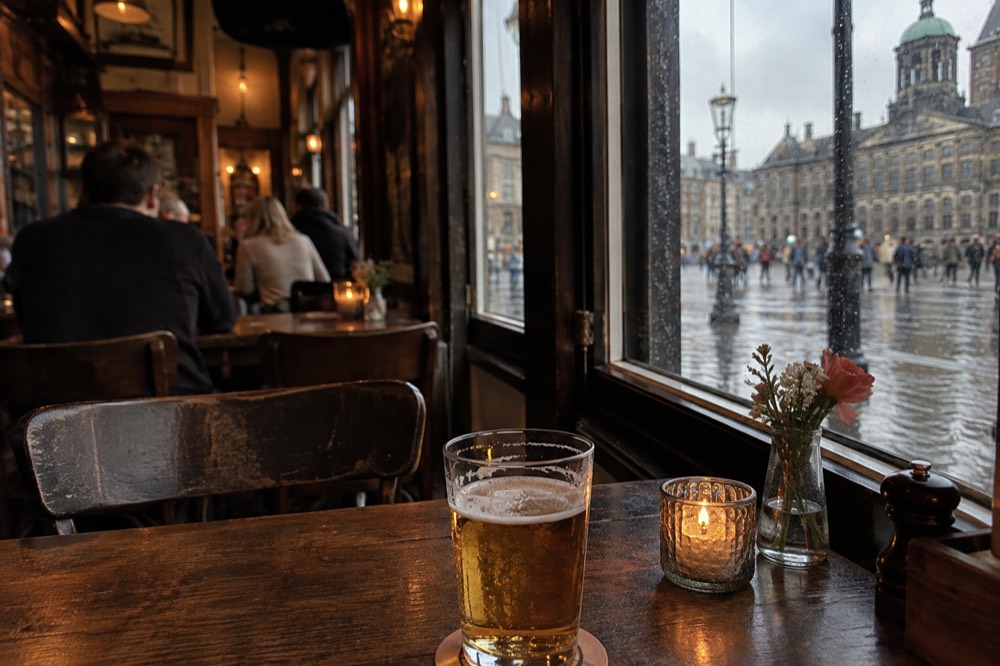
What unites the celebrity-frequented end of this scene is longevity. Amsterdam rewards restaurants that have been there forever, and the venues that carry real weight are typically the ones a guide would have recommended thirty years ago. New openings come and go quickly in a city that caps new hospitality, so the reliable famous-person venues are the institutions. A brown cafe with worn wooden benches and a barman who remembers your order is a harder thing to replace than a concept restaurant, and the city's planning rules protect that hierarchy almost by accident.
For a visitor who wants the same experience without guessing, a guided food walk is the efficient route. The food and culture walking tour covers ten tastings across the centre with a local guide, runs three and a half hours, and holds a 5.0 rating across 1,157 reviews on its live listing. It is the closest thing to being walked into the right rooms by someone who knows them, and the guide's own recommendations at the end of the walk are often worth the ticket price on their own.
Which Amsterdam Neighbourhoods Do Famous Faces Favour?
Three areas dominate: the Jordaan for brown cafes and quiet dinners, De Pijp for market food and a livelier scene, and the canal belt between them for smart, discreet canal-side restaurants. Each has a distinct character, and knowing which suits your evening matters more than chasing any single venue name.
The Jordaan is the classic answer. Its narrow streets and small venues make it the neighbourhood where a low-key dinner is easiest, and its brown cafes, the traditional Dutch bars with aged wood and dim light, are the setting locals actually choose. The quarter was built for workers in the seventeenth century and its buildings were never meant for grand dining, which is precisely why the rooms stayed small, personal and quiet. A dinner here feels private even when the restaurant is full, because the tables are few and the street outside is a lane rather than a boulevard.
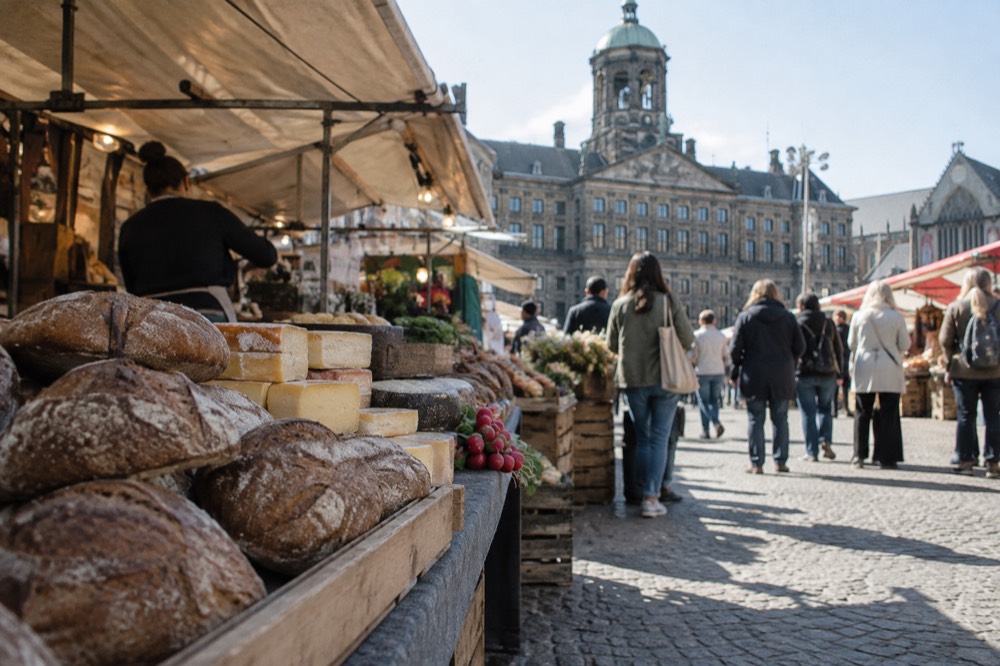
De Pijp is the counterweight: louder, younger, and anchored by the Albert Cuyp Market, the largest street market in the Netherlands by reputation, where the food is fast, cheap and genuinely local. The neighbourhood's dining runs from Surinamese roti to Middle Eastern bakeries to classic Dutch snack bars, and the evening scene spills onto terraces along the main lanes. The canal belt in between, particularly the Nine Streets, is where the smarter dining rooms sit, often in converted canal houses with a handful of tables and no street presence at all. You can walk past a well-known canal-side restaurant three times without noticing its door, and that invisibility is part of the appeal for anyone who does not want to be photographed at dinner.
The honest framing is this: nobody publishes a verified list of celebrity restaurant bookings, and any page claiming to is guessing. What is verifiable is which neighbourhoods the city's dining reputation is built on, and those are the ones above. Our Jordaan guide and De Pijp guide walk both areas street by street if you want to plan the walk yourself, including the specific markets, cafes and squares that make each quarter distinct.
| Neighbourhood | Character | Best For |
|---|---|---|
| Jordaan | Narrow streets, brown cafes, small dining rooms | Quiet dinners, traditional Dutch bars |
| De Pijp | Young, international, market-led | Street food, casual lunches, lively evenings |
| Nine Streets | Boutique lanes on the canal belt | Smart canal-side restaurants, coffee stops |
| Centrum | Dense, tourist-heavy, oldest buildings | Classic institutions near Dam Square |
| Oost and the Plantage | Leafier, residential, fewer crowds | Long relaxed dinners away from the centre |
What Food Experiences Are Worth Booking Ahead?
Two stand out: a guided tasting walk through the centre, and the Heineken Experience in the original brewery building. The tasting walk covers ten Dutch foods with a local guide; the Heineken Experience pairs beer history with tastings in a 19th-century brewery. Both are among the highest-rated food and drink listings on the site's roster.
The Heineken Experience is the one food-adjacent booking that consistently draws every kind of visitor, famous or otherwise. It occupies the original brewery, and the listing runs about an hour and a half, from $23, with a 4.6 rating across 39,581 reviews. The optional rooftop add-on gives you a view over the centre with a beer in hand, which is a rare combination in a city with few tall buildings. The building itself is the draw as much as the beer: the brewery opened in the nineteenth century, and the exhibits walk you through how a local brewer became a global name from this single address.
The food and culture walking tour is the deeper culinary booking. Ten tastings, three and a half hours, a local guide, and a perfect 5.0 rating across 1,157 reviews, from $92. It is the pricier option but the one that actually teaches you the food landscape, which matters if you plan to spend your evenings choosing restaurants on your own afterwards. A tasting walk also recalibrates your palate for the rest of the trip: after a guide has explained what good herring should taste like, or how a stroopwafel is made fresh versus sitting in a packet, the market stalls and cafe counters you pass for the rest of the week become legible rather than decorative.
A practical note on timing: Amsterdam's museums and major attractions use timed entry, and the dining peak runs later than many visitors expect. Kitchens in the smarter rooms fill from seven in the evening onward, while the brown cafes serve continuously and do not mind a late single diner at the bar. Book the food experiences for afternoon slots and keep evenings free for the neighbourhoods above.
| Experience | Duration | From | Rating |
|---|---|---|---|
| Food and culture walking tour | 3 hours 30 minutes | $92 | 5.0 across 1,157 reviews |
| Heineken Experience | 1 hour 30 minutes | $23 | 4.6 across 39,581 reviews |
Can You Eat Like a Celebrity on a Normal Budget?
Yes, easily, because the food Amsterdam is actually famous for is cheap. Herring from a market stall, stroopwafel from a bakery, cheese from a shop counter and fries with sauce are the city's signature foods, and none of them carries a celebrity price tag. The expensive version of Amsterdam dining is the exception, not the rule.
The city's own cost structure helps. The tourist tax on hotel stays is 12.5 percent of the overnight price, which pushes visitors toward shorter stays and smarter spending, and the food culture has always compensated by being genuinely affordable at street level. A lunch built from Albert Cuyp Market stalls costs a fraction of a canal-side dinner, and the dutch foods guide covers the essentials: herring, stroopwafel, bitterballen and the rest, with notes on where each one is done best.
The budget version of the celebrity itinerary is therefore simple: eat the street food at lunch, put the savings into one good dinner in the Jordaan or the Nine Streets, and walk everywhere. The GVB day pass at €10.00 covers trams, buses, metro and ferries for 24 hours, and the centre is compact enough that most food districts are within a half-hour walk of each other anyway. A single GVB ticket bought on the spot costs €3.40 for one hour, so the day pass pays for itself after roughly three rides, and the ferries across the IJ to Amsterdam Noord are part of the same network.
There is also a cultural point that saves money. In the Netherlands, service is included in the menu price and tipping is a rounding-up gesture rather than an obligation, so the number you read on the menu is close to the number you pay. Visitors who budget on American tipping habits routinely overestimate their Amsterdam food spend by a fifth. Eat the herring, order the bitterballen with your beer, and reserve the splurge for one canal-side room with white tablecloths.
Where Did Anthony Bourdain Eat In Amsterdam?
Anthony Bourdain filmed in Amsterdam and the question of where he ate has become its own search topic, but the honest answer is that his Amsterdam itinerary lives in a handful of well-known spots rather than one shrine restaurant. We cover the full Bourdain question, venues and all, on its own dedicated page.
Bourdain's relationship with Amsterdam is the clearest example of how celebrity dining actually works here: he gravitated to the same brown cafes, market stalls and unassuming rooms that locals defend, not to a celebrity restaurant scene, because Amsterdam does not really have one. That is the useful takeaway for a visitor. The famous faces are not being served a secret menu; they are eating the city's ordinary food in the rooms that do it best, and those rooms are open to anyone who books or walks in.
We answer the Bourdain question in full, with the specific venues, on where Anthony Bourdain ate in Amsterdam. If your trip is partly built around following his route, start there and then use the neighbourhood sections above to fill the gaps. The two pieces are designed to work together: his route gives you the named stops, and the neighbourhood logic tells you what to do when you are standing between them and hungry.
Do Celebrities Stay and Dine in the Same Areas?
Mostly yes: the canal belt and the Jordaan concentrate both the high-end hotels and the discreet dining rooms, so a famous visitor can walk between the two without crossing the busiest tourist lanes. The practical consequence is that staying in the canal belt puts you within a few minutes' walk of the same tables.
The city's hotel stock is capped by policy, with a hotel-building ban in force and roughly 544 hotels across the city, so the high-end supply concentrates in a small area. That concentration is why the celebrity dining question and the celebrity hotel question share an answer. Our page on where celebrities stay in Amsterdam covers the accommodation side, and the short version is the canal belt: the same streets that hold the smartest dining rooms hold the smartest beds.
For the full picture of the city beyond dinner, Things to Do in Amsterdam carries the complete guide library, from the major museums to the neighbourhood walks. The Van Gogh Museum, which charges €25 for adults with free entry under 18 per its own ticket page, is the classic pairing with a Jordaan dinner, and its entry ticket on our roster runs from $31 with a 4.7 rating across 57,096 reviews. Timed entry is mandatory, so book the slot before you book the table. The Rijksmuseum makes an equally good pairing and is included free with the I amsterdam City Card, though the Van Gogh Museum is not, which is worth knowing before you buy a pass.
If you are building the whole evening, the trio of bookings below covers the pattern: a food experience, a museum slot and the brewery visit, all bookable with free cancellation on their live listings. Check availability on each listing before you lock the dinner reservation, because the timed entries sell out first and the restaurants will usually hold a table for you at short notice.
Common Questions About Celebrity Dining in Amsterdam
Where Do Celebs Eat In Amsterdam?
Mostly in the Jordaan, De Pijp and the Nine Streets: brown cafes, long-standing restaurants and market stalls rather than a dedicated celebrity scene. Amsterdam's compact centre and capped hospitality sector mean famous visitors share the same small pool of venues as locals, and the places with real cachet tend to be the decades-old institutions.
Is there a celebrity restaurant scene in Amsterdam?
Not in the way Paris or London has one. Amsterdam's dining reputation rests on brown cafes, markets and a small number of discreet canal-side dining rooms, and the city's policy of capping new hospitality keeps the landscape stable. Famous visitors eat in the same rooms as everyone else.
Which neighbourhood should I pick for a special dinner?
The Jordaan for quiet, traditional rooms and brown cafes; the Nine Streets for smart canal-side dining; De Pijp if you want a livelier, younger scene anchored by the Albert Cuyp Market. All three are within walking or a short tram ride of the centre.
Can I eat like a celebrity on a budget?
Yes. The foods Amsterdam is actually famous for, herring, stroopwafel, cheese and fries, are street-priced. Save at lunch, spend on one good dinner, and use the €10.00 GVB 24-hour pass to move between markets and neighbourhoods.
Are the food tours worth booking?
The ten-tasting food and culture walking tour holds a 5.0 rating across 1,157 reviews, from $92, and is the most efficient way to learn the food landscape with a local guide. The Heineken Experience, from $23 with a 4.6 rating across 39,581 reviews, is the best-known beer-adjacent booking in the city.