Where Does Rick Steves Recommend Staying In Amsterdam?
Rick Steves points travellers at Amsterdam's historic centre. Here is what his approach means in practice, which neighbourhoods fit it, and how to book around it.
Where Does Rick Steves Recommend Staying In Amsterdam?
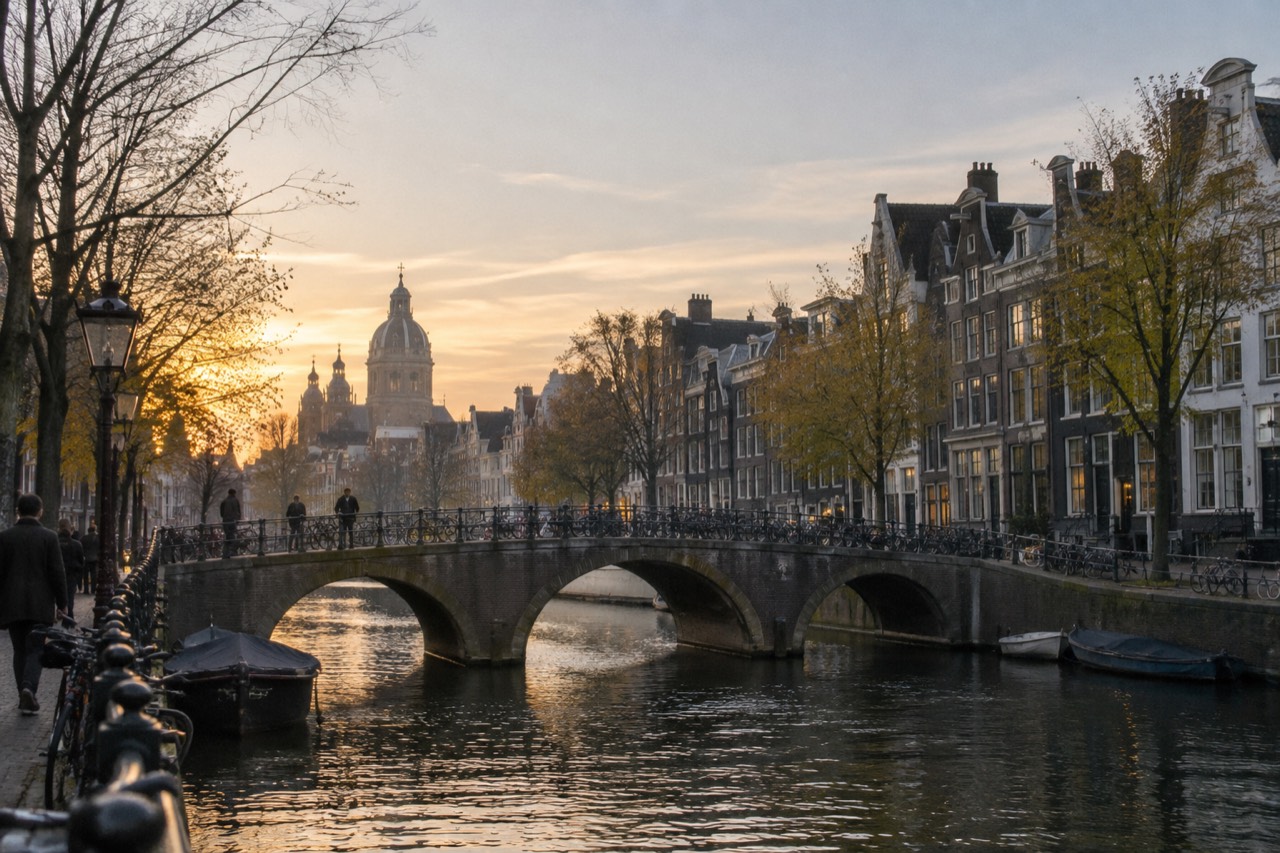
Rick Steves recommends staying in Amsterdam's historic centre, the compact stretch between Central Station and Dam Square, so that everything worth seeing sits within a short walk of your bed. His reasoning is consistent across his guidebooks and shows: sleep small and central, skip the car, and spend your money on experiences rather than a long commute. That philosophy shapes every hotel pick he publishes.
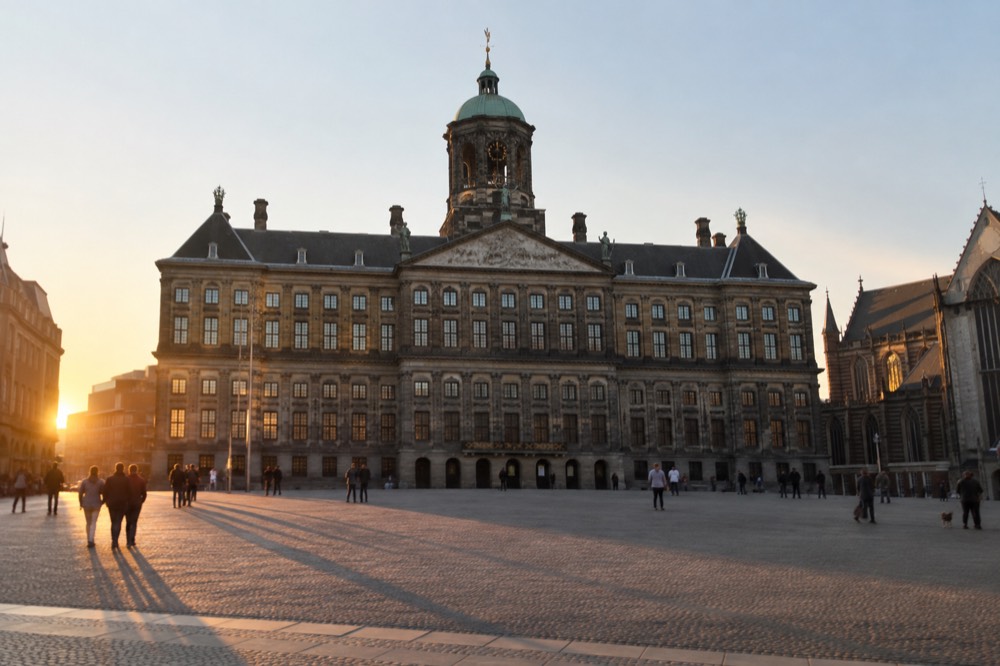
The core of the advice is simple and it has not changed much over the years. Amsterdam's centre is small enough that a traveller based near Dam Square can reach the Royal Palace, the canal belt, the Begijnhof and the Red Light District on foot in under twenty minutes in any direction. Steves argues that a location like this saves you the daily friction of trams, ticket machines and rush-hour crowds, and that friction is the thing that quietly ruins city breaks for first-time visitors. He makes the same case for other European cities, but it lands harder in Amsterdam than almost anywhere, because the centre here is genuinely tiny by big-city standards.
His broader travel philosophy matters here, because it explains the recommendation rather than just stating it. Steves is famous for the "back door" idea: travel as a temporary local rather than a tourist on rails. In Amsterdam that means a small, family-run hotel over a tower block, a brown café for breakfast over a hotel buffet, and evenings spent wandering the Jordaan rather than queuing for another attraction. The place you sleep is the anchor for all of that. If your bed is in the middle of the neighbourhoods you want to wander, the wandering happens; if it is a bus ride away, the wandering quietly disappears from the itinerary.
The practical catch, and it is a big one in 2026, is that everyone else has read the same advice. Amsterdam recorded 23.7 million tourist overnight stays in 2025 according to the city's own research bureau, and the centre absorbs a large share of them. Central hotels are expensive, small and booked out early. Steves' approach still works, but it now demands more planning than it did when the guidebooks first made the case. The traveller who shows up in June with nothing reserved will find the central zone either full or priced like a luxury.
If you want the experiences he pairs with a central stay, a museum slot and a canal cruise are the two bookings worth locking in early. These are the current standouts:
The Van Gogh Museum in particular needs advance planning regardless of where you sleep. The museum's own ticket page states that all visitors must pre-book a timed entry, and slots sell out. Our companion piece on planning Amsterdam museum tickets covers the queue-skipping options in detail.
Why the Old Centre and Not the Museum Quarter?
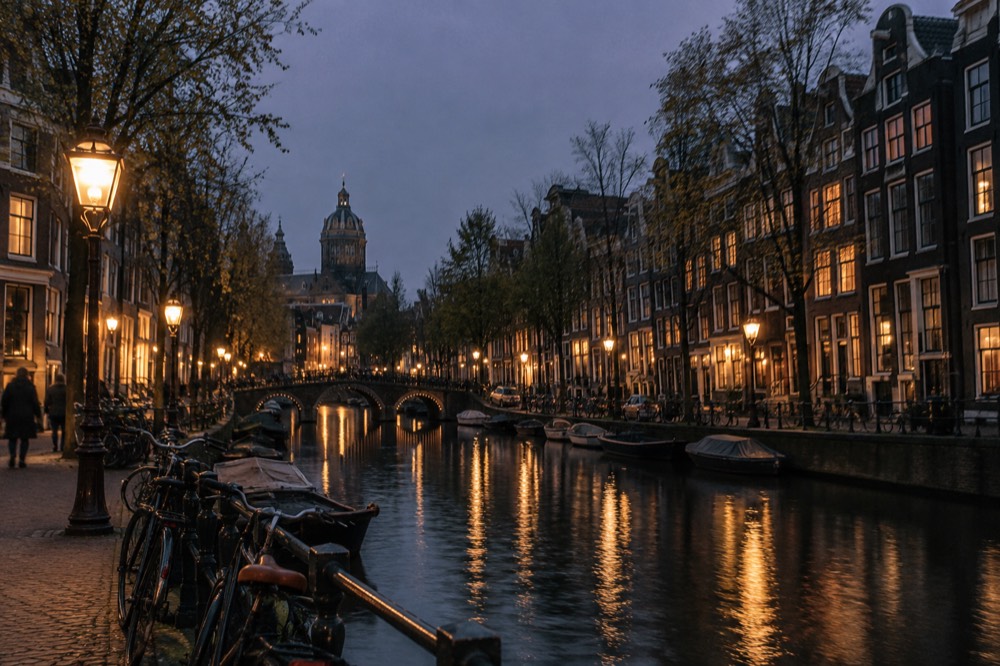
Steves prefers the old centre because it is walkable at night, when the museums have closed and the canal ring is at its best. The Museum Quarter is pleasant by day but quiet after 18:00, while the area around Dam Square, the Jordaan and the canal belt keeps restaurants, brown cafés and lit bridges within a ten-minute stroll. Sleep where the evening is, he argues, not where the daytime sights are.
The distinction sounds subtle until you experience it. Around Museumplein the streets empty out when the galleries shut. Around the Dam and the Nine Streets they fill up. A traveller who sleeps centrally can spend the afternoon in the Rijksmuseum, walk home in twenty minutes, rest, and then go back out for dinner without a tram ride in between. That second outing is the one most tourists skip, and Steves builds his whole case around it. Amsterdam at night, from the water or from a bridge, is a different city from Amsterdam at noon, and only a central bed puts you there without effort.
There is a cost trade-off, and honesty requires naming it. Central Amsterdam hotels are among the most expensive in Europe. The city levies a tourist tax of 12.5 percent of the overnight price, excluding VAT, on hotels and holiday rentals, as published on the gemeente Amsterdam tax page. Add small room sizes and steep Dutch staircases, and the premium is real. What you buy with it is time and walkability, and those are the two things a short trip cannot manufacture later.
For travellers who accept that trade-off, the decision is really about which slice of the centre to pick. Steves' own material treats the whole central zone as one neighbourhood, but in practice it splits into distinct pockets with different characters and price levels. Choosing between them is the actual decision you will make at the booking site.
| Central area | Character | Best for | Watch out for |
|---|---|---|---|
| Dam Square / Damrak | Maximum walkability, busy and touristy | First-timers who want zero commute | Noise, souvenir-shop strip |
| Jordaan | Quiet canals, brown cafés, small hotels | Couples, food-focused trips | Fewer big-hotel options |
| Nine Streets | Boutique shopping, canal views | Style-conscious travellers | Premium prices |
| Red Light District edges | Cheap beds, late noise | Short stays, night owls | Weekend crowds until late |
| Museum Quarter | Spacious, calm, near the big three | Museum-heavy itineraries | Quiet evenings, tram needed |
If the centre fits your trip, the question is which of its pockets suits you. Our Amsterdam neighbourhood guide works through every district in the city, and the Jordaan guide covers the one central area that best matches the small-hotel, local-café ideal Steves pushes.
How His Advice Maps Onto Real Amsterdam Prices
Steves tells readers to budget for the sleep and spend on the experience, and Amsterdam prices reward that ordering. A central hotel room costs a premium of often 30 to 50 percent over outer districts, while the city's best experiences, a canal cruise, a museum slot, a long walk, cost comparatively little. The maths favour a cheaper bed only if you value your evening hours at zero.
Transport is where the central-stay advice pays back fastest. A single GVB tram or bus ticket costs €3.40 for one hour, and a 24-hour day pass costs €10.00, per the official GVB price page. A traveller staying in the centre can skip the day pass entirely on most days; a traveller staying in the suburbs cannot. Over a four-night trip that difference is modest in euros, but the bigger saving is the half hour a day you do not spend riding trams with your luggage.
| GVB ticket | Price | Who needs it |
|---|---|---|
| Single, 1 hour | €3.40 | Occasional rides from a central base |
| 24-hour day pass | €10.00 | Outer-district stays, spread-out plans |
| 72-hour pass | €21.50 | Four-day trips staying outside the centre |
| Amsterdam Travel Ticket, 1 day | €20.00 | Includes the airport train |
The experience side of the ledger is cheap relative to the bed. A classic one-hour saloon-boat canal cruise runs from $19.56 on the live listing, rated 4.8 across 33,435 reviews, and the standard classic saloon boat cruise page compares it against the other operators. You can also Check availability directly if the evening slot matters to you, since departures fill on warm nights.
That rental cap is the fact most guides miss. The city cut the holiday-rental allowance to 15 nights per year in the central neighbourhoods, including the Jordaan, the canal belt and the area around Nieuwmarkt, effective 1 April 2026. Fewer legal rental nights means fewer central apartments on the market, which tightens hotel availability in exactly the zone Steves recommends. Book earlier than his guidebooks used to suggest, and treat any central apartment listing you do find with a sceptical eye, because a legal one now carries a registration number the owner must display.
What Kind of Hotel Does He Look For?
Steves favours small, family-run hotels with character over international chains, and in Amsterdam that means canal houses, steep stairs and breakfast downstairs rather than a lobby and a lift. He also advises booking direct where possible and treating a one-star central bed as a base camp, not a destination. The hotel is where you sleep, the city is where you stay.
This is where his advice diverges most sharply from the default American booking habit. The instinct is to filter for four stars and a familiar brand. In central Amsterdam that instinct buys you a modern box on the ring road, because the chains largely are on the ring road. The historic centre is stocked with independent hotels in converted canal houses, and the ones Steves highlights in his guides share a profile: family ownership, a breakfast room, thin walls, and a location you could not engineer from scratch.
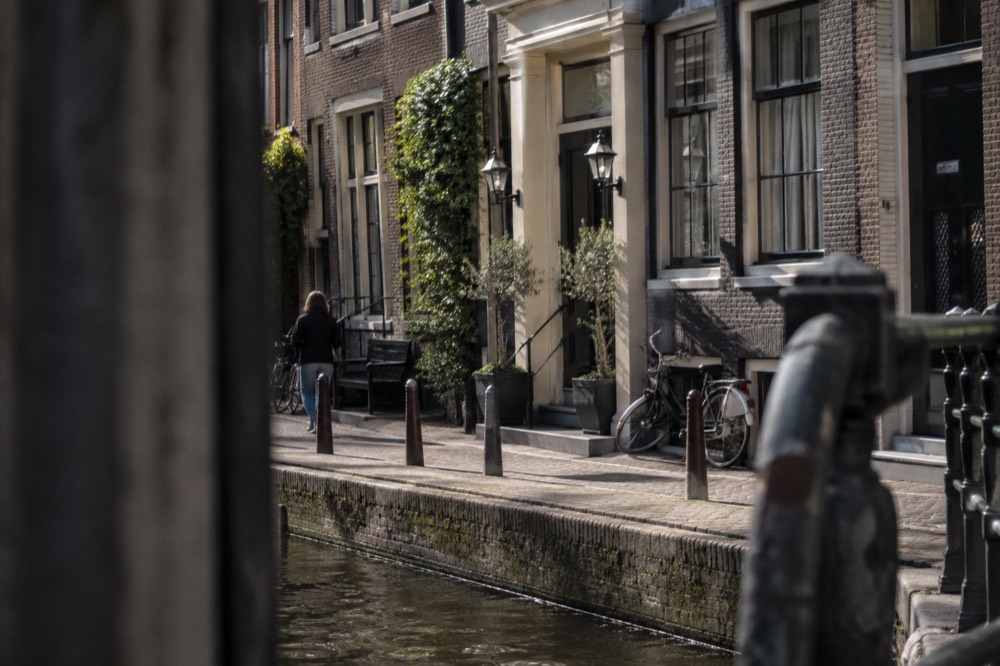
Two practical warnings belong next to that profile. First, Dutch staircases in canal houses are famously steep and narrow; pack light or expect to carry your bag sideways. Second, the cheapest central rooms are small by any standard, sometimes barely wider than the bed. Neither is a defect in Steves' framing. Both are the price of the address, and the address is the product.
For travellers who want the central location without the canal-house stairs, the modern hotels around Central Station's eastern side and the Oosterdok area are the compromise worth knowing about. They sit at the edge of the walkable zone, often at lower rates, and the walk to Dam Square runs about fifteen minutes. That is a Steves-compatible trade: still walkable, still central, less charm, more lift.
One booking his philosophy pairs naturally with a central stay is the Heineken Experience, the brewery attraction in the centre that doubles as an evening plan. The current listing is rated 4.6 across 39,581 reviews and starts from $23, and a timed slot there anchors an afternoon the way a museum slot anchors a morning.
Does His Advice Still Hold in a City This Busy?
Mostly yes, with two amendments. The centre is still the most walkable base in the Netherlands and the evening-life argument is stronger than ever, but the crowds his own guidebooks helped create now mean you must book the bed, the museum and the cruise weeks ahead rather than days. The recommendation survives; the lead time has tripled.
The Van Gogh Museum is the clearest example of the new lead times. The museum states that every visitor needs a pre-booked timed ticket, and the popular slots go first. The entry ticket on the live listing starts from $31 and carries a 4.7 rating across 57,096 reviews, which tells you the demand level you are competing with.
The Anne Frank House is the extreme case, and it deserves a plain statement because resellers muddy it. Tickets are sold only through the museum's own website for a specific date and time slot, with no door sales and no legitimate reseller, as the official ticket page makes clear. An adult ticket costs €16.50 including the booking fee. Nothing on this site or any other can shortcut that queue; plan around the release schedule instead.
The second amendment concerns expectations of the centre itself. The old heart of the city is a living neighbourhood with a tourism load the city is actively trying to manage, from the holiday-rental night caps to the rules governing tours in De Wallen. Steves' advice to walk everywhere and spend evenings locally happens to be exactly what the city wants visitors to do, so the philosophy and the policy point the same way. A traveller who follows it will feel less of the crowding, not more, because the crowds cluster around a handful of sights at peak hours, and the side streets stay remarkably ordinary.
For the full picture on timing, our best time to visit Amsterdam guide breaks the year down, and the site's homepage, Things to Do in Amsterdam, rounds up the experiences worth booking before you leave home.
Where Should You Stay If the Centre Is Too Pricey?
If central rates break the budget, the Steves-compatible fallback is a hotel one tram or metro stop out, in the Plantage district, Oud-West or Amsterdam Noord, keeping the walkable-evening principle at half the room rate. What he tells you to avoid is sleeping far out and commuting in, because that trades the best hours of the day for a saving you will spend on transport and tiredness.
Each of the three fallbacks keeps a piece of the original logic. The Plantage, east of the centre, is quiet, green and fifteen minutes' walk from the edge of the old town, with the zoo and the Jewish Cultural Quarter on the doorstep. Oud-West sits behind the canal belt with the Vondelpark and the Foodhallen within reach, and the trams along Kinkerstraat run straight to the Dam. Amsterdam Noord, across the IJ behind Central Station, is the contrarian pick: the free GVB ferry crossing takes minutes, the hotel stock is newer and cheaper, and the NDSM wharf gives the evenings a scene of their own.
The commuter trap Steves warns about is real and easy to fall into. A hotel near the ring motorway or out by the RAI can look like a bargain and cost you an hour a day, plus day passes at €10.00 each for every traveller in the party. The rule of thumb worth keeping: never book a bed you cannot walk home from after dinner, or at worst one tram ride. That single constraint does more for an Amsterdam trip than any star rating.
So the answer to the question is stable across editions and years: sleep small, sleep central, walk everywhere, and spend the difference on the things Amsterdam actually charges for, which are museums, boats and beer. Check his current guidebook for the specific hotel names he lists this season, since those rotate, but the geography of the advice has not moved.
Common Questions About Rick Steves and Amsterdam
Where Does Rick Steves Recommend Staying In Amsterdam?
In Amsterdam's historic centre, the walkable zone between Central Station and Dam Square, in a small family-run hotel rather than a chain, so the canal belt, the Jordaan and the main sights are all within a short walk of your bed.
Does Rick Steves recommend the Jordaan?
Yes, the Jordaan fits his profile exactly: quiet canal-side streets, small independent hotels and brown cafés, all inside the walkable centre. It is the neighbourhood that most closely matches his "temporary local" philosophy.
Is it better to stay near Museumplein instead?
Only if your trip is museum-heavy and your evenings are early. The Museum Quarter is calm and spacious but quiets down after the galleries close, while the centre keeps restaurants and cafés within walking distance all evening.
How far ahead should I book a central Amsterdam hotel?
Earlier than older guidebooks suggest. Central availability is tight, holiday rentals in the central neighbourhoods are capped at 15 nights a year since April 2026, and the city logged 23.7 million overnight stays in 2025. Book weeks ahead, and months ahead for spring.
What does a central stay cost compared to outside the centre?
Central rooms typically run a premium over outer districts, plus the city's 12.5 percent tourist tax on the overnight price. The offset is that you can often skip transport passes entirely, since a 24-hour GVB pass costs €10.00 per person per day.
Do I need to book museums before I book the hotel?
For the Van Gogh Museum and the Anne Frank House, effectively yes. Both require pre-booked timed entry, Anne Frank House tickets are sold only on the museum's own site, and popular slots disappear weeks ahead, sometimes before hotel rates move.