Amsterdam Noord and NDSM Wharf: A Guide to the City's North Bank
Amsterdam Noord is the half of the city most visitors never see, and it is the half with the most room to breathe. One short ferry ride from Centraal Station puts you among shipyard ruins, street art warehouses, a viewing deck above the IJ and a food scene that has outgrown its reputation as a secret.
Short answer
Amsterdam Noord is the district directly north of the city centre, across the River IJ, reached in minutes by ferry from behind Centraal Station. NDSM Wharf, its former shipyard core, holds the STRAAT street art museum, festivals, waterfront bars and the A'DAM Lookout tower nearby, with entry from $24.00 and official online tickets at €16.50.
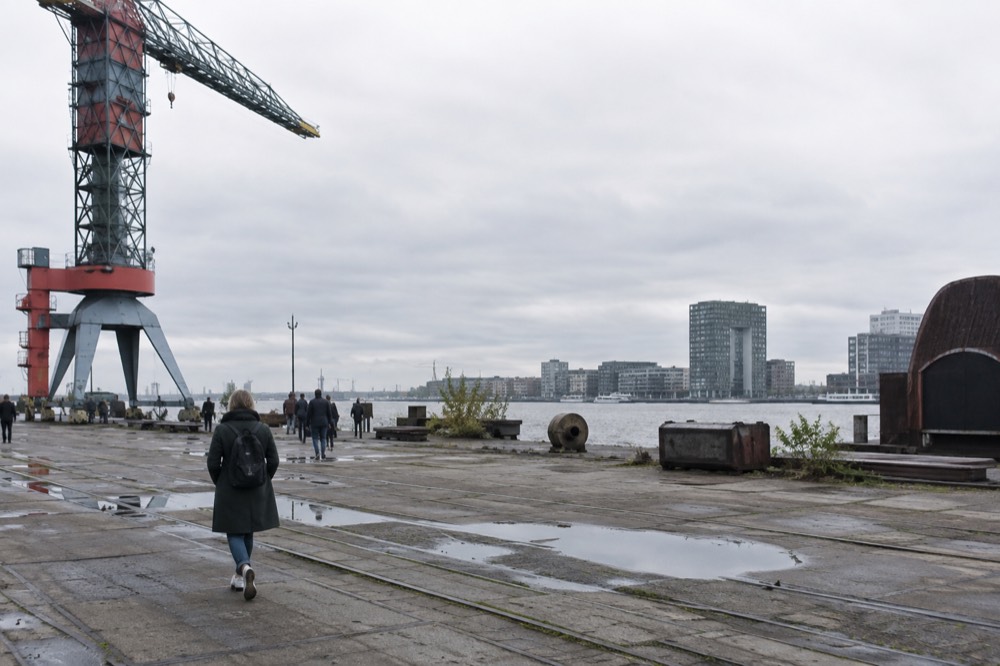
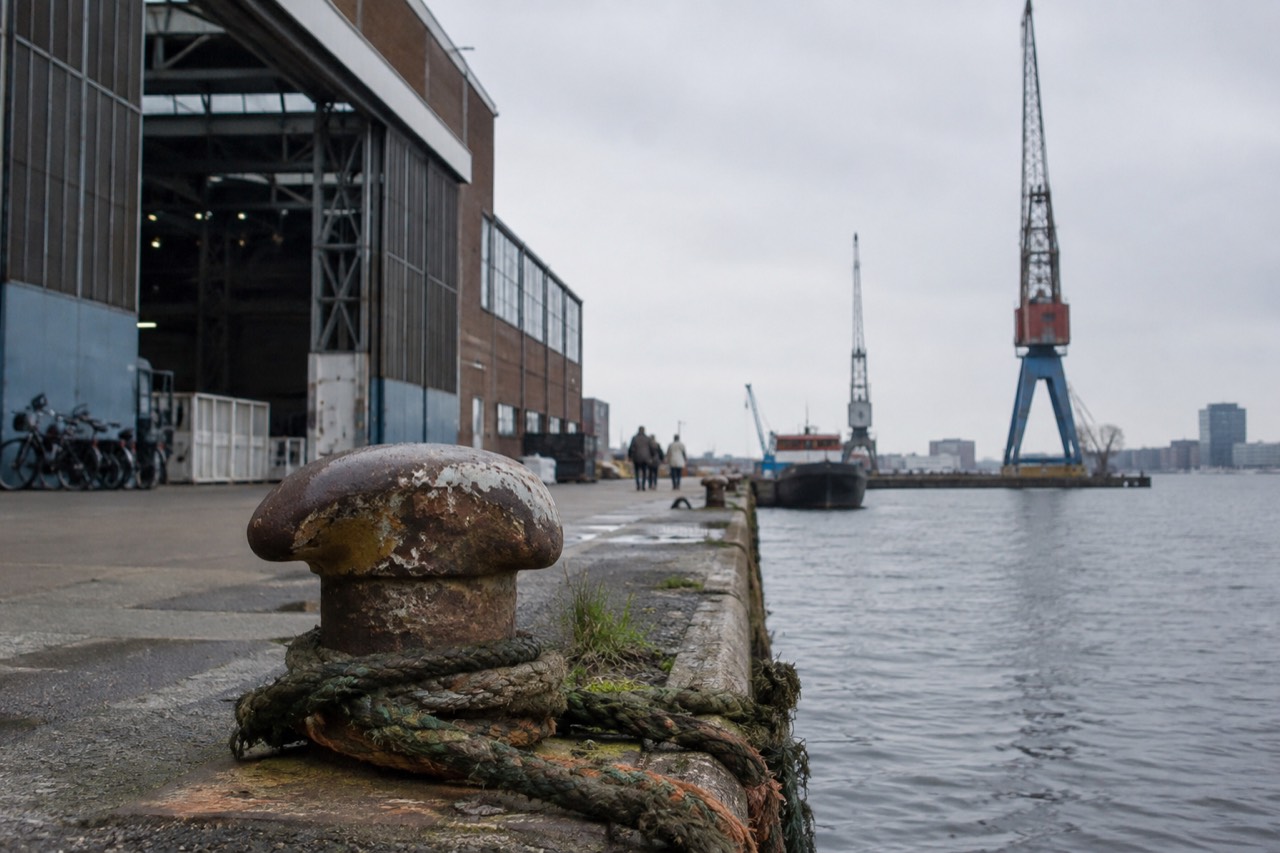
Amsterdam Noord is the only part of the city where the skyline runs backwards: cranes, silos and a shipyard skeleton instead of gabled brick. For most of the twentieth century this bank of the River IJ was industrial, closed off, home to the Nederlandsche Dok en Scheepsbouw Maatschappij, the shipyard that gave NDSM Wharf its name. When the yard wound down, the shell of it stayed, and artists, festival organisers and small businesses moved into the space the cranes left behind. The result today is the loosest, roomiest district a visitor can reach from Dam Square in under half an hour, and the one that locals argue about most fiercely, because everyone knows the secret is out.
This guide covers the practical side: how to cross the water, what NDSM Wharf actually contains, what the A'DAM Lookout ticket buys you, where to eat, and how to bolt Noord onto a trip otherwise spent in the canal ring. The desk has read the official ticket pages and the live listings, and every figure below comes from those sources.
What Is Amsterdam Noord and Why Has It Changed So Much?
Amsterdam Noord is the borough lying directly north of the River IJ, physically separated from the historic centre by the water, and it was the city's industrial workhorse for over a century. NDSM Wharf was its shipyard. The yard's closure emptied vast halls and quaysides, and since the 2000s those spaces have been refilled with art, festivals and small-scale creative businesses, turning the district into Amsterdam's largest laboratory for adaptive reuse.
The geography matters more than most guides admit. The centre of Amsterdam, the canal ring, the museums, the red-light district, all of it sits on the south bank of the IJ. Noord is a different landmass, historically a string of villages and industrial plots that the city absorbed rather than planned. That is why the streets feel different: wider, lower, less pressed together, with water on the edges instead of through the middle. The canal ring's UNESCO-listed grachtengordel has no equivalent here, and that is the point.
The transformation followed a pattern seen in other port cities, but Amsterdam's version has a peculiarly Dutch regulatory flavour. The municipality held the land, artists occupied the sheds, and a permanent negotiation produced something between a festival ground and a neighbourhood. The NDSM site still hosts large events, and between events it functions as a place to wander: spray-canned walls, houseboats moored along the quay, and a ferry dock that delivers a steady flow of day visitors.
What the district has gained recently is polish at the edges. The A'DAM tower, the Eye Filmmuseum's gleaming slab, and hotel and restaurant development along the IJ waterfront have given Noord a formal front door. The rough middle remains, which is exactly the combination that makes a visit worthwhile: you get the curated attractions and the uncurated backdrop in the same afternoon.
How Do You Get From Central Amsterdam to Noord?
The standard route is the pedestrian and cyclist ferry from directly behind Centraal Station, which runs frequently through the day and night and deposits you at the north bank in a few minutes, with a second ferry line serving NDSM Wharf itself. No bridge crosses the IJ at the centre, so the ferry is not a scenic alternative, it is the only way a walker or cyclist makes the crossing without a long detour.
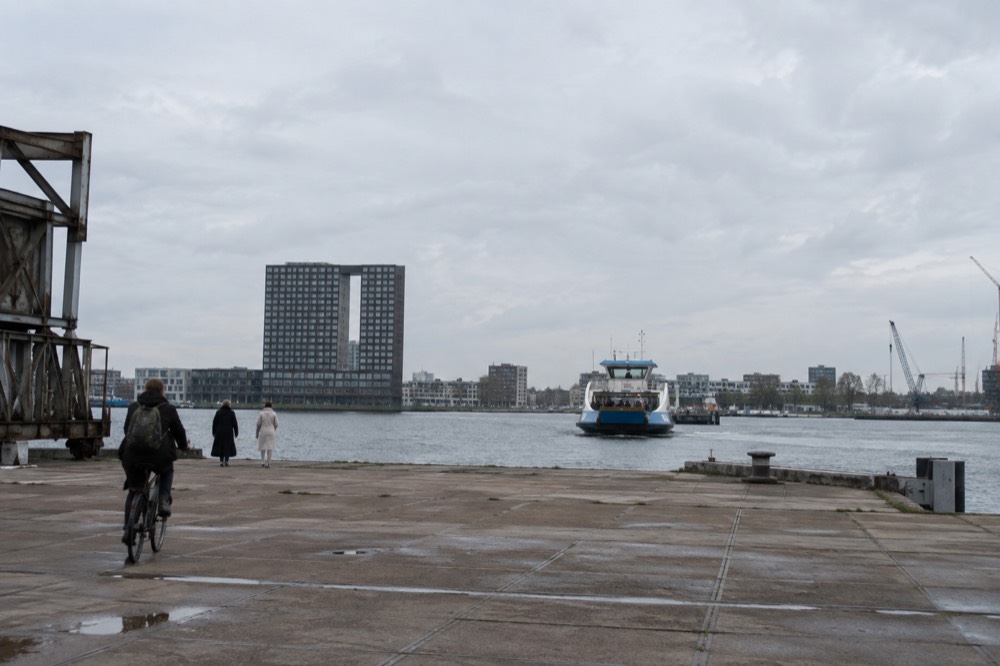
Centraal Station acts as the dam in the middle of the river, and its northern flank is a small ferry port. The buiksloterweg ferry is the workhorse: it serves the foot of the A'DAM tower side, where the Eye Filmmuseum sits, and it runs around the clock. The NDSM ferry runs a longer arc east across the water to the wharf itself. Cyclists and pedestrians share the decks, cars do not ride these routes, and the crossings are short enough that the ferry functions as a floating bridge.
Two practical notes the desk would underline. First, check the current GVB fare structure before assuming anything about tickets; the operator's own price page at gvb.nl/en/prices is the source for what a transit product costs, and the fare table changes often enough that secondhand figures go stale. Second, the ferry docks are also where the north bank's character announces itself: you step off into a landscape of steel and water, not cobblestones, so wear shoes that forgive gravel and uneven quays.
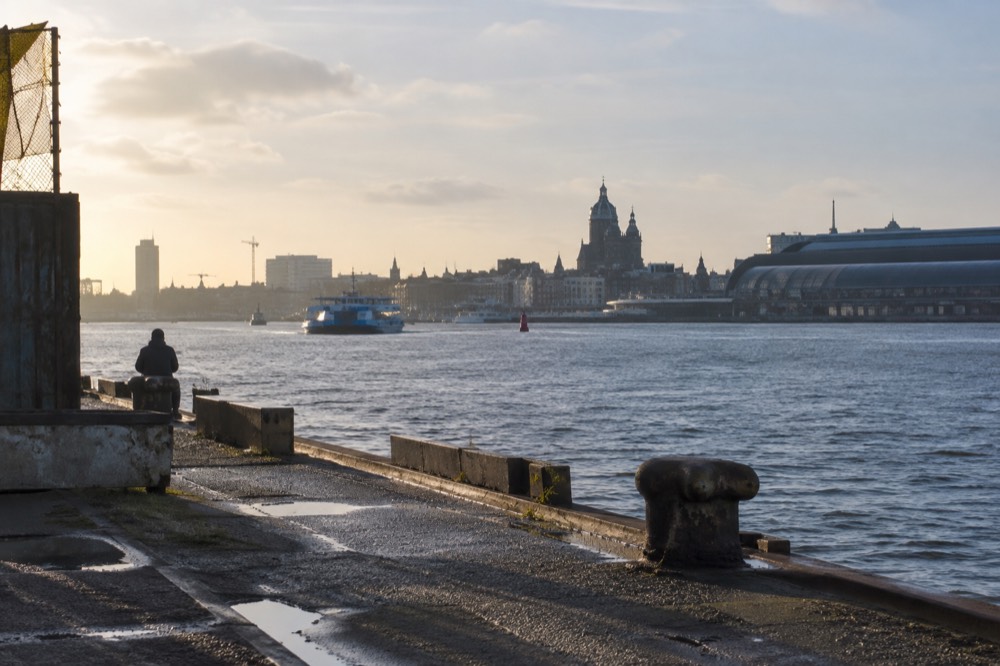
If your time in the city is short, the ferry crossing itself is worth the trip. The view back toward the centre, station roofline and canal-house spires stacked along the IJ, is one of the best free panoramas in Amsterdam, and you get it twice, once each way.
What Should You Do at NDSM Wharf?
NDSM Wharf's anchor attraction is STRAAT, the street art museum set in a converted shipyard laundry, where an entry ticket starts at $24.00 and covers more than 180 works by over 170 artists. Around it sit festival grounds, waterside bars, houseboats, a crane you can climb on guided visits, and the raw industrial architecture that gives the wharf its atmosphere.
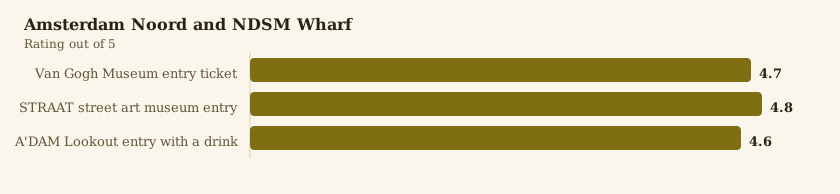
STRAAT is the reason to make the longer ferry crossing rather than stopping at the first dock. The museum is the self-declared largest street art museum in the world, housed in a former NDSM laundry depot, and its collection reads like a global survey of the form: large-scale canvases and installations built in situ by artists from dozens of countries. The STRAAT street art museum guide covers the collection in detail, but the short version is that it is a genuinely serious museum that happens to live in a shipyard, not a graffiti photo-op. A ticket through the live listing starts at $24.00, and the product carries a 4.8 rating across 2,441 reviews.
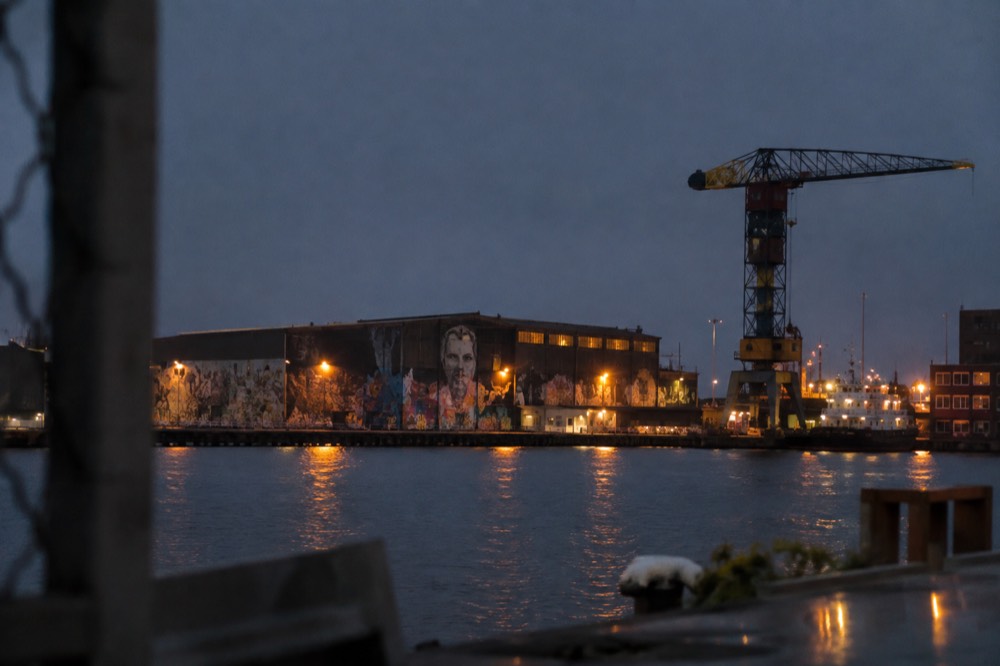
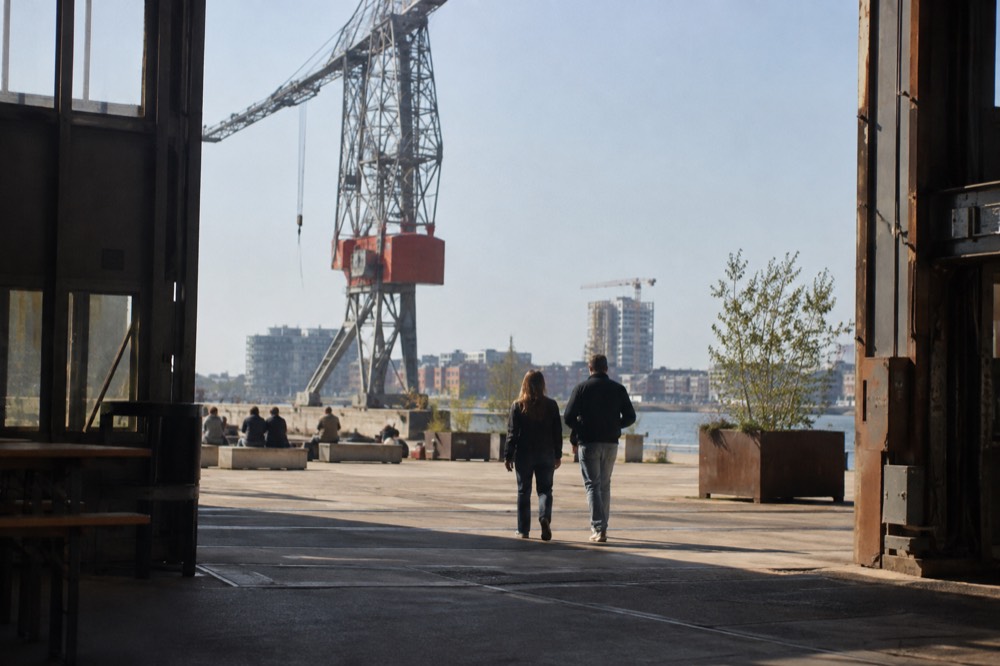
Beyond the museum, the wharf rewards aimless walking. The former crane, the slipways, the half-sunk pontoons and the murals that accumulate on every flat surface make the site itself the exhibit. Pllek, a beach-style cafe built from shipping containers, sits on the waterfront with sand underfoot and the IJ in front. Houseboats line the quay, some of them permanent homes, a few open to visitors, and the whole eastern edge of the site faces open water where the ferries turn.
The wharf also has a calendar. Festival grounds on the site host major music events across the year, and on those weekends the population of Noord multiplies. Check what is scheduled before you plan a quiet afternoon, because a festival day and an empty Tuesday are entirely different experiences of the same space.
If industrial-scale art leaves you hungry for the classical canon, it is worth knowing that the pairing works both directions. Noord's warehouses and the Museum District's golden-age galleries are forty minutes apart by transit, and visitors who book the Van Gogh Museum for the morning often spend the afternoon across the water. The museum's own ticket page confirms the terms: adults €25, under-18s free, timed entry mandatory for everyone.
What Can You See From the A'DAM Lookout?
The A'DAM Lookout is the observation deck crowning the tower on the Buiksloterweg side of the crossing, open daily from 10:00 to 22:00 with last admission at 21:00, and its panorama takes in the historic centre, the port and the polder landscape beyond. Official tickets cost €16.50 online against €18.50 at the counter, and the swing add-on is €7.50 online.
The tower stands directly opposite Centraal Station, so the deck looks straight down the axis of the city. To the south, the centre stacks up in layers: the station, the church spires, the canal ring fading into the distance. To the north, the view inverts into flat polder, the Dutch landscape that exists because it was drained, and the port infrastructure along the IJ. The A'DAM Lookout guide covers the full experience, including the rooftop swing that hangs riders over the edge.
The official ticket structure is unusually transparent, which the desk appreciates. The attraction's own booking page at adamlookout.com lists every price tier: the €2 online saving on admission, the swing at €8.50 counter and €7.50 online with its 1.20 m height minimum, family tickets at €62 for two adults and two children at the counter or €46 online, and combination tickets bundling a drink or a burger menu. A ticket through the live listing that includes one drink starts at $24.00 and carries a 4.6 rating across 5,109 reviews, so compare the two before booking, because the bundled-drink version is often the better arithmetic for visitors who would buy a coffee on the deck anyway.
| A'DAM Lookout Ticket | Official Counter Price | Official Online Price | Notes |
|---|---|---|---|
| Adult admission | €18.50 | €16.50 | Includes audio tour and digital souvenir |
| Over the Edge swing | €8.50 | €7.50 | Minimum rider height 1.20 m |
| VR ride add-on | €8.50 | €7.50 | Minimum height 1.20 m |
| Family, 2 adults + 2 children | €62.00 | €46.00 | Family tickets also sold for 1 adult + 2 children |
Two doors down from the tower, the Eye Filmmuseum adds a second architectural landmark to the same stretch of quay. Its overhanging form is worth seeing even from outside, and the Eye Filmmuseum guide explains what the collection inside offers visitors who have exhausted the painting museums.
One more option on this side of the water deserves a mention for families and bad-weather days. THIS IS HOLLAND, the flight-simulation attraction a short walk from the tower, runs a one-hour experience that flies visitors across the Dutch landscape on a suspended screen; the live listing starts at $26.00 with a 4.8 rating across 4,207 reviews.
Where Should You Eat and Drink in Amsterdam Noord?
Noord's food scene clusters in three zones: the NDSM waterfront, where container-built cafes like Pllek serve a beach setting without a beach; the Buiksloterweg strip near the tower; and a scatter of creative spots in the former industrial sheds inland. Expect informal, design-led spaces and prices broadly in line with the centre, with far more space per table than anything inside the canal ring.
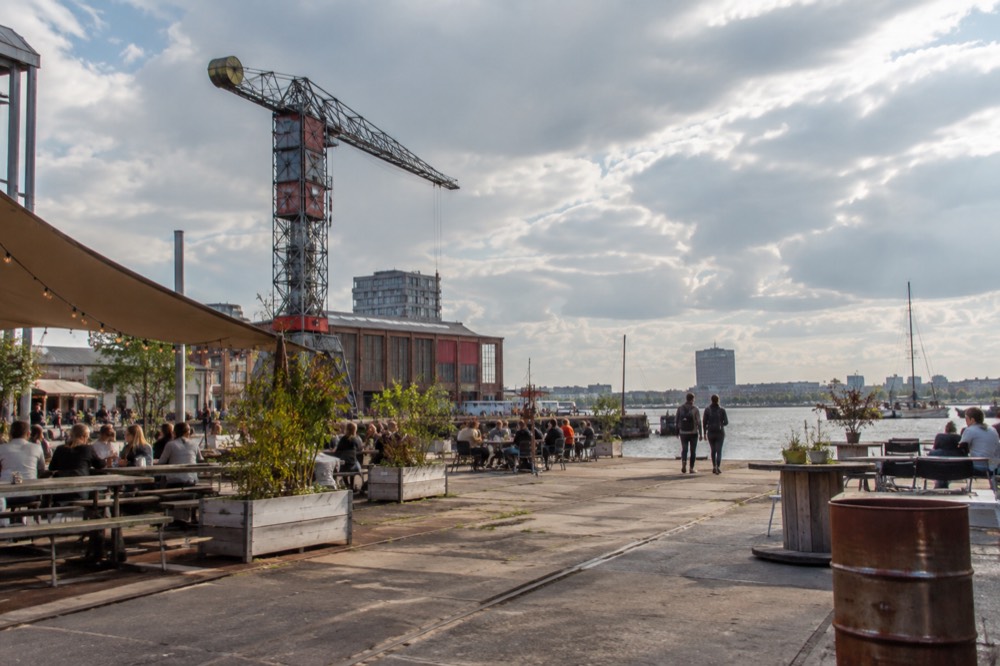
The character of the district's food offer comes from its buildings. A warehouse that once held ship parts makes a cavernous restaurant; a row of shipping containers makes a bar terrace; a quay makes a terrace view. Pllek is the best-known example at NDSM, organic-leaning food on an artificial beach facing the water. Around it, the wharf's event calendar drives a rotating cast of food trucks and pop-ups, so the offering on a festival Saturday is different from a weekday noon.
On the Buiksloterweg side, the base of the A'DAM tower holds a restaurant and a revolving observation floor, and the surrounding streets have accumulated cafes that serve the neighbourhood rather than the ferry crowd. The desk's honest advice: eat in Noord when you want space and a waterfront seat, eat in the centre when you want concentration and choice, and read our Amsterdam restaurants guide if the decision needs more than a rule of thumb.
For a drink with a view rather than a meal, the tower's rooftop bar and the quayside terraces both deliver. One caution carried over from the city's official visitor guidance: the municipal "How to Amsterdam" campaign at amsterdam.nl reminds visitors that street drinking is prohibited in the centre, and open containers are unwelcome on the ferries, so buy the drink where you will drink it.
| Zone | Setting | Best For | Reachable By |
|---|---|---|---|
| NDSM Wharf waterfront | Container cafes, artificial beach, quay terraces | Long lunches, sunset drinks, festival days | NDSM ferry from behind Centraal |
| Buiksloterweg quay | Tower restaurants, design cafes near the ferry dock | Quick meals between Lookout and STRAAT | Buiksloterweg ferry, runs day and night |
| Inland sheds and streets | Converted industrial spaces, studios, bakeries | Neighbourhood-feel brunches away from crowds | Bus or a longer walk from the docks |
Should You Pair Noord With Amsterdam's Classic Museums?
Yes, and the pairing works best as a split day: a timed-entry museum in the morning, the ferry north after lunch, and the Lookout deck or a wharf terrace at golden hour. The Van Gogh Museum ticket starts at $31.00 on the live listing with a 4.7 rating across 57,096 reviews, and the museum's own page sets adult entry at €25 with under-18s free.
The reason the pairing works is logistics. Museumplein and NDSM Wharf sit at opposite ends of the city, but the transit connections are direct enough that a morning-to-afternoon split costs little travel time. The museum half needs booking discipline: the Van Gogh Museum requires every visitor, cardholder or not, to hold a pre-booked timed slot, and slots for peak days sell out. The Noord half needs no booking at all beyond the Lookout ticket, which is why it absorbs the flexible afternoon so well.
The desk's suggested sequence for a first-timer: book the museum for 10:00, spend two hours with the collection, lunch near the canal ring, then tram back to Centraal and ferry north. By 15:00 you are on the wharf, STRAAT takes 60 to 90 minutes, and the deck of the Lookout is open until 22:00 with last admission at 21:00 if the day runs long. It is a full day, but nothing in it feels rushed.
For visitors whose museum appetite runs to several days, the museum tickets and queue-skipping guide sets out how timed entry works across the big institutions, and the I amsterdam City Card evaluation covers what the pass does and does not include. The short, verified version: the card covers the Rijksmuseum but not the Van Gogh Museum, and it never covers the Anne Frank House, which sells only through its own site on a fixed release schedule.
| Half-Day Pairing Option | Booked Product | From Price | Rating |
|---|---|---|---|
| Van Gogh Museum entry ticket | Timed museum admission | $31.00 | 4.7 across 57,096 reviews |
| STRAAT street art museum entry | Shipyard museum admission | $24.00 | 4.8 across 2,441 reviews |
| A'DAM Lookout entry with a drink | Observation deck admission | $24.00 | 4.6 across 5,109 reviews |
How Much Time Do You Need in Amsterdam Noord?
A focused half-day covers the core: ferry across, STRAAT, a wander on the wharf, and the A'DAM Lookout. A full day lets you add the Eye Filmmuseum, a long waterfront lunch and the inland streets. Anything less than three hours on the north bank tends to collapse into a ferry ride and a photo, which undersells the district, while two days is more than almost any visitor needs unless a festival is on.
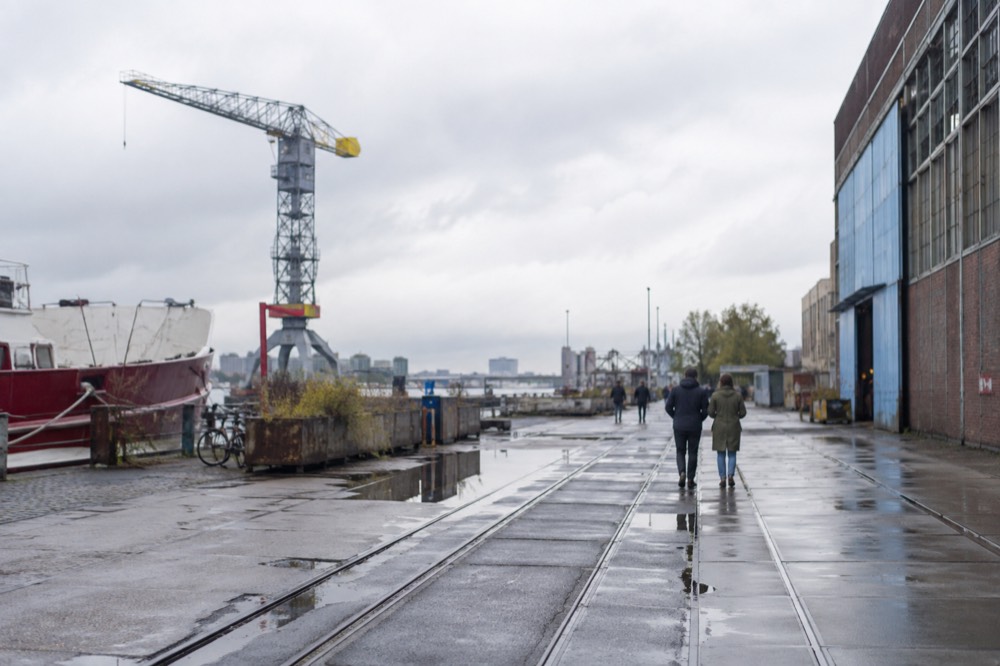
The honest minimum is the half-day. The crossing itself, the two ferry hops between the Buiksloterweg side and the wharf, and the walking distances inside the NDSM site all eat time in a way the map does not suggest, because the site is big and the surfaces are slow. Budget ninety minutes for STRAAT alone if you read wall texts, and thirty minutes on the Lookout deck if the weather cooperates.
The full-day version adds depth without much cost. The Eye collection, the inland cafes, the houseboats and the stretches of quayside between the sights fill an afternoon naturally, and the Lookout's 22:00 closing time means an early evening on the north bank does not strand you: the Buiksloterweg ferry runs through the night. That late-running ferry is the quiet enabler of Noord evenings, and it is the reason a dinner on the wharf does not require a taxi home.
For trip-level planning, the desk's position is that Noord earns roughly one day out of a first three-day visit, and more on a return trip. The three days in Amsterdam itinerary shows where it slots into a balanced first visit, and the how many days you need guide handles the arithmetic for shorter and longer stays.
| Time Budget | What Fits | What You Skip |
|---|---|---|
| Three hours | One ferry crossing, the Lookout deck or a quick wharf walk | STRAAT, the inland streets, any relaxed meal |
| Half day | STRAAT, the wharf, the Lookout, one terrace stop | The Eye Filmmuseum, the inland cafes |
| Full day | Everything above plus Eye, a waterfront lunch, evening on the deck | Little, unless a festival crowds the site |
One planning note that belongs to the whole city rather than Noord alone: Amsterdam recorded 23.7 million tourist overnight stays in 2025, according to the municipal research service, and the pressure concentrates on the centre. The north bank is where that pressure is lowest while still being inside the city, which is a fair part of its value to a visitor.
If this article has done its job, the north bank is now on your list, and the classic half of the pairing deserves the same attention. The trio below covers the museum ticket, the city's most-booked brewery experience and the canal cruise that shows you the centre from the water, all three of which sit within easy reach of the ferry docks you will be using anyway.
Common Questions About Amsterdam Noord and NDSM Wharf
Is Amsterdam Noord worth visiting?
Yes, for most visitors on a trip of three days or longer. The district offers the STRAAT street art museum, the A'DAM Lookout panorama and a waterfront atmosphere the centre cannot match, all a few minutes by ferry from Centraal Station. On a one- or two-day trip it is a reasonable cut if museums take priority.
How do I get to NDSM Wharf from Central Station?
Take the NDSM ferry from the jetty directly behind Centraal Station. The crossing is short and runs on a frequent timetable, and it carries pedestrians and cyclists only. Check the operator's own fare and timetable pages before relying on any specific sailing time.
Do you need tickets for the A'DAM Lookout?
Yes. Official admission costs €16.50 online against €18.50 at the counter, the deck is open daily from 10:00 to 22:00 with last admission at 21:00, and the swing add-on costs €7.50 online with a minimum rider height of 1.20 m. The live listing bundles admission with one drink from $24.00.
What is STRAAT museum?
STRAAT is a street art museum inside a former NDSM shipyard laundry building, presenting more than 180 artworks by over 170 artists. It is the anchor attraction of the wharf, entry starts at $24.00 through the live listing, and it holds a 4.8 rating across 2,441 reviews.
Can you see the Van Gogh Museum and Amsterdam Noord on the same day?
Yes, comfortably. Book a morning timed slot at the Van Gogh Museum, adults €25 and under-18s free on the museum's own page, then ferry north after lunch. STRAAT plus the A'DAM Lookout fills a full afternoon, and the night ferry means you are not racing back across the IJ.
Is Amsterdam Noord safe at night?
The ferry corridor between Centraal, Buiksloterweg and NDSM is busy and well-lit, and the waterfront venues around the tower draw steady evening foot traffic. As anywhere in the city, keep to the main quays after dark rather than the empty industrial stretches inland, and check the ferries' night timetables before committing to a late wharf dinner.
The north bank rewards the visitor who gives it an honest half-day: one ferry, one museum, one deck, one terrace. The rest of Things to Do in Amsterdam waits on the other side of the water.