Hortus Botanicus Amsterdam: What to See, Tickets and How to Get There
Hortus Botanicus is Amsterdam's botanical garden, a small, dense pocket of green in the Plantage district that has been growing medicinal plants, palms and rare trees for centuries. This guide covers what you actually see inside, how tickets and opening hours work, how to get there, and what to pair it with.
Short answer
Hortus Botanicus is a compact botanical garden in the Plantage, walkable in about an hour and best combined with ARTIS or the Jewish Quarter nearby. A single GVB tram or bus ticket costs €3.40 and the garden's own website lists current admission prices and hours, which change seasonally, so check there before you go.
What Is Hortus Botanicus Amsterdam?
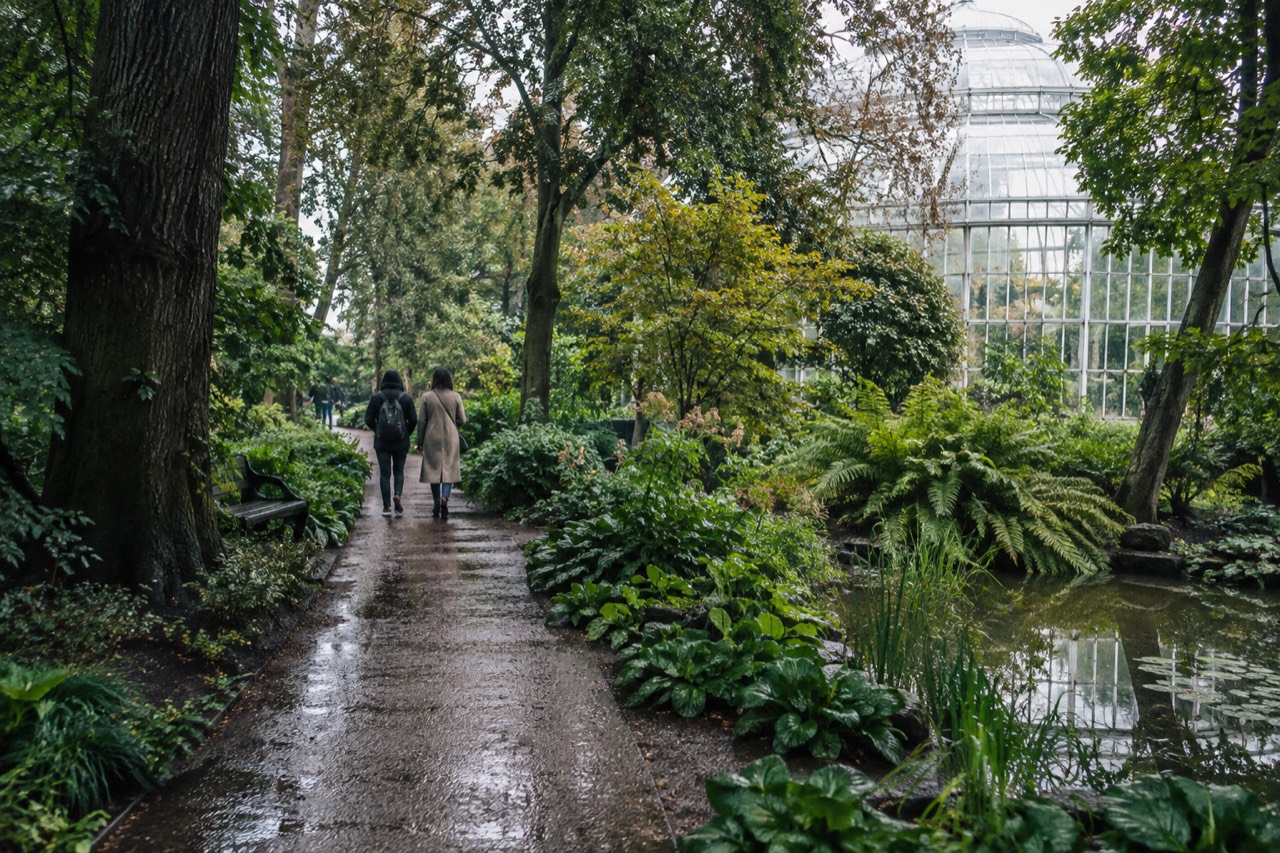
Hortus Botanicus Amsterdam is the city's botanical garden, a green oasis in the Plantage district east of the centre, founded in the seventeenth century as a medicinal herb garden for the city's physicians. It is one of the oldest botanical gardens in the world, small enough to explore in an hour or two, and it holds greenhouses, rare trees and a celebrated collection of tropical plants.
The garden began life as a practical institution rather than a pleasure ground. In the 1600s, Amsterdam's doctors and apothecaries needed a reliable supply of medicinal herbs, and the city gave them land to grow them. That medical origin still shapes the place: the beds are organised and labelled like a working collection rather than a decorative park, and the atmosphere is closer to a library of plants than to the open lawns of the Vondelpark.
What surprises most first-time visitors is the scale. The whole site fits inside a couple of city blocks, and you can walk its perimeter in fifteen minutes at a stroll. But the planting is dense and deliberate, so a slow loop reveals far more than the size suggests. Old trees, some of the tallest and rarest specimens in the city, share the ground with themed beds, water features and a sequence of glasshouses that recreate different climates.
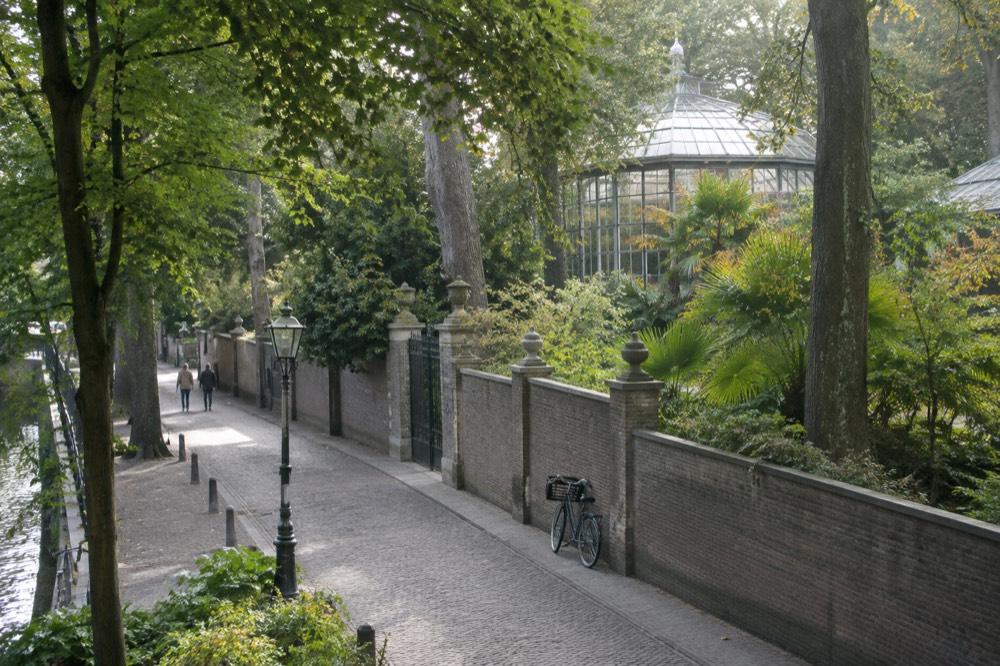
The garden sits in the Plantage, a leafy nineteenth-century district that feels noticeably calmer than the canal ring. That location is a large part of its appeal. You arrive frazzled from the centre and, within a few steps inside the gate, the traffic noise drops away. For a city that can feel relentlessly busy, the Hortus is one of the few central places where the pace genuinely slows.
It is worth setting expectations honestly. This is not a full-day attraction, and it is not free. It suits travellers who enjoy gardens, botany or quiet corners, and it rewards a visit most when combined with the neighbours described later in this guide. If your time in the city is short and you only want headline sights, read our three days in Amsterdam itinerary first and decide whether the Plantage fits your route.
What Can You See Inside the Garden?
The garden's core sights are its large glasshouses, including a tropical palm house and a three-climate greenhouse, plus outdoor beds of medicinal plants, a butterfly greenhouse in the warmer months, centuries-old trees and a garden cafe with a terrace. Highlights change with the seasons, from spring bulbs to autumn colour, so there is no single best room.
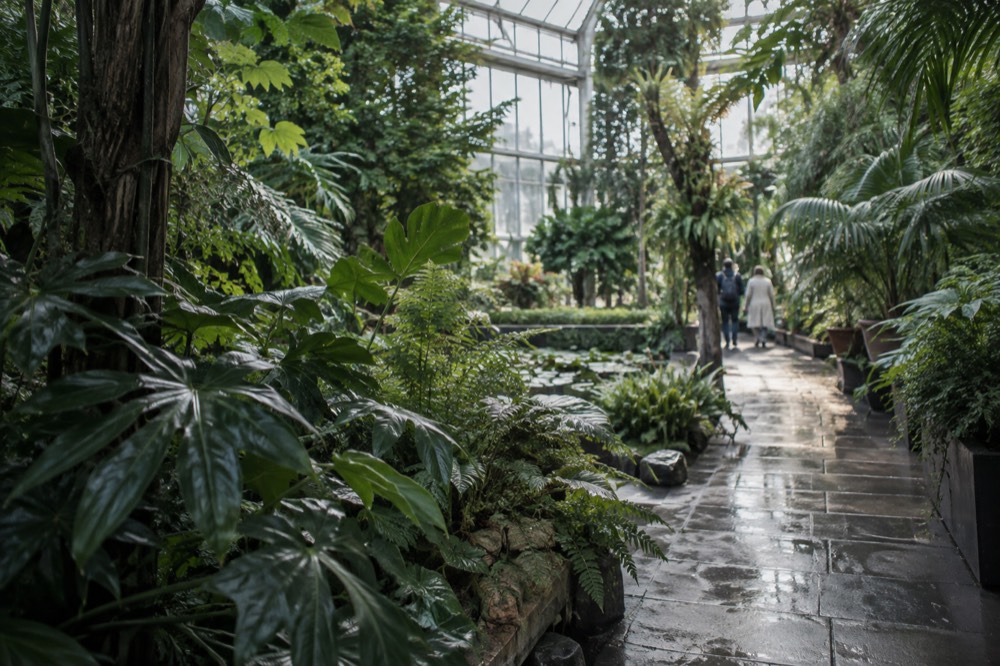
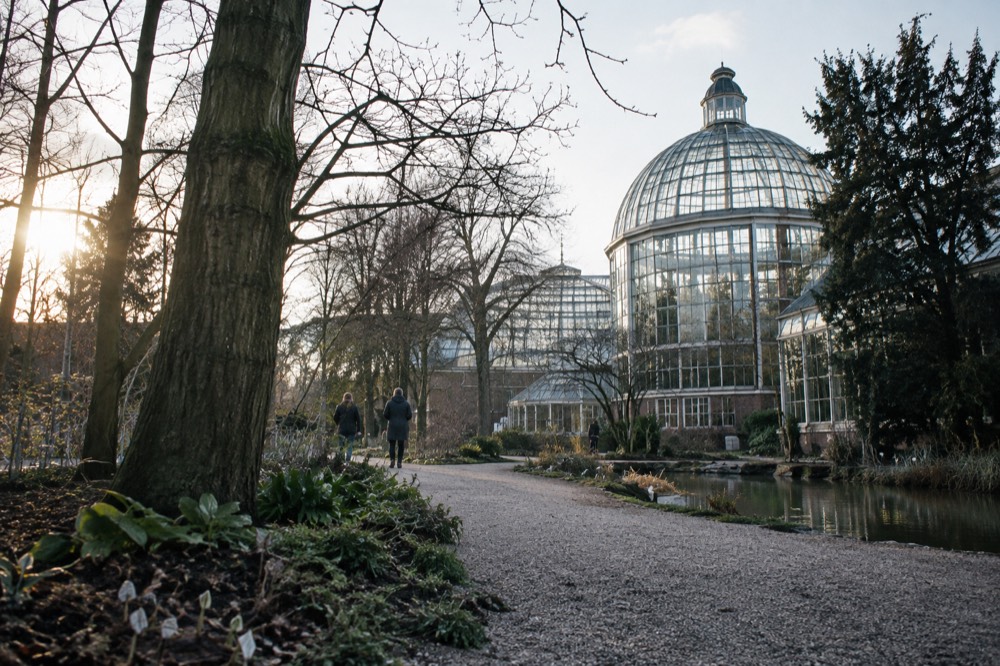
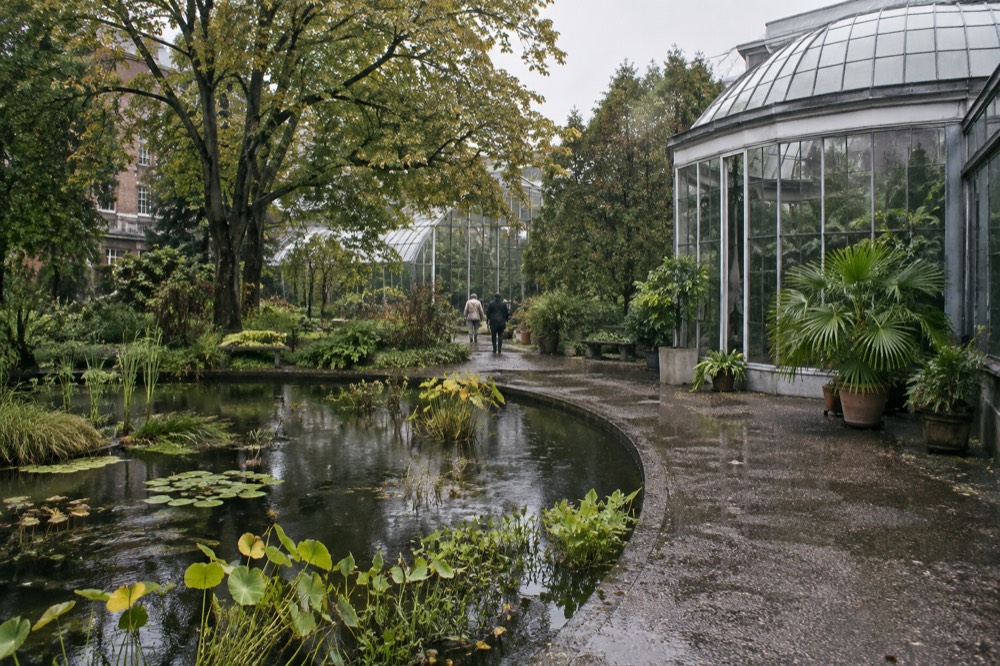
The glasshouses are the heart of the visit. The palm house, a historic structure of iron and glass, shelters trees that have outgrown any Dutch winter, and walking under them feels like stepping into a different latitude. The three-climate greenhouse moves you between desert, subtropical and tropical zones in the space of a few paces, each with its own planting. On a rainy Amsterdam day, which is most days at some point, these glasshouses let you do the whole garden without an umbrella.
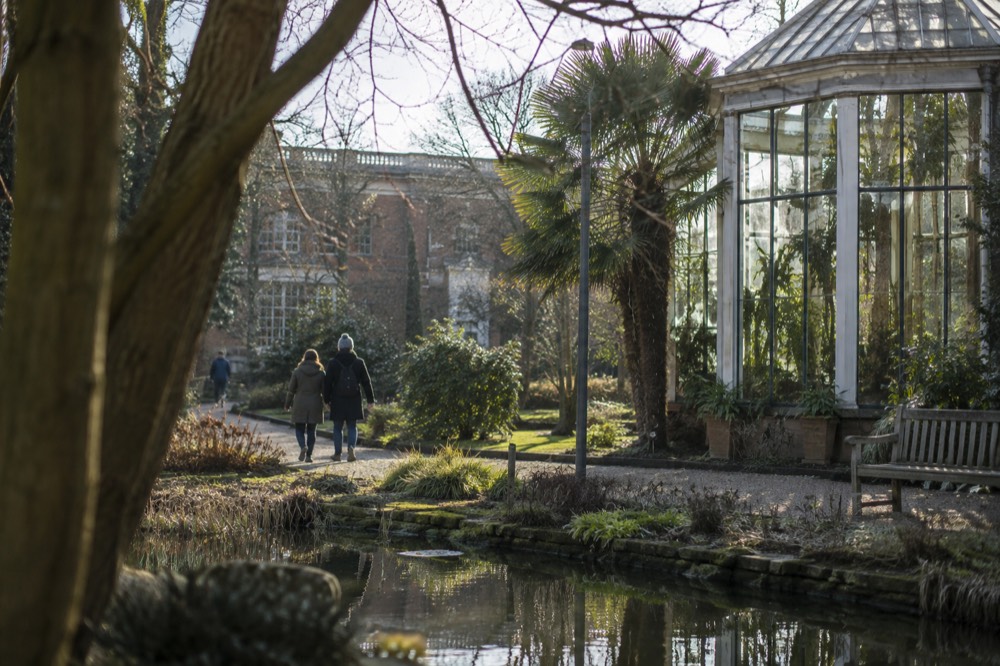
Outdoors, the beds tell the garden's story. The medicinal collection connects directly to the founding purpose, with plants that apothecaries once depended on, each labelled so you can read what they treated. Old specimens give the grounds their character: mature trees with trunks you cannot reach around, including some of the oldest cultivated plants in the city. Water features and quiet benches sit between the beds, and the layout encourages looping rather than marching.
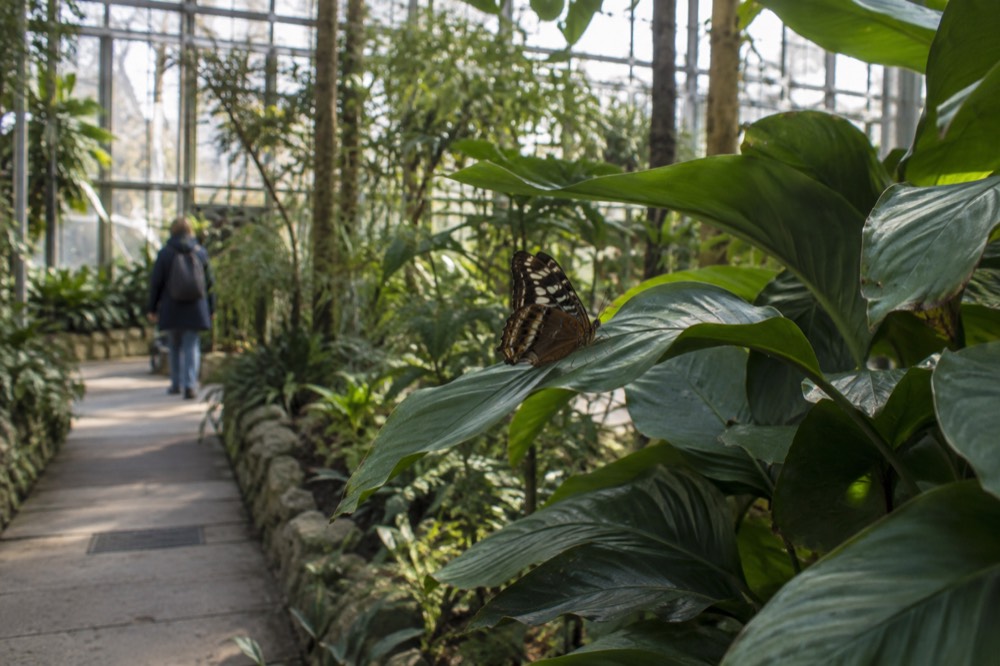
The butterfly greenhouse is the seasonal star. In the warmer months it fills with free-flying butterflies among tropical planting, and it is the part of the visit children remember. If you are travelling as a family, this plus the nearby zoo makes the Plantage one of the easiest districts for a day with kids, a route we cover in more detail in Amsterdam with kids.
Here is how the main zones compare, so you can plan your loop:
| Zone | What It Shows | Best For |
|---|---|---|
| Palm house | Tall tropical trees under historic iron-and-glass | Photography, architecture, rainy days |
| Three-climate greenhouse | Desert, subtropical and tropical zones in sequence | Plant variety in a short walk |
| Butterfly greenhouse | Free-flying butterflies among tropical plants, warm months | Families, close-up photos |
| Medicinal beds | Labelled herbs and plants from the garden's origins | History, slow reading |
| Mature tree collection | Centuries-old specimens across the grounds | Shade, quiet benches |
| Garden cafe terrace | Drinks and light food overlooking the green | Resting between loops |

If you are building a wider Amsterdam day around green and quiet sights, these three bookable options pair naturally with a garden visit:
How Much Do Tickets Cost and When Is It Open?
Hortus Botanicus charges a modest admission, with discounts for children, students and groups, and the garden's own website lists the current prices and opening hours, which shift with the seasons and around public holidays. Buy at the gate or online, and allow one to two hours for the visit. There is no timed-entry system like the big museums use.
The garden is a small independent institution, and its pricing is not published in the sources we verify against for this site, so we will not print a number here. The honest instruction is simple: check the garden's own website before you go. That page carries the live admission prices, concession rates and any seasonal events that carry separate entry, such as evening openings or festival days.
Opening hours follow a pattern common to Dutch gardens: longer daylight hours in summer, shorter in winter, and occasional early closes for private events. The glasshouses keep the visit viable in bad weather, but the outdoor beds are at their best between spring and autumn. If you are visiting in the colder months, read our guide to Amsterdam in winter for what else holds up when the weather turns.
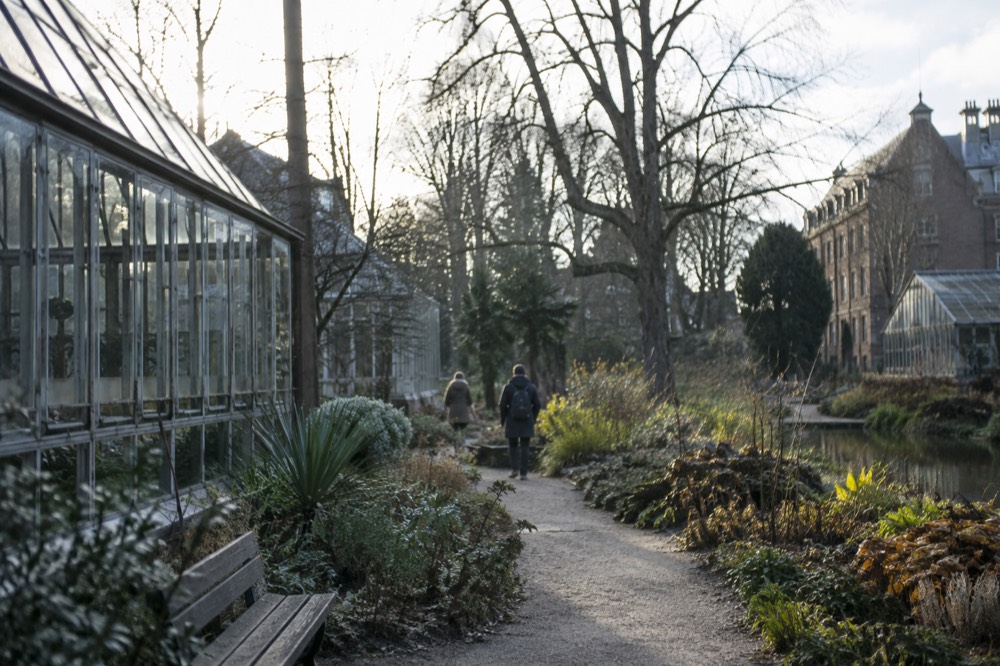
A few practical notes that save frustration. The entrance is small and easy to miss from the street, so look for the gate rather than a grand facade. The cafe terrace is inside the ticketed area, so plan it as part of your loop rather than a separate stop. And the paths are a mix of gravel and paving, flat but not always smooth, something we cover in more detail in Amsterdam accessibility.
If your trip is museum-heavy, think about how this ticket sits alongside the big ones. The Rijksmuseum charges adults €25 with timed entry required, the Van Gogh Museum also charges adults €25 with mandatory pre-booked time slots, and neither price is small. A garden ticket is a fraction of that, which is exactly why it works as a half-day counterweight to a heavy museum schedule. Our guide to Amsterdam museum tickets and skipping the queue breaks down those bigger purchases.
How Do You Get to Hortus Botanicus?
The garden sits in the Plantage, a short tram or bus ride east of the centre, and a single GVB ticket costs €3.40 for one hour of travel. Trams from Central Station and stops along the Damrak reach the district in minutes, and the garden is then a five-minute walk. Walking from the centre takes about twenty minutes.
Amsterdam's transit operator GVB runs the trams, buses, metros and ferries, and its fare structure is flat and simple. A one-hour ticket costs €3.40, while a 24-hour day pass costs €10.00, or €5.00 for a child, according to the operator's own price page at GVB prices. If you plan three or more rides in a day, the day pass already pays for itself.
You can also tap a contactless bank card or phone directly, a system called OVpay, which charges per kilometre with a base fare of €1.16 plus €0.217 per kilometre. For short hops around the centre it is often cheaper than a paper ticket, and it removes the queue at the machine. Tap in when you board and tap out when you leave.
| Option | Cost | Notes |
|---|---|---|
| GVB single (1 hour) | €3.40 | Buy from machines or drivers |
| GVB 24-hour day pass | €10.00 adult, €5.00 child | Pays off from about three rides |
| OVpay contactless | €1.16 base + €0.217 per km | Tap bank card or phone, tap out on leaving |
| Walking from Dam Square | Free | About twenty minutes through the centre |
The walk from the centre is worth considering even if you have a pass. The route takes you along the Amstel and into the Plantage, past the Jewish Cultural Quarter, and the district itself, with its wide lanes and tall trees, is part of the experience. Our Amsterdam Oost and the Plantage guide maps the full neighbourhood if you want to make a circuit of it.
Cyclists should note that the garden has limited bike parking near the gate, and the Plantage's wider roads make it one of the easier districts to ride into. If you are new to cycling in the city, our cycling in Amsterdam guide covers the rules and rental options before you set off.
What Is Nearby for a Combined Visit?
The Plantage packs several sights within a ten-minute walk of the garden's gate: ARTIS Amsterdam Royal Zoo, the Jewish Cultural Quarter with the Portuguese Synagogue, the NEMO Science Museum a little further west, and a cluster of cafes. ARTIS is the natural pairing, with adult online tickets from €29.50, and the two together fill an easy half day.
ARTIS deserves the headline. It is one of the oldest zoos in the world, it sits directly across the lanes from the Hortus, and its pricing is dynamic: the zoo's own page states that tickets are always cheaper online and vary by day, with adult online entry from €29.50 and counter prices at €32.50, per ARTIS ticket prices. The Aquarium and Planetarium are included with a zoo ticket, and a combination ticket covering the zoo plus the Groote Museum and Micropia starts from €35.50 online.
A useful nuance most guides miss: the Museumkaart gets you into the Groote Museum and Micropia free but not the zoo itself, and the I amsterdam City Card includes NEMO but excludes both the Van Gogh Museum and the Anne Frank House. If you are planning your tickets around a pass, those exclusions decide the maths, and our I amsterdam City Card guide works through the arithmetic in full.
The Jewish Cultural Quarter is the other natural pairing. The Portuguese Synagogue and the surrounding quarter sit a short walk south, and several walking tours of the area, including free pay-what-you-want options, cover the history in a couple of hours. The NEMO Science Museum is a fifteen-minute walk west, its roof terrace is free to reach without a ticket, and its own visitor page at NEMO plan your visit carries current prices and booking details.
Here is how the closest neighbours stack up for a combined day:
| Sight | Distance from the Gate | Verified Price Detail | Time Needed |
|---|---|---|---|
| ARTIS Amsterdam Royal Zoo | 2-5 minutes | Adults from €29.50 online, €32.50 at the counter | 2-4 hours |
| Micropia | Inside the ARTIS complex | From €17 online; free with Museumkaart | 1-1.5 hours |
| Jewish Cultural Quarter | 5-10 minutes | Check the quarter's official site for combined tickets | 1.5-3 hours |
| NEMO Science Museum | 15 minutes | Flat €21.50 for ages 4 and over; roof free without a ticket | 1.5-3 hours |
When Is the Best Time of Year to Visit?
Spring and early summer are the best months for the Hortus, when the outdoor beds, butterfly greenhouse and cafe terrace are all in full operation, roughly April through September. Winter visits still work because the glasshouses are heated and planted year-round, but the outdoor collection is dormant and the light is low. Midweek mornings are quietest.
The seasonal logic of the garden is straightforward. The outdoor beds peak from spring, the butterfly house operates in the warm months, and the terrace becomes a destination in its own right on a sunny afternoon. If your trip falls in the tulip season of mid-March to mid-May, the garden's spring bulbs add a small bonus to the fields and Keukenhof itself, which our Keukenhof guide covers, remembering that Keukenhof opens only from mid-March to early May each year.
Autumn brings colour to the mature trees, and the quieter paths make it a lovely time for photographers. Winter is the glasshouse season: you move between heated climates while the outdoor beds rest, and the contrast is part of the charm rather than a disappointment, provided you know that is what you are getting. The garden also hosts occasional evening events and light installations in the darker months, which the garden's own website announces.
Crowd-wise, the Hortus never gets the pressure of the canal ring. Weekends draw local families and the terrace fills at lunch, but the garden's capacity and its admission gate keep it from ever feeling like the Nine Streets on a Saturday. Arrive near opening and you will often have the palm house almost to yourself.
| Season | Garden Highlights | Trade-offs |
|---|---|---|
| Spring (March-May) | Bulbs, fresh growth, butterfly house reopening | Changeable weather |
| Summer (June-August) | Full tropical display, terrace at its best | Busiest weekends |
| Autumn (September-November) | Tree colour, quiet paths | Butterfly house closing |
| Winter (December-February) | Heated glasshouses, possible evening events | Dormant outdoor beds, low light |
Is Hortus Botanicus Worth Visiting?
For travellers who enjoy gardens, plants or quiet corners, yes, the Hortus is worth the admission and the short ride east, especially combined with ARTIS or the Jewish Quarter. It is not a headline sight and should not displace the Rijksmuseum or a canal cruise on a first trip, but as a half-day counterweight it is one of the city's most restorative stops.
The honest comparison is with how you would otherwise spend the same two hours. A canal cruise costs from about €15.50 with a major operator and shows you the city from the water. The big museums cost €25 each at the door and need pre-booked time slots. The Hortus is cheaper than both, slower than both, and offers something neither does: stillness. On a fourth or fifth day in Amsterdam, when the centre starts to blur, that stillness is worth real money.
It is also one of the few sights that works across almost every traveller type. Families get the butterfly house and the zoo next door. Photographers get the palm house and the old trees. Budget travellers get a low-cost stop that pairs with free walking routes through the Plantage, options we compare in our Amsterdam walking tours guide. Solo travellers and couples get a bench in the green, which is rarer in Amsterdam than it should be.
If you decide to skip it, skip it for the right reason: because your days are full, not because the garden is underwhelming. And if you do go, resist the temptation to rush. The whole point of the place is the pace it asks of you, and the visitors who enjoy it most are the ones who sit down for twenty minutes and let the canopy do the work. For more on the city's overall rhythm and how many days to give it, see how many days do you need in Amsterdam.
One last pairing thought before you plan the day. This site's own Things to Do in Amsterdam homepage sorts every bookable experience by district and price, so you can see at a glance where the Hortus fits against the canal cruises, museum tickets and day trips competing for the same afternoon.
If the garden plus a museum is your plan, these are the three bookables that pair best with a Plantage morning:
Common Questions About Hortus Botanicus
How long does a visit to Hortus Botanicus take?
Most visitors spend between one and two hours. A quick loop of the outdoor beds and one glasshouse takes about an hour, while a slow visit with the cafe terrace and the butterfly greenhouse in season can run to two or more.
Is Hortus Botanicus suitable for children?
Yes, particularly in the warmer months when the butterfly greenhouse is open. Children also get concession admission, and the ARTIS zoo directly opposite makes the Plantage one of the easiest family districts in the city.
Can you visit Hortus Botanicus in winter?
Yes. The glasshouses are heated and planted year-round, so a winter visit moves between tropical, subtropical and desert climates while the outdoor beds rest. Check the garden's own website for reduced winter opening hours.
Is Hortus Botanicus included in the I amsterdam City Card?
The card's verified inclusions cover over 70 museums and attractions plus transport, a canal cruise and a bike rental, but the exact attraction list changes, so confirm the Hortus on the card's official page before buying. The Van Gogh Museum and Anne Frank House are confirmed exclusions.
How do I get to Hortus Botanicus by public transport?
Take a GVB tram or bus towards the Plantage; a single one-hour ticket costs €3.40, and a 24-hour pass costs €10.00. The garden gate is about five minutes on foot from the nearest stops, or about twenty minutes walking from Dam Square.
Do I need to book Hortus Botanicus tickets in advance?
Normally no. The garden uses gate entry rather than the timed-slot systems of the big museums, and it rarely sells out. Booking ahead only matters for special evening events or festival days, which the garden's own website announces.