Torture Museum Amsterdam: What to Expect Before You Go
The Torture Museum Amsterdam packs a genuinely unsettling collection of medieval punishment instruments into a small canal house on the Singel. This guide covers what is inside, how long it takes, what it costs, and how to plan a visit around it.
Short answer
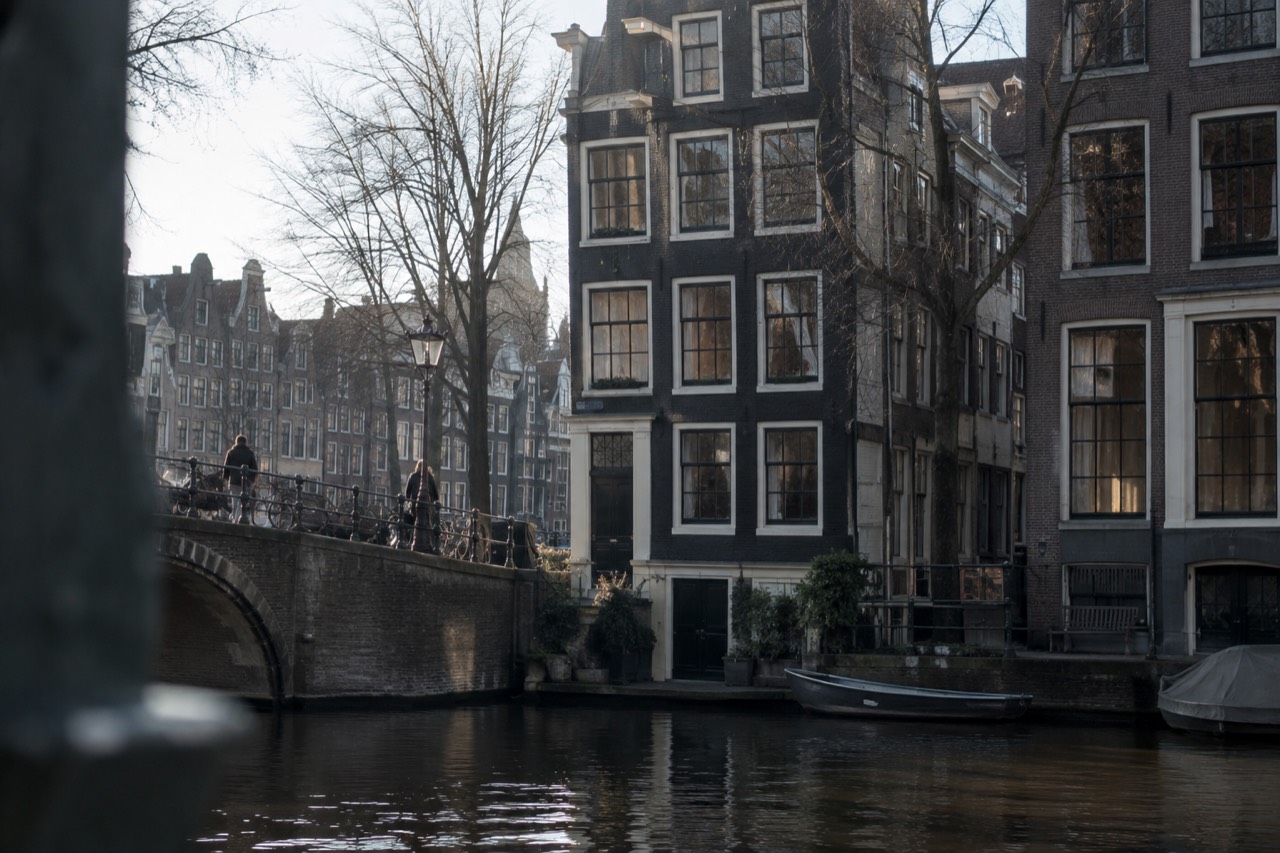
The Torture Museum Amsterdam is a small, dark museum of medieval and early-modern punishment instruments in a canal house on the Singel, about five minutes from Dam Square. Most visits last under an hour. Exact ticket prices and hours are not published in a verified form, so check the museum's own site before you go.
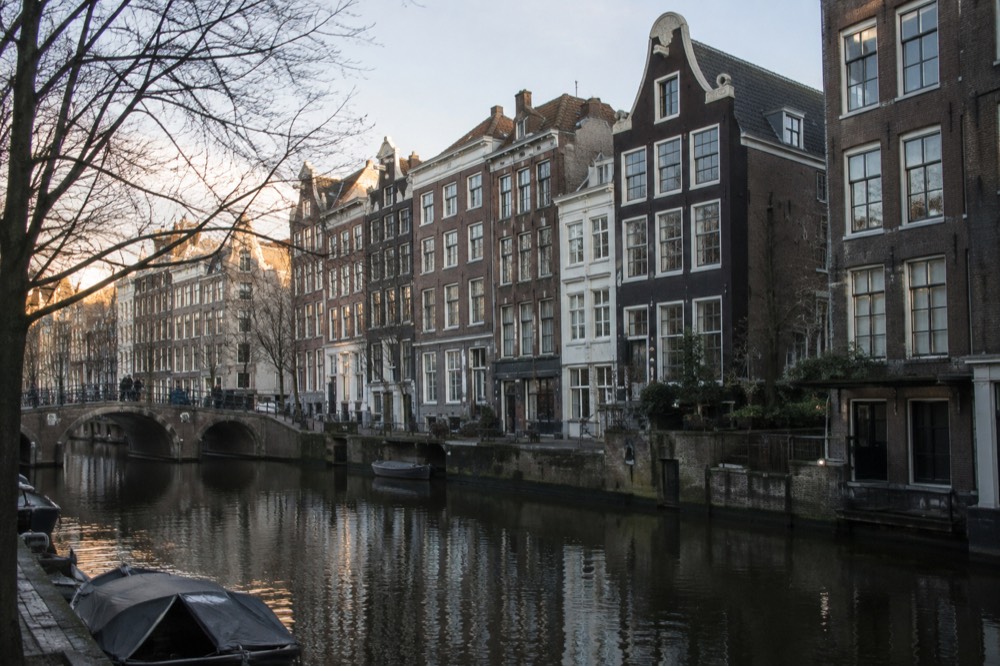
Amsterdam's museum map has two extremes. At one end sit the Rijksmuseum and the Van Gogh Museum, institutions with queues that snake across Museumplein and ticketing systems run like airport departures. At the other end sits a category of small, single-theme museums tucked into canal houses, places like the Amsterdam Sex Museum, the Dungeon, and the subject of this guide, the Torture Museum on the Singel. These places trade scale for intensity. You will not need a timed entry slot or a two-hour window. You will need a willingness to look at devices designed to hurt people, displayed in dim rooms a few steps below street level.
This guide is written for a reader deciding whether the Torture Museum deserves a slot in a limited Amsterdam itinerary, and if so, how to plan around it. The honest answer is that it works best as a punctuation mark, a 45-minute detour between the Dam and the canal belt, rather than a destination in its own right. Everything below is built around that reality: what the collection actually contains, how the visit flows, what it costs to think about before you arrive, and what to pair it with on the same afternoon.
What Is the Torture Museum Amsterdam?
The Torture Museum Amsterdam is a private, single-theme museum displaying historical instruments of punishment, interrogation and execution, mostly from medieval and early-modern Europe. It occupies a narrow canal house on the Singel, close to Dam Square, and presents its objects in small, dimly lit rooms with explanatory text in multiple languages. It is a compact, deliberately uncomfortable attraction rather than a scholarly collection, and most visitors spend well under an hour inside.
The museum's premise is simple and it does not pretend otherwise. Dozens of devices, from the familiar iron maiden and the rack to regional Dutch instruments most visitors have never heard of, are laid out with short captions explaining what each one did and, in many cases, to whom. The lighting is low, the ceilings are low, and the whole atmosphere is closer to a candlelit cellar than a white-walled gallery. That theatrical presentation is part of the product. The museum is selling a shudder, not a lecture.
It is worth being clear about what the museum is not. It is not a forensic or academic institution on the model of a national museum, and it does not pretend to be one. Captions are brief, provenance details are thin, and the emphasis falls on the visceral effect of the objects rather than on their documented history. Visitors who want deep context on medieval European law and punishment will leave wanting more. Visitors who want a fast, memorable, slightly macabre half hour will get exactly that.
The museum also sits in a recognisable Amsterdam tradition. The centre has long supported small, odd, single-subject museums that would struggle anywhere else: a tulip museum, a canal museum, a houseboat museum, a cat museum across the water in De Pijp. The Torture Museum belongs to that family, and it is one of the longest-running members of it. Its staying power says something about its appeal: it delivers a specific, reliable experience in a city where the big museums can eat an entire day.
Where Is the Torture Museum and How Do You Get There?
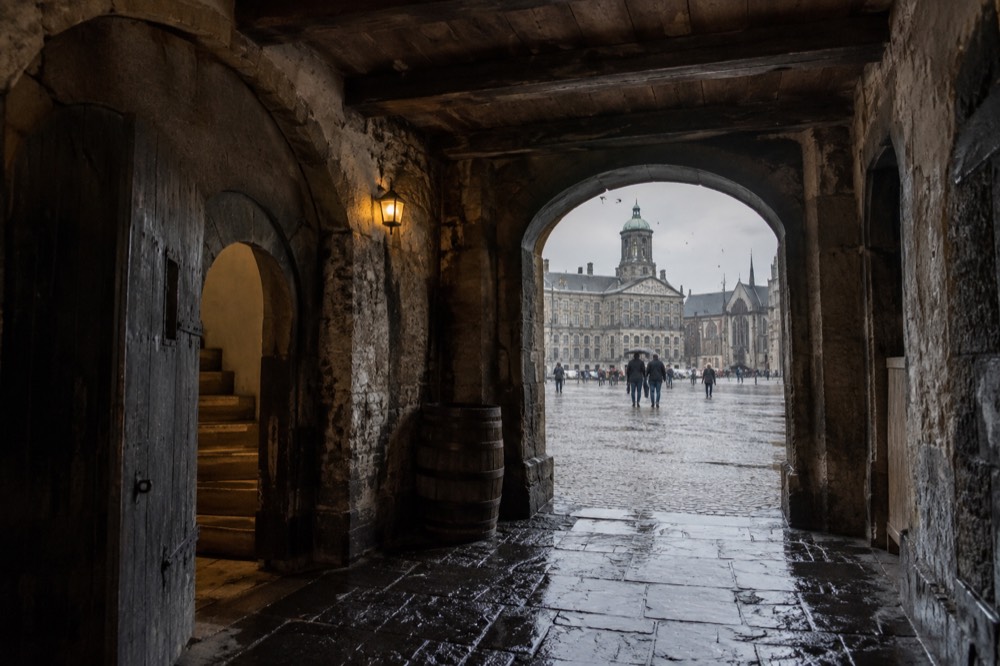
The Torture Museum stands on the Singel, Amsterdam's oldest major canal, a short walk of roughly five minutes from Dam Square and about ten minutes from Amsterdam Centraal station. The nearest tram stops sit on the Dam and along the Nieuwezijds Voorburgwal, both served by multiple GVB tram lines, and the whole area is flat, walkable and impossible to get genuinely lost in.
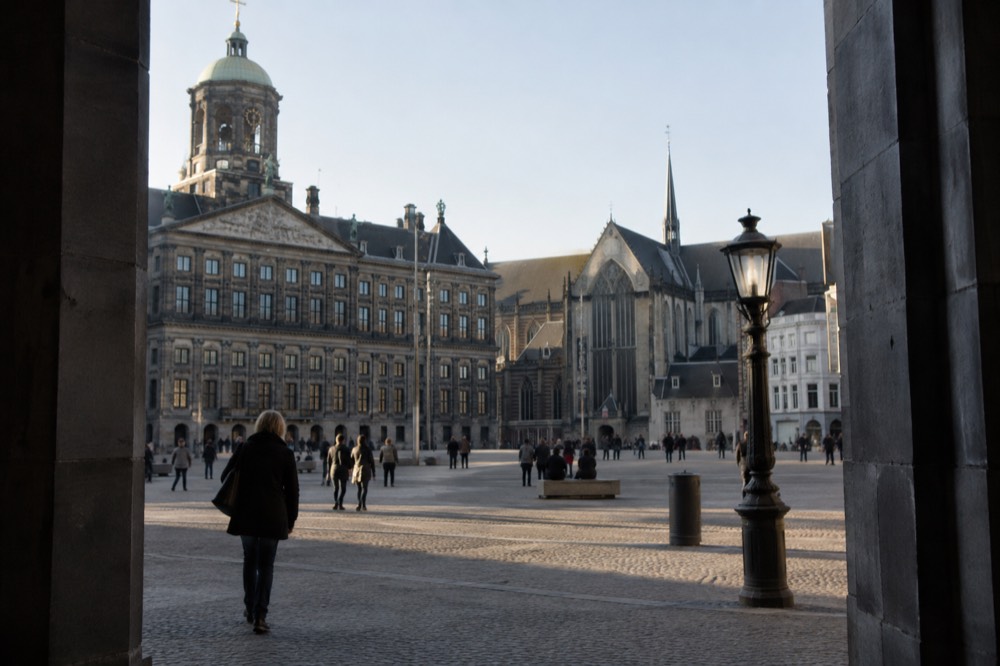
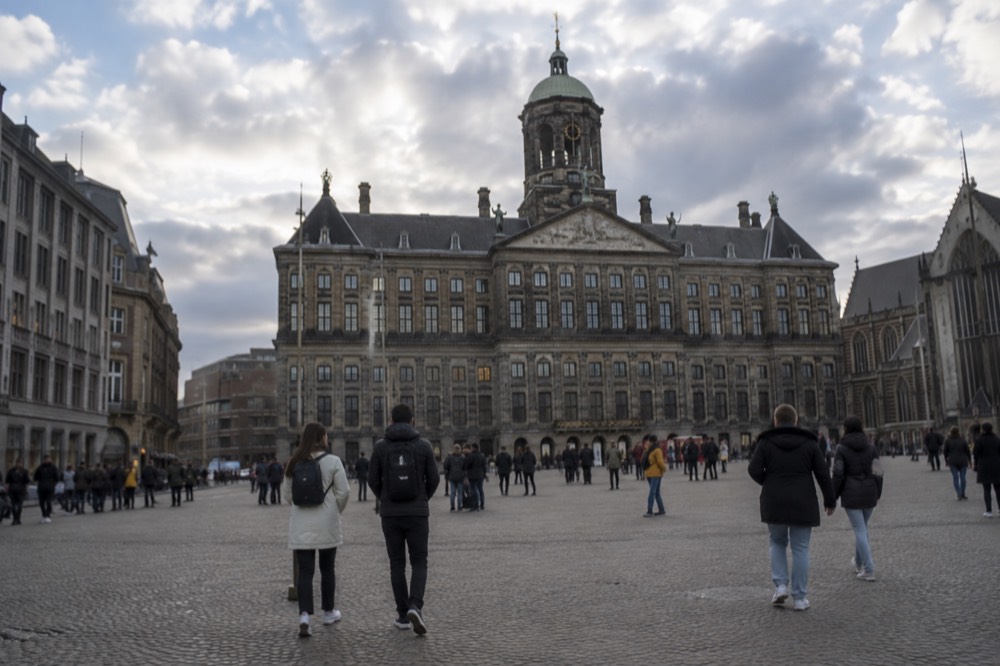
The location is one of the museum's best assets. The Singel wraps around the western edge of the city centre, and the stretch near the flower market and Dam Square is dense with other sights. You can walk from the Dam to the museum in the time it takes to finish a coffee, and from the museum to the Bloemenmarkt floating flower market in barely longer. This makes the museum almost frictionless to include: it does not demand a dedicated trip across town the way Museumplein does.
Arriving by public transport is straightforward. A single GVB ticket covering one hour costs €3.40, and a 24-hour day pass costs €10.00, with a child day pass at €5.00. Contactless payment by bank card, the system the Dutch transport network calls OVpay, also works on trams and buses, with a base fare of €1.16 plus a small per-kilometre charge. If you are staying anywhere in the centre, though, the honest advice is to walk. The museum is inside the radius where walking beats every tram.
For visitors arriving from further out, the practical plan is to treat the museum as a stop on a walking loop rather than a target. A loop that starts at Dam Square, runs down the Singel past the museum, cuts through the flower market and returns along the canal belt covers several of the centre's best free sights in under an hour of actual walking. The museum slots into that loop without adding any travel time at all, which is precisely the kind of attraction a tight itinerary can absorb.
If you are planning a fuller day around the neighbourhood, the surrounding blocks offer plenty. The Red Light District, De Wallen lies a few minutes to the east, and the Nine Streets begin just to the south. Neither pairing needs a booking, though guided walks in De Wallen operate under city rules: groups are capped at 15, tours run only between 08:00 and 22:00, and no tour may pass the sex workers' windows.
What Will You Actually See Inside?
Inside, the Torture Museum displays several dozen instruments of punishment and interrogation, including racks, chains, masks, restraint chairs and execution devices, each with a short multilingual caption. The rooms are small, dark and sequential, so the visit reads like a descending walk through increasingly grim objects. Photography is generally possible, but the low lighting and tight spaces make it a better museum for looking than for photographing.
The collection's centre of gravity is medieval and early-modern Europe. Some pieces are instantly recognisable from film and fiction: the rack, the iron maiden, the guillotine, the chastity belt. Others are regional and less familiar, including Dutch and German instruments tied to specific local legal practices. The captions do not shy away from function. You will learn what a device did, roughly when it was used, and in some cases who ended up on the wrong end of it. That bluntness is the museum's voice, and it is consistent from the first room to the last.
The presentation leans hard on atmosphere. Stone, timber, low light and narrow passages do a lot of the work, and the museum understands that a torture instrument in a bright display case reads as hardware while the same object in a cellar reads as history's evidence. Whether that makes the museum educational or exploitative is a fair question, and different visitors answer it differently. What is not in dispute is the effect: the displays are memorable in a way that larger, more balanced collections often are not.
Families should think carefully before bringing children. There is no formal age restriction that we can verify from a primary source, but the content is graphic in description even when the objects themselves are silent steel and wood. Captions describe pain, mutilation and death plainly. Some teenagers find the museum fascinating; some younger children find it distressing. Parents know their own children, and the short visit length means an exit is never more than a few minutes away.
Visitors with mobility needs should also plan ahead. The museum occupies a historic canal house with small rooms and, in parts, cellar-level spaces, and historic Amsterdam buildings rarely offer step-free access throughout. The site's own accessibility details are the authoritative source, and contacting the museum directly before a visit is the sensible move if stairs or narrow passages are a concern. This is true of most of the centre's small museums, not a unique fault of this one.
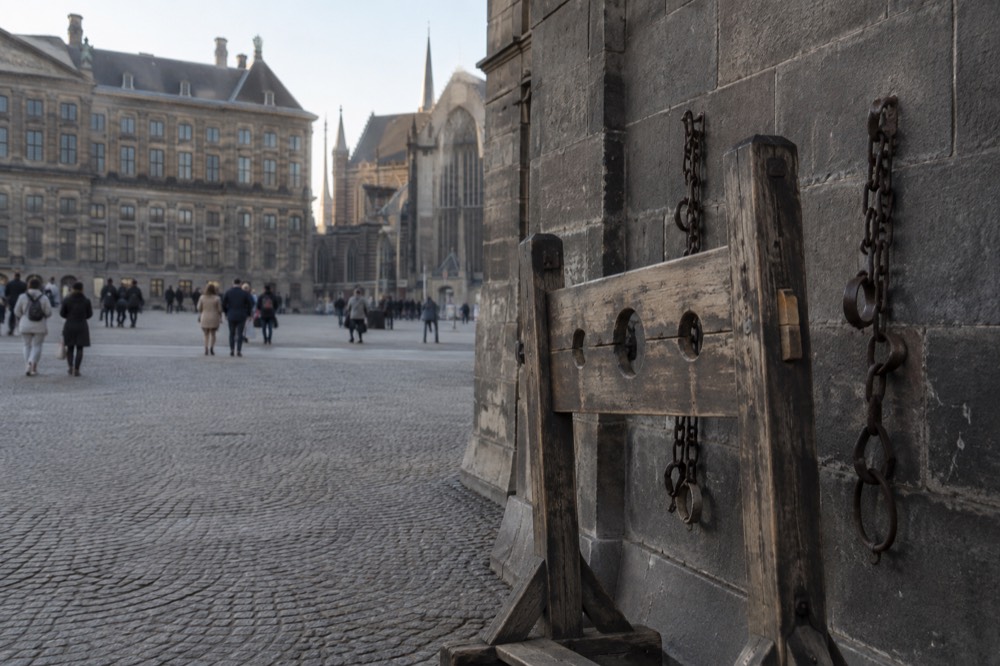
How Long Does a Visit Take and When Should You Go?
Most visits to the Torture Museum last between 30 and 60 minutes, depending on how much caption text you read and how crowded the small rooms are. It is a short stop by design, best placed mid-morning or mid-afternoon between larger commitments. There is no timed entry system of the kind the big museums use, so you do not need to build a schedule around a booked slot.
The short visit length is the museum's defining practical feature, and it changes how you should plan. Unlike the Van Gogh Museum, where every visitor must pre-book a timed entry ticket and slots can sell out, or the Rijksmuseum, which opens daily from 9am to 5pm and also requires a booked start time, the Torture Museum runs on a walk-in rhythm. You arrive, you pay, you descend, you emerge slightly rattled, and you get on with your day. Everything else covered here is indexed on Things to Do in Amsterdam.
That makes timing a question of crowd comfort rather than logistics. The museum is small enough that a busy afternoon means sharing narrow rooms with a tour group, which compresses the experience. Mornings, and weekday mornings in particular, are the quietest window in the centre generally, and that holds here. Amsterdam recorded 23.7 million tourist overnight stays in 2025, and the forecast puts 2026 between 23.7 and 25.1 million, so the centre is busy in every season; early hours are simply the least busy.
A sensible pattern is to anchor the morning with one heavyweight commitment, then use the afternoon for the small stuff. For example: a booked morning at the Van Gogh Museum, lunch in the centre, then the Torture Museum, the flower market and a canal-side wander as a relaxed second half of the day. The museum's brevity is what makes this work. An attraction that costs you 45 minutes can be inserted almost anywhere; an attraction that costs three hours dictates the day.
How Much Does the Torture Museum Cost?
The Torture Museum's ticket price is not published in a form we can verify from a primary source, so we will not print a number. Comparable small centre museums generally charge in the low-to-mid teens in euros, but treat that as a planning range, not a quote. The museum's own site and ticket desk are the authoritative sources, and the visit is short enough that the price should be weighed against the time you will spend inside.
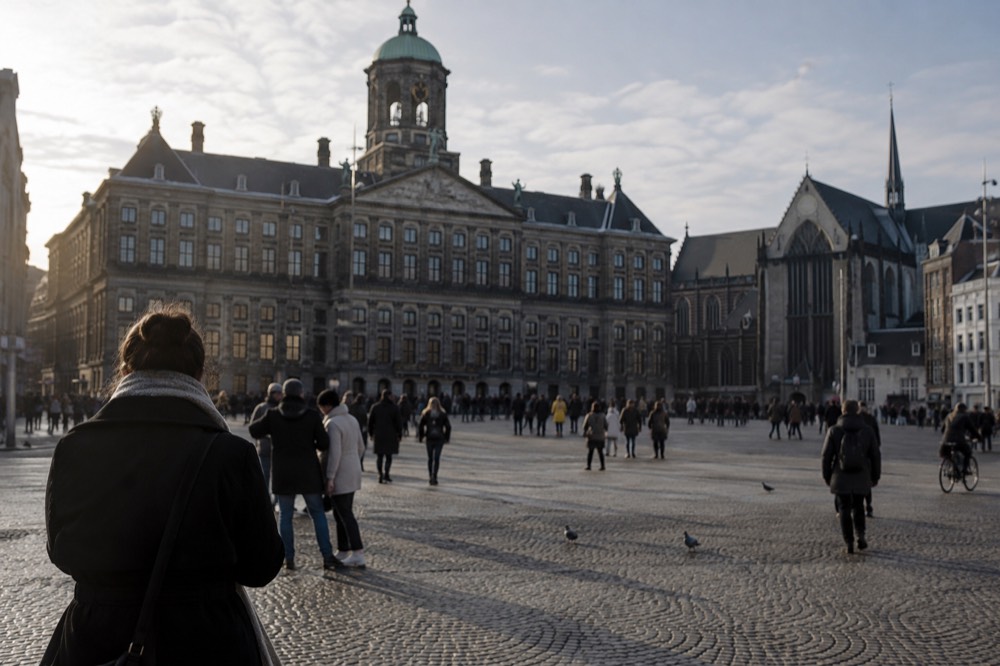
This is a deliberate editorial position, not an omission. Amsterdam's small private museums change prices quietly and often, and second-hand figures circulate for years after they stop being true. Rather than repeat a number we cannot trace to the museum itself, the honest advice is to check the museum's own site before you go. If the price turns out to be higher than expected, the decision framework is simple: the museum delivers a concentrated, memorable half hour, and only you can say whether that is worth the asking price on your budget.
| Cost Type | Figure | Source Status |
|---|---|---|
| Torture Museum adult ticket | Check the museum's own site | Not verified from a primary source |
| GVB single ticket, 1 hour | €3.40 | Official GVB fare table |
| GVB 24-hour day pass | €10.00 adult, €5.00 child | Official GVB fare table |
| Typical 1-hour canal cruise | From about €15.50 | Operator's own site (Rederij Kooij) |
| Coffeeshop cannabis purchase limit | Maximum 5 grams per person per day | Dutch national tolerance policy |
Passes deserve a specific warning. The two big Amsterdam passes do not treat small private museums alike. The I amsterdam City Card covers more than 70 museums and locations, including the Rijksmuseum, which states on its own page that entry is free for City Card holders, but it excludes the Van Gogh Museum and the Anne Frank House entirely, and its coverage of small private museums varies case by case. The Museumkaart, the national annual card at €75 for adults, covers more than 500 museums across the Netherlands but is emphatically not a blanket pass: the Anne Frank House gives card holders nothing beyond the €1.00 booking fee, and ARTIS Zoo is excluded while its two satellite museums are covered. Before buying any pass on the strength of one small museum, confirm that museum's participation on the pass's own current list. A pass bought for a single small attraction is almost always a losing trade.
The budget question also depends on what else is in your day. If the Torture Museum is one of three paid stops in a single afternoon, small tickets stack up quickly. If it is the only paid stop between free sights like the Begijnhof and the canal belt's streets, it is a modest line item. The Amsterdam on a budget guide breaks down a low-cost day in the centre in more detail.
What Should You Pair With the Torture Museum?
The best pairings are the sights already within a ten-minute walk: Dam Square, the Bloemenmarkt, the Begijnhof and the canal belt itself. For a booked anchor on the same day, the Van Gogh Museum or the Heineken Experience both work well, and a one-hour canal cruise from a central dock stitches the whole afternoon together. The museum's short visit length means almost any pairing fits.
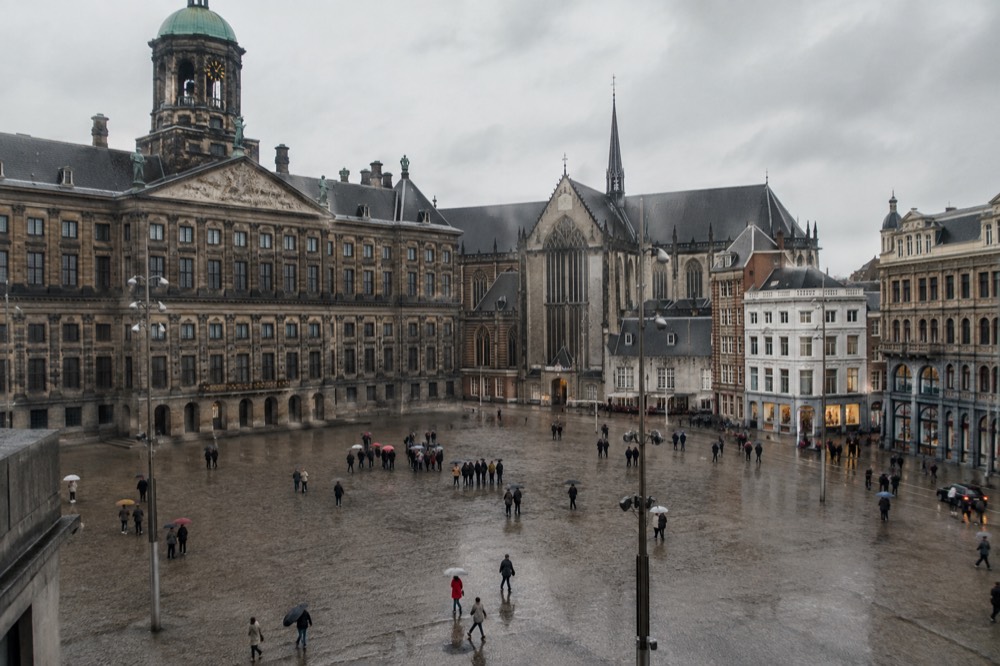
Think of the museum as a hinge in the middle of a walking day. West along the Singel you reach the flower market and the Muntplein. South and you are in the Nine Streets, arguably the centre's best browsing quarter. East and you cross into Dam Square and, beyond it, De Wallen. All of these are free to walk, and all of them reward aimlessness. A visitor who books nothing else will still have a full day within that radius.
For visitors who want one booked anchor, the heavyweight museums are a short tram ride away on Museumplein. The Van Gogh Museum ticket, from $31 on the live listing with a 4.7 rating across 57,096 reviews, is the most in-demand of them, and every visitor must pre-book a timed entry slot, so it needs to be reserved ahead rather than slotted in on the spur of the moment. The museum's own adult price is €25, with under-18s free. If dark history is the theme of your day, the Rijksmuseum next door also requires a booked start time, opens every day from 9am to 5pm, and charges €25 for adults with free entry for ages 18 and under.
Closer to hand, the Heineken Experience occupies the old brewery a short walk south of the centre, and it makes a tonal counterweight: after an hour of medieval grimness, a brewery tour with tastings is a palate cleanser in the most literal sense. Its ticket starts from $23 on the live listing, where it carries a 4.6 rating across 39,581 reviews. It runs about an hour and a half, which pairs neatly with the Torture Museum's 45 minutes for a day that splits between the macabre and the convivial.
And then there is the canal cruise, the single most Amsterdam way to end any afternoon. A classic saloon boat cruise runs one hour through the UNESCO-listed canal ring, from $19.56 on the live listing with a 4.8 rating across 33,435 reviews, with an optional upgrade for Dutch cheese and unlimited drinks. Departure points sit within walking distance of the Singel, so the geography works: museum, walk, boat, dinner. You can Check availability on the operator's live listing if that sequence appeals.
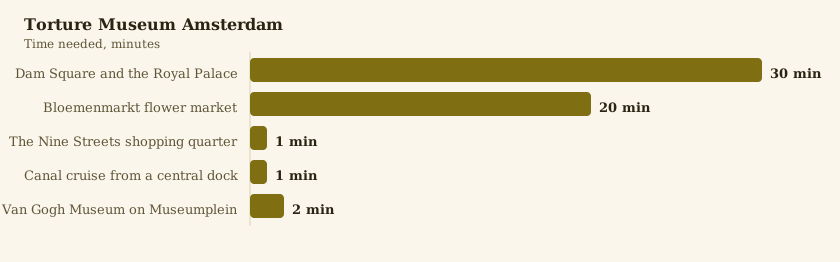
| Pairing | Walk From the Museum | Typical Time Needed | Booking Needed |
|---|---|---|---|
| Dam Square and the Royal Palace | About 5 minutes | 30-60 minutes | No for the square; palace entry is ticketed |
| Bloemenmarkt flower market | About 10 minutes | 20-30 minutes | No |
| The Nine Streets shopping quarter | About 10 minutes | 1-2 hours | No |
| Canal cruise from a central dock | 5-15 minutes | 1 hour | Recommended, boats fill up |
| Van Gogh Museum on Museumplein | Tram or 25-minute walk | 2 hours plus queue time | Yes, timed entry mandatory |
Is the Torture Museum Amsterdam Worth It?
The Torture Museum is worth it for visitors who want a short, intense, darkly memorable experience and who are already in the centre; it is not worth a dedicated trip across the city. Its strengths are location, brevity and atmosphere. Its weaknesses are thin historical context and a presentation that some visitors will find gimmicky. If your Amsterdam time is measured in days rather than weeks, weigh it against what else the same afternoon could hold.
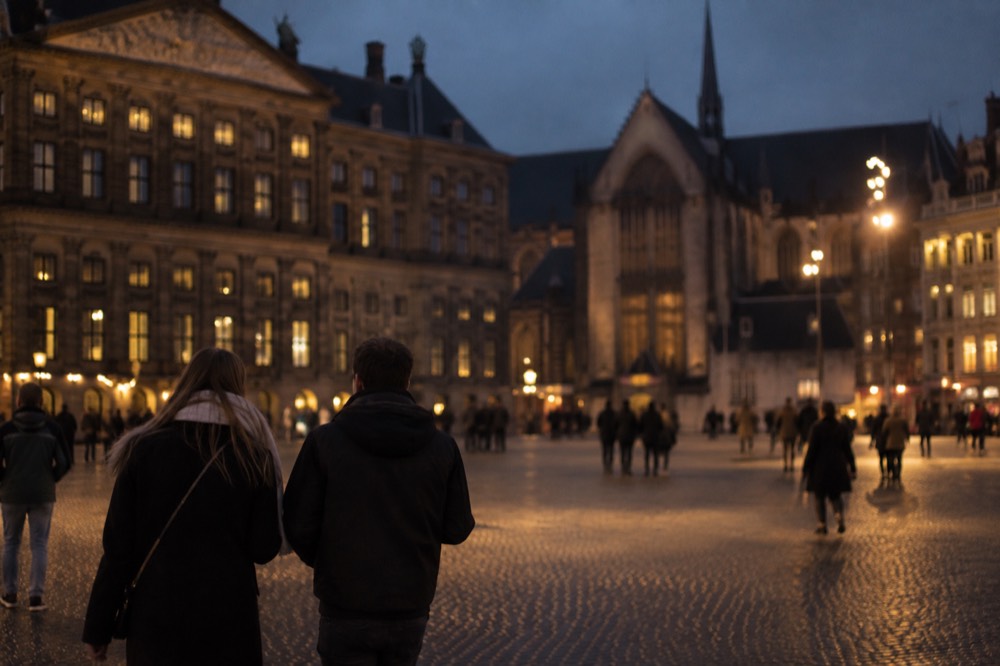
The fairest comparison is with the other small, single-theme museums around it. Against the Amsterdam Sex Museum a few streets away, the Torture Museum is the more sober and, arguably, the more genuinely historical of the two: its objects really were used to hurt people, and the captions treat that fact seriously. Against the big museums, it cannot compete on depth, but it was never trying to. It competes on immediacy, and on that measure it delivers.
| Attraction | Type | Typical Visit | Best For |
|---|---|---|---|
| Torture Museum | Small single-theme museum | 30-60 minutes | Dark history, macabre curiosity |
| Amsterdam Sex Museum | Small single-theme museum | 30-45 minutes | Novelty, pop-culture history |
| The Amsterdam Dungeon | Actor-led attraction | About 1 hour | Interactive scares, families with teens |
| Rijksmuseum | Major national museum | Half a day | Dutch Golden Age art, depth |
| Van Gogh Museum | Major single-artist museum | 2 hours plus queue | Van Gogh's life and work, timed entry |
Who should skip it? Visitors travelling with young children, visitors sensitive to descriptions of violence, and visitors whose itinerary is already packed with booked slots. Who should go? Anyone fascinated by the darker corners of European history, anyone who has already done the major museums and wants something off the standard list, and anyone building a cheap walking day around the centre who wants one ticketed stop in the middle of it. The museum's own identity, unapologetically theatrical and unapologetically brief, suits a certain kind of traveller very well.
One last planning note: the city around the museum is itself the main attraction. Amsterdam's canal ring is UNESCO-listed, the centre's streets and bridges cost nothing to wander, and the city's official guidance to visitors, published on amsterdam.nl under the "How to Amsterdam" banner, asks for basic respect in the busiest quarters: no photography of the sex workers' windows in De Wallen, no street drinking in the centre, no public urination, and no outdoor cannabis smoking in the city centre. A visitor who follows those norms and treats the Torture Museum as one stop in a walking day will get the best out of both.
Common Questions About the Torture Museum Amsterdam
What is the Torture Museum Amsterdam?
It is a small private museum on the Singel displaying historical instruments of punishment, interrogation and execution, mostly from medieval and early-modern Europe. Objects are presented in dim, atmospheric rooms with short multilingual captions. Most visits last well under an hour.
Where is the Torture Museum Amsterdam located?
It stands on the Singel, Amsterdam's oldest major canal, roughly five minutes on foot from Dam Square and about ten minutes from Amsterdam Centraal. Multiple tram lines stop at or near the Dam, and the surrounding area is flat and easy to walk.
How long does a visit to the Torture Museum take?
Between 30 and 60 minutes for most visitors, depending on how much of the caption text you read and how crowded the small rooms are. There is no timed entry system, so you do not need to book a slot to fit the visit into a schedule.
How much does the Torture Museum Amsterdam cost?
We do not publish a ticket price because no verified primary-source figure is available, and small Amsterdam museums change prices quietly. Comparable centre museums generally charge low-to-mid teens in euros, but treat that as a planning range and check the museum's own site before you go.
Is the Torture Museum suitable for children?
Think carefully before bringing young children. Captions describe pain, mutilation and death plainly, and the atmosphere is deliberately dark. There is no age restriction we can verify from a primary source, but the content is graphic in description even when the objects are silent. Parents should judge their own children's tolerance.
Is the Torture Museum included in the I amsterdam City Card or Museumkaart?
Not reliably, and this is true of Amsterdam's small private museums generally. The I amsterdam City Card covers more than 70 museums including the Rijksmuseum but excludes the Van Gogh Museum and the Anne Frank House, while the Museumkaart covers more than 500 museums nationally yet gives nothing at the Anne Frank House beyond its €1.00 booking fee. Confirm the Torture Museum's participation on the pass's own current list before buying.
What else is near the Torture Museum?
Dam Square, the Bloemenmarkt flower market, the Begijnhof, the Nine Streets and the canal belt are all within about ten minutes on foot. De Wallen lies a few minutes to the east. The museum works best as one stop inside a walking loop rather than as a standalone destination.
For more on planning the surrounding area, the Amsterdam Centrum city centre guide covers the whole neighbourhood, and the one day in Amsterdam itinerary shows how a stop like this fits into a single, well-paced day. The centre rewards walkers, and the Torture Museum is one of the few ticketed attractions that costs almost no walking time at all. That, in the end, is its real value: a concentrated dose of the macabre, delivered in the middle of everything, for less than an hour of your day.