Shopping in Amsterdam: Streets, Markets and What to Buy
Amsterdam shops the way it was built: in narrow streets, along the water, and in markets that have traded for centuries. This guide covers where to shop, what to buy, and what it costs.
Short answer
The best shopping in Amsterdam clusters around the Nine Streets and Haarlemmerstraat for independent boutiques, Kalverstraat for high street brands, and Albert Cuyp Market for food and bargains. A 24-hour GVB transport ticket costs €10.00, and the I amsterdam City Card runs €67 for 24 hours, though it covers museums rather than shopping.
Amsterdam was a shopping city before it was a museum city. The canal ring that UNESCO lists today was built with 17th-century trade money, and the streets that carried goods then, Haarlemmerstraat, the Nieuwendijk, the Kalverstraat, still carry them now. What has changed is the mix: alongside the brown cafés and cheese shops you now find concept stores, vintage dealers, sneaker boutiques and a street art museum shop that outsells many galleries.
This guide walks through the streets and markets worth your time, what is actually worth buying, and what a shopping day costs. Where a figure matters, it comes from an operator's own site or the city's official pages, and where a price lives on a live listing rather than a fixed page, it says so.
Where Are the Best Shopping Streets in Amsterdam?
The best shopping streets in Amsterdam are the Nine Streets for independent boutiques set on canal intersections, Haarlemmerstraat and Haarlemmerdijk for a longer, more local strip of bookshops and design stores, Kalverstraat and Nieuwendijk for high street chains, and P.C. Hooftstraat for international luxury brands. Each sits within a fifteen minute walk of Dam Square, so you can cover several in one afternoon.
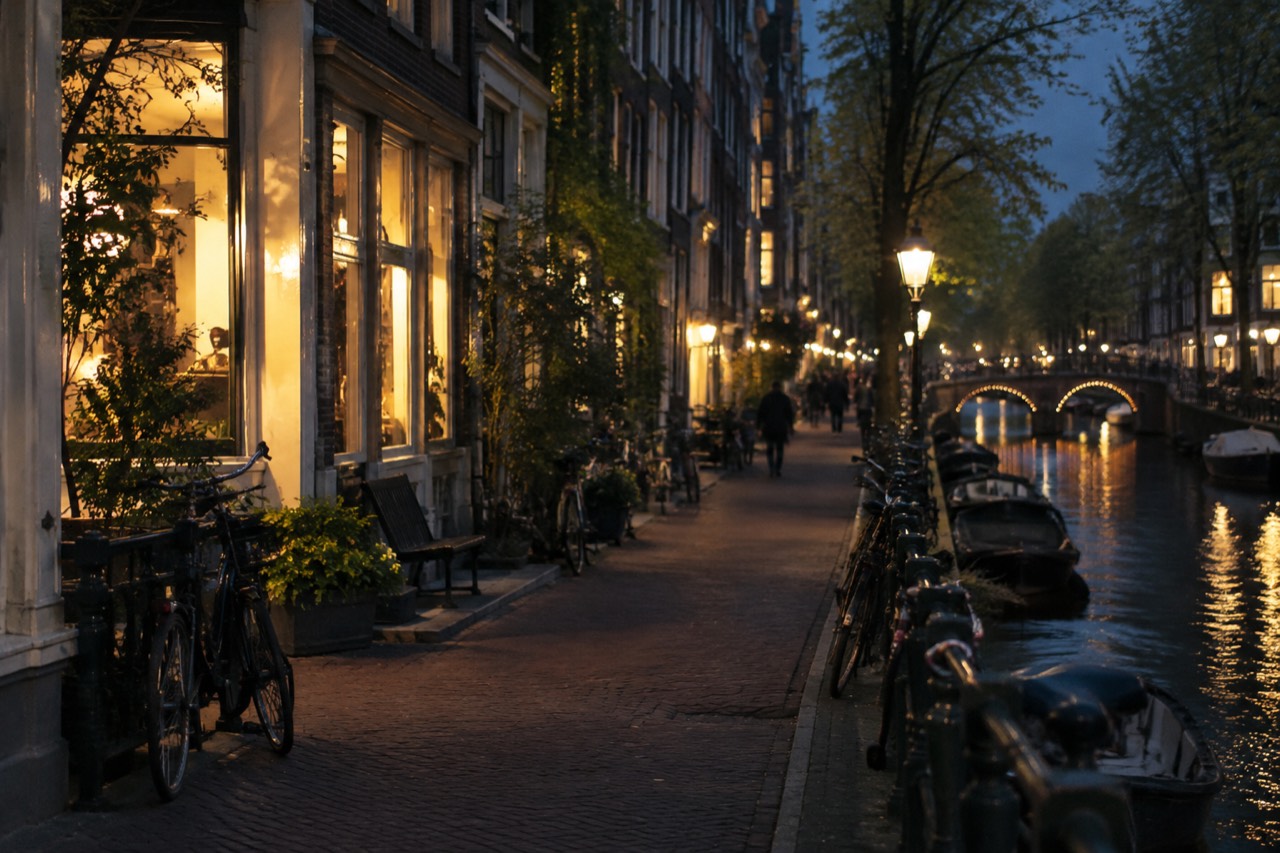
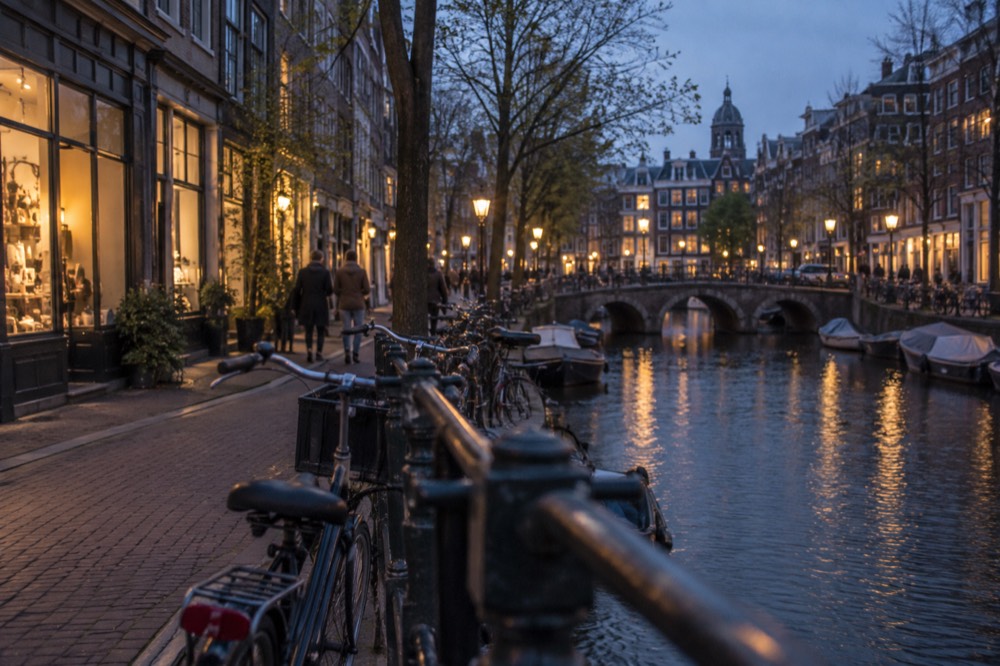
The Nine Streets, or De Negen Straatjes, is where most visitors start, and it earns the start. Nine short cross-streets link the main canals between the Westerkerk and the Munttoren, and the shopfronts are small, owner-run and quick to change. You will find Dutch denim labels next to secondhand design shops next to a chocolatier. Because the streets are narrow and the bridges are photogenic, this is also the stretch where a shopping walk and a sightseeing walk are the same walk. Our Nine Streets neighbourhood guide maps the individual streets if you want to plan a route.
Haarlemmerstraat and its continuation Haarlemmerdijk run west from Centraal Station and feel less staged. The shops here sell records, children's clothes, natural wine and homewares to people who actually live in Amsterdam, and the queue outside the falafel shops is a fair signal of where value sits. It is a ten minute walk from the station, flat, and easy to combine with the Jordaan one block south.
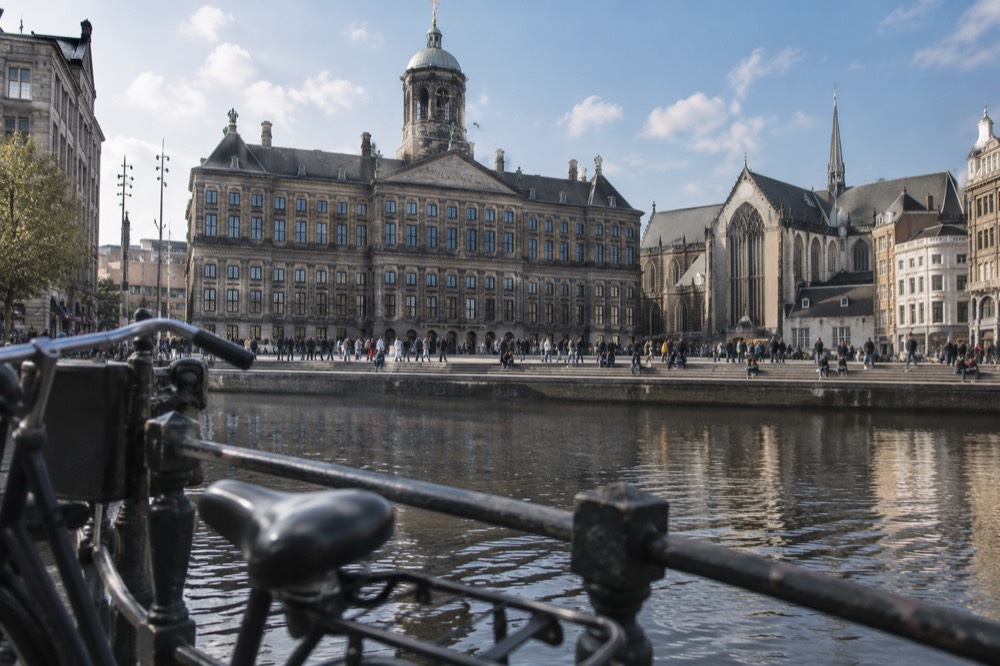
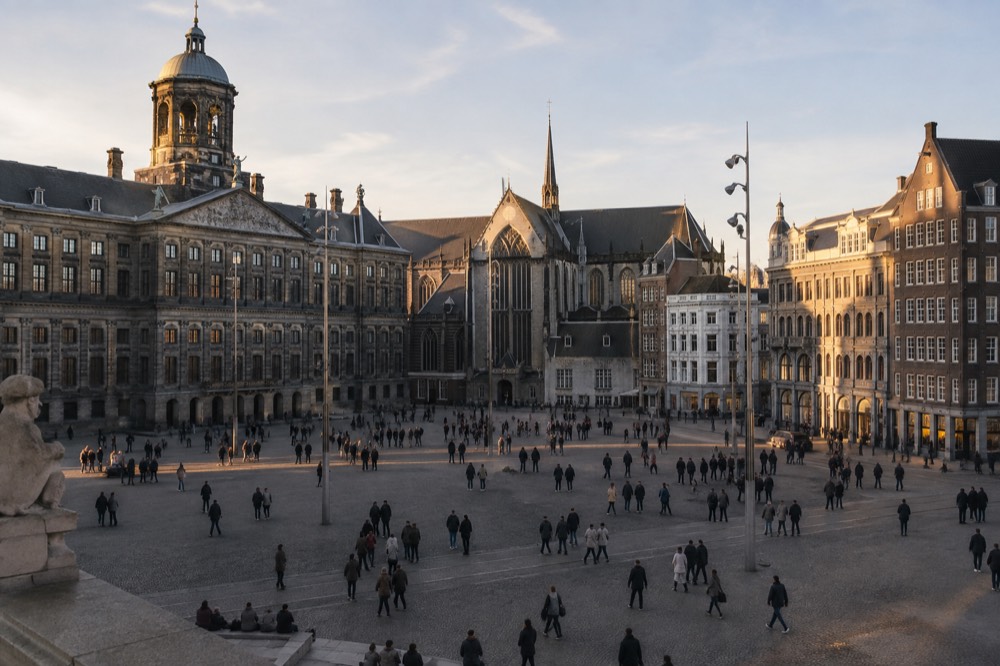
For brands, the Kalverstraat and Nieuwendijk form the pedestrian spine running south and north from Dam Square. These are the busiest shopping streets in the city and the least distinctive, but they are practical: if you need a replacement charger, a pair of socks or a department store, this is where it is. P.C. Hooftstraat, behind the Rijksmuseum, is the other end of the spectrum, with flagship stores for the major fashion houses.
| Street | Character | Best For |
|---|---|---|
| The Nine Streets | Boutiques on canal intersections | Design, denim, gifts, photography |
| Haarlemmerstraat / Haarlemmerdijk | Local, long, varied | Records, homewares, everyday finds |
| Kalverstraat / Nieuwendijk | Pedestrian high street | Chains, department stores, basics |
| P.C. Hooftstraat | Luxury flagships | International fashion brands |
| Van Baerlestraat | Museum quarter retail | Mid-range fashion, delis near the concert hall |
If you prefer a guide to a map, a small-group walking tour works well in this part of the city. The Anne Frank story walking tour runs one hour through the Jordaan and the western canal ring, the same blocks as the Nine Streets boutiques, and costs from $22.00 with a 4.8 rating across 15,104 reviews. Note that it is a streets walk, not entry to the Anne Frank House: those tickets are sold only through the museum's own site, annefrank.org, for a timed slot.
What Are the Best Markets in Amsterdam?
Albert Cuyp Market is the largest and best for food and cheap everyday goods, the Bloemenmarkt is the only floating flower market and the place for tulip bulbs, and the weekly flea markets at Waterlooplein and Noordermarkt suit vintage and secondhand hunters. All four are free to wander, and only the bulb and cheese purchases really test a wallet.
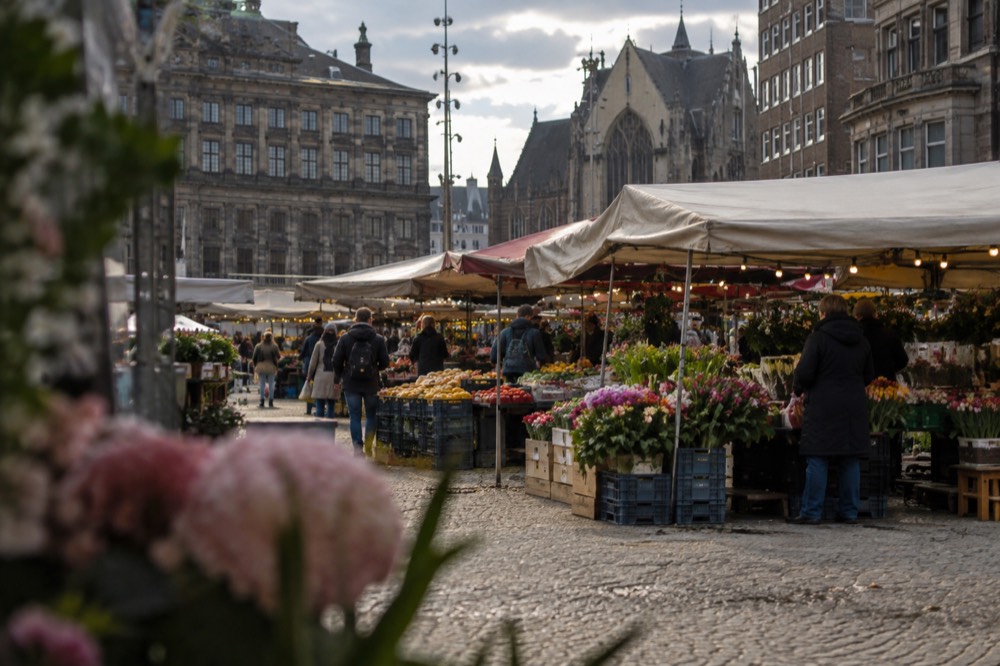
Albert Cuyp Market runs through the heart of De Pijp six days a week and is the closest thing Amsterdam has to a working street market aimed at both locals and visitors. Stalls sell fresh stroopwafels, herring, cheese by the wedge, clothes and kitchenware. It is loud, cheap and a good place to assemble a picnic. Our Albert Cuyp Market guide covers what to eat there, and the wider Amsterdam markets guide lists the rest of the city's market calendar.
The Bloemenmarkt is the one most first-time visitors want to see, a row of flower stalls on houseboats along the Singel. Bulbs are the serious purchase here: properly certified bulbs can be exported, and the stall you buy from should hand you the paperwork. Our floating flower market guide explains what to check before you buy.
Waterlooplein's flea market is the veteran, trading since the 19th century on the edge of the Jewish quarter. It is a rummage market: vinyl, old postcards, broken-in leather, the occasional bargain. Noordermarkt in the Jordaan runs a farmers' and flea combination that is smaller, more curated and better for breakfast.
| Market | Area | Strength |
|---|---|---|
| Albert Cuyp Market | De Pijp | Food, bargains, scale |
| Bloemenmarkt | Singel canal | Flowers, tulip bulbs, souvenirs |
| Waterlooplein flea market | Jewish quarter edge | Secondhand, vintage, vinyl |
| Noordermarkt | Jordaan | Farmers' produce, curated flea |
| Dappermarkt | Oost | Local food, low prices |
A food and culture walking tour is another way to shop the edible side of the city. The ten-tastings food and culture walk costs from $92.00, runs three and a half hours and holds a 5.0 rating from 1,157 reviews, which is about as strong as tour feedback gets. It pairs the tasting with the stories behind what you are eating, which is the part a self-guided market lap misses.
What Should You Buy in Amsterdam?
Buy things Amsterdam actually makes or curates well: Gouda and aged cheeses from a proper cheese shop, certified tulip bulbs from the Bloemenmarkt, design and homewares from Dutch labels, vintage denim and outerwear, and books or prints from the city's independent shops. Skip the generic souvenir chains around Dam Square, whose stock is the same as every airport gift shop in Europe.
Cheese is the classic and still the best value if you buy it from a shop that cuts it in front of you rather than a vacuum-packed display aimed at luggage. Ask for a tasting, buy wedges rather than wheels, and keep receipts for customs. Cheese travels well for a day or two without refrigeration; a full wheel does not travel well at all.
Bulbs are the second classic. Buy them at the floating flower market or from a garden centre, check that the package carries the certification for export to your home country, and keep the receipt with the certificate. Our souvenir guide goes deeper on what survives the journey and what does not.
Design and fashion are where the city quietly excels. Dutch labels and concept stores in the Nine Streets and De Pijp sell homewares, posters and clothing you will not find in the departure-hall version of Amsterdam. Vintage is strong too: the city has worn the same clothes for four centuries and its secondhand shops show it, particularly around Haarlemmerdijk and Waterlooplein.
One honest note on the district east of Dam Square: the Red Light District's shopfronts lean heavily toward novelty and the window brothels are workplaces, not attractions. If you want to understand the area rather than trawl it, the small-group guided tour runs 90 minutes from $26.00 with a 4.9 rating across 9,142 reviews, and the city's rules keep groups to 15 with no stopping in front of the windows.
If you are pairing a shopping day with a walk and want a guide who can bridge the two, the two-hour Anne Frank small-group walk covers the Jewish quarter and the canal ring and costs from $33.00, rated 4.9 from 4,680 reviews.
How Much Does a Shopping Day in Amsterdam Cost?
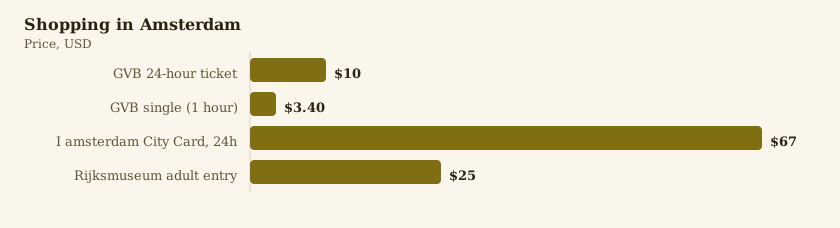
Transport is the main fixed cost: a 24-hour GVB ticket is €10.00, a single one-hour ticket is €3.40, and contactless tap-in with OVpay costs a €1.16 base plus €0.217 per kilometre. The shopping itself scales from a €5 market lunch to designer prices, and the I amsterdam City Card, €67 for 24 hours, covers museums and transport but not shopping.
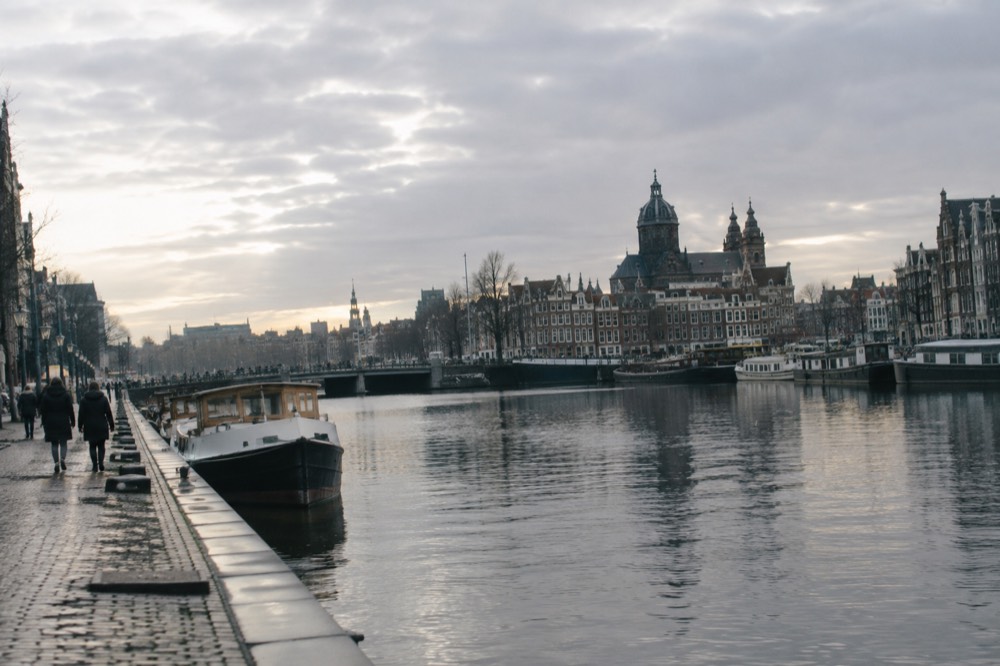
Getting between the shopping areas is cheap if you use the trams honestly. The GVB day ticket covers trams, buses, metro and ferries inside the city, and the current fares are published on gvb.nl. If you tap a contactless card instead, the fare is distance-based with a daily cap, which suits a day spent mostly on foot.
The City Card question comes down to what your day looks like. If it is museums plus a cruise plus transport, the card earns its price quickly, since the Rijksmuseum alone charges €25 at the door and is included free with the card. If the day is markets and boutiques, the card buys you little beyond transport, and a €10.00 day ticket is the better purchase. The card's own inclusion list is on iamsterdam.com.
| Item | Typical Cost | Notes |
|---|---|---|
| GVB 24-hour ticket | €10.00 | All GVB trams, buses, metro, ferries |
| GVB single (1 hour) | €3.40 | One hour of travel |
| I amsterdam City Card, 24h | €67.00 | Museums, transport, cruise, bike rental |
| Rijksmuseum adult entry | €25.00 | Free with the City Card; under-18s free |
| Market lunch at Albert Cuyp | Check stall prices | Varies by stall; pay by card or small cash |
For the shopping itself, set expectations by area. The Nine Streets and P.C. Hooftstraat are full-price retail. The markets, Waterlooplein and the Jordaan flea stalls are where the negotiation instinct pays off. And everywhere in the centre, the tourist tax is already inside your hotel bill rather than added at the till, so shop prices are the prices you see. The rest of the planning pages sit on Things to Do in Amsterdam.
When Are Amsterdam Shops Open?
Centre shops in Amsterdam typically open seven days, with the main pedestrian streets trading through the weekend and many staying open late on Thursdays and Sundays, while markets run fixed days and close earlier. Individual boutiques set their own hours, so check a shop's own page before crossing the city for one purchase.
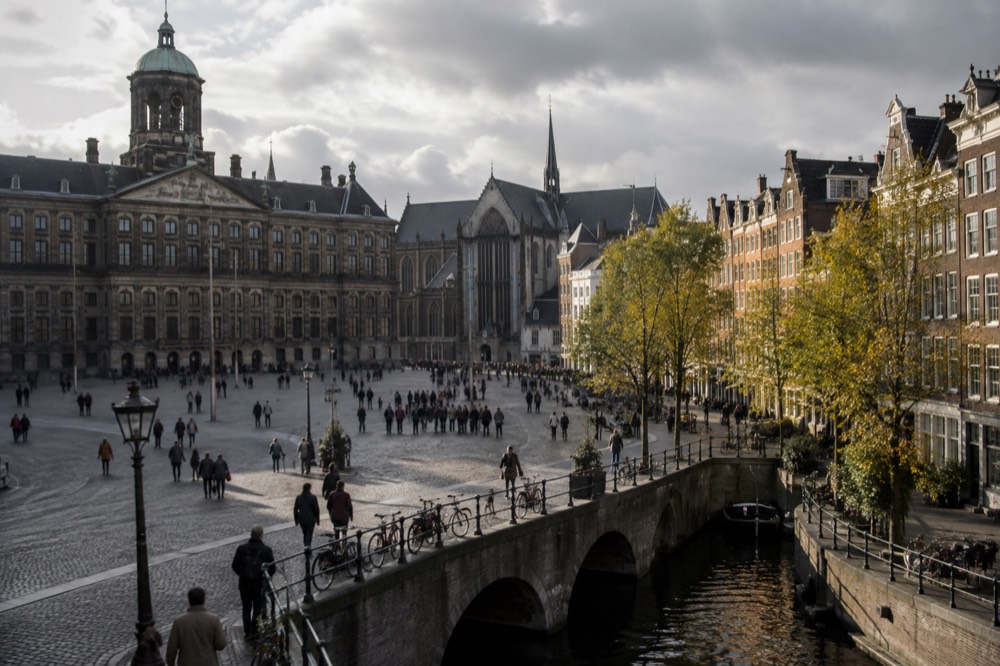
The pattern that matters most is the weekend one. Unlike some European capitals, Amsterdam's central retail does not shut on Sunday: Kalverstraat, Nieuwendijk and the Nine Streets trade through the weekend, and Sunday afternoon is one of the busier stretches in the centre. Markets are different, and Albert Cuyp's six-day week means one weekday off, so confirm the day before you build a De Pijp itinerary around it.
Public holidays reshape the calendar. On King's Day, 27 April in 2027, the whole city turns into a street market, with the Vondelpark given over to children selling their own toys, and normal retail is largely replaced by stalls on blankets. It is the single best day of the year to shop like a local and the worst day to need anything specific. Our King's Day guide covers what to expect.
Season matters too. The weeks around Christmas add markets and lights, and the winter trade shifts later into the afternoon. In August, when many Amsterdammers leave town, some independent shops trim their hours. None of this is dramatic, but a plan that assumes every boutique opens at nine will fail in a city where plenty open at eleven.
Where Do Locals Actually Shop in Amsterdam?
Locals shop away from the centre: in De Pijp around Albert Cuyp Market, in Oud-West along the Kinkerstraat, at the Dappermarkt in Oost, and in Amsterdam Noord's studios and markets. These areas have better prices, fewer souvenir stock and the shops that survived on repeat customers rather than footfall, which is the strongest filter there is.
The Kinkerstraat in Oud-West is the clearest example: a full shopping street with greengrocers, clothing shops and household goods that serves its own neighbourhood. Prices are honest because the customers come back weekly. The same logic applies at the Dappermarkt in Oost, one of the city's oldest street markets, where the food stalls sell to the people who live around them.
Amsterdam Noord, a short free ferry behind Centraal Station, has taken a different route: small producers, vintage markets and studio shops in converted industrial buildings. It pairs well with the NDSM wharf, and the Noord and NDSM guide covers the crossing. The STRAAT museum, the street art museum in a former shipyard warehouse, also runs a shop worth the ferry ride on its own, with prints and books rather than fridge magnets.
The useful rule is to follow the bikes. Where the racks outside a shop are full of battered local frames rather than rentals, the shop is trading on its own reputation. That test works on Haarlemmerdijk, it works at the Dappermarkt, and it fails, correctly, on the souvenir strips nearest Dam Square.
If a shopping trip is the reason you are in the city at all, a guided walk that doubles as an orientation pays for itself in saved wandering. The trio below covers the formats that pair best with a day of streets and stalls.
Common Questions About Shopping in Amsterdam
What should I buy in Amsterdam?
Cheese cut fresh in a proper cheese shop, certified tulip bulbs from the Bloemenmarkt with export paperwork, Dutch design and homewares from the Nine Streets, and vintage from Haarlemmerdijk or Waterlooplein. Skip the generic souvenir shops around Dam Square, which sell the same stock as any airport.
Where are the best shopping streets in Amsterdam?
The Nine Streets for boutiques on the canals, Haarlemmerstraat and Haarlemmerdijk for local independent shops, Kalverstraat and Nieuwendijk for high street chains, and P.C. Hooftstraat for luxury brands. All are within a short walk of Dam Square.
Is shopping in Amsterdam expensive?
It scales. A 24-hour transport ticket is €10.00 and a market lunch can cost less than that, while boutiques and designer streets charge full retail. The tourist tax of 12.5% applies to your hotel bill, not to shop purchases.
Are Amsterdam shops open on Sundays?
Yes, in the centre. The main pedestrian shopping streets and most Nine Streets boutiques trade on Sundays, and Sunday afternoon is busy. Markets keep their own fixed days, so check the specific market before you go.
Can I bring tulip bulbs home from Amsterdam?
Yes, if you buy certified bulbs from a proper seller and keep the certificate and receipt. Certification requirements depend on your destination country, so check your home country's rules before buying rather than at the airport.
Do I need cash for Amsterdam markets?
Mostly not. Card payment is widely accepted across the Netherlands, including at many market stalls, but small stalls and flea markets can be cash-preferred, so carry some euros for the smaller traders.