Amsterdam Markets Guide: Where to Shop Like a Local
Amsterdam's markets are where the city does its actual shopping: flowers, cheese, vintage clothes, street food and second-hand books, spread across neighbourhood squares and canal-side streets. This guide covers which market suits which kind of visitor, how to reach them by tram, and how to fold a market morning into a walking tour without losing half a day.
Short answer
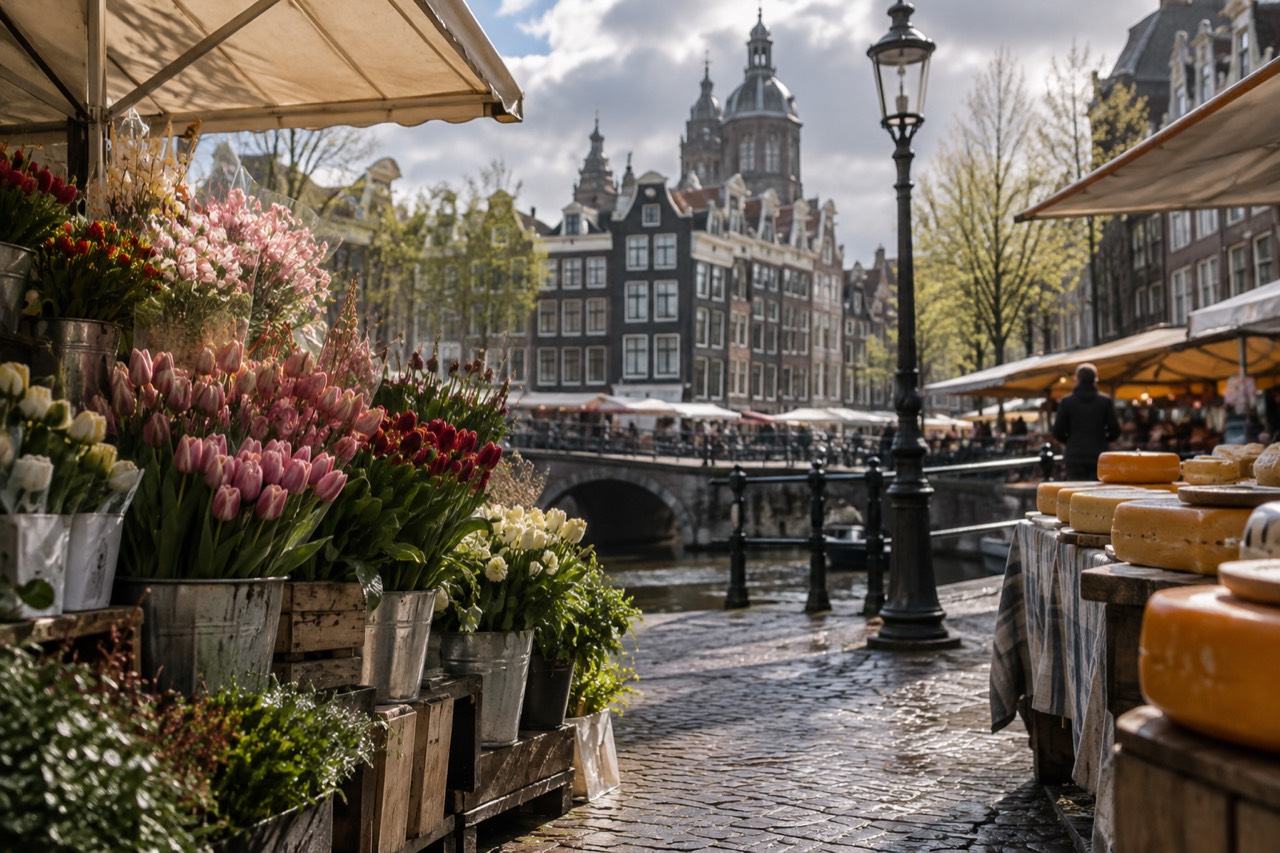
The best-known market in Amsterdam is the Albert Cuyp Market in De Pijp, the city's largest day market, closely followed by the floating Flower Market in the centre and the Waterlooplein flea market. All are free to browse, all sit on tram or metro lines, and a GVB 24-hour ticket at €10.00 covers a full day of hopping between them.
Amsterdam runs on markets. Long before the canal houses and the museum queues, this was a trading city built around a river mouth where goods changed hands, and that habit never went away. Today the market stalls sell stroopwafels instead of ship provisions, but the rhythm is the same: locals on bicycles, traders shouting prices, and a visitor wondering which square to head for first.
This guide walks through the main markets, what each one actually sells, how to move between them on the city's trams and metro, and how to combine a market morning with a guided walk. Where a price is verified it is printed; where a figure lives on an operator's own page rather than in a published source, the guide says so instead of guessing.
Which Market in Amsterdam Should You Visit First?
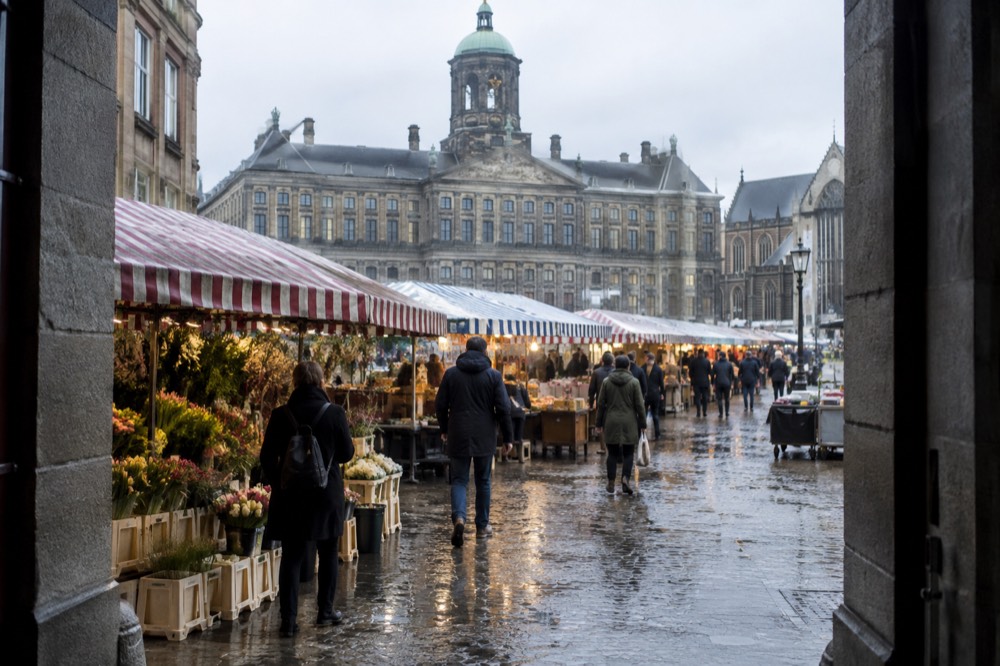
The Albert Cuyp Market in De Pijp is the market most locals would send you to first: it is the city's largest day market, stretching along a long street of the same name, and it mixes food stalls, clothing, flowers and cheese under one run of awnings. If you are short on time, the floating Flower Market on the Singel is the easiest reach, and Waterlooplein is the one for second-hand finds.
De Pijp is worth the tram ride for the neighbourhood as much as for the stalls. The Albert Cuyp Market sits in what was historically the working-class quarter south of the centre, and the streets around it are packed with cafés, independent shops and the kind of food spots that survive on local trade rather than tourist footfall. If you are planning a wider trip around the area, our De Pijp neighbourhood guide covers what else to see within walking distance of the stalls.
The centre has two markets that most visitors encounter without really planning to. The Bloemenmarkt, the floating flower market on the Singel, is the one where tulip bulbs, bouquets and souvenirs are sold from houseboat-based stalls permanently moored along the canal. The full story, including what you can legally take home, is in our Bloemenmarkt floating flower market guide. Waterlooplein, next to the Jewish Cultural Quarter, hosts the city's best-known flea market, where vintage jackets, vinyl records and oddities change hands six days a week.
If your question is simply which one is the most famous, the answer is the Albert Cuyp Market by name recognition and the Bloemenmarkt by postcard count. The short version: fame and quality are not the same thing, and the market that photographs best is not always the one worth an hour of your morning.
| Market | Neighbourhood | Best for | Reachable by |
|---|---|---|---|
| Albert Cuyp Market | De Pijp | Food, cheese, clothing, street snacks | Tram, metro (De Pijp station) |
| Bloemenmarkt | Centrum, on the Singel | Flowers, tulip bulbs, souvenirs | Tram, on foot from Dam Square |
| Waterlooplein Market | Centrum, near the Jewish Cultural Quarter | Flea market, vintage, second-hand | Metro (Waterlooplein station), tram |
| Dappermarkt | Oost (Amsterdam East) | Food and everyday goods, local atmosphere | Tram, bus |
| Noordermarkt | Jordaan | Weekend markets, organic produce, antiques | Tram, on foot from Centraal |
What Can You Buy at Amsterdam's Best Markets?
Food is the headline: fresh cheese, herring, stroopwafels, fruit and hot snacks dominate the Albert Cuyp Market and the Dappermarkt, while the Bloemenmarkt sells flowers and tulip bulbs, Waterlooplein sells second-hand goods, and the Noordermarkt in the Jordaan alternates between organic produce and antiques depending on the day. Expect to browse rather than bulk-buy; most stalls specialise in one thing and do it well.
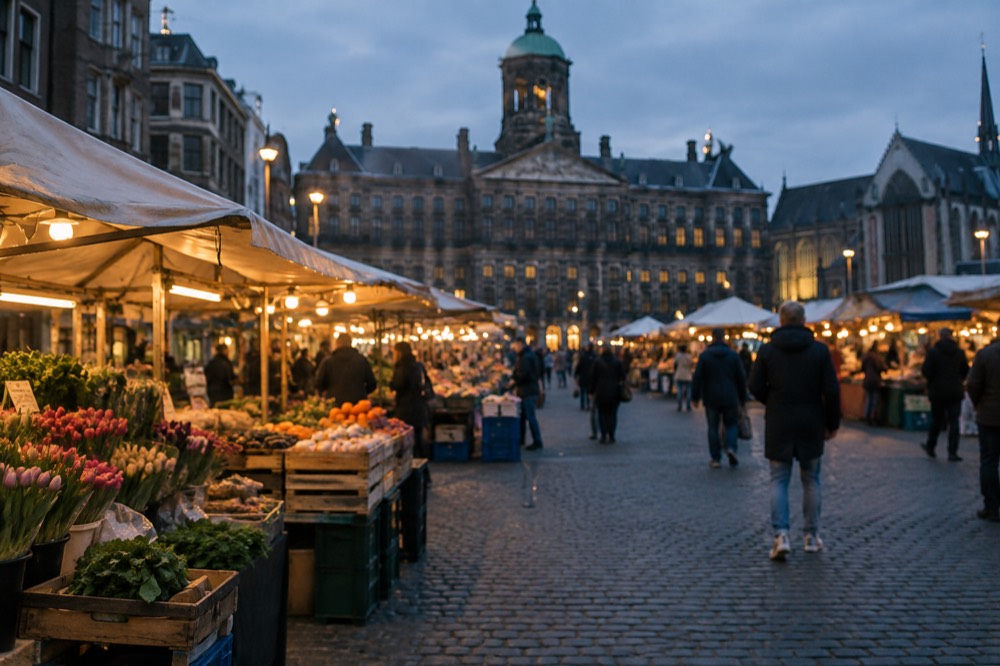
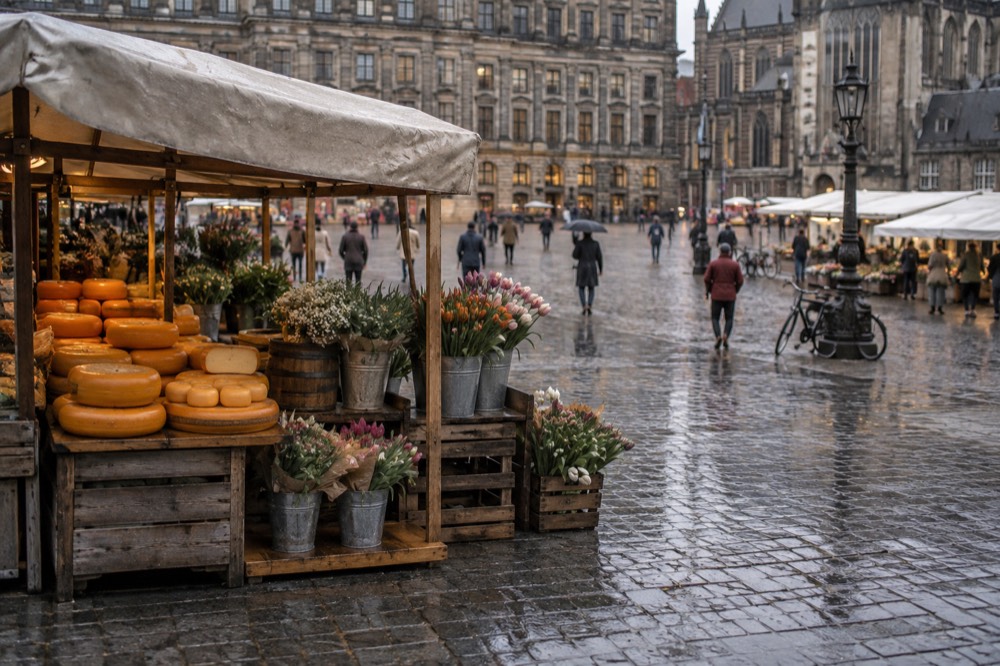
Cheese is the one purchase almost every visitor makes, and the market stalls sell it by the wedge with tastings laid out on the counter. The same is true of the herring stands, where the raw fish is served in the traditional style with onions and pickles. Our Dutch foods to try guide explains what you are actually eating and what to expect from each, which helps when a stallholder offers you something you cannot name.
The non-food markets reward patience. Waterlooplein's flea market is the place for vintage clothing, old postcards, books and bric-a-brac, and prices at the antique and second-hand stalls are more negotiable than in the shops. The Noordermarkt square in the Jordaan hosts different markets on different days, so check what is running before you commit to the walk; the neighbourhood itself, covered in our Jordaan guide, is worth the trip regardless.
A word on tulip bulbs. The Bloemenmarkt sells bulbs packaged for travel, but whether you can legally bring them into your home country depends on where that is, and on the phytosanitary rules at your border. United States visitors in particular need certified bulbs, and uncertified ones will not clear customs, so check the certification on the packet before you buy.
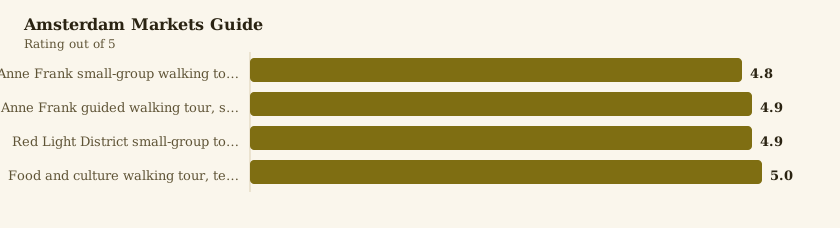
If you want to taste your way through the city rather than shop your way through it, a guided food walk does the deciding for you. The ten-tastings food and culture walking tour runs 3 hours 30 minutes, is rated 5.0 across 1,157 reviews, and costs from $92; it pairs market-style tastings with the city's main sights, which suits visitors who would rather eat than browse. For a cheaper introduction to the centre's streets, the trio of walking tours above covers the history side of the same walkable area.
How Do You Get to the Markets Using Public Transport?
A single GVB tram or metro ticket costs €3.40 and is valid for one hour, while a 24-hour GVB day ticket costs €10.00, so anything more than three separate rides in a day makes the day ticket cheaper. All the major markets sit within a short walk of a tram stop or metro station, and the GVB network of trams, buses, metro and ferries covers the whole city, so no market requires a taxi.
The day ticket is the practical choice for a market-hopping itinerary. The verified GVB fares are: €3.40 for a one-hour single, €10.00 for 24 hours adult and €5.00 for a child day ticket, €16.00 for 48 hours, €21.50 for 72 hours, €27.50 for 96 hours, €34.00 for 120 hours, €39.00 for 144 hours and €43.00 for a full week. Those figures are published on the operator's own fare page at GVB prices. Contactless bank-card tapping, the OVpay system, also works on trams, buses and metro, with a base fare plus a per-kilometre charge and a daily cap.
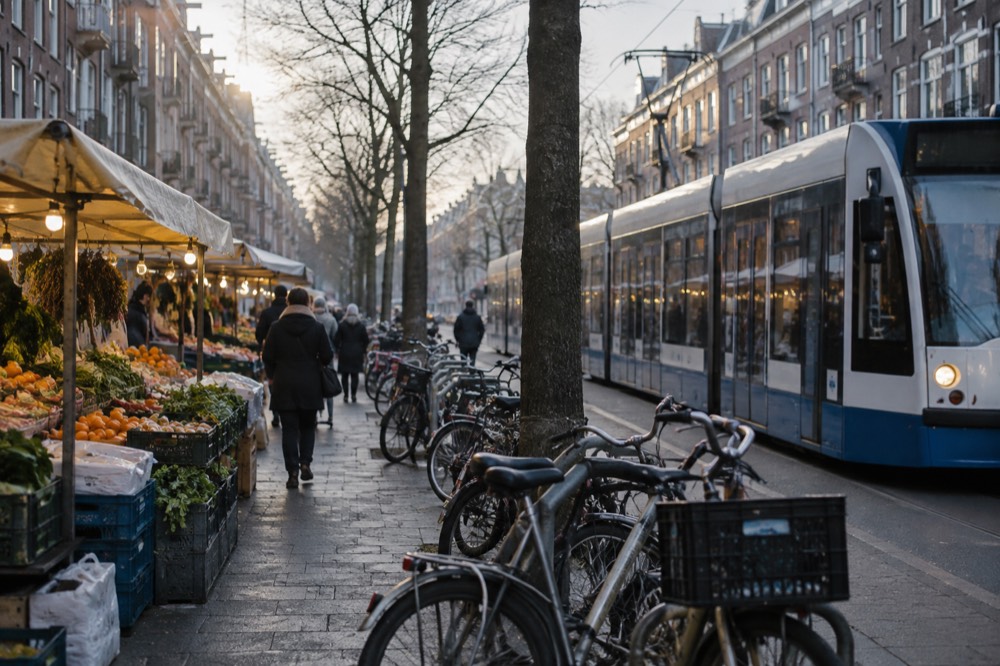
The layout makes routing simple. The Bloemenmarkt and Waterlooplein are both inside the canal ring and walkable from Dam Square in under half an hour. The Albert Cuyp Market is a tram ride south to De Pijp, and the Dappermarkt is east of the centre, a short metro or tram trip. Doing the Bloemenmarkt in the morning, walking east to Waterlooplein, then tramming south to De Pijp for lunch is a full but comfortable day, and it is exactly the kind of loop a day ticket pays for itself on.
Are Amsterdam's Markets Free to Visit?
Yes, every market in this guide is free to enter and free to browse; you pay only for what you buy. There are no gates, tickets or entry fees at the Albert Cuyp Market, the Bloemenmarkt, Waterlooplein, the Dappermarkt or the Noordermarkt, and wandering the stalls costs nothing. The only money you spend is on goods, snacks and the tram fare to get there.
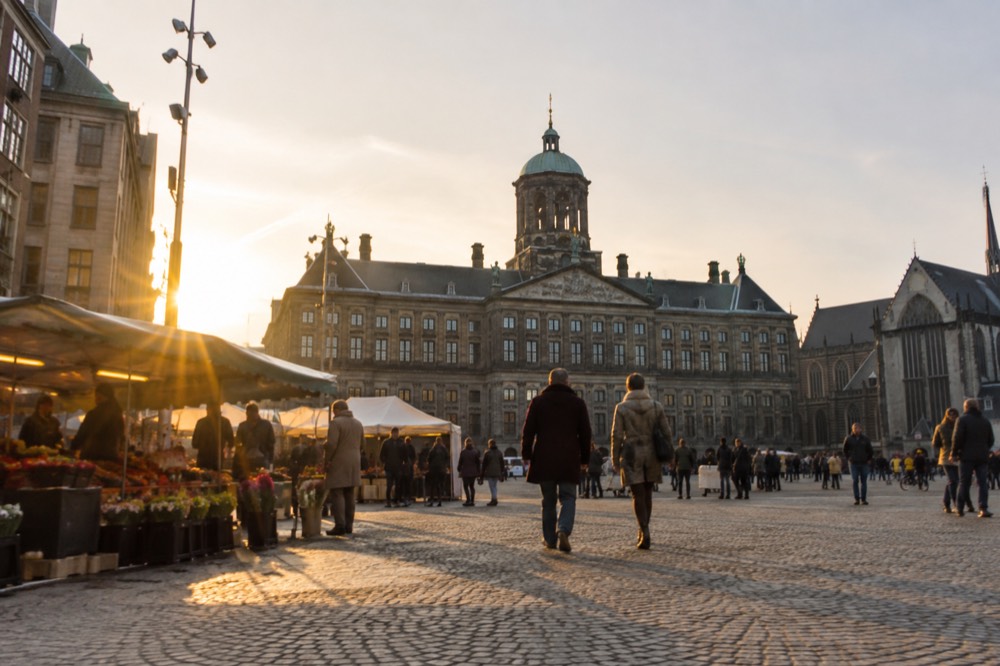
That makes a market morning one of the cheapest sightseeing blocks in an expensive city. Amsterdam is not a bargain destination, and museum tickets, canal cruises and meals add up quickly. Markets are the exception: a coffee at a stall, a wedge of cheese, a bunch of tulips, and you have had a genuine Amsterdam experience for the price of a sandwich elsewhere.
Budget visitors can build a whole day around this. Free sightseeing and the no-cost side of the city slot naturally around a market itinerary, especially the ones you reach on foot from the centre. The Bloemenmarkt is free to browse even if you buy nothing, and the window-shopping at Waterlooplein is entertainment in itself.
One honest caveat: free to enter does not mean free of tourist pricing. The stalls closest to the main sightseeing streets charge souvenir rates, and the same bulbs, magnets and scarves are often cheaper a few neighbourhoods out. The Dappermarkt in Amsterdam East is the one most often recommended to visitors who want the local version of the Albert Cuyp experience, and the Plantage district around it rewards the extra stop.
Which Walking Tours Pair Well With a Market Morning?
The best pairing is a morning at the Bloemenmarkt or Noordermarkt followed by a short guided walk through the historic centre, because the markets open the day and the tours fill the afternoon with context. The Anne Frank small-group walking tour at $22 runs one hour, is rated 4.8 across 15,104 reviews, and covers the Jewish Quarter and wartime history, which sits within walking distance of the Waterlooplein market.
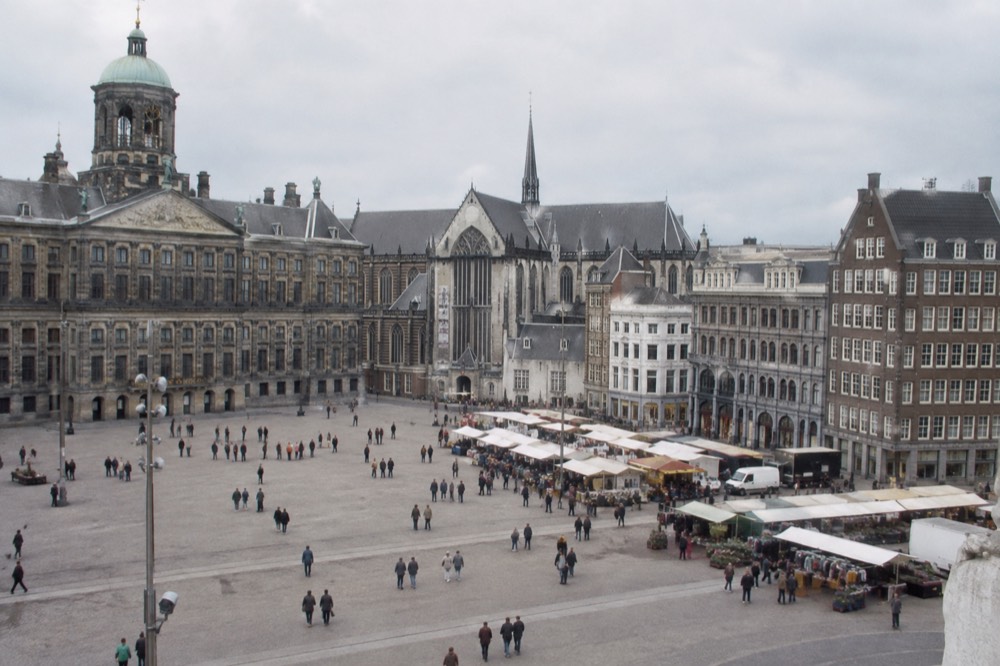
The geography does the work for you. Waterlooplein sits at the edge of the Jewish Cultural Quarter, so a flea-market browse and an Anne Frank-themed walk can share a single morning without any transport at all. The Anne Frank small-group walking tour is the short version: one hour, from $22, led by a local guide through the quarter's streets. Be clear about what it is, because this matters: it is a walking tour of the streets and the history, not entry to the Anne Frank House itself. The house sells its tickets only through its own official site at annefrank.org, with timed slots released weeks ahead and no door sales, and no tour or pass includes it.
The longer option is the two-hour Anne Frank guided walking tour, rated 4.9 across 4,680 reviews, from $33, which goes deeper into the Jewish Quarter and the wartime story. Both tours are street walks; neither sells or implies house entry, and if the house is on your list you need to book its timed ticket separately and early.
For a completely different afternoon, the Red Light District sits north of the Bloemenmarkt and the Dam, and a guided walk there explains a neighbourhood most visitors otherwise see only as a spectacle. The small-group Red Light District tour runs 1 hour 30 minutes, is rated 4.9 across 9,142 reviews and costs from $26. The rules that bind every legal tour in De Wallen are strict and worth knowing before you book anything: groups are capped at 15 people, tours run only between 08:00 and 22:00, and no tour may pass the sex workers' windows. Those rules are set by the city, and a tour that ignores them is a tour operating outside the rules.
If you would rather compare the paid and free options before committing, the trade-offs are straightforward: free tours run on tips and cover the centre's greatest hits, while paid small-group tours keep numbers low and let the guide go deeper, which matters most in the historic quarters where the story is the point.
What Should You Know Before You Go?
Go early, pay by card, keep the bicycle lanes clear, and treat the market streets as working neighbourhoods rather than photo sets. Amsterdam's centre prohibits street drinking, public urination is prohibited, and outdoor cannabis smoking is banned in the city centre, all under the city's published visitor rules. Photographing people without asking, blocking the cycle lanes and standing still in the middle of busy walkways are the three fastest ways to annoy locals.
The bicycle point deserves emphasis. Market streets in Amsterdam are also cycling streets, and the lanes beside the stalls carry commuters, delivery riders and school children at speed. Standing in a bike lane to frame a photo of a cheese wheel is not a harmless act here; it is the equivalent of parking yourself in the middle of a road. Step to the pavement side, check behind you, and the problem disappears.
The city's own visitor guidance, published on the municipality's How to Amsterdam page, covers the behavioural rules in plain language: respect residents and sex workers, no photography of the windows in De Wallen, no street drinking in the centre and no outdoor cannabis smoking in the centre either. Cannabis itself is sold legally to tourists in coffeeshops under the national tolerance policy; the residents-only rule exists in national law but Amsterdam does not apply it. What is banned is smoking it on the street in the core, not buying it.
| Walking tour | Duration | Rating | Reviews | From (USD) |
|---|---|---|---|---|
| Anne Frank small-group walking tour | 1 hour | 4.8 | 15,104 | $22 |
| Anne Frank guided walking tour, small group | 2 hours | 4.9 | 4,680 | $33 |
| Red Light District small-group tour | 1 hour 30 minutes | 4.9 | 9,142 | $26 |
| Food and culture walking tour, ten tastings | 3 hours 30 minutes | 5.0 | 1,157 | $92 |
Payment is the last practical point. Dutch retail runs on card payments, and many stalls and shops prefer them to cash, so do not assume you need a pocket of euros. Prices at food stalls are posted, haggling is normal only at the flea market and antique stalls, and fixed prices apply everywhere else. If a market morning runs long and your bags get heavy, the city's luggage-storage services will hold them near the main stations.
How Do You Build a Full Day Around the Markets?
A workable single-day plan is the Bloemenmarkt in the morning, a walk east to the Waterlooplein flea market, a tram south to the Albert Cuyp Market for lunch, and a guided walking tour in the mid-afternoon once the stalls quieten down. The GVB 24-hour ticket at €10.00 covers every leg, and the whole loop stays inside the areas a first-time visitor wants to see anyway.
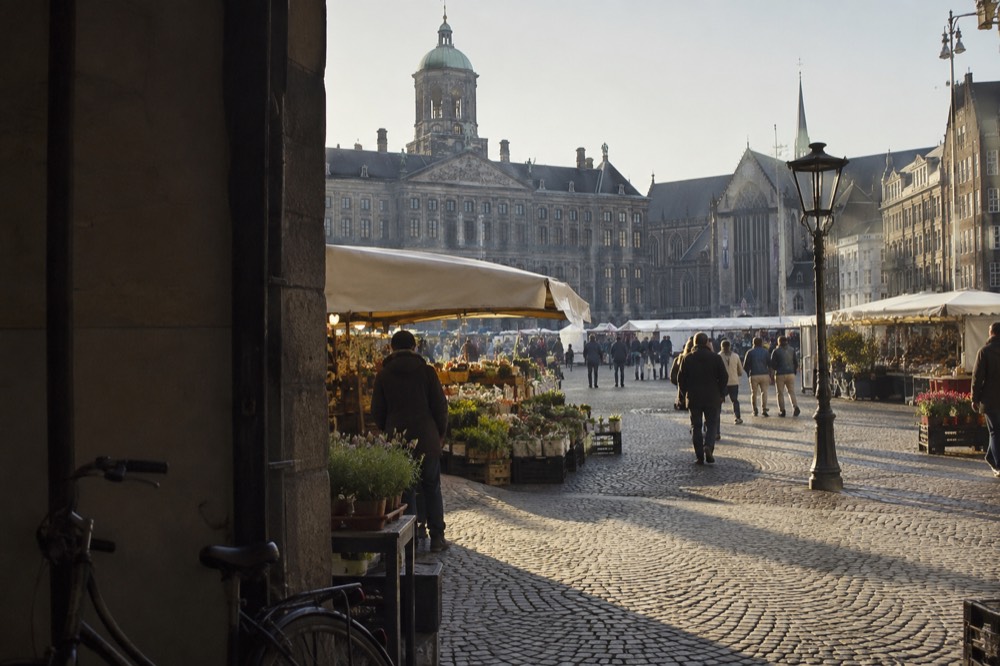
Start early, because the first hour at any market is the local hour. By late morning the centre's stalls are crowded and the best produce is picked over, and the difference between an 09:00 arrival and an 11:30 one is the difference between a market and an obstacle course. The flower market needs less time than people expect; budget twenty minutes unless you are seriously shopping for bulbs.
Waterlooplein is a 15-minute walk east, past the Stopera and into the Jewish Cultural Quarter. Browse the flea stalls, then decide: the one-hour Anne Frank walking tour fits before lunch if you book a late-morning slot, or you can save the history for the afternoon and head straight to De Pijp. The Albert Cuyp Market is the food stop, and De Pijp's cafés handle the sit-down lunch if the stalls' standing snacks are not enough.
The afternoon is where the guided walks earn their keep. A Red Light District tour in the late afternoon, before the 22:00 cutoff that city rules impose on all De Wallen tours, explains a part of the centre most visitors walk through uncomprehending. Alternatively, close the day on the water: the canal cruise options range from a standard one-hour cruise to private sloops, and the evening departures pass right by the market streets you walked that morning.
| GVB ticket | Price | Best for |
|---|---|---|
| Single, 1 hour | €3.40 | One market, one destination |
| 24-hour day ticket, adult | €10.00 | A full market-hopping day |
| 24-hour day ticket, child | €5.00 | Families |
| 48-hour | €16.00 | A weekend of markets and museums |
| 72-hour | €21.50 | Three-day trips with day tours added |
Whatever your route, the principle is the same: markets are the living half of Amsterdam, the half that exists for residents and happens to welcome visitors, and they cost almost nothing to enjoy. Pick one in the centre for convenience, one further out for authenticity, and let a guided walk fill in the history between them. That mix of open shopfronts and living streets is exactly what Things to Do in Amsterdam exists to map.
Common Questions About Amsterdam Markets
Which market in Amsterdam is the best one to visit?
The Albert Cuyp Market in De Pijp is the one most recommended for a first visit: it is the city's largest day market and mixes food, cheese, flowers and clothing. The Bloemenmarkt is the easiest from the centre, and Waterlooplein is the best for vintage and second-hand goods.
Are Amsterdam markets free to enter?
Yes. Every market in this guide, including the Albert Cuyp Market, the Bloemenmarkt and Waterlooplein, is free to browse with no entry fee or ticket. You pay only for what you buy and for the transport to get there.
What can you buy at the Albert Cuyp Market?
Food is the main draw: cheese, herring, stroopwafels, fruit, vegetables and hot snacks, alongside clothing, flowers and household goods. It is a working day market that locals actually shop at, not a craft market aimed only at tourists.
Can tourists buy tulip bulbs at the flower market?
Yes, the Bloemenmarkt sells bulbs packaged for travel, but whether you can bring them home depends on your destination country's import rules. Check the certification requirements before buying, especially for the United States, where uncertified bulbs are not admissible.
How do I pay at market stalls in Amsterdam?
Card payment is widely accepted and often preferred, including at many stalls, so you do not need to carry much cash. Haggling is normal only at the flea market and antique stalls; fixed prices apply at food and produce stalls.
Which walking tour goes well with a market morning?
The one-hour Anne Frank small-group walking tour pairs naturally with the Waterlooplein market, since both sit in and around the Jewish Cultural Quarter. It costs from $22 and is rated 4.8 across 15,104 reviews. Note it is a street walk, not entry to the Anne Frank House, whose tickets are sold only on its own official site.