Amsterdam or Brussels: Which City Suits Your Trip Better
Two capitals, three hours apart by train, and completely different travel experiences. Here is how Amsterdam and Brussels actually compare on the things that decide a trip: cost, art, food, getting around and the feel of the streets.
Short answer
Amsterdam costs more and delivers canals, world-class Dutch Golden Age art and a compact walkable centre. Brussels is cheaper, grander in scale and stronger for food, beer and Art Nouveau. The Rijksmuseum charges €25 and the Van Gogh Museum €25, both with timed entry, while a GVB day ticket is €10. Brussels rewards a slower, food-led pace.
Amsterdam recorded 23.7 million tourist overnight stays in 2025, the city's research office reports, and Brussels draws a comparable international crowd in a completely different way. Choosing between them is rarely about which city is objectively better. It is about what kind of trip you want: a dense, water-cut historic core built around art museums, or a grander, more spread-out capital where the pleasure is food, beer and architecture rather than canals and cycling. This comparison works through the decision the way a travel desk would: prices first, then the art, then the food, the transport, the atmosphere, and finally whether you can sensibly do both.
Amsterdam or Brussels: Which City Should You Choose?
Choose Amsterdam if your trip is built around canals, Dutch Golden Age painting and a city you can cross on foot or by bike in a day; choose Brussels if you care more about food, beer, Art Nouveau and a lower price tag, and you are happy to ride a metro between neighbourhoods rather than walk one continuous historic core.
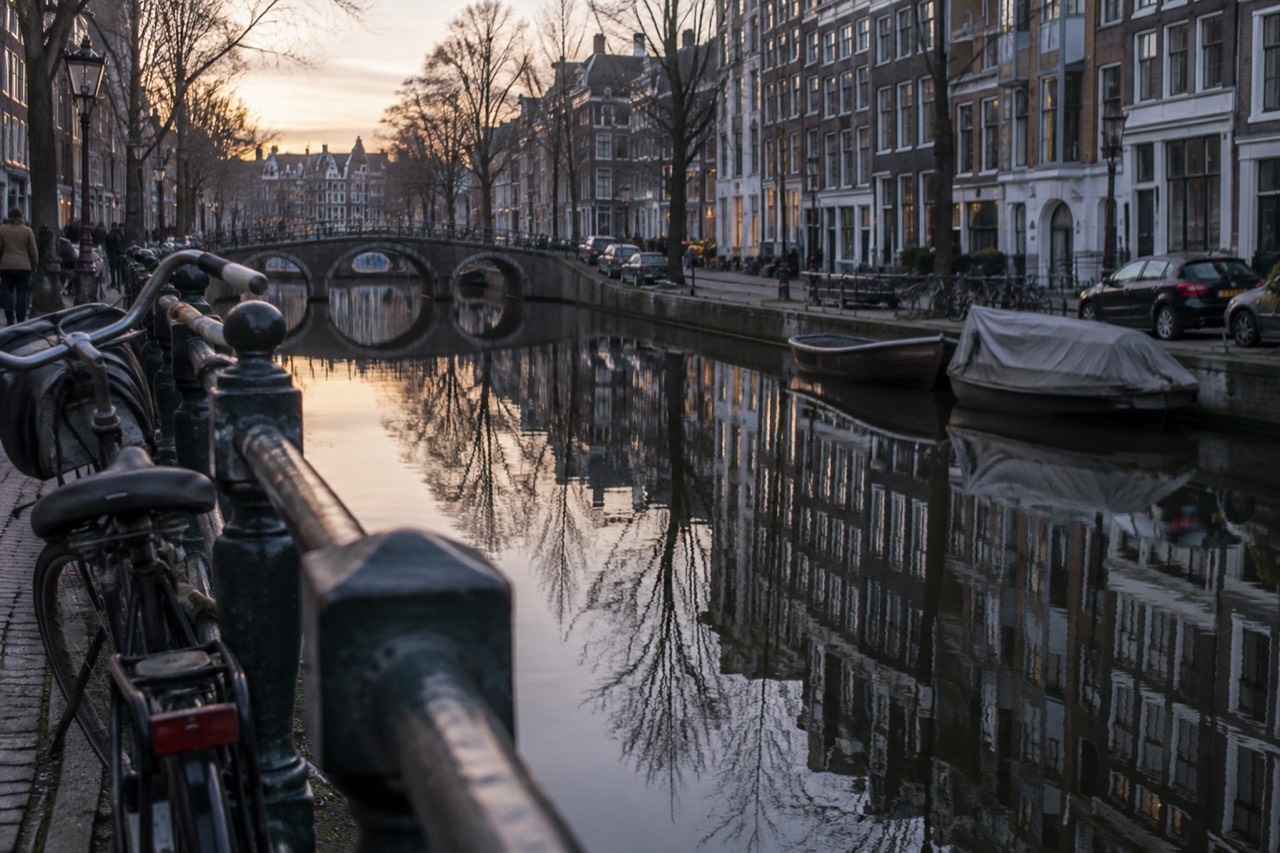
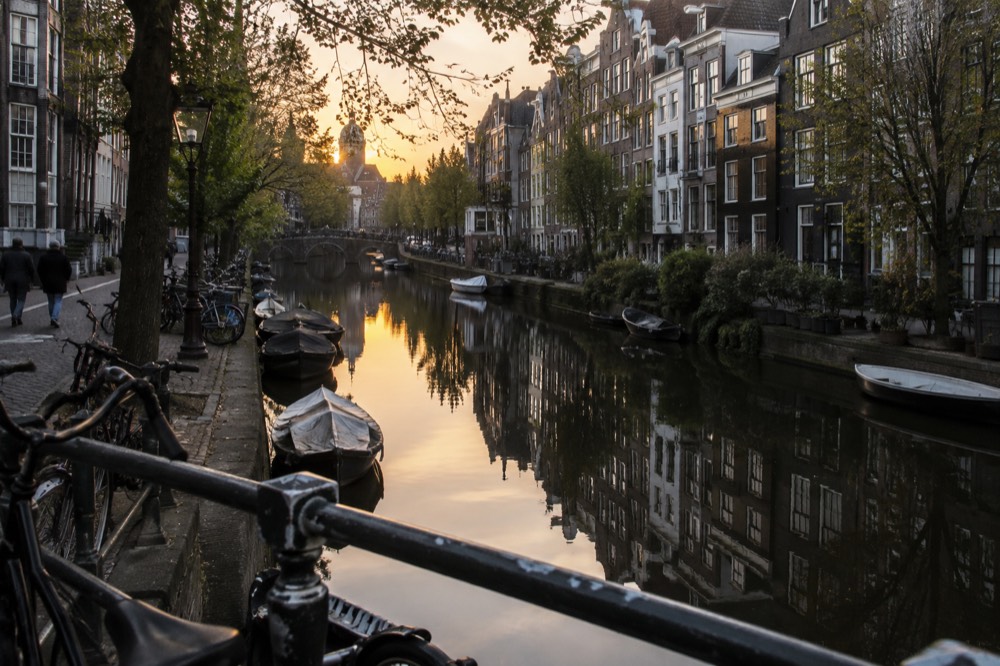
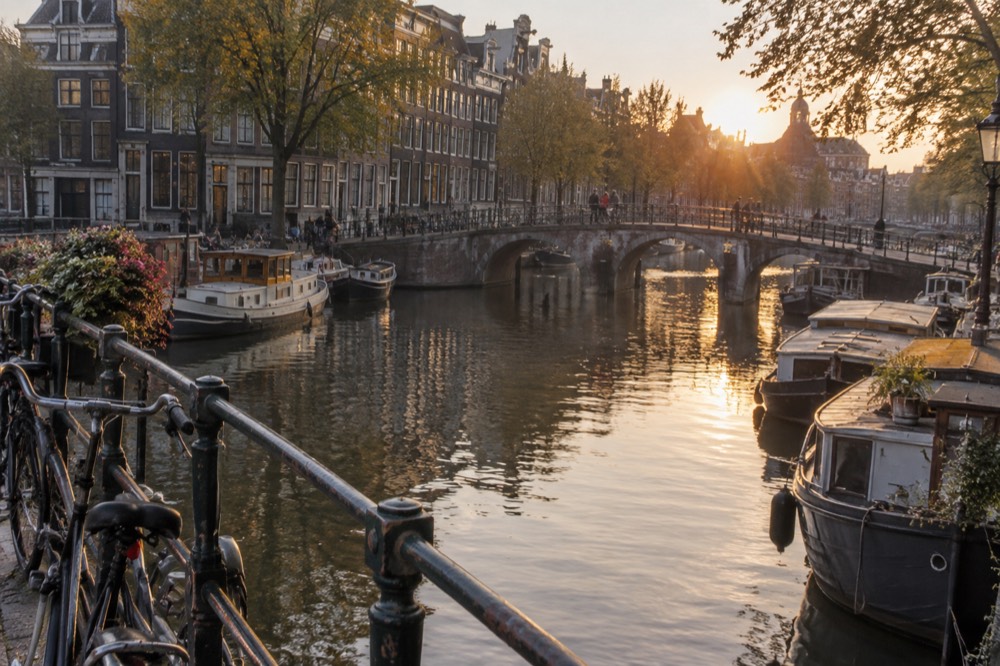
The honest starting point is that these cities do not compete on the same terms. Amsterdam is a seventeenth-century canal city where almost everything a visitor wants sits inside a ring of water roughly two kilometres across. The centre is a single continuous fabric of gabled houses, bridges and tree-lined grachten, and the whole thing is walkable end to end in under an hour if you do not stop. That density is the product, and it is why Amsterdam's overnight-stay numbers keep climbing past the 20 million figure the city set itself in its Toerisme in Balans regulation, a ceiling the municipal research office confirms was exceeded again in 2025 with 23.7 million stays.
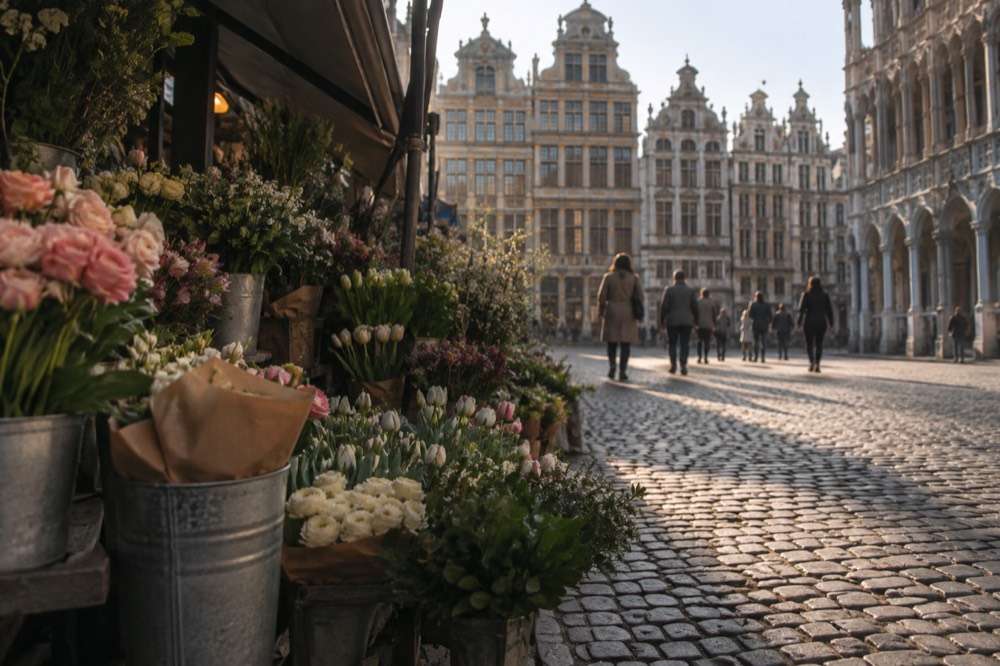
Brussels works differently. The Grand-Place, the city's famous guild-house square, is genuinely one of the most spectacular in Europe, but it sits inside a working capital of over a million people, and the distances between the interesting bits, the square, the Sablon antiques quarter, the Marolles, the Art Nouveau districts of Ixelles and Saint-Gilles, are metro or tram distances rather than strolls. The reward for that spread is a city that feels lived-in rather than curated, with prices noticeably below Amsterdam's, and a food scene that punches far above its size.
There is also a timing question. Amsterdam's peak experiences, tulip season at Keukenhof, which runs only from late March to early May, and the summer canal life, are sharply seasonal. Brussels is closer to weather-proof: its pleasures are indoors, in restaurants, museums and cafés, so a grey February weekend in Brussels loses much less than a grey February weekend in Amsterdam. If you are travelling between November and March, that asymmetry matters more than any museum ranking.
How Do the Two Cities Compare on Price?
Amsterdam is the more expensive city on almost every line: hotel rates are higher, the tourist tax is 12.5 per cent of the nightly price, and museum entry runs €25 at both the Rijksmuseum and the Van Gogh Museum. Brussels is cheaper on accommodation and eating out, and its headline museums cost less, though both cities reward a pass or some planning.
Start with the fixed costs. Amsterdam's municipal tourist tax stands at 12.5 per cent of the overnight price excluding VAT, per the city's own tax page, and that is added to hotel bills that are already among Europe's highest because the city has frozen new hotel construction under its hotelstop policy. Roughly 41,000 to 42,000 rooms exist across about 544 hotels, and demand from those 23.7 million annual stays keeps occupancy tight. Brussels, a capital with a large business-hotel stock that empties at weekends, frequently offers lower nightly rates, especially Friday to Sunday.
Museum costs are the clearest like-for-like comparison, and Amsterdam's top tier is priced at the top of the European range. The Rijksmuseum charges adults €25 with free entry for ages 18 and under, and the museum's own pages confirm every visitor, pass holder or not, must book a timed start slot. The Van Gogh Museum also charges €25, with under-18s free and timed entry mandatory for all. The Anne Frank House is the outlier in the other direction: €16.50 for adults, sold only through the museum's own site in timed slots released six weeks ahead, with no reseller and no discount for the I amsterdam City Card.
| Cost | Amsterdam | Brussels |
|---|---|---|
| Top museum entry | €25 (Rijksmuseum, Van Gogh Museum) | Lower headline prices at the Royal Museums of Fine Arts; combined tickets common |
| Local transport day pass | €10.00 GVB 24-hour ticket | Brussels MOBIB day pass, cheaper per trip on single-jump fares |
| Tourist tax | 12.5% of nightly price, excluding VAT | Brussels city tax added to hotel bills, typically a small fixed nightly amount |
| Typical main course, mid-range restaurant | Higher; centre prices inflated by tourism density | Lower; fixed-price menus common in brasseries |
| Signature splurge | Canal cruise with drinks, from $19.56 for the classic saloon boat | Multi-course dinner with beer pairing in a brasserie |
Transport is where Amsterdam's costs are easy to control. A GVB 24-hour ticket is €10.00 and covers trams, buses, metro and ferries city-wide, per the operator's fare page, and contactless OVpay tapping works with a base fare of €1.16 plus €0.217 per kilometre, capped daily. Most visitors in Amsterdam barely need transport at all: the centre is a walking city. In Brussels you will use the metro more, but the per-ride cost is modest and single tickets are cheaper than Amsterdam's €3.40 one-hour paper ticket.
The budget verdict: a comfortable mid-range day in Amsterdam, one big museum, a canal cruise, transport and dinner, will run noticeably more than the same-shaped day in Brussels. But Amsterdam's extra spend buys experiences Brussels cannot match, and Brussels' savings buy a slower, more food-centred trip. Neither is the cheap option or the expensive option in absolute terms; it depends entirely on what you spend on. Our fuller cost breakdown lives in the guide to what a trip to Amsterdam costs.
Which City Has the Better Museums and Art?
Amsterdam wins on depth and fame: the Rijksmuseum, the Van Gogh Museum and the Anne Frank House form a trio few cities can answer, though all three require booked time slots. Brussels answers with the Royal Museums of Fine Arts, including Magritte, and the Comic Strip Museum, at lower prices and with far shorter queues.
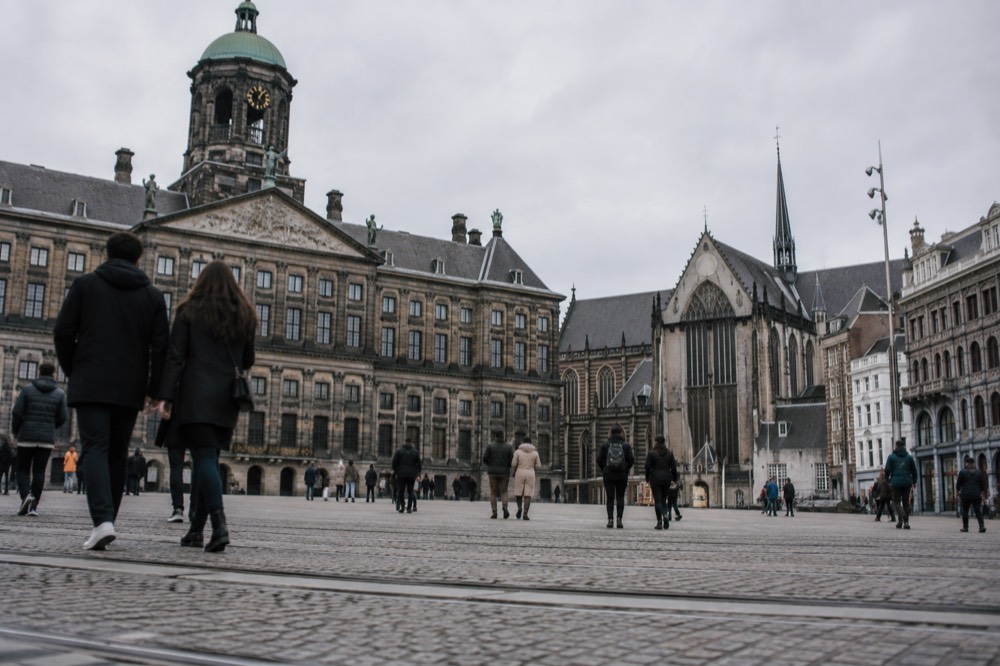
The Amsterdam set is genuinely elite. The Rijksmuseum holds the Dutch Golden Age at its full height, Rembrandt's The Night Watch in a purpose-lit hall, Vermeer, Frans Hals, and it pulled 2.4 million visitors in 2024, making it one of Europe's most-visited art museums. The Van Gogh Museum holds the world's largest Van Gogh collection, over 200 paintings plus drawings and letters, and it is the kind of place that sells out in high season. The Anne Frank House is not an art museum at all but the most affecting hour in the city, and its ticket system, online-only, released Tuesdays for six weeks ahead, no resellers, is a planning task in itself. The museum's own ticket page spells out the rules plainly, and it is worth reading before you build an itinerary.
Brussels' art argument is real but different in scale. The Royal Museums of Fine Arts of Belgium bundle Old Masters, the Musée Magritte with the world's largest René Magritte collection, and modern wings under one roof, at prices well below Amsterdam's €25 tier, and you can usually walk in on the day. The city's other signature museum is the Comic Strip Museum in an Art Nouveau warehouse designed by Victor Horta, which says a lot about Brussels: its architecture is the exhibit. For a traveller whose main interest is painting, Amsterdam is the destination and Brussels is the detour. For a traveller interested in design, Brussels' Horta town houses and the Musée Fin-de-Siècle hold their own against anything Amsterdam offers.
The practical difference is crowding. Amsterdam's top three museums all require timed entry precisely because demand outstrips capacity for much of the year, and the Van Gogh Museum's listing notes it draws over a million visitors annually. Brussels' museums rarely feel full outside special-exhibition weekends. If queueing and booking calendars stress you out, that is a point for Brussels; if the art itself is the point, book the slots and go to Amsterdam. Our deeper comparison of the two headline museums helps if Amsterdam is winning your vote: see Rijksmuseum or Van Gogh Museum.
One Amsterdam nuance worth knowing: the I amsterdam City Card includes the Rijksmuseum, confirmed by the museum's own pricing page, but excludes both the Van Gogh Museum and the Anne Frank House. Anyone planning a museum-heavy Amsterdam itinerary should read our city card worth-it breakdown before buying, because the exclusions are exactly the museums most visitors most want.
How Different Is the Food and Nightlife?
Brussels wins on food culture: mussels, frites, waffles, chocolate and a beer tradition that includes Trappist brews and lambics you cannot get in Amsterdam. Amsterdam answers with a broader international restaurant scene, Indonesian rijsttafel, brown cafés and a nightlife economy built around music venues rather than beer bars.
The Belgian case is straightforward. Brussels is the natural home of moules-frites, of gaufres bought hot from street windows, of praline chocolate houses whose flagship shops line the Sablon, and of a beer culture with genuine depth: Trappist ales, sour lambics from the Senne valley and café lists running to hundreds of bottles. Eating well in Brussels is also cheaper than eating well in Amsterdam, and the fixed-price menus in traditional brasseries make budgeting easy. For a food-led city break, Brussels is one of Europe's best value propositions.
Amsterdam's food identity is narrower but distinctive. The Dutch table gives you herring, bitterballen, stroopwafels and cheese, and the colonial history gives you the Indonesian rijsttafel, a many-dish rice table that is arguably the city's single best dinner experience. The brown café, a candle-lit, wood-panelled pub unchanged for a century or more, is Amsterdam's answer to the Belgian beer café, and our guide to Amsterdam's brown cafés covers where to find the best of them. Beyond that, Amsterdam eats internationally: the centre is dense with every cuisine at every price, though quality near Damrak thins out the way it does around any city's tourist core.
| Category | Amsterdam | Brussels |
|---|---|---|
| Signature dish | Indonesian rijsttafel; herring from a stall | Moules-frites; waterzooi |
| Street snack | Stroopwafel, warm from the griddle | Gaufre de Liège, caramelised and dense |
| Drink culture | Brown cafés, Dutch and Belgian beers on tap, jenever | Trappist and abbey ales, lambics, café lists in the hundreds |
| Sweet specialty | Stroopwafels and thick farmhouse cheese | Praline chocolate from the Sablon houses |
| Mid-range dinner cost | Higher in the centre; better value in De Pijp and Oost | Lower; fixed-price brasserie menus common |
Nightlife splits the same way. Amsterdam's after-dark economy is built on scale: music venues, club nights that run to the early hours, and events like the Amsterdam Dance Event in late October, the 2026 edition running 21 to 25 October, which turns the whole city into an electronic-music festival. Brussels' nightlife is more local and more beer-centred, a city of long café evenings rather than big club nights, though its own scene is livelier than the stereotype allows. If your trip is nightlife-first, Amsterdam wins; if it is dinner-first, Brussels does.
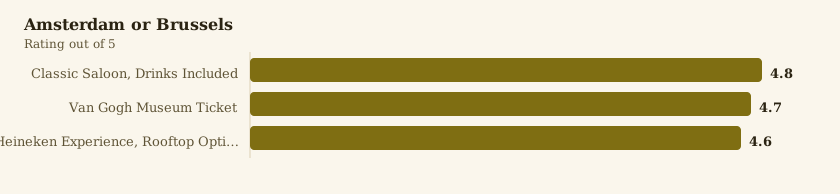
For a beer-focused stop in Amsterdam itself, the Heineken Experience, the brewery's original building turned interactive attraction, rates 4.6 across 39,581 reviews with tickets from $23, and the city's craft breweries are covered in our Amsterdam beer and breweries guide.
If beer is your reason for choosing Brussels over Amsterdam, keep the comparison in perspective: the Heineken Experience is a polished brand attraction rather than a working brewery, while Brussels' café culture is the everyday, unbranded real thing. Amsterdam compensates with its own small breweries and the brown café tradition, so neither city leaves a beer traveller thirsty.
How Easy Is Each City to Get Around?
Amsterdam is a walking and cycling city: the historic core is compact, a GVB day ticket is €10, and OVpay contactless capping makes trams nearly free for short stays. Brussels is bigger and more spread out, so you lean on its metro and trams, which are cheap and frequent but mean the city never feels as walkable as Amsterdam.
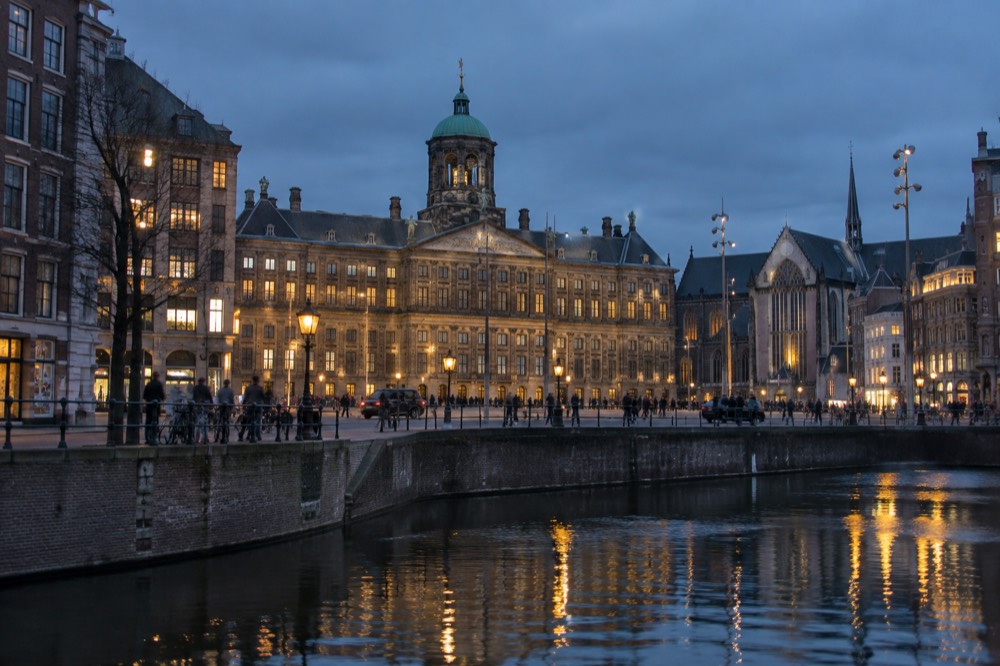
The numbers make the case. Amsterdam's GVB network sells a 24-hour ticket for €10.00, a child day ticket for €5.00, and multi-day tickets stepping up through €16.00 for 48 hours to €43.00 for a week, per the operator's fare page. Contactless OVpay works on every tram, bus, metro and ferry with a €1.16 base plus €0.217 per kilometre and a daily cap, so a visitor tapping on and off a handful of times a day typically spends less than the day pass price. The ferries across the IJ to Amsterdam Noord are free to ride. The full index of guides sits on Things to Do in Amsterdam.
But the deeper point is that in Amsterdam you can skip most of this. The canal ring, the museum quarter, the Jordaan, De Pijp and the centre all sit within a walkable band, and cycling is the local default; our cycling and bike rental guide covers how to join in safely. Brussels cannot be treated the same way. The walk from Grand-Place to the Sablon is short, but the walk from either to the Horta district in Saint-Gilles is not, and the metro is the sensible link. Brussels' single-jump fares are cheaper than Amsterdam's equivalents, and its system is easy to use, but the city asks more of your transport budget simply because the distances are real.
Arrival logistics also differ. Schiphol sits 17 minutes by train from Amsterdam Centraal, with NS e-tickets from €5.50, which is about as painless as European airport access gets. Brussels Airport is similarly rail-linked to Brussels-Central in around 20 minutes, so both cities score well on arrival. Where Amsterdam pulls ahead is the airport-to-everything experience: Centraal station drops you at the edge of the walkable core, while Brussels-Midi, where most international trains arrive, sits a metro ride from the centre.
Which City Wins for Canals, Architecture and Atmosphere?
Amsterdam wins on the water: the UNESCO-listed Grachtengordel is a complete seventeenth-century canal ring best experienced from a boat, and no European city offers a comparable streetscape. Brussels wins on individual architectural set pieces, the Grand-Place and Victor Horta's Art Nouveau, and on feeling like a real capital rather than an open-air museum.
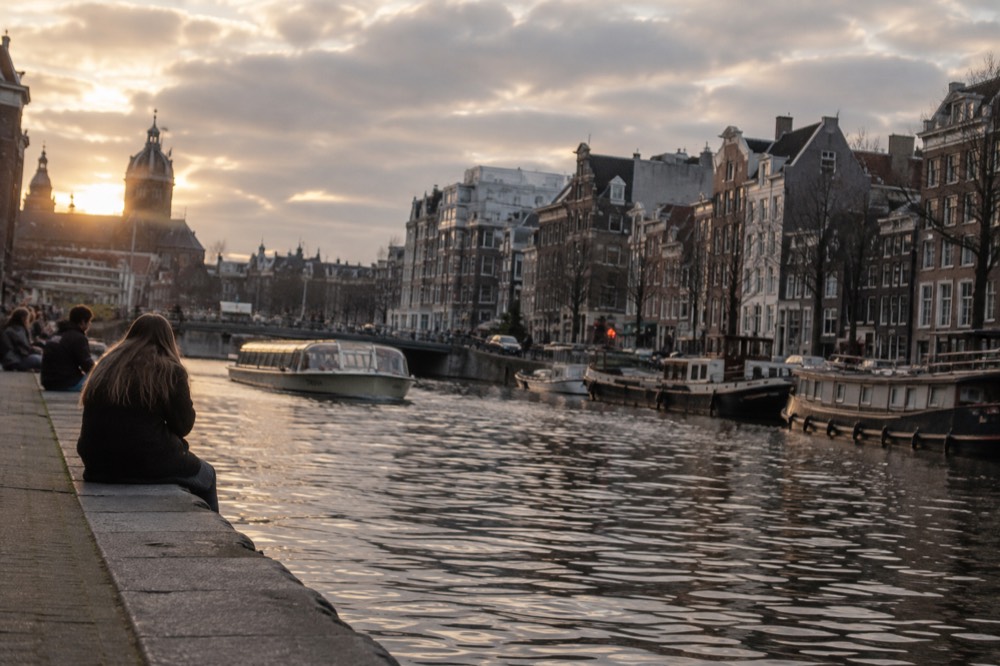
Amsterdam's canal ring is the thing. Dug in the seventeenth century in a planned expansion, the Grachtengordel is UNESCO-listed as a unified ensemble, and the experience of it, walking the Herengracht at dusk, crossing the Magere Brug, watching the bridge lights come up over the Amstel, has no Brussels equivalent. The classic way to see it is from the water: a one-hour saloon-boat cruise on a restored late-nineteenth-century vessel runs from $19.56 per person and rates 4.8 across 33,435 reviews, and the evening versions, with the bridges lit, are among the best-value hours in the city. Our canal ring guide maps the full circuit for walkers.
Brussels' architectural argument is concentrated rather than continuous. The Grand-Place, with its florid guild houses and the Gothic town hall spire, is a single square that out-spectacles any single Amsterdam view; Victor Horta's town houses, several now museums, are the birthplace of Art Nouveau; and the city's comic-strip murals turn whole streets into an open gallery. But between the set pieces, Brussels is a normal working capital, with traffic, office blocks and the slightly scruffy energy that implies. Amsterdam between its highlights is still the highlight.
The atmosphere question is really a crowds question. Amsterdam's centre in summer is saturated: 23.7 million overnight stays plus 21.9 million day visits in 2025 concentrate in a small historic core, and the city has responded with rules, from the De Wallen guided-tour restrictions to the holiday-rental night caps, that shape what visitors can do. Brussels absorbs its visitors more easily. If you travel in July or August and hate crowds, that is a serious Brussels argument; if you travel in shoulder season, Amsterdam at its best, quiet mornings on the canals, is hard to beat anywhere.
How Long Should You Spend in Each City?
Amsterdam justifies three to four full days: two for the big museums and the canal ring, one for neighbourhoods like De Pijp and Amsterdam Noord, one for a windmill or tulip day trip. Brussels is a two-day city for most travellers, with a third day well spent on Ghent or Bruges rather than inside the capital itself.
Amsterdam's day count is driven by its booking calendar. The Anne Frank House, the Van Gogh Museum and the Rijksmuseum each eat half a day with travel and queues, and their timed slots mean you cannot improvise a packed museum day. Add a canal cruise, a market morning at the Albert Cuyp or the Bloemenmarkt, an evening in a brown café, and you are at three days before any excursion. The excursions are half the reason people come: Zaanse Schans windmills, Volendam and Marken fishing villages, or Keukenhof in its late-March-to-early-May window, each justify a full day, and our best day trips from Amsterdam guide ranks them properly.
Brussels compresses better. Grand-Place, the Manneken-Pis, the comic-strip route and a long brasserie lunch fill day one; the Royal Museums of Fine Arts, the Sablon and an Art Nouveau museum fill day two. Beyond that, the strongest Belgian experiences lie outside the capital: Bruges, a UNESCO-listed medieval city reachable by train, is the single most popular detour, and our Bruges day trip guide covers it from Amsterdam as well as from Brussels. Ghent is the connoisseur's alternative, half-touristed and full of towers.
The honest summary for a one-week trip: four days in Amsterdam with a day trip, then the train south, is the classic pairing, and it works because the two cities are close enough that the transfer costs half a morning.
Can You Combine Amsterdam and Brussels in One Trip?
Yes, easily: direct trains run Amsterdam Centraal to Brussels in roughly two hours, with no airport needed, so a week split four-and-two or a ten-day Amsterdam-Brussels-Bruges triangle is one of the most efficient multi-city trips in Europe. Book train tickets early for the best fares and do the Amsterdam museum slots first, since those are the bookings most likely to sell out.
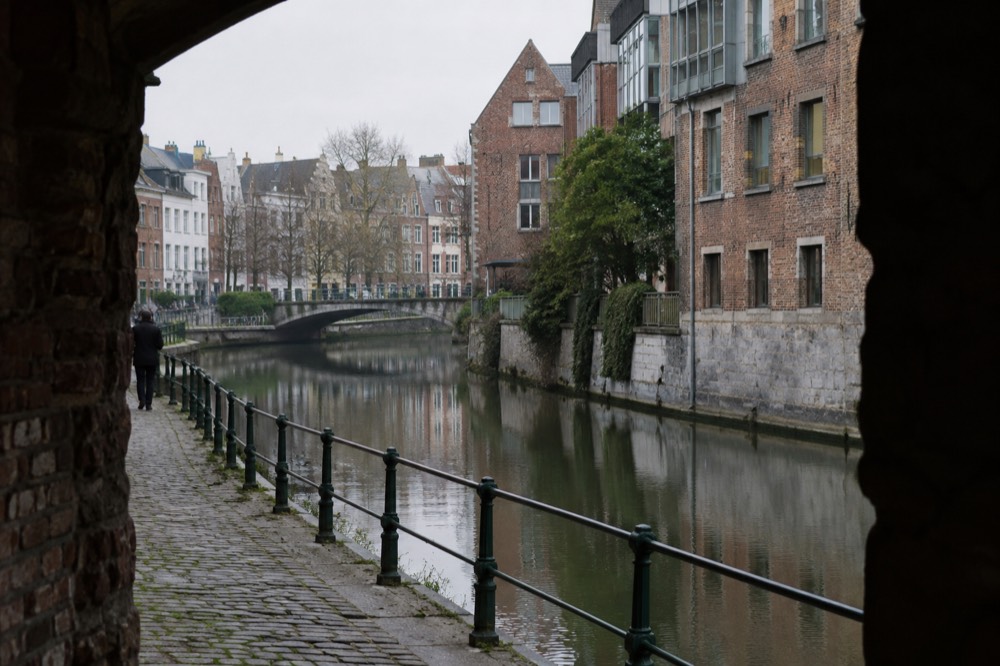
The rail link is the reason this pairing works. High-speed trains connect the two capitals directly, city centre to city centre, in about two hours, and the same corridor continues to Bruges, Ghent and on to Paris and London, which our trains to Amsterdam guide covers in detail. There is no security theatre, no airport transfer at either end, and with advance booking the fares are far below what flying would cost once you add the airport legs. For anyone already weighing Brussels as an add-on, the practical itinerary writes itself: Amsterdam first for the timed-entry museums, then Brussels for the food and the slower pace, then optionally Bruges as the finale.
| Itinerary | Days | Best for | Watch out for |
|---|---|---|---|
| Amsterdam only, with day trips | 4-5 | First-time visitors, art lovers, tulip season | Museum slots sell out; highest cost of the three options |
| Amsterdam then Brussels | 6-7 | City contrast: canals and art, then food and architecture | Two hotel changes if you add Bruges |
| Amsterdam, Brussels, Bruges | 8-10 | The full Low Countries sweep | Needs advance train booking in high season |
| Brussels only, with Bruges and Ghent | 4-5 | Food-led travellers, shorter budgets | Misses the canal experience entirely |
Season should drive the order. If your window includes late March to early May, put Amsterdam first or make sure the trip covers Keukenhof's opening window, since the gardens run 19 March to 10 May only and there is no year-round version. If your window is winter, consider Brussels first: Amsterdam in December has its lights and Christmas markets, but its outdoor life contracts, while Brussels' indoor pleasures do not.
Whichever way you lean, the decision rule from the top of this page still holds. Amsterdam is the trip you build around canals, museums and bookings made weeks ahead. Brussels is the trip you build around tables, glasses and squares you wander into. Both are within two hours of each other, which is the real answer: on a week-long trip, this is not a choice you have to make.
Common Questions About Amsterdam or Brussels
Is Amsterdam or Brussels better for a first visit?
Amsterdam is better for a first visit if you want the concentrated highlights: canals, two world-class museums and a walkable centre. Brussels is better if you want a lower-stress, lower-cost city break built around food and beer. Most first-time visitors to either city enjoy Amsterdam more, but arrive better prepared: its headline museums require pre-booked time slots.
Which city is more expensive, Amsterdam or Brussels?
Amsterdam is more expensive. Its tourist tax is 12.5 per cent of the nightly room price, hotel demand is high, and top museum entry is €25 at both the Rijksmuseum and the Van Gogh Museum. Brussels offers cheaper accommodation and cheaper restaurant meals, with museum entry below Amsterdam's price tier.
Is Amsterdam or Brussels better for food?
Brussels is the stronger food city: moules-frites, Trappist and lambic beers, praline chocolate and fixed-price brasserie menus at reasonable prices. Amsterdam's best food experiences are the Indonesian rijsttafel, the brown cafés and its international restaurant scene, which is broader but generally pricier than Brussels' equivalent.
How far apart are Amsterdam and Brussels?
Direct high-speed trains connect Amsterdam Centraal and Brussels in roughly two hours, city centre to city centre, with no airport transfer at either end. Advance fares are much cheaper than walk-up prices, and the same rail corridor continues to Bruges, Ghent and Paris.
Can you do Amsterdam and Brussels in one week?
Yes, comfortably. A common split is four days in Amsterdam, including a windmill or tulip day trip, then two or three days in Brussels, arriving by direct train. Book the Amsterdam museum time slots first since those sell out, and add Bruges as a finale if you have a ninth or tenth day.
Which city is better in winter?
Brussels loses less in winter because its main pleasures, food, beer, museums and Art Nouveau interiors, are indoors. Amsterdam in winter is quieter and cheaper, with the Amsterdam Light Festival on the canals, but its outdoor life contracts and the tulip season is months away.