First-Timer Mistakes to Avoid in Amsterdam
Amsterdam rewards preparation. The city's timed-entry museums, tap-in transport and strictly enforced local rules trip up first-timers in predictable ways, and almost every one of them is avoidable.
Short answer
The five mistakes that cost first-timers the most: skipping timed-entry museum bookings, assuming the Anne Frank House sells tickets at the door, buying the wrong transport ticket, ignoring De Wallen and coffeeshop rules, and visiting Keukenhof outside its 19 March to 10 May season. Each has a cheap or free fix explained below.
Amsterdam recorded 23.7 million tourist overnight stays in 2025, and the city has responded by tightening rules on everything from guided-tour group sizes to holiday-rental nights. That makes it a destination where the unprepared traveller pays twice: once in queue time, once in fines or wasted tickets. The mistakes below are the ones that show up again and again in first itineraries, and every one of them has a straightforward fix.
What Are the Biggest Mistakes First-Time Visitors Make?
The biggest first-timer mistakes are treating Amsterdam like a walk-up city, when it is a booking city: the major museums require timed online entry, the Anne Frank House sells nothing at the door, transport is tap-in rather than paper-ticket friendly, and two neighbourhoods have rules that carry fines. Fix the booking habit first and the rest of the trip falls into place.
The pattern behind most of these mistakes is the same. Amsterdam is compact, so visitors assume it is also casual. It is not. The Rijksmuseum states plainly that every visitor, including pass holders, must book a start time online. The Van Gogh Museum requires the same. The city's transport system has moved to contactless tapping. And the red-light district has formal, enforceable tour rules rather than gentle suggestions.
The good news is that the fixes are cheap. A 24-hour GVB transport ticket costs €10.00. The most-reviewed free walking tour in the city costs nothing up front. And the single most expensive mistake, turning up at the Anne Frank House expecting a ticket, is solved by a calendar reminder six weeks before you travel.
Which Museum Booking Mistakes Cost You the Most Time?
The costliest museum mistake is assuming you can buy a ticket on arrival. The Rijksmuseum and Van Gogh Museum both require a pre-booked start time, and the Anne Frank House sells tickets online only, released about six weeks ahead. Second-costliest: buying a city card and expecting it to cover the two museums people most want to see.
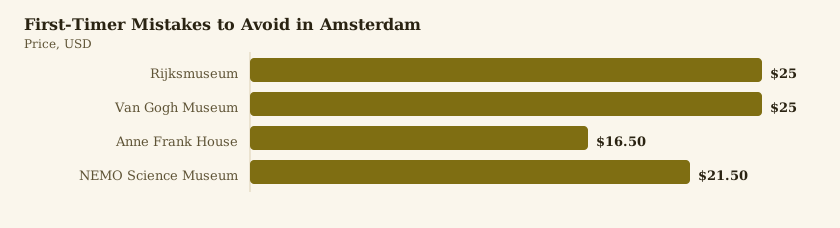
Start with the numbers. The Rijksmuseum charges adults €25 and is open every day from 9am to 5pm, including public holidays, but a start time must be booked in advance even for holders of the I amsterdam City Card, which does cover entry. The Van Gogh Museum also charges €25, is free for under-18s, and states that all visitors must pre-book a timed entry ticket. Neither museum is a stroll-in proposition in high season.
The card trap catches more people than any other. The I amsterdam City Card (€67 for 24 hours, €94 for 48 hours) includes the Rijksmuseum, unlimited GVB transport, a canal cruise and a 24-hour bike rental, but the Van Gogh Museum and the Anne Frank House are both excluded. Buy it for the wrong reasons and you have paid for a pass plus two separate museum tickets. Our full breakdown in is the I amsterdam City Card worth it runs the maths by trip length.
| Museum | Adult price | Booking rule | City Card |
|---|---|---|---|
| Rijksmuseum | €25 | Timed start time required, book online | Included |
| Van Gogh Museum | €25 | Timed entry required, all visitors | Not included |
| Anne Frank House | €16.50 | Online only, no door sales, released weeks ahead | No discount |
| NEMO Science Museum | €21.50 (ages 4+) | Tickets carry a start time | Included with reservation |
For the museums that use timed entry, a pre-booked ticket product is the low-friction fix. The Van Gogh Museum entry ticket covers the timed visit, holds a 4.7 rating across 57,096 reviews, and starts from $31. If your dates are firm and you want the two crowd-pleasers locked in early, this is the one to book first.
The Heineken Experience, rated 4.6 across 39,581 reviews from $23, works well as the same-day afternoon slot after a morning museum, and the classic saloon boat cruise, 4.8 across 33,435 reviews from $19.56, is the one-hour canal ride that pairs with either. Booking all three before you fly removes the single biggest source of wasted half-days in Amsterdam.
Why Do People Miss Out on the Anne Frank House?
Visitors miss the Anne Frank House because they look for tickets too late and in the wrong place. Tickets are sold only through the museum's own website for a specific date and time slot, there are no door sales and no legitimate reseller, and slots are released roughly six weeks in advance, then sell out within hours.
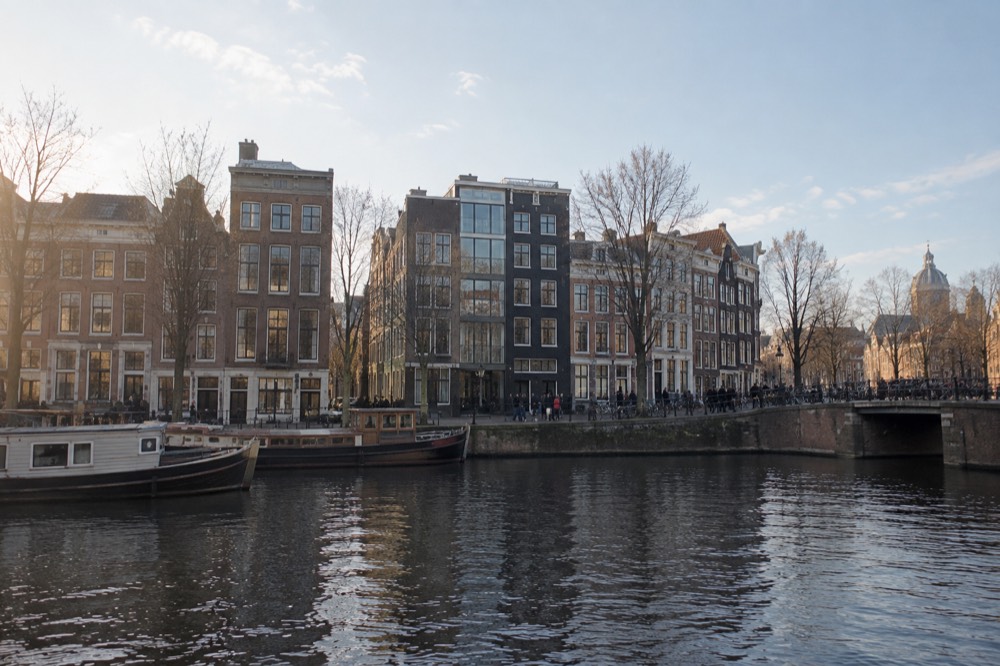
The pricing is not the obstacle. An adult ticket is €16.50 including the booking fee, ages 10 to 17 pay €7.00, and ages 0 to 9 pay €1.00. The obstacle is the release schedule. Slots appear on the official site weeks ahead of the visit date and the popular morning and weekend times go first. The museum's own tickets page is the only place they exist, and tickets are non-refundable and non-transferable once booked.
This is also why no tour product on this site, and no product anywhere, can promise entry. The walking tours that cover Anne Frank's story and the Jewish Quarter are exactly that: walks through the streets, with the history told at the places it happened. They are a genuinely good substitute when house tickets have gone, but nothing may imply the house is included.
The Anne Frank small-group walking tour, rated 4.8 across 15,104 reviews from $22, tells the story in the Jewish Quarter over one hour with a local guide. If house tickets have sold out for your dates, it is the honest alternative, and it pairs well with a visit to the Portuguese Synagogue and the Jewish Cultural Quarter on the same walk.
Which Transport Mistakes Waste the Most Money?
The transport mistakes are buying a single ticket every ride, ignoring contactless, and paying for airport transfers you do not need. A one-hour GVB ticket costs €3.40, so three separate rides already exceed the €10.00 24-hour day ticket, and the NS train from Schiphol runs from €5.50 in about 17 minutes.
The arithmetic is unforgiving. One GVB hour ticket is €3.40. The 24-hour day ticket is €10.00, the 48-hour is €16.00 and the 72-hour is €21.50. If you are doing more than two or three rides a day, and in Amsterdam you will be, the day tickets win every time. Children pay €5.00 for the 24-hour version.
Contactless is the other half of the fix. OVpay lets you tap a bank card or phone on every GVB tram, bus, metro and ferry, charging a €1.16 base fare plus €0.217 per kilometre with a daily cap on the GVB network. Tap in and tap out, same card, every ride. The classic mistake is tapping a different card on exit than on entry, which charges two incomplete journeys.
| Ticket | Price | Best for |
|---|---|---|
| GVB 1-hour single | €3.40 | One-off rides only |
| GVB 24-hour day ticket | €10.00 (child €5.00) | Two or more rides a day |
| GVB 48-hour | €16.00 | A two-day city stay |
| GVB 72-hour | €21.50 | Three days of sightseeing |
| OVpay contactless | €1.16 base + €0.217/km | Occasional riders, capped daily |
| NS train, Schiphol to Centraal | from €5.50 | Beating every road transfer |
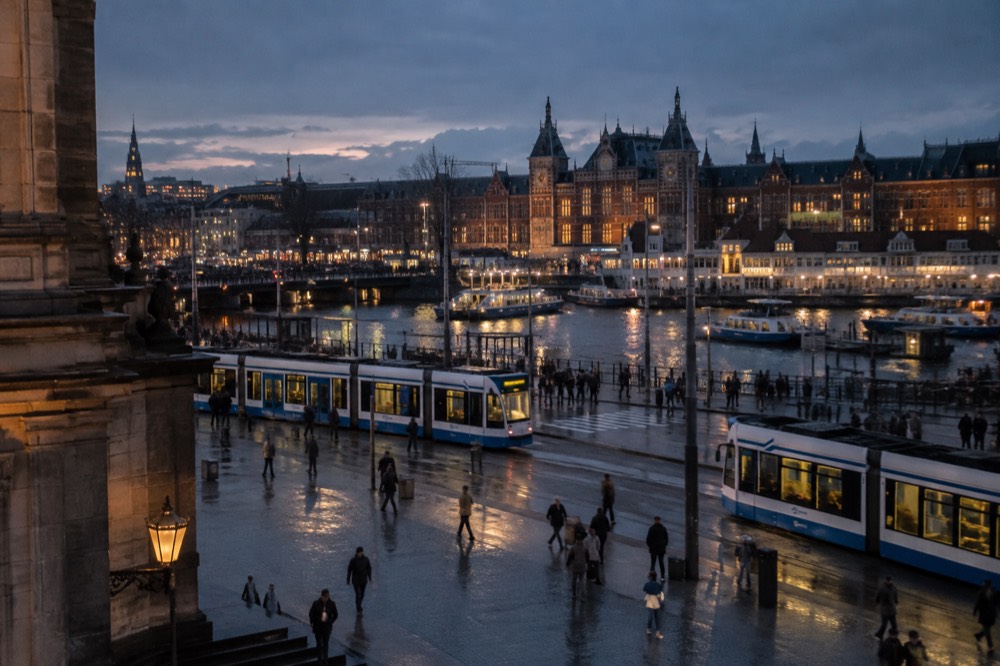
The airport mistake deserves its own line. The NS train covers Schiphol to Amsterdam Centraal in just over 17 minutes from €5.50, while the Amsterdam Airport Express bus 397 costs from €6.50. There is no fixed taxi fare; Schiphol's own guidance says you pay whatever the meter shows. The full comparison, including the night bus and luggage angles, is in getting from Schiphol Airport to central Amsterdam.
What Rules Catch Out Visitors in De Wallen and Coffeeshops?
In De Wallen, the rules with teeth are the tour regulations: groups are capped at 15, tours run only 08:00 to 22:00, and no route may pass the sex workers' windows, with fines of €190 for an individual guide and €950 for a company. In coffeeshops, tourists can still buy up to 5 grams per day, but smoking cannabis outdoors is banned in the city centre.
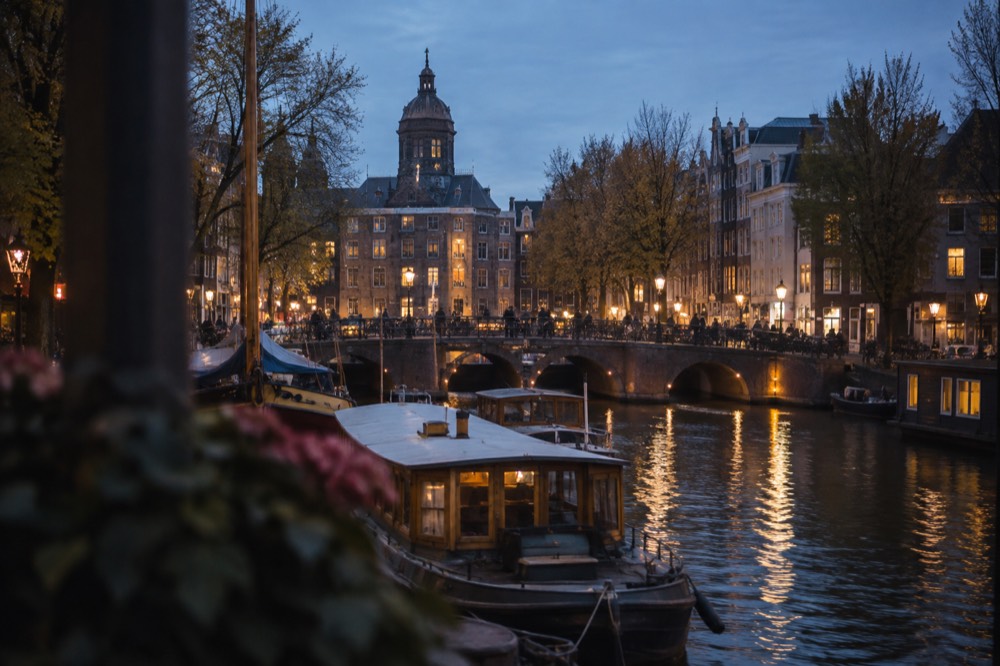
The red-light district is the neighbourhood where "it's just advice" thinking costs real money. The city's rules for guided tours are formal and enforced, and they bind any product this site lists. Photography of the windows is the other flashpoint: the official "How to Amsterdam" campaign asks plainly for no pictures, venue staff will intervene, and arguing the point is the fastest way to ruin an evening. The full etiquette picture is in red-light district rules and etiquette.
Coffeeshops are the other place where both extremes of internet advice are wrong. The residents-only criterion exists in national tolerance policy, but Amsterdam has never applied it: tourists can and do buy cannabis legally under the gedoogbeleid, capped at 5 grams per person per day. What changed is the street rule: smoking outdoors is prohibited in the centre, including the Wallen area, so consumption happens inside the coffeeshop, not on the canal edge.
A guided walk is the efficient way to absorb both sets of rules without learning them the hard way. The free, pay-what-you-want model means you book on GuruWalk for nothing and tip the guide what the walk turned out to be worth at the end.
The Absolutely Amsterdam free walk, rated 4.88 across 9,527 reviews over 2 hours 30 minutes, is the city's most-reviewed free tour and covers the centre's highlights with a local guide. It is a low-risk first morning: you pay nothing up front, and you leave knowing which rules are social, which are enforced and which carry fines.
Which Timing Mistakes Ruin an Amsterdam Trip?
The timing mistakes are visiting Keukenhof outside its season, treating tulip fields as an all-spring guarantee, and booking museum days without checking closing days elsewhere. Keukenhof opens only from 19 March to 10 May, and the 2027 season runs 18 March to 9 May; outside that window the gardens are simply closed.
Keukenhof is the clearest case. The gardens in Lisse, roughly 30 to 40 minutes from Amsterdam, are open daily 08:00 to 19:00 during the season and shuttered entirely for the rest of the year. Every spring, travellers arrive in June expecting tulip fields and find harvested land. The field peak bloom window runs roughly mid-April to early May and is weather-dependent, so the Keukenhof season is the only hard anchor to plan around.
The second timing mistake is softer but costs a day: assuming every Dutch attraction runs seven days a week. Amsterdam's own museums mostly do, the Rijksmuseum explicitly opens every day of the year from 9am to 5pm, but day-trip destinations and smaller sites vary, and a multi-museum day can collapse when one timed slot turns out to be on a closing day. The planning detail is covered in Amsterdam museum tickets and skipping the queue.
| Timing mistake | What actually happens | The fix |
|---|---|---|
| Keukenhof in June | Gardens closed, fields harvested | Book inside 19 March to 10 May only |
| Anne Frank tickets a week out | Slots long gone | Set a reminder six weeks before travel |
| Museum day without timed slots | Hours lost in queues | Book start times for every major museum |
| Assuming a summer city card | Van Gogh and Anne Frank still excluded | Price the pass against your real list |
Seasonal events cut the other way and can be the best timing decisions you make. King's Day on 27 April turns the centre into a street party, and the Amsterdam Light Festival from late November to mid-January makes winter evenings on the canals genuinely worth booking. The trade-off in both cases is crowds and hotel prices, so the mistake is arriving on those dates by accident rather than by choice.
What Money Mistakes Do First-Timers Make?
The money mistakes are forgetting the 12.5% tourist tax added to every hotel and rental night, carrying cash expectations into a card-first city, and buying a city card whose inclusions do not match the actual itinerary. None of these is expensive individually, but together they can add a surprise 15% to a hotel bill.
The tourist tax is the silent one. Hotels and holiday rentals in Amsterdam add 12.5% of the overnight price, excluding VAT, to the bill, and cruise passengers pay a €15 day-tripper tax. If your quoted room rate looks too good for the location, the tax is why the final invoice differs. It is a city law, not a hotel surcharge you can negotiate.
The card-first point matters for planning. Dutch shops, restaurants and transport all assume cards or contactless, and the OVpay system in particular wants a bank card or phone, not cash. Budgeting a trip around cash withdrawals creates friction that simply is not needed. What Amsterdam does not assume is that you have booked ahead, and that is where the money actually leaks: walk-up prices at attractions are routinely higher than online ones, and the A'DAM Lookout is a worked example, at €18.50 at the counter versus €16.50 online.
What Practical Mistakes Make the Trip Harder Than It Needs to Be?
The practical mistakes are wearing the wrong shoes for cobbles and separate bike lanes, renting a bike without understanding right-of-way, ignoring the rain reality, and booking a hotel far from a tram line. Amsterdam is a walking and cycling city first, and every one of these mistakes taxes your feet or your schedule daily.
Cycling is the signature example. The mistake is not renting a bike, it is renting one and riding like a pedestrian. Amsterdam's bike traffic is dense, fast and unforgiving of wobble, and tourists who stop dead in a bike lane to check a phone cause the collisions that give the city its accident statistics. If you want the two-wheel experience with a guide absorbing the rules for you, the three-hour city bike tour, rated 4.7 across 5,890 reviews from $42, is the safer introduction than a solo first ride from a rental shop.
Rain is the other constant. The city's weather changes within a single afternoon, and first-timers pack for one forecast. A packable rain layer and shoes with grip solve most of it. The cobbles in the centre and the steep, narrow staircases in canal-house hotels and rentals are the quieter physical taxes, and the accessibility picture, including which neighbourhoods are kindest to wheels and luggage, is covered in Amsterdam accessibility: cobbles, canals and steep stairs.
The hotel-location mistake compounds everything above. Staying far from a tram line in a city where the day ticket assumes you use trams converts every outing into a walk-plus-ride. The neighbourhood-by-neighbourhood trade-offs, including which areas suit a first visit and which suit a quieter stay, are laid out in where to stay in Amsterdam.
| Practical mistake | Daily cost | Fix |
|---|---|---|
| Hard-soled shoes on cobbles | Sore feet by day two | Waterproof shoes with grip |
| First bike ride without a guide | Lane confusion, near misses | Guided bike tour, or walk day one |
| No rain layer | A lost afternoon per downpour | Packable jacket, always |
| Hotel far from a tram line | Extra 30 to 60 minutes a day | Check the tram map before booking |
| Cash-only budgeting | Queue friction everywhere | Card or contactless as default |
The pattern across all of these is the same one that opened this guide. Amsterdam is a city that rewards a small amount of pre-departure work: timed tickets booked, transport understood, rules read, dates checked against the calendar. The Things to Do in Amsterdam homepage groups the city's bookable experiences by category, which is the fastest way to see what needs a reservation and what can stay spontaneous.
If you take one booking away from this page, make it the museum timed ticket, because that is the mistake with the longest queue attached.
Common Questions About First-Timer Mistakes in Amsterdam
What is the number one mistake first-timers make in Amsterdam?
Not booking museum timed-entry tickets before travelling. The Rijksmuseum and Van Gogh Museum both require a pre-booked start time, and the Anne Frank House sells online only, with slots released weeks ahead. Everything else on a first itinerary can be improvised; those three cannot.
Can you buy Anne Frank House tickets at the door?
No. Tickets are sold only through the museum's own website for a specific date and time slot, there are no door sales, and no legitimate reseller exists. An adult ticket is €16.50 including the booking fee, and tickets are non-refundable once booked.
Do tourists need cash in Amsterdam?
Very little. Cards and contactless are accepted almost everywhere, and the OVpay system on trams, buses, metro and ferries wants a bank card or phone rather than cash. Carry a small amount for markets and emergencies, but plan on paying by card.
Is the I amsterdam City Card a mistake for first-timers?
It depends entirely on your list. The card includes the Rijksmuseum, transport, a canal cruise and a bike rental, but excludes the Van Gogh Museum and the Anne Frank House. If those two are on your list, price the card plus separate tickets against standalone bookings before buying.
When is Keukenhof open?
Only from 19 March to 10 May each season; the 2027 season runs 18 March to 9 May, daily 08:00 to 19:00. Outside that window the gardens are closed and the tulip fields are harvested, so spring trips need to sit inside those dates.
Can tourists still buy cannabis in Amsterdam coffeeshops?
Yes. The residents-only rule exists in national policy but Amsterdam has never applied it, so tourists can buy up to 5 grams per person per day under the tolerance policy. The catch is location: smoking outdoors is banned in the city centre, so consumption happens inside the coffeeshop.