What to Buy in Amsterdam: Souvenirs Worth It
Most Amsterdam souvenir shops sell the same foam crowns and generic magnets. This guide separates the souvenirs worth carrying home from the ones worth walking past, with verified prices and the neighbourhoods where locals actually shop.
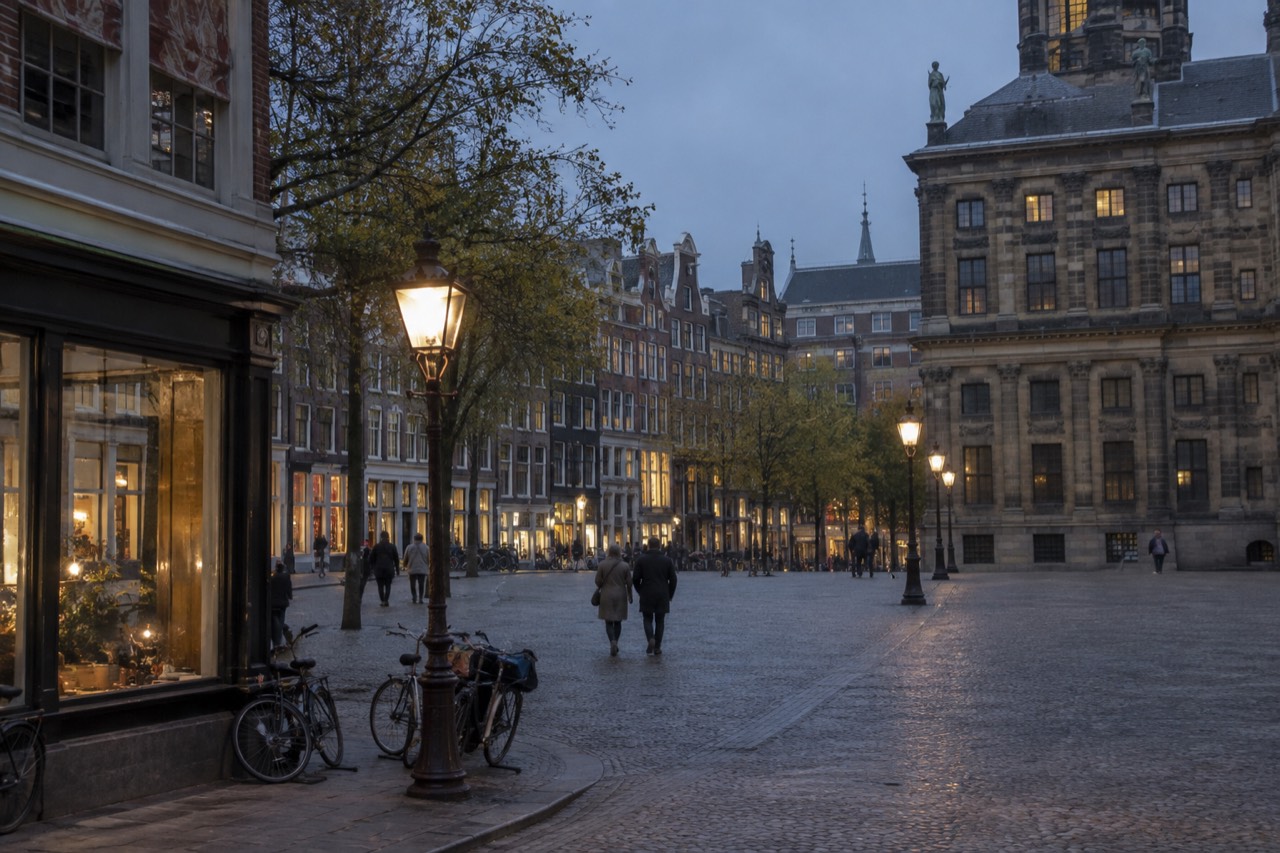
Short answer
The souvenirs worth buying in Amsterdam are Delft-blue ceramics, aged Gouda from a cheesemonger, stroopwafels from a market stall, jenever, Dutch design pieces and certified tulip bulbs. Expect roughly €5 to €15 for food gifts and €25 to €60 for real Delftware. Shop at markets and the Nine Streets, not the stalls around Dam Square.
Amsterdam souvenir shops have a talent for selling things nobody needs. Foam crowns, plastic clogs, magnets shaped like bicycles: the streets around Dam Square are full of them, and every year thousands of visitors carry that stuff home. The city also produces genuinely good things to buy, from ceramics painted the same way they were four centuries ago to cheese that tastes nothing like the vacuum-packed rounds sold at the airport. This guide, from the team behind Things to Do in Amsterdam, separates the two, with real prices, the neighbourhoods worth shopping in and the customs rules that decide what actually makes it home.
What Souvenirs Are Actually Worth Buying in Amsterdam?
The souvenirs genuinely worth buying in Amsterdam are Delft-blue ceramics, aged Gouda and other Dutch cheeses, fresh stroopwafels, jenever, contemporary Dutch design and certified tulip bulbs. Food gifts run roughly €5 to €15, real Delftware starts around €25 to €60, and design pieces vary widely. The test is simple: if it could only be bought in the Netherlands, it earns its suitcase space.
Start with the ceramics, because this is where the quality gap is biggest. Genuine Delftware is hand-painted tin-glazed pottery with a history reaching back to the seventeenth century, and pieces made in Delft itself carry a certificate and a maker's mark. The imitations, printed in a factory and sold three for €10, are the foam crown of the ceramics world. A real hand-painted tile or small vase costs more but holds its value and actually gets used.
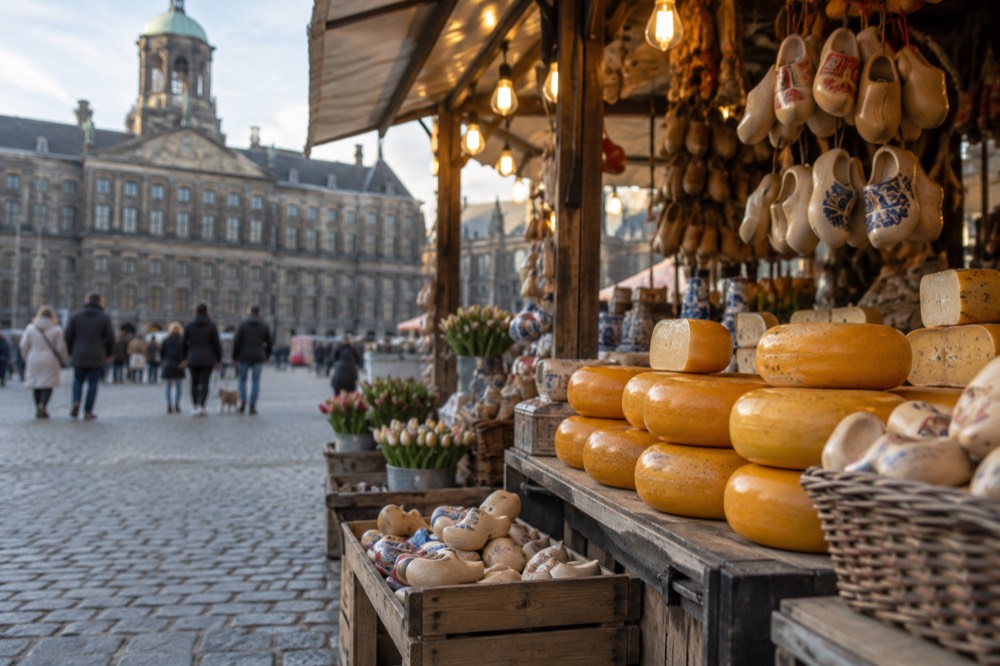
Food is the safest category for most travellers. Aged Gouda, aged for one, two or more years, is a different product from the young rubbery version exported abroad, and a good cheesemonger will vacuum-seal a wedge for travel. Stroopwafels, the thin caramel-filled waffles, are best bought the day they are made at a market stall, though tinned versions survive a long flight. Jenever, the Dutch juniper spirit that predates gin, comes in young and aged styles and is almost impossible to find abroad in good quality.
Design is the category most visitors miss entirely. Amsterdam has a serious design scene, and shops in the Nine Streets and the Jordaan sell homeware, posters and prints from Dutch studios at prices far below what the same pieces cost once exported. If you want a fuller picture of the city's shopping streets before you go, our Amsterdam shopping guide covers the districts in detail.
Where Should You Shop for Souvenirs in Amsterdam?
Shop at the Albert Cuyp Market, the Bloemenmarkt, the Nine Streets and the Jordaan rather than the souvenir strips around Dam Square and the Red Light District. Markets give you fresher food gifts at lower prices, the Nine Streets has independent design and fashion, and the Jordaan has small shops selling ceramics and art you will not see in ten other windows.
The Albert Cuyp Market is the largest street market in the Netherlands and the best single stop for food souvenirs. Cheese, stroopwafels baked on the spot, fresh herring if you are brave and bags of speculaas spices all cost less here than in the centre, and you can taste before you buy. Our Albert Cuyp Market guide covers what to expect stall by stall.
The Bloemenmarkt, the floating flower market on the Singel, is the place for bulbs. The stalls there sell certified bulbs packed for export, which matters because customs rules differ by destination and certified packaging is what makes them legal to take home. The market is touristy and the non-bulb souvenirs there are mostly skippable, but for bulbs it is the right address, and our Bloemenmarkt floating flower market guide explains the bulb-buying specifics.
For anything durable, the Nine Streets and the Jordaan are where your money goes further and lasts longer. The Nine Streets, the nine small streets crossing the main canals, mix Dutch fashion labels, design shops and good bookshops. The Jordaan has smaller shops selling ceramics, vintage and art prints. Both areas reward an hour of aimless wandering, and neither sells foam crowns.
The comparison below sums up which area serves which kind of shopping, so you can match the district to your list rather than walking all of them on the same tired afternoon.
| Shopping area | Best for | Price level | Time needed |
|---|---|---|---|
| Albert Cuyp Market | Cheese, stroopwafels, food gifts | Low to mid | 1 to 2 hours |
| Bloemenmarkt | Certified tulip bulbs | Mid | 30 to 45 minutes |
| The Nine Streets | Design, fashion, prints | Mid to high | 2 hours |
| The Jordaan | Ceramics, vintage, art | Mid | 2 hours |
| Dam Square souvenir strip | Nothing worth listing | Low quality, high markup | 0 minutes |
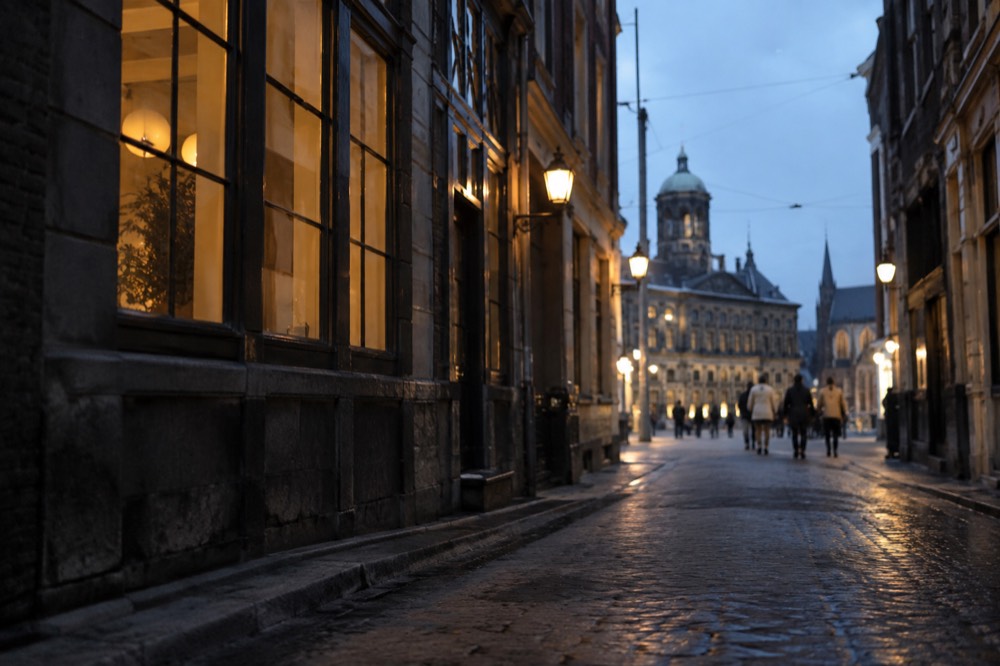
A shopping day in Amsterdam is mostly a walking day, and the distances between these areas are short. The Bloemenmarkt sits at the southern end of the centre, Albert Cuyp is a fifteen minute walk further south in De Pijp, and the Nine Streets and Jordaan are on the western side of the canal ring. A canal cruise between shopping stops is a genuinely pleasant way to rest your feet, and the classic saloon boat cruise is the format most first-time visitors enjoy: one hour, a wooden boat, drinks and cheese on board.
How Much Do Amsterdam Souvenirs Cost?
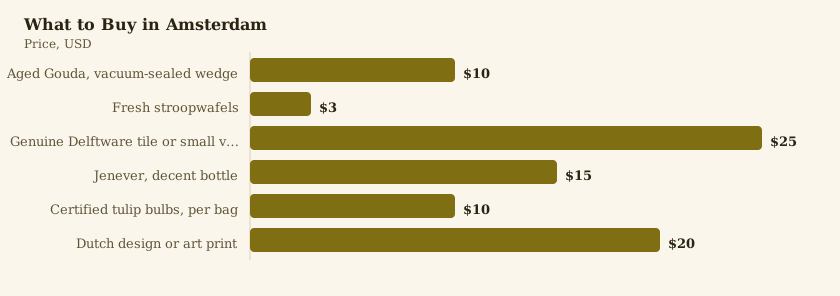
Expect €5 to €15 for food souvenirs like cheese, stroopwafels and chocolate, €25 to €60 for genuine hand-painted Delftware, €15 to €30 for a bottle of decent jenever and €10 to €25 for certified tulip bulbs. Museum shop gifts run €10 to €40. Prices at the airport are consistently higher than the same items in the city, so buy before you fly.
The table below pulls together realistic ranges for the categories worth buying. Treat them as planning ranges, not promises: cheese prices move with age and maker, and ceramics move with size and how much of the piece is hand-painted.
| Souvenir | Realistic price range | Where to buy it best |
|---|---|---|
| Aged Gouda, vacuum-sealed wedge | €10 to €20 | Albert Cuyp Market, cheesemongers in the centre |
| Fresh stroopwafels | €3 to €6 | Market stalls, baked on the spot |
| Genuine Delftware tile or small vase | €25 to €60 | Ceramics shops in the Jordaan, Delft day trip |
| Jenever, decent bottle | €15 to €30 | Distillery shops, good liquor stores |
| Certified tulip bulbs, per bag | €10 to €25 | Bloemenmarkt, garden centres |
| Dutch design or art print | €20 to €80 | Nine Streets, Jordaan galleries |
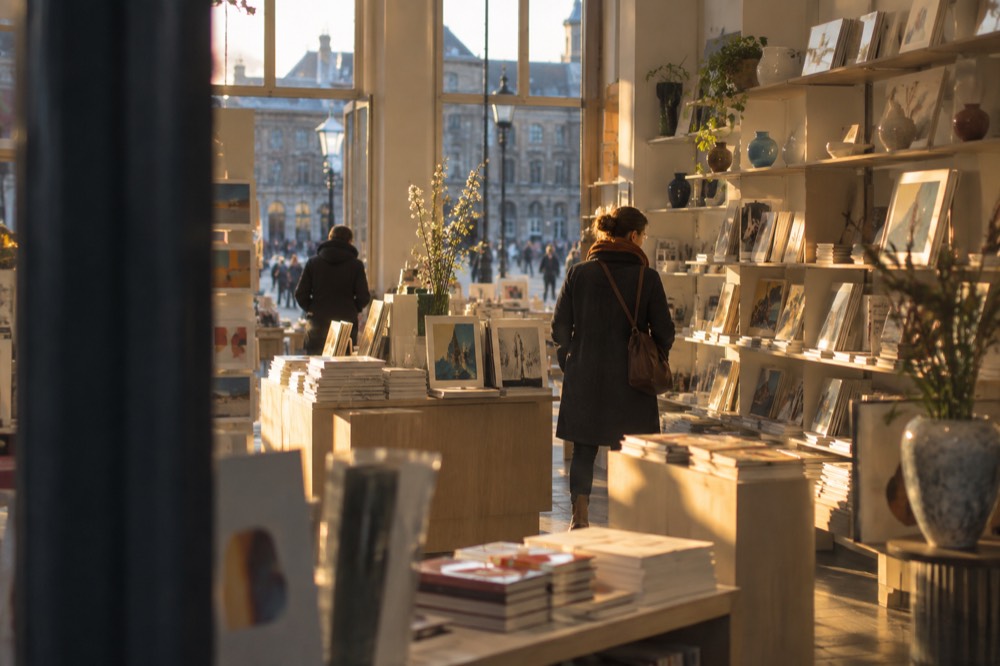
One category deserves special attention: the museum shop. Amsterdam's museum shops are among the best souvenir retail in the city, selling design-led goods rather than logo tat, and you do not always need a ticket to browse the larger ones. The Rijksmuseum shop in particular is well regarded for its design collection and books, and the museum's own entry is €25 for adults with free entry for ages 18 and under, per its official prices page.
Are Tulip Bulbs and Cheese Allowed Through Customs?
Certified tulip bulbs with a phytosanitary certificate can legally be taken into the United States and most other countries; loose bulbs from a market stall without papers cannot. EU travellers can take bulbs and cheese home freely. US rules on meat and dairy products are strict, so hard cheese is generally fine but check the current rules for your destination before you buy.
The bulb question is the one that matters most, because it is the souvenir most likely to be confiscated. The rule for US-bound travellers is that bulbs must carry official certification showing they were inspected and approved for export. The Bloemenmarkt's established stalls sell exactly this: bulbs in sealed packs with the paperwork attached. A hand-written "no guarantee" sign means the bulbs will be taken at the border, and attempting to import them can carry a fine. If you want the full picture on taking bulbs back to the US, our article Can You Bring Tulip Bulbs Back From Amsterdam to the US? covers the rules in detail.
Cheese is simpler but not unconditional. Within the EU there are no restrictions at all. Heading to the United States, hard aged cheeses are generally admissible while soft cheeses and most meat products are not, and rules change, so verify with your destination's customs authority before spending serious money. Vacuum-sealing, which any good cheesemonger will do on request, keeps a wedge of aged Gouda safe for a day or two of travel.
Jenever and other spirits follow standard duty-free limits, and there is no advantage to buying alcohol in the city rather than the airport beyond price, where the city usually wins. Chocolate and stroopwafels travel well and have no restrictions anywhere, which is a good reason to buy extra.
What Are the Best Museum and Design Gifts in Amsterdam?
Museum shops are Amsterdam's best-kept souvenir secret: the Van Gogh Museum, Rijksmuseum and smaller museums sell design-led gifts you cannot find elsewhere, from art prints to ceramics collaborations. A timed museum ticket doubles as a shopping pass, and the gift ranges run roughly €10 to €40 for items worth giving.
The Van Gogh Museum shop is the standout, selling prints, posters and design goods built around the collection of over 200 paintings, 500 drawings and more than 750 letters described on the operator's live listing. The museum is also one of the hardest tickets in the city: adults pay €25, under-18s are free, and every visitor must pre-book a timed entry slot, per the museum's own ticketing page. If a Van Gogh print is on your souvenir list, the ticket comes first.
The Heineken Experience shop is the other big-hitting gift stop, selling branded glassware and brewery goods from the historic brewery building. The attraction itself runs about an hour and a half and is one of the city's most visited, with a rating of 4.6 across 39,581 reviews on the live listing, and the shop is at the end of the route, so the visit and the souvenir come as one trip.
Beyond the big names, the smaller museums hold their own surprises. The Moco Museum shop leans towards street-art prints and contemporary design, and the museum's collection includes Banksy, Warhol and Keith Haring, which gives the gift range a genuinely modern edge. Design shops across the Nine Streets carry the same sensibility without the ticket, so if your shopping day is full, the standalone shops are a fair substitute.
What Souvenirs Should You Skip in Amsterdam?
Skip foam crowns, plastic clogs, printed "I Amsterdam" merchandise from street stalls, generic magnets, fake Delftware sold three for €10 and any tulip bulbs without certification papers. These items are either low quality, overpriced for what they are, or likely to be confiscated at customs. The rule of thumb: if the shop window is identical to every other window on the street, keep walking.
The fake Delftware problem deserves a second mention because it is the most expensive mistake. Printed blue-and-white pottery looks almost right at a glance, but the surface is flat where hand-painting has depth, the mark on the base is missing or meaningless, and the price is the giveaway. Genuine pieces are certified and marked; if the seller cannot show you either, it is decoration, not Delftware.
The "I Amsterdam" letters themselves were removed from Museumplein some years ago, but the merchandise lives on, and it is the city's most generic souvenir. If you want something that says Amsterdam, a print from a local artist in the Jordaan costs about the same and will still be on your wall in ten years. Our tourist traps and scams in Amsterdam guide covers the wider pattern, from overpriced bike rentals to the shops that exist purely to move low-grade souvenirs.
A short comparison of what earns its space and what does not:
| Worth buying | Worth skipping |
|---|---|
| Certified bulbs from an established stall | Loose bulbs with no papers |
| Hand-painted Delftware with a mark | Printed blue-and-white imitations |
| Aged Gouda, vacuum-sealed | Airport cheese at city prices plus a markup |
| Design prints from local studios | Street-stall logo merchandise |
| Jenever from a proper liquor shop | Plastic-capped souvenir bottles |
How Do You Fit Shopping Into a Short Trip?
Fit souvenir shopping into a short Amsterdam trip by attaching it to things you were already doing: bulbs at the Bloemenmarkt on a canal-side walk, food gifts at Albert Cuyp on a De Pijp morning, design in the Nine Streets between museum stops. Most visitors can cover all three in half a day, and buying on day one beats a rushed airport sprint on the last morning.
The airport sprint is the mistake to avoid. Schiphol's shops sell the same cheese and tulip-branded goods at noticeably higher prices, and the choice is a fraction of what the city offers. Buy on your first full day instead, when you can still go back for a second wedge of the cheese you liked.
A practical half-day route: start at the Bloemenmarkt for bulbs, walk north through the Nine Streets for design and prints, then cross into the Jordaan for ceramics. On a second morning, take the tram to Albert Cuyp Market for cheese, stroopwafels and anything edible. Public transport makes all of this cheap: a GVB 24-hour day ticket is €10.00 for adults and €5.00 for children, per the operator's own fare page, and the city's trams connect every one of these stops.
If your trip is tight, the shopping that doubles as sightseeing is the way to compress it. A canal cruise through the canal ring passes the streets you would otherwise walk, and the classic saloon boat cruise runs one hour with drinks and Dutch cheese included, rated 4.8 across 33,435 reviews on the live listing.
Common Questions About What to Buy in Amsterdam
What souvenirs is Amsterdam known for?
Amsterdam is known for Delft-blue ceramics, aged Gouda cheese, stroopwafels, jenever, tulip bulbs and Dutch design. The genuine versions of each are worth buying; the printed and mass-produced imitations sold around Dam Square are not.
How much do souvenirs cost in Amsterdam?
Food souvenirs like cheese and stroopwafels run roughly €5 to €15, genuine Delftware starts around €25 to €60, jenever costs €15 to €30 a bottle, and certified tulip bulbs run €10 to €25 a bag. Airport prices are consistently higher than the same items in the city.
Can you bring tulip bulbs back to the US from Amsterdam?
Yes, if they carry a phytosanitary certificate showing they were approved for export. Established stalls at the Bloemenmarkt sell certified bulbs in sealed packs. Loose bulbs without papers will be confiscated at the border.
Where is the best place to buy cheese in Amsterdam?
The Albert Cuyp Market has the widest choice and the best prices, with stalls that let you taste before you buy and will vacuum-seal a wedge for travel. Good cheesemongers in the centre offer the same sealing service at slightly higher prices.
Is Delftware from Amsterdam actually from Delft?
Genuine Delftware is made in Delft itself and carries a maker's mark and certificate. Much of what is sold in Amsterdam souvenir shops is printed imitation. Check for the mark and certificate, or buy on a Delft day trip from the source.
What should I not buy in Amsterdam?
Skip foam crowns, plastic clogs, generic logo merchandise, printed Delftware imitations and uncertified tulip bulbs. These are the items that end up in a drawer within a month or get confiscated at customs.