One Week in Amsterdam and the Netherlands
Seven days is the sweet spot for the Netherlands: enough time for Amsterdam's museums and canals without rushing, and enough left over for windmills, tulips and at least one village that cars cannot reach.
Short answer
Spend the first three days in Amsterdam itself, then use days four to seven for day trips. Book the Van Gogh Museum at $31.00 and the Rijksmuseum at €25 online in advance, keep Keukenhof to its 18 March to 9 May season, and budget roughly $34.00 per person for the classic Zaanse Schans, Volendam and Marken coach tour.
Seven days is the length of trip where Amsterdam stops being a checklist and starts being a place. The city's own research desk counted 23.7 million tourist overnight stays in 2025, which tells you what you are up against at the Rijksmuseum queue and on the Damrak. It also tells you the solution: a week is long enough to leave the centre, repeatedly, and see the country the city sits inside. This itinerary splits the week into three days of Amsterdam, then four days built around the windmills, tulip fields and villages that most visitors never reach.
How Should You Split Seven Days Between Amsterdam and the Netherlands?
The working split is three full days in Amsterdam, one flexible museum or neighbourhood day, and three day trips. Amsterdam rewards slow mornings and evening canal light, while the countryside rewards early starts because the coach tours and Keukenhof crowds all arrive by late morning. Keep the Anne Frank House booking attempt at the front of your planning, since it is the only ticket in the country sold exclusively through the museum's own site.
The logic is simple. Amsterdam's headline sights, the canal ring, the Museumplein museums and De Wallen, sit within a walkable core, so the city days need no transport planning beyond a tram pass. The day trips all leave from Centraal Station or the coach terminals beside it, so staying anywhere near the centre keeps every departure under twenty minutes.
A rough framework for the week:
| Day | Base | Focus |
|---|---|---|
| 1 | Amsterdam centre | Canal ring, Dam Square, evening cruise |
| 2 | Amsterdam centre | Jewish Quarter, De Wallen with a guide, Jordaan |
| 3 | Museumplein | Van Gogh Museum, Rijksmuseum, Vondelpark |
| 4 | Day trip | Zaanse Schans, Volendam and Marken |
| 5 | Day trip (spring) | Keukenhof and the tulip fields, or Haarlem off-season |
| 6 | Day trip | Giethoorn, or Rotterdam and The Hague |
| 7 | Amsterdam | Neighbourhoods you missed, markets, final cruise |
If your week falls outside spring, swap day five for Haarlem or Utrecht, both under half an hour by train, and use the freed afternoon for the NDSM wharf ferry, which costs nothing extra on your GVB ticket.
Days 1 and 2: The Essential Amsterdam Core
Start with the canal ring on foot and from the water on the same day, because the two views of the grachtengordel teach you the city's geometry faster than any museum. The classic one-hour saloon boat cruise runs from $19.56 with a 4.8 rating across 33,435 reviews, and the small-group version with a local skipper is the upgrade worth making if you want commentary rather than an audio guide. Save the museums for day three.
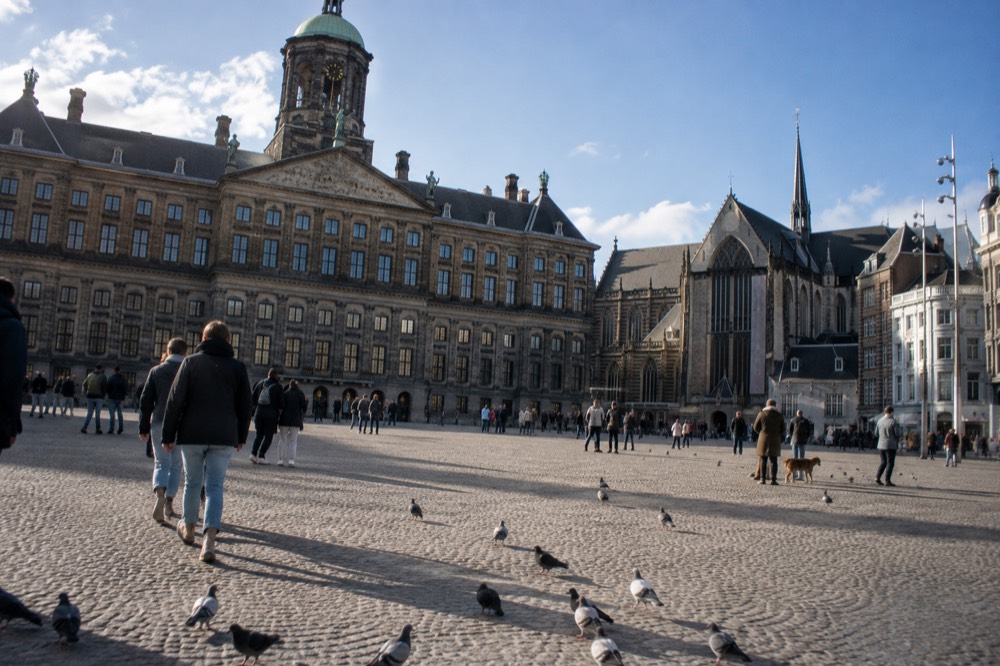
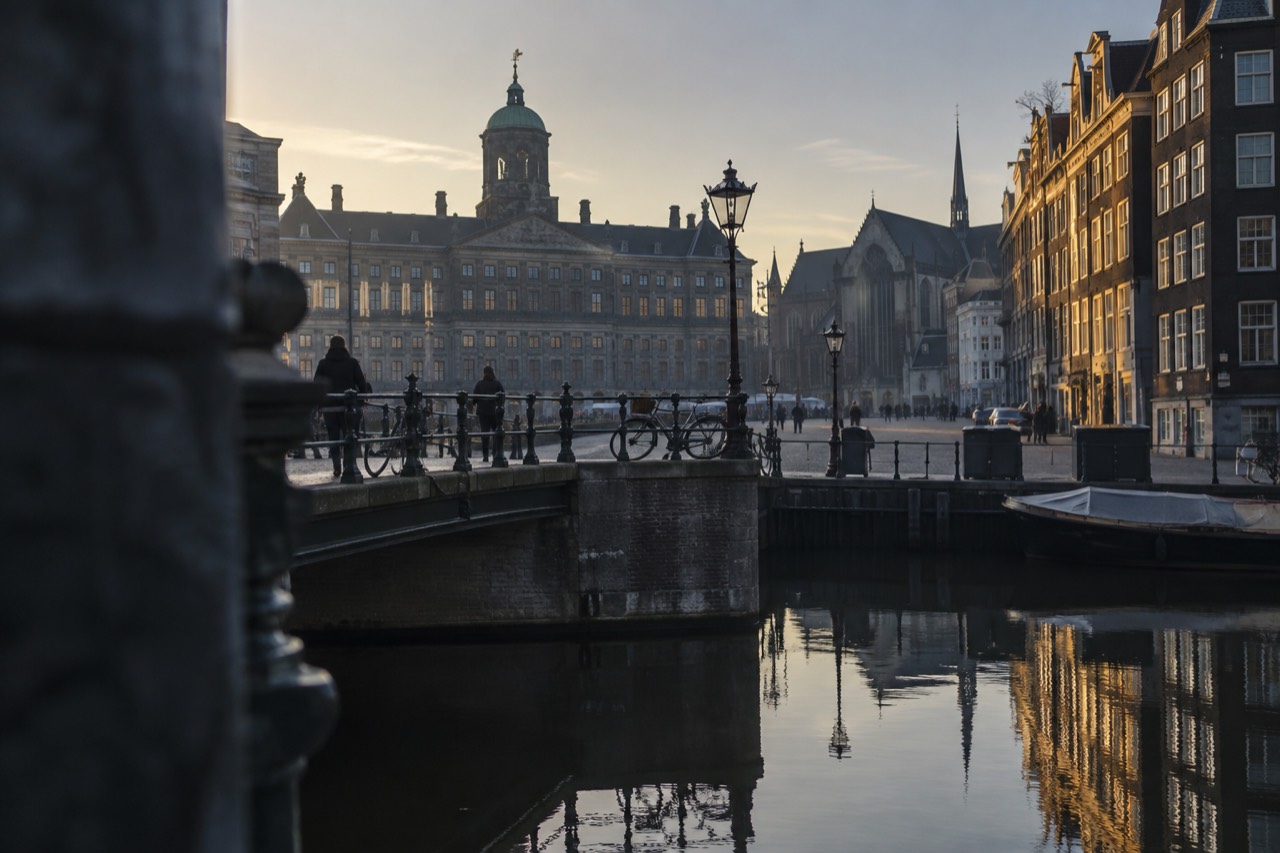
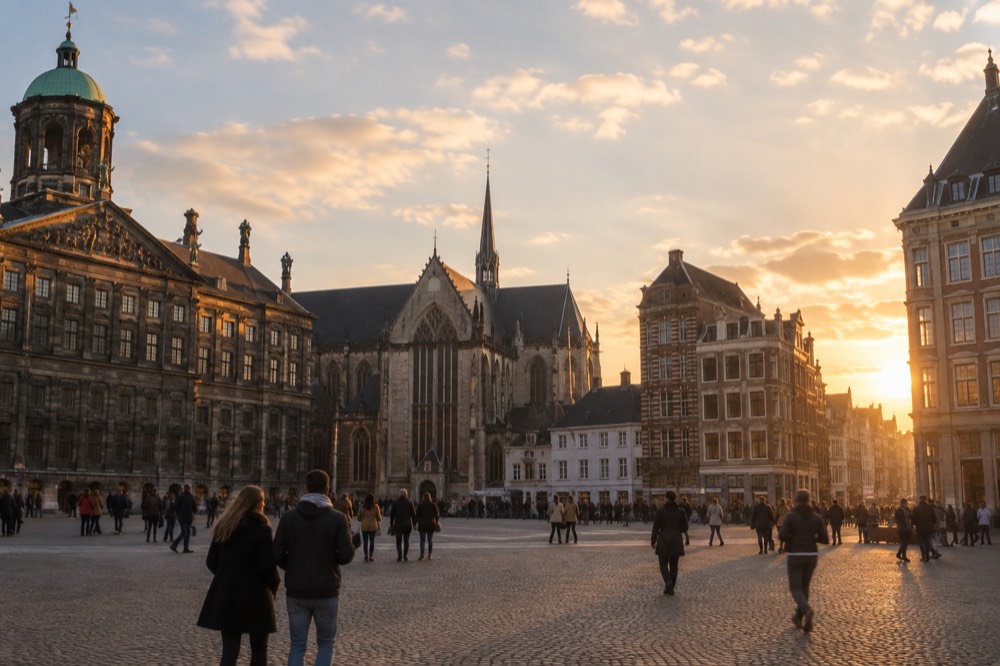
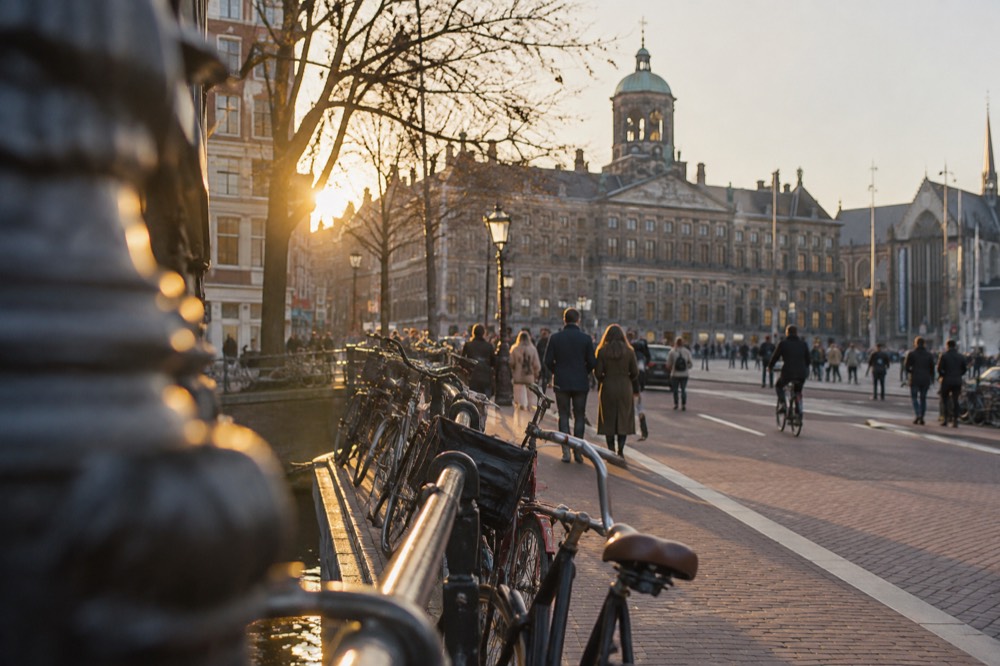
Day one belongs to the centre. Walk the Dam, the Begijnhof and the Nine Streets in the morning, then take a cruise in the late afternoon when the light comes down the canals sideways. The Amsterdam canal ring guide explains which loops matter and which are pure tourist shuttle. For the cruise itself, the classic saloon boat is the format to beat: a restored wooden vessel, a live guide and a drink, versus the large glass-topped barges that carry forty people at a time.
Day two goes east and then north-east. The Jewish Cultural Quarter and the Portuguese Synagogue carry the weight of the city's wartime history, and the guided Anne Frank walking tours cover the quarter's streets, not the house itself. That distinction matters: Anne Frank House tickets are sold only through the museum's own website for a timed slot, with adults at €16.50 and ages 10 to 17 at €7.00, and no reseller or city pass can include them. The Anne Frank House guide covers the booking mechanics.
Finish day two in De Wallen, but go with a guide rather than alone. City rules cap guided groups at 15 people, allow tours only between 08:00 and 22:00, and forbid routes that pass the sex workers' windows, so a compliant small-group tour is both the respectful and the informative option. The red light district rules page lists what the city actually enforces, including the outdoor cannabis smoking ban in the centre.
Day 3: The Museumplein Day and the Van Gogh Booking
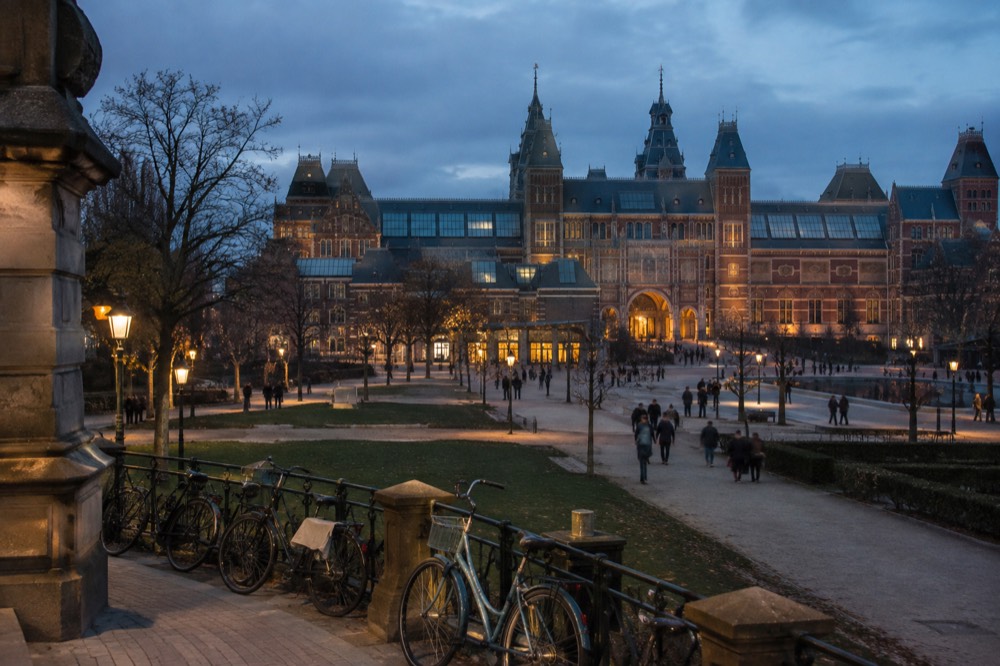
Book the Van Gogh Museum first, then build the day backwards. Every visitor needs a pre-booked timed entry ticket, the museum is excluded from the I amsterdam City Card, and the entry ticket sold through the operator's listing starts at $31.00 with a 4.7 rating across 57,096 reviews. Pair it with the Rijksmuseum, which charges €25 for adults, admits under-18s free, and opens daily 9am to 5pm with a mandatory start time.
Museumplein is a two-museum morning if you are disciplined and a one-museum morning if you are honest. The Van Gogh Museum holds the world's largest collection of the painter's work; the Rijksmuseum holds The Night Watch. Doing both in one day works when the first slot is at opening and lunch is taken early. The Van Gogh Museum guide and the Rijksmuseum guide both cover the timed-entry systems, which no pass or card waives.
Afternoon options on the same square: the Stedelijk for modern art, or the Moco for Banksy and Warhol if the group's tolerance for old masters has run out. If the weather is good, skip the third museum entirely and walk to the Vondelpark, which is five minutes west and costs nothing. The Heineken Experience, a 90-minute interactive brewery attraction at $23.00 with a 4.6 rating across 39,581 reviews, makes a better evening warm-up than a third gallery.
Day 4: Windmills, Volendam and Marken
The classic Zaanse Schans, Volendam and Marken coach tour is the highest-value day trip from Amsterdam: from $34.00 per person, 5 hours 30 minutes, rated 4.5 across 20,839 reviews. It stacks working windmills, a cheese farm and two former fishing villages into one loop, and the extended version that adds Edam costs from $45.00 with a 4.8 rating. Self-driving the same loop by public bus is possible but eats half the day in connections.
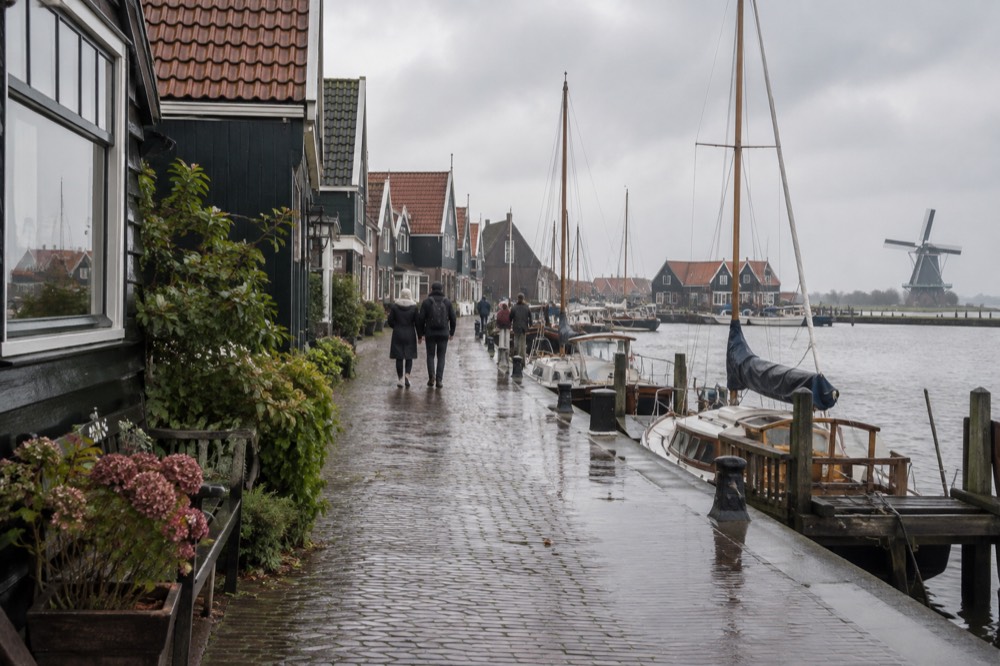
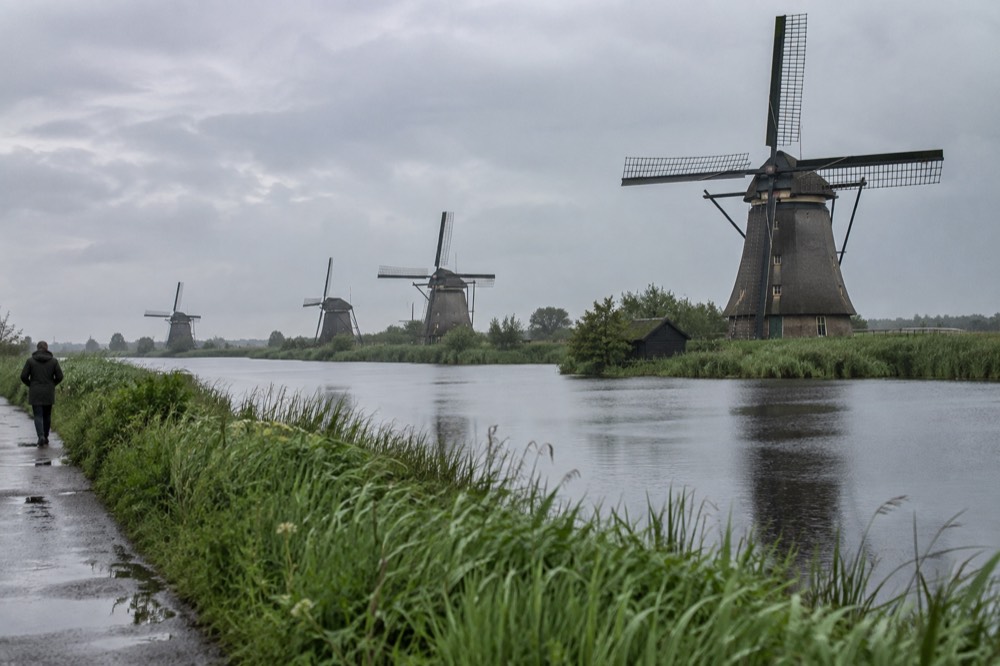
Zaanse Schans is the windmill stop, a cluster of working industrial windmills from the Zaan region, and it is the image most travellers came to the Netherlands for. Volendam and Marken are the village stops, harbour towns on the IJsselmeer where the tour typically includes a cheese tasting and, on some versions, a boat crossing between the two villages. The Zaanse Schans guide covers what the site actually is, including that the windmills are working crafts workshops rather than a film set.
Two practical notes. First, Zaanse Schans is free to walk around, but each windmill's interior carries its own small entry fee, so the tour price covers transport and guidance rather than every door. Second, this is the most crowded day trip in the country; the tour's early departure is not padding, it is the difference between photographs with windmills and photographs with tour groups.
Day 5: Keukenhof in Spring, Haarlem in Every Other Season
Keukenhof runs only from 18 March to 9 May, and no version of this itinerary should claim otherwise. In that window, a combined Keukenhof and Zaanse Schans guided day tour runs from $107.00 for nine hours, rated 4.6 across 1,337 reviews. Outside the window, substitute Haarlem, twenty minutes west by train, or the tulip fields around Lisse, which bloom in the same weeks but cost nothing to view from the roadside.
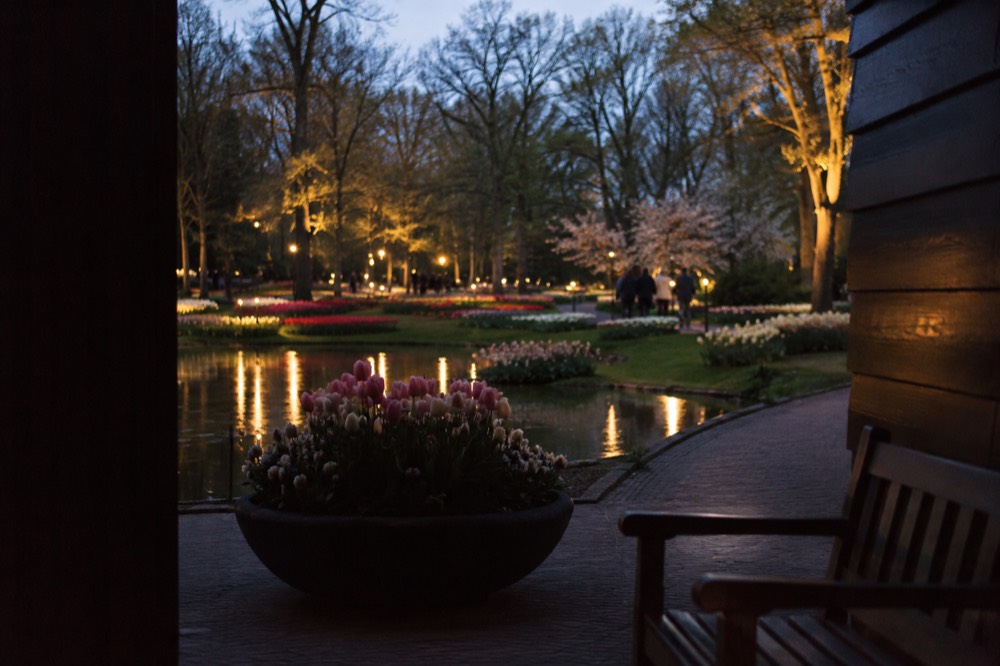
The garden itself is in Lisse, roughly 30 to 40 minutes from Amsterdam, and the 2027 season keeps the daily 08:00 to 19:00 hours. Tickets for the following season go on sale in the autumn through the garden's own site, and the Keukenhof guide covers the combi-ticket options that bundle garden entry with bus transport. The honest advice: Keukenhof is spectacular and crowded, and the fields around it are free and, for many travellers, more memorable because you can stand in them rather than queue beside them.
Off-season, Haarlem rewards the day. Its Grote Markt, Frans Hals Museum and hofjes, hidden courtyard almshouses, deliver a quieter version of the Amsterdam centre, and the Haarlem guide maps a walk that fits between two trains. Utrecht is the other candidate, with its two-level canal wharfs that exist nowhere else in the country.
Day 6: Giethoorn, or Rotterdam and The Hague
Giethoorn, the village with no roads through its centre, is the long-haul day trip: a guided day trip runs from $100.80 for seven to eight hours, rated 4.8 across 575 reviews, including an hour-long canal cruise. The alternative is the Rotterdam, Delft and The Hague loop at from $63.00 for nine hours, rated 4.2. Pick one, not both; they pull in opposite directions and each consumes a full day.
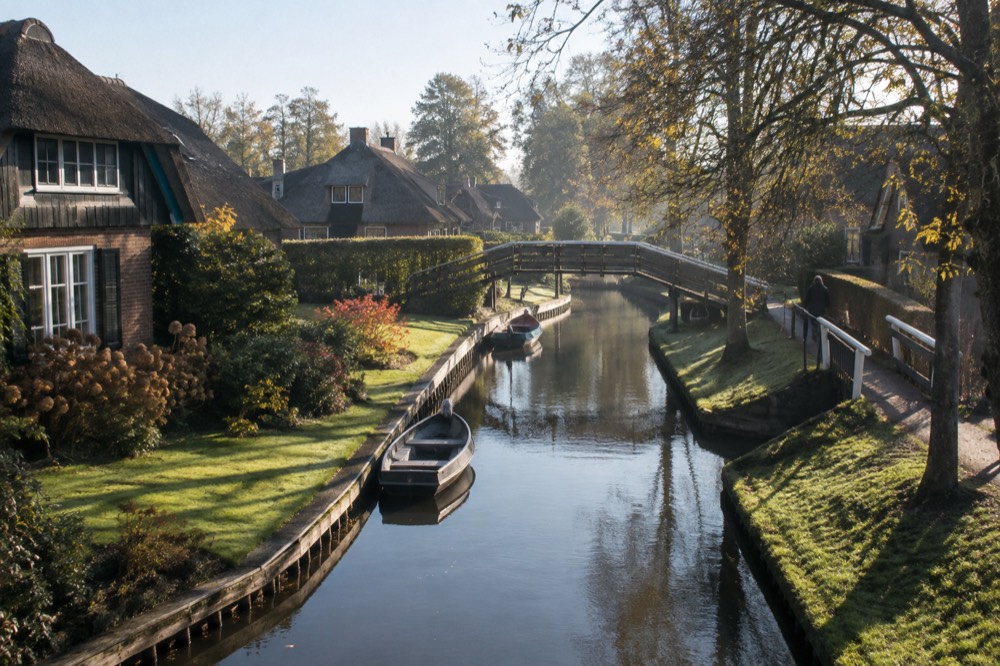
Giethoorn sits in Overijssel, over ninety minutes from Amsterdam, and its draw is simple: the village core is water, footbridges and gardens, with transport by punt. The combined Giethoorn, Volendam and Zaanse Schans tour at from $161.00 for ten hours exists for travellers who want everything in one departure, but ten hours on a coach with three stops is a day spent mostly in transit. The plain Giethoorn day trip, with its included boat cruise and a drive past the polders and dikes, is the better-paced version.
The Rotterdam and The Hague option suits travellers who want architecture and government rather than scenery. Rotterdam's Markthal and cube houses, Delft's historic centre and The Hague's Binnenhof make a coherent political-and-modern counterpoint to Amsterdam's Golden Age. The Rotterdam guide and the day trips overview cover the self-guided train versions, which are straightforward: both cities are under an hour from Centraal.
Day 7: Neighbourhoods, Markets and a Final Cruise
Spend the last day inside Amsterdam's neighbourhoods rather than its attractions: the Albert Cuyp Market and De Pijp in the morning, the Jordaan's galleries and hofjes after lunch, and a sunset canal cruise to close the week. The sunset cruise runs from $23.00 for an hour, rated 4.8 across 4,737 reviews, and the evening city-lights version is the cheaper fallback at from $21.00.
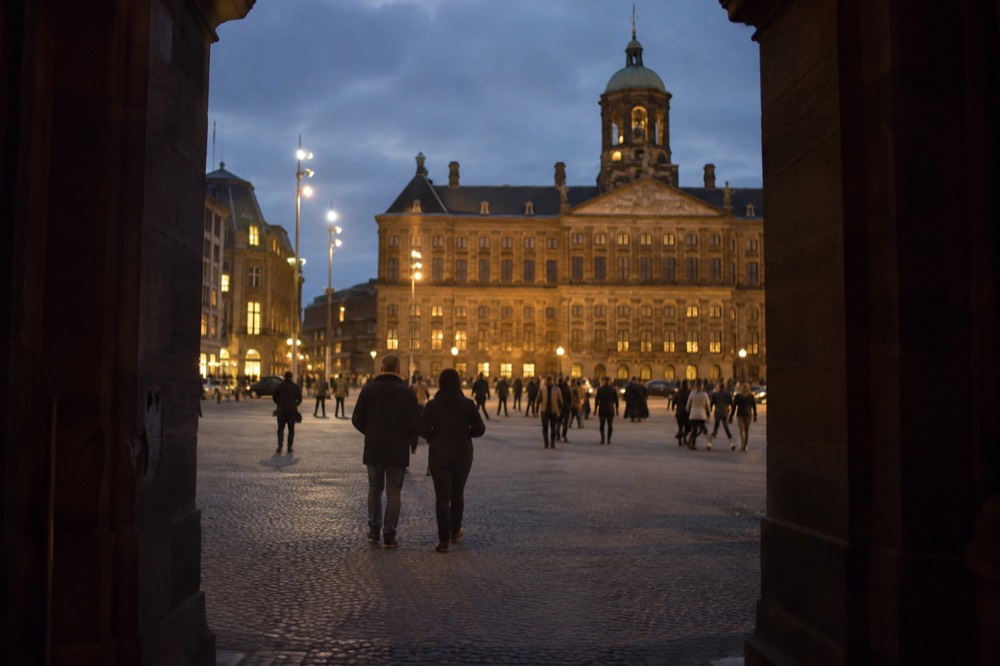
This is the day to collect what the itinerary skipped. De Pijp gives you the Albert Cuyp Market, the busiest street market in the country, and the Sarphatipark. The Jordaan gives you brown cafés, hidden courtyards and the Westerkerk. Amsterdam Noord, a free ferry behind Centraal, gives you the NDSM wharf and the A'DAM Lookout, which charges €16.50 online against €18.50 at the counter, a saving of €2 per ticket for booking ahead.
The closing cruise is worth the money because Amsterdam's canals change character after dark, and because a week's worth of walking earns an hour of sitting. The free things to do guide lists the genuinely free alternatives if the budget is spent, including the ferry crossings and the NEMO roof terrace, which is reachable without a museum ticket.
What Does a Week in the Netherlands Cost?
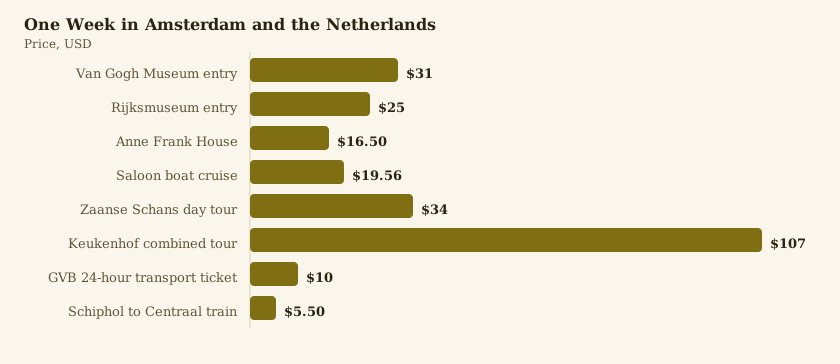
Budget roughly $150 to $250 per person per day all-in: accommodation is the dominant cost, museum tickets in Amsterdam run €25 each at the big two, and the three day trips add $34.00 to $107.00 each depending on distance. A couple sharing a room should plan the week around $2,500 to $3,500 before flights, with the wide band driven by hotel season and how many paid day trips you take.
| Item | Typical Cost | Notes |
|---|---|---|
| Van Gogh Museum entry | $31.00 via listing; €25 direct | Timed ticket required, under-18s free |
| Rijksmuseum entry | €25 | Under-18s free, timed start time required |
| Anne Frank House | €16.50 adult | Official site only, no resellers |
| Saloon boat cruise | from $19.56 | One hour, live guide |
| Zaanse Schans day tour | from $34.00 | 5 hours 30 minutes, three stops |
| Keukenhof combined tour | from $107.00 | Seasonal, 18 March to 9 May only |
| GVB 24-hour transport ticket | €10.00 | Child 24-hour €5.00 |
| Schiphol to Centraal train | from €5.50 | Just over 17 minutes |
The I amsterdam City Card is the one planning decision worth an hour of arithmetic. The verified 24-hour card costs €67 and the 48-hour €94, and it includes GVB transport, a canal cruise and a 24-hour bike rental alongside museum entry. But it excludes the Van Gogh Museum and the Anne Frank House, the two things most visitors book first, so the card only pays when your week is heavy on the included museums. The city card guide runs the numbers by travel style.
How Do You Get Around for Seven Days?
Tap a contactless bank card for trams and buses, or buy a GVB multi-day ticket: €10.00 for 24 hours, €16.00 for 48, €21.50 for 72. For a week, the 96-hour ticket at €27.50 plus OVpay tap-ons for the remaining days beats buying seven single-day tickets. Trains to every day trip destination are separate from GVB and are bought per journey.
| Ticket | Price | Covers |
|---|---|---|
| GVB 24 hours | €10.00 | Trams, buses, metro, ferries in Amsterdam |
| GVB 72 hours | €21.50 | Same network, three days |
| GVB 96 hours | €27.50 | Same network, four days |
| OVpay contactless | €1.16 base plus €0.217 per km | Tap in and out, daily caps apply |
| Amsterdam Travel Ticket | €20.00 one day | GVB plus airport train |
The ferries behind Centraal Station, including the one to NDSM, are part of the GVB network, so they are covered by the day ticket and by the OVpay tap. The NS train network is separate: Schiphol to Centraal runs from €5.50 and takes just over 17 minutes, and the day-trip trains to Haarlem, Utrecht, Rotterdam and The Hague are all bought individually or via the same contactless tap. The getting around guide covers the details, including the contactless daily caps that make OVpay the simplest option for most visitors.
Plan the week around this site's own Things to Do in Amsterdam collection when a spare afternoon opens up; a week is enough to use the itineraries as a menu rather than a route.
Common Questions About a Netherlands Itinerary of 7 Days
Is seven days in Amsterdam too much?
No. Three days covers the city's core, but a week lets you add Zaanse Schans, Keukenhof in season, Giethoorn or Rotterdam without rushing. Most travellers who cut to four days end up skipping the day trips they came for.
What is the best 7-day Netherlands itinerary?
Three Amsterdam days covering the canal ring, the Jewish Quarter and Museumplein, then day trips to Zaanse Schans and Volendam, Keukenhof in spring or Haarlem otherwise, and Giethoorn or Rotterdam on the final excursion day.
Can you see Giethoorn and Keukenhof in one week?
Yes, on separate days. Keukenhof only runs 18 March to 9 May, so plan it inside that window and put Giethoorn on another day; a combined ten-hour tour exists but spends most of the day in transit.
Do you need a car for a Netherlands itinerary of 7 days?
No. Every stop in this itinerary is reachable by train or coach tour, and Amsterdam's centre is hostile to cars by design. Trams, the OVpay contactless tap and the day-trip coaches cover the whole week.
How far in advance should you book museums for a week in Amsterdam?
Book the Van Gogh Museum and the Anne Frank House as soon as your dates are fixed. Both use timed entry, both sell out, and Anne Frank House tickets are sold only through the museum's own site at €16.50 for adults.