What Is So Special About Amsterdam Coffee Shops?
Why Amsterdam coffee shops are unlike anywhere else: the tolerance policy behind them, the rules tourists must follow, and what to expect inside.
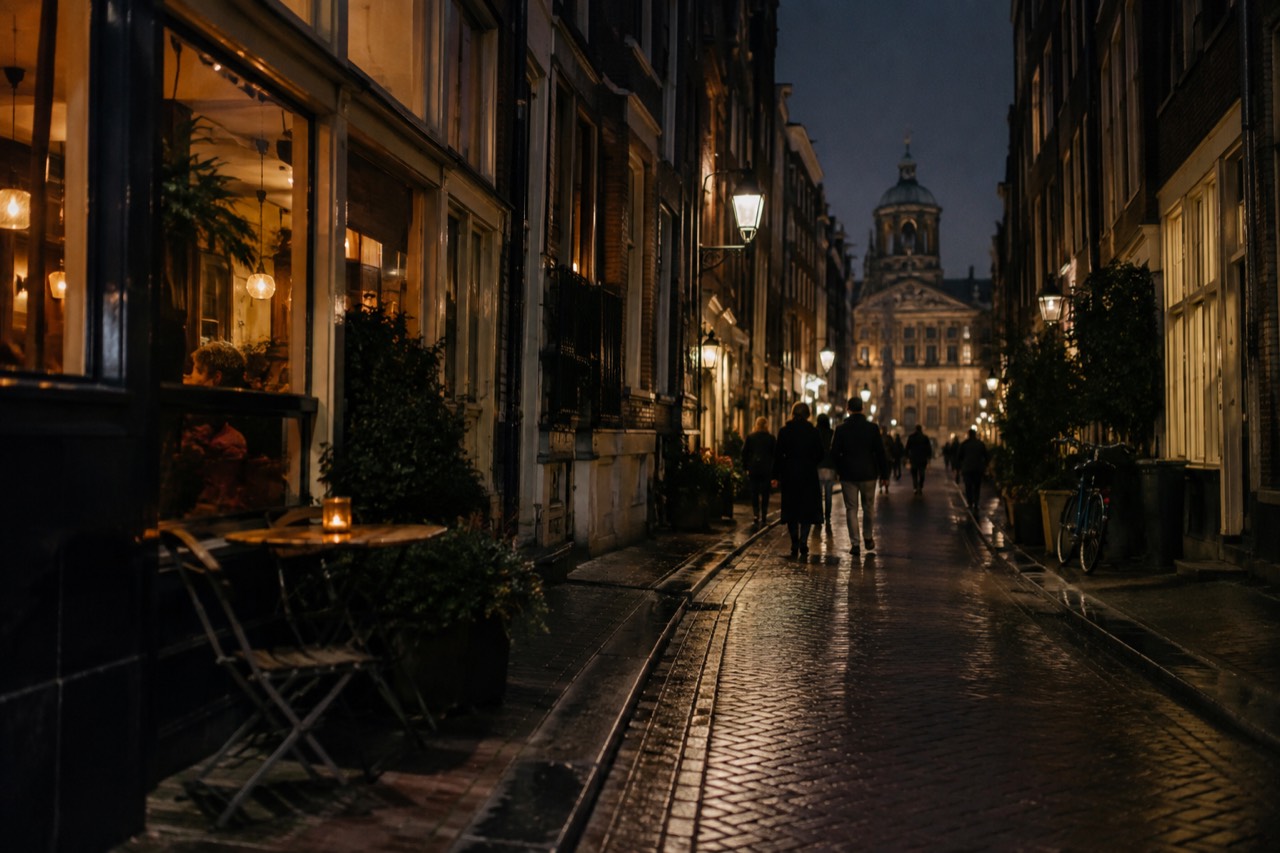
Amsterdam has roughly 165 canals' worth of clichés attached to it, and the coffee shop is the most misunderstood of the lot. Visitors arrive expecting either a legal wonderland or a trap, and the reality is a carefully fenced Dutch compromise that has been running, in one form or another, since the 1970s. This page explains what a coffee shop actually is, what the law really says, what tourists may and may not do in 2026, and how to walk into one without embarrassing yourself.
What Is So Special About Amsterdam Coffee Shops?
What makes them special is the framework, not the product: the Netherlands tolerates the sale of small amounts of cannabis through licensed, regulated premises, a policy called gedoogbeleid, and Amsterdam is the city where that compromise is most visible. A coffeeshop may sell no more than 5 grams of soft drugs per person per day, tourists are not turned away, and the whole arrangement exists in a deliberate grey zone between illegality and permission.
The word to hold on to is "tolerated". Cannabis is not legal in the Netherlands. Possession of small amounts is not prosecuted, and the sale of small amounts through coffeeshops is not prosecuted either, provided the shop sticks to strict conditions set out in national policy. The government's own page on the gedoogbeleid states the core rule plainly: a coffeeshop may not sell more than 5 grams of soft drugs per person per day, and personal possession of up to 5 grams of cannabis is tolerated. Everything outside that fence, large-scale trade, hard drugs, advertising, still carries the full weight of the law.
That fence is what makes the Amsterdam version special. In most countries, buying cannabis means dealing with an unregulated market. In Amsterdam it means walking into a licensed business with a permit, a house rules list on the wall, an age check at the door and a municipal inspector somewhere in the background. The shops cannot legally grow their own stock at scale, which is the compromise's most famous paradox: the front door is tolerated, the back door is not. That paradox has been argued about in Dutch politics for forty years and remains unresolved.
The third special ingredient is the city itself. Amsterdam chose, decades ago, not to apply the residents-only criterion that national tolerance policy allows. The rule exists on paper: national policy says coffeeshops should refuse non-residents of the Netherlands. Amsterdam has never enforced it. The wietpas scheme that briefly made headlines was never introduced in the city, and no tourist ban has been implemented since. So a visitor from anywhere in the world can walk in, show ID proving they are 18 or over, and buy within the limits, which is genuinely unusual in Europe and the single biggest reason the coffee shop became a global icon.
There is a fourth, quieter reason the coffee shop is special, and it is cultural rather than legal. The classic Dutch coffeeshop is a social institution: a small, dim, wood-panelled room where locals have read newspapers, played chess and argued about football since long before cannabis tourism existed. The best ones feel more like a brown café with a different menu than like a dispensary. That atmosphere, unbranded, unhurried, faintly rebellious, is what people are actually describing when they say Amsterdam coffee shops are special.
Why Are They Called Coffee Shops and Not Cafés?
The name is a piece of surviving camouflage from the early days, when selling cannabis was illegal but selling coffee was not, so early operators worked behind an ordinary café front. The term stuck even after the trade came out into the open, and today the naming matters practically: a "coffeeshop" sells cannabis, a "café" or "coffee house" sells only coffee, and confusing the two is the most common first-timer mistake in the city.
The history is worth two minutes. In the counterculture years of the early 1970s, Amsterdam's alternative scene, centred on places like the Melkweg and the squatted buildings of the Nieuwmarkt, began selling hash under the counter of otherwise ordinary cafés. The police knew, the operators knew the police knew, and the word "coffeeshop" was the polite fiction everyone hid behind. When the Dutch government formalised tolerance and licensed the first premises in the years that followed, the fiction became the official category name. The first licensed coffeeshops opened in the late 1970s, and the municipal register has used the word ever since.
The practical consequence for a visitor today is that the two signs mean opposite things. A coffeeshop has a green-and-white sticker in the window (the official municipal tolerance sign) and sells cannabis alongside soft drinks and sometimes coffee. A café, a coffee house, a koffiehuis or a brown café sells alcohol or coffee and would be breaking the law if it sold so much as a pre-rolled joint. The word "coffeeshop" is written as one word in official Dutch usage, and the one-word spelling is a decent tell that a page or a sign knows what it is talking about.
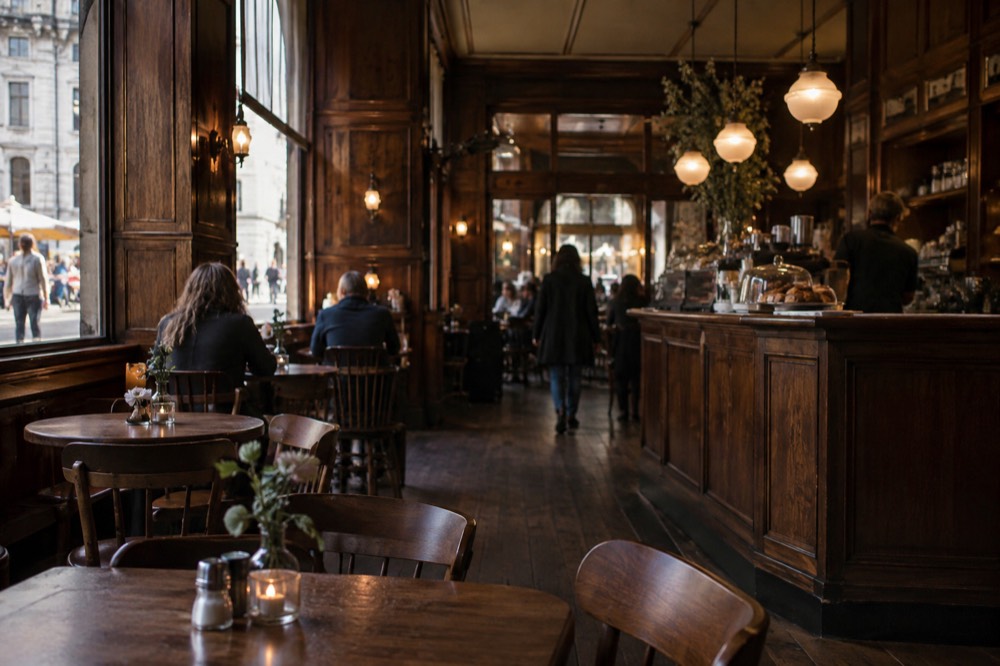
There is a related distinction that trips up visitors looking for actual coffee. Amsterdam's traditional coffee houses, the old-school koffiehuizen, serve strong filter coffee, milk and cake to a clientele of locals who have been coming for decades, and they are wonderful, but a tourist marching in asking for a menu of strains will get a blank look. The etiquette rule of thumb: if the establishment has a liquor licence and a jukebox, it is not a coffeeshop; if it has a green sticker and a bouncer checking ID, it is.
| Sign on the door | What it sells | What it does not sell | How to spot it |
|---|---|---|---|
| Coffeeshop | Cannabis (max 5 g per person per day), soft drinks, snacks | Alcohol, tobacco for mixing is bring-your-own, hard drugs | Green-and-white municipal sticker, ID check at the door |
| Brown café | Beer, jenever, coffee, sandwiches | Cannabis of any kind | Candle-lit, wood interior, often sand on the floor |
| Koffiehuis / coffee house | Filter coffee, cake, milk | Alcohol, cannabis | Old-fashioned counter, local regulars |
| Café or restaurant | Full food and drinks menu | Cannabis of any kind | Ordinary hospitality licence |
Can Tourists Still Buy Cannabis in Amsterdam?
Yes, tourists can still buy cannabis in Amsterdam coffeeshops, and the residents-only rule that national policy permits has never been applied in the city. The nuance is that the criterion exists in national law but enforcement is a municipal decision, and Amsterdam has repeatedly debated it and repeatedly declined to implement it, so the honest answer is neither "it is legal" nor "tourists are banned" but "it is tolerated for everyone, within strict limits."
This is the question that generates the most wrong answers online, so it deserves the careful version. National tolerance policy includes a clause called the ingezetenencriterium, which in English is the residents-only criterion: coffeeshops are supposed to admit and sell only to residents of the Netherlands. Several southern Dutch municipalities, led by Maastricht, did introduce it, and in those border towns a foreign passport genuinely gets you turned away at the door.
Amsterdam is not Maastricht. The city has never enforced the criterion, the wietpas was never rolled out there, and every review of the policy since, including discussions in the city council in recent years, has ended without a tourist ban. The city's own visitor guidance page, amsterdam.nl's "How to Amsterdam" section, sets out the behaviour rules for tourists without any suggestion that buying in a coffeeshop is off limits. So the accurate sentence is: the national rule exists, Amsterdam does not apply it, and enforcement remains a municipal choice that has been debated repeatedly but never acted on.
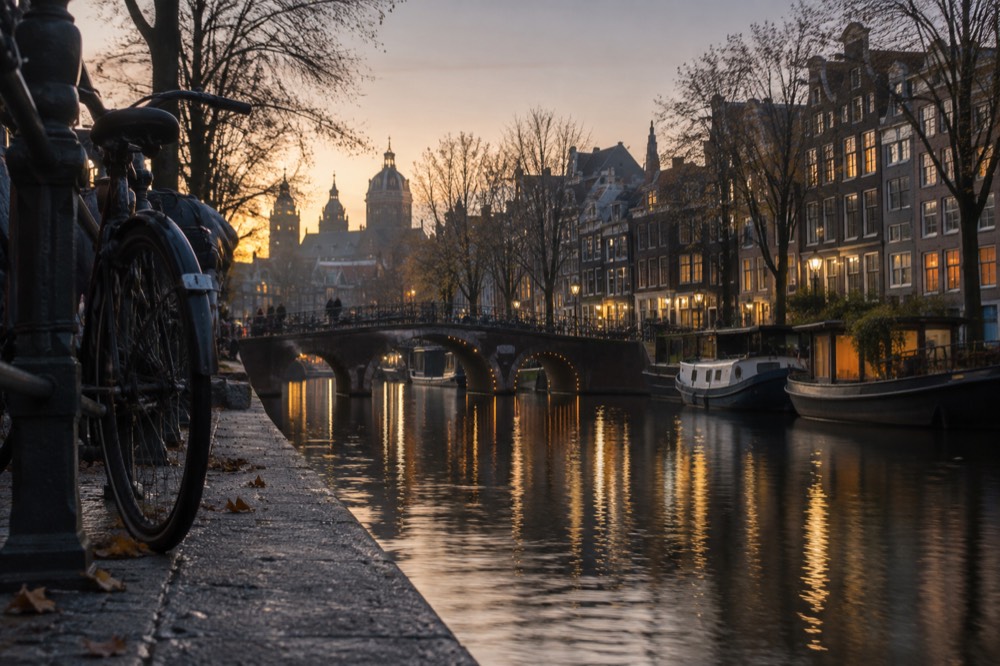
What is enforced, and enforced seriously, is everything around the purchase. The age limit is 18, and shops check ID rigorously. The 5 grams per person per day sales cap applies to you as the buyer, not just the shop. Hard drugs are completely outside the tolerance system, and the famous "no questions" culture of a coffeeshop extends exactly as far as the product list on the wall: ask for anything not on it and you will be shown the door. And the city centre has a specific rule that matters to tourists planning their afternoon: smoking cannabis outdoors is prohibited in the centre, including the red-light district area, so the joint you buy legally has to be consumed inside the coffeeshop, not on a canal-side bench.
That outdoor rule is the one that catches people. The city's official guidance states that smoking cannabis on the street is not allowed in the centre of Amsterdam; it belongs inside the coffeeshop. The exact street boundaries of the ban are not published in a simple list, so the practical advice is to treat the whole of the centre, and certainly the Wallen, as no-outdoor-smoking territory. Visitors who want the full picture of what is and is not allowed, from alcohol on the street to photography etiquette in De Wallen, will find the coffeeshop rules for tourists guide covers the details, and the red light district rules and etiquette page handles the neighbouring questions.
One more nuance separates the honest answer from the lazy one. "Legal" is the wrong word for what happens in a coffeeshop, and Dutch officials will correct you if you use it. Tolerated means the prosecution service has formally deprioritised enforcement against premises and persons who stay inside the rules. Step outside the rules, sell to a minor, carry more than 5 grams, smoke on a centre street, and you are no longer inside the tolerance and the ordinary law applies with full force. The specialness of the Amsterdam coffeeshop is precisely that this line is so clearly marked that almost everyone stays on the right side of it.
What Are the Actual Rules Inside a Coffee Shop?
The house rules are consistent across licensed shops: you must be 18 with valid ID, you may buy at most 5 grams per day, you may not bring or buy alcohol, and you consume on the premises or take it away because outdoor smoking is banned in the centre. Shops may set stricter rules of their own, and the staff behind the counter and the house list on the wall are the final authority.
Inside, the experience is more mundane than the mythology suggests. You queue, you show ID, you look at a menu board that lists strains by name with prices, and you state what you want. Staff are used to first-timers and will usually help, but they will not babysit: the Dutch expectation is that you behave like an adult, which means deciding before you reach the counter, not haggling, not asking staff to source anything off-menu, and not photographing other customers. Space cakes and other edibles are sold in many shops, and the standard advice from the shops themselves is to start with a fraction of a portion and wait, because the effect of eaten cannabis arrives slowly and lasts far longer than the smoked kind. The wider set of guides lives on Things to Do in Amsterdam.
| Rule | Who sets it | What happens if you break it |
|---|---|---|
| 18+ with valid ID | National policy, enforced by the shop | Refused entry, no exceptions for "almost 18" |
| Maximum 5 g purchase per person per day | National tolerance policy | Sale refused; larger amounts fall outside tolerance |
| No alcohol on the premises | Licence condition | Removal, and the shop risks its permit |
| No hard drugs, no requests for them | Absolute, inside and outside tolerance | Immediate removal, ordinary criminal law applies |
| No outdoor smoking in the city centre | Amsterdam city rules | Fines apply; the ban covers the Wallen area |
| No nuisance, no loitering at the entrance | Shop house rules and municipal enforcement | Refused service or removed |
Tobacco deserves its own paragraph because it surprises visitors from countries where smoking laws are looser. Since the Dutch smoking ban applied to coffeeshops, the classic European-style joint mixed with tobacco cannot legally be smoked inside the shop's enclosed spaces; pure cannabis, or tobacco-free consumption, is what the indoor smoking areas are for, and many shops provide a separate glassed-off space for exactly this reason. Visitors who roll with tobacco are pointed to designated outdoor areas where the shop has one, keeping in mind the centre-wide outdoor ban still applies on the public street outside the shop's own terrace.
Money and manners round out the picture. Cash was once king in coffeeshops; most now take Dutch debit cards, and a growing number take contactless, but assuming card payment works everywhere is a mistake, so carry some cash. Tipping is not expected anywhere in the Netherlands, and that includes the counter of a coffeeshop: service is included in prices by Dutch custom, and rounding up is a courtesy rather than an obligation, a norm the site's tipping and etiquette in Amsterdam guide explains across restaurants, bars and everything else. The most important manner of all is the simplest: buy something, sit down, and keep to yourself. The coffeeshop is a living room, not a nightclub.
What Should First-Time Visitors Know Before Going In?
First-timers should know three things before the door: potency has risen sharply compared with the product the tolerance policy was written around, the staff will not intervene beyond basic help if you overdo it, and the city's advice is to consume in the shop rather than on the street. Start with a small amount, eat beforehand, stay hydrated, and plan nothing more ambitious for the afternoon than a walk or a museum you already have a ticket for.
The potency point is the one experienced visitors most wish they had known. Modern strains are bred far stronger than the product of the tolerance era, and a first-time consumer who smokes a whole modern joint is genuinely at risk of a very unpleasant few hours: dizziness, nausea, a racing heart and the short-term anxiety that regular users call a "whitey". The shop staff have seen it all and will help with water, sugar and a quiet seat, but they are not medics and the responsibility is yours. The standard local advice is a quarter of what you think you want, then wait fifteen minutes before deciding anything further.
Planning the rest of the day matters more than people expect, because a coffeeshop visit slots naturally into a slow Amsterdam afternoon rather than a packed itinerary. A common local pattern is to pair the centre's sights with the visit: the Van Gogh Museum entry ticket, rated 4.7 across 57,096 reviews and starting at $31, sits a short tram ride from the centre and uses timed entry, so it rewards booking a slot in advance rather than turning up foggy and hoping. The Heineken Experience, the brewery's self-guided attraction with a 4.6 rating across 39,581 reviews from $23, is another neighbour of the centre that people typically combine with a relaxed afternoon. Neither is a cannabis venue, they are simply the two most-booked flexible-afternoon tickets on this site's roster, and both allow free cancellation on the live listing, which suits plans made on the spur of the moment.
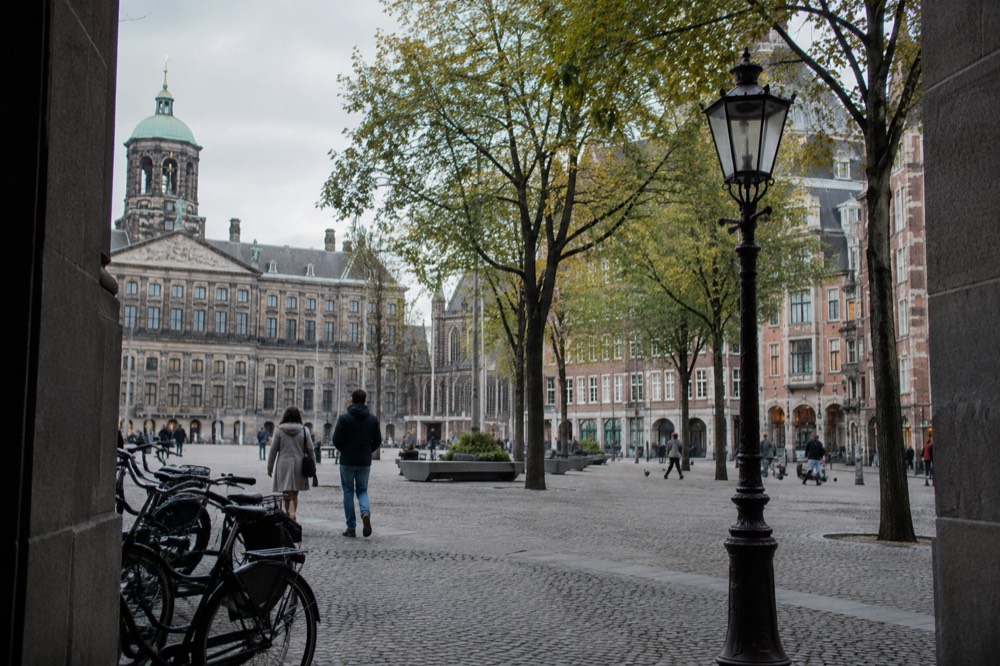
A word on where this all sits in a trip. Coffeeshops are one thread of the city, not its centre, and Amsterdam's own tourism positioning has spent the last decade nudging visitors toward the museums, the canal ring and the food scene. The city has reduced the number of coffeeshop licences over the years and restricted them near schools, so the scene is smaller and more settled than its reputation. The balanced visit is the one that treats a coffeeshop as an interesting hour inside a city that has a great deal more going on, and this site's wider coverage, from the free things to do in Amsterdam guide to the canal-cruise comparisons, exists for exactly that planning.
How Does the Tolerance Policy Actually Work in Law?
The policy works by splitting the market in two: the front door, the sale of up to 5 grams to adults in a licensed shop, is formally deprioritised for prosecution, while the back door, wholesale supply and cultivation at scale, remains fully criminal. A coffeeshop therefore operates under a tolerance declaration from the municipality, renewed against a checklist of conditions, and the shop's permit, not any statute, is what a customer is standing inside.
The mechanics are worth understanding because they explain the rules you meet at the counter. A municipality decides how many coffeeshop permits to issue and to whom; the prosecution service issues a national guideline that says it will not prosecute sales that stay within the conditions; and the police check compliance. The conditions are the ones you have already read: no hard drugs, no sales to under-18s, no nuisance, no advertising, a 5 gram daily cap per customer and no alcohol on the premises. Break a condition and the shop does not get fined in the first instance, it gets a warning, then a temporary closure, then the loss of the tolerance declaration, which is the shop's entire right to exist.
The back-door problem is the policy's famous flaw and the reason the Dutch debate never ends. A licensed shop cannot legally buy its stock, because cultivation and wholesale supply remain criminal offences, so every gram sold over the counter arrived through a supply chain the state pretends not to see. Experiments with regulated cannabis cultivation, including a trial in several Dutch municipalities, have tried to close the gap, and the results have fed years of parliamentary argument rather than a settlement. For the visitor, none of this changes the experience at the counter, but it explains why shops are discreet, why there is no branding or advertising, and why the whole system can feel like a polite standoff: it is one.
| Aspect | Status under Dutch policy | Practical effect for a visitor |
|---|---|---|
| Possession up to 5 g | Tolerated, not prosecuted | Carry within the limit and nothing happens |
| Sale in a licensed coffeeshop | Tolerated under strict conditions | Legal-looking purchase inside the rules |
| Sale to under-18s | Absolute violation | Rigorous ID checks at the door |
| Hard drugs | Fully criminal, outside tolerance | Never available, never ask |
| Outdoor smoking in the centre | Prohibited by city rules | Consume inside the shop, not on the street |
| Cultivation and wholesale | Criminal, the "back door" gap | No advertising, discreet premises, no branded products |
The policy's defenders point to results: the Netherlands separates the cannabis market from hard drugs, keeping users away from dealers who sell both, and Dutch usage rates have historically sat at or below the European average rather than above it. Its critics point to drug tourism in border towns and to the unresolved back door. Both arguments are live in Dutch politics, and the city of Amsterdam's position, tolerate, regulate, enforce the edges hard, has stayed remarkably stable across changing national governments. That stability, four decades of a compromise nobody loves but everybody keeps, may be the most special thing about the Amsterdam coffeeshop of all.
Common Questions About Amsterdam Coffee Shops
What Is So Special About Amsterdam Coffee Shops?
They are the most visible example of Dutch tolerance policy: licensed premises where the sale of up to 5 grams of cannabis per person per day is formally tolerated rather than legal, open to tourists because Amsterdam has never applied the residents-only criterion, and run under strict conditions covering age, alcohol and nuisance. The framework, not the product, is what no other major European city replicates.
Can tourists still buy cannabis in Amsterdam coffeeshops?
Yes. The residents-only rule exists in national policy but Amsterdam has never enforced it, and no tourist ban has been implemented. Tourists must be 18 or over with valid ID and are subject to the same 5 gram daily purchase limit as locals.
Is cannabis actually legal in the Netherlands?
No. It is tolerated. Possession of up to 5 grams and licensed coffeeshop sales are deprioritised for prosecution under the gedoogbeleid, but cultivation, wholesale supply and anything beyond the stated limits remain criminal offences.
What is the difference between a coffeeshop and a café in Amsterdam?
A coffeeshop, written as one word, is licensed to sell cannabis alongside soft drinks. A café, coffee house or brown café sells only coffee, food and possibly alcohol, and selling cannabis there would be a criminal offence. The green-and-white municipal sticker marks a genuine coffeeshop.
Can you smoke cannabis outside in Amsterdam?
Not in the city centre. Amsterdam prohibits smoking cannabis on the street in the centre, including the red-light district area, so consumption belongs inside the coffeeshop. The exact street boundaries are not published in a simple list, so treat the whole centre as no-outdoor-smoking.
How much can you buy in one visit?
A coffeeshop may sell a maximum of 5 grams of soft drugs per person per day, and the cap applies to you as the buyer across the day, not per shop. Buying more than that falls outside the tolerance policy entirely.