Why Is Amsterdam Called Sin City?
The honest story behind Amsterdam's Sin City nickname: where it came from, what is actually legal there, and how the reality differs from the reputation.
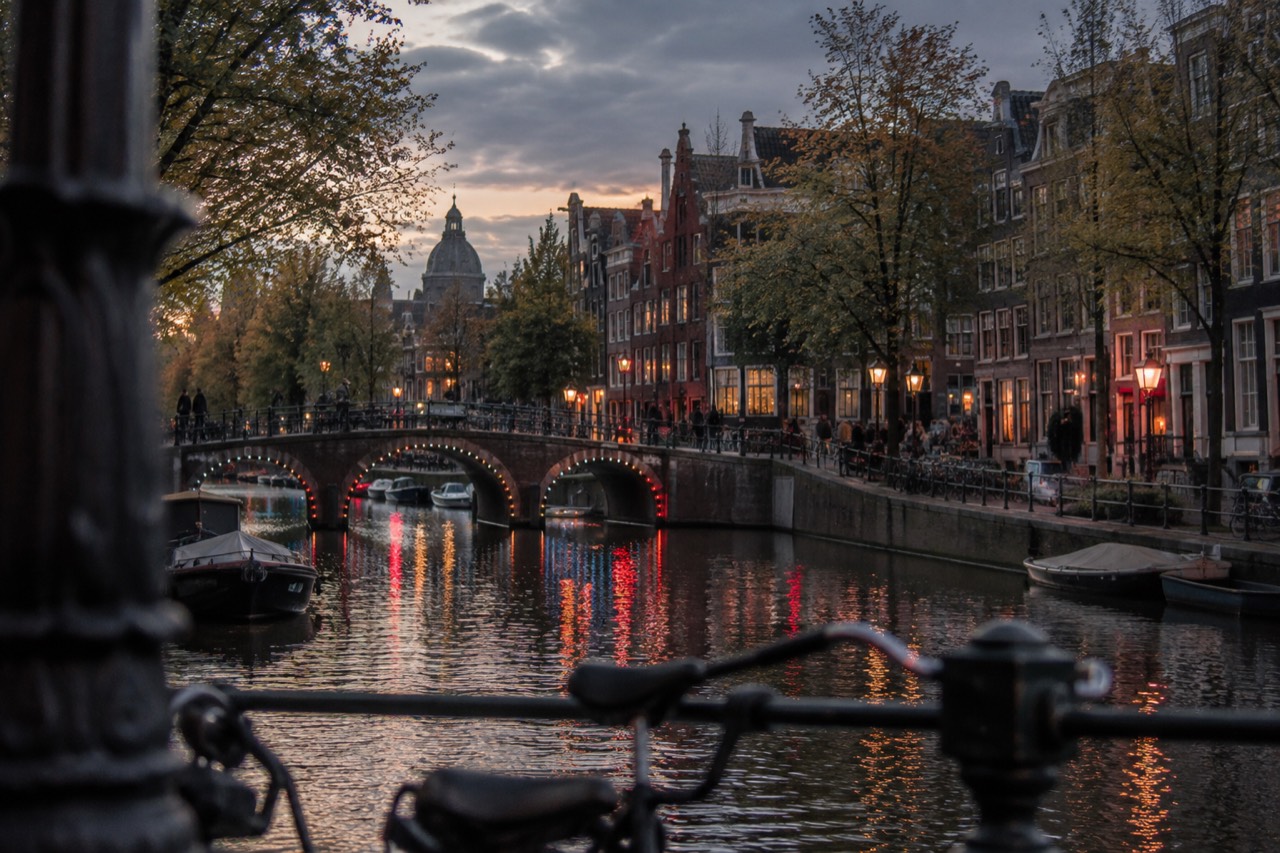
Amsterdam's red lights and coffeeshops earn it a nickname that no other European capital carries quite so openly. Yet the city that tourists call Sin City is also the one that fines tour guides €190 for walking groups past sex workers' windows and prohibits smoking cannabis outdoors in the centre. The gap between the reputation and the rulebook is the real story, and it goes back further than most people expect.
Why Is Amsterdam Called Sin City?
Amsterdam is called Sin City because two Dutch policies that most countries handle with criminal law, sex work and cannabis sales, are regulated in the open here: window brothels operate under municipal licences, and coffeeshops sell cannabis under a national tolerance policy that caps sales at 5 grams per person per day. The nickname is a visitor's shorthand for that visibility, popularised by the counterculture era and mass tourism, not a legal description of the city.
The name is not official. No municipal document, tourism board campaign or law uses it. It is a label that travelled through travel writing, stag-party advertising and word of mouth, and it condensed a complicated set of Dutch policies into two words that fit on a t-shirt.
What made the label durable is contrast. In most of Europe in the late twentieth century, both activities happened anyway, but underground. Amsterdam chose to license, tax and inspect them instead. The city government's own current guidance frames its approach as one of managing behaviour that exists everywhere, rather than pretending it does not.
The nickname also survives because it is commercially useful. Bars, tour operators and souvenir shops in the centre lean into it, and visitors arrive expecting a lawless playground. The surprise for many is how orderly the place actually is: the "sin" industries are among the most heavily regulated businesses in the city.
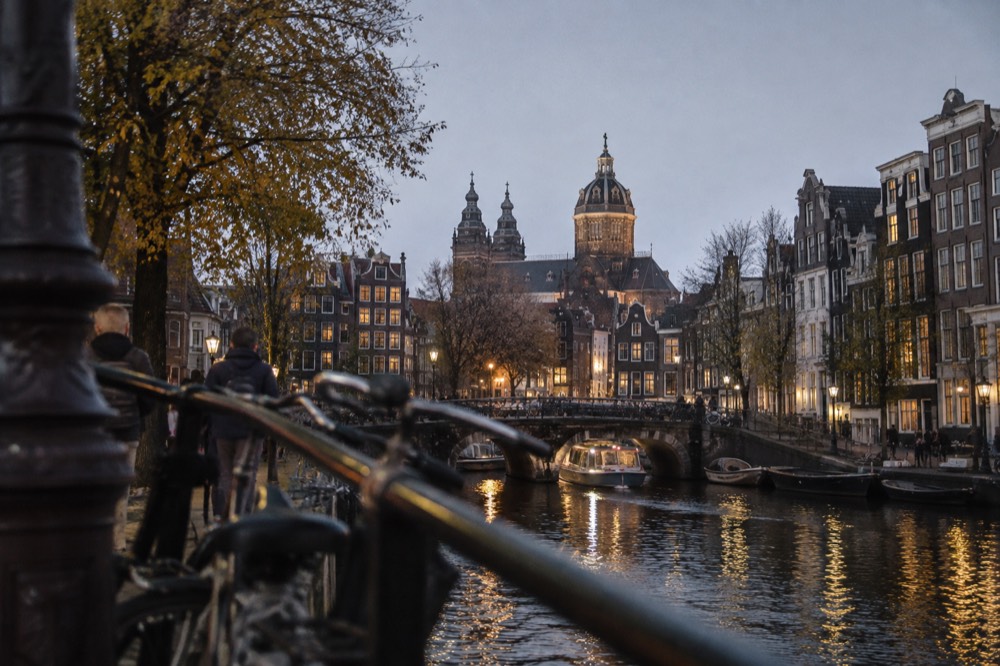
Where Does the Nickname Actually Come From?
The Sin City label took hold during the counterculture years, when Amsterdam became the European capital of the hippie movement and then formally decriminalised the personal possession of small quantities of cannabis while keeping the sale of it inside licensed coffeeshops. Sex work had been regulated rather than banned for well over a century before that, under a licensing system inherited from the Napoleonic legal code, and the window format grew out of that older licensed tradition.
The historical order matters, because it is the reverse of what the nickname implies. Amsterdam did not liberalise from a conservative baseline in living memory. It had not criminalised sex work in the modern era, and the Napoleonic legalisation meant the trade operated openly for generations before the first tourist called the city sinful. The Dutch word for the approach, gedoogbeleid, means tolerance policy, and it describes a very specific legal construction: the activity remains technically illegal, but authorities formally refrain from prosecuting it under written conditions.
Cannabis policy followed the same logic. The Dutch justice ministry guidelines of that era separated soft drugs from hard drugs and instructed police not to prioritise possession of small quantities. The national policy still states that a coffeeshop may sell no more than 5 grams of soft drugs per person per day, and that personal possession of up to 5 grams of cannabis is not prosecuted, as the government's own gedoogbeleid page sets out. Coffeeshops themselves remain technically illegal supply points operating under those published conditions, a nuance the nickname erases entirely.
The counterculture years added the audience. Cheap flights, the Provo provocations and the city's permissive reputation drew a wave of young travellers, and travel writing did the rest. By the time mass city breaks became a European habit, "Sin City" was shorthand that sold itself.
For every traveller who comes for the red lights, though, there is another who comes for the Rembrandts. The same compact centre that holds the Wallen also holds the Rijksmuseum's 17th-century masterpieces, and the contrast is worth planning around. The Van Gogh Museum, with 4.7 across 57,096 reviews on its live listing, sits ten minutes' walk from the Leidseplein nightlife, and a timed entry ticket costs from $31.
The nickname, in other words, describes one street of a city that runs on museums, canals and cycling. The name stuck to the smallest, loudest part of town.
Is Amsterdam Really as Permissive as the Name Suggests?
No, and the gap widens every year: Amsterdam now bans guided tours from passing sex workers' windows entirely, caps tour groups at 15 people, forbids outdoor cannabis smoking in the city centre, restricts holiday rentals to 30 nights a year, or 15 in the central neighbourhoods, and charges a 12.5 percent tourist tax on every overnight stay. The permissive reputation describes a set of narrow tolerances, not a general absence of rules.
The city has spent the last decade actively dismantling the excesses the nickname celebrates. The hotelstop bans new hotels. A separate measure bans new tourist shops in the centre. The municipal council has decided to halve sea and river cruise calls. These are not the actions of a city comfortable with its Sin City brand; they are the actions of one trying to shed it.
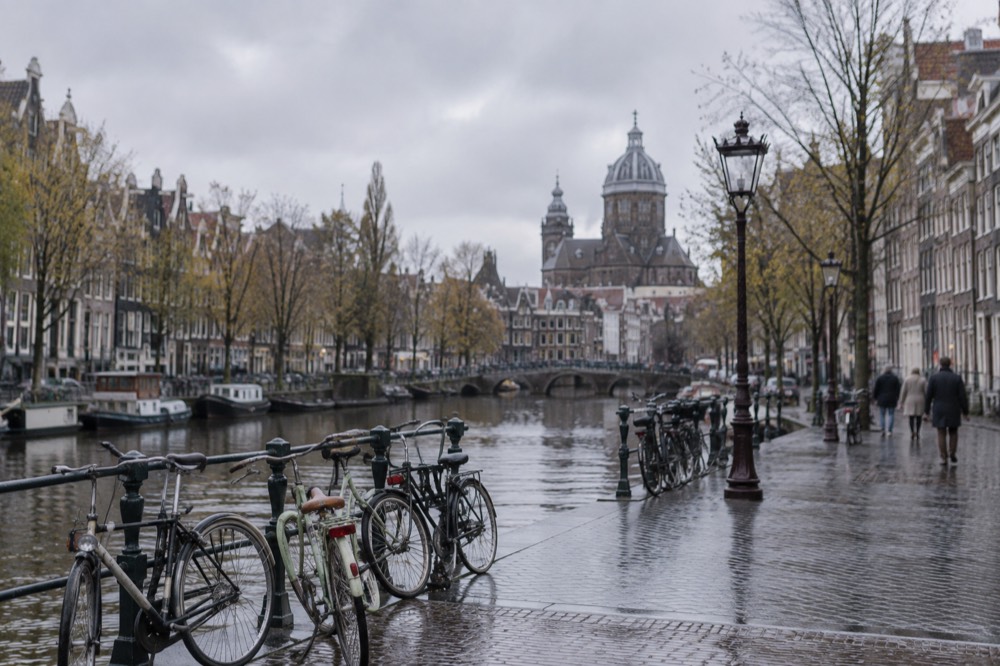
The numbers explain the urgency. Amsterdam recorded 23.7 million tourist overnight stays in 2025, well above the 20 million ceiling the city set for itself in its Tourism in Balance regulation, a figure the city has since argued in court was a policy aspiration rather than a binding limit. On top of that came 21.9 million day visits. The centre simply cannot absorb that volume gracefully, and the residents' lawsuit pressing the city to enforce its own cap has made the tension a matter of public record.
What the city actually regulates, it regulates hard. Consider how the reality compares with the reputation:
| The reputation | The actual rule |
|---|---|
| Anything goes in the coffeeshops | Sales capped at 5 grams per person per day; outdoor smoking banned in the city centre; shops must be licensed |
| The red light district is a free-for-all | Tours may not pass the windows; groups max 15; tours only 08:00 to 22:00; photographing the windows is a strongly enforced social ban |
| Party all night in the Wallen | Weekend closing since April 2023: outdoor terraces at 01:00, indoor bars at 02:00 |
| Nobody pays attention to tourists | 12.5% tourist tax on stays; holiday rentals capped at 30 nights, or 15 in the central neighbourhoods since April 2026 |
The pattern is consistent: tolerate the activity, regulate the nuisance. Dutch policymakers describe the approach as pragmatic rather than libertarian, and the current city government campaigns, through its "How to Amsterdam" guidance, for visitors to behave like residents rather than like revellers.
The contrast is easiest to see on the ground. A visitor who spends an evening on a canal cruise passes the same neighbourhoods the nickname refers to, but from the water, at a civilised distance, with a drink in hand and a guide pointing at gables. The classic saloon boat cruise, 4.8 across 33,435 reviews and from $19.56, is in many ways the anti-Sin City Amsterdam: same city, entirely different register. Our red light district walking guide covers the street-level version in detail.
What Are the Actual Rules Around Cannabis?
Cannabis remains technically illegal in the Netherlands, but under the national gedoogbeleid, coffeeshops may sell up to 5 grams per person per day to customers aged 18 and over, and possession of up to 5 grams is not prosecuted. The national policy text also includes a residents-only criterion, but Amsterdam has never applied it, so tourists can legally buy. Smoking cannabis outdoors is prohibited in the city centre.
That last sentence is the one that surprises people. The city's official visitor guidance states plainly that smoking cannabis on the street is not allowed in the centre, including the Wallen area, and that it must happen inside the coffeeshop. Visitors who light up on a canal bridge are not breaking a tolerance, they are breaking an actual municipal rule, and the fine amounts are not published because the city has not put them in the pages it makes public.
The residents-only question deserves precision, because it is the most-misreported fact in the whole topic. The national tolerance criteria do say coffeeshops should admit only Dutch residents. That rule, the wietpas, was trialled in the southern provinces and abandoned after it pushed trade onto the street. Amsterdam never enforced it at any point, and no tourist ban has been implemented since. Writing "cannabis is legal for tourists" is wrong; writing "tourists are banned" is equally wrong. The accurate sentence is: the national rule exists on paper, and Amsterdam does not apply it.
| Activity | Legal status in Amsterdam | Practical consequence for a visitor |
|---|---|---|
| Buying up to 5g in a licensed coffeeshop | Tolerated under national policy, age 18+ | Legal in practice, ID required |
| Smoking inside the coffeeshop | Allowed where the shop permits | The only fully safe place to smoke in the centre |
| Smoking on the street in the centre | Prohibited by municipal rule | Risk of a fine; move indoors |
| Buying from a street dealer | Criminal offence, both sides | Also the classic scam and pickpocketing setup |
| Taking cannabis out of the country | Illegal, including to Belgium or Germany | Not tolerated at any border |
The government's own page on the tolerance policy, on rijksoverheid.nl, is the primary source for the 5-gram figures, and the city's How to Amsterdam page, on amsterdam.nl, is the source for the outdoor smoking ban. Both are worth reading directly, because the secondary coverage of this topic is where most of the myths are manufactured. Our longer coffeeshop rules explainer goes through the practical side question by question.
What Are the Rules in the Red Light District?
The red light district, De Wallen, is legal and open to walk through, but it is the most rule-dense few blocks in the city: guided tours may not pass the windows at all, tour groups are capped at 15 and must run between 08:00 and 22:00, guides face fines of €190 and companies €950 for breaches, and photographing the sex workers is a strongly enforced prohibition that the city promotes through its official respect campaign.
The window brothels themselves operate under municipal licence, with mandatory health checks, fixed closing arrangements and a registration regime. Since April 2023, weekend rules in the core Wallen area require outdoor terraces to close at 01:00 and indoor hospitality at 02:00, and the city has since debated moving the brothels' own closing time back on sex-worker safety grounds. A larger overhaul of hospitality rules was adopted by the council in September 2026, though its changes for existing businesses phase in years later.
The tour rules are the sharpest break with the Sin City image. The rule banning tours from passing the windows applies to every group, including groups of four or fewer, and the city's current rules page adds that groups larger than four need an exemption, that tours may only run from 08:00 to 22:00, and that guides may not use megaphones, shout, drink alcohol or stop on busy bridges. This is a city fining the very tourism its nickname attracts.
Photography deserves its own warning. The "No pictures please" signs in the Wallen are not decoration; the city's own campaign backs them, venue staff enforce them, and a camera pointed at a window is the fastest way to have a night end badly. The rule is social and enforced rather than statutory with a published fine, but the practical result for a visitor is identical.
Why Does the Nickname Survive the Rules?
The nickname survives because it is commercially useful, because the visible symbols remain, and because the underlying tolerance policy has never been reversed: no Dutch government has moved to criminalise coffeeshop sales or window brothels, so the two sights that created the label, the red windows and the coffeeshop fronts, are still standing in the centre, regulated but unmistakable.
There is also a feedback loop. The name draws a particular kind of visitor, that visitor's spending keeps the licensed businesses viable, and their continued existence keeps the name true. Amsterdam has been trying to loosen that loop for a decade, with the cruise reductions, the tourist-shop ban, the hotelstop and the holiday-rental caps, and the 2026 overnight-stay forecast of between 23.7 and 25.1 million suggests the pressure is not easing. The city's problem is not that it is sinful; it is that it is popular.
The name also survives because it is only half the story, and the other half is genuinely world-class. The same city that tolerates the coffeeshop sells more museum tickets per resident than almost anywhere in Europe. A visitor can spend the morning with Rembrandt's Night Watch, the afternoon in the Heineken Experience, which rates 4.6 across 39,581 reviews with tickets from $23, and the evening on the water, and never once encounter the industries the nickname refers to.
That is the honest pitch for the place. Amsterdam's centre is small enough that the Wallen sit within a ten-minute walk of the Rijksmuseum, and the visitor chooses which version of the city to visit. The nickname describes one of those versions, and it is the smaller one.
Common Questions About Amsterdam's Sin City Nickname
Why Is Amsterdam Called Sin City?
Because two activities most countries handle with criminal law, licensed window sex work and tolerated coffeeshop cannabis sales, operate openly and visibly in its centre. The name is a visitor's label popularised by the counterculture era and later mass tourism, not an official or legal description, and the city itself has spent a decade tightening the rules that made it stick.
Is cannabis actually legal in Amsterdam?
No. It remains technically illegal under Dutch law, but the national tolerance policy, gedoogbeleid, directs police not to prosecute possession of up to 5 grams and allows licensed coffeeshops to sell up to 5 grams per person per day to customers aged 18 and over. Smoking outdoors in the city centre is separately prohibited by municipal rule.
Can tourists still buy cannabis in Amsterdam coffeeshops?
Yes. The national tolerance criteria include a residents-only rule, but Amsterdam has never applied it, and no tourist ban has been implemented. Tourists can buy in licensed coffeeshops with valid ID, subject to the 5-gram daily cap and the indoor-smoking rule.
Can you take photos in the red light district?
Not of the windows or the sex workers. The city's official respect campaign backs the "No pictures please" signs, staff enforce the norm firmly, and it is the single fastest way to be thrown out of the area. General street photography away from the windows is not the issue.
Is the red light district safe to walk through?
Yes, in the sense that it is a busy, policed, central neighbourhood, and the licensed premises are regulated businesses. The real risks are pickpocketing and the informal street dealers, who are committing a crime on both sides of the transaction. Walk through, spend money in licensed places, and follow the posted rules.
Is Amsterdam trying to get rid of its Sin City reputation?
Yes, actively. The city has banned new hotels and new tourist shops, decided to halve cruise calls, capped holiday rentals, restricted guided tours in the Wallen to groups of 15 between 08:00 and 22:00, and banned them from passing the windows entirely. Its own tourism ceiling of 20 million overnight stays was exceeded at 23.7 million in 2025.
The honest summary is that Things to Do in Amsterdam covers a far wider range than the nickname admits, and the best answer to "Sin City" is to see both halves of the city in one trip: the regulated tolerance of the Wallen from a respectful distance, and the museums, canals and cafés that fill the other ninety percent of the map. For a deeper look at the coffee-shop side of the question, our piece on what is special about Amsterdam's coffee shops continues the story.